一颗咖啡豆的碳足迹:高中生低碳研究亮相昆明国际咖啡节The Carbon Footprint of a Coffee Bean: High School Students' Low Carbon Research Debuts at Kunming International Coffee Festival
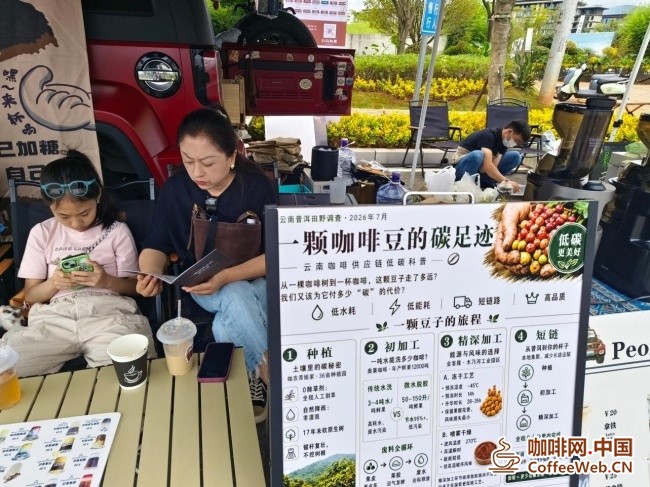
2026年8月1日至9日,滇池国际咖啡文化嘉年华在云南昆明举行。在琳琅满目的咖啡展位中,一个不设咖啡机、只摆展板和小册子的摊位格外特别——高中生刘铭宸带着他的"咖啡供应链低碳研究"项目亮相,向过往游客讲述"一颗咖啡豆的碳足迹"。
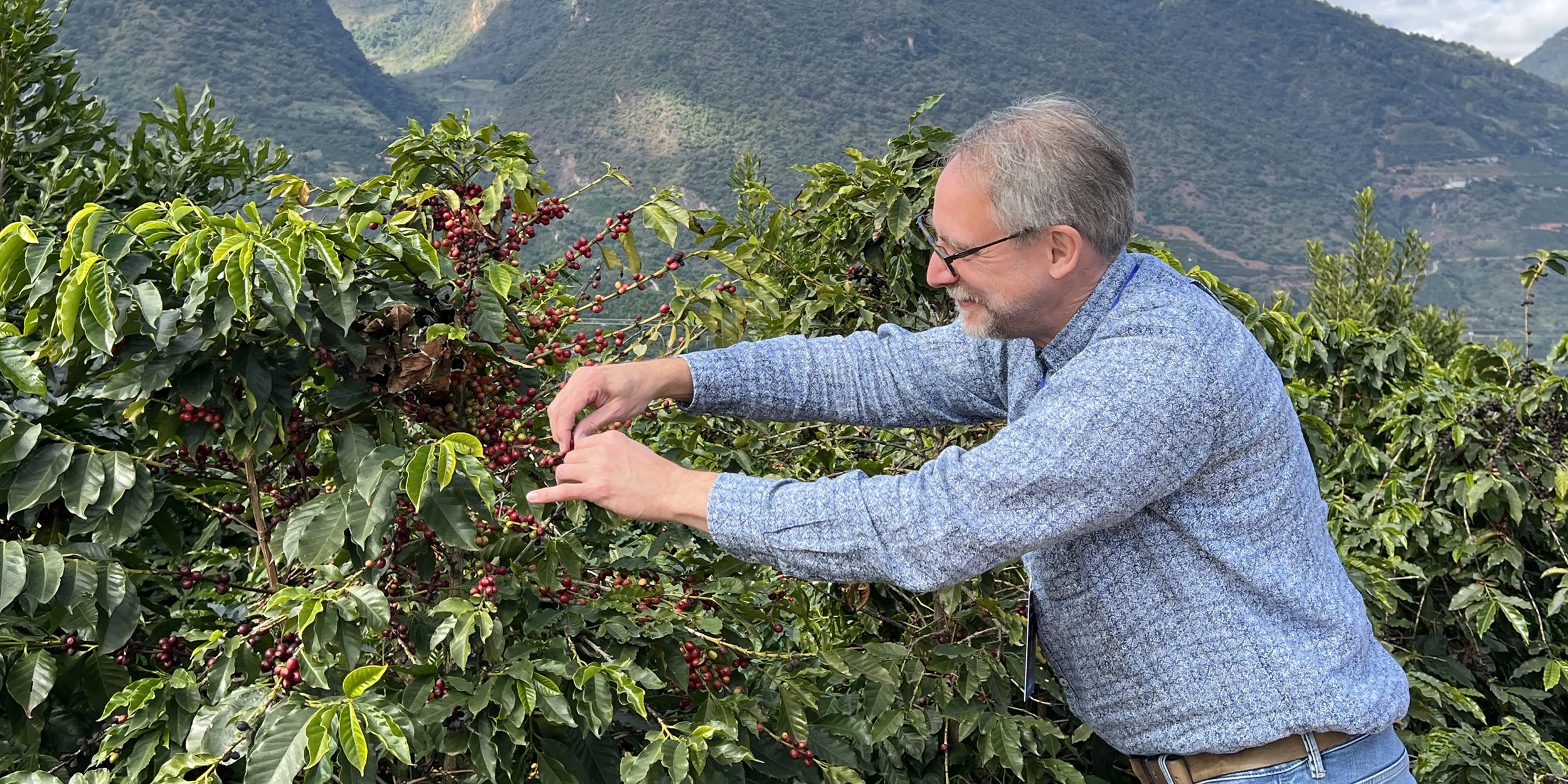
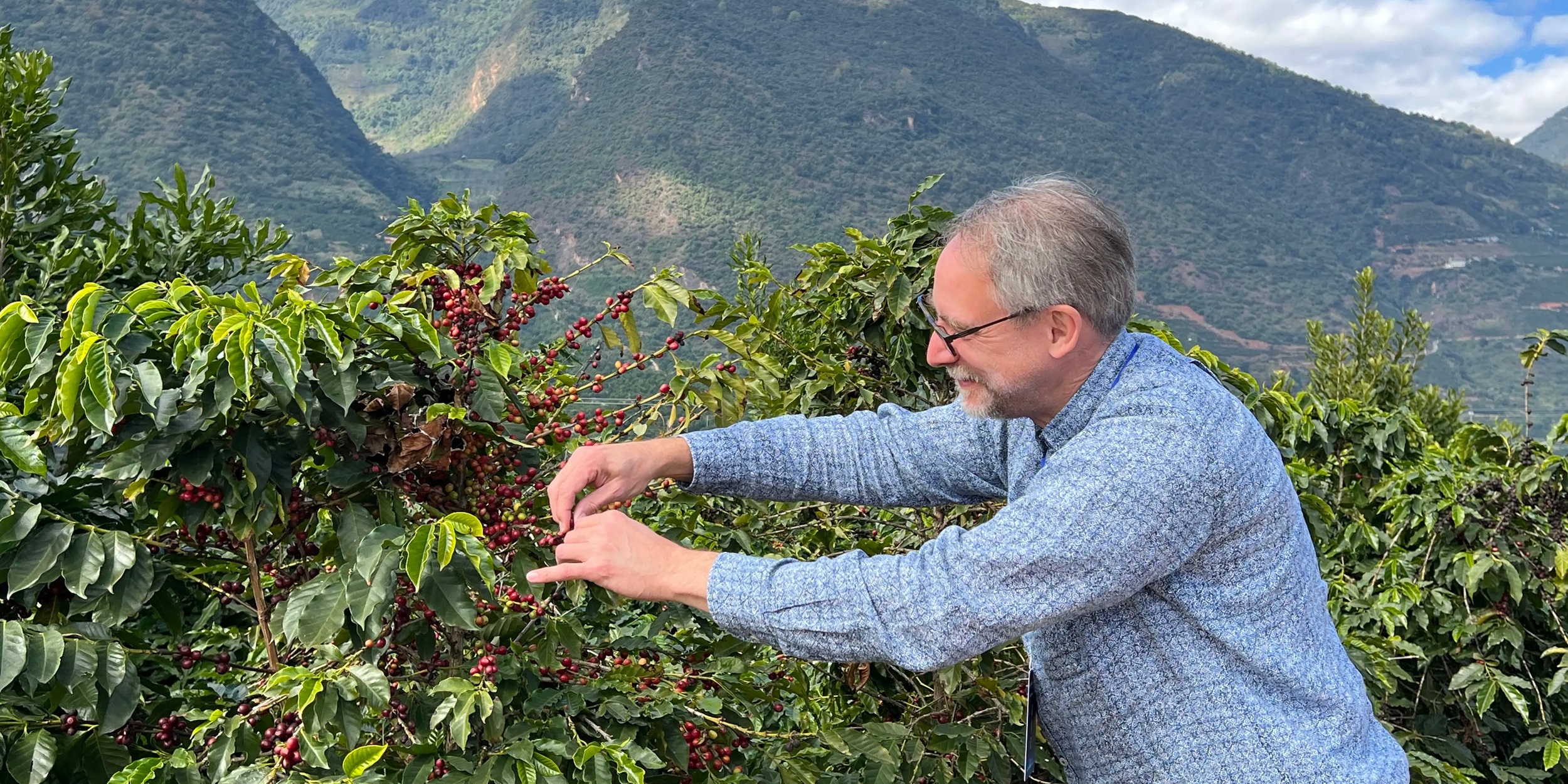
刘铭宸是上海青浦世外学校的11年级学生,也是学校咖啡社的运营者。在GSI(Global Steam Innovator)项目的支持下,他把对咖啡的兴趣变成了一项扎实的研究:一杯咖啡从种植到端到消费者手中,究竟要消耗多少水、多少能源、产生多少碳排放?带着这个问题,今年7月,他深入中国咖啡主产区云南普洱,用7天时间完整走访了咖啡供应链的各个环节。
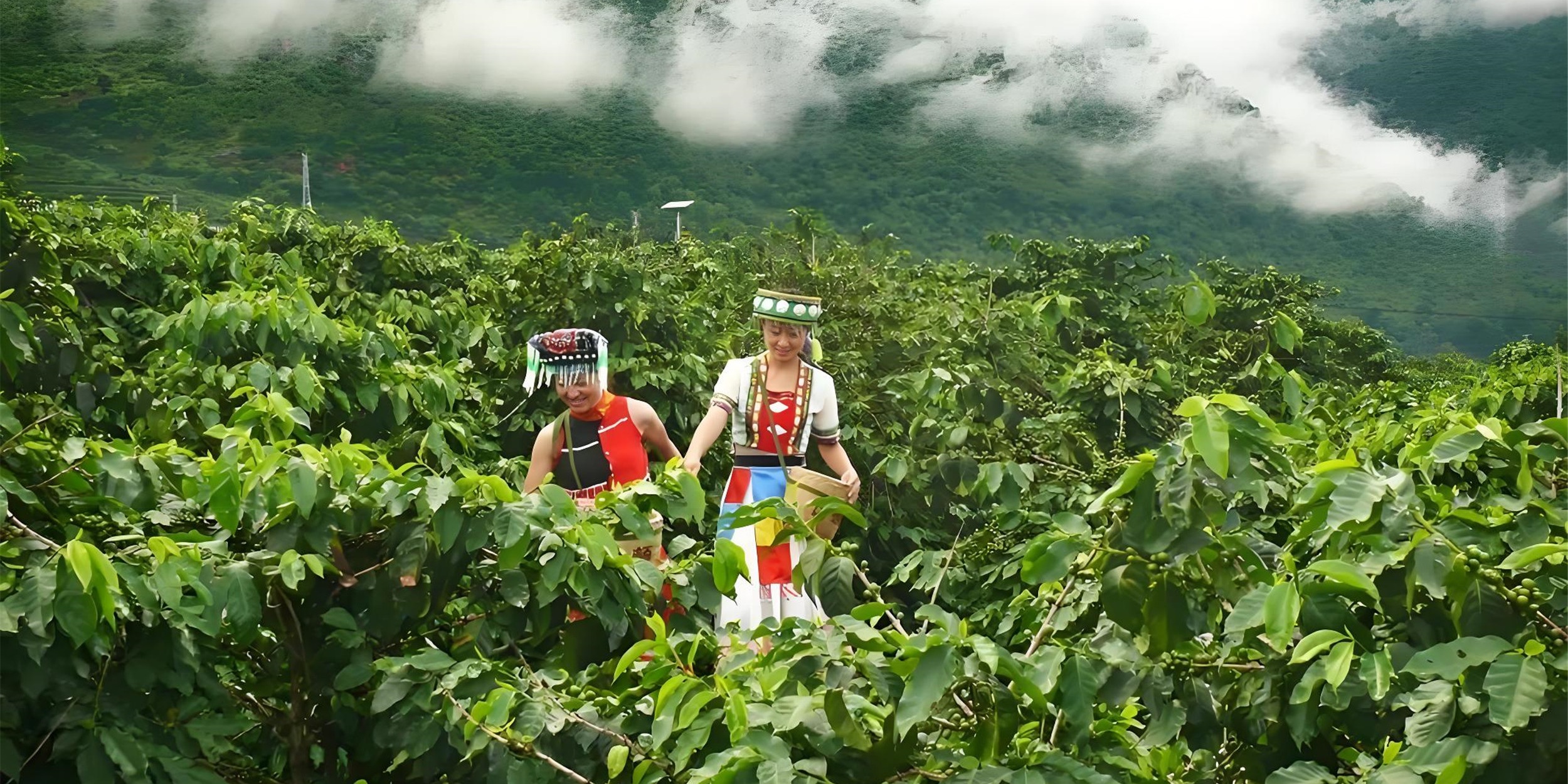
在种植端,他走进咖农36亩的种植园,看到的是一幅"低干预"的图景:全程人工割草、不使用除草剂,靠自然降雨零灌溉,园里的原生树17年未曾砍伐,为咖啡树遮阴护土。在初加工环节,他走访了年产鲜果上万吨的咖啡工厂,记录下一个对比强烈的数字:传统水洗工艺每吨鲜果要耗水3到4吨,而工厂采用的微水脱胶技术只需50到150升,节水超过95%;果皮被制成果皮茶,果胶用于沼气发酵,废水达标排放,实现了废料全循环。在精深加工环节,他参观了冻干生产线,零下45摄氏度的低温工艺在锁住风味的同时最大限度减少了损耗。走完最后一程他还有一个意外发现:普洱73万亩咖啡种植园与加工厂高度集聚,从种植到精深加工全程在几十公里内完成——"短链"本身就是云南咖啡最低碳的优势。
"来之前是想找咖啡行业的碳排放问题,走完发现云南咖啡豆其实做得很好。"刘铭宸说。他把调研所得整理成一本通俗易懂的科普小册子《一颗咖啡豆的碳足迹》,用"一吨水能洗多少咖啡""这颗豆子走了多远"这样的问题,把专业的供应链知识讲给普通消费者听。
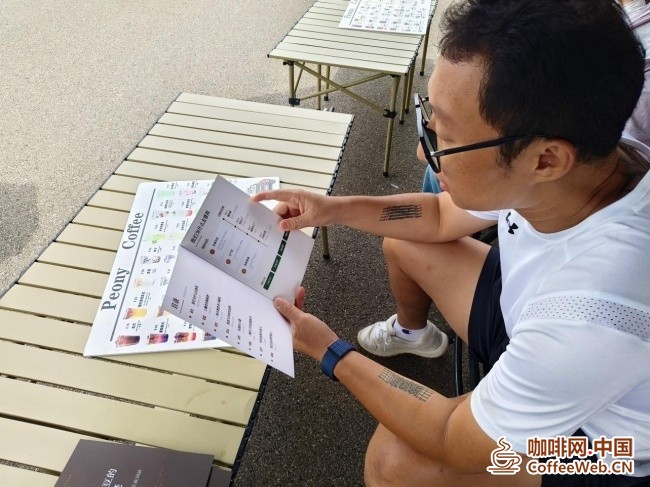
咖啡节两天,这份小册子在展位上持续发放,不少游客驻足展板前,听他讲解水洗与微水脱胶的区别、短链供应的意义。"很多人第一次意识到,自己手里的这杯咖啡背后还有一本'碳账本'。"一位现场参观者表示。
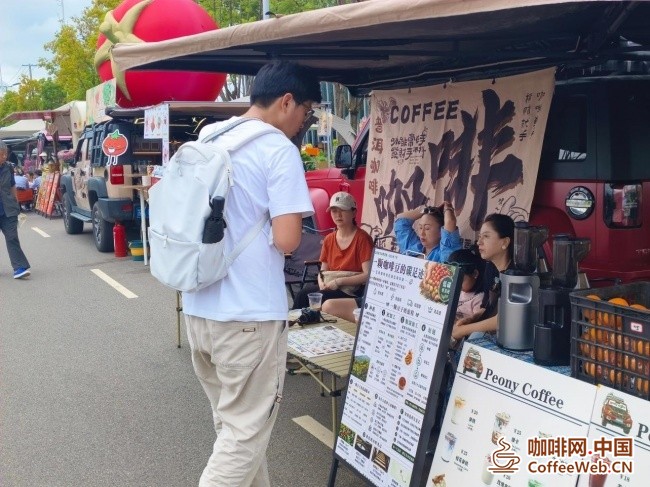
从课堂到田野,再到行业展会的展台,这个高中生的项目让人们看到:年轻一代正在用自己的方式关注可持续发展。而云南咖啡的低碳实践,也通过一个学生的视角,被更多消费者看见。正如小册子封面上写的那句话——低碳之路,咖啡未来;每一个选择,都在为地球减碳。
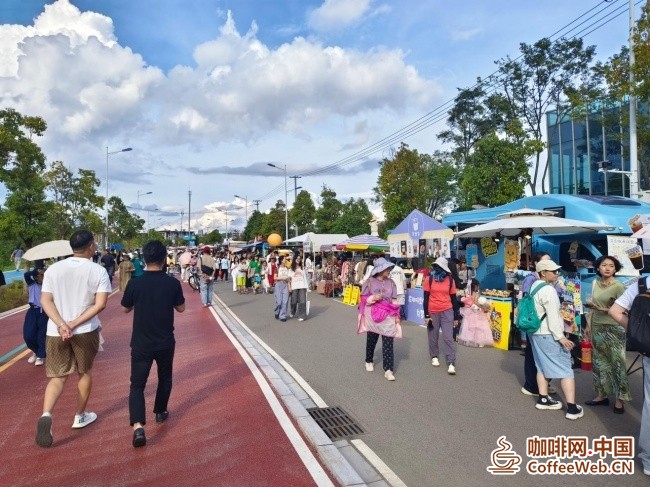
关于项目:"咖啡供应链低碳研究"由高中生刘铭宸发起,是一项聚焦云南咖啡产业碳足迹的青少年研究项目。项目通过实地田野调查,记录咖啡种植、初加工、精深加工到短链供应各环节的低碳实践,并以科普内容形式向公众传播。
The Dianchi International Coffee Culture Carnival will be held in Kunming, Yunnan from August 1st to 9th, 2026. Among the dazzling coffee booths, a booth without a coffee machine and only displaying display boards and brochures is particularly special - high school student Liu Mingchen appeared with his "Low Carbon Research on Coffee Supply Chain" project, telling passing tourists about the "carbon footprint of a coffee bean".
Liu Mingchen is an 11th grade student at Shanghai Qingpu Shiwai School and also the operator of the school's coffee club. With the support of the GSI (Global Steam Innovator) project, he turned his interest in coffee into a solid study: how much water, energy, and carbon emissions does a cup of coffee consume from planting to reaching consumers? With this question in mind, in July of this year, he went deep into Pu'er, Yunnan, the main coffee producing area in China, and spent 7 days visiting all aspects of the coffee supply chain.
On the planting end, he walked into a 36 acre plantation of coffee farmers and saw a "low intervention" scene: artificial mowing throughout the entire process, no use of herbicides, relying on natural rainfall and zero irrigation, the native trees in the plantation have not been cut down for 17 years, providing shade and soil protection for the coffee trees. In the initial processing stage, he visited a coffee factory that produces tens of thousands of tons of fresh fruit annually and recorded a strong comparison: the traditional water washing process consumes 3 to 4 tons of water per ton of fresh fruit, while the factory's micro water degumming technology only requires 50 to 150 liters, saving more than 95% water; The fruit peel is made into fruit peel tea, pectin is used for biogas fermentation, and wastewater is discharged in compliance with standards, achieving full recycling of waste materials. In the deep processing stage, he visited the freeze-drying production line, where the low-temperature process at minus 45 degrees Celsius locked in flavor while minimizing loss. After completing the final journey, he also made an unexpected discovery: 730000 acres of Pu'er coffee plantations and processing plants are highly concentrated, and the entire process from planting to deep processing is completed within tens of kilometers - "short chain" itself is the lowest carbon advantage of Yunnan coffee.
Before coming here, I was looking for carbon emissions issues in the coffee industry, but after leaving, I found that Yunnan coffee beans are actually doing very well, "Liu Mingchen said. He compiled the research findings into a simple and understandable science popularization booklet titled 'The Carbon Footprint of a Coffee Bean', using questions such as' How much coffee can be washed with one ton of water 'and' How far has this bean traveled 'to share professional supply chain knowledge with ordinary consumers.
During the two-day coffee festival, this booklet was continuously distributed at the booth, and many tourists stopped in front of the exhibition board to listen to his explanation of the difference between water washing and micro water degumming, as well as the significance of short chain supply. Many people realize for the first time that there is a 'carbon ledger' behind the cup of coffee in their hands, "said a visitor on site.
From classrooms to fields, and even to industry exhibition booths, this high school student project shows people that the younger generation is paying attention to sustainable development in their own way. The low-carbon practice of Yunnan coffee has also been seen by more consumers through the perspective of a student. As stated on the cover of the booklet - Low carbon path, coffee future; Every choice is reducing carbon emissions for the planet.
Regarding the project: "Low Carbon Research on Coffee Supply Chain" was initiated by high school student Liu Mingchen and is a youth research project focusing on the carbon footprint of Yunnan's coffee industry. The project records low-carbon practices in coffee cultivation, initial processing, deep processing, and short chain supply through field investigations, and disseminates them to the public in the form of popular science content.