2030 年规划目标 8 万家门店 ? 瑞幸要成为全球咖啡连锁之王The 2030 plan aims to have 80000 stores? Luckin Coffee aims to become the king of global coffee chains
作者:潘娴
来源:小食代(ID:foodinc)
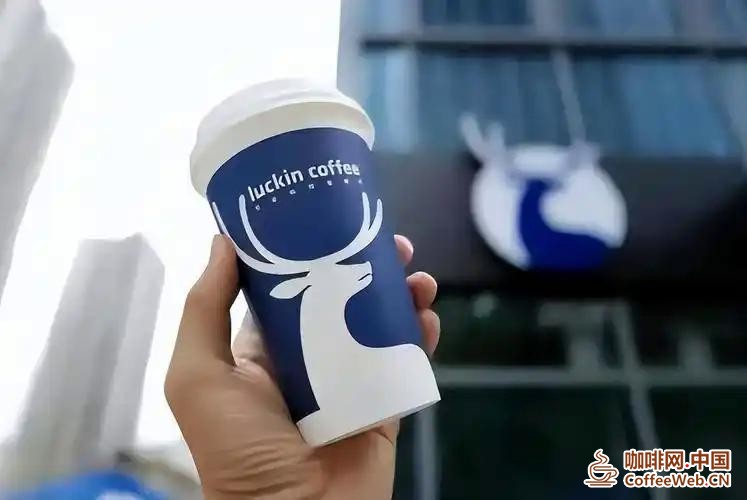
封面图来源:小红书 @瑞幸咖啡
瑞幸咖啡可能要跑得更快了。
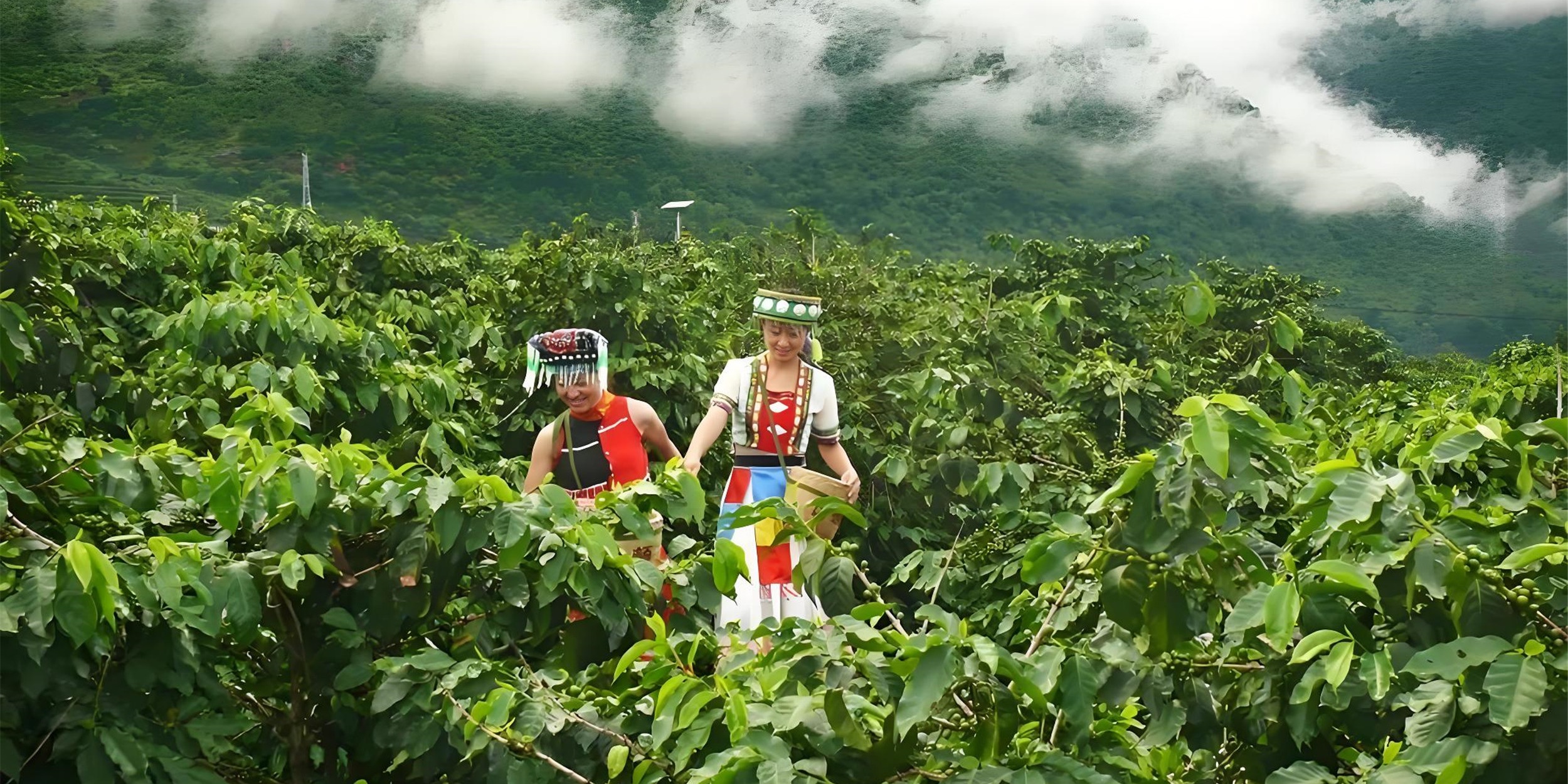
小食代留意到,近日,由云南日报报业集团主办的 " 云南网 " 发布了一篇有关瑞幸布局云南咖啡的文章指出,面向 2030 年,瑞幸规划全球门店超 8 万家,年饮品销量突破 100 亿杯,咖啡生豆总需求超 24 万吨,其中云南采购需求预计达 8 万吨。
截至 2025 年,瑞幸全球门店数量超过 3.1 万家。
如果上述规划已被公司最终敲定,这意味着瑞幸将继续加速开店,速度甚至比 " 五年再造 1.5 个瑞幸 " 还要更快。若 80000 店规划顺利达成,瑞幸也很可能超越星巴克成为全球咖啡连锁之王。
下面我们来一起看看。
1
" 颇为激进 "
在今天与多位咖啡茶饮行业人士交流时,他们均向小食代表示未曾听过瑞幸的 80000 店规划,并认为这一数字颇为激进。截至发稿时,瑞幸方面并未对 80000 店规划发表评论。
那么,瑞幸开到 80000 多家店到底是什么概念呢?2025 年,瑞幸门店总数为 31048 家。如果到 2030 年底门店数超 80000 家,意味着该公司平均每年净新增 9790 家店,相当于每天平均净新增约 27 家店。
对比瑞幸近几年的扩张节奏,这属于更进取但并非完全不可能的水平。
2023~2025 年,该公司全年净新增门店数分别为 8034、6092、8708 家,2026 上半年进一步提速至 5262 家。如果下半年继续维持,瑞幸 2026 全年净新增门店有望突破 10000 家,满足 80000 店规划所需要的速度。
如果到 2030 年达成 80000 店规划,瑞幸也极有可能超越星巴克,成为全球门店数量最多的咖啡连锁。
到上半年为止,星巴克全球门店规模仍高于瑞幸,但两者差距仅为 5000 店左右,且星巴克现时开店速度明显慢于瑞幸。
根据两家公司财报,截至 2026 年 6 月 28 日,星巴克全球拥有 41304 家店,同比净新增 207 家。截至 2026 年 6 月 30 日,瑞幸全球拥有 36310 家店,同比净新增 10104 家。
2023 年,星巴克曾提出到 2030 年全球门店达 55000 家。但随着这家咖啡连锁经历了换帅与战略调整,暂不清楚该目标是否有所调整。
而根据该公司今年 1 月发布的新战略,美国有机会新开 5000 家店;美国以外门店数量有望接近 40000 家,规模翻一番,由中国市场增至 15000 至 20000 家咖啡店来驱动。
不过,这些数字都是站在长远来看,并未给出达成时间。而现有的确切目标是,星巴克计划 2026 财年全球净新增 600~650 家门店,2028 财年净新增超 2000 家店,速度要比瑞幸当下水平慢许多。
事实上,在茶咖融合趋势下,包括蜜雪、古茗、沪上阿姨在内的万店连锁都已向已有门店引进或升级咖啡产品线,以争夺早餐等时段的销售,它们的布局无疑为瑞幸带来了更大挑战。
比如,蜜雪集团今年在积极加码咖啡业务。其中,蜜雪冰城部分门店引进了现磨咖啡机,幸运咖则计划投资数亿元用于品牌营销、小程序 APP、空间体验等工作。
截至 2025 年 12 月 31 日,蜜雪集团在全球拥有约 60000 家门店,几乎是两个瑞幸的体量,其中超过 90% 门店均位于中国内地。
古茗正在冲刺 2027 年达成 20000 店目标。截至 2025 年 12 月 31 日,该公司拥有 13554 家门店,其中超过 12000 家店配备了咖啡机,今年将重点打造差异化咖啡产品。" 希望我们的赛道从奶茶变成茶咖。" 古茗董事会主席兼首席执行官王云安曾说。
今年,沪上阿姨提出了 " 茶咖双轮驱动 " 战略。在 2026 中报业绩会上,其高层透露,目前约有 9000 多家门店配备了升级咖啡机,未来将继续推动杯量占比上升,同时提升运营,如咖啡豆升级、服务精细化。今年,沪上阿姨品牌计划新开 2000~3000 店。
此前,茶百道也提出了到 2026 年底咖啡业务覆盖 2000 家门店的目标。但该目标已经提前超额完成,今年 6 月已经覆盖超 2700 家门店。
2
表决心
在茶咖融合造就的新竞争局面下,瑞幸也在 " 反击 "。比如,该公司今年 6 月启动全品类主题活动,并喊出 " 有瑞幸,就够了 " 的口号,旗下咖啡、果茶、轻乳茶、果蔬茶、柠檬茶等均参加限时 9.9 元起活动。
除了产品战略升级,门店扩张也被视为防御武器。
对咖啡茶饮行业而言,在确保同店销售的前提下,更广更密的门店不仅意味着收入增量,由此带来的规模效应扩大也有助于提升利润空间。" 店数不增长的话,业务量和营收就很难增长,所以多开店还是很多餐饮连锁的重要举措。" 一位餐饮业管理人士说。
瑞幸高层也多次表示,拓展门店是捍卫长期优势地位的举措。
" 在确保单店模型健康的前提下,以有竞争力的速度推进门店网络建设,也是持续强化规模优势和长期市场布局的重要手段。" 瑞幸 CEO 郭谨一在 2026 一季报业绩会上说,中国咖啡市场仍处于需求持续释放的快速发展期,长期增长空间十分广阔。
如果真的按 80000 店规划推进,国内加密与海外加码被认为是瑞幸开店的 " 两条腿 "。
今年 6 月,高盛在一份瑞幸研报中提出,该公司在中国大陆的门店扩张空间仍然充裕。截至 2025 年底,瑞幸在中国大陆的现磨咖啡市场的 GMV 份额达 28%,约为第二大品牌星巴克的两倍。
以 711 咖啡(City Caf é)在中国台湾现磨咖啡市场 35% 的份额为基准(注:该品牌为台湾最大咖啡连锁),测算若瑞幸达到同等市占率,对应门店数量约为 5.6 万家,上限可达约 6.9 万家。
高盛认为,支撑这一目标的核心逻辑包括:瑞幸的高可及性与高性价比为渗透率提升奠定基础;自有 APP 或小程序所积累的活跃用户及会员,形成强大的数据驱动运营能力;非咖产品有助于拓展低线城市的消费场景与客群。
同时,高盛对瑞幸海外业务持审慎态度,预计 2028 年海外收入贡献仅为低个位数百分比。
其中,东南亚现磨饮品市场规模仅约为中国的 0.3 倍,增长潜力相对有限。在美国,瑞幸面临一系列挑战,包括星巴克与 Dunkin ’ s 竞争、消费者通过 APP 数字化下单的习惯尚未建立、门店开设流程更复杂且成本更高。
在业内人士看来,不管是国内还是出海,瑞幸的高速扩张都会面临不少难题。
上海啡越投资管理有限公司董事长王振东认为,在国内,门店加密可能会分流同品牌门店的销售,制约单店营收增长。
如果要继续下沉,瑞幸一方面遭遇幸运咖等品牌的竞争,另一方面要应对县域市场消费力不算旺盛、消费者支出集中在刚需正餐的问题。
他又指,在海外,瑞幸的商业模式仍待检验,如 " 咖啡奶茶化(注:如茶咖、果咖)" 的产品思路能否复制、早期依靠外卖与补贴起量能否成功。
尽管海外市场具备成熟咖啡消费习惯,但也普遍拥有本土强势品牌,消费者饮用习惯固化,接受外来品牌存在天然壁垒。此外,尽管瑞幸大股东大钲资本已收购蓝瓶咖啡,但这一定位精品连锁的品牌并不适合快速扩张。
" 在我看来,瑞幸的 8 万家门店规划更像是展现持续扩张的发展决心,不一定是必然要达成的硬性指标。如果真的要实现这个目标,要付出的太多了。" 王振东说。
上述餐饮业管理人士则认为,瑞幸下沉加密的好处是租金便宜、容易盈利,但需培养乡镇消费者的饮用习惯。
在海外,该公司则需解决如何组建匹配海外业务需求的人才团队、有效管理好海外门店、国内供应链如何触达和支持海外业务等问题。
虽然暂未得知瑞幸对 80000 店规划的真实想法,但可以肯定的是,这家中国最大咖啡连锁一直没停下为高速扩张铺路做准备。
在供应链上,去年,瑞幸咖啡(厦门)创新产业园项目正式开工,该项目总投资 30 亿元,建成后将成为中国最大单体咖啡烘焙工厂,计划年烘焙产能 5.5 万吨,年处理生豆能力最高超过 10 万吨。
加上位于青岛、昆山和屏南的三座烘焙厂,瑞幸年咖啡烘焙总产能将超过 15.5 万吨。
在出海上,郭谨一今年曾透露,瑞幸完成了国际化业务中台的整合,提升海外拓展的运营管理能力。在系统化中台的支持下,该公司将继续深耕现有市场,积累海外运营经验,稳步推进海外市场扩张。
亲爱的读者朋友,星标《Foodaily 每日食品》公众号,及时接收每日新鲜的推文,希望我们像以前一样,每日相见!
更多行业前沿资讯和优质供需资源对接,扫码添加「食品创新官」Cherry 即可进群。
Author: Pan Xian
Source: Snack Agency (ID: foodinc)
Cover image source: Xiaohongshu @ Luckin Coffee
Luckin Coffee may run faster.
Snacks Agency noticed that recently, "Yunnan Net" hosted by Yunnan Daily Newspaper Group published an article about Luckin Coffee's layout of Yunnan coffee, stating that by 2030, Luckin Coffee plans to have over 80000 stores worldwide, with annual beverage sales exceeding 10 billion cups and a total demand for coffee beans exceeding 240000 tons, of which Yunnan's procurement demand is expected to reach 80000 tons.
As of 2025, Luckin Coffee has over 31000 global stores.
If the above plan has been finalized by the company, it means that Luckin will continue to accelerate the opening of stores, even faster than "building 1.5 Luckin stores in five years". If the 80000 store plan is successfully achieved, Luckin Coffee is also likely to surpass Starbucks and become the king of global coffee chains.
Let's take a look together below.
one
Quite radical
During today's communication with several professionals in the coffee and tea beverage industry, they all told the snack agency that they had never heard of Luckin Coffee's 80000 store plan and believed that this number was quite radical. As of the time of writing, Luckin has not provided any comments on the 80000 store plan.
So, what is the concept behind Luckin opening over 80000 stores? By 2025, the total number of Luckin stores will be 31048. If the number of stores exceeds 80000 by the end of 2030, it means that the company will add an average of 9790 new stores per year, which is equivalent to an average of about 27 new stores added per day.
Compared to Luckin Coffee's expansion pace in recent years, this is a more aggressive but not entirely impossible level.
From 2023 to 2025, the company's net new stores for the whole year will be 8034, 6092, and 8708 respectively, and will further accelerate to 5262 in the first half of 2026. If it continues to maintain in the second half of the year, Luckin Coffee's net new stores for the whole year of 2026 are expected to exceed 10000, meeting the speed required for the 80000 store plan.
If Luckin Coffee achieves its 80000 store plan by 2030, it is highly likely to surpass Starbucks and become the coffee chain with the largest number of stores worldwide.
As of the first half of the year, Starbucks still has a larger global store scale than Luckin, but the difference between the two is only about 5000 stores, and Starbucks' current store opening speed is significantly slower than Luckin's.
According to the financial reports of both companies, as of June 28, 2026, Starbucks had 41304 stores worldwide, with a net increase of 207 stores year-on-year. As of June 30, 2026, Luckin Coffee has 36310 stores worldwide, with a net increase of 10104 stores compared to the same period last year.
In 2023, Starbucks proposed to have 55000 global stores by 2030. But as this coffee chain undergoes a change in leadership and strategic adjustments, it is currently unclear whether this goal has been adjusted.
According to the company's new strategy released in January this year, there is an opportunity to open 5000 new stores in the United States; The number of stores outside the United States is expected to approach 40000, doubling in size, driven by an increase in the Chinese market to 15000 to 20000 coffee shops.
However, these numbers are based on a long-term perspective and do not provide a timeline for achievement. The current exact target is that Starbucks plans to add 600-650 new stores globally in the 2026 fiscal year, and over 2000 new stores in the 2028 fiscal year, which is much slower than Luckin's current level.
In fact, under the trend of tea and coffee integration, Wan Dian chain stores including Mi Xue, Gu Ming, and Hu Shang Auntie have introduced or upgraded their coffee product lines to existing stores to compete for sales during breakfast and other time periods. Their layout undoubtedly brings greater challenges to Luckin Coffee.
For example, Meixue Group is actively increasing its coffee business this year. Among them, some stores in Meixue Ice City have introduced freshly ground coffee machines, while Lucky Coffee plans to invest hundreds of millions of yuan in brand marketing, mini program APP, space experience and other work.
As of December 31, 2025, Meixue Group has approximately 60000 stores worldwide, almost the size of two Luckin stores, with over 90% of stores located in mainland China.
Guming is striving to achieve its goal of 20000 stores by 2027. As of December 31, 2025, the company has 13554 stores, of which over 12000 are equipped with coffee machines. This year, the company will focus on creating differentiated coffee products. I hope our track changes from milk tea to tea cafes, "said Wang Yun'an, Chairman and CEO of Guming.
This year, Shanghai Auntie proposed the "Tea and Coffee Dual Wheel Drive" strategy. At the 2026 interim performance report meeting, its senior management revealed that currently more than 9000 stores are equipped with upgraded coffee machines. In the future, it will continue to promote an increase in the proportion of cups and improve operations, such as upgrading coffee beans and refining services. This year, the Shanghai Auntie brand plans to open 2000-3000 new stores.
Previously, Chabaidao also set a goal of covering 2000 coffee stores by the end of 2026. But the target has already been exceeded ahead of schedule, covering over 2700 stores as of June this year.
two
Expressing determination
In the new competitive situation created by the integration of tea and coffee, Luckin Coffee is also "counterattacking". For example, the company launched a full category themed event in June this year and shouted the slogan "Lucky is enough". Its coffee, fruit tea, light milk tea, fruit and vegetable tea, lemon tea, and other products all participated in the limited time event starting from 9.9 yuan.
In addition to product strategy upgrades, store expansion is also seen as a defensive weapon.
For the coffee and tea beverage industry, while ensuring same store sales, wider and denser stores not only mean increased revenue, but also help to enhance profit margins by expanding economies of scale. If the number of stores does not increase, it will be difficult for business volume and revenue to grow, so opening more stores is still an important measure for many catering chains, "said a catering industry manager.
Luckin executives have repeatedly stated that expanding stores is a measure to defend their long-term advantageous position.
On the premise of ensuring the health of the single store model, promoting the construction of the store network at a competitive speed is also an important means to continuously strengthen the scale advantage and long-term market layout, "said Guo Jinyi, CEO of Luckin Coffee, at the 2026 first quarter performance report meeting. The Chinese coffee market is still in a rapid development period of sustained demand release, and the long-term growth space is very broad.
If we really push forward with the 80000 store plan, domestic encryption and overseas expansion are considered the "two legs" of Luckin's store opening.
In June this year, Goldman Sachs put forward in a Ruixing research paper that the company's store expansion space in Chinese Mainland is still abundant. By the end of 2025, Ruixing's GMV share in the freshly ground coffee market in Chinese Mainland had reached 28%, about twice that of Starbucks, the second largest brand.
Based on the 35% share of 711 coffee (City Caf é) in Taiwan, China's freshly ground coffee market (note: this brand is the largest coffee chain in Taiwan), it is estimated that if Ruixing reaches the same market share, the number of corresponding stores will be about 56000, with a ceiling of about 69000.
Goldman Sachs believes that the core logic supporting this goal includes: Luckin's high accessibility and cost-effectiveness lay the foundation for increasing penetration rate; Accumulated active users and members through self owned apps or mini programs, forming strong data-driven operational capabilities; Non coffee products can help expand the consumption scenarios and customer base in lower tier cities.
Meanwhile, Goldman Sachs maintains a cautious attitude towards Luckin's overseas business and expects that the overseas revenue contribution in 2028 will only be in the low single digit percentage.
Among them, the market size of freshly ground beverages in Southeast Asia is only about 0.3 times that of China, with relatively limited growth potential. In the United States, Luckin Coffee faces a series of challenges, including competition between Starbucks and Dunkin's, the lack of established consumer habits for digital ordering through the app, and a more complex and costly store opening process.
In the eyes of industry insiders, whether it is domestic or overseas, Luckin's rapid expansion will face many challenges.
Wang Zhendong, Chairman of Shanghai Feiyue Investment Management Co., Ltd., believes that in China, store encryption may divert sales from stores of the same brand and restrict the growth of single store revenue.
If Luckin Coffee wants to continue sinking, it will face competition from brands such as Lucky Coffee on one hand, and on the other hand, it will have to deal with the problem of weak consumption power in the county-level market and consumer spending concentrated on essential meals.
He also pointed out that overseas, Luckin Coffee's business model still needs to be tested, such as whether the product concept of "coffee milk tea transformation (note: such as tea coffee, fruit coffee)" can be replicated, and whether the early reliance on takeout and subsidies can succeed.
Although overseas markets have mature coffee consumption habits, they also generally have strong local brands, and consumers' drinking habits are fixed, creating natural barriers to accepting foreign brands. In addition, although Luckin Coffee's major shareholder, Dazheng Capital, has acquired Blue Bottle Coffee, this positioning as a boutique chain brand is not suitable for rapid expansion.
In my opinion, Luckin's 80000 store plan is more like demonstrating its determination to continue expanding, and it is not necessarily a hard target that must be achieved. If we really want to achieve this goal, we will have to put in too much effort, "said Wang Zhendong.
The above-mentioned catering industry managers believe that the benefits of Luckin Coffee's decentralized encryption are cheap rent and easy profitability, but it is necessary to cultivate the drinking habits of rural consumers.
Overseas, the company needs to address issues such as how to build a talent team that matches overseas business needs, effectively manage overseas stores, and how to reach and support overseas business through the domestic supply chain.
Although we have not yet learned Luckin Coffee's true thoughts on the 80000 store plan, it is certain that the largest coffee chain in China has not stopped preparing for rapid expansion.
In the supply chain, last year, Luckin Coffee (Xiamen) Innovation Industrial Park project officially started construction, with a total investment of 3 billion yuan. After completion, it will become China's largest single unit coffee roasting factory, with a planned annual roasting capacity of 55000 tons and an annual processing capacity of over 100000 tons of green beans.
Combined with three roasting factories located in Qingdao, Kunshan, and Pingnan, Luckin Coffee's total roasting capacity will exceed 155000 tons.
At sea, Guo Jinyi revealed this year that Luckin Coffee has completed the integration of its international business platform, enhancing its operational management capabilities for overseas expansion. With the support of a systematic platform, the company will continue to deepen its existing market, accumulate overseas operational experience, and steadily promote overseas market expansion.
Dear readers, the star logo official account of Foodaily Daily Food receives fresh daily tweets in time. I hope we can meet each other every day as before!
For more cutting-edge industry information and high-quality supply and demand resources, scan the code to add Cherry, the "Food Innovation Officer", to join the group.