从34亩到1120亩:云南沧源探索咖啡稻谷套种助农新模式From 34 acres to 1120 acres: Exploring a new model of coffee rice intercropping to assist agriculture in Cangyuan, Yunnan
一棵咖啡树从种下到挂果约需三年。在这三年里,咖农几乎没有收入——这是长期制约云南精品咖啡种植面积扩大的现实难题。
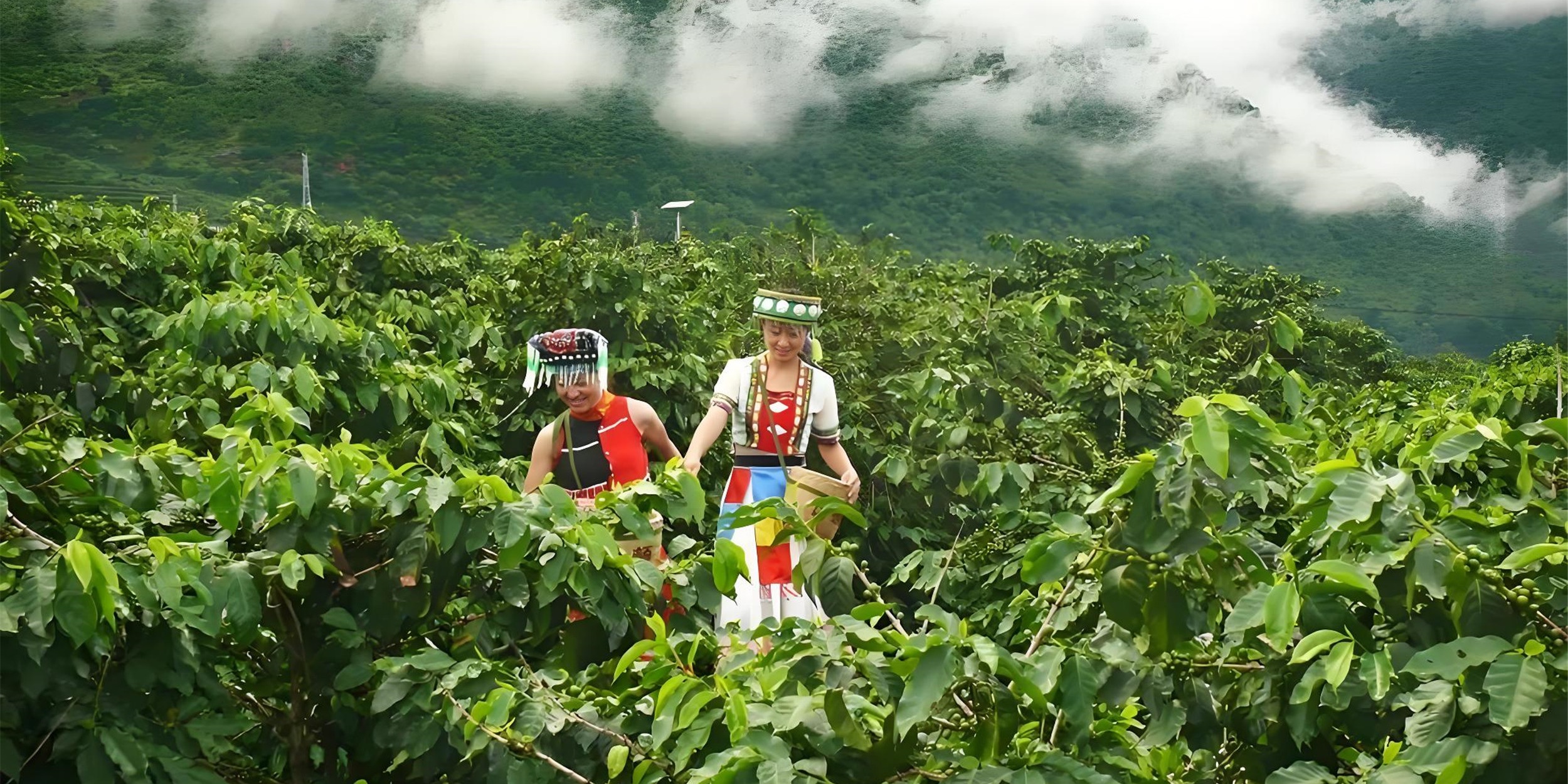
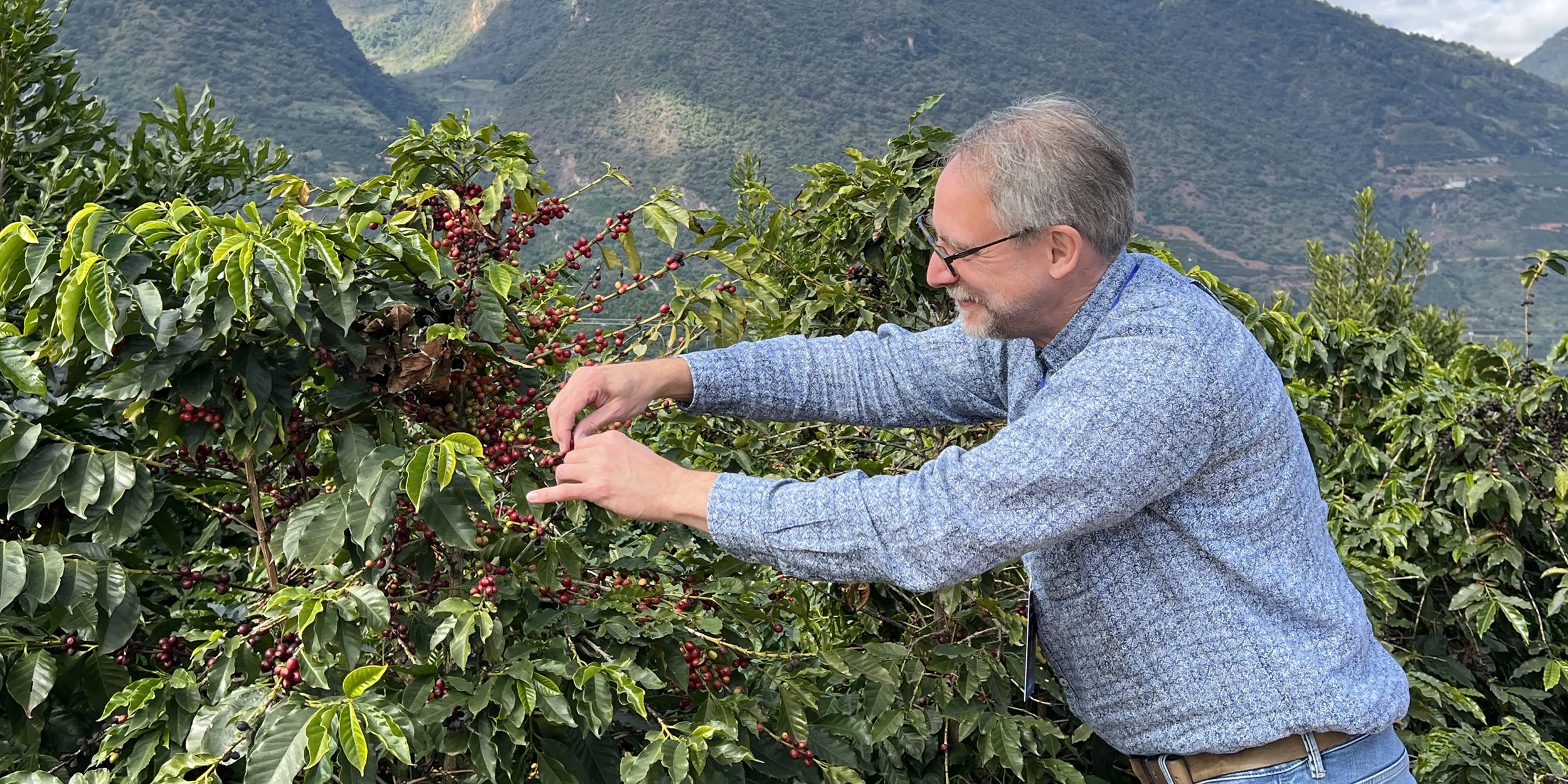
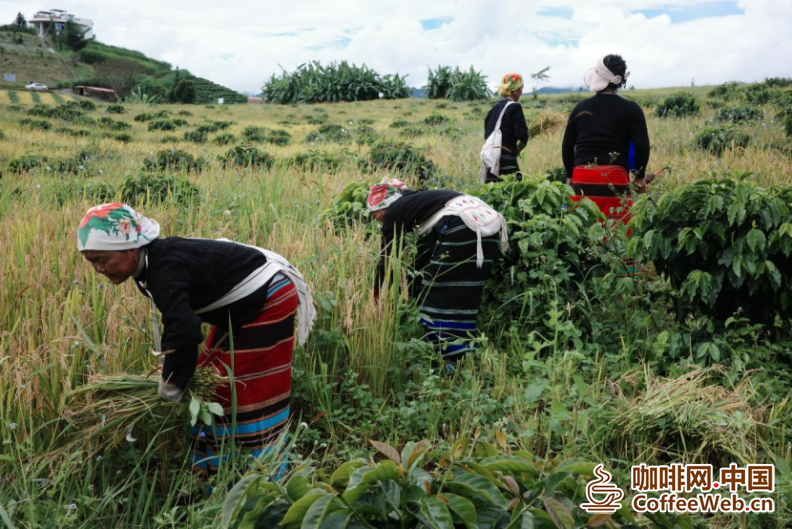
近日,在云南省临沧市沧源佤族自治县,一项名为“咖稻共生”的种植试验正在当地展开:在同一地块上,咖啡与旱稻同时生长。稻谷填补了咖啡挂果前的收入空白,收割后的稻茬还田成为绿肥反哺土壤。一年多来,当地咖稻套种面积已从最初的34亩试验田增加至超过1120亩。
这项试验由中国精品咖啡品牌Grid Coffee联合云南本地庄园与农业院校于2026年初发起。透过它,可以观察到云南咖啡这一传统“低价原料产地”正在向精品化、可持续方向探索的一个切面。
一块试验田:让咖农在等待咖啡挂果的三年里也有收入
试验田位于沧源秋珀庄园的天坑地块。当地采用“咖稻套种”方式,在咖啡树行间种植旱稻。
据参与项目的秋珀庄园相关负责人赛敏介绍,这种模式带来的收益提升较为可观:在咖啡挂果前的前两年,仅稻谷一项(预计亩产350至400公斤、市场价约6元/公斤)就能使咖农收益与单一种植甘蔗持平、达到单一种植玉米的2倍以上;到第三年咖啡成熟后,咖啡与稻谷收益叠加,每亩预计可实现约4800元收入,相较单一种植甘蔗提升2倍以上、约为单一种植玉米的5倍。
“种植者的收入被改善,才会有更多农户愿意加入。”项目发起方表示,收益的实打实提升,是套种面积一年多内快速扩大的直接原因,也让精品咖啡在当地的种植规模得以真正扩展。
除收益外,这一模式在土壤养护上亦有考量。稻谷收割后,稻茬留在土里成为绿肥,回馈土壤养分,土壤再反哺咖啡风味,形成正向循环。项目发起方将这一“土地、咖啡与人互相滋养”的思路概括为“共生”。
校企协作与灾后补植:一项被持续追踪的开放试验
这项试验由Grid Coffee联合CoE(卓越杯)云南试点赛冠军庄园秋珀庄园与云南农业大学共同推进。
据项目方披露,面对2025年霜冻造成的损失,已于2026年补植咖啡苗43890株,完成全部受灾地块的修复。项目采取开放记录的方式,同步公开农场记录、观察日志、样本与阶段性成果,以便过程可被追踪。
按照规划,该试验将进入第二年的扩种阶段。项目方坦言,第一年的成果仍是阶段性的,套种模式的稳定性、不同处理工艺对风味的影响等,仍需在后续种植季中进一步验证。
从产地到杯中:云南咖啡的精品化探索
云南是中国主要的咖啡产区,长期以来多以生豆原料形式进入市场,“低价、土味”的刻板印象曾困扰这一产业。近年来,随着精品化处理工艺的引入和产区细分,云南咖啡正在世界精品咖啡语境中重新被认识。
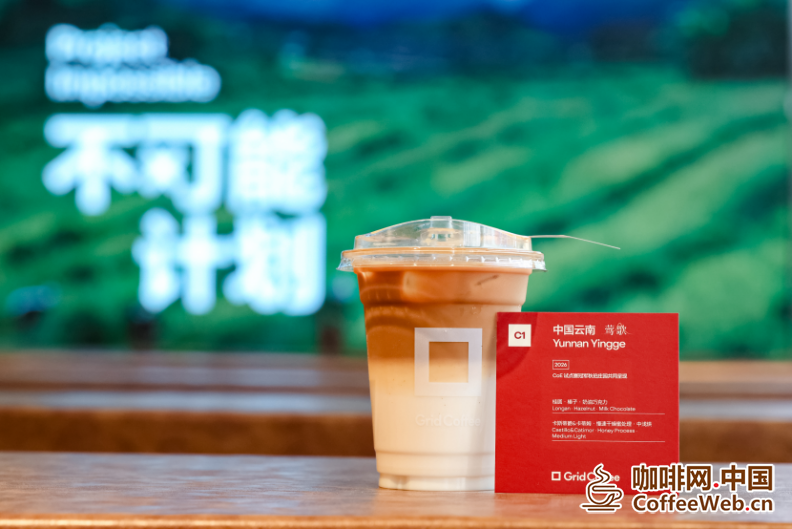
在此次试验之外,参与项目的品牌方也以产品形式呈现云南多个精品产区的风味探索,产区覆盖临沧、怒江、德宏等地。以怒江泸水云蔓庄园、德宏芒市侏椤庄园为代表的边境产区,通过水洗、蜜处理等精细化工艺,呈现出区别于以往云南豆“发酵感”的干净风味特征。其中,怒江高黎贡山一带的“富硒土壤”孕育出的咖啡,是当地探索差异化种植的一个例证。
咖稻套种试验田产出的旱稻,还被用于研发一款以大米为基底的植物奶饮品,尝试将产地端的农业试验成果延伸到消费端。因以大米为原料,该饮品无麸质、无大豆过敏原,素食人群亦可饮用。
展览:把产地“搬”进城市
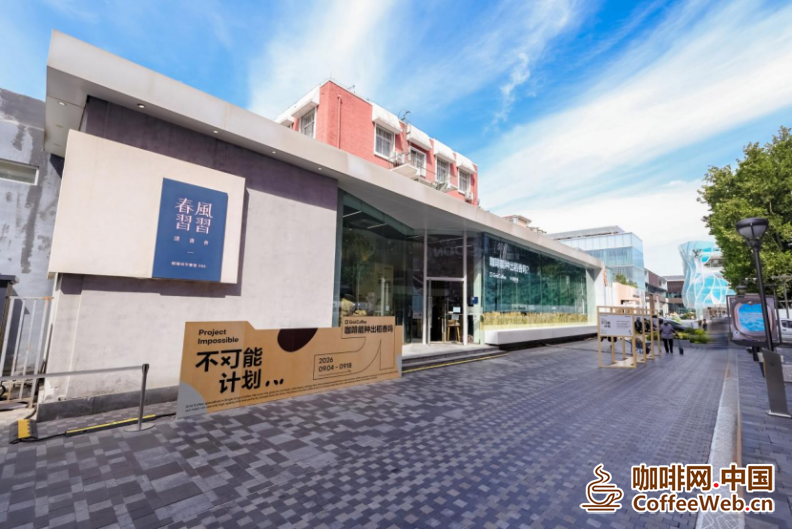
2026年9月5日至18日,正值该试验第一年收官,项目方在北京三里屯春风习习书店举办同名线下展览,以档案馆式的展陈,将农场记录、影像、观察日志与阶段性成果分类陈列,向公众开放。展览之外,品牌年度产地专题刊物《追山羊》第七期(云南主题)同步发行。
从最初的34亩到如今的1120余亩,云南沧源的这块试验田,试图回答的不只是“咖啡能否种出稻香”,更是“如何让咖农在精品咖啡的漫长种植周期里稳定增收”。
正如项目主题所言,云南咖啡产业的价值,或许正在于这种“共生”——土地、作物与人之间重新建立的长期、正向连接。这个答案仍在生长之中。
A coffee tree takes about three years from planting to fruiting. In these three years, coffee farmers have had almost no income - this is a real problem that has long constrained the expansion of Yunnan's premium coffee planting area.
Recently, a planting experiment called "coffee rice symbiosis" is underway in Cangyuan Va Autonomous County, Lincang City, Yunnan Province: coffee and upland rice grow simultaneously on the same plot of land. Rice fills the income gap before coffee fruiting, and the harvested rice stubble is returned to the field as green manure to nourish the soil. Over the past year, the area of local coffee rice intercropping has increased from the initial 34 acres of experimental fields to over 1120 acres.
This experiment was initiated by the Chinese boutique coffee brand Grid Coffee in collaboration with local Yunnan estates and agricultural colleges in early 2026. Through it, we can observe a section of Yunnan coffee, a traditional "low-priced raw material production area", exploring towards refinement and sustainability.
A test field: allowing coffee farmers to earn income while waiting for coffee to bear fruit for three years
The experimental field is located on the Tiankeng plot of Cangyuan Qiupo Manor. The local area adopts the "coffee rice intercropping" method, planting upland rice between rows of coffee trees.
According to Sai Min, the person in charge of Qiupo Manor who participated in the project, this model brings considerable income growth: in the first two years before the coffee fruit is harvested, only rice (expected to yield 350 to 400 kilograms per mu, with a market price of about 6 yuan/kg) can make coffee farmers' income equal to that of single planting sugarcane and more than twice that of single planting corn; After the coffee matures in the third year, the combined income from coffee and rice is expected to reach about 4800 yuan per mu, which is more than twice as much as planting sugarcane alone and about five times as much as planting corn alone.
The initiator of the project stated that only when the income of growers is improved, will more farmers be willing to join. The real increase in income is the direct reason for the rapid expansion of the intercropping area in just over a year, and it has also allowed the local planting scale of specialty coffee to truly expand.
In addition to benefits, this model also takes into account soil conservation. After the rice is harvested, the rice stubble remains in the soil as green manure, returning nutrients to the soil, which in turn feeds back the flavor of coffee, forming a positive cycle. The project initiator summarized the idea of "land, coffee, and people nourishing each other" as "symbiosis".
Collaboration between schools and enterprises and post disaster replanting: an open trial that has been continuously tracked
This experiment is jointly promoted by Grid Coffee, CoE (Excellence Cup) Yunnan Pilot Competition Champion Zhuang Yuan Qiu Po Manor, and Yunnan Agricultural University.
According to the project party's disclosure, in the face of losses caused by frost in 2025, 43890 coffee seedlings have been replanted in 2026, completing the restoration of all affected areas. The project adopts an open record approach, synchronously disclosing farm records, observation logs, samples, and phased results, so that the process can be tracked.
According to the plan, the experiment will enter the second year of expansion phase. The project team admitted that the results of the first year are still phased, and the stability of the intercropping mode and the impact of different processing techniques on flavor still need to be further verified in subsequent planting seasons.
From origin to cup: Exploration of Yunnan coffee's refinement
Yunnan is a major coffee producing area in China, which has entered the market in the form of raw beans for a long time. The stereotype of "low price, unfashionable" has plagued this industry. In recent years, with the introduction of refined processing techniques and the subdivision of production areas, Yunnan coffee is being re recognized in the context of world specialty coffee.
In addition to this experiment, the participating brands also presented flavor explorations from multiple high-quality production areas in Yunnan in the form of products, covering Lincang, Nujiang, Dehong and other places. Border production areas represented by Nujiang Lushui Yunman Manor and Dehong Mangshi Julong Manor present clean flavor characteristics that differ from the previous Yunnan bean "fermentation sensation" through refined processes such as water washing and honey treatment. Among them, the coffee grown in the "selenium rich soil" around Gaoligong Mountain in Nujiang is an example of exploring differentiated planting in the local area.
The upland rice produced from the coffee rice intercropping experimental field has also been used to develop a plant-based milk beverage based on rice, attempting to extend the agricultural experimental results from the production area to the consumer end. Due to its use of rice as raw material, this beverage is gluten free and free of soy allergens, and can also be consumed by vegetarians.
Exhibition: Moving the Origin into the City
From September 5th to 18th, 2026, which marks the end of the first year of the experiment, the project team held an offline exhibition of the same name at the Chunfeng Xixi Bookstore in Sanlitun, Beijing. The exhibition features an archive style display that categorizes farm records, images, observation logs, and interim achievements, and is open to the public. Outside of the exhibition, the seventh issue of the brand's annual origin themed publication "Chasing Goats" (Yunnan theme) will be released simultaneously.
From the initial 34 acres to over 1120 acres today, this experimental field in Cangyuan, Yunnan, attempts to answer not only whether coffee can produce rice fragrance, but also how to ensure stable income growth for coffee farmers during the long planting cycle of premium coffee.
As stated in the project theme, the value of Yunnan's coffee industry may lie in this "symbiosis" - the long-term, positive connection re established between land, crops, and people. This answer is still growing.