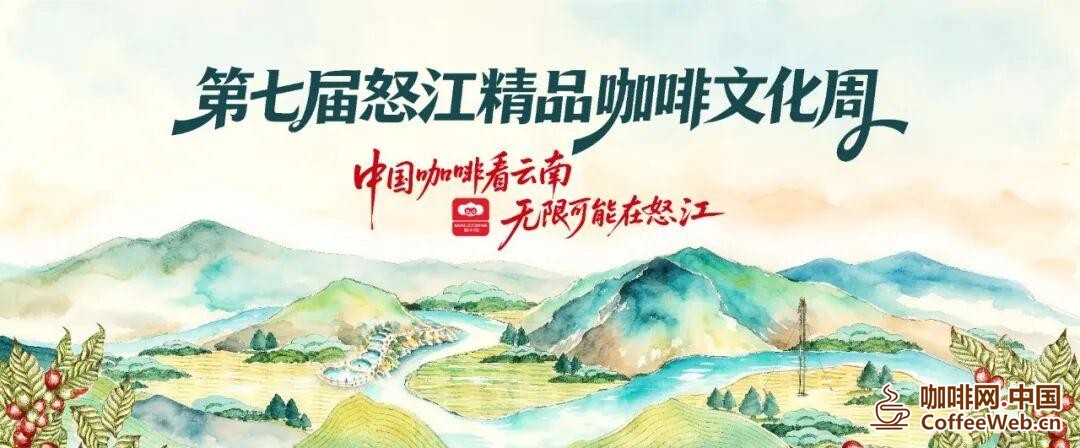
中国咖啡看云南 无限可能在怒江|峡谷沃土酿咖香Chinese coffee sees infinite possibilities in Yunnan on the Nu River - Valley fertile soil brewing coffee aroma
(来源:怒江融媒)
开栏的话
“云南咖啡还是代表着中国的。” 一句饱含期许的评价,为云岭大地上的咖啡产业写下厚重注脚。怒江大峡谷,两山夹江,沃土生香。独特的峡谷气候与富硒火山灰土壤,孕育出独具风味的怒江精品咖啡。近年来,怒江州精品咖啡抢抓产业变革机遇,扎根高山峡谷,深耕全产业链,在乡村振兴的沃土之上,探寻生态优势转化为发展优势的实践路径,让深山咖啡豆释放出巨大发展潜能。
一粒咖啡豆,映照产业变迁;一方大峡谷,蕴藏无限机遇。即日起,我们将推出“中国咖啡看云南 无限可能在怒江”系列报道,走进峡谷山野,探访庄园田间,以文字与镜头记录怒江精品咖啡从种植管护、精深加工到品牌打造、咖旅融合的完整实践,解码高山咖啡产业的突围之路,讲述峡谷大地上产业兴、百姓富的生动故事。敬请期待!
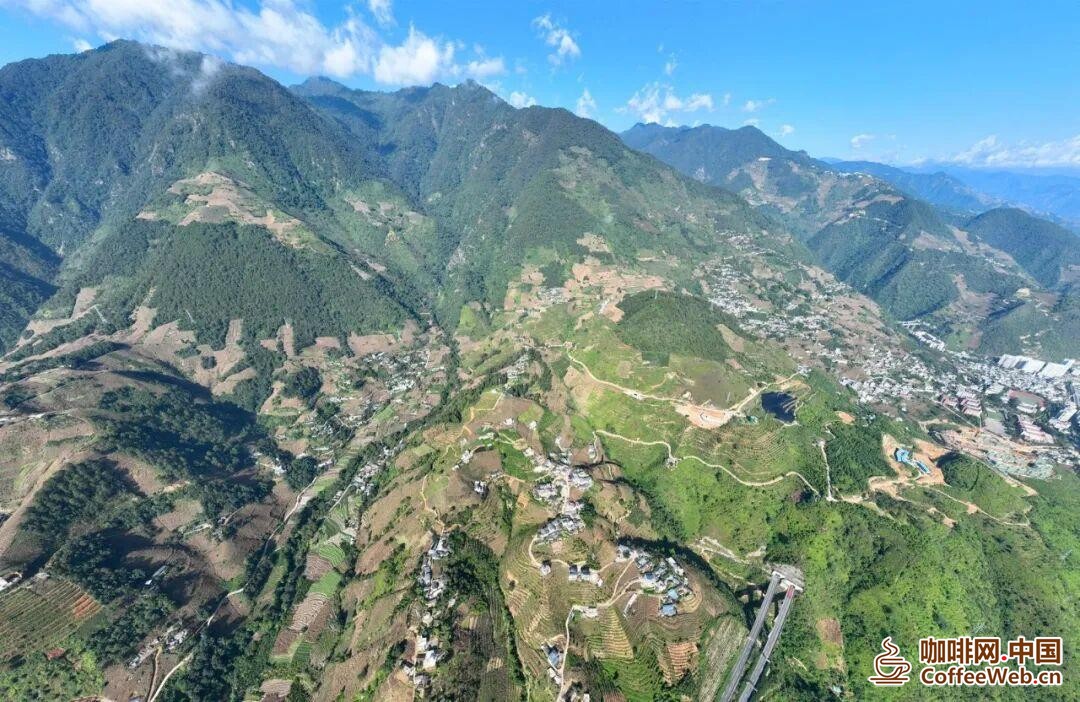
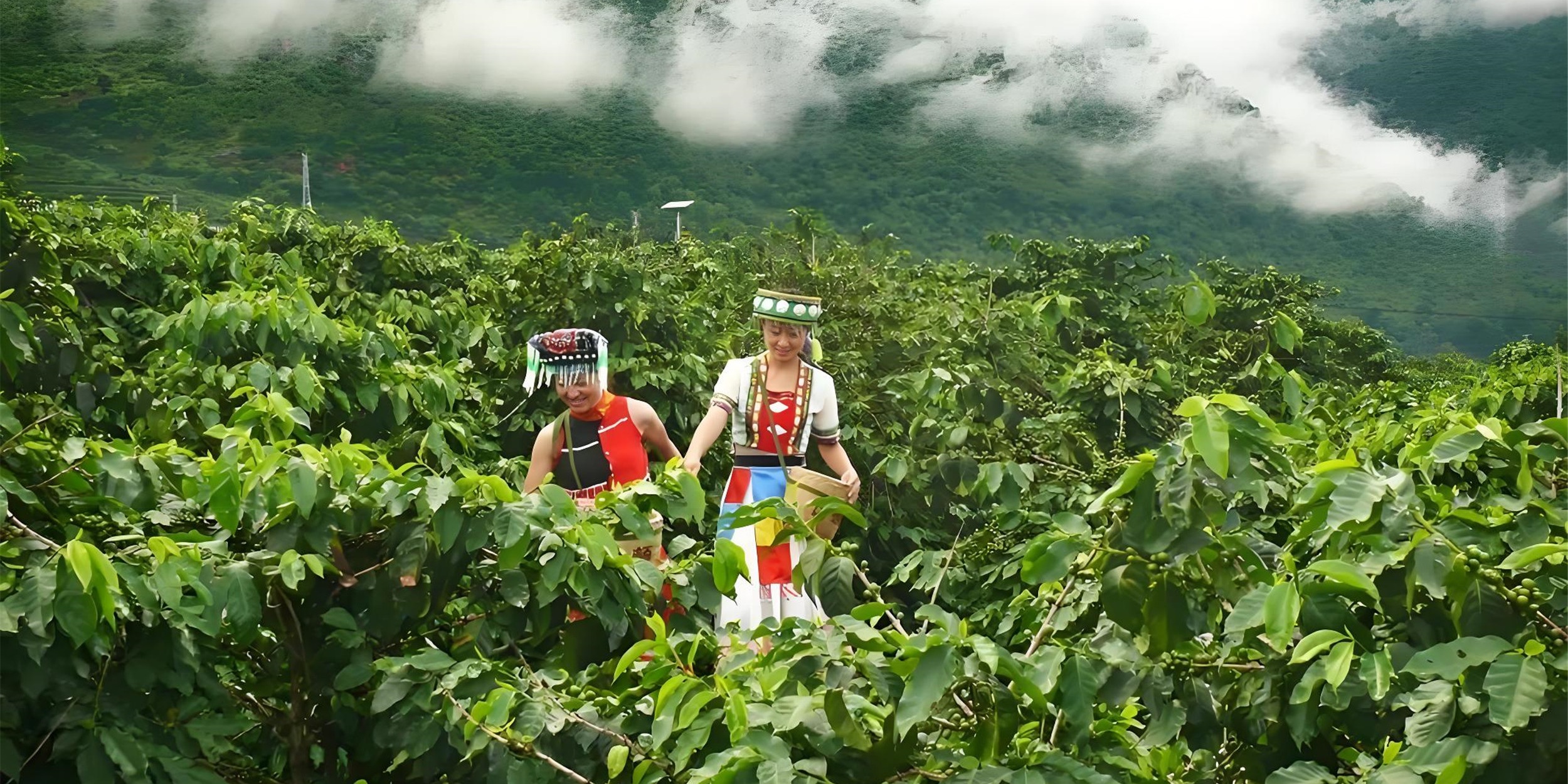
清晨,薄雾缠绕高黎贡山千重褶皱。松软富硒的火山灰土层上,一串串鲜红饱满的咖啡浆果挂满枝头。
傈僳族咖农方玉妞弓着身子,指尖抚过通红的果粒,成熟的鲜果挂满枝头。竹筐里,咖啡鲜果的清甜混着峡谷湿润水汽,在山林间慢慢散开。
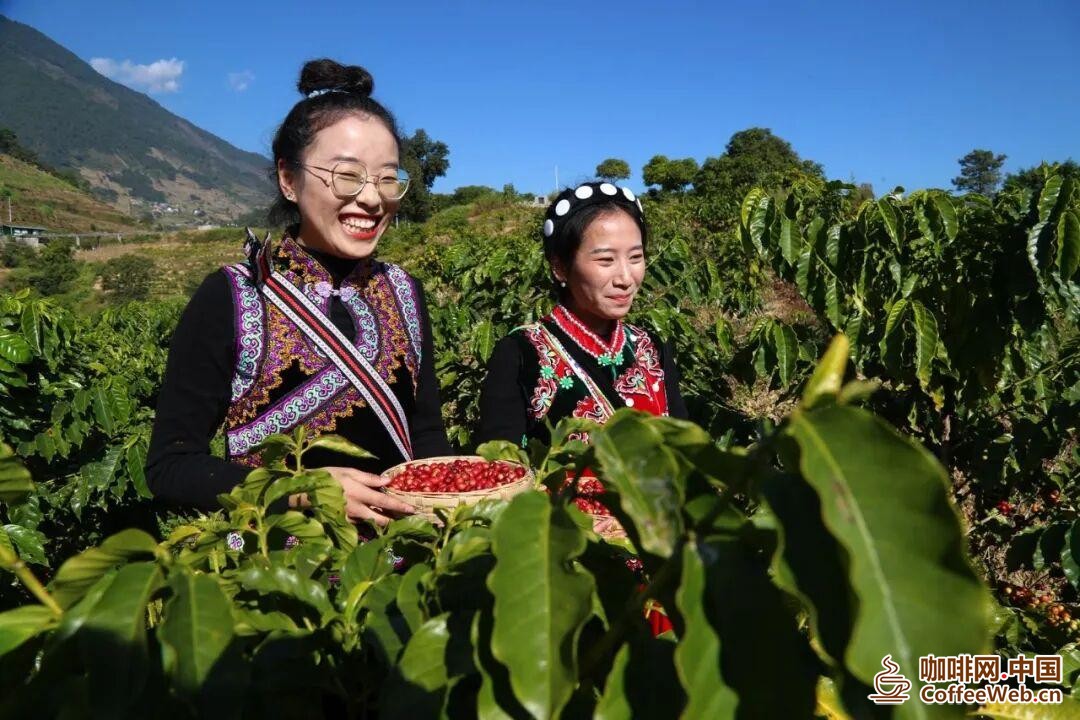
放在数年前,咖啡还只是山间零星副业。玉米、甘蔗、草果,是当地群众维持生计的主要依靠。
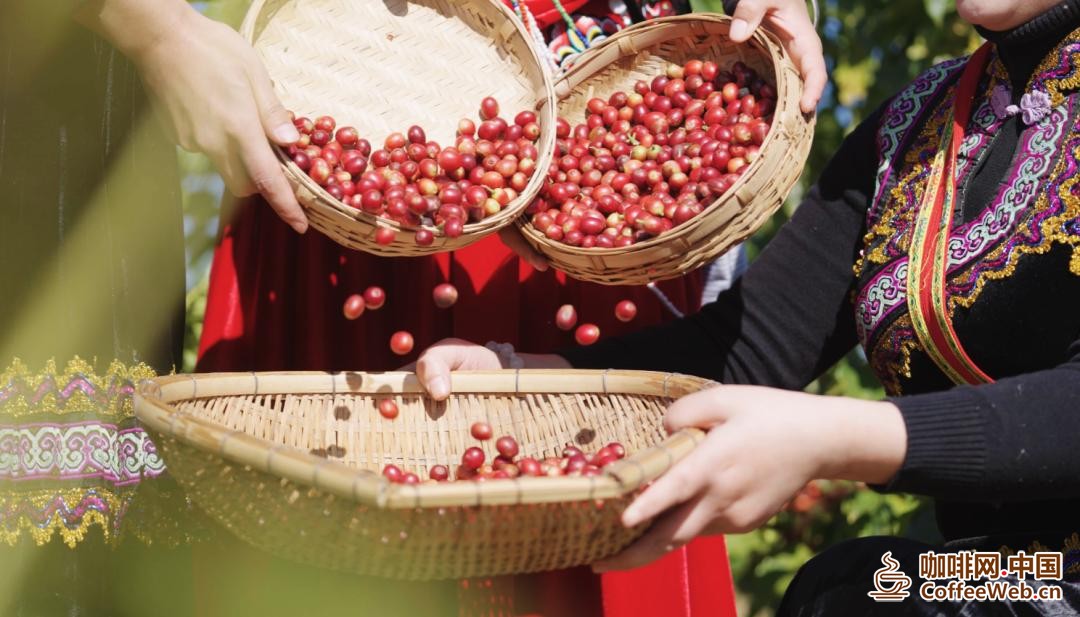
作为云南精品咖啡的新兴热土,怒江州坐拥得天独厚的立体河谷气候。怒江州打出科技、人才、金融、品牌、市场“五个赋能”组合拳,把独有的风土禀赋转化为可持续的富民产业。如今,10万亩标准化咖啡园顺着河谷铺展,种苗繁育、生态种植、精深加工、品牌运营、咖旅融合的完整产业链拔地而起。一杯高山峡谷出产的咖啡,成为乡村振兴最鲜活的致富答卷。
一颗种子的选择:把峡谷风味攥进泥土里
一杯好咖啡的答案,藏在一粒种子之中。选良种、育好苗,是怒江咖啡破局的第一道命题。
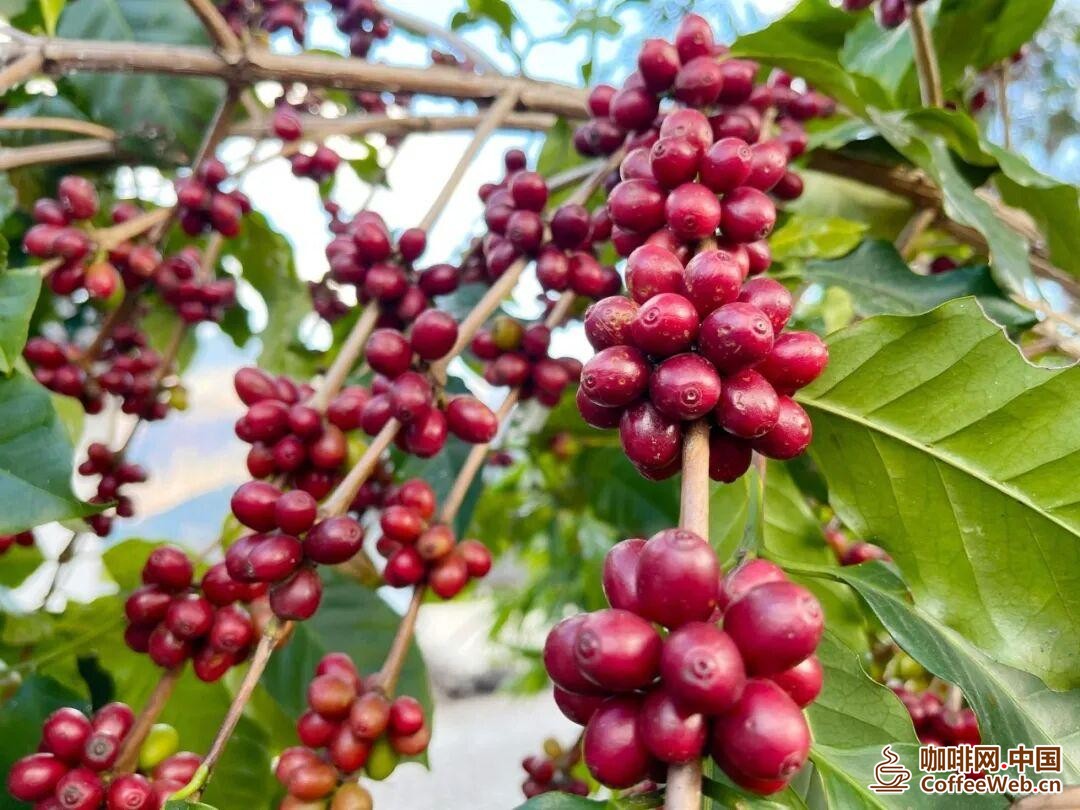
泸水市上江镇,350亩精品咖啡种质资源扩繁示范基地,田块划分得清清楚楚。
本土自主选育的云咖2号、碧罗雪、高黎贡、德热5号整齐挺立,瑰夏、波邦、铁皮卡等国际精品品种分区排布,开展对比试验。技术人员扎根田间,日复一日观察长势,记录杯测风味,筛选优良单株。
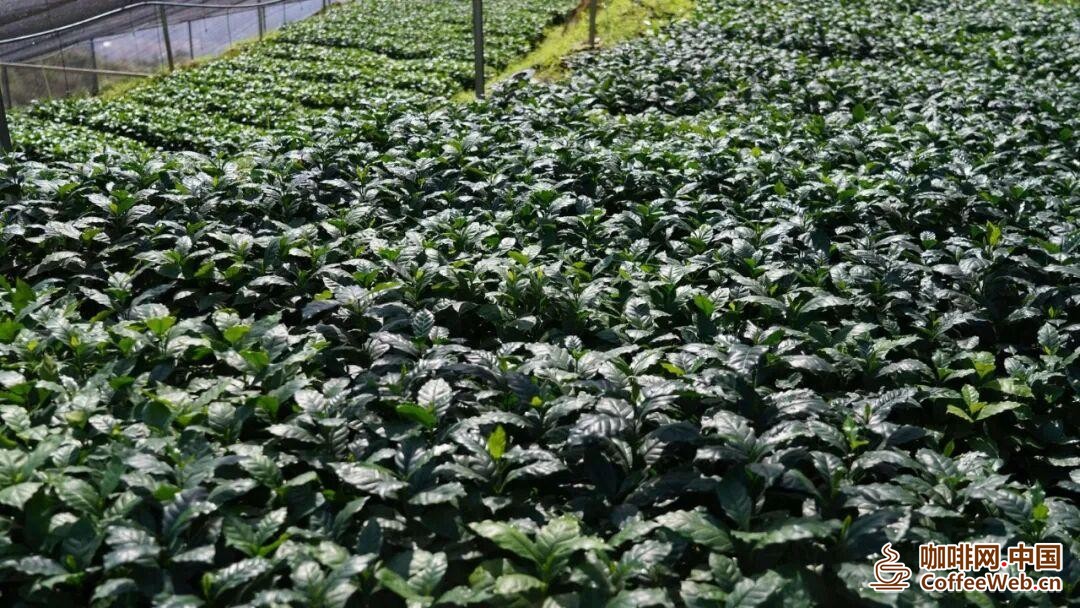
过去,怒江山间咖啡品种混杂老化,品质参差不齐。咖农日出而作、日落而息,辛苦种出来的咖啡豆,卖不上理想价钱。
为扭转困局,怒江州锚定良种核心,推进品种更新迭代。州、市技术员常年泡在地头,跑遍周边村寨,给农户讲良种辨别、育苗管护。目前全州优质精品咖啡种植面积达9万亩,良种覆盖率提升至90%,老品种一统山野的局面彻底改写,从源头锁住属于怒江峡谷独有的风味底色。
良种落地,还要适配山地现实。怒江平地稀缺,坡地多,产业发展曾处处受制约。怒江州探索粮咖协同、林果套种的复合生态模式,在低效坡地、改造后的梯田中间种咖啡。守牢粮食安全底线的同时,把山地立体空间价值充分释放。
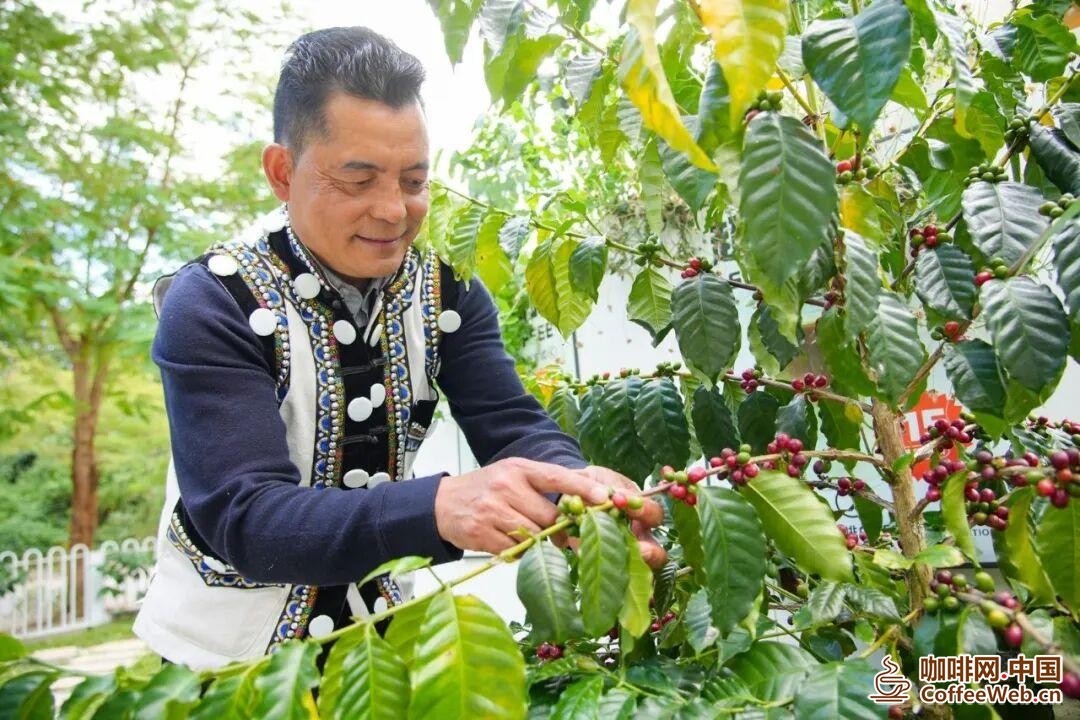
付坝村的乔玉光,是峡谷里最早的探路人之一。上世纪九十年代,当多数乡亲只愿意守着玉米地过日子,他率先试种咖啡。一开始质疑声四起:“咖啡种多了卖不出去,猪不吃鸡不啄,人也喝不惯”。火塘边,乔玉光挨家挨户夜话宣讲,把市场前景掰开揉碎讲给邻里听,带动全村种下300亩咖啡示范园。
拥有10余年种植经验的老咖农方玉妞同样是复合种植模式的受益者。“从前地里只种玉米,扣掉化肥种子,一年到头剩不下多少积蓄。现在玉米行间套种咖啡,脚下是富硒火山土,咖啡豆收购价较普通产区高,家里收入一年比一年高。”
一地双收,粮食保口粮,咖啡促增收。良种配上科学套种,让峡谷有限的土地,长出双倍希望。
海拔1200米的答案:在山水桎梏中寻找出路
海拔1200米,怒江河谷咖啡的黄金种植带。
古龙坝村,被誉为“怒江咖啡第一村”,就坐落于这条黄金海拔带上。早些年,每到旱季,咖啡树叶片蔫垂,落果频发,产量品质双双滑坡。
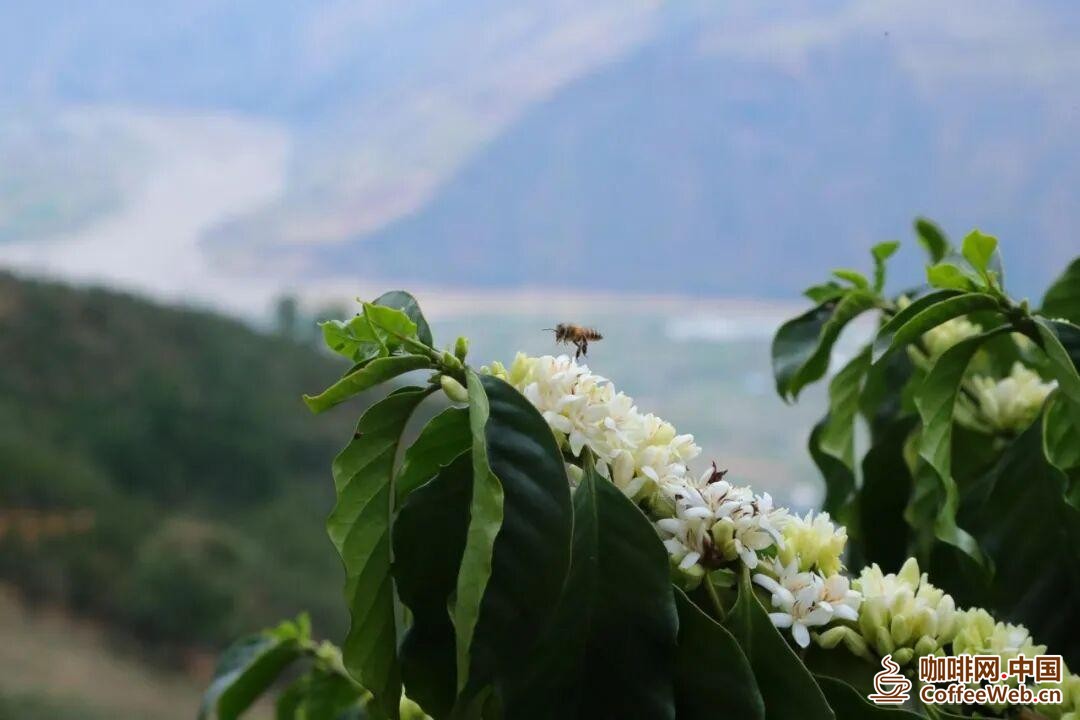
向山水要解法。怒江州啃下缺水这块硬骨头,在古龙坝连片咖啡园,铺设182.2公里滴灌管网,修建总容积2.73万立方米蓄水池。山间清泉被积蓄起来,顺着管网直达每一株咖啡树。水池存水、滴灌送水,每棵树都喝得上水。咖啡果子长得匀,生青果少,品质稳得住。
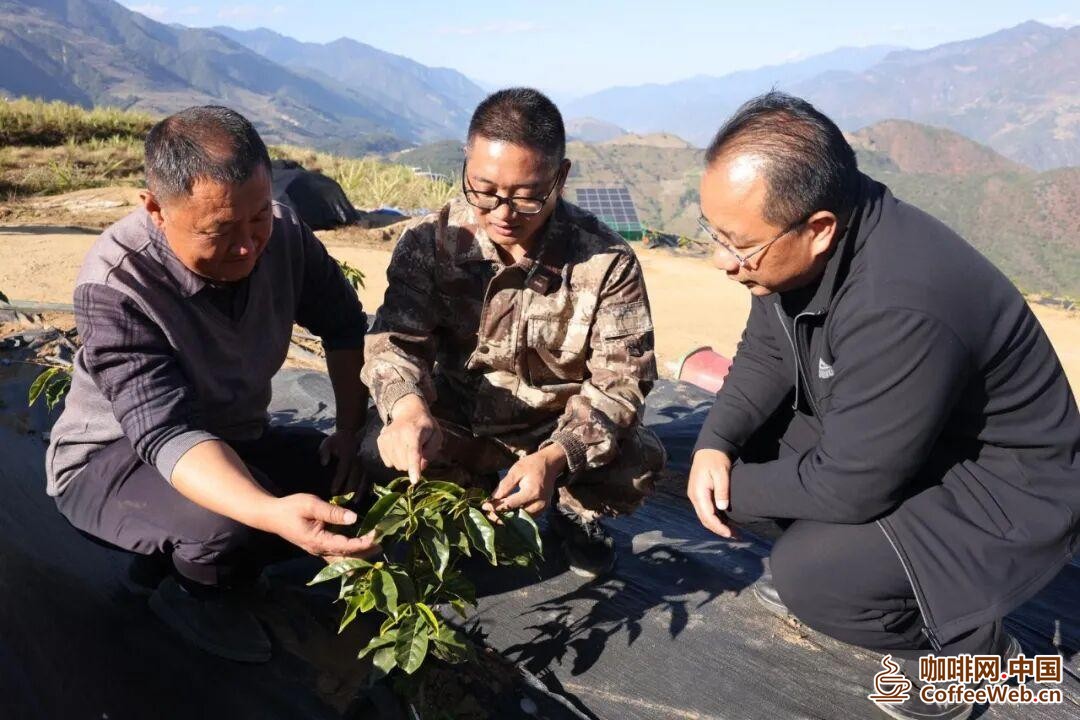
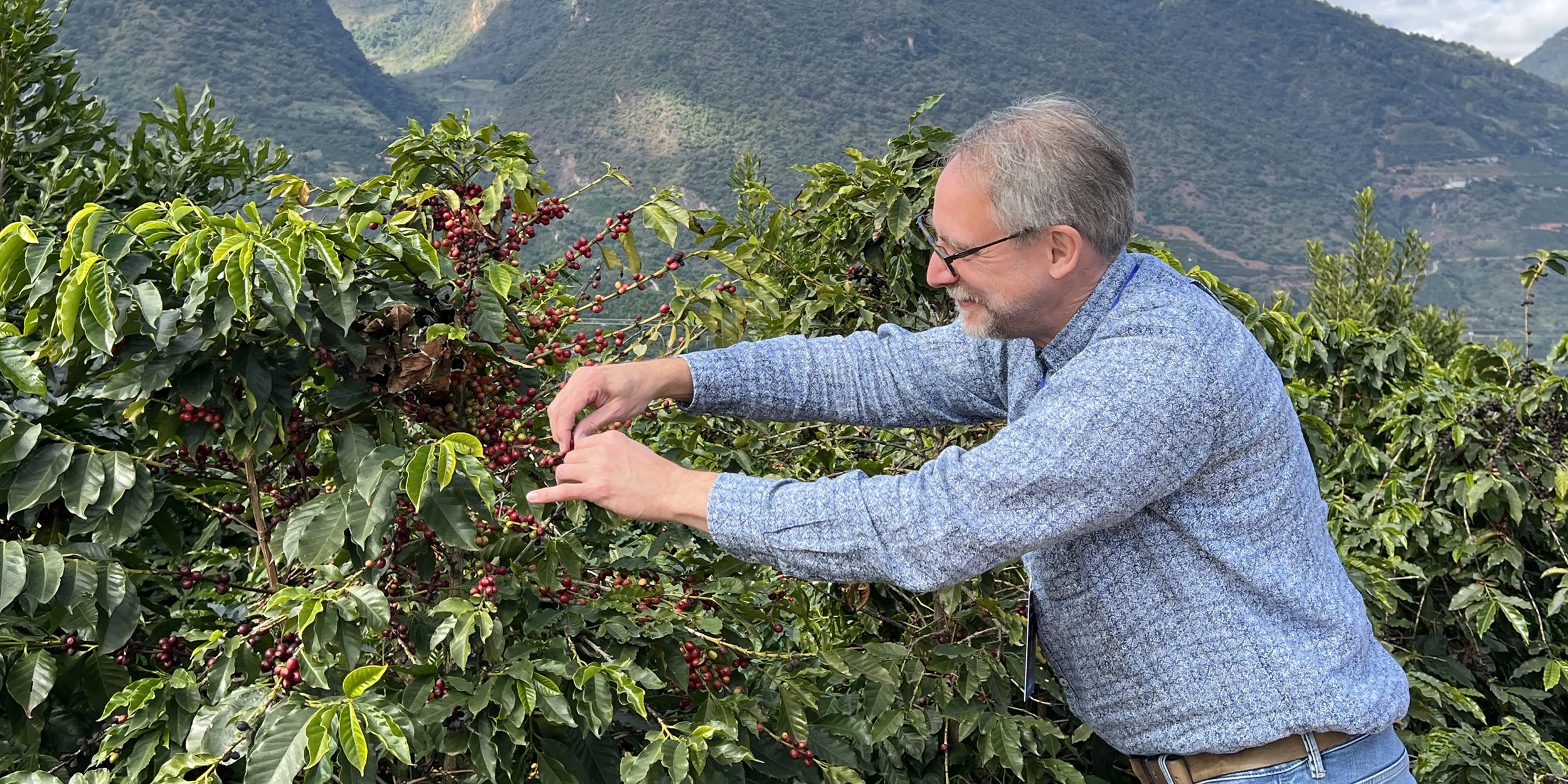
硬件补齐之后,标准化管护紧紧跟上。州、市两级出台咖啡种植管护规范,农技专员分片包保村寨,技术服务直达田间地头。严格推行人工全红果采摘、分级筛选,杜绝生青果混采,守住咖啡风味底线。每到采收季,农技人员守在采摘现场,手把手教会村民分辨全红鲜果。
得天独厚的水土条件,让怒江拿到“怒江精品咖啡・气候特色农产品”认证。咖啡豆拥有柔和明快果酸、绵长焦糖甜感,硒元素带来悠长回甘,全部达到精品级别,赢得“中国咖啡看云南,无限可能在怒江”的美誉。
但好水土不等于天然好收成。山地产业,不止要解决水的难题,更要解决人的认知难题。
乔玉光对此体会深刻。早期,不少农户摘下青果一并售卖,整体拉低咖啡豆杯测分数。乔玉光带着合作社骨干走遍村寨,现场做对比:一边是全红果加工的豆子,一边是混采生青果,从色泽、香气、口感直观展示差距,一点点扭转农户的采摘习惯。
“好山好土,如果管护跟不上,再好的禀赋也是白费。” 乔玉光常常跟社员说,火山灰土壤是老天爷给的礼物,人要懂得珍惜这份馈赠。
从蓄水滴灌工程改造,到田间采摘的细节约束。在1200米海拔的峡谷之间,怒江回应着山区产业最朴素的命题:把大自然的馈赠,稳稳转化为群众口袋里实实在在的收益。
产业链的求索:五个赋能让峡谷价值留在乡土
有良种,有水土,有管护,只是产业发展的上半场。
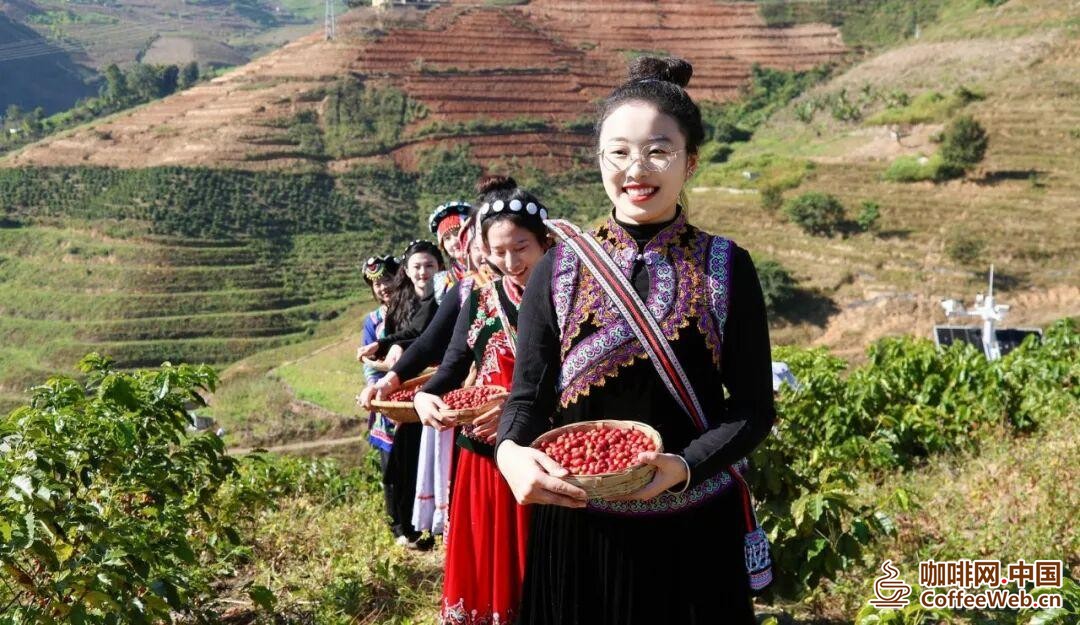
边疆民族地区特色产业,原料走出大山,大部分利润留在山外。如何把峡谷风土价值留在乡土,破解“守着沃土困于深山”,是怒江咖啡必须作答的时代命题。
怒江州以科技、人才、金融、品牌、市场“五个赋能”系统布局,向前打通精深加工,向后拓宽品牌市场,构建完整产业闭环。
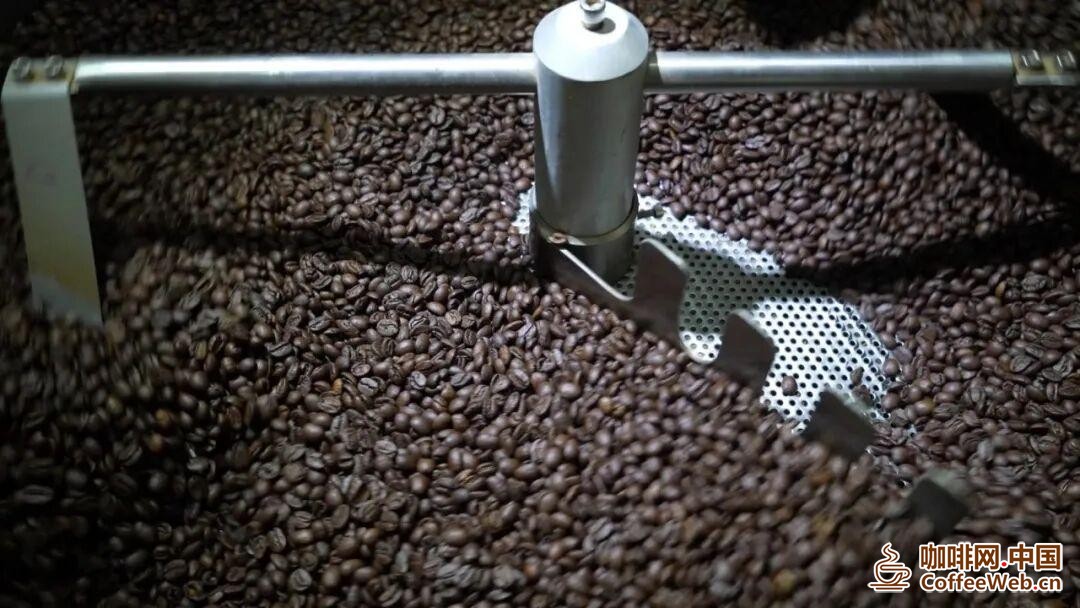
科技赋能下沉大地,夯实山地标准化底座。针对地块零散、坡地居多的现状,农技团队总结适配怒江的山地种植规程,划定适宜种植海拔,推广粮咖、林咖复合栽培,普及绿色防控、有机肥替代化肥,减少水土流失,保护珍贵火山灰地力。
人才赋能扎根村寨,培育本土产业主力军。产业长久发展,关键在人。怒江州整合农业农村、科研院所、行业协会力量组建咖啡产业专班,邀请国内咖啡专家前来授课,内容覆盖种植管护、鲜果处理、烘焙品鉴、品牌运营。农技人员分片包保,常态化田间巡护,实操培训送到地头。
同时就地孵化本土“土专家”“田秀才”,把普通咖农培养成产业带头人。乔玉光便是本土成长起来的产业领头人,从最初3亩试种,到成立合作社、创办阿克比咖啡企业,带动上千户各族群众参与咖啡产业,不少脱贫户依靠咖啡实现稳定增收。
金融赋能精准滴灌,打通山地扩产资金堵点。种苗采购、坡地改造、滴灌设施,处处需要投入资金,过去不少农户有心扩种,却被资金拦住脚步。金融机构针对咖啡产业周期,定制特色信贷产品,简化授信流程,为咖农、合作社提供资金支持。古龙坝咖啡合作社依托信贷完成坡地提质改造,新增滴灌设施,带动三十余户咖农扩大标准化种植面积。金融活水,打消农户扩产顾虑,推动生态种植更大范围落地。
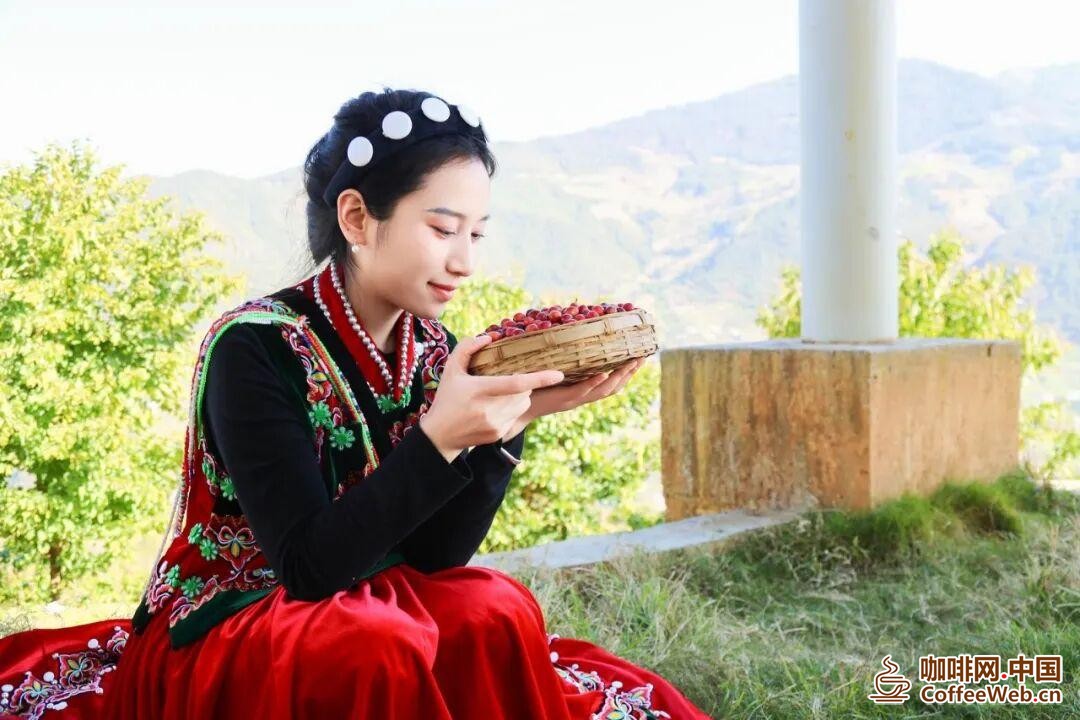
品牌与市场赋能接续发力。早年乔玉光带着咖啡豆奔赴北上广深推介,屡屡碰壁。没有品牌,再好的豆子也只能作为原料低价外销。创立“阿克比2020”品牌之后,企业开发烘焙豆、挂耳咖啡、即饮咖啡等多款产品,把怒江峡谷的风味,推向国内消费市场,也带动本地初加工、精深加工发展,让更多附加值留在峡谷之内。
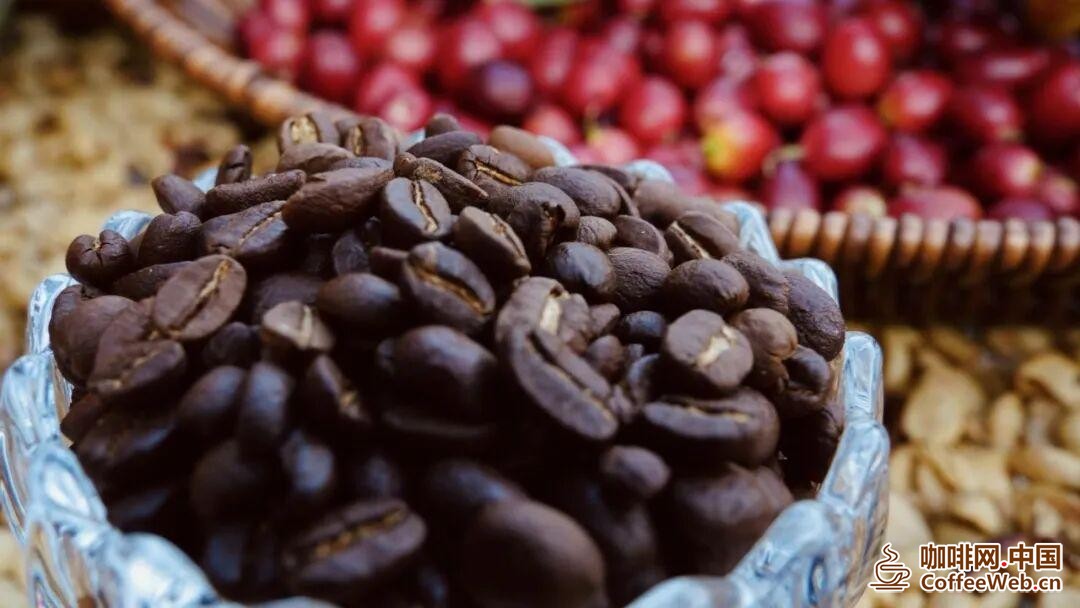
从山间零星副业到10万亩连片产业,从只卖鲜果走向“种植+加工+文旅”多元业态。高黎贡山下,怒江水畔。一颗颗沐浴峡谷云雾的咖啡豆,承载边疆各族群众对美好生活的向往,在乡村振兴热土之上,酝酿醇厚绵长的山野芬芳。
(Source: Nujiang Integrated Media)
If you open the bar
Yunnan coffee still represents China. "This highly anticipated evaluation provides a solid footnote to the coffee industry on the land of Yunling. The Nujiang Grand Canyon, nestled between two mountains and the river, is blessed with fertile soil and fragrant aroma. The unique canyon climate and selenium rich volcanic ash soil have nurtured the unique flavor of Nujiang premium coffee. In recent years, premium coffee in Nujiang Prefecture has seized the opportunity of industrial transformation, rooted in high mountains and canyons, deeply cultivated the entire industry chain, and explored the practical path of transforming ecological advantages into development advantages on the fertile soil of rural revitalization, allowing deep mountain coffee beans to unleash enormous development potential.
A coffee bean reflects the changes in the industry; The Grand Canyon on one side holds infinite opportunities. Starting today, we will launch a series of reports titled "China Coffee Sees Yunnan's Infinite Possibilities in the Nujiang River". We will explore the canyon mountains and fields, visit estates and fields, and record the complete practice of Nujiang premium coffee from planting and management, deep processing to brand building, and coffee tourism integration through text and lens. We will explain the breakthrough path of the high-altitude coffee industry and tell vivid stories of industrial prosperity and people's wealth on the canyon land. Stay tuned!
In the morning, a thin mist wraps around the thousand fold folds of Gaoligong Mountain. On the soft and selenium rich volcanic ash layer, clusters of bright red and plump coffee berries hang from the branches.
The Lisu tribe's Kanong Fang Yuniu arched her body, her fingertips caressing the red fruits, and the ripe fresh fruits hung all over the branches. In the bamboo basket, the sweetness of fresh coffee mixed with the moist water vapor of the canyon slowly dispersed among the mountains and forests.
A few years ago, coffee was just a sporadic sideline in the mountains. Corn, sugarcane, and grass fruits are the main sources of livelihood for local residents.
As an emerging hotspot for Yunnan's premium coffee, Nujiang Prefecture boasts a unique three-dimensional valley climate. Nujiang Prefecture has launched a combination of technology, talent, finance, branding, and market empowerment, transforming its unique local characteristics into sustainable industries that benefit the people. Nowadays, 100000 acres of standardized coffee gardens are spread along the river valley, and a complete industrial chain of seedling breeding, ecological planting, deep processing, brand operation, and coffee tourism integration has emerged. A cup of coffee produced in a high mountain canyon has become the most vibrant answer to rural revitalization and wealth creation.
The choice of a seed: to infuse the flavor of the canyon into the soil
The answer to a good cup of coffee is hidden in a seed. Selecting good varieties and cultivating good seedlings is the first proposition for Nujiang Coffee to break through.
Shangjiang Town, Lushui City, is a 350 acre demonstration base for the expansion and propagation of premium coffee germplasm resources, with clear division of fields.
The locally bred Yunka 2, Biluoxue, Gaoligong, and Dere 5 stand neatly, while international premium varieties such as Guixia, Bobang, and Tiepika are arranged in different zones for comparative experiments. Technicians take root in the fields, observe the growth day after day, record the flavor of cups, and screen excellent individual plants.
In the past, coffee varieties in the Nujiang Mountains were mixed and aged, with uneven quality. Coffee farmers work from sunrise to sunset, and their hard-earned coffee beans cannot sell at their ideal price.
To reverse the predicament, Nujiang Prefecture has anchored the core of high-quality varieties and promoted variety updates and iterations. State and city technicians soak in the fields all year round, running around surrounding villages to teach farmers about identifying good varieties and seedling management. At present, the planting area of high-quality specialty coffee in the whole state has reached 90000 acres, and the coverage rate of good varieties has increased to 90%. The situation of old varieties unifying the mountains and fields has been completely rewritten, locking in the unique flavor background of the Nujiang Canyon from the source.
The landing of high-quality seeds also requires adaptation to the reality of mountainous areas. The scarcity of flat land and the abundance of sloping land in the Nujiang River have hindered the development of industries everywhere. Nujiang Prefecture is exploring a composite ecological model of grain coffee collaboration and forest fruit intercropping, planting coffee in the middle of inefficient slopes and renovated terraced fields. While maintaining the bottom line of food security, fully unleash the three-dimensional spatial value of mountainous areas.
Qiao Yuguang from Fuba Village was one of the earliest explorers in the canyon. In the 1990s, when most villagers were only willing to live on the cornfield, he was the first to try growing coffee. At first, there were doubts everywhere: "If you grow too much coffee, you can't sell it, pigs won't eat or peck chickens, and people can't get used to it either. At the edge of the fire pit, Qiao Yuguang went door-to-door to preach at night, breaking down the market prospects and telling the neighbors, driving the entire village to plant a 300 acre coffee demonstration park.
Fang Yuniu, an experienced farmer with over 10 years of planting experience, is also a beneficiary of the compound planting model. In the past, only corn was grown in the fields, and after deducting fertilizer seeds, there was not much savings left throughout the year. Now, when corn is intercropped with coffee, the ground is rich in selenium volcanic soil, and the purchase price of coffee beans is higher than that of ordinary production areas. The family's income is increasing year by year
Double harvest in one place, food guarantees food supply, and coffee promotes income growth. By combining high-quality seeds with scientific intercropping, the limited land in the canyon can have double the hope of growth.
The answer to an altitude of 1200 meters: finding a way out in the shackles of mountains and rivers
At an altitude of 1200 meters, the golden coffee planting belt in the Nujiang River Valley.
Gulongba Village, known as the "Number One Village of Nujiang Coffee", is located on this golden altitude belt. In earlier years, during the dry season, coffee leaves wilted and drooped frequently, resulting in a decline in yield and quality.
Seeking solutions from mountains and waters. Nujiang Prefecture has tackled the tough problem of water shortage by laying 182.2 kilometers of drip irrigation pipelines and constructing a total capacity of 27300 cubic meters of reservoirs in contiguous coffee gardens in Gulongba. The clear springs in the mountains are accumulated and run along the pipeline directly to every coffee tree. The pool stores water, drip irrigation delivers water, and every tree has access to drinking water. Coffee fruits grow evenly, with few green fruits and stable quality.
After the hardware is completed, standardized management and maintenance closely follow. At the state and city levels, coffee planting and management regulations have been introduced, and agricultural technicians are responsible for protecting villages and providing technical services directly to the fields. Strictly implement manual harvesting and grading selection of all red fruits, eliminate mixed harvesting of green fruits, and maintain the bottom line of coffee flavor. During the harvest season, agricultural technicians guard the picking site and teach villagers hand in hand to distinguish fresh red fruits.
The unique water and soil conditions have enabled Nujiang to obtain the certification of "Nujiang Premium Coffee and Climate Characteristic Agricultural Products". The coffee beans have a soft and bright fruit acid, a long-lasting caramel sweetness, and selenium elements bring a long-lasting aftertaste, all reaching the level of boutique, winning the reputation of "Chinese coffee looks at Yunnan, infinite possibilities in the Nu River".
But good soil and water do not necessarily mean a good natural harvest. The mountain industry not only needs to solve the problem of water, but also needs to solve the cognitive problem of people.
Qiao Yuguang deeply understands this. In the early days, many farmers picked green fruits and sold them together, which overall lowered the coffee bean cup test scores. Qiao Yuguang led the backbone of the cooperative to visit the villages and make comparisons on site: on one hand, there were beans processed with all red fruits, and on the other hand, mixed green fruits were harvested. The differences in color, aroma, and taste were visually displayed, gradually reversing the picking habits of farmers.
Good mountains and good soil, if the management and protection cannot keep up, even the best endowment will be in vain. "Qiao Yuguang often tells the members that volcanic ash soil is a gift from heaven, and people should know how to cherish this gift.
From the renovation of water storage and drip irrigation projects to the detailed constraints of field harvesting. Between the canyons at an altitude of 1200 meters, the Nu River responds to the simplest proposition of mountainous industries: to steadily transform the gifts of nature into tangible benefits for the people's pockets.
Exploring the Industrial Chain: Five Empowerments to Keep Canyon Value in the Countryside
There are good seeds, soil and water, and management and protection, which are just the first half of industrial development.
Characteristic industries in border ethnic areas, where raw materials leave the mountains and most profits remain outside the mountains. How to preserve the cultural value of the canyon in the local area and solve the problem of being trapped in the deep mountains while guarding the fertile soil is a historical question that Nujiang Coffee must answer.
Nujiang Prefecture has laid out a "five empowerment" system layout of technology, talent, finance, brand, and market, connecting deep processing forward, expanding brand markets backward, and building a complete industrial closed loop.
Technology empowers sinking into the earth and solidifies the standardized foundation of mountainous areas. In response to the current situation of scattered plots and mostly sloping land, the agricultural technology team has summarized suitable mountain planting regulations for the Nujiang River, designated suitable planting altitudes, promoted compound cultivation of grain coffee and forest coffee, popularized green prevention and control, replaced chemical fertilizers with organic fertilizers, reduced soil erosion, and protected precious volcanic ash soil fertility.
Empowering talents to root in villages and cultivate the main force of local industries. The key to the long-term development of industries lies in people. Nujiang Prefecture integrates agricultural and rural areas, research institutes, and industry associations to establish a coffee industry special class, inviting domestic coffee experts to give lectures, covering topics such as planting management, fresh fruit processing, baking and tasting, and brand operation. Agricultural technicians are divided into areas for protection, with regular field patrols and practical training delivered to the fields.
At the same time, local "soil experts" and "Tian Xiucai" will be incubated on-site, cultivating ordinary coffee farmers into industry leaders. Qiao Yuguang is a leading figure in the local industry that has grown up. From the initial trial planting of 3 acres, to the establishment of cooperatives and the founding of Akby Coffee Enterprise, he has driven thousands of households of all ethnic groups to participate in the coffee industry, and many impoverished households rely on coffee to achieve stable income growth.
Financial empowerment for precise drip irrigation, breaking through the funding bottleneck for mountain expansion. Seed procurement, slope improvement, and drip irrigation facilities require investment everywhere. In the past, many farmers had the intention to expand their planting, but were hindered by funds. Financial institutions customize characteristic credit products based on the coffee industry cycle, simplify the credit process, and provide financial support for coffee farmers and cooperatives. The Gulongba Coffee Cooperative has completed the improvement of slope quality through credit, added drip irrigation facilities, and driven more than 30 coffee farmers to expand standardized planting areas. Financial vitality can dispel farmers' concerns about expanding production and promote the wider implementation of ecological planting.
Continuing to empower brands and markets. In his early years, Qiao Yuguang brought coffee beans to Beijing, Shanghai, Guangzhou, and Shenzhen for promotion, but repeatedly encountered obstacles. Without a brand, even the best beans can only be exported as raw materials at low prices. After establishing the "Akby 2020" brand, the company developed multiple products such as roasted beans, hanging ear coffee, and ready to drink coffee, promoting the flavor of the Nujiang Canyon to the domestic consumer market and driving the development of local primary and deep processing, allowing more added value to stay in the canyon.
From sporadic sideline businesses in the mountains to 100000 acres of contiguous industries, from selling only fresh fruits to diversified formats of "planting+processing+cultural tourism". At the foot of Gaoligong Mountain, by the Nu River. Coffee beans bathed in the clouds and mist of the canyon, carrying the longing of various ethnic groups in the border areas for a better life, brewing rich and long-lasting mountain fragrance on the land of rural revitalization.