咖啡相关的16条冷知识16 cold knowledge related to coffee

1、咖啡豆根本不是豆子,是咖啡树的种子
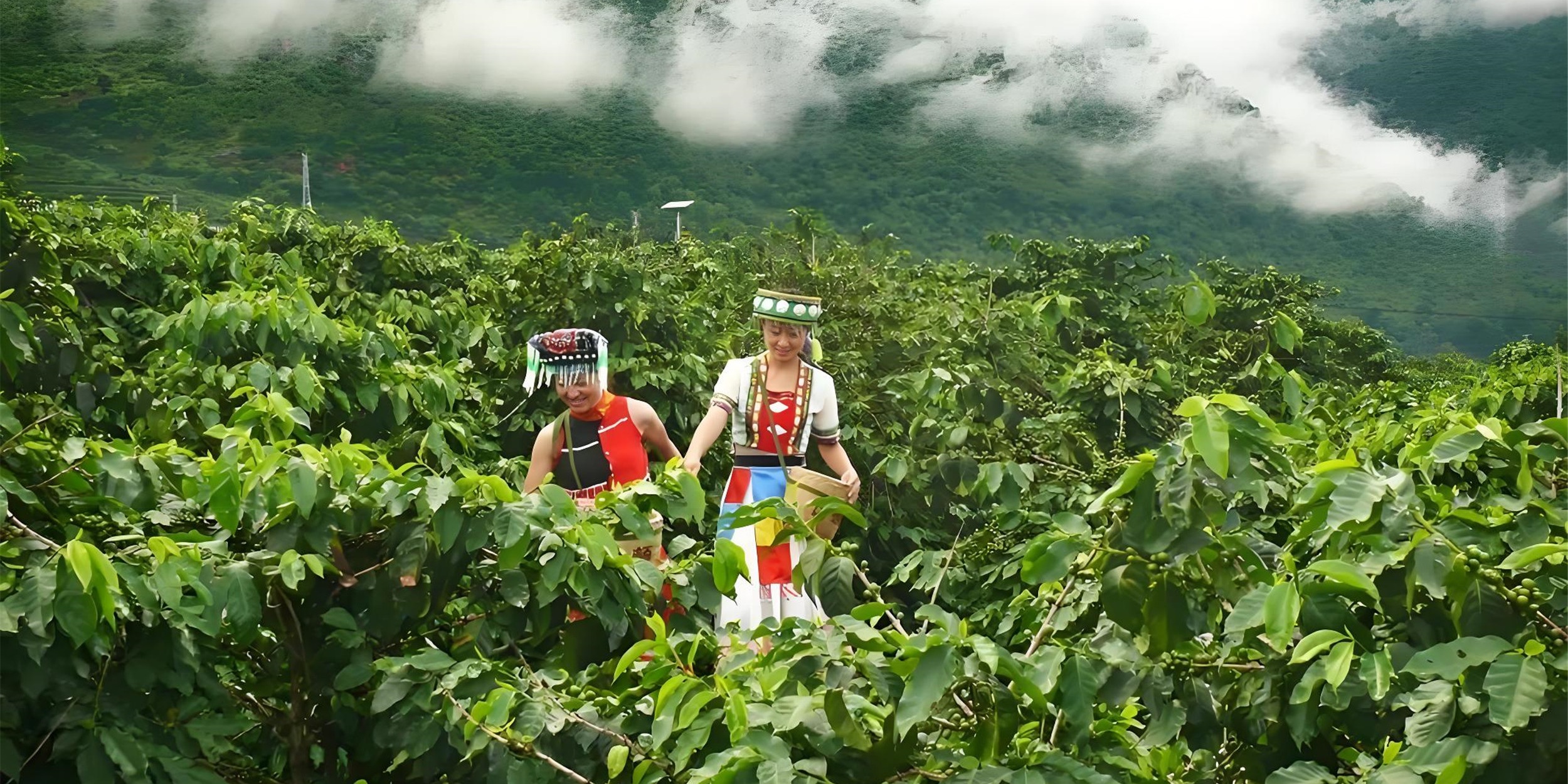
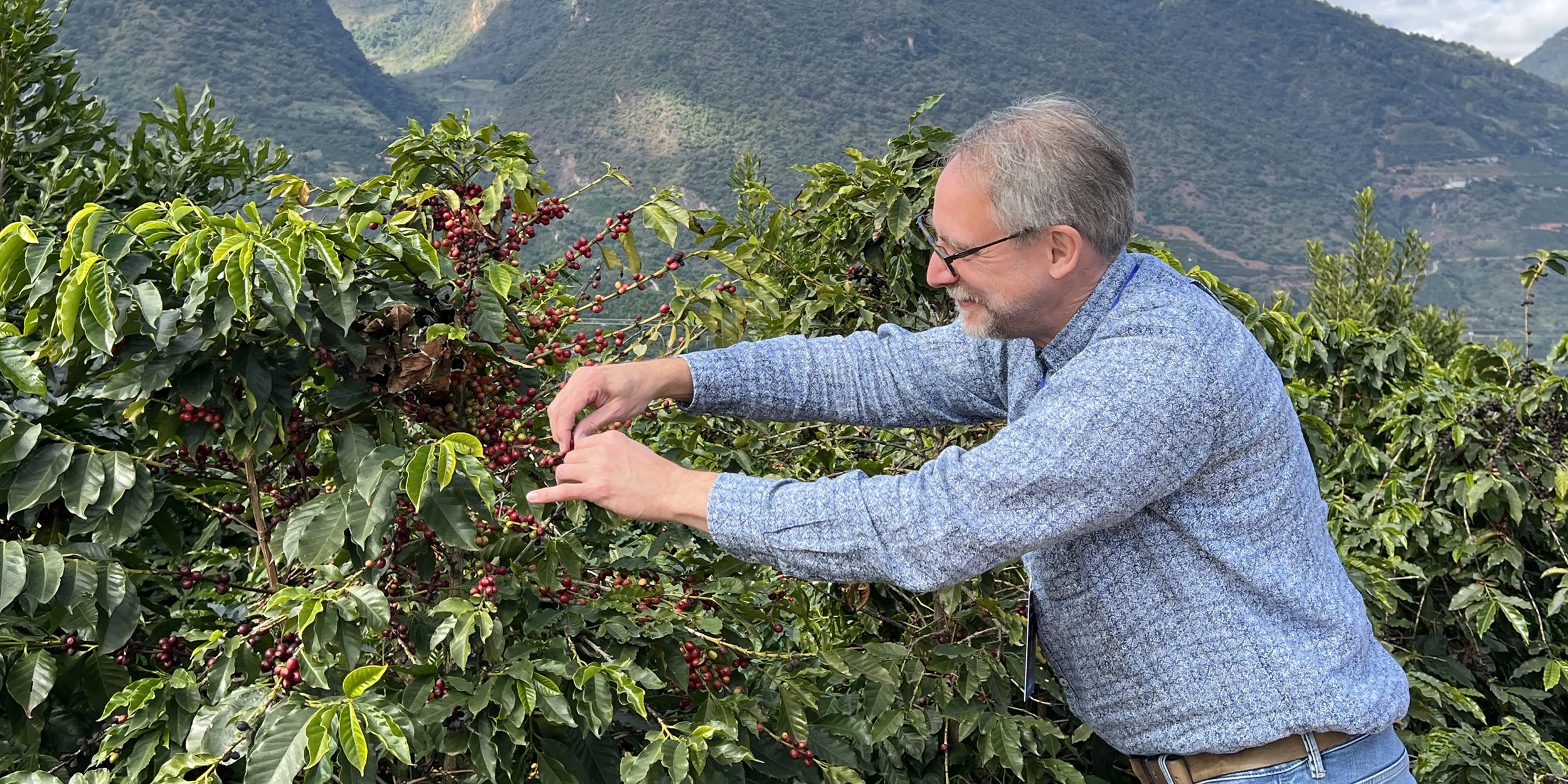
很多人默认咖啡豆是“豆类”,但从植物学角度来说,它其实是咖啡树结出的果实——咖啡樱桃中的种子。咖啡树属于茜草科植物,和我们熟悉的栀子花是同科亲戚,并非豆科植物,这也是它不属于豆类的核心原因。
咖啡樱桃成熟后呈鲜红色,果肉酸甜多汁,包裹着一层果胶和果壳,而我们看到的咖啡豆,就是去除果肉、果胶和银皮后,留下的深褐色颗粒。之所以被叫做“豆”,只是因为它的外形圆润饱满,和豆子十分相似,久而久之就约定俗成了这个名字,本质上和大豆、绿豆等豆类毫无亲缘关系。
2、咖啡豆的香气物质,比葡萄酒多7倍
咖啡的风味复杂度远超很多人的想象,目前已被识别出的香气物质约有1500种,而葡萄酒仅约200种,咖啡的香气丰富度是葡萄酒的7倍之多。这些香气物质来自咖啡豆本身的成分,以及烘焙过程中的化学反应。
浅烘焙的咖啡豆,能保留更多生豆本身的花果香、柑橘香;中深烘焙则会产生巧克力香、焦糖香、坚果香;深烘焙则可能出现烟熏香、木质香。专业的咖啡品鉴师,能通过香气和口感,分辨出咖啡豆的产地、品种和烘焙度,甚至能细化到“桉树味”“野草莓味”等具体风味。
3、咖啡豆研磨后,2分钟内流失70%风味
咖啡豆的风味保鲜非常脆弱,尤其是研磨成粉后,氧化速度会急剧加快。研究表明,咖啡豆研磨后,仅2分钟内就会丧失70%的风味物质,15分钟后风味基本完全流失,只剩下苦涩感,这也是很多咖啡馆坚持“现磨现冲”的核心原因。
这是因为研磨后的咖啡粉,表面积大幅增加,与空气接触后,香气物质会快速挥发,同时发生氧化反应,破坏风味结构。因此,家庭冲煮咖啡时,建议在冲煮前再研磨咖啡豆,研磨后立即冲煮,避免长时间放置;咖啡馆则会严格控制出杯时间,确保顾客能喝到最佳风味。
4、最贵的咖啡豆不是猫屎咖啡,是象屎咖啡
提到昂贵的咖啡豆,很多人会想到猫屎咖啡(麝香猫咖啡),但实际上,全球最贵的咖啡豆是象屎咖啡(Black Ivory Coffee),其价格远超猫屎咖啡。象屎咖啡的产地主要在泰国,因产量极其稀缺,每33公斤咖啡果,仅能产出1公斤咖啡豆,每公斤售价超过1100美元。
象屎咖啡的制作原理和猫屎咖啡类似:大象食用咖啡樱桃后,胃酸和消化酶会分解果肉,同时软化咖啡豆的外壳,改变咖啡豆的风味,随后人们从大象粪便中筛选出咖啡豆,经过清洗、烘焙后制成。这种咖啡豆的风味醇厚,带有独特的果香和木质香,因稀缺性成为全球最昂贵的咖啡品类。

5、生产1磅咖啡豆,需消耗近万升水
咖啡豆的种植和加工,是一项极其耗水的工程,其耗水量远超很多人的想象。据行业数据统计,生产1磅(约0.45公斤)咖啡豆,需要消耗约9464升水,这个数值甚至超过了牛肉生产的耗水量(约6814升),水源管理也成为咖啡可持续种植的核心挑战。
这部分耗水量主要用于咖啡树的灌溉、果实的清洗和加工环节。尤其是水洗处理法,需要大量清水去除咖啡樱桃的果肉和果胶,每处理1公斤咖啡樱桃,大约需要10-20升水。因此,如今很多产区开始推广蜜处理、日晒处理等节水工艺,减少水资源消耗。
6、咖啡渣是“万能资源”,可驱虫、炼柴油
很多人冲完咖啡后,会直接丢弃咖啡渣,但实际上,咖啡渣是一种万能资源,有着多种用途,既能变废为宝,还能环保节能。咖啡渣中含有大量的咖啡因和油脂,这些成分对蜗牛、蚂蚁等害虫有驱避作用,撒在花盆里,能有效防止害虫侵扰。
除此之外,咖啡渣还能作为堆肥,改善土壤肥力;可制作再生包装材料,减少塑料污染;甚至能提炼生物柴油,用于驱动汽车。英国曾做过实验,用咖啡渣提炼的生物柴油,能驱动汽车行驶300公里,既环保又能实现资源循环利用。如今,很多咖啡馆也开始回收咖啡渣,用于各种环保项目。
7、咖啡曾被当作“禁酒替代品”,咖啡馆是“智慧学校”
在历史上,咖啡曾扮演过禁酒替代品的重要角色。中世纪的中东地区,伊斯兰教禁止饮用酒精,而咖啡的提神效果能让人保持清醒,且不违反教义,因此迅速在穆斯林中流行开来,成为当时的社交核心饮品。
15世纪,咖啡馆在麦加出现,随后传播到君士坦丁堡,成为人们聚集交流的场所。这里不仅能喝咖啡,还能讨论政治、新闻,下棋、听音乐,吸引了众多学者和知识分子,因此被称为“智慧学校”。尽管当时宗教和政治领袖担心这里的自由讨论,多次禁止咖啡馆,但始终无法阻止咖啡文化的传播。
8、阿拉比卡中藏有“抗糖密码”,已发现6种新型活性成分
咖啡不仅能提神,还藏着潜在的健康价值。中国科学院昆明植物研究所的研究团队,曾在《Beverage Plant Research》期刊上发表研究,通过创新技术从阿拉比卡咖啡豆中,发现了6种具有潜在抗糖尿病活性的新型二萜类化合物,为咖啡的健康价值增添了新的科学依据。
这些新型二萜类化合物,能通过抑制α-葡萄糖苷酶(与碳水化合物消化相关),帮助调节餐后血糖,其活性甚至优于常用的抗糖药物阿卡波糖。其中一种名为Caffaldehyde C的化合物,活性最强,半数抑制浓度远低于阳性对照药。这些成分藏在咖啡豆的油脂中,经过合理烘焙,能更好地被人体吸收。

9、美式咖啡不是“美国咖啡”,是意式浓缩加水稀释
美式咖啡的名字容易让人误以为是美国本土发明的咖啡,实则它起源于欧洲,是为了迎合美国人的口味改造而来。美式咖啡的制作非常简单,就是1份意式浓缩咖啡,加入2-3份热水稀释,口感清淡,咖啡因含量较高,适合喜欢纯粹咖啡风味、追求提神效果的人。
值得注意的是,美式咖啡和黑咖啡并非完全等同——黑咖啡是所有不加奶、不加糖的咖啡统称,而美式咖啡特指“浓缩加水”的品类。此外,美式咖啡的口感会因加水顺序不同而有差异:先加浓缩再加热水,口感更醇厚;先加水再加浓缩,口感更清爽。
10、拿铁咖啡的核心是“奶”,咖啡仅为辅助
很多人误以为拿铁是“浓咖啡加少量奶”,实则相反,拿铁的核心是牛奶,咖啡仅作为辅助。拿铁的英文“Latte”源自意大利语“Caffè Latte”,直译是“牛奶咖啡”,其配比通常是1份浓缩咖啡+3-4份热牛奶,表面会淋一层薄薄的奶泡,口感顺滑醇厚,几乎没有苦涩感。
拿铁的关键在于牛奶的打发,优质拿铁的奶泡细腻如绸缎,能与咖啡完美融合,入口丝滑不挂喉。很多人喜欢在拿铁中加风味糖浆(如香草、焦糖),但正宗的意式拿铁是不加糖浆的,仅靠牛奶和咖啡的本身风味取胜,适合不喜欢浓苦咖啡的人。
11、卡布奇诺的奶泡厚度,决定了它的口感层次
卡布奇诺是意式花式咖啡的经典代表,其配比严格遵循1:1:1,即1份浓缩咖啡+1份热牛奶+1份奶泡,三者分层清晰,表面通常会拉花装饰。卡布奇诺的灵魂是奶泡,优质奶泡的厚度需达到1-2厘米,细腻绵密,入口有蓬松感,不会出现“结块”或“消泡”的情况。
与拿铁相比,卡布奇诺的奶泡更厚、牛奶更少,因此咖啡的苦涩感会更明显,口感层次更丰富——入口先是奶泡的绵密,再是牛奶的顺滑,最后是浓缩咖啡的醇香。传统卡布奇诺不加任何糖浆,口感偏醇厚,适合喜欢咖啡本味、能接受轻微苦涩的人。
12、摩卡咖啡的灵魂是巧克力,而非咖啡
摩卡咖啡并非以咖啡产地命名,而是以也门摩卡港命名,其核心风味是巧克力,而非咖啡本身。传统摩卡咖啡的配比是:1份浓缩咖啡+1份热牛奶+1份巧克力酱(或可可粉),表面可淋上奶油、撒上可可粉,口感香甜浓郁,兼具咖啡的醇香和巧克力的丝滑。
很多人会混淆“摩卡咖啡”和摩卡咖啡豆,两者毫无关联:摩卡咖啡豆是也门产区的一种咖啡豆,风味带有果香和花香;而摩卡咖啡是一种花式咖啡,核心是巧克力与咖啡的融合。摩卡咖啡的甜度较高,适合喜欢甜食、不擅长接受苦味的人。

13、馥芮白比拿铁更浓郁,奶泡薄到几乎看不见
馥芮白(Flat White)起源于澳大利亚,是近年来非常流行的花式咖啡,很多人会将它与拿铁混淆,但两者的差异很大。馥芮白的配比是1份浓缩咖啡+2份热牛奶,奶泡极薄(厚度不超过0.5厘米),几乎与牛奶融合,表面仅能看到一层淡淡的奶沫,没有明显的分层。
馥芮白使用的浓缩咖啡通常是双份浓缩,因此咖啡风味比拿铁更浓郁,口感更醇厚,既能尝到牛奶的顺滑,又能感受到咖啡的焦香,没有卡布奇诺的厚重奶泡,也没有拿铁的清淡,适合喜欢浓郁风味、追求咖啡与牛奶完美融合的人。
14、Dirty咖啡的“脏”,源于咖啡与牛奶的分层
Dirty咖啡是一种极简的花式咖啡,名字中的“脏”,并非指卫生问题,而是源于浓缩咖啡与冰牛奶的自然分层——深色的浓缩咖啡浮在浅色的冰牛奶表面,形成“脏脏的”视觉效果,因此得名。其制作无需复杂步骤,仅需在冰牛奶中直接倒入浓缩咖啡,不搅拌、不添加任何配料。
Dirty咖啡的口感层次分明,入口先是浓缩咖啡的焦香和微苦,随后是冰牛奶的顺滑和清甜,冷热交织,口感独特。它的咖啡浓度比拿铁高,比美式低,奶味柔和不抢戏,适合喜欢丰富口感、追求便捷饮用的人,也是近年来咖啡馆的热门单品之一。
15、冷萃咖啡不是“冰咖啡”,低温慢泡才是关键
很多人将冷萃咖啡和冰咖啡划等号,实则两者的制作工艺和口感差异极大。冷萃咖啡是用冷水或常温水,浸泡咖啡豆12-24小时,通过低温慢泡的方式萃取风味,全程不加热;而冰咖啡是将热咖啡冷却后加冰,或直接用热水冲煮后加冰,本质上还是热萃取。
冷萃咖啡的优势在于,低温能减少咖啡中苦涩物质的萃取,口感更清爽、柔和,带有明显的果香和花香,咖啡因含量虽高,但喝起来不刺激肠胃,适合夏天饮用,也适合肠胃敏感、不喜欢苦涩咖啡的人。此外,冷萃咖啡的保质期比冰咖啡更长,冷藏可保存3-5天。
16、6种热门咖啡核心区别,一文分清不踩雷
日常喝的拿铁、美式、摩卡等咖啡,核心区别集中在咖啡、牛奶、奶泡的配比和制作工艺上,很多人容易混淆,其实掌握关键差异就能快速区分,适配自己的口味偏好。它们的核心定位不同:美式偏纯粹、拿铁偏顺滑、摩卡偏香甜、卡布奇诺偏醇厚、馥芮白偏浓郁、Dirty偏层次。
具体区别很清晰:美式是“浓缩+热水”,无奶无奶泡,口感清淡、咖啡因高;拿铁是“1份浓缩+3-4份牛奶+薄奶泡”,奶味主导,几乎无苦涩;摩卡是“1份浓缩+1份牛奶+1份巧克力”,香甜浓郁,适合喜甜人群;卡布奇诺是“1:1:1浓缩+牛奶+奶泡”,奶泡厚重,咖啡味突出;馥芮白是“双份浓缩+2份牛奶+薄奶泡”,咖啡浓郁,无明显分层;Dirty是“浓缩+冰牛奶”,自然分层,冷热交织,口感独特。

◎本文图源网络,版权归原作者所有,侵权联系删
1. Coffee beans are not beans at all, they are the seeds of coffee trees
Many people assume that coffee beans are "legumes", but from a botanical perspective, they are actually the seeds of coffee cherries, the fruit of the coffee tree. The coffee tree belongs to the Rubiaceae family and is related to the familiar gardenia plant in the same family, not a legume plant, which is also the core reason why it does not belong to legumes.
After ripening, coffee cherries are bright red in color, with sweet and juicy flesh wrapped in a layer of pectin and shell. The coffee beans we see are the dark brown particles left behind after removing the flesh, pectin, and silver skin. The reason why it is called "bean" is only because of its round and plump appearance, which is very similar to beans. Over time, this name has become a convention and is essentially unrelated to beans such as soybeans and mung beans.
2. The aroma substances in coffee beans are 7 times more abundant than those in wine
The complexity of coffee's flavor far exceeds many people's imagination. Currently, there are about 1500 identified aroma compounds, while wine has only about 200. The richness of coffee's aroma is seven times that of wine. These aroma substances come from the components of coffee beans themselves, as well as chemical reactions during the roasting process.
Light roasted coffee beans can retain more of the floral, fruity, and citrus aromas of the beans themselves; Medium to deep baking will produce chocolate, caramel, and nutty aromas; Deep baking may result in smoky and woody aromas. Professional coffee tasters can distinguish the origin, variety, and roasting degree of coffee beans through aroma and taste, and even refine specific flavors such as "eucalyptus flavor" and "wild strawberry flavor".
3. Coffee beans lose 70% of their flavor within 2 minutes after grinding
The flavor preservation of coffee beans is very fragile, especially after being ground into powder, the oxidation rate will accelerate sharply. Research has shown that coffee beans lose 70% of their flavor compounds within just 2 minutes after grinding, and after 15 minutes, the flavor is almost completely lost, leaving only bitterness. This is also the core reason why many coffee shops insist on "freshly ground and freshly brewed".
This is because the ground coffee powder has a significantly increased surface area. When it comes into contact with air, the aroma substances will quickly evaporate and undergo oxidation reactions, disrupting the flavor structure. Therefore, when brewing coffee at home, it is recommended to grind the coffee beans before brewing and immediately brew them after grinding to avoid prolonged storage; The coffee shop will strictly control the serving time to ensure that customers can enjoy the best flavor.
4. The most expensive coffee beans are not cat poop coffee, but elephant poop coffee
When it comes to expensive coffee beans, many people think of cat poop coffee (musk cat coffee), but in fact, the world's most expensive coffee beans are Black Ivory Coffee, which is much more expensive than cat poop coffee. The origin of Elephant Shit Coffee is mainly in Thailand, but due to extremely scarce production, only 1 kilogram of coffee beans can be produced for every 33 kilograms of coffee fruit, with a selling price of over 1100 US dollars per kilogram.
The production principle of elephant poop coffee is similar to that of cat poop coffee: after elephants consume coffee cherries, stomach acid and digestive enzymes will decompose the flesh, soften the outer shell of the coffee beans, and change the flavor of the coffee beans. Then people select coffee beans from elephant feces, wash and roast them, and make them. This type of coffee bean has a rich and mellow flavor, with a unique fruity and woody aroma, making it the most expensive coffee category in the world due to its scarcity.
5. Producing 1 pound of coffee beans requires nearly 10000 liters of water consumption
The cultivation and processing of coffee beans is an extremely water intensive project, consuming far more water than many people imagine. According to industry data, producing 1 pound (approximately 0.45 kilograms) of coffee beans requires approximately 9464 liters of water, which even exceeds the water consumption of beef production (approximately 6814 liters). Water management has become a core challenge for sustainable coffee cultivation.
This water consumption is mainly used for irrigation of coffee trees, cleaning of fruits, and processing. Especially with the water washing method, a large amount of water is required to remove the flesh and pectin of coffee cherries. For every kilogram of coffee cherries processed, approximately 10-20 liters of water are needed. Therefore, many production areas are now promoting water-saving processes such as honey treatment and sun drying treatment to reduce water resource consumption.
6. Coffee grounds are a "universal resource" that can repel insects and refine diesel
Many people discard coffee grounds directly after making coffee, but in reality, coffee grounds are a versatile resource with multiple uses. They can turn waste into treasure while also being environmentally friendly and energy-saving. Coffee grounds contain a large amount of caffeine and oil, which have repellent effects on pests such as snails and ants. Sprinkle them in flower pots to effectively prevent pest infestation.
In addition, coffee grounds can also be used as compost to improve soil fertility; Can produce recycled packaging materials to reduce plastic pollution; It can even extract biodiesel for driving cars. The UK has conducted experiments where biodiesel extracted from coffee grounds can drive cars for 300 kilometers, which is both environmentally friendly and achieves resource recycling. Nowadays, many coffee shops have also started to recycle coffee grounds for various environmental projects.
7. Coffee was once seen as a 'prohibition alternative', and coffee shops are 'smart schools'
In history, coffee has played an important role as a substitute for prohibition. In the Middle East during the Middle Ages, Islam prohibited the consumption of alcohol, and the refreshing effect of coffee could keep people awake without violating the doctrine, so it quickly became popular among Muslims and became the social core drink at that time.
In the 15th century, coffee shops appeared in Mecca and later spread to Constantinople, becoming places for people to gather and communicate. Not only can you drink coffee here, but you can also discuss politics, news, play chess, listen to music, attracting many scholars and intellectuals, hence it is called the "Smart School". Although religious and political leaders were concerned about the freedom of discussion here and repeatedly banned coffee shops, they were unable to stop the spread of coffee culture.
8. Arabica contains an "anti sugar code" and six new active ingredients have been discovered
Coffee not only refreshes the mind, but also hides potential health benefits. The research team of the Kunming Institute of Botany, Chinese Academy of Sciences, once published research in the journal Beverage Plant Research, and discovered six new diterpenoids with potential anti diabetes activity from Arabica coffee beans through innovative technology, adding new scientific basis for the health value of coffee.
These novel diterpenoid compounds can help regulate postprandial blood glucose by inhibiting alpha glucosidase (related to carbohydrate digestion), and their activity is even better than the commonly used anti diabetic drug acarbose. One of the compounds, Caffaldehyde C, has the strongest activity, with a half maximal inhibitory concentration much lower than the positive control drug. These ingredients are hidden in the oil of coffee beans, and after proper roasting, they can be better absorbed by the human body.
9. American coffee is not "American coffee", it is Italian espresso diluted with water
The name of American coffee can easily lead people to mistakenly believe that it was invented in the United States, but in fact, it originated in Europe and was modified to cater to the tastes of Americans. The production of American coffee is very simple, which is 1 part Italian espresso diluted with 2-3 parts hot water. It has a light taste and high caffeine content, suitable for people who like pure coffee flavor and pursue refreshing effects.
It is worth noting that Americano and black coffee are not completely equivalent - black coffee is a general term for all coffee without milk or sugar, while Americano specifically refers to the category of "concentrated water". In addition, the taste of American coffee may vary depending on the order of adding water: adding concentrated water first and then heating water results in a richer taste; Add water first and then concentrate, for a fresher taste.
10. The core of latte coffee is "milk", and coffee is only an auxiliary
Many people mistakenly believe that latte is "strong coffee with a small amount of milk", but in fact, the core of latte is milk, and coffee is only used as an auxiliary. The English word for latte comes from the Italian word "Caff è Latte", which literally means "milk coffee". Its ratio is usually 1 part espresso+3-4 parts hot milk, with a thin layer of milk foam on the surface. The taste is smooth and mellow, with almost no bitterness.
The key to latte lies in the frothing of milk. The milk foam of high-quality latte is as delicate as silk, which can perfectly blend with coffee and has a silky smooth taste without any throat problems. Many people like to add flavor syrup (such as vanilla, caramel) to latte, but authentic Italian latte does not add syrup and relies solely on the flavor of milk and coffee to win, suitable for people who do not like strong bitter coffee.
11. The thickness of the milk foam in cappuccino determines its taste hierarchy
Cappuccino is a classic representative of Italian fancy coffee, with a ratio strictly following 1:1:1, which is 1 part espresso+1 part hot milk+1 part froth. The three layers are clear, and the surface is usually decorated with floral patterns. The soul of a cappuccino is its milk foam. High quality milk foam should have a thickness of 1-2 centimeters, be delicate and dense, have a fluffy texture on the palate, and avoid clumping or defoaming.
Compared to latte, cappuccino has thicker milk foam and less milk, so the bitterness of coffee is more pronounced and the taste is more layered - first the milk foam is dense, then the milk is smooth, and finally the rich aroma of espresso. Traditional cappuccino does not add any syrup and has a rich and mellow taste, suitable for people who like the original flavor of coffee and can tolerate slight bitterness.
12. The soul of Mocha coffee is chocolate, not coffee
Mocha coffee is not named after the coffee producing area, but after the port of Mocha in Yemen. Its core flavor is chocolate, not the coffee itself. The traditional recipe for Mocha coffee is: 1 part espresso, 1 part hot milk, and 1 part chocolate sauce (or cocoa powder). The surface can be topped with cream and sprinkled with cocoa powder, resulting in a sweet and rich taste that combines the richness of coffee with the smoothness of chocolate.
Many people confuse "mocha coffee" with mocha coffee beans, which are completely unrelated: mocha coffee beans are a type of coffee bean from Yemen, with a fruity and floral flavor; Mocha coffee is a fancy coffee that combines chocolate and coffee at its core. Mocha coffee has a high sweetness and is suitable for people who enjoy sweets but are not good at accepting bitterness.
13. Furui Bai is richer than latte, with milk bubbles so thin that they are almost invisible
Flat White originated in Australia and is a very popular fancy coffee in recent years. Many people confuse it with latte, but the difference between the two is significant. The ratio of Furui White is 1 part concentrated coffee+2 parts hot milk. The milk foam is extremely thin (thickness not exceeding 0.5 centimeters), almost blending with the milk, and only a faint layer of milk foam can be seen on the surface without obvious layering.
The espresso used by Fu Rui Bai is usually double espresso, so the coffee flavor is richer and the taste is richer than latte. You can taste the smoothness of milk and feel the burnt aroma of coffee, without the thick milk foam of cappuccino or the lightness of latte. It is suitable for people who like rich flavors and pursue the perfect fusion of coffee and milk.
14. The dirtiness of Dirty coffee originates from the layering of coffee and milk
Dirty coffee is a minimalist fancy coffee, and the word "dirty" in its name does not refer to hygiene issues, but originates from the natural layering of espresso and iced milk - dark espresso floats on the surface of light iced milk, creating a "dirty" visual effect, hence the name. Its production does not require complex steps, just pour concentrated coffee directly into ice milk without stirring or adding any ingredients.
Dirty coffee has a distinct taste hierarchy, starting with the burnt and slightly bitter aroma of espresso, followed by the smooth and sweet taste of iced milk, with a unique blend of hot and cold flavors. Its coffee concentration is higher than latte and lower than American style, with a soft and non aggressive milk flavor, suitable for people who like rich taste and pursue convenient drinking. It is also one of the popular items in coffee shops in recent years.
15. Cold brewed coffee is not "iced coffee", low-temperature slow brewing is the key
Many people equate cold brew coffee with iced coffee, but in fact, the production process and taste of the two are greatly different. Cold brewed coffee is made by soaking coffee beans in cold or lukewarm water for 12-24 hours, extracting flavor through low-temperature slow soaking, without heating throughout the process; Ice coffee, on the other hand, is made by cooling hot coffee and adding ice, or by boiling it with hot water and adding ice. Essentially, it is still hot extraction.
The advantage of cold brewed coffee is that low temperature can reduce the extraction of bitter substances in coffee, resulting in a fresher and softer taste with obvious fruit and floral aromas. Although the caffeine content is high, it does not stimulate the stomach and is suitable for summer consumption. It is also suitable for people with sensitive stomachs who do not like bitter coffee. In addition, the shelf life of cold brewed coffee is longer than that of iced coffee, and it can be stored for 3-5 days when refrigerated.
16. 6 core differences of popular coffee, one article to distinguish and avoid pitfalls
The core differences between latte, American style, mocha and other coffee consumed in daily life are concentrated in the ratio and production process of coffee, milk, and milk foam. Many people are easily confused, but mastering the key differences can quickly distinguish and adapt to their own taste preferences. Their core positioning is different: American style leans towards purity, latte leans towards smoothness, mocha leans towards sweetness, cappuccino leans towards richness, creamy white leans towards richness, and Dirty leans towards layering.
The specific difference is very clear: the American style is "concentrated+hot water", without milk or milk foam, with a light taste and high caffeine content; Latte is "1 part concentrated+3-4 parts milk+thin milk froth", with a predominantly milky taste and almost no bitterness; Mocha is "1 part concentrated+1 part milk+1 part chocolate", sweet and rich, suitable for sweet people; Cappuccino is "1:1:1 concentrated+milk+milk froth", with thick milk froth and prominent coffee flavor; Furui White is "double concentrated+2 portions of milk+thin milk froth", with rich coffee and no obvious layering; Dirty is a combination of concentrated and chilled milk, naturally layered with a unique blend of hot and cold flavors.
This article is sourced from the internet and the copyright belongs to the original author. Contact for infringement is deleted