云南有一家为“中国最美小鸟”让路的咖啡工厂 There is a coffee factory in Yunnan that makes way for the "most beautiful bird in China"
文丨Nicole,出品丨零售氪星球(ID:LS-KXQ)
云南保山潞江坝,高黎贡连绵山脊下,正午的阳光明晃晃照在芒艾村的一片土崖上。借助瑞幸咖啡鲜果加工厂内一处高台上的望远镜,能看到几百米外的沙质崖壁上,有很多碗口大小的洞穴。
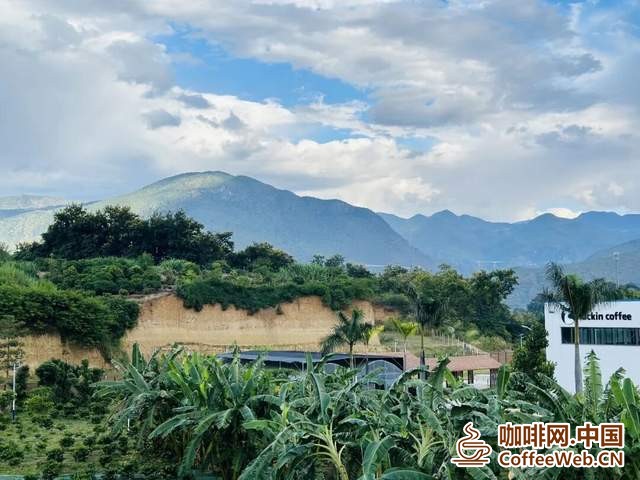 保山瑞幸咖啡鲜果加工厂对面的土崖@零售氪星球
保山本地人李家华说,这是每年4月返乡的栗喉蜂虎的家。作为高黎贡国家级自然保护区隆阳分局副局长,他常自称是一名“护林员”。一年中大部分时间,他都在山林里度过,非常熟悉这种以蜂类为食的小鸟。
这个本地人称之为“沙燕”的小鸟,有令人惊艳的斑斓彩色羽毛,被誉为“中国最美小鸟”,是国家二级重点保护野生动物,更是全世界观鸟人们的最爱。不过,它们近年也面临一个生存威胁,“人类的经济活动,常让它失去栖息地,无家可回。”
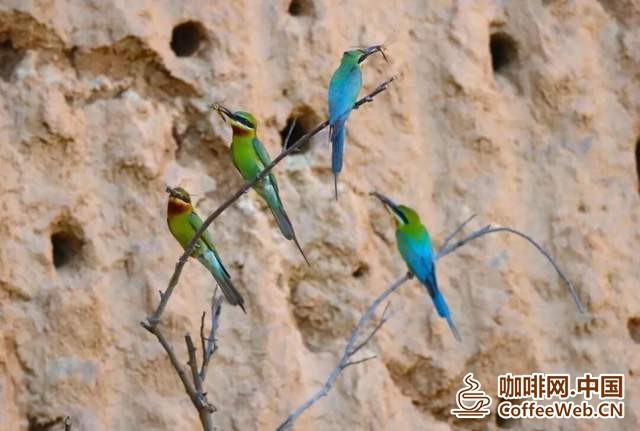 栗喉蜂虎@李家华
2025年11月的一天,在这片土崖正对面不到几百米,瑞幸云南保山鲜果处理加工厂里,世界自然基金会(WWF)打击濒危旗舰物种非法贸易高级项目经理张蓓分享了一个数字,“从2023年我们第一次调研时的119只,到2024年6月,栗喉蜂虎数量增加至346只,到今年已接近500只。”
这意味着,短短2年间,也就是这家现代化咖啡加工厂从筹建动工启用至今,栗喉蜂虎们,不但没失去在潞江坝最大的集中营巢点。相反,还在这个土崖周边,实现了小鸟数量的数倍增长。
更多“中国最美小鸟”的回归,其实是一个信号:一个健康、平衡的生态,能为这片咖啡产区的品质提升,注入看不见的自然能量。
01
一个为鸟让路的咖啡工厂
高黎贡山是中国西南生物生态安全的第一道屏障。这条南北绵延600多公里、平均宽度仅9公里的狭长山脉,连接着全球三大生物多样性热点区域,是一座活生生的自然博物馆。
早在1990年代,高黎贡山国家级自然保护区,就被WWF评为“世界级的生物多样性热点地区”。
2023年起,WWF与保护区对潞江坝开展生物多样性保护实践性尝试时,瑞幸咖啡是其中最活跃的企业。从栖息地保护和食物链维护入手,瑞幸咖啡在当地的工厂,积极与各方一起做很多稳定本地鸟类昆虫种群、修复栖息地的努力。
2023年初建厂时,为了不惊扰工厂对面土崖上栗喉蜂虎的返乡生育假期,瑞幸咖啡甚至改变工期,推迟了工厂的施工。
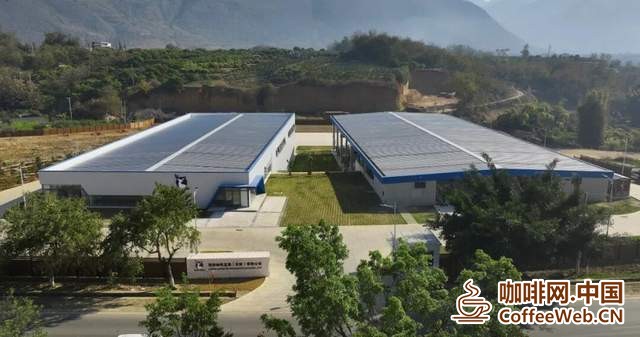 保山瑞幸咖啡鲜果加工厂
后来,为了给这些小鸟更安稳的家,瑞幸咖啡还和WWF、一个地球自然基金会一起,为栗喉蜂虎重建巢穴空间,在周边引入蜜源植物,打造小微湿地,用种植蜜源植物,竖立枯树等方式,系统性地努力恢复这片区域的生态完整性。
“我们引入并实践的是‘同一健康(One Health)’理念。”WWF的张蓓解释这些动作的底层理念,“它强调人类健康、环境健康,以及动物健康三者密不可分。”
“同一健康”是一种综合的、统一的方法,是一个可持续地平衡和优化人、动物和生态系统的健康综合统一的方法。这个被目前多家全球性自然保护机构认定方法的认知前提是,人类、家畜和野生动物、植物以及更广泛的环境(包括生态系统)的健康是密切联系和相互依存的。
客观上,乐于回来的更多小鸟们,会影响昆虫种群,传播植物种子,就维持了生态平衡,这正是优质咖啡生长的先决条件。更多栗喉蜂虎在这2年春天的回归,成为保山潞江坝生态系统日益健康的直观指标。
张蓓说,“鸟类种群数量实现了成倍增长,意味着这片土地上生长的咖啡豆品质更高、更健康。鸟回来了,我们喝到的咖啡品质也更好。”
今年11月,WWF正式授予了瑞幸保山鲜果处理加工厂"生态友好型工厂(示范)"的称号。未来,他们还会将这个政府、社会组织和企业合作的成功案例复制推广到更多地方。
而对瑞幸咖啡,这座工厂本身,也是其努力嵌入周遭生态的一个努力。工厂采用的微水鲜果处理工艺,咖啡水洗环节零排放,保护周边水土,也从根本上确保了加工环节不会对孕育优质咖啡的生态环境造成负担,守护前端的生态成果。
02
保护生态和谐:以一家工厂为起点
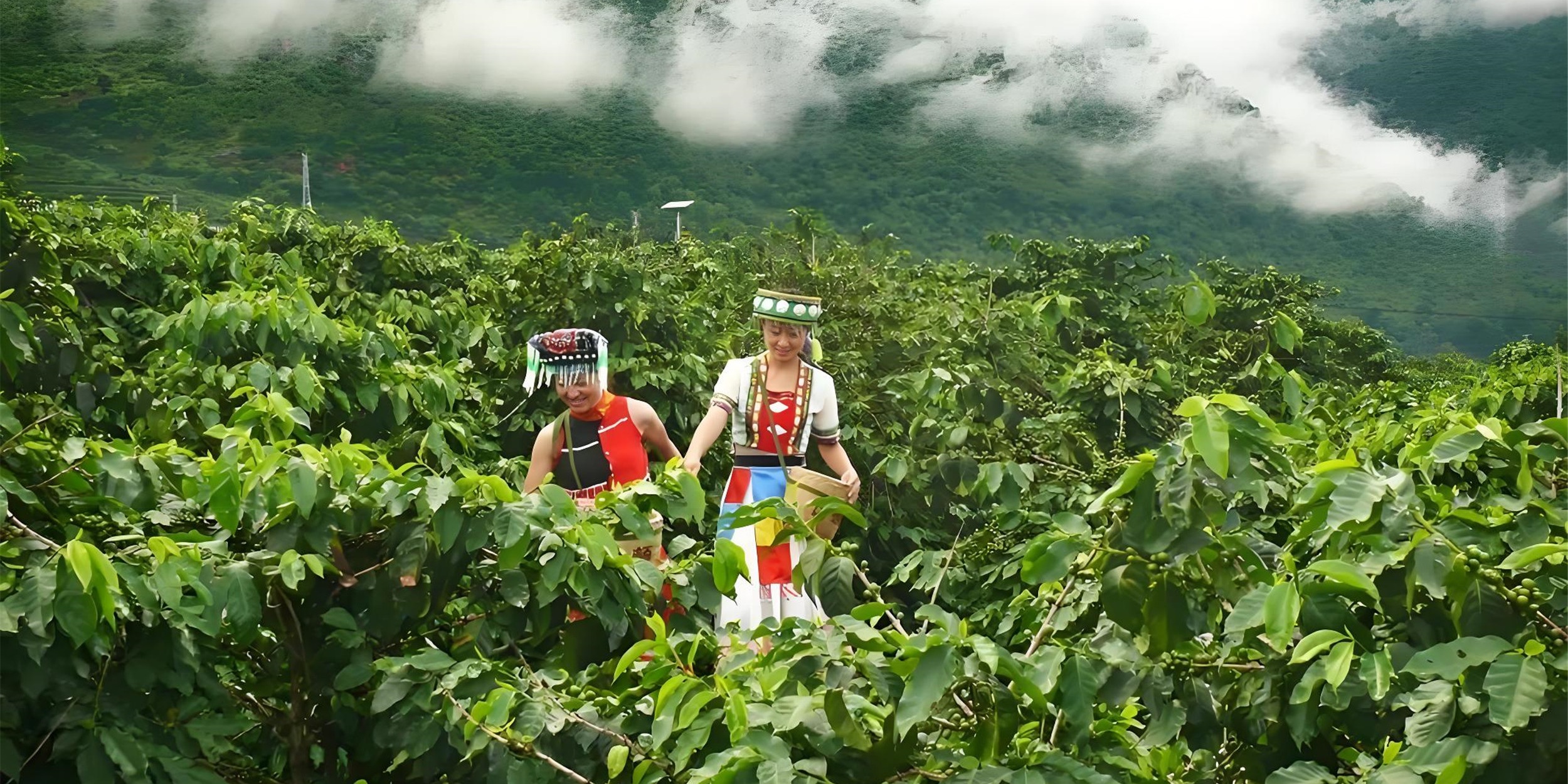
咖啡是云南特色农业的“金名片”,这几年,作为本土品牌的瑞幸咖啡。正加速在这个本土最核心咖啡产区扎根,在采购、生态种植、精深加工等方面做了多维度的努力。
瑞幸咖啡鲜果加工厂所在的保山,是云南精品咖啡的标杆产区,以出产精品咖啡闻名,地处北纬24-25°的咖啡种植“黄金地带”,保山独特的微气候和弱酸性火山灰质土壤,能孕育 “浓而不苦、香而不烈、略带果酸”的优质咖啡。
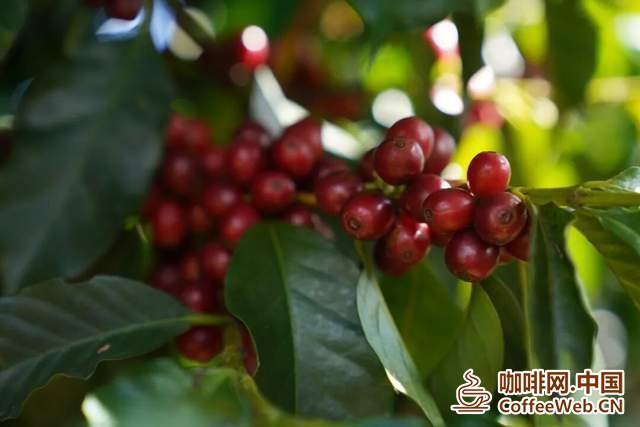
数据显示,保山咖啡目前的精品率已达70%,精深加工率更是高达85%。这张优异的“品质王牌”,正助力保山咖啡以其独特风土和卓越品质,稳步融入全球精品咖啡的供应链体系。
这也意味着,保山咖啡的未来,在于深耕风味与生态,而非单纯追求产量。但目前整体尚处于粗放种植阶段,构成了品质提升的主要瓶颈。
所以,瑞幸咖啡在保山做的保护生态和谐,是从最务实的助农开始的。瑞幸咖啡资深农艺师翟盾,一直在云南咖啡产区一线,他很了解这块土地上咖农眼下的困境。
“有咖农反映不知如何施肥,甚至,他们会错误将肥料直接施在根系附近,导致次年仍未分解,既浪费又低效。” 而随着咖啡产业扩张,保山一些坡度大于25度的山地也被开垦,水土流失风险增加。地膜、农药包装等塑料垃圾在田间地头并不鲜见。
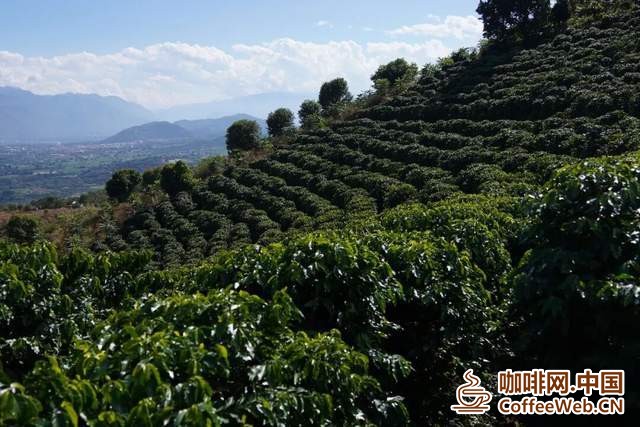
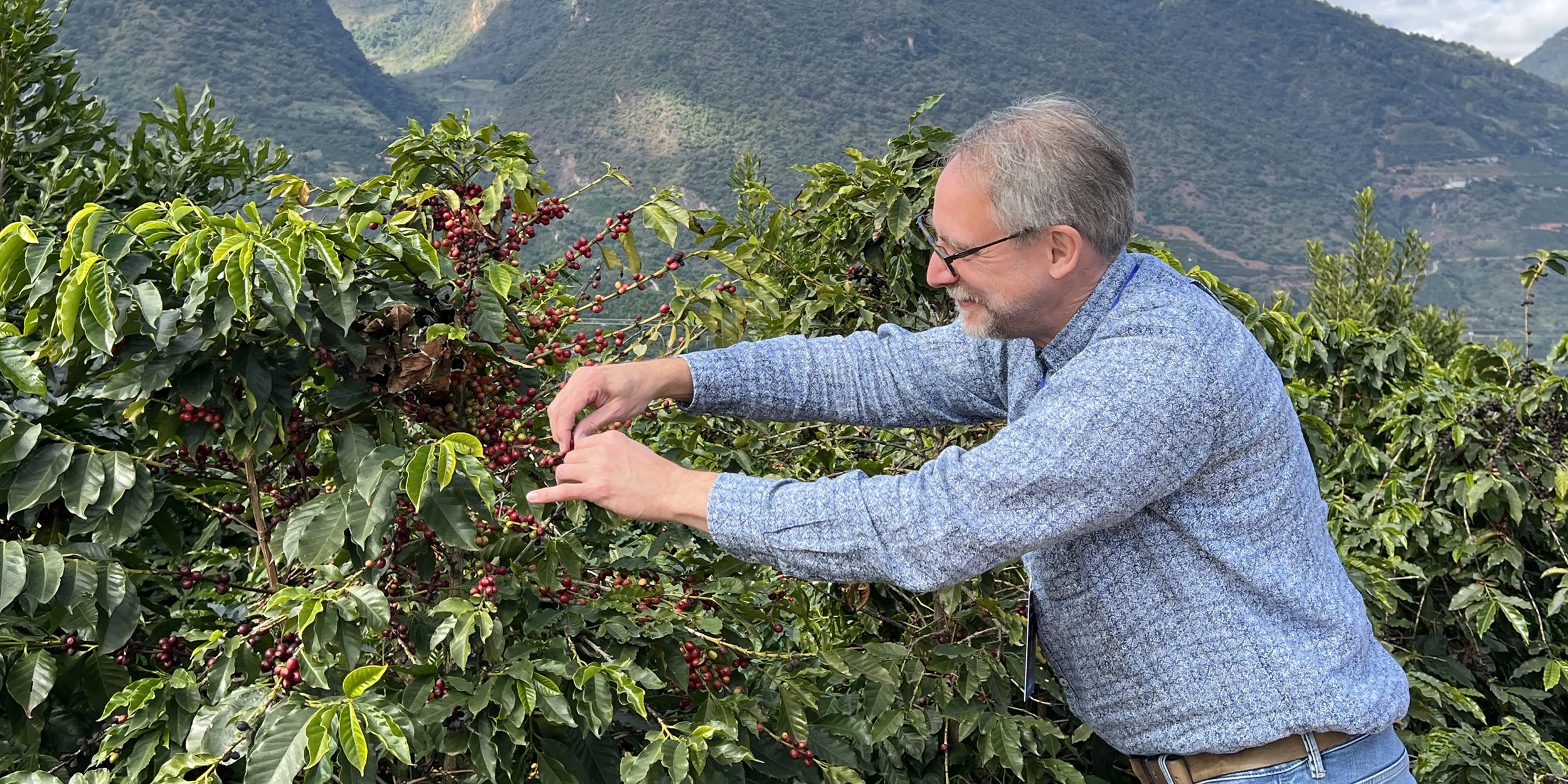
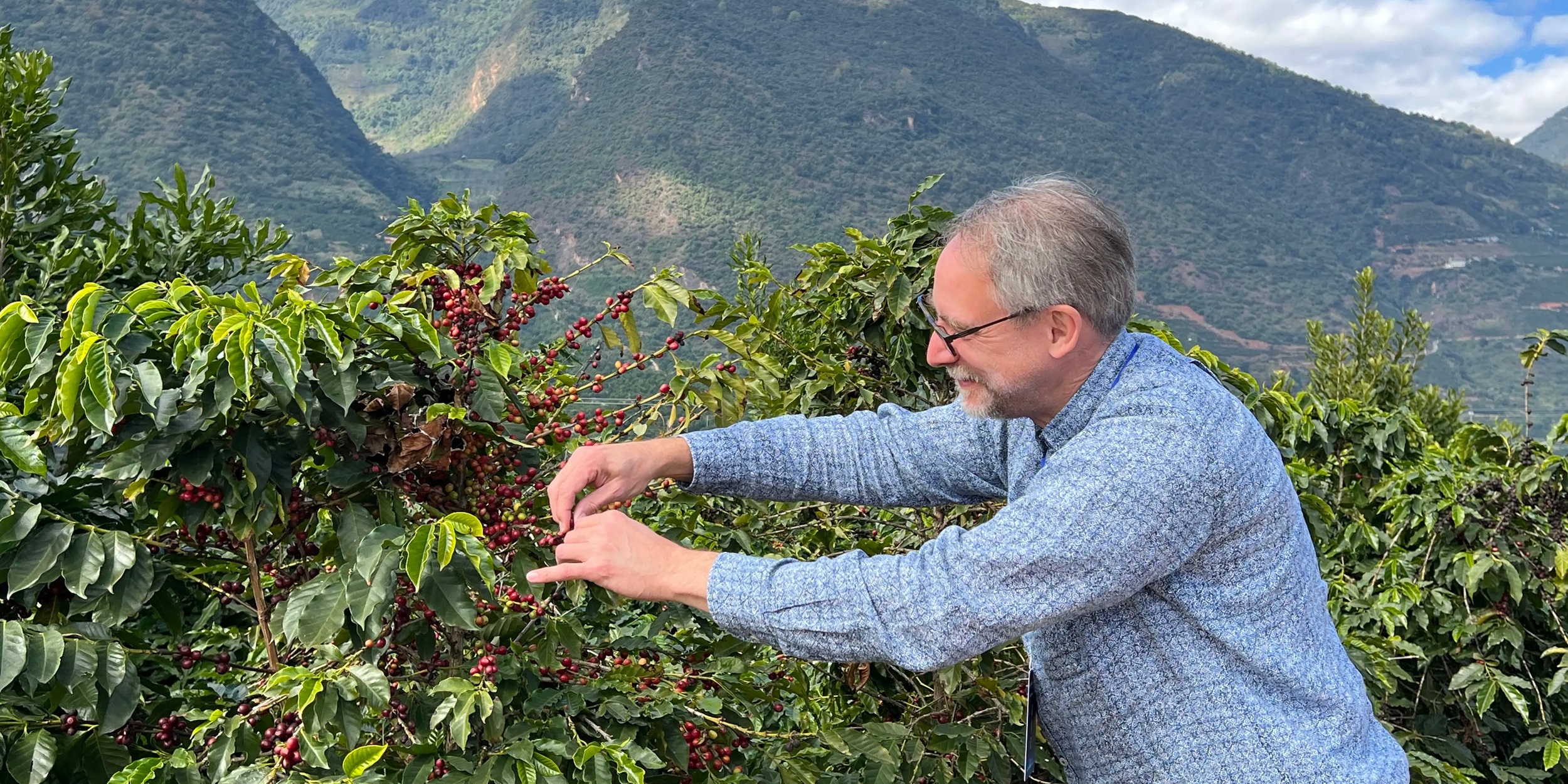
因地制宜,瑞幸咖啡团队会联合科研机构,开展测土配方施肥,实现精准施肥并减少用量。而在陡坡山地,瑞幸会建议保留原生树木,维护生物多样性。瑞幸资深农艺师翟盾,在培训咖农采摘时,也会让大家随身带回塑料垃圾,集中处理。
云南省农业科学院热带亚热带经济作物研究所副研究员娄予强说:“咖啡原产于埃塞俄比亚原始森林,种植过程中应尽量模拟其原始生长环境。”
所以,为了给咖啡树一个更接近原始森林的家,科研团队推广“间套种”。 “通过构建复合生态系统,可以有效调节干热河谷地区的高温环境。”娄予强分析,这不仅为鸟类昆虫提供了栖息地,更直接为咖啡品质服务:多样植被形成的微气候,能有效抑制高温对咖啡光合作用的损害,让风味物质得以更从容、更充分地积累。
企业与自然保护和科研等机构联动,一步步推动生态与经济效益在保山形成和谐的共振。
咖农,因为咖啡种植和更科学的间作,有了稳定的收入,更愿意采纳生态友好的种植方式。咖啡树,则在更好的自然环境中生长,产出更高品质的豆子;生物多样性,在漫山的咖啡园中得到有效维护,将会与咖啡产业形成正向循环。
“生态友好才能造就更好咖啡”,在瑞幸咖啡可持续发展负责人赵艳艳看来,保护原产地和谐生态,是瑞幸咖啡绿色行动聚焦的三大核心场景之一。
“有意义的增长不只是规模做大,更是价值的扩展。”,“生态共建”与“构建数智化绿色生产体系”、“打造可持续绿色门店样板”三个场景一起,正在推动瑞幸咖啡在提供一杯高品质咖啡同时,深度融合企业社会责任与可持续发展。
03
本土咖啡在本土产区的“深度扎根”
无论是李家华,还是大学毕业后就在云南做科研的娄予强,都非常自豪保山所拥有的三张独特名片:高黎贡山立体基因库、怒江大峡谷和保山小粒咖啡。它们分别代表自然生态、地质奇观与特色农业的融合。
这意味着,保山,乃至云南咖啡的更好未来,其实,都有赖于现代文明与原始自然生态的和谐共生。
而深度参与近年中国咖啡市场的狂飙突进,瑞幸咖啡,也在本土核心咖啡产区的云南,探索战略性地“深度扎根”,长期主义的生态共建。
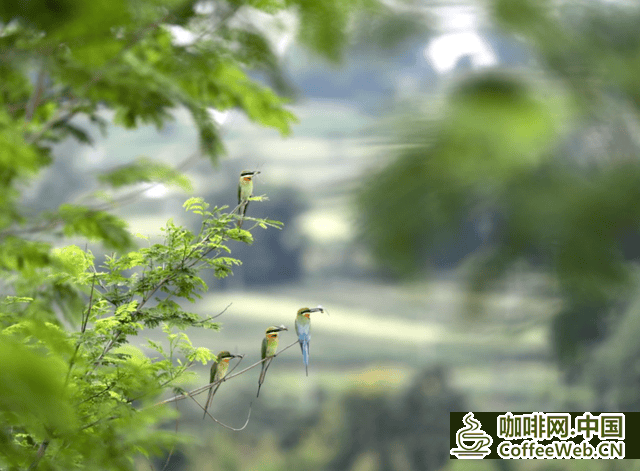 栗喉蜂虎@李家华
一只栗喉蜂虎的回归,背后是一片生态系统的日益健康,孕育出一批优质咖啡豆,让一群咖农有更好的生活,也让他们,更珍视赋予美好生活的自然……所有这些,最终成为一杯咖啡,抵达每一位消费者手中。
它不宏大,却很具体。
李家华说,他正思考一个新课题:“随着生态修复成效显现,野生动物可能会更多地下山活动。如何在咖啡种植生产中,实现与生物多样性保护的共赢,是我们未来需要研究的重要课题。”
从保护一只鸟,到努力修复一片土地,瑞幸在保山的探索指明了一条路径:对生态的尊重,终将回馈咖啡的品质,背后是一种商业智慧——唯有健康的土地,才能孕育出真正打动人心的味道。
Article | Nicole, Product | Retail Krypton Planet (ID: LS-KXQ)
At Lujiang Dam in Baoshan, Yunnan, under the continuous ridges of Gaoligong, the noon sun shines brightly on a dirt cliff in Mang'ai Village. With the help of a telescope on a high platform in Luckin Coffee's fresh fruit processing plant, one can see many bowl sized caves on sandy cliffs hundreds of meters away.
Across from Baoshan Ruixing Coffee Fresh Fruit Processing Factory, on the dirt cliff @ Retail Krypton Planet
Li Jiahua, a local of Baoshan, said that this is the home of the chestnut throated bee tiger who returns home every April. As the Deputy Director of Longyang Branch of Gaoligong National Nature Reserve, he often refers to himself as a "forest ranger". He spent most of the year in the mountains and forests, and was very familiar with this small bird that feeds on bees.
This little bird, locally known as the "Sand Swallow", has stunning colorful feathers and is known as the "most beautiful bird in China". It is a nationally protected second-class wildlife and a favorite of birdwatchers around the world. However, they have also faced an survival threat in recent years, as "human economic activities often cause them to lose their habitat and have no home to return to
Chestnut throated Bee Tiger @ Li Jiahua
On a day in November 2025, less than a few hundred meters across from this dirt cliff, at Luckin Yunnan Baoshan Fresh Fruit Processing Plant, Zhang Bei, Senior Project Manager for Combating Illegal Trade of Endangered Flagship Species at the World Wildlife Fund (WWF), shared a number: "From 119 in our first survey in 2023, to 346 in June 2024, the number of chestnut throated bee tigers has increased to nearly 500 this year
This means that in just two years, from the establishment of this modern coffee processing plant to its opening, the chestnut throated bees have not lost their largest centralized nest in Lujiangba. On the contrary, the number of birds around this cliff has increased several times.
The return of more "China's most beautiful birds" is actually a signal: a healthy and balanced ecology can inject invisible natural energy into the quality improvement of this coffee producing area.
01
A coffee factory that makes way for birds
Gaoligong Mountain is the first barrier for ecological security in southwestern China. This narrow mountain range, stretching over 600 kilometers from north to south with an average width of only 9 kilometers, connects the world's three major biodiversity hotspots and is a living natural museum.
As early as the 1990s, Gaoligong Mountain National Nature Reserve was rated as a "world-class biodiversity hotspot" by WWF.
Starting from 2023, Luckin Coffee is the most active enterprise in WWF and the protected area's practical attempts to protect biodiversity in Lujiangba. Starting from habitat protection and food chain maintenance, Luckin Coffee actively collaborates with various parties to stabilize local bird and insect populations and restore habitats at its local factories.
At the beginning of 2023, when the factory was built, Luckin Coffee even changed the construction schedule and postponed the construction of the factory in order not to disturb the return home maternity leave of the chestnut throated bees on the opposite cliff.
Baoshan Ruixing Coffee Fresh Fruit Processing Factory
Later, in order to provide these birds with a more stable home, Luckin Coffee, together with WWF and One Earth Foundation, rebuilt the nest space for the chestnut throated bee tiger, introduced honey plants in the surrounding area, created small wetlands, and systematically worked to restore the ecological integrity of the area by planting honey plants, erecting dead trees, and other methods.
What we introduce and practice is the concept of 'One Health'. ”WWF's Zhang Bei explains the underlying philosophy behind these actions, "It emphasizes the inseparable relationship between human health, environmental health, and animal health
'One Health' is a comprehensive and unified approach that sustainably balances and optimizes the health of humans, animals, and ecosystems. The cognitive premise of this method recognized by multiple global nature conservation agencies is that the health of humans, livestock and wildlife, plants, and the wider environment (including ecosystems) are closely interconnected and interdependent.
Objectively speaking, more birds who are willing to come back will affect insect populations, spread plant seeds, and maintain ecological balance, which is a prerequisite for the growth of high-quality coffee. The return of more chestnut throated bee tigers in the spring of these two years has become a clear indicator of the increasingly healthy ecosystem of Baoshan Lujiangba.
Zhang Bei said, "The population of birds has doubled, which means that the coffee beans grown on this land are of higher quality and healthier. When the birds come back, the coffee we drink is also of better quality
In November of this year, WWF officially awarded Luckin Baoshan Fresh Fruit Processing Plant the title of "Eco friendly Factory (Demonstration)". In the future, they will also replicate and promote this successful case of cooperation between the government, social organizations, and enterprises to more places.
For Luckin Coffee, this factory itself is also an effort to integrate into the surrounding ecology. The factory adopts a micro water fresh fruit treatment process, with zero emissions in the coffee washing process, protecting the surrounding soil and water, and fundamentally ensuring that the processing process does not burden the ecological environment that nurtures high-quality coffee, safeguarding the ecological achievements of the front-end.
02
Protecting Ecological Harmony: Starting from One Factory
Coffee is the "golden calling card" of Yunnan's characteristic agriculture, and in recent years, Luckin Coffee has become a local brand. We are accelerating our efforts to establish roots in this core local coffee producing area, and have made multidimensional efforts in procurement, ecological planting, and deep processing.
Baoshan, where Luckin Coffee Fresh Fruit Processing Plant is located, is a benchmark production area for premium coffee in Yunnan. It is famous for producing premium coffee and is located in the "golden zone" of coffee cultivation at 24-25 ° N. Baoshan's unique microclimate and weakly acidic volcanic ash soil can nurture high-quality coffee that is "strong but not bitter, fragrant but not strong, and slightly acidic".
Data shows that the premium rate of Baoshan coffee has reached 70%, and the deep processing rate is as high as 85%. This excellent 'quality ace' is helping Baoshan Coffee steadily integrate into the global premium coffee supply chain system with its unique terroir and outstanding quality.
This also means that the future of Baoshan Coffee lies in cultivating flavor and ecology, rather than simply pursuing yield. But currently, it is still in the stage of extensive planting, which constitutes the main bottleneck for quality improvement.
So, Luckin Coffee's efforts to protect ecological harmony in Baoshan start with the most practical assistance to farmers. Zhai Dun, a senior agronomist at Luckin Coffee, has been working on the front line of coffee producing areas in Yunnan. He is well aware of the current difficulties faced by coffee farmers on this land.
Some coffee farmers have reported that they do not know how to fertilize, and even mistakenly apply fertilizer directly near the roots, resulting in failure to decompose the following year, which is both wasteful and inefficient. With the expansion of the coffee industry, some mountainous areas with slopes greater than 25 degrees in Baoshan have also been developed, increasing the risk of soil erosion. Plastic waste such as plastic film and pesticide packaging is not uncommon in the fields.
Tailored to local conditions, the Luckin Coffee team will collaborate with research institutions to carry out soil testing and formula fertilization, achieving precise fertilization and reducing usage. In steep mountainous areas, Rui Xinghui suggests preserving native trees and maintaining biodiversity. Zhai Dun, a senior agronomist at Luckin Coffee, will also ask everyone to bring back plastic waste for centralized disposal when training coffee farmers to pick.
Lou Yuqiang, Associate Researcher at the Tropical and Subtropical Economic Crop Research Institute of Yunnan Academy of Agricultural Sciences, said, "Coffee is native to the primitive forests of Ethiopia, and the planting process should simulate its original growth environment as much as possible
So, in order to give coffee trees a home closer to the primeval forest, the research team is promoting "intercropping". By constructing a composite ecosystem, the high temperature environment in dry hot river valleys can be effectively regulated. "Lou Yuqiang analyzed that this not only provides habitat for birds and insects, but also directly serves coffee quality: the microclimate formed by diverse vegetation can effectively suppress the damage of high temperature to coffee photosynthesis, allowing flavor substances to accumulate more calmly and fully.
Enterprises collaborate with natural conservation and scientific research institutions to gradually promote a harmonious resonance between ecological and economic benefits in Baoshan.
Coffee farmers, due to coffee cultivation and more scientific intercropping, have stable income and are more willing to adopt eco-friendly planting methods. Coffee trees grow in better natural environments and produce higher quality beans; Biodiversity, effectively maintained in the coffee gardens of Man Shan, will form a positive cycle with the coffee industry.
In the view of Zhao Yanyan, the sustainable development manager of Luckin Coffee, 'Ecological friendliness is the key to creating better coffee.' Protecting the harmonious ecology of the place of origin is one of the three core scenarios focused on by Luckin Coffee's green action.
Meaningful growth is not just about expanding the scale, but also expanding the value. Together with the three scenarios of "ecological co construction", "building a digital green production system", and "creating a sustainable green store model", Luckin Coffee is promoting the deep integration of corporate social responsibility and sustainable development while providing a high-quality cup of coffee.
03
Deep rooting of local coffee in local production areas
Both Li Jiahua and Lou Yuqiang, who has been doing research in Yunnan since graduating from university, are very proud of Baoshan's three unique business cards: Gaoligong Mountain Stereoscopic Gene Bank, Nujiang Grand Canyon, and Baoshan Small Grain Coffee. They represent the integration of natural ecology, geological wonders, and characteristic agriculture.
This means that the better future of Baoshan and even Yunnan coffee actually depends on the harmonious coexistence of modern civilization and primitive natural ecology.
In recent years, Luckin Coffee has been deeply involved in the rapid development of the Chinese coffee market. Luckin Coffee is also exploring strategic "deep roots" and long-term ecological co construction in Yunnan, a core coffee producing area in China.
Chestnut throated Bee Tiger @ Li Jiahua
The return of a chestnut throated bee tiger is backed by an increasingly healthy ecosystem, nurturing a batch of high-quality coffee beans that provide a better life for a group of coffee farmers and make them cherish the nature that gives them a better life... All of these ultimately become a cup of coffee that reaches every consumer.
It is not grand, but very specific.
Li Jiahua said he is considering a new topic: "With the effectiveness of ecological restoration becoming apparent, wild animals may engage in more underground mountain activities. How to achieve a win-win situation with biodiversity conservation in coffee cultivation and production is an important topic that we need to study in the future
From protecting a bird to working hard to restore a piece of land, Luckin Coffee's exploration in Baoshan has pointed out a path: respecting the ecology will ultimately give back the quality of coffee, and behind it is a business wisdom - only healthy land can nurture truly touching flavors.