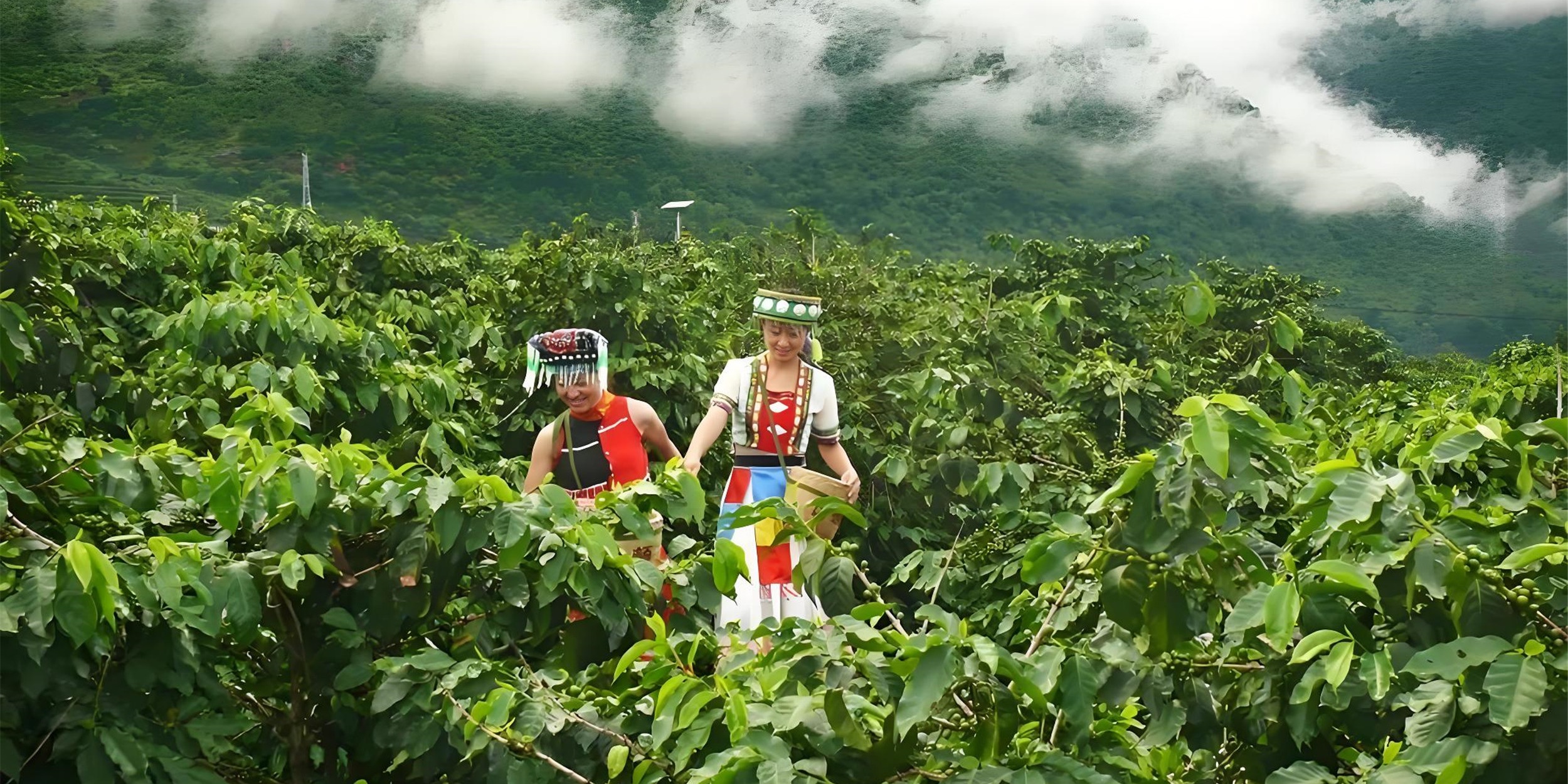
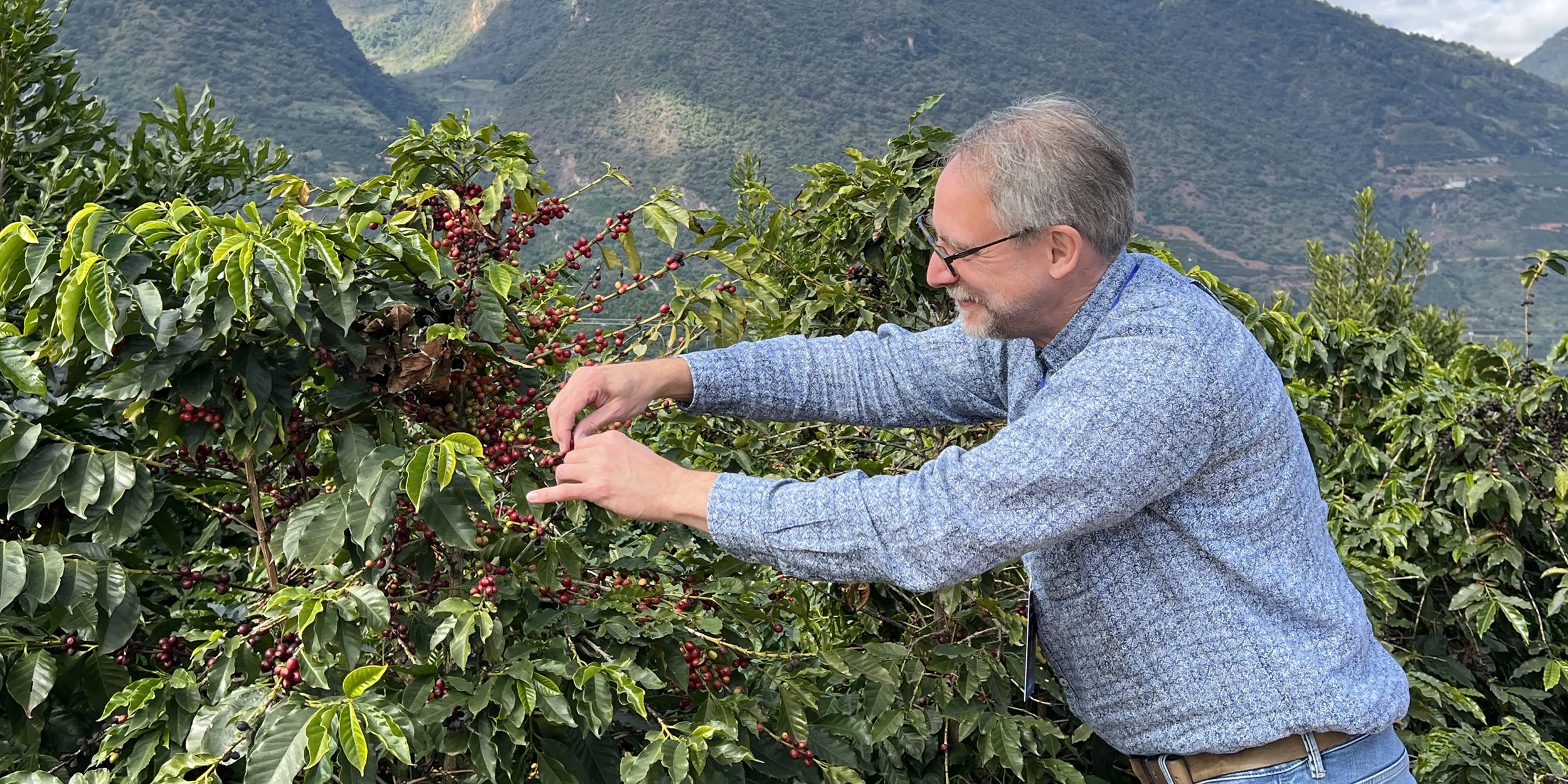
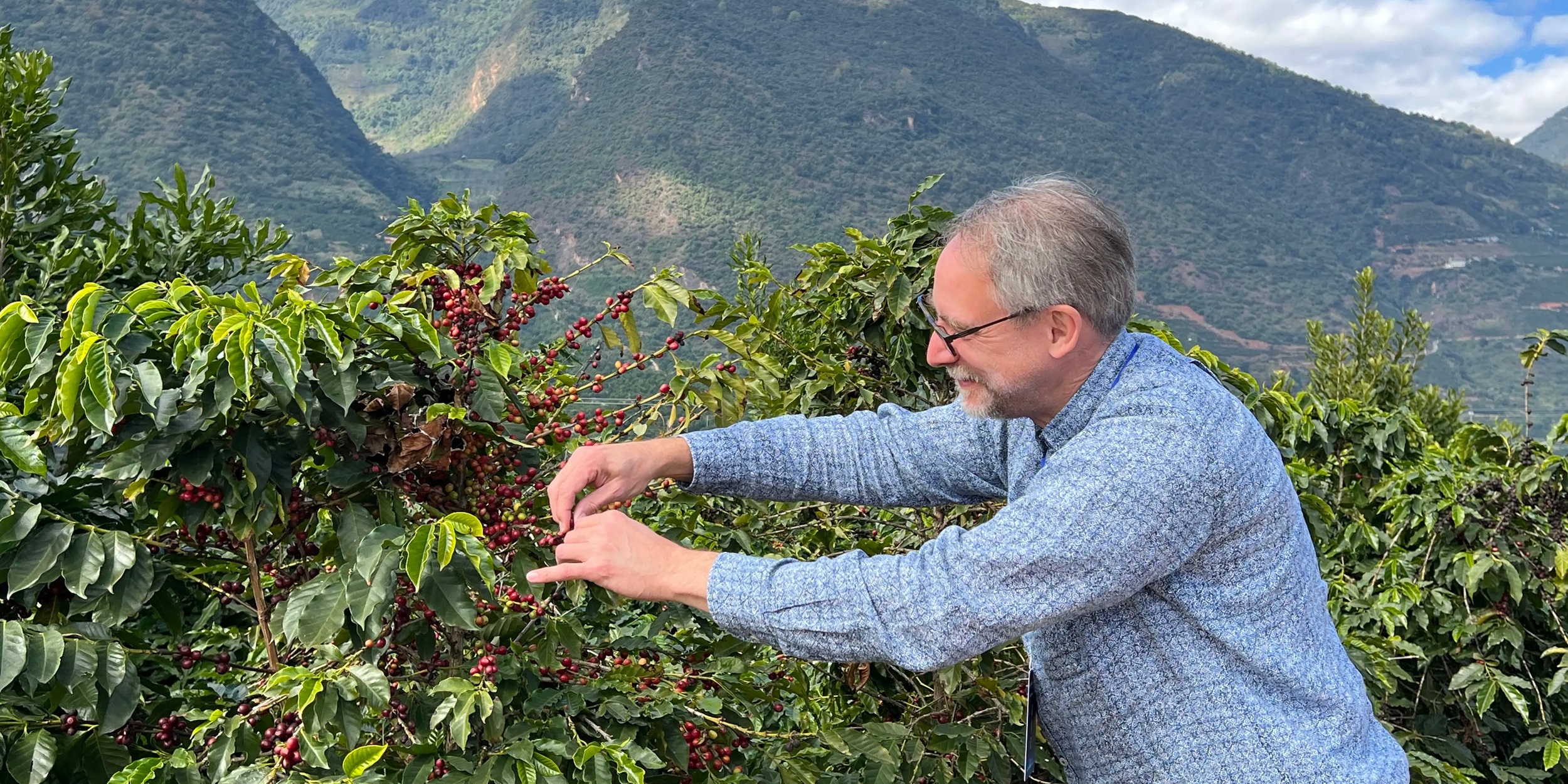
浓而不苦、香而不烈、略带果酸的云南咖啡,让全世界共享东方韵味Yunnan coffee, rich but not bitter, fragrant but not strong, with a hint of fruit acid, allows the world to share the charm of the East
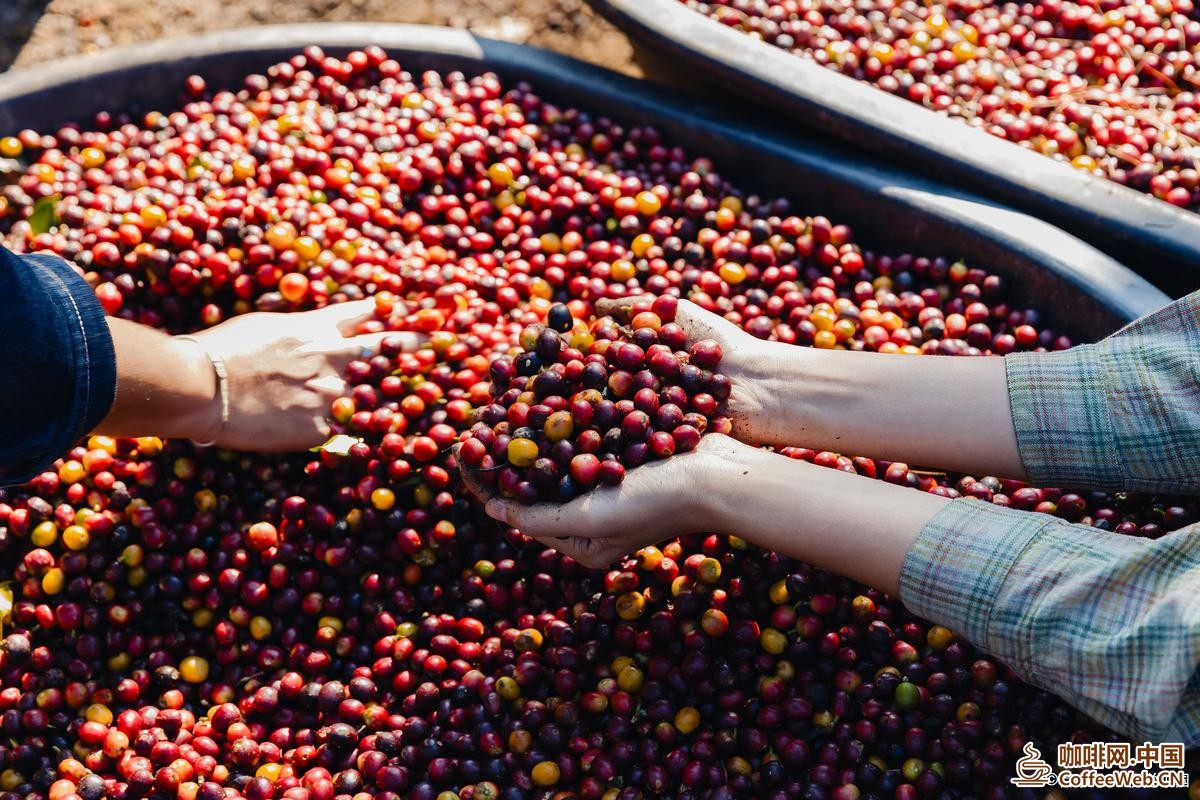
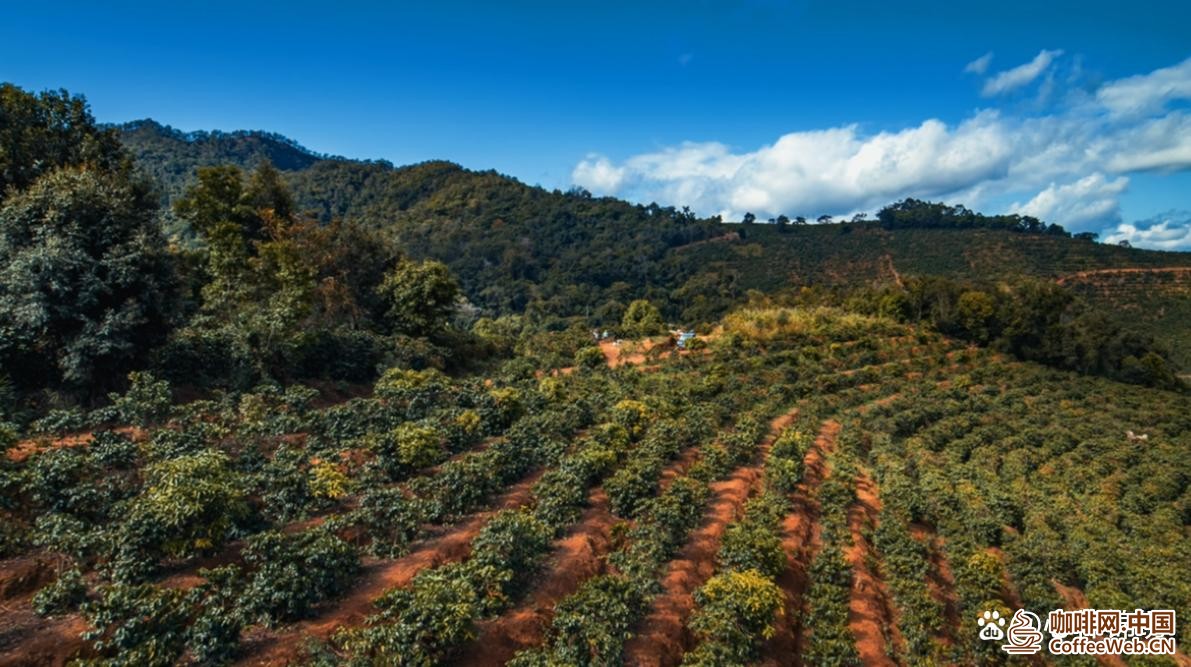
地处北回归线咖啡种植“黄金地带”的云南省,是我国咖啡种植面积最大、产量最高、品质最好的产区。2024年云南咖啡打了一漂亮的翻身仗。
云南在2024年全年一共出口各类咖啡约3.25万吨,同比增长3.6倍,就连对咖啡格外挑剔的荷兰、德国、美国等等,都是云南精品咖啡的忠实客户,云南咖啡已经行销全球29个国家和地区了。
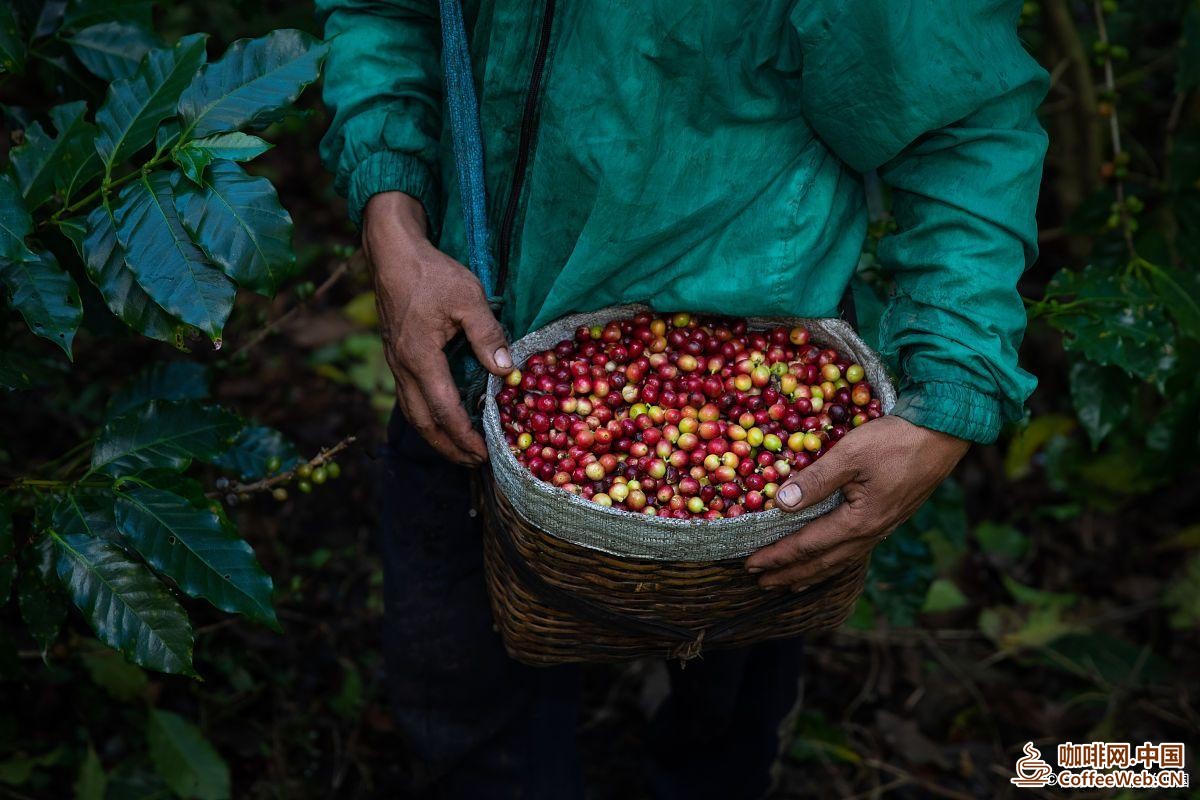
(一)云南咖啡历史可不短
客观地说,咖啡豆对我们来说是舶来品,它的真正故乡是非洲埃塞俄比亚西南部的高原地区,所以,跟东南亚一些国家一样,比如越南、印尼等等,咖啡豆种植是西方殖民者带来的。
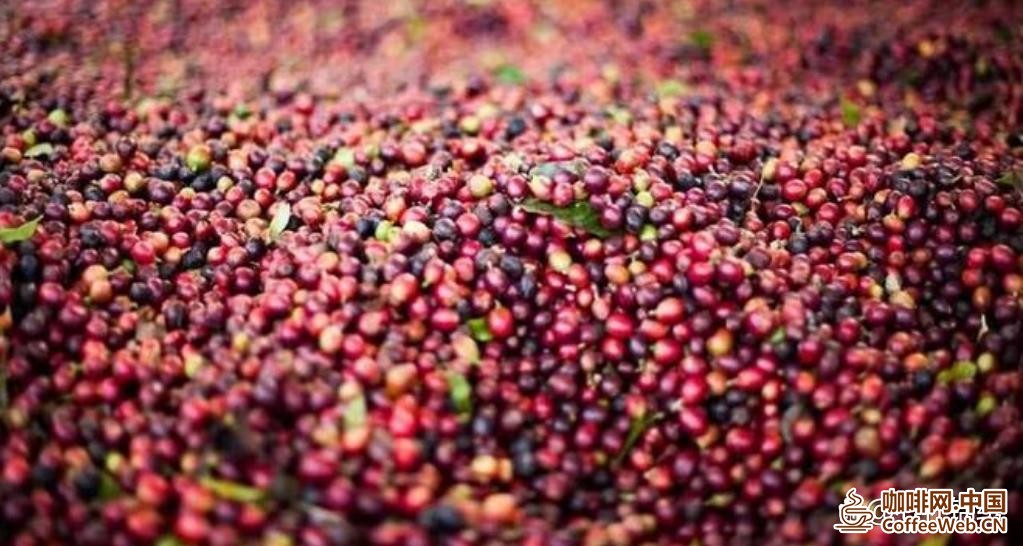
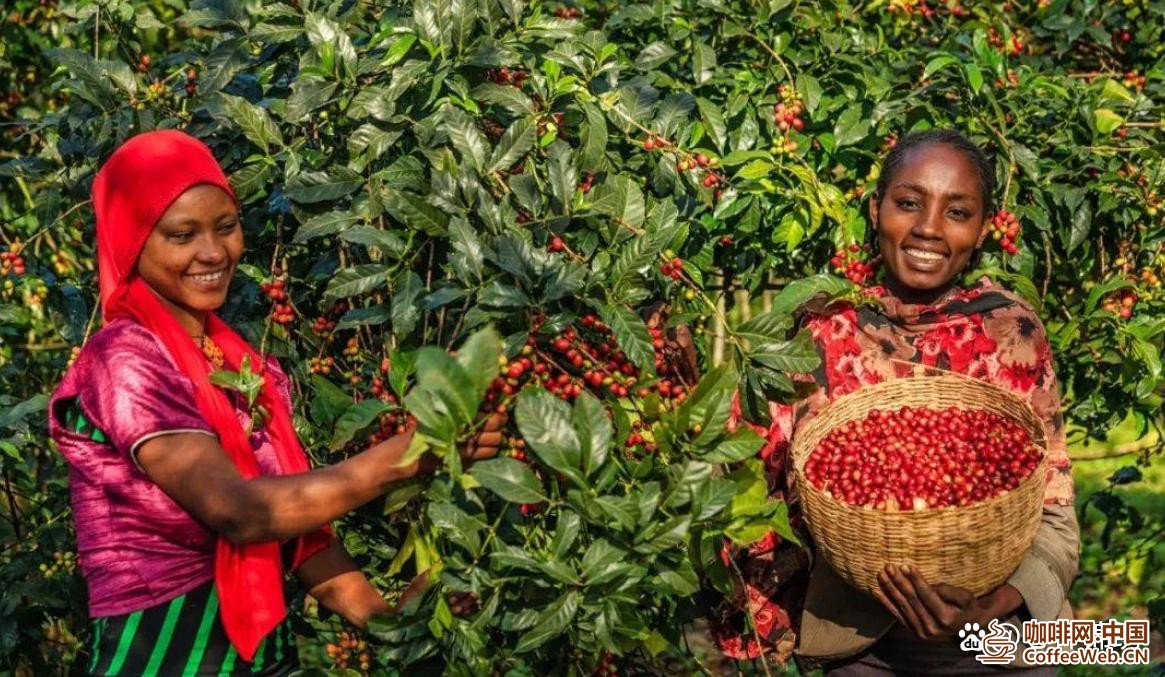 【埃塞俄比亚的咖啡收获季】
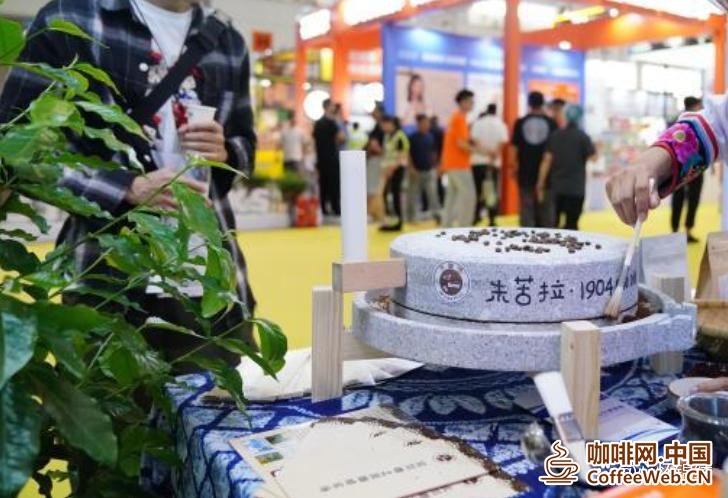
1892年,法国传教士田德能将咖啡种子带入云南大理宾川的朱苦拉村,这就是云南咖啡种植的起点。12年后的1904年,咖啡树首次在朱苦拉村进行种植,这片古老的咖啡林成为我国咖啡的发源地,也是外来农业物种遗产的重要遗迹。
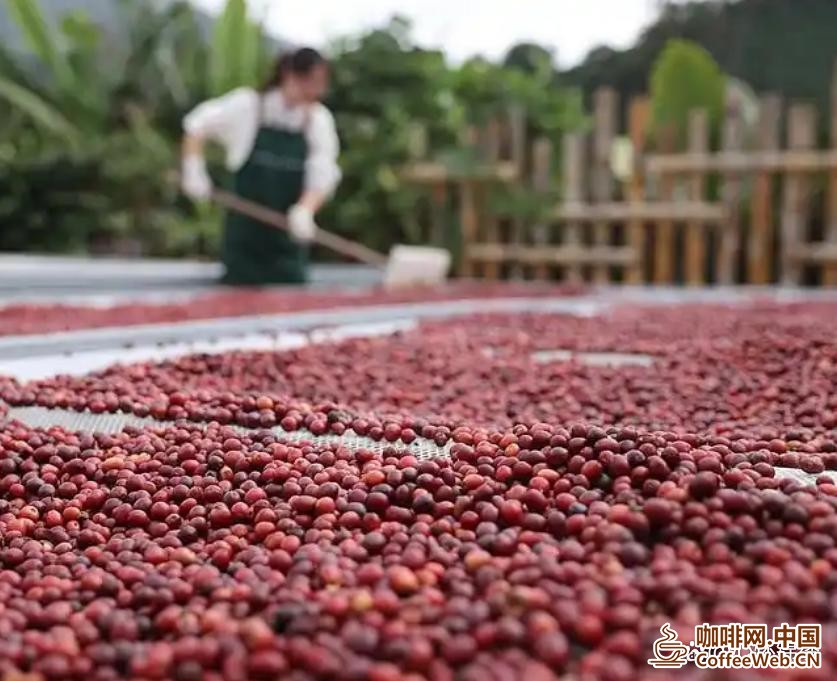
所以每次有云南咖啡的博览会,基本都能看到被称为中国咖啡“活化石”的朱苦拉咖啡的身影。
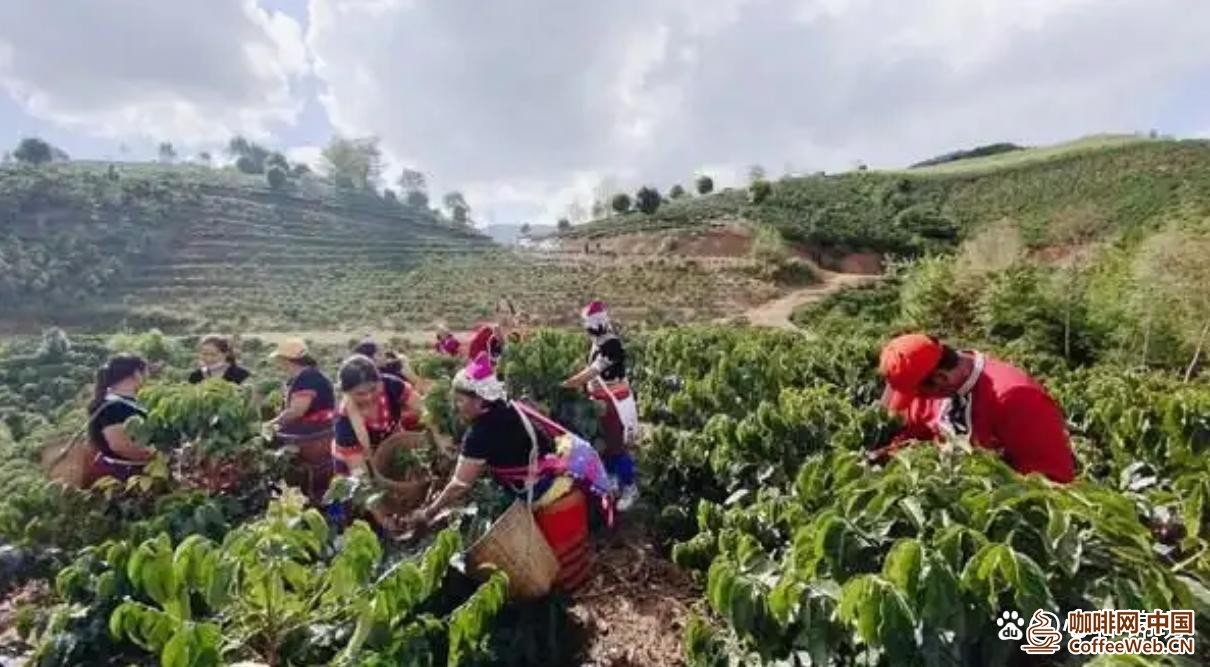
又过了10年即1914年,云南德宏地区的景颇族边民从缅甸引入咖啡,种植于瑞丽弄贤寨,随后推广到潞西(现在的芒市)、陇川、盈江、梁河等地区。
抗日战争期间,大量学校和机构内迁云南、贵州等地尤其是昆明市,人口增加导致咖啡需求激增——这是因为内迁的学校和机关中有许多留过洋的老师和官员,他们已经养成了喝咖啡的习惯,所以当地的咖啡豆和咖啡的价格不断高涨。
为此,云南特意加大了咖啡扩种的面积,而且开始想办法栽培一些新品种的咖啡。
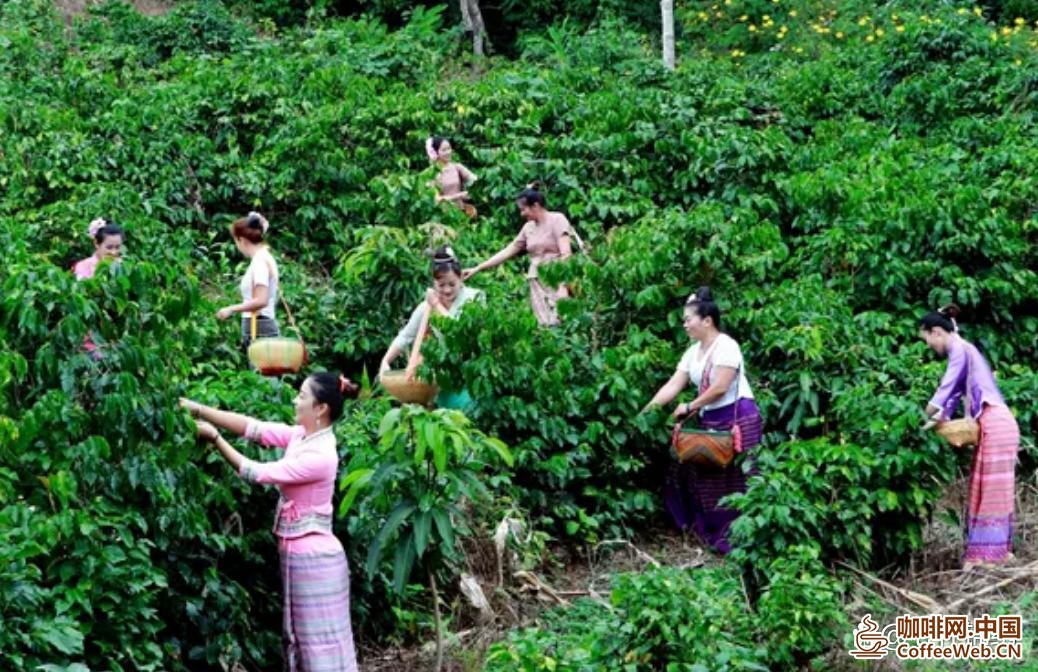
(二)新时代的云南咖啡
20世纪50年代,云南咖啡迎来第一次大规模种植,以德宏州潞西棉作试验站为起点,咖啡逐步推广。当时,云南咖啡主要用于偿还苏联贷款,产品专供苏联及东欧国家,比如匈牙利、罗马尼亚等国家。
到了1988年,国际咖啡巨头如雀巢入驻云南省普洱市,在当地进行云南咖啡的改良与种植,当然,有了资金和新的咖啡豆收购措施,云南的南咖啡产业确实发展很快。

尽管雀巢是商业企业,以最终盈利为目的,但也能够始终在推进免费咖啡种植培训和再生农业的知识,直到现在,在咖啡产业链前端还在持续进行长期的培训计划、常年派驻专业团队。
这几十年云南咖啡形成的特点就是云南小粒咖啡主——其实主要品种就是阿拉比卡,云南优质的地理气候条件为咖啡生长提供了良好的条件,种植区以临沧、普洱、西双版纳、德宏等地区为主。
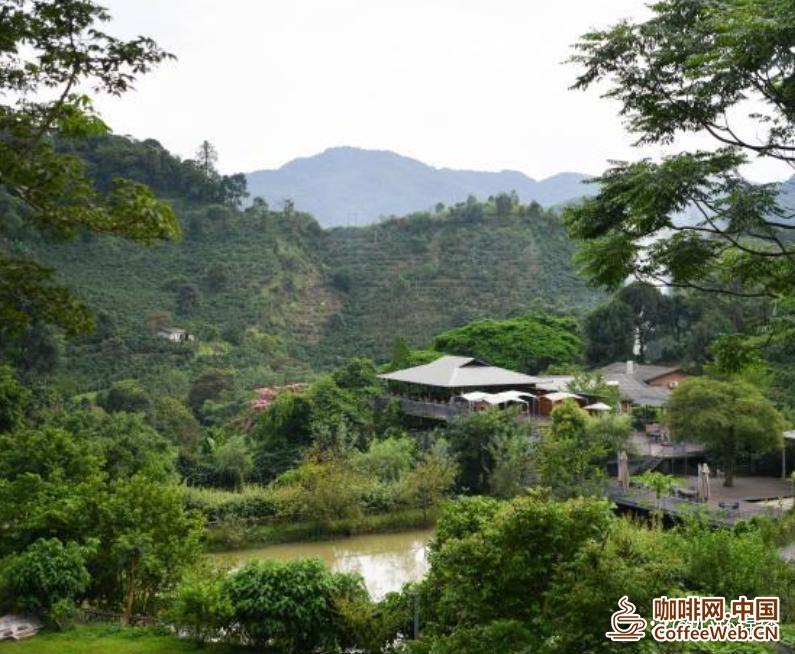
云南自然条件与哥伦比亚十分相似,即低纬度、高海拔、昼夜温差大,出产的小粒咖啡经杯品质量分析,属醇香型,它的质量、口感与哥伦比亚咖啡非常接近。
但是由于多种原因云南咖啡产业发展速度并不快,云南咖啡主要是以原料(咖啡豆)的方式出口,2006年的出口总量只有约1.5万吨左右,不过每年60%以上的原料豆被雀巢和麦氏收购,直到最近这几年星巴克和安利等也加入了大量收购云南咖啡豆的行列。
(三)品质完全不输顶级
最近5年云南咖啡最大的特点就是技术化、专利化,出现了有品牌影响力的品种,比如花香云咖3号、热带水果风味的云咖4号等等,别小看它们,这是一批有完全自主知识产权的新品种。
作为适合种植高品质咖啡的地区,云南省尤其是作为主产地的普洱、版纳、文山等等,已经到云南精品咖啡十二个字的特点即浓而不苦、香而不烈、略带果酸,做得越来越深入人心了。
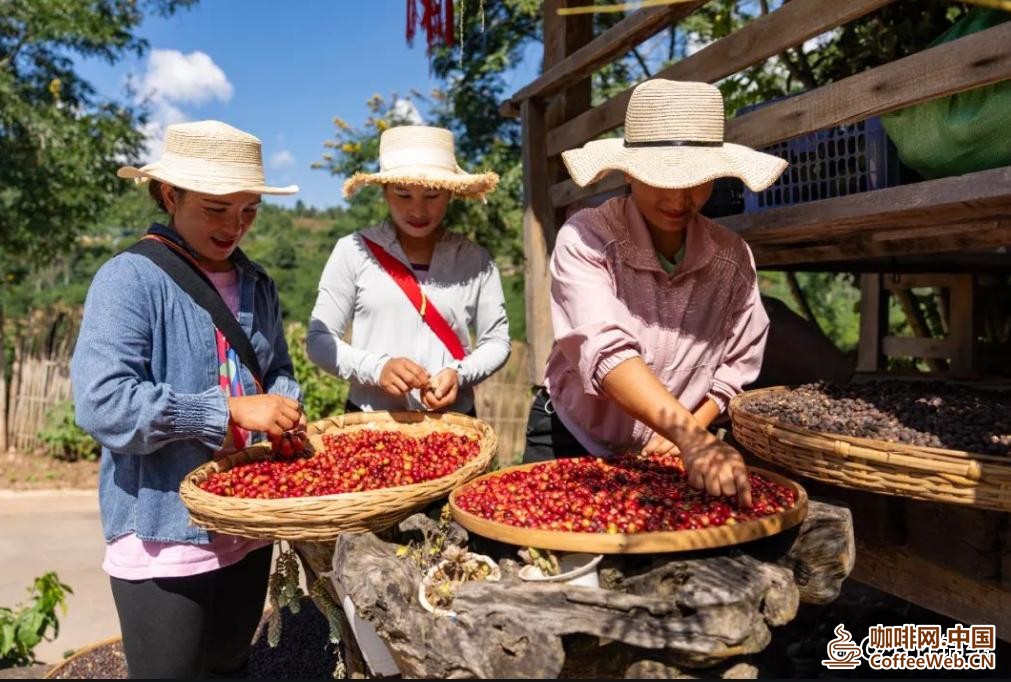
喜欢并习惯喝咖啡的北美、欧洲的客户,对云南精品咖啡是有过测评的。
过去的主流是采用找出咖啡豆“缺点”的消极评价方式,比如巴西式评价。
但精品咖啡原本就是高品质咖啡,因此,后来评价的重点转到找出“优点”而非“缺点”不再用消极评价方式,而改用积极评价方式。
这种评价方式主要分为两大类,一类是美国精品咖啡协会(SCAA)推广的杯测规定;另外一类是卓越杯(COE)制定的标准。
普通的杯测咖啡一般需要测出以下特性:
湿香——冲煮咖啡的气味强度
醇度——咖啡液在口内的重量感
风味——咖啡进人口腔时的味道
酸度——咖啡的酸味是否明亮、活泼、尖镜、沉闷
甜度——咖啡液在口腔内转动时留下的甜味强度
后味——咖啡液在口腔内品尝并吐出后留下的风味和气味
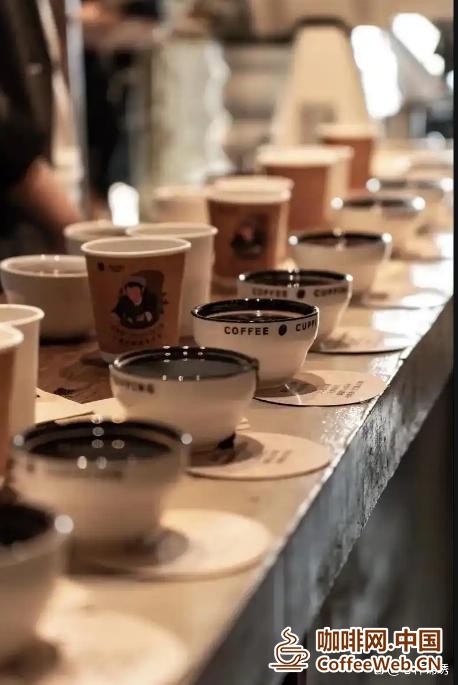
但是,国际专业机构的杯测更为细致,除了上面的要点,还要分别对干一致性、千净度、口感、整体印象、污点、缺陷等项做评价香、打分——云南精品咖啡能够慢慢行销全球,凭借的可是真功夫。

结语
2024年底,美国纽约洲际交易所(ICE)的阿拉比卡咖啡豆价格飙升,年内涨幅近70%,引发市场广泛关注。世界银行最新专题文章指出。
2024年12月,阿拉比卡咖啡价格月环比飙升13%,年度同比增长超过60%;罗布斯塔咖啡价格月环比也上涨了5%,同比涨幅则超过一倍。
我国咖啡的出口总量终于突破6万吨——约6.14万吨,同比增长119%,其中云南咖啡是绝对的主力,云南咖啡生豆、焙炒咖啡豆、咖啡的浓缩精汁出口量,占全国比重均超50%,分别为64%、80%和58%。
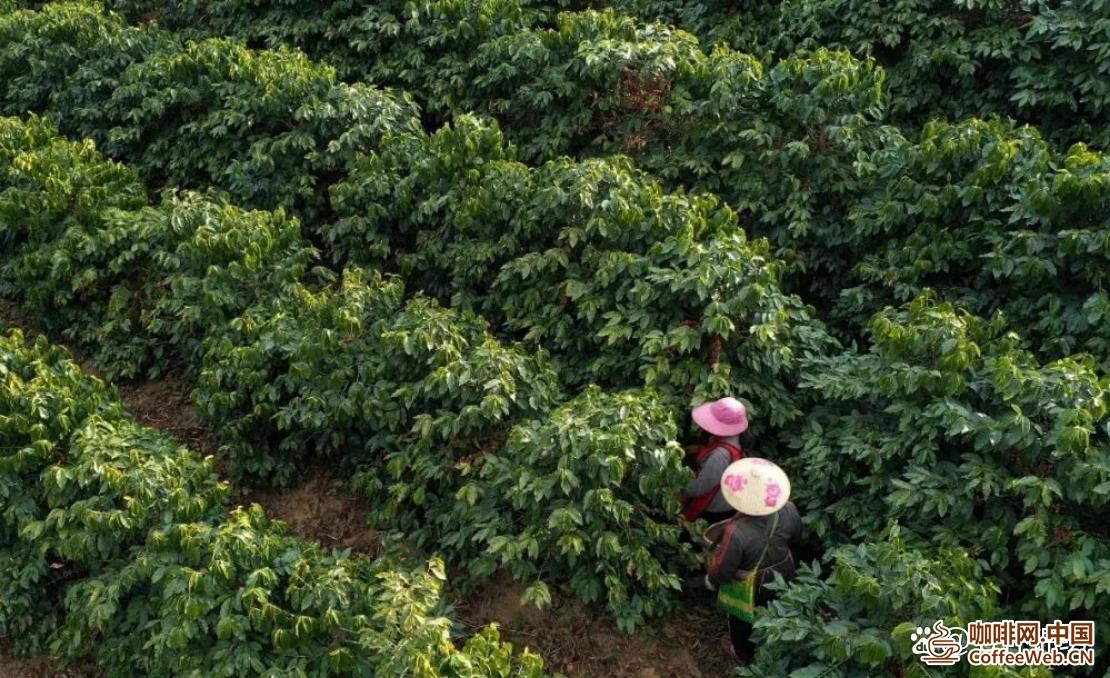
Yunnan Province, located in the "golden zone" of coffee cultivation along the Tropic of Cancer, is the largest coffee planting area, highest yield, and best quality production area in China. In 2024, Yunnan Coffee had a beautiful comeback.
In 2024, Yunnan exported a total of approximately 32500 tons of various types of coffee, a year-on-year increase of 3.6 times. Even the Netherlands, Germany, the United States, and others, who are particularly picky about coffee, are loyal customers of Yunnan's premium coffee. Yunnan coffee has been sold in 29 countries and regions around the world.
(1) Yunnan coffee has a long history
Objectively speaking, coffee beans are an imported product to us. Their true homeland is the plateau region in southwestern Ethiopia, Africa. Therefore, like some Southeast Asian countries such as Vietnam and Indonesia, coffee bean cultivation was brought by Western colonizers.
The coffee harvest season in Ethiopia
In 1892, French missionary Tian Denong brought coffee seeds into Zhukula Village in Binchuan, Dali, Yunnan, which was the starting point of coffee cultivation in Yunnan. In 1904, 12 years later, coffee trees were first planted in Zhukula Village. This ancient coffee forest became the birthplace of coffee in China and an important heritage site of foreign agricultural species.
So every time there is a Yunnan coffee expo, you can basically see the figure of Zhukula coffee, known as the "living fossil" of Chinese coffee.
Another 10 years later, in 1914, the Jingpo border residents in Dehong, Yunnan, introduced coffee from Myanmar and planted it in Ruili Nongxian Village. It was later promoted to areas such as Luxi (now Mangshi), Longchuan, Yingjiang, and Lianghe.
During the War of Resistance Against Japan, a large number of schools and institutions were relocated to Yunnan, Guizhou, and other places, especially Kunming City. The increase in population led to a surge in demand for coffee - this was because many of the relocated schools and institutions had teachers and officials who had studied abroad, and they had developed a habit of drinking coffee. As a result, the prices of local coffee beans and coffee continued to rise.
For this reason, Yunnan has deliberately increased the area of coffee cultivation and started to find ways to cultivate some new varieties of coffee.
(2) Yunnan Coffee in the New Era
In the 1950s, Yunnan coffee saw its first large-scale cultivation, starting from the Luxi Cotton Experiment Station in Dehong Prefecture, and gradually promoting coffee. At that time, Yunnan coffee was mainly used to repay Soviet loans, and the products were exclusively for the Soviet Union and Eastern European countries such as Hungary and Romania.
In 1988, international coffee giants such as Nestle settled in Pu'er City, Yunnan Province to improve and cultivate Yunnan coffee. Of course, with funding and new coffee bean acquisition measures, Yunnan's southern coffee industry did develop rapidly.
Although Nestle is a commercial enterprise with the ultimate goal of profitability, it has always been able to promote free coffee cultivation training and knowledge of regenerative agriculture. Until now, it continues to conduct long-term training programs and deploy professional teams at the forefront of the coffee industry chain.
The characteristic of Yunnan coffee formation in recent decades is that the main variety of Yunnan small grain coffee is Arabica. Yunnan's high-quality geographical and climatic conditions provide good conditions for coffee growth, with planting areas mainly in Lincang, Pu'er, Xishuangbanna, Dehong and other areas.
The natural conditions in Yunnan are very similar to those in Colombia, with low latitudes, high altitudes, and large temperature differences between day and night. The small grain coffee produced in Yunnan belongs to the mellow aroma type according to cup quality analysis, and its quality and taste are very similar to Colombian coffee.
However, due to various reasons, the development speed of Yunnan's coffee industry is not fast. Yunnan coffee is mainly exported in the form of raw materials (coffee beans). In 2006, the total export volume was only about 15000 tons, but more than 60% of the raw beans are purchased by Nestle and Macy's every year. Until recent years, Starbucks and Amway have also joined the ranks of purchasing a large number of Yunnan coffee beans.
(3) The quality is not inferior to top tier
The biggest feature of Yunnan coffee in the past five years is its technological and patented nature, with the emergence of brand influential varieties such as the floral Yunka 3 and the tropical fruit flavored Yunka 4. Don't underestimate them, as they are a group of new varieties with completely independent intellectual property rights.
As a region suitable for growing high-quality coffee, Yunnan Province, especially the main producing areas such as Pu'er, Banna, Wenshan, etc., has become increasingly popular with the twelve character characteristics of Yunnan's premium coffee, which are strong but not bitter, fragrant but not strong, and slightly acidic.
Customers in North America and Europe who enjoy and are accustomed to drinking coffee have evaluated Yunnan specialty coffee.
The mainstream in the past was to use negative evaluation methods that identified the "shortcomings" of coffee beans, such as Brazilian style evaluations.
But premium coffee was originally high-quality coffee, so later the focus of evaluation shifted to identifying "strengths" rather than "weaknesses" and no longer used negative evaluation methods, but instead used positive evaluation methods.
This evaluation method is mainly divided into two categories, one is the cup testing regulations promoted by the Specialty Coffee Association (SCAA) in the United States; Another type is the standards established by the Cup of Excellence (COE).
Ordinary cup testing coffee generally requires measuring the following characteristics:
Wet aroma - the intensity of the aroma when brewing coffee
Alcohol content - the weight sensation of coffee liquid in the mouth
Flavor - The taste of coffee when it enters the mouth
Acidity - Is the acidity of coffee bright, lively, sharp, and dull
Sweetness - the intensity of sweetness left by the rotation of coffee in the mouth
Aftertaste - the flavor and aroma left by tasting and exhaling coffee in the mouth
However, the cup testing conducted by international professional organizations is more meticulous. In addition to the key points mentioned above, it is also necessary to evaluate and score items such as consistency, clarity, taste, overall impression, stains, and defects separately. Yunnan specialty coffee can gradually be marketed worldwide thanks to its genuine efforts.
Conclusion
At the end of 2024, the price of Arabica coffee beans on the Intercontinental Exchange (ICE) in New York surged, with a nearly 70% increase for the year, attracting widespread market attention. The latest special article by the World Bank points out that.
In December 2024, Arabica coffee prices surged by 13% month on month and increased by over 60% year-on-year; Robusta coffee prices have also increased by 5% month on month and more than doubled year-on-year.
The total export volume of coffee in our country has finally exceeded 60000 tons - about 61400 tons, a year-on-year increase of 119%. Yunnan coffee is the absolute mainstay, with the export volume of Yunnan coffee raw beans, roasted coffee beans, and concentrated coffee concentrate accounting for over 50% of the national total, at 64%, 80%, and 58% respectively.