
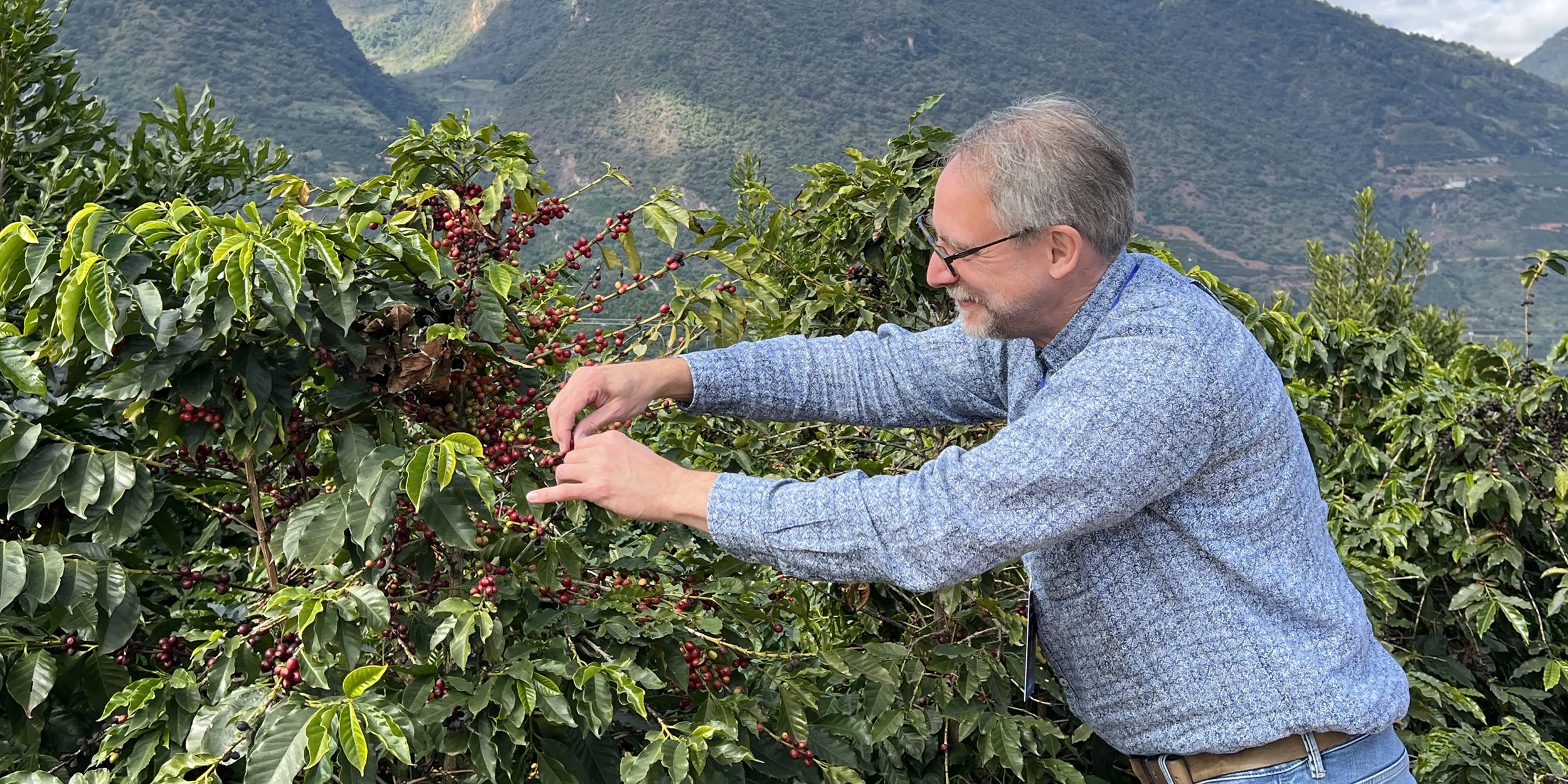
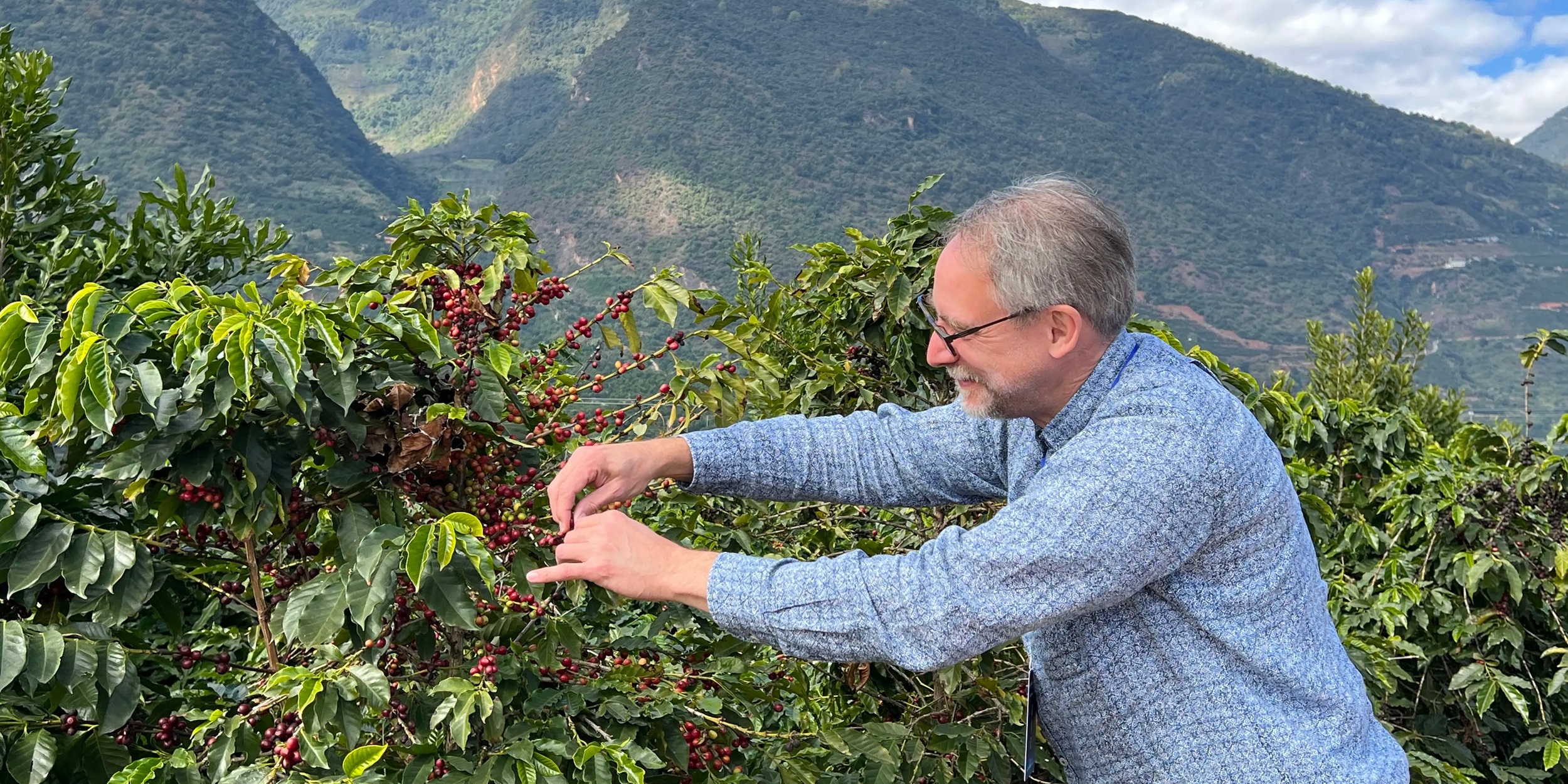
咖啡可能是肝脏的“隐形保镖”?Could coffee be the 'invisible bodyguard' of the liver?

Coffee is not only a refreshing "life-saving tool", but also a "invisible bodyguard" for our liver.
Research has confirmed that regular and moderate coffee consumption is closely related to reducing the risk of various liver diseases, including fatty liver, liver fibrosis, cirrhosis, and even liver cancer.
What does research say?
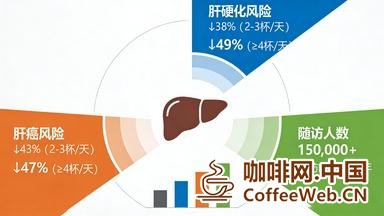
Research shows that compared to non coffee drinkers, those who drink 2-3 cups of coffee per day are associated with a 25% reduced risk of chronic liver disease and a 40% reduced risk of liver related events when drinking 1.5-2.5 cups of sugar free coffee per day. Higher coffee intake is associated with a 33% reduction in the risk of cirrhosis and a 47% reduction in the risk of hepatocellular carcinoma.
Why can coffee protect the liver?
Coffee contains over 1000 bioactive substances that work together to provide multiple protections for the liver
Antioxidant: Rich in polyphenols such as chlorogenic acid, it can effectively eliminate free radicals and reduce oxidative stress damage to liver cells.
Anti inflammatory: The ingredients in coffee help inhibit inflammatory signaling pathways and alleviate chronic inflammation in the liver.
Anti fibrosis: Caffeine and other ingredients can inhibit the activation of hepatic stellate cells, thereby slowing down the formation of scar tissue (fibrosis) in the liver, which is the key to preventing cirrhosis.
Improving metabolism: Helps improve insulin sensitivity, reduce liver fat deposition, and lower the risk of fatty liver from the source.
03. How to drink healthily?
The study emphasizes "moderation", which refers to about 2-4 cups per day. One cup of coffee is approximately 240 milliliters (about 8 ounces). If it is Italian espresso, a single serving is usually about 30-40 milliliters, and attention should be paid to the total amount of caffeine; Many protective signals tend to lean towards sugar free/no artificial sweeteners black coffee or pure coffee, while excessive sugar and long-term overconsumption may offset benefits or even increase metabolic burden. Avoid drinking hot drinks above 65 ℃ to avoid increasing the risk of esophageal cancer.
Attention to special groups:
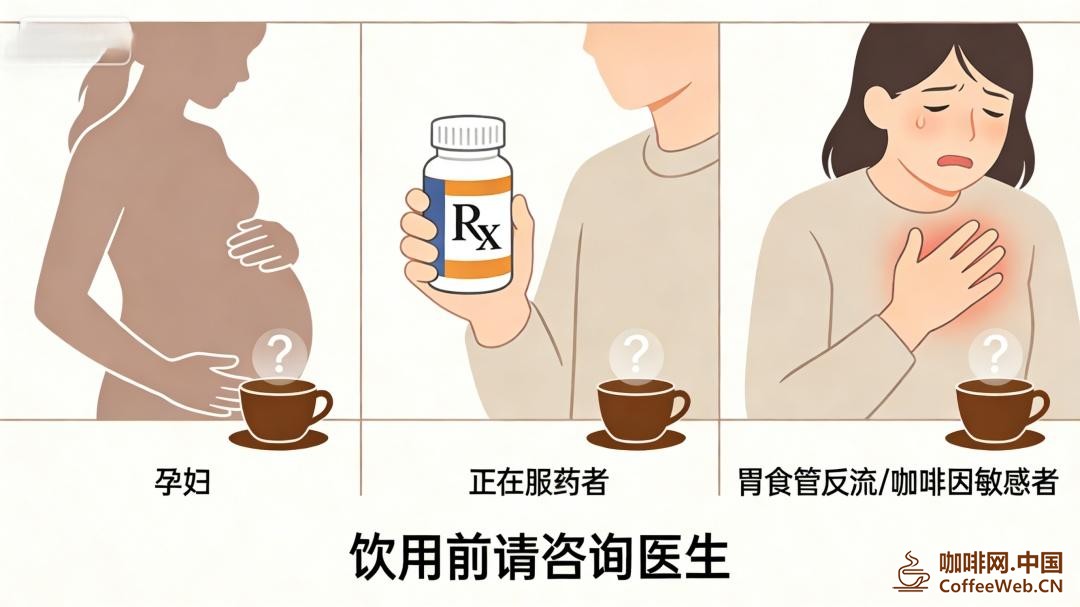
Although coffee is good, it is not a 'panacea'. Pregnant women, individuals sensitive to caffeine, patients with gastroesophageal reflux, and those currently taking medication (such as certain anticoagulants and sedatives), please consult a doctor before consumption.
Coffee is not a medicine and cannot replace formal treatment. But increasing scientific evidence suggests that this daily drink does provide a natural protective barrier for the liver.
Moderate drinking and drinking in the right way - making coffee a "bonus point" in your liver protection plan, but a balanced diet, regular exercise, and avoiding alcohol consumption are still fundamental to protecting the liver.
Author: Lu Chenxi
Source: Xuanwu Puwai