注入天然花香,嗷饮咖啡重塑云南咖啡风味新高度Injecting natural floral fragrance, Aoyin Coffee reshapes Yunnan coffee flavor to a new height
在云南长大的人,总有一种把家乡风味带向世界的本能。嗷饮咖啡创始人加扬,便是这样一位云南人。而今,他以一场跨越茶与咖啡、传统与现代的创意实验,让云南咖啡完成了一次风味的美学升级——将天然花香窨制进咖啡豆中,打造具有混合美拉德独特风味的创意咖啡品牌——嗷饮咖啡。
从保山出发:一杯咖啡里的故乡情结
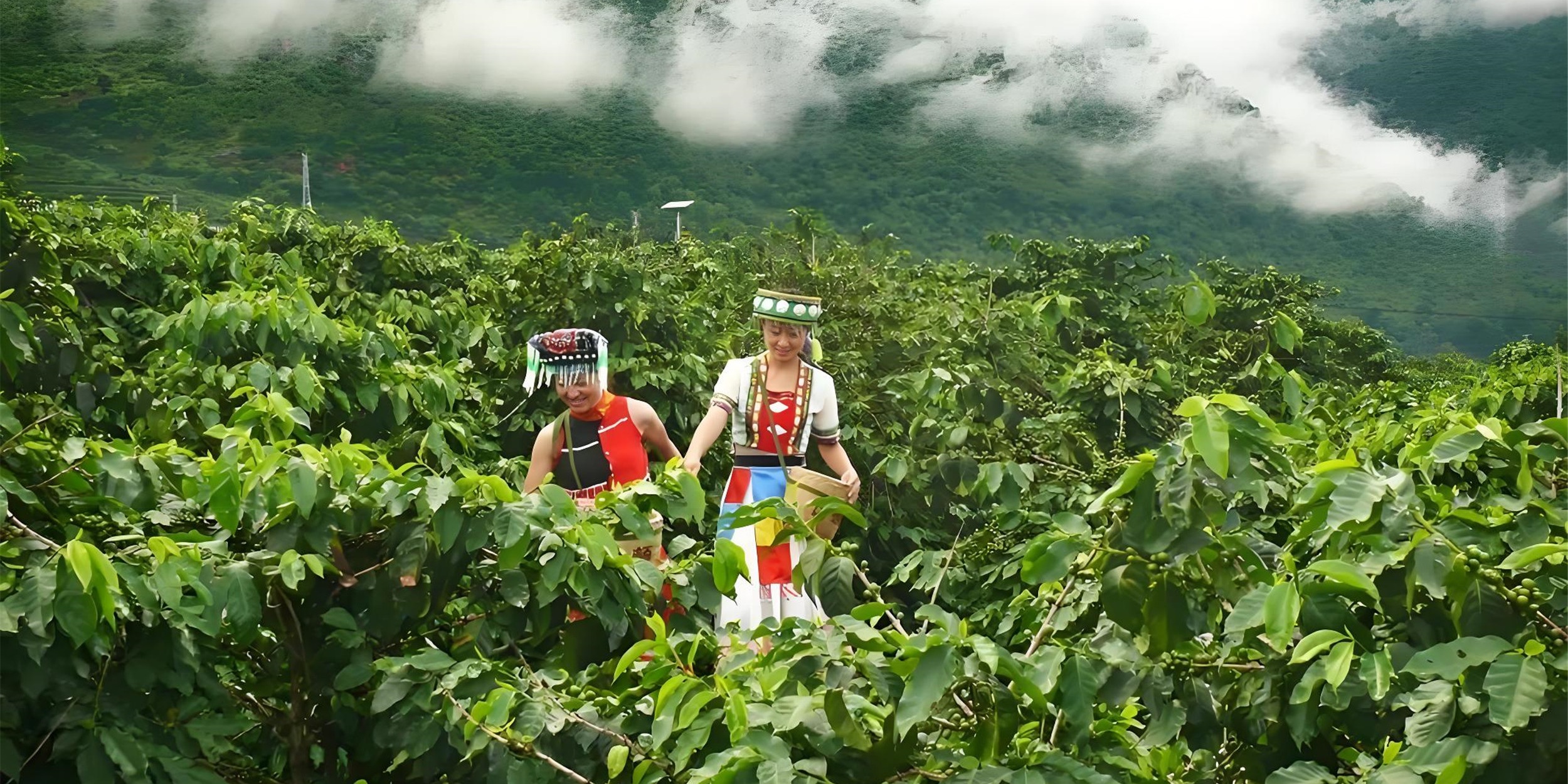
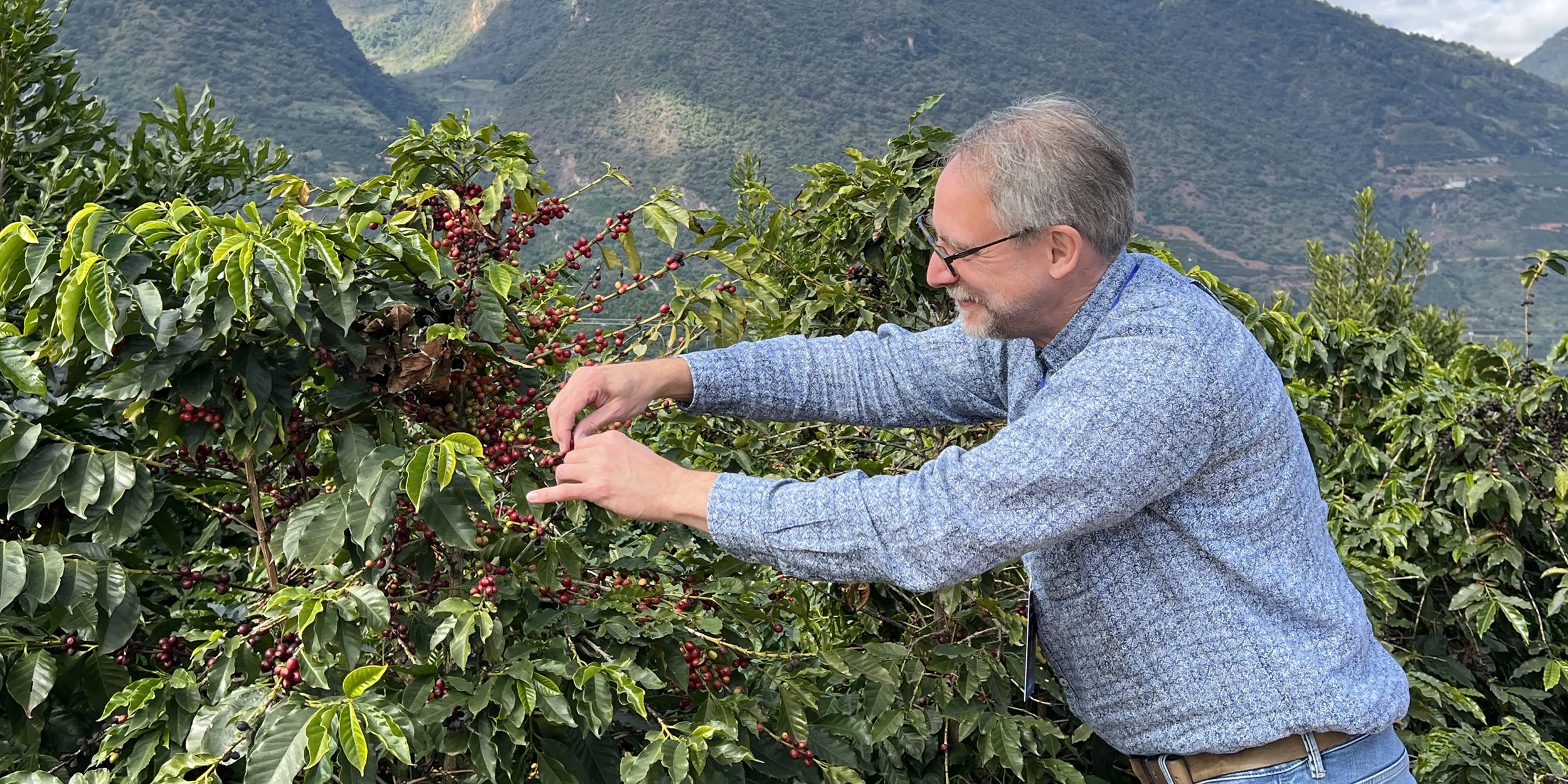
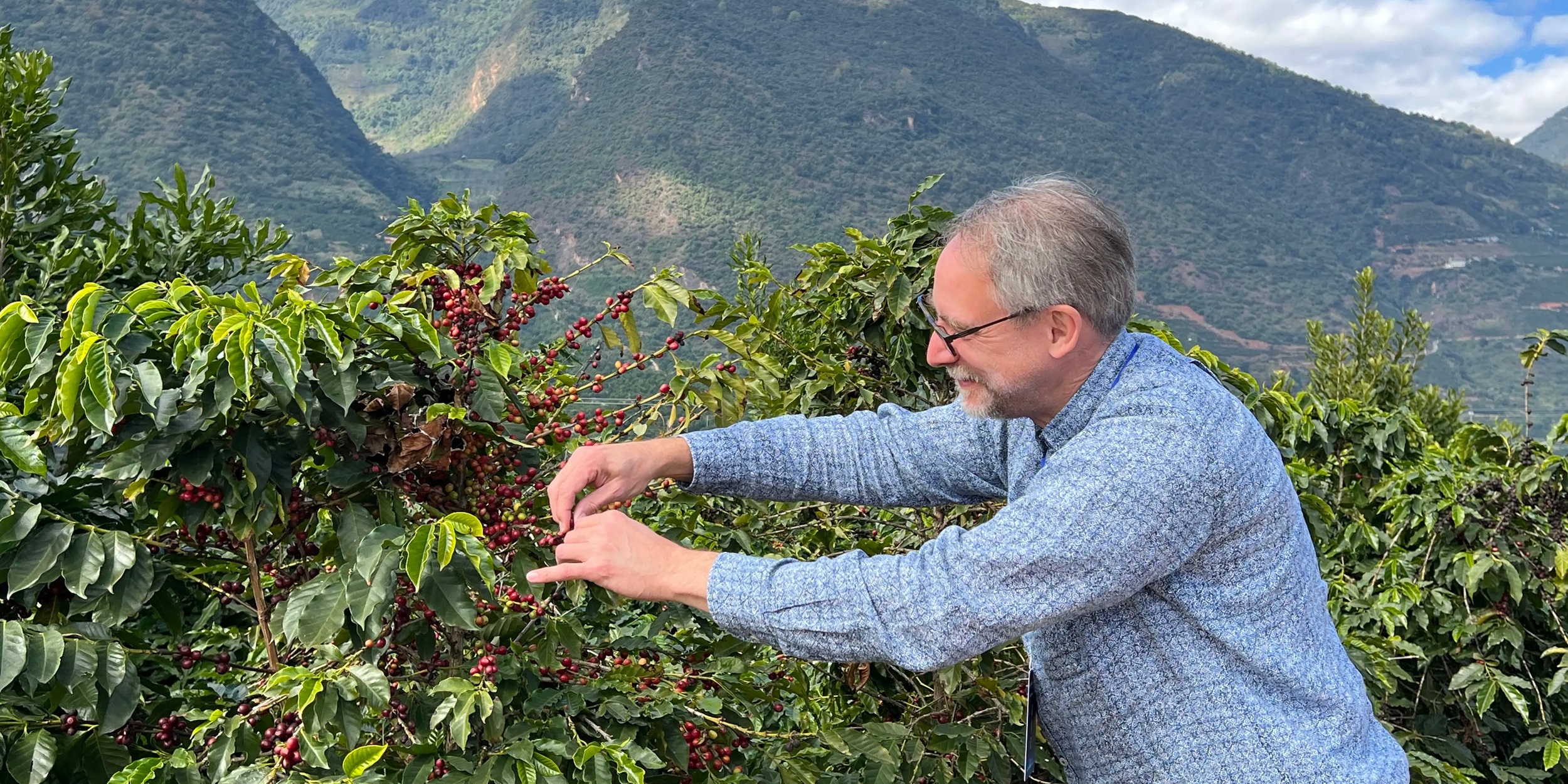
加扬的童年记忆里,便飘着高黎贡山上咖啡树开花时的淡淡清香。作为中国最早种植咖啡的地区之一,云南保山不仅是他的故乡,也是他味觉认知的起点。作为一个咖啡重度依赖者与爱好者,年近40岁的加扬,在品尝过市场上几乎所有参差不齐的咖啡风味后,有了自己做一款云南咖啡的想法。
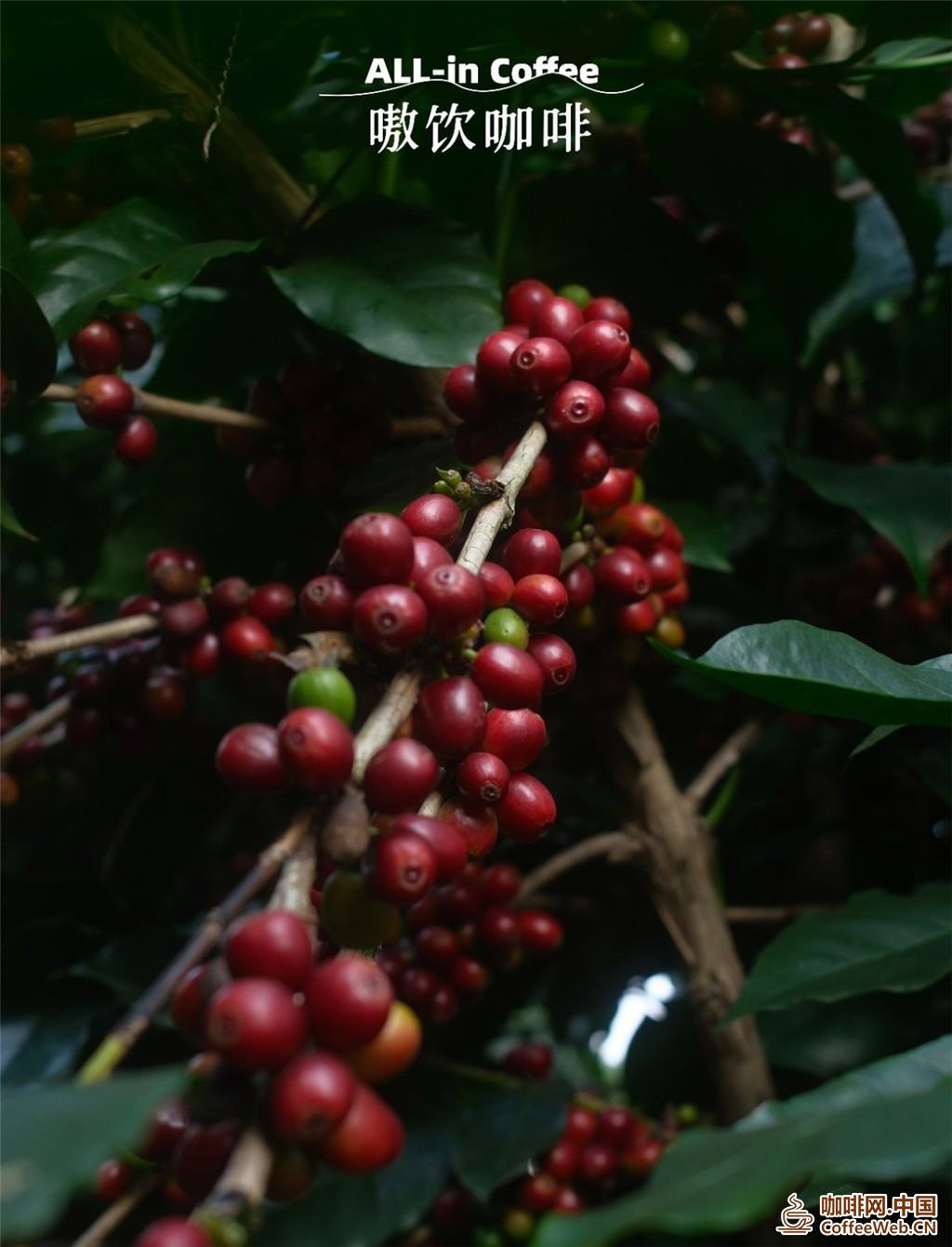
高黎贡山海拔1400米以上的咖啡种植区,是四驱车都难以开上去的存在,但高海拔与高热度的双重加持,使得这里的咖啡豆在风味层次更加丰富。站在云雾弥漫的山腰上,他暗暗对自己说:“我要做的,不止是一款云南好咖啡,更是能让世界尝到云南风土的诚意之作。”这份源于故土的执着,成为嗷饮咖啡最根本的品牌DNA。
灵感碰撞:当茉莉花茶遇见云南咖啡
品牌创意的起点,源自加扬在北京秋水马蹄广告公司一次深夜的团队头脑风暴。他不经意间将手边的茉莉花茶倒入正在冲泡的云南咖啡中,花香与咖啡香意外交融,层次丰富却不违和。这一偶然尝试,激发了他将中国传统窨制工艺引入咖啡处理的念头。
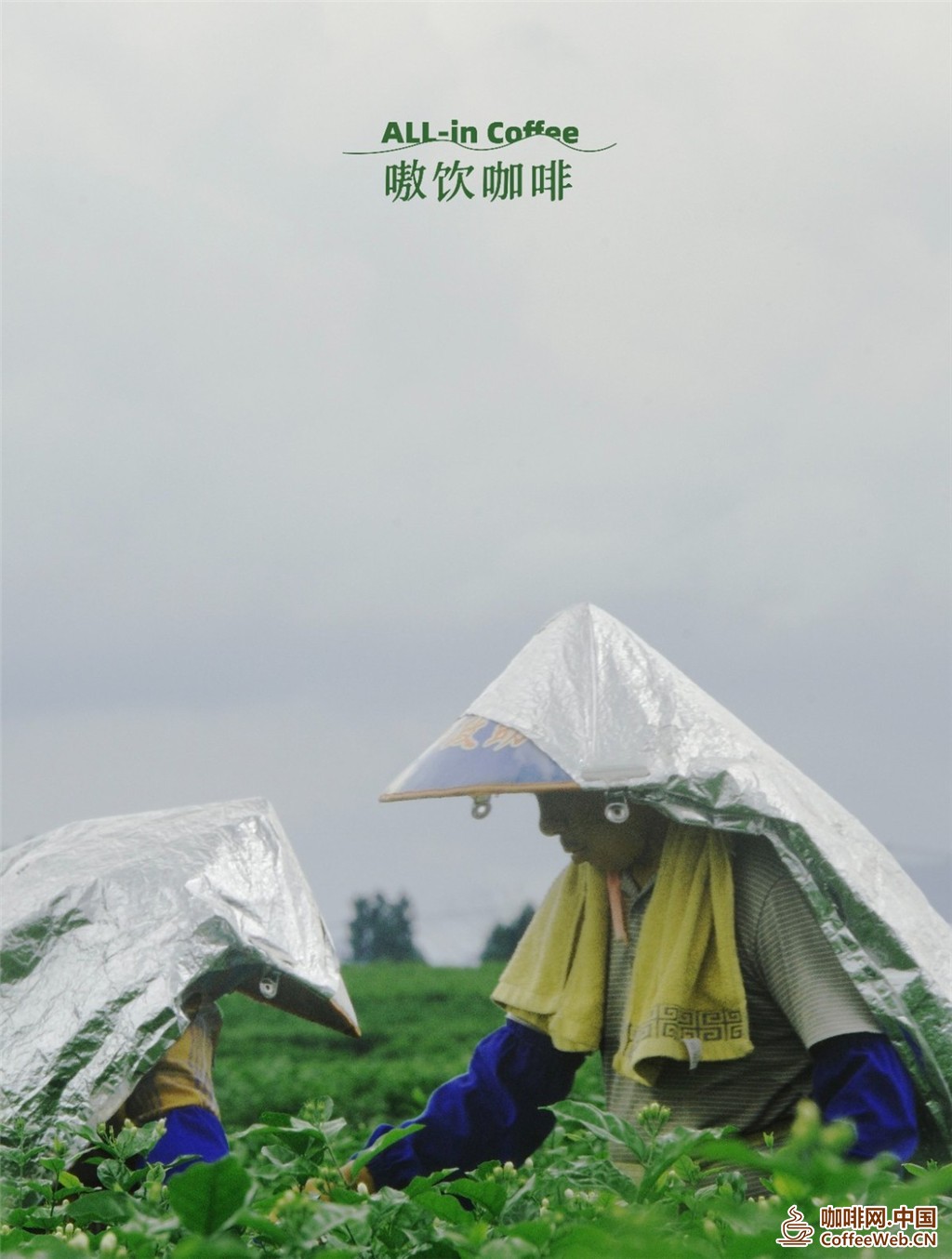
此后半年,加扬不断尝试将东方制茶工艺与西方咖啡烘焙方式相碰撞,从在办公室的数次失败实验经历中得出结论:“窨制必须在鲜花刚刚摘下来的几小时完成”。于是,他带着团队往返于高黎贡山咖啡种植园与广西横州中华茉莉园之间,试图一步步将灵感转化为可复制的工艺体系。
窨制工艺:让咖啡豆“呼吸”花香
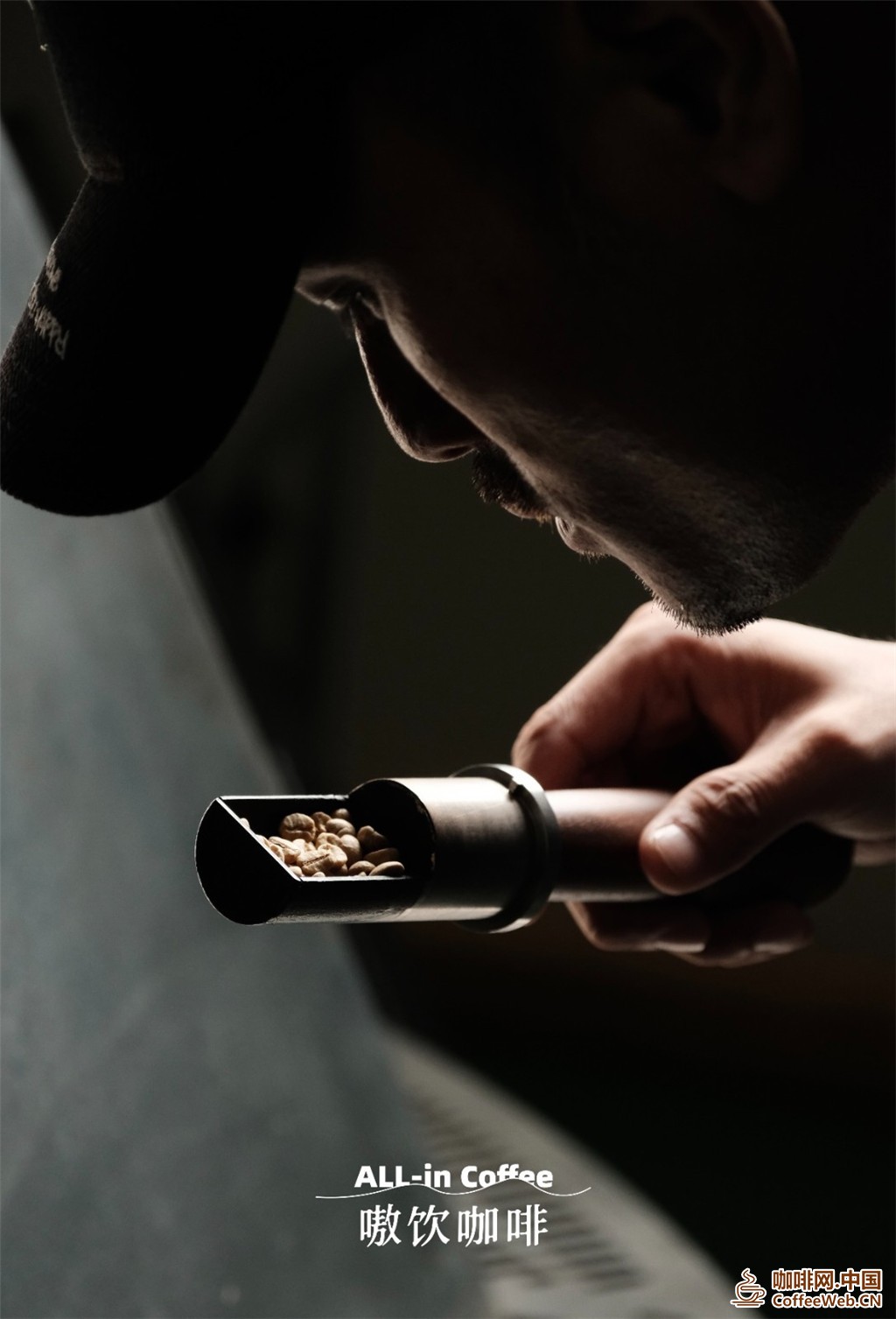
借鉴明代传承的茉莉花窨制技艺,以国标GB/T 34779《茉莉花茶加工技术规范》为基础结合咖啡豆的物理特性,嗷饮团队在广西横州湿热的湿热厂房中进行工艺创新,从花朵采摘时机的精准把控,到对鲜花的饲花养护,窨制过程中的彻夜通花散热,清晨窨制完成的筛花烘干……在反复多次试验后,终于实现咖啡果香与茉莉花香的平衡与融合。
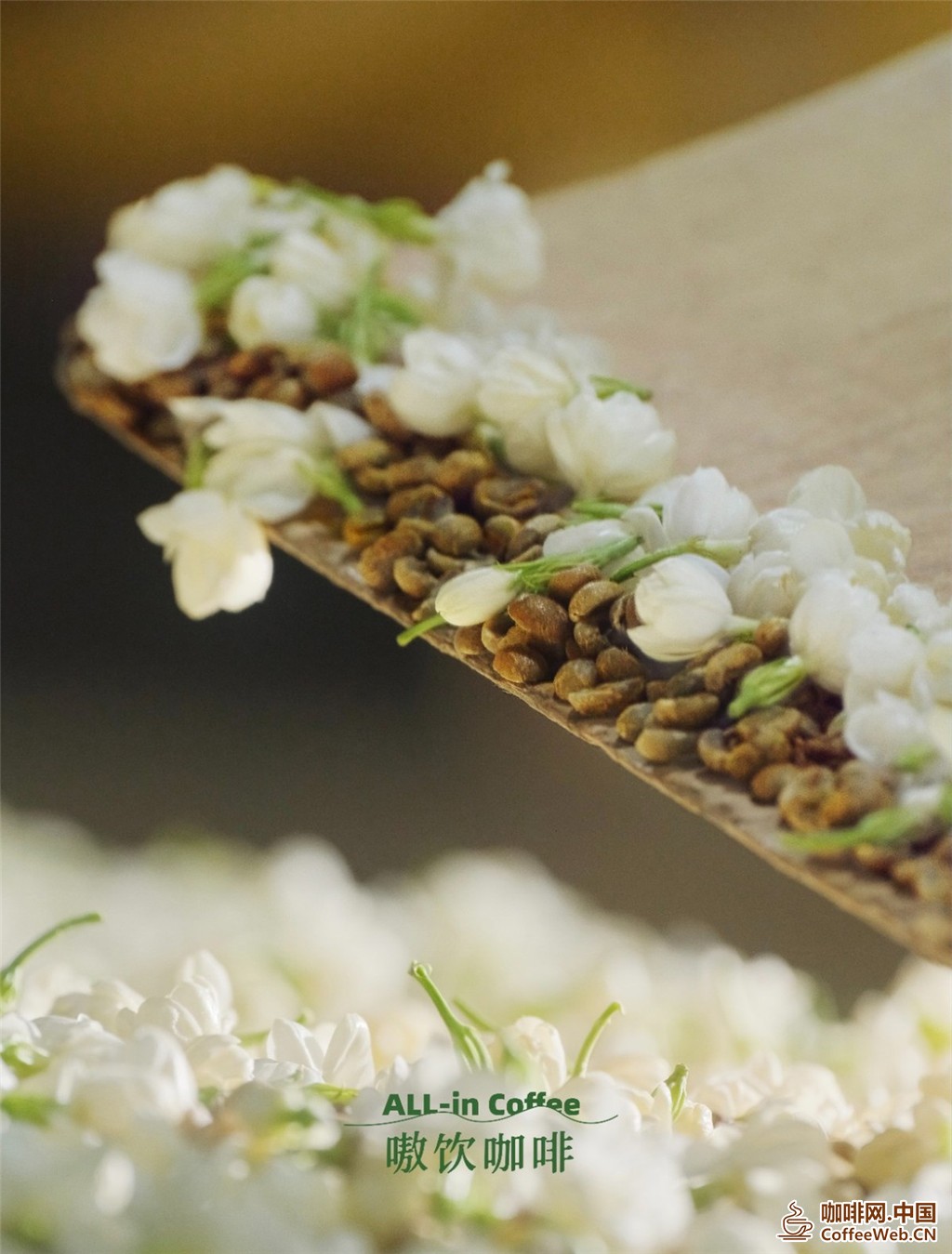
每一批云南咖啡生豆需与当天采摘的茉莉鲜花共同窨制三天三夜,其间每隔8小时人工翻花,让花香自然渗入豆心。整个过程不添加香精,全靠时间与温度的控制实现风味融合。这种看似传统的方式,反而成就了咖啡香与花香的清澈叠加,口感细腻且留香持久。
不止茉莉:构建东方风味咖啡矩阵
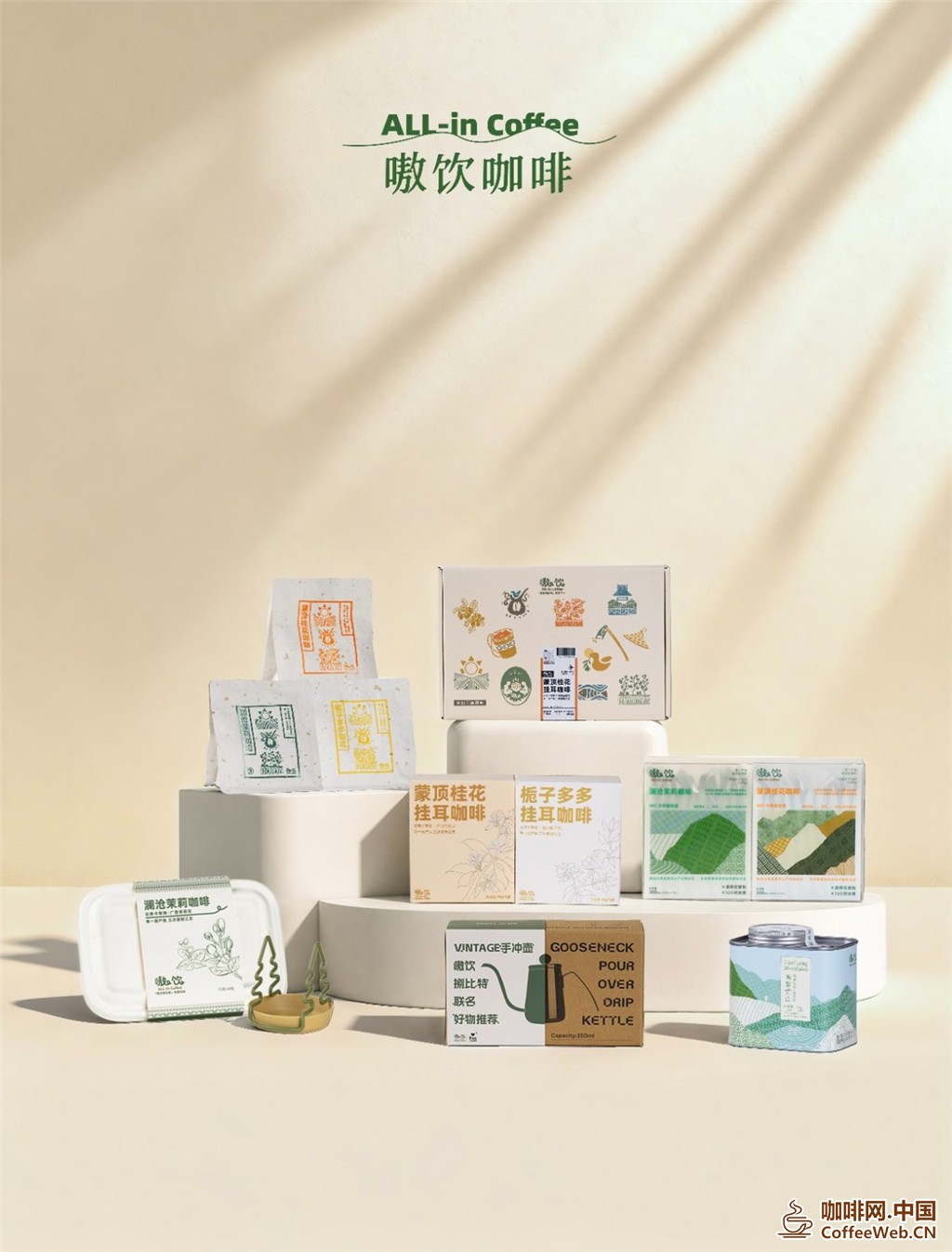
在茉莉咖啡窨制成功后,嗷饮进一步将桂花、栀子等东方特有花卉融入咖啡创作中,形成“澜沧茉莉”“蒙顶桂花”“栀子多多”等系列产品。每一种花材对应不同产地的新鲜鲜花,通过差异化的窨制手法、专业的烘焙曲线,呈现或清雅、或温润、或浓郁的风格表达。产品形态也从挂耳包、咖啡豆延伸至NFC咖啡冷萃液,适应多元饮用场景。
从云南保山的一粒咖啡豆,到如今花香漫溢的一杯好咖啡,嗷饮不仅完成了风味上的创新突破,更探索出一条属于云南咖啡的文化表达路径——尊重自然,融合传统,关照当代人的真实情绪与生活场景。
免责声明:该文章系我网转载,旨在为读者提供更多新闻资讯。所涉内容不构成投资、消费建议,仅供读者参考。
People who grew up in Yunnan always have an instinct to bring their hometown flavor to the world. Jia Yang, the founder of Aoyin Coffee, is such a Yunnan native. Now, with a creative experiment that transcends tea and coffee, tradition and modernity, Yunnan coffee has completed an aesthetic upgrade in flavor - blending natural floral fragrances into coffee beans to create a creative coffee brand with a unique blend of Maillard flavor - Aoyin Coffee.
Starting from Baoshan: Hometown Sentiment in a Cup of Coffee
In Jiayang's childhood memories, there is a faint fragrance of coffee trees blooming on Gaoligong Mountain. As one of the earliest regions in China to cultivate coffee, Baoshan in Yunnan is not only his hometown, but also the starting point of his taste perception. As a heavy coffee addict and enthusiast, Jia Yang, who is nearly 40 years old, had the idea of making his own Yunnan coffee after tasting almost all the uneven coffee flavors in the market.
The coffee planting area at an altitude of over 1400 meters in Gaoligong Mountain is difficult for four-wheel drive vehicles to reach, but the dual benefits of high altitude and high heat make the coffee beans here more diverse in flavor levels. Standing on the misty mountainside, he secretly said to himself, "What I want to do is not just a good Yunnan coffee, but also a sincere work that can let the world taste the local customs of Yunnan." This persistence rooted in the homeland has become the fundamental brand DNA of Aoyin Coffee.
Inspiration Collision: When Jasmine Tea Meets Yunnan Coffee
The starting point of brand creativity originated from a late night team brainstorming session with Jia Yang at Qiushui Horseshoe Advertising Company in Beijing. He accidentally poured the jasmine tea at hand into the Yunnan coffee being brewed, and the floral and coffee aromas unexpectedly blended, creating a rich yet harmonious layering. This accidental attempt inspired him to introduce traditional Chinese fermentation techniques into coffee processing.
In the following six months, Jia Yang continuously tried to collide Eastern tea making techniques with Western coffee roasting methods, and concluded from several failed experiments in the office that "fermentation must be completed within a few hours after the flowers are just picked". So he led his team back and forth between Gaoligong Mountain Coffee Plantation and Hengzhou Zhonghua Jasmine Garden in Guangxi, trying to gradually transform inspiration into a replicable craftsmanship system.
Manufacturing process: allowing coffee beans to "breathe" the fragrance of flowers
Drawing on the jasmine tea fermentation techniques inherited from the Ming Dynasty, and based on the national standard GB/T 34779 "Technical Specifications for Jasmine Tea Processing" and the physical characteristics of coffee beans, the Aoyin team carried out process innovation in the humid and hot factory in Hengzhou, Guangxi. From precise control of flower picking timing to flower feeding and maintenance, all night flower ventilation and heat dissipation during the fermentation process, and early morning flower screening and drying after fermentation, the balance and fusion of coffee aroma and jasmine aroma were finally achieved after repeated experiments.
Each batch of Yunnan coffee beans needs to be co fermented with freshly picked jasmine flowers for three days and three nights, during which the flowers are manually turned every 8 hours to allow the fragrance to naturally seep into the bean core. The whole process does not add essence, and the flavor fusion is achieved by the control of time and temperature. This seemingly traditional approach actually achieves a clear combination of coffee aroma and floral fragrance, with a delicate taste and long-lasting fragrance.
More than Jasmine: Building an Oriental Flavor Coffee Matrix
After the successful fermentation of jasmine coffee, Aoyin further integrated oriental unique flowers such as osmanthus and gardenia into coffee creation, forming a series of products such as "Lancang Jasmine", "Top Osmanthus", and "Gardenia Duo Duo". Each type of floral material corresponds to fresh flowers from different origins, expressed in a style that is either elegant, warm, or rich through differentiated fermentation techniques and professional baking curves. The product form has also extended from ear bags and coffee beans to NFC coffee cold extract, adapting to diverse drinking scenarios.
From a coffee bean in Baoshan, Yunnan to a cup of fragrant coffee today, Aoyin has not only achieved innovative breakthroughs in flavor, but also explored a cultural expression path belonging to Yunnan coffee - respecting nature, integrating tradition, and caring for the real emotions and living scenes of contemporary people.
Disclaimer: This article is reproduced on our website to provide readers with more news and information. The content does not constitute investment or consumption advice, and is only for readers' reference.