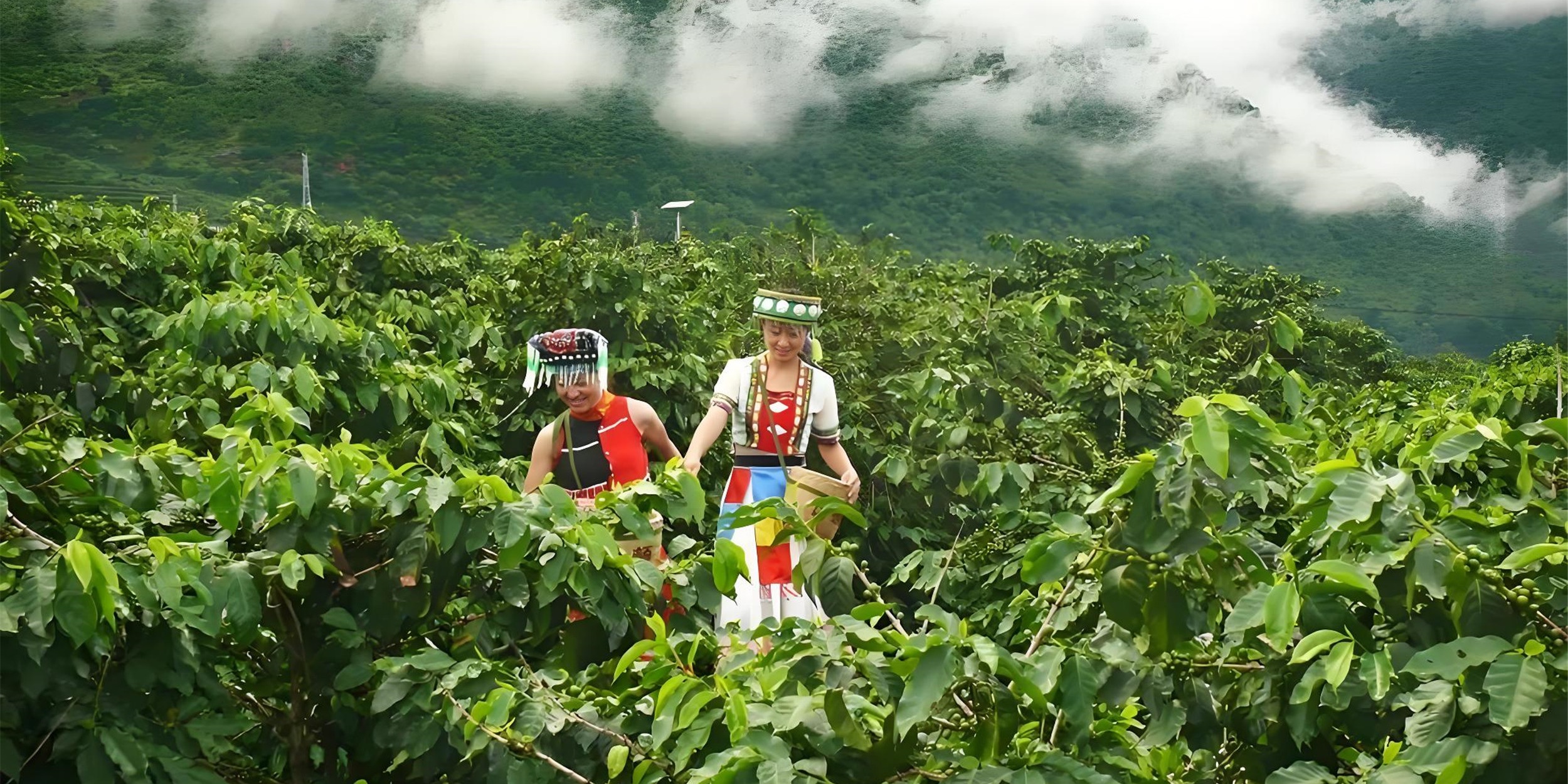
在广东江门,空气中常年交织着两种香气:一种是传承数百年的新会陈皮柑香,另一种是风靡当下的咖啡焦香。
作为“中国侨都”,江门依托深厚的侨资源与扎实的制造业基础,打造“侨都咖啡”特色消费品牌,实现咖啡产业“从无到有、从小到大”的跨越式发展。每万人拥有咖啡店数位列全国前五,烘焙咖啡产量约占全国10%、出口量占全国22%,咖啡设备及零配件生产企业超350家,全国约四成不锈钢咖啡器具、每五台出口咖啡机中的一台,均产自江门,相关产业年产值超30亿元,成为粤港澳大湾区重要的咖啡加工生产基地和贸易中心。
江门市新会区是“中国陈皮之乡”,也是江门咖啡产业的核心承载地,咖啡烘焙产能占江门市半壁江山,超500家五金不锈钢制品企业形成一条绵延数十公里的“银色产业走廊”,一把咖啡壶畅销欧美,年销数百万件,咖啡相关经营主体超300家,“陈皮咖啡”受到许多年轻人的追捧,成为一张城市新名片。
一杯小小咖啡,串联起百年侨史,也撑起了一座城市的特色产业版图。近日,南都记者走进江门市新会区,探寻江门咖啡产业的出圈密码。
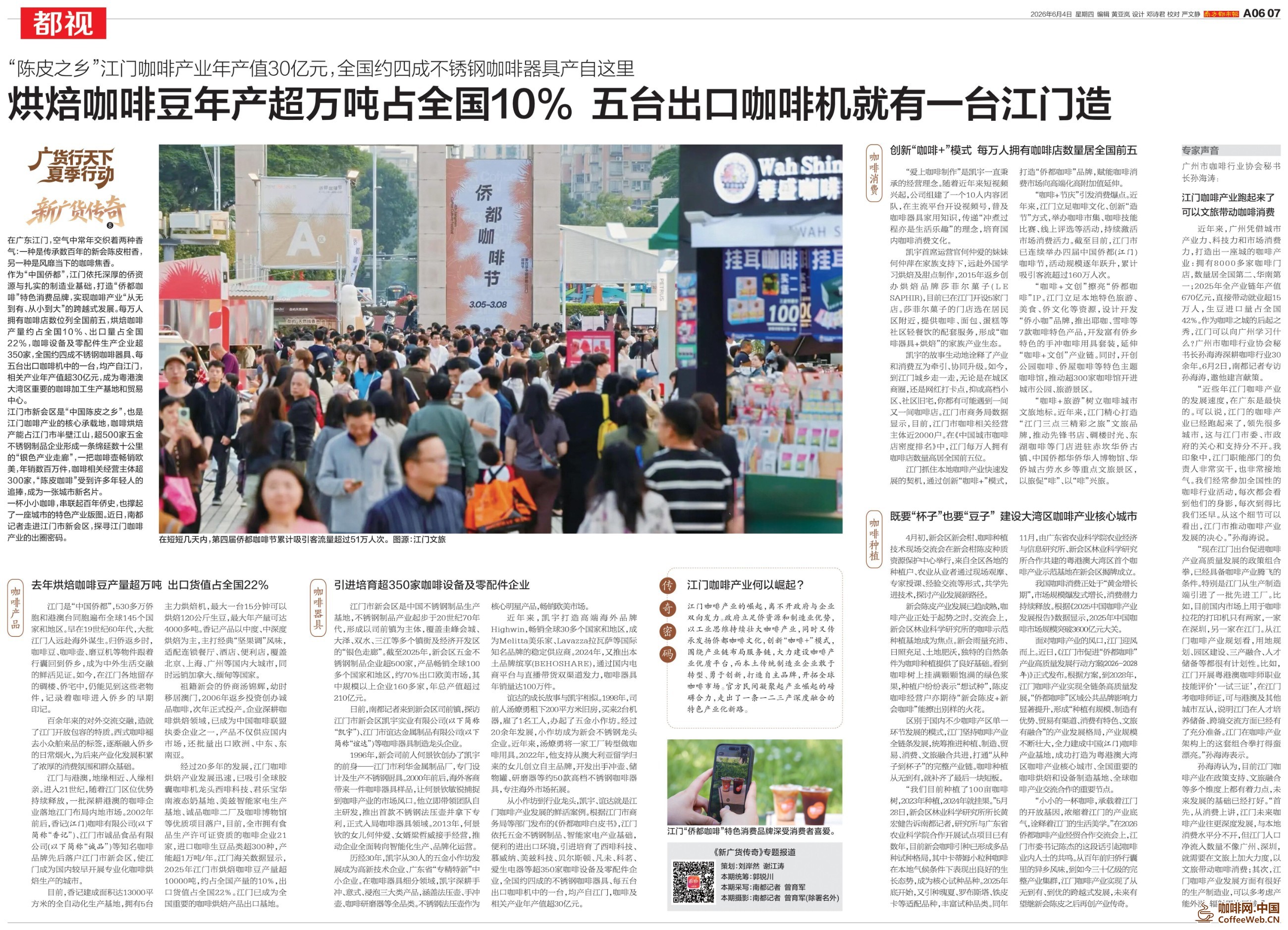
南都报道。
去年烘焙咖啡豆产量超万吨,出口货值占全国22%
江门是“中国侨都”,530多万侨胞和港澳台同胞遍布全球145个国家和地区。早在19世纪60年代,大批江门人远赴海外谋生。归侨返乡时,咖啡豆、咖啡壶、磨豆机等物件跟着行囊回到侨乡,成为中外生活交融的鲜活见证。如今,在江门各地留存的碉楼、侨宅中,仍能见到这些老物件,记录着咖啡进入侨乡的早期印记。
百余年来的对外交流交融,造就了江门开放包容的特质。西式咖啡褪去小众舶来品的标签,逐渐融入侨乡的日常烟火,为后来产业化发展积累了浓厚的消费氛围和群众基础。
江门与港澳,地缘相近、人缘相亲。进入21世纪,随着江门区位优势持续释放,一批深耕港澳的咖啡企业落地江门布局内地市场。2002年前后,香记(江门)咖啡有限公司(以下简称“香记”)、江门市诚品食品有限公司(以下简称“诚品”)等知名咖啡品牌先后落户江门市新会区,使江门成为国内较早开展专业化咖啡烘焙生产的城市。
目前,香记建成面积达13000平方米的全自动化生产基地,拥有5台主力烘焙机,最大一台15分钟可以烘焙120公斤生豆,最大年产量可达4000多吨。香记产品以中度、中深度烘焙为主,主打经典“坚果调”风味,适配连锁餐厅、酒店、便利店,覆盖北京、上海、广州等国内大城市,同时远销加拿大、缅甸等国家。
祖籍新会的侨商汤锦辉,幼时移居澳门,2006年返乡投资创办诚品咖啡,次年正式投产。企业深耕咖啡烘焙领域,已成为中国咖啡联盟执委企业之一,产品不仅供应国内市场,还批量出口欧洲、中东、东南亚。
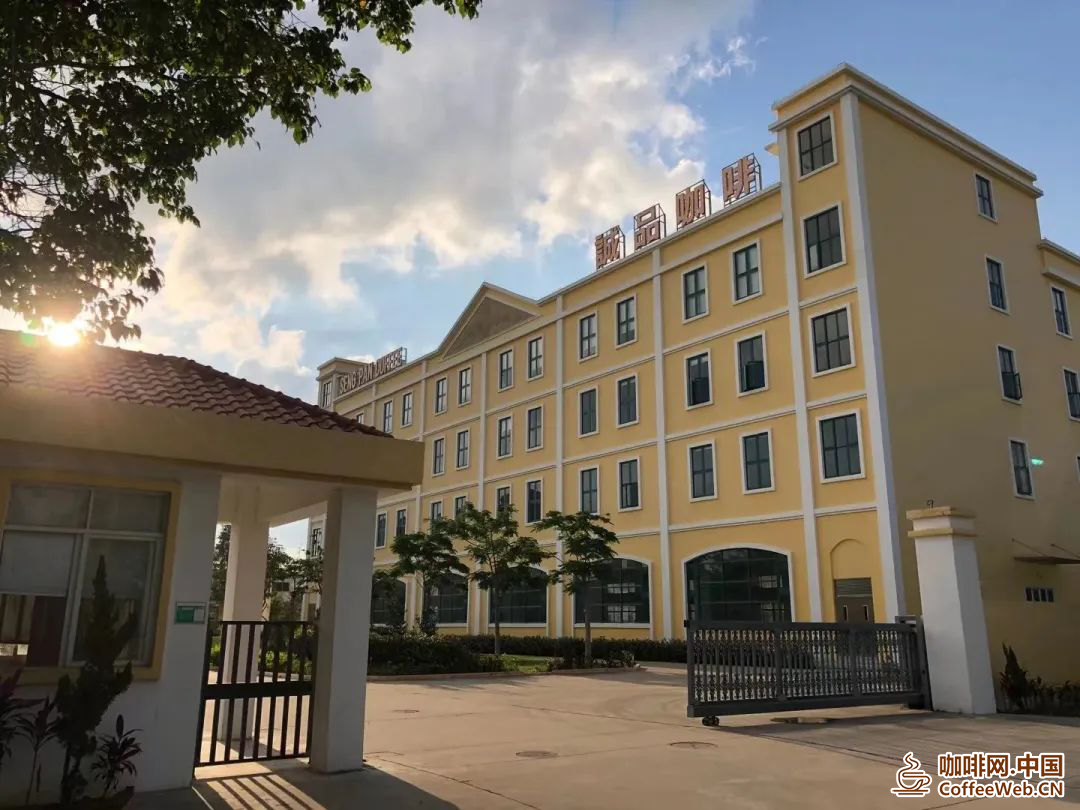
诚品布局“咖啡+文旅”,图为在新会建设的观光工厂。新会融媒体中心供图
经过20多年的发展,江门咖啡烘焙产业发展迅速,已吸引全球胶囊咖啡机龙头西啡科技、君乐宝华南液态奶基地、美兹智能家电生产基地、诚品咖啡二厂及咖啡博物馆等优质项目落户,目前,全市拥有食品生产许可证资质的咖啡企业21家,进口咖啡生豆品类超300种,产能超1万吨/年。江门海关数据显示,2025年江门市烘焙咖啡豆产量超10000吨,约占全国产量的10%,出口货值占全国22%。江门已成为全国重要的咖啡烘焙产品出口基地。
引进培育超350家咖啡设备及零配件企业
江门市新会区是中国不锈钢制品生产基地,不锈钢制品产业起步于20世纪70年代,形成以司前镇为主体,覆盖圭峰会城、大泽、双水、三江等多个镇街及经济开发区的“银色走廊”。截至2025年,新会区五金不锈钢制品企业超500家,产品畅销全球100多个国家和地区,约70%出口欧美市场,其中规模以上企业160多家,年总产值超过210亿元。
日前,南都记者来到新会区司前镇,探访江门市新会区凯宇实业有限公司(以下简称“凯宇”)、江门市谊达金属制品有限公司(以下简称“谊达”)等咖啡器具制造龙头企业。
1996年,新会司前人何景钦创办了凯宇的前身——江门市利华金属制品厂,专门设计及生产不锈钢厨具。2000年前后,海外客商带来一件咖啡器具样品,让何景钦敏锐捕捉到咖啡产业的市场风口。他立即带领团队自主研发,推出首款不锈钢法压壶并拿下专利,正式入局咖啡器具领域。2013年,何景钦的女儿何仲爱、女婿梁哲威接手经营,推动企业全面转向智能化生产、品牌化运营。
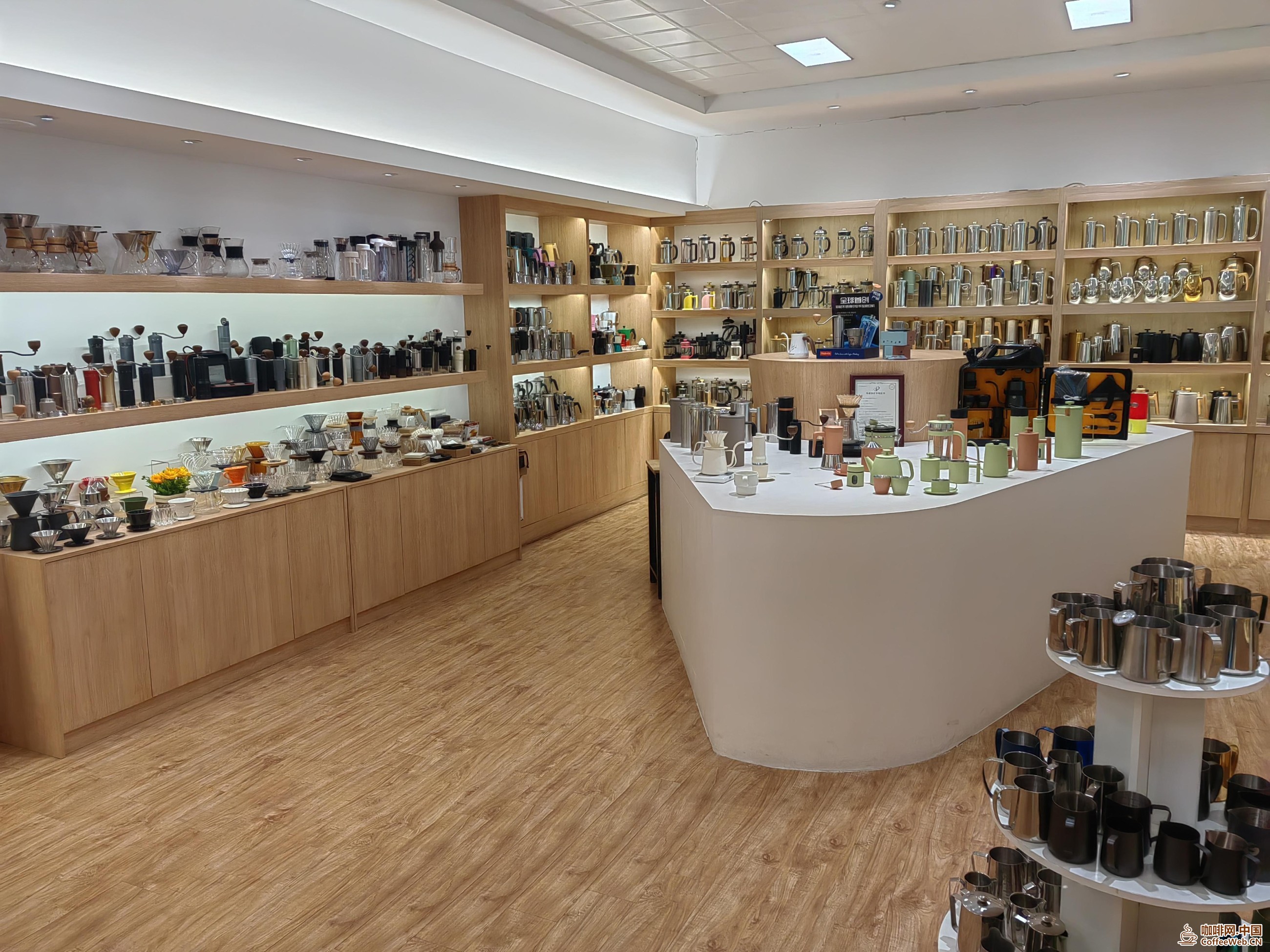
新会凯宇产品展示区陈列的咖啡器具品种丰富。
历经30年,凯宇从30人的五金小作坊发展成为高新技术企业、广东省专精特新中小企业。在咖啡器具细分领域,凯宇深耕手冲、意式、浸泡三大类产品,涵盖法压壶、手冲壶、咖啡研磨器等全品类。不锈钢法压壶作为核心明星产品,畅销欧美市场。
近年来,凯宇打造高端海外品牌Highwin,畅销全球30多个国家和地区,成为Melitta美乐家、Lavazza拉瓦萨等国际知名品牌的稳定供应商。2024年,又推出本土品牌缤享(BEHOSHARE),通过国内电商平台与直播带货双渠道发力,咖啡器具年销量达100万件。
谊达的成长故事与凯宇相似。1998年,司前人汤燎勇租下200平方米旧房,买来2台机器,雇了1名工人,办起了五金小作坊。经过20余年发展,小作坊成为新会不锈钢龙头企业。近年来,汤燎勇将一家工厂转型做咖啡用具。2022年,他支持从澳大利亚留学归来的女儿创立自主品牌,开发出手冲壶、储物罐、研磨器等约50款高档不锈钢咖啡器具,专注海外市场拓展。
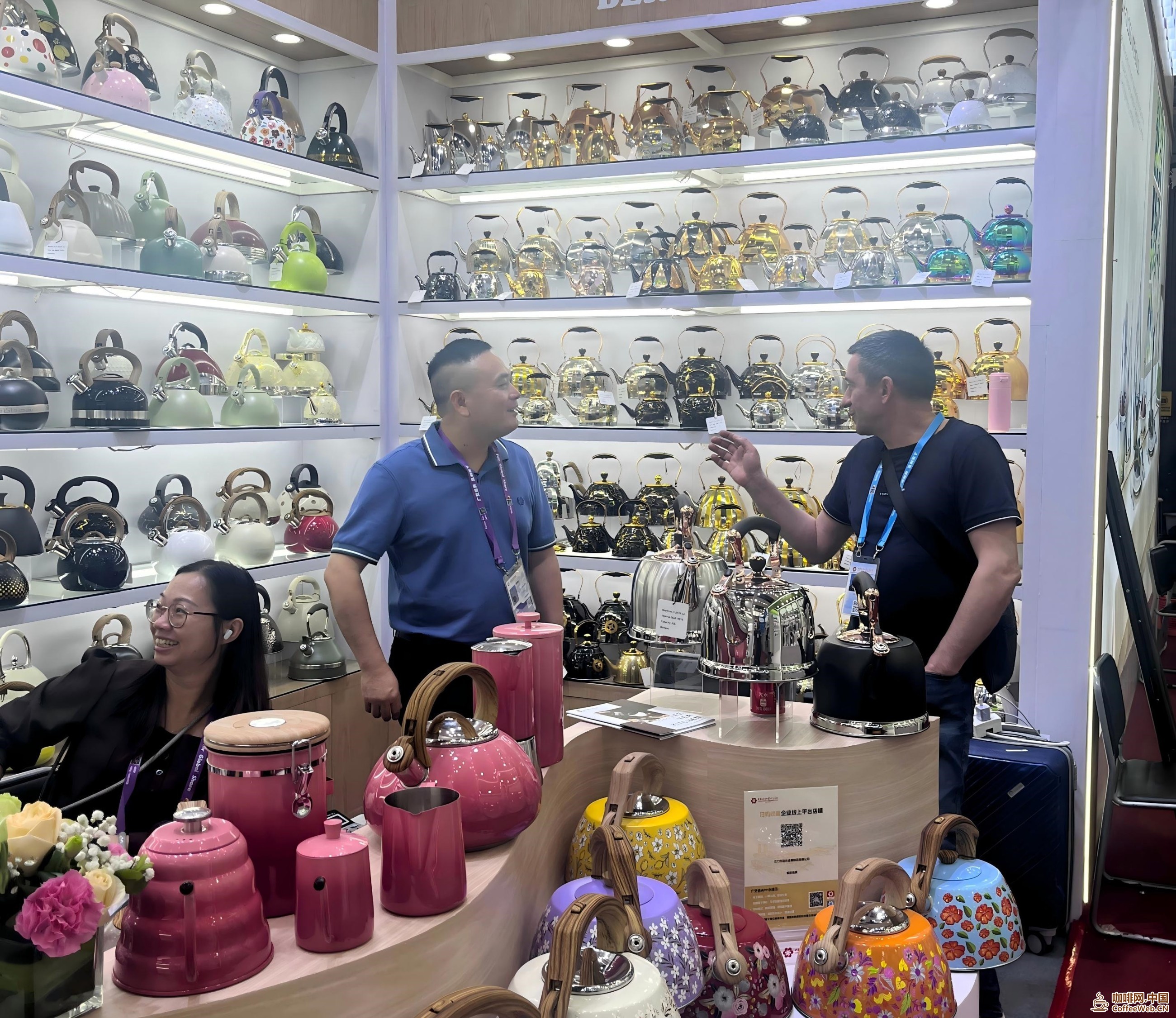
谊达的产品深受欧美客户喜爱。企业供图
从小作坊到行业龙头,凯宇、谊达就是江门咖啡产业发展的鲜活案例。根据江门市商务局等部门发布的《侨都咖啡白皮书》,江门依托五金不锈钢制品、智能家电产业基础,便利的进出口环境,引进培育了西啡科技、慕威纳、美兹科技、贝尔斯顿、凡未、科茗、爱生电器等超350家咖啡设备及零配件企业,全国约四成的不锈钢咖啡器具、每五台出口咖啡机中的一台,均产自江门,咖啡及相关产业年产值超30亿元。
创新“咖啡+”模式,每万人拥有咖啡店数量居全国前五
“爱上咖啡制作”是凯宇一直秉承的经营理念。随着近年来短视频兴起,公司组建了一个10人内容团队,在主流平台开设视频号,普及咖啡器具家用知识,传递“冲煮过程亦是生活乐趣”的理念,培育国内咖啡消费文化。
凯宇首席运营官何仲爱的妹妹何仲萍在家族支持下,远赴外国学习烘焙及甜点制作,2015年返乡创办烘焙品牌莎菲尔菓子(LE SAPHIR),目前已在江门开设5家门店。莎菲尔菓子的门店选在居民区附近,提供咖啡、面包、蛋糕等社区轻餐饮的配套服务,形成“咖啡器具+烘焙”的家族产业生态。
凯宇的故事生动地诠释了产业和消费互为牵引、协同升级。如今,到江门城乡走一走,无论是在城区商圈,还是网红打卡点,抑或高档小区、社区旧宅,你都有可能遇到一间又一间咖啡店。江门市商务局数据显示,目前,江门市咖啡相关经营主体近2000户。在《中国城市咖啡店密度排名》中,江门每万人拥有咖啡店数量高居全国前五位。
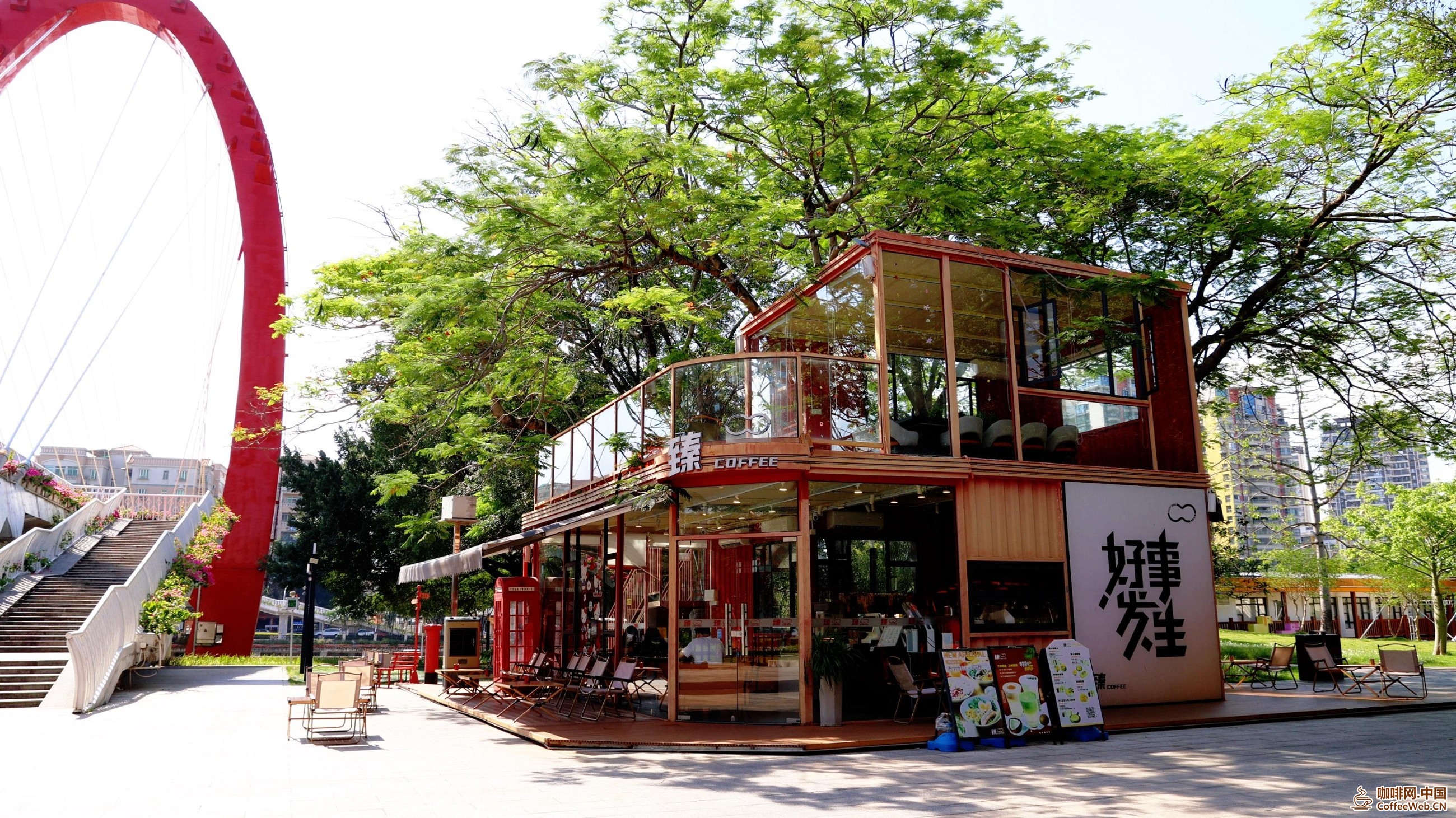
江门处处可见网红咖啡店。罗忠明 摄
江门抓住本地咖啡产业快速发展的契机,通过创新“咖啡+”模式,打造“侨都咖啡”品牌,赋能咖啡消费市场向高端化高附加值延伸。
“咖啡+节庆”引发消费爆点。近年来,江门立足咖啡文化、创新“造节”方式,举办咖啡市集、咖啡技能比赛、线上评选等活动,持续激活市场消费活力。截至目前,江门市已连续举办四届中国侨都(江门)咖啡节,活动规模逐年跃升,累计吸引客流超过160万人次。
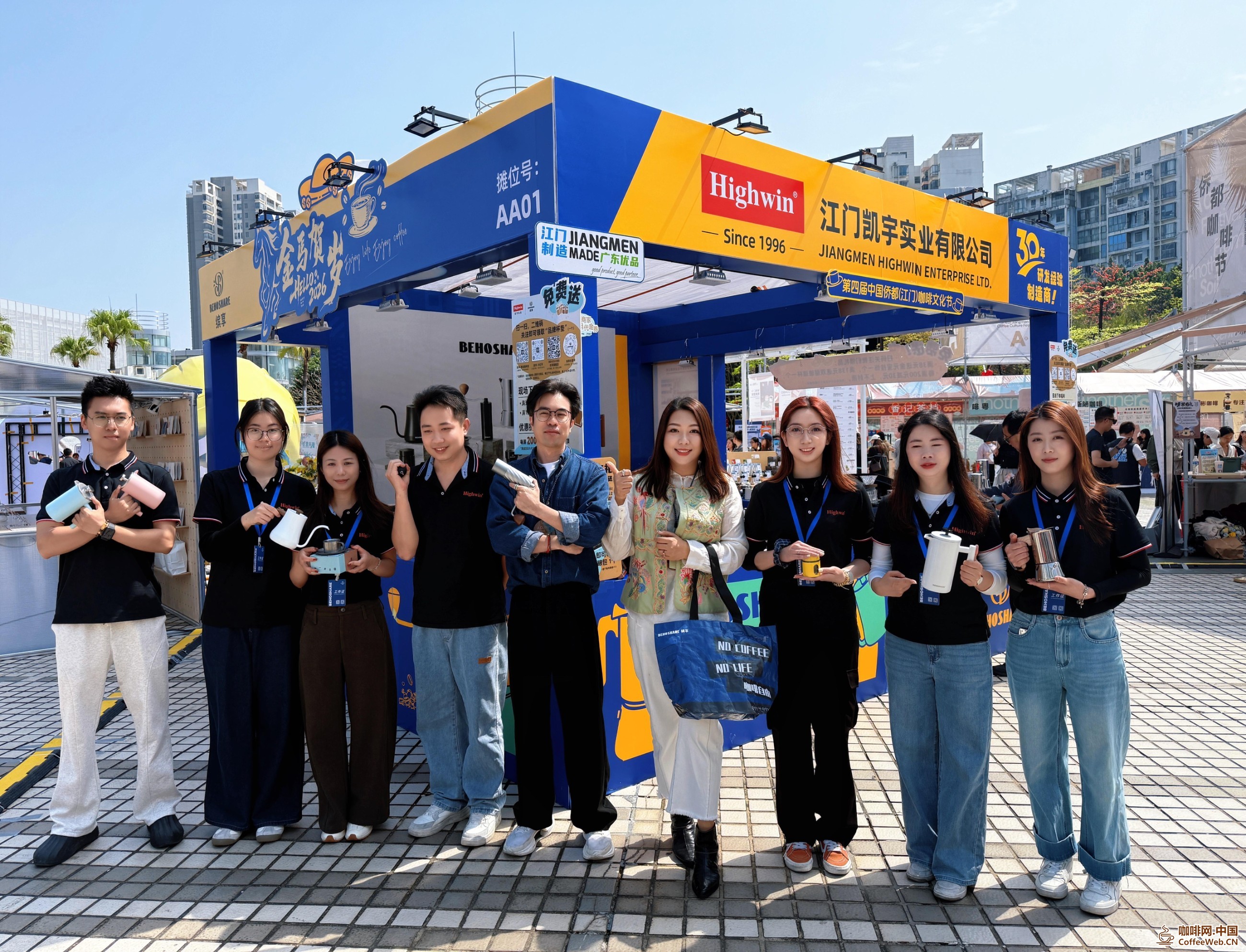
凯宇参加中国江门侨都咖啡节。企业供图
“咖啡+文创”擦亮“侨都咖啡”IP。江门立足本地特色旅游、美食、侨文化等资源,设计开发“侨小咖”品牌,推出耶咖、雪啡等7款咖啡特色产品,开发富有侨乡特色的手冲咖啡用具套装,延伸“咖啡+文创”产业链。同时,开创公园咖啡、侨屋咖啡等特色主题咖啡馆,推动超300家咖啡馆开进城市公园、旅游景区。
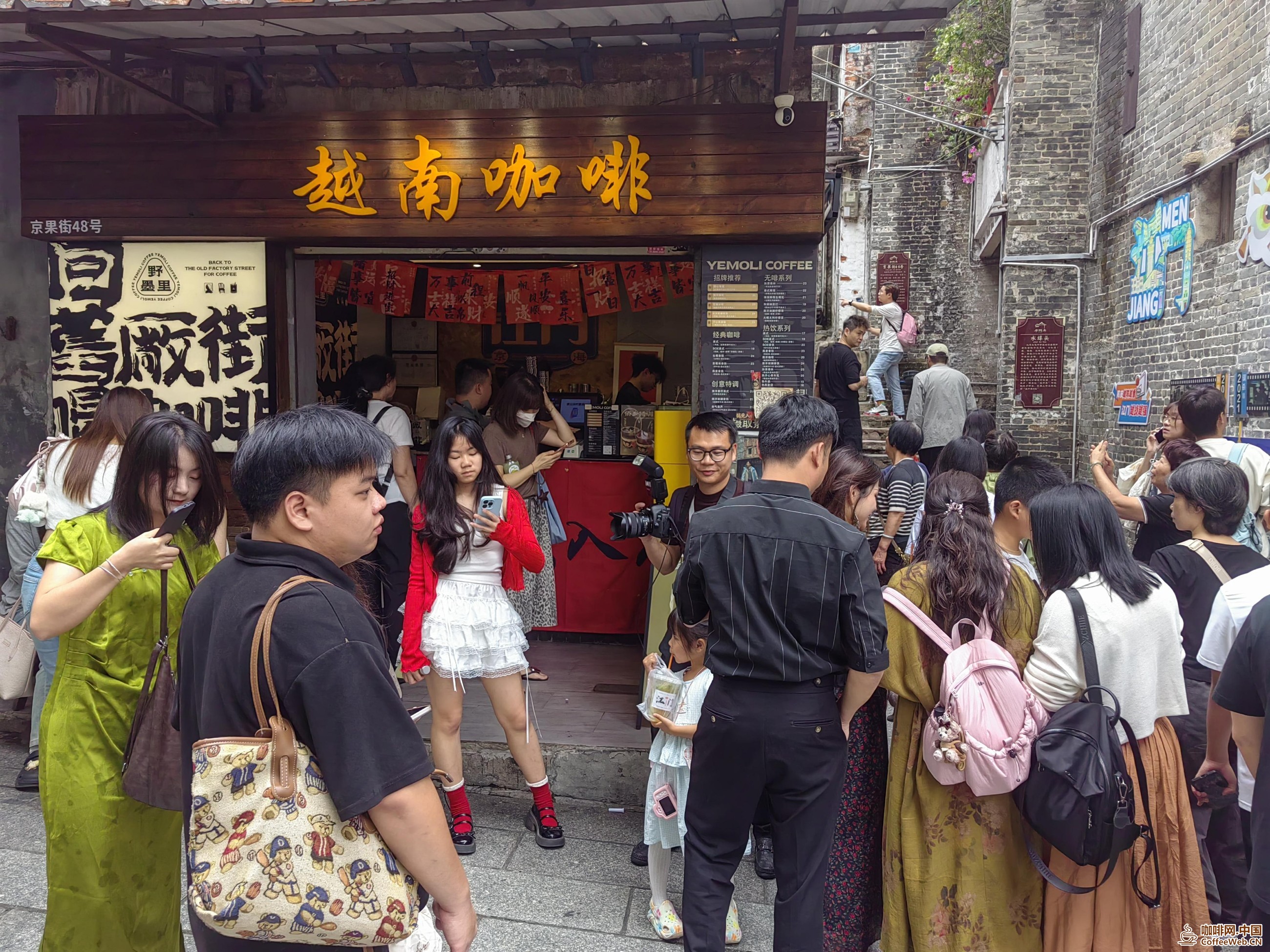
今年“五一”,江门长堤“越南咖啡”店每天卖出1000多杯咖啡。
“咖啡+旅游”树立咖啡城市文旅地标。近年来,江门精心打造“江门三点三精彩之旅”文旅品牌,推动先锋书店、碉楼时光、东湖咖啡等门店进驻赤坎华侨古镇、中国侨都华侨华人博物馆、华侨城古劳水乡等重点文旅景区,以旅促“啡”、以“啡”兴旅。
既要“杯子”也要“豆子”,建设大湾区咖啡产业核心城市
4月初,新会区新会柑、咖啡种植技术现场交流会在新会柑陈皮种质资源保护中心举行,来自全区各地的种植户、农业从业者通过现场观摩、专家授课、经验交流等形式,共学先进技术,探讨产业发展新路径。
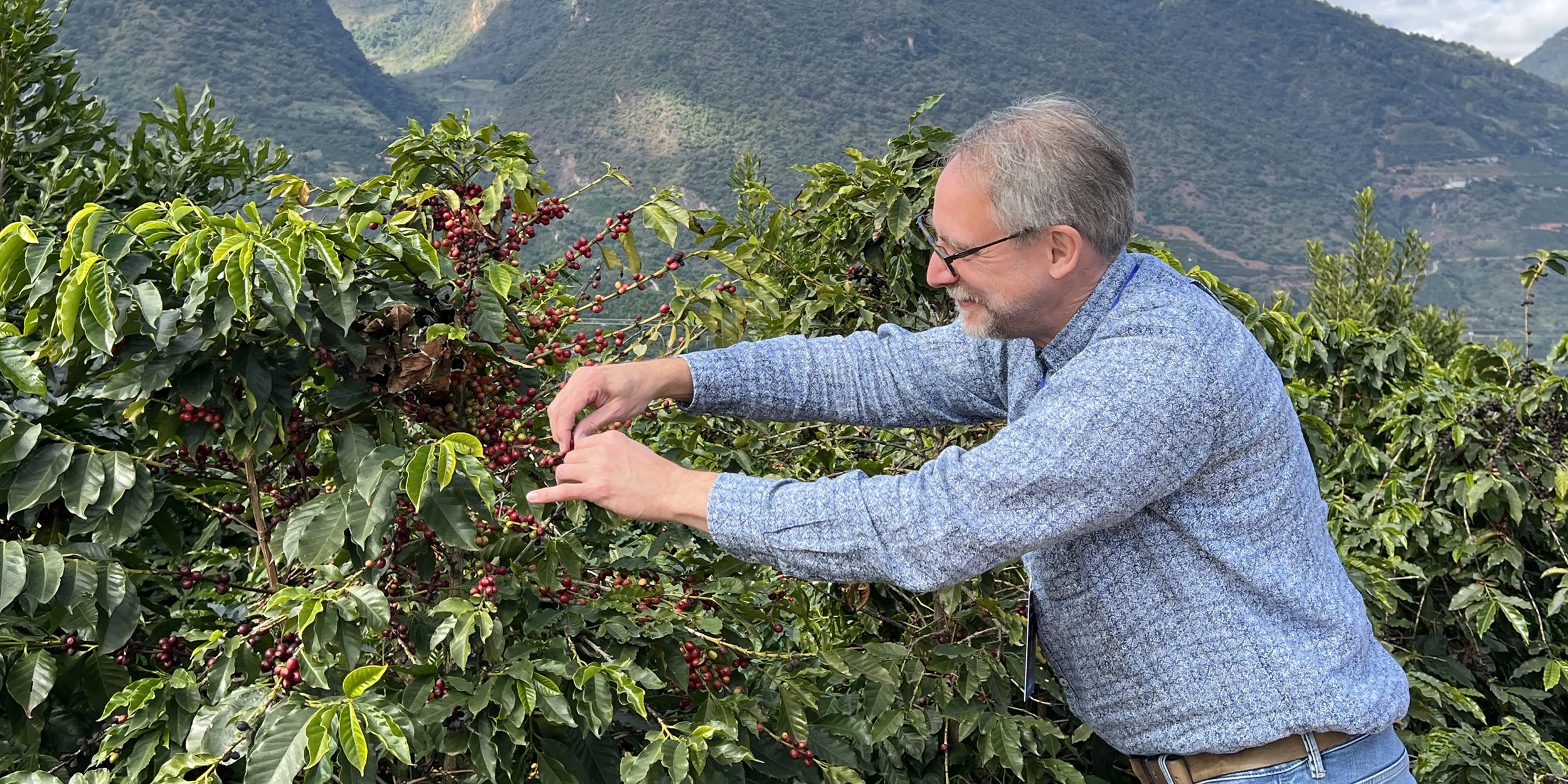
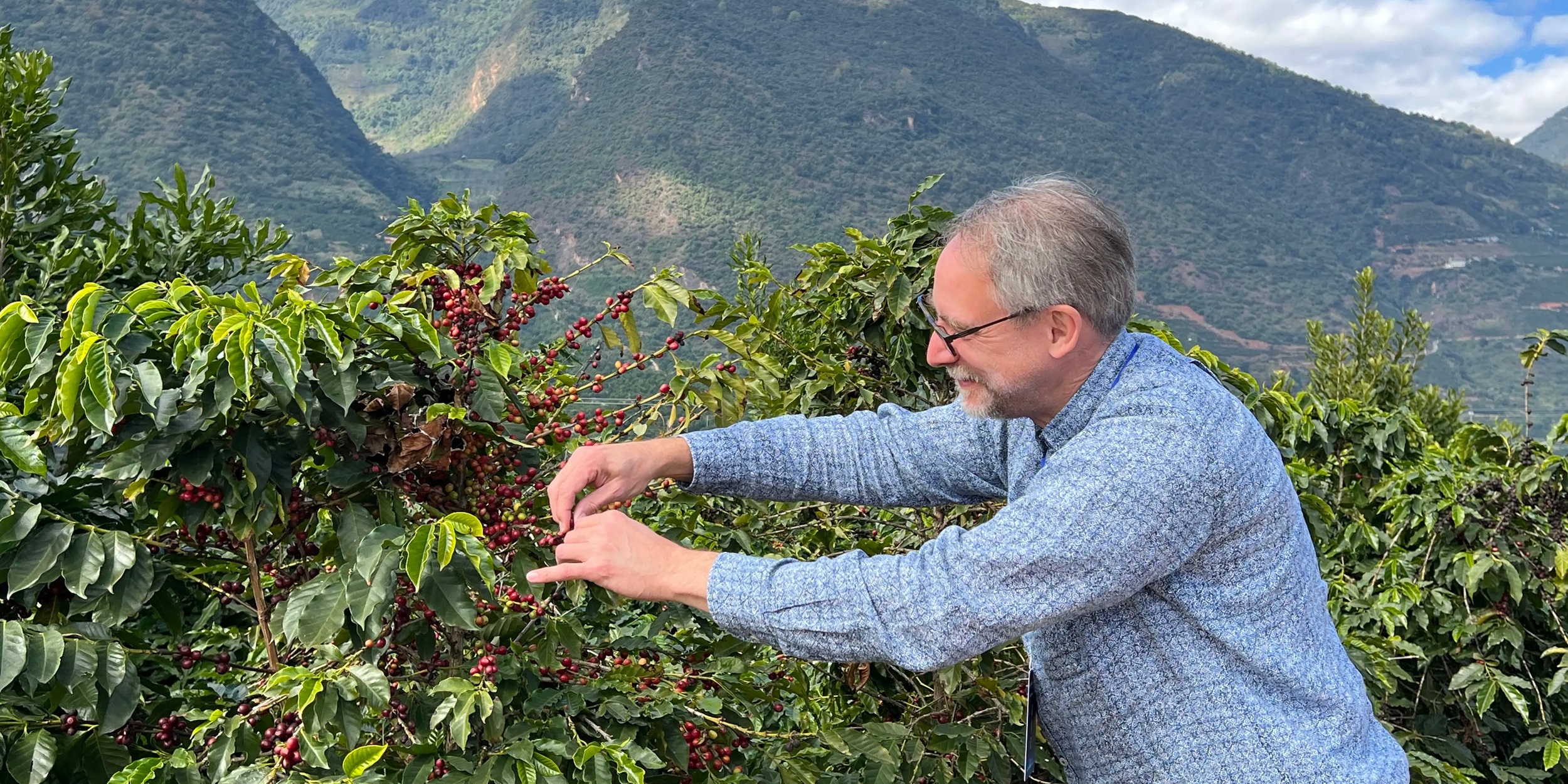
新会陈皮产业发展已趋成熟,咖啡产业正处于起势之时。交流会上,新会区林业科学研究所的咖啡示范种植基地成为焦点。新会雨量充沛、日照充足、土地肥沃,独特的自然条件为咖啡种植提供了良好基础。看到咖啡树上挂满颗颗饱满的绿色浆果,种植户纷纷表示“想试种”,陈皮咖啡经营户亦期待“新会陈皮+新会咖啡”能擦出别样的火花。
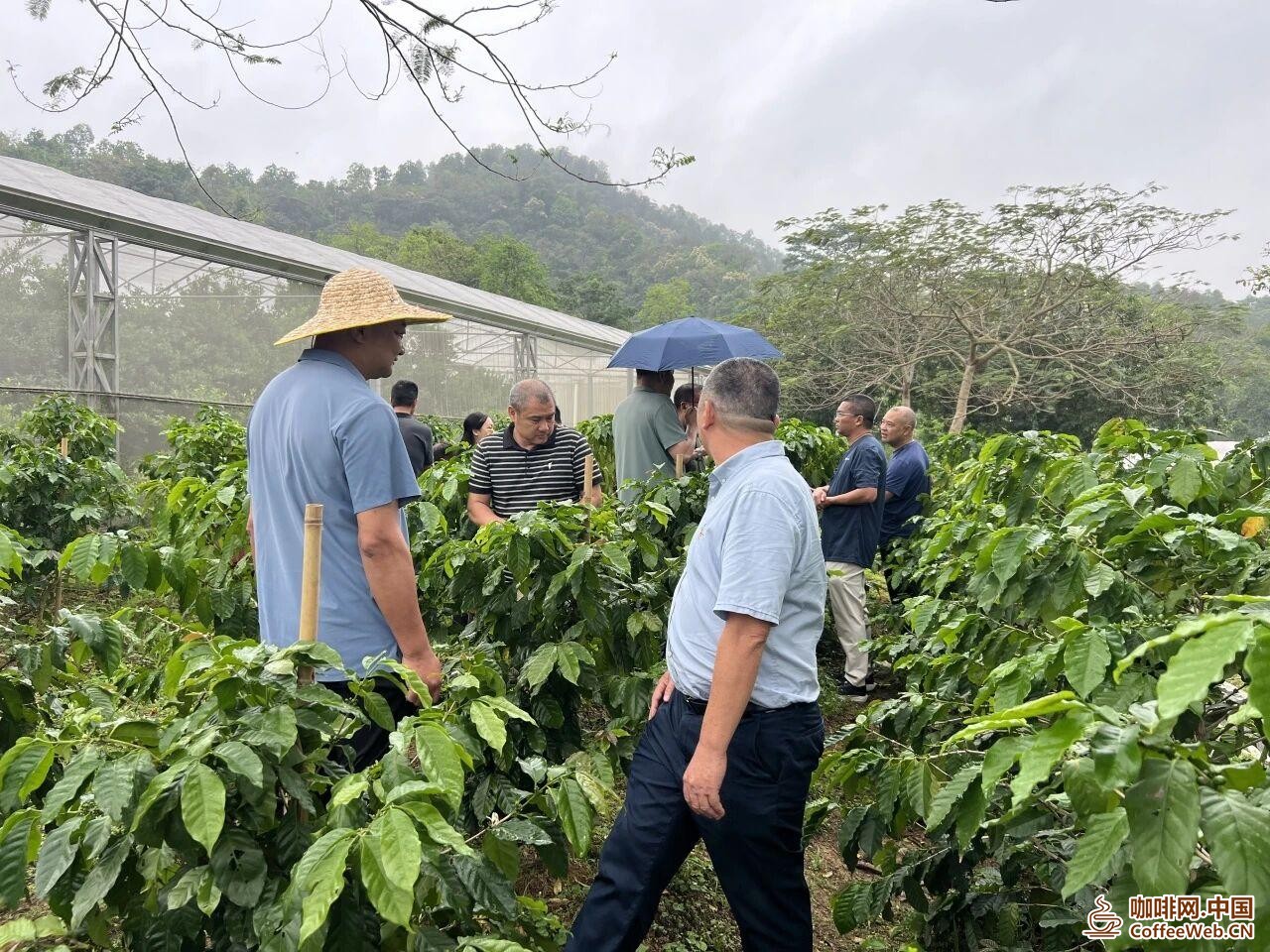
种植户和农业从业者对新会种植的咖啡倍感兴趣。新会区融媒体中心供图
区别于国内不少咖啡产区单一环节发展的模式,江门坚持咖啡产业全链条发展,统筹推进种植、制造、贸易、消费、文旅融合共进,打通“从种子到杯子”的完整产业链。咖啡种植从无到有,就补齐了最后一块短板。
“我们目前种植了100亩咖啡树,2023年种植,2024年就挂果。”5月28日,新会区林业科学研究所所长黄宏健告诉南都记者,研究所与广东省农业科学院合作开展试点项目已有数年,目前新会咖啡引种已形成多品种试种格局,其中卡蒂姆小粒种咖啡在本地气候条件下表现出良好的生长态势,成为核心试种品种。2025年底开始,又引种瑰夏、罗布斯塔、铁皮卡等适配品种,丰富试种品类。同年11月,由广东省农业科学院农业经济与信息研究所、新会区林业科学研究所合作共建的粤港澳大湾区首个咖啡产业示范基地在新会区揭牌成立。
我国咖啡消费正处于“黄金增长期”,市场规模爆发式增长,消费潜力持续释放。根据《2025中国咖啡产业发展报告》数据显示,2025年中国咖啡市场规模突破3600亿元大关。
面对咖啡产业的风口,江门迎风而上。近日,《江门市促进“侨都咖啡”产业高质量发展行动方案(2026-2028年)》正式发布。根据方案,到2028年,江门咖啡产业实现全链条高质量发展,“侨都咖啡”区域公共品牌影响力显著提升,形成“种植有规模、制造有优势、贸易有渠道、消费有特色、文旅有融合”的产业发展格局,产业规模不断壮大,全力建成中国(江门)咖啡产业基地,成功打造为粤港澳大湾区咖啡产业核心城市、全国重要的咖啡烘焙和设备制造基地、全球咖啡产业交流合作的重要节点。
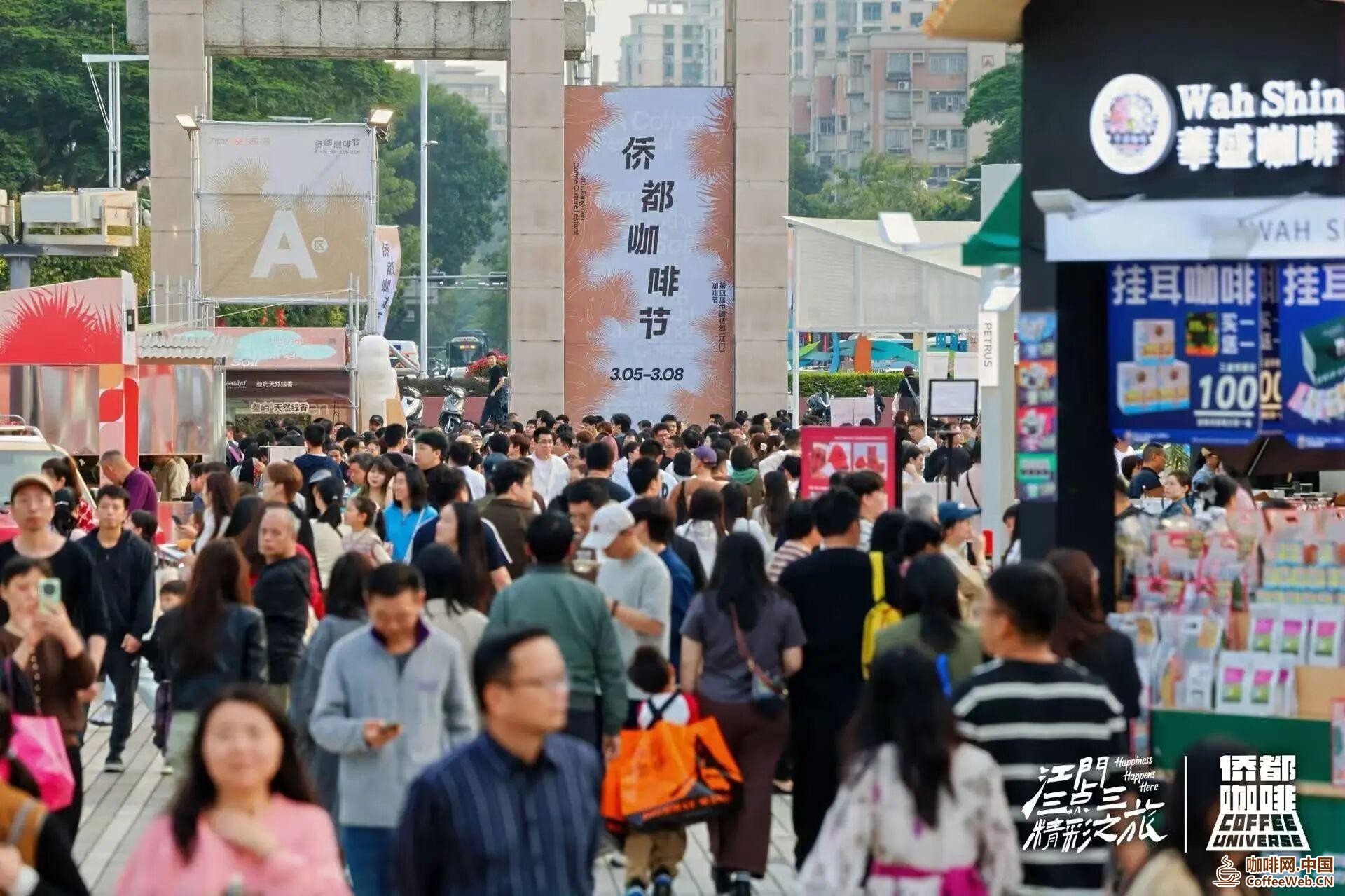
在短短4天时间里,第四届侨都咖啡节累计吸引客流量超过51万人次。图片来源:江门文旅
“小小的一杯咖啡,承载着江门的开放基因,浓缩着江门的产业底气,诠释着江门的生活美学。”在2026侨都咖啡产业经贸合作交流会上,江门市委书记陈杰的这段话引起咖啡业内人士的共鸣。从百年前归侨行囊里的异乡风味,到如今三十亿级的完整产业集群,江门咖啡产业实现了从无到有、到优的跨越式发展,未来有望继新会陈皮之后再创产业传奇。
广州市咖啡行业协会秘书长孙海涛:
江门咖啡产业跑起来了,可以文旅带动咖啡消费
近年来,广州凭借城市产业力、科技力和市场消费力,打造出一座城的咖啡产业:拥有8000多家咖啡门店,数量居全国第二、华南第一;2025年全产业链年产值670亿元,直接带动就业超15万人,生豆进口量占全国42%。作为咖啡之城的后起之秀,江门可以向广州学习什么?广州市咖啡行业协会秘书长孙海涛深耕咖啡行业30余年。6月2日,南都记者专访孙海涛,邀他建言献策。
“近些年江门咖啡产业的发展速度,在广东是最快的。可以说,江门的咖啡产业已经跑起来了,领先很多城市,这与江门市委、市政府的关心和支持分不开。我印象中,江门职能部门的负责人非常实干,也非常接地气。我们经常参加全国性的咖啡行业活动,每次都会看到他们的身影,每次到得比我们还早。从这个细节可以看出,江门市推动咖啡产业发展的决心。”孙海涛说。
“现在江门出台促进咖啡产业高质量发展的政策组合拳,已经具备咖啡产业腾飞的条件。特别是江门从生产制造端引进了一批先进工厂。比如,目前国内市场上用于咖啡拉花的打印机只有两家,一家在深圳,另一家在江门。从江门咖啡产业规划看,用地规划、园区建设、三产融合、人才储备等都很有计划性。比如,江门开展粤港澳咖啡师职业技能评价‘一试三证’,在江门考咖啡师证,可与港澳及其他城市互认,说明江门在人才培养储备、跨境交流方面已经有了充分准备。江门在咖啡产业架构上的这套组合拳打得蛮漂亮。”孙海涛表示。
孙海涛认为,目前江门咖啡产业在政策支持、文旅融合等多个维度上都有着力点,未来发展的基础已经打好。“首先,从消费上讲,江门未来咖啡产业往更深度发展,与本地消费水平分不开,但江门人口净流入数量不像广州、深圳,就需要在文旅上加大力度,以文旅带动咖啡消费;其次,江门咖啡产业发展方面有很好的生产制造业,可以多考虑产能外溢,辐射周边区域。”
策划:刘岸然 谢江涛
本期统筹:郭锐川
本期采写:南都N视频记者 曾育军
本期摄影:南都N视频记者 曾育军(除署名外)
编辑:王子瑜 责任编辑:陈海敏
In Jiangmen, Guangdong, there are two fragrances intertwined in the air year-round: one is the centuries old Xinhui tangerine peel and citrus fragrance, and the other is the popular coffee roasted fragrance.
As the "Overseas Chinese Capital" of China, Jiangmen relies on its profound overseas Chinese resources and solid manufacturing foundation to create the distinctive consumer brand of "Overseas Chinese Coffee", achieving a leapfrog development of the coffee industry from scratch and from small to large. The number of coffee shops per 10000 people ranks among the top five in China, with roasted coffee production accounting for about 10% of the country's total and exports accounting for 22% of the country's total. There are over 350 coffee equipment and spare parts manufacturing enterprises, and about 40% of the country's stainless steel coffee utensils and one out of every five exported coffee machines are produced in Jiangmen. The annual output value of related industries exceeds 3 billion yuan, making it an important coffee processing and production base and trade center in the Guangdong Hong Kong Macao Greater Bay Area.
Xinhui District in Jiangmen City is known as the "Hometown of Chinese Chenpi" and the core carrier of Jiangmen's coffee industry. Coffee roasting capacity accounts for half of Jiangmen City, and over 500 hardware and stainless steel product enterprises form a "silver industry corridor" stretching for tens of kilometers. A coffee pot sells well in Europe and America, with millions of pieces sold annually. There are over 300 coffee related business entities. "Chenpi Coffee" is highly sought after by many young people and has become a new business card of the city.
A small cup of coffee connects a hundred years of overseas Chinese history and also supports a city's characteristic industrial map. Recently, Southern Metropolis Daily reporters visited Xinhui District in Jiangmen City to explore the key to the success of the coffee industry in Jiangmen.
Southern Metropolis Daily reports.
Southern Metropolis Daily reports.
Last year, the production of roasted coffee beans exceeded 10000 tons, and the export value accounted for 22% of the national total
Jiangmen is the "Capital of Overseas Chinese" in China, with over 5.3 million overseas Chinese and compatriots from Hong Kong, Macao, and Taiwan spread across 145 countries and regions around the world. As early as the 1860s, a large number of Jiangmen people went abroad to make a living. When returning to their hometowns, returned overseas Chinese bring along items such as coffee beans, coffee pots, and bean grinders, becoming vivid witnesses of the integration of Chinese and foreign life. Nowadays, these old objects can still be seen in the watchtowers and overseas Chinese houses preserved throughout Jiangmen, recording the early traces of coffee entering the hometown of overseas Chinese.
Over the past century of international exchanges and integration, Jiangmen has developed an open and inclusive character. Western style coffee has shed its label as a niche imported product and gradually integrated into the daily life of overseas Chinese communities, accumulating a strong consumer atmosphere and mass base for later industrial development.
Jiangmen is geographically close to Hong Kong and Macau, and has a close relationship with people. Entering the 21st century, with the continuous release of Jiangmen's geographical advantages, a group of coffee companies deeply rooted in Hong Kong and Macao have landed in Jiangmen to layout the mainland market. Around 2002, well-known coffee brands such as Xiangji (Jiangmen) Coffee Co., Ltd. (hereinafter referred to as "Xiangji") and Jiangmen Chengpin Food Co., Ltd. (hereinafter referred to as "Chengpin") successively settled in Xinhui District of Jiangmen City, making Jiangmen one of the earliest cities in China to carry out specialized coffee roasting production.
At present, Xiangji has built a fully automated production base with an area of 13000 square meters, equipped with 5 main baking machines. The largest one can bake 120 kilograms of green beans in 15 minutes, and the maximum annual output can reach more than 4000 tons. Xiangji products mainly focus on moderate and deep baking, with a classic "nutty flavor" that is suitable for chain restaurants, hotels, and convenience stores. They cover major cities in China such as Beijing, Shanghai, and Guangzhou, and are also exported to countries such as Canada and Myanmar.
Tang Jinhui, a Chinese businessman with ancestral roots in Xinhui, moved to Macau when he was young. In 2006, he returned to his hometown and invested in the establishment of Eslite Coffee, which was officially put into operation the following year. The enterprise is deeply involved in the coffee roasting field and has become one of the executive members of the China Coffee Alliance. Its products are not only supplied to the domestic market, but also exported in bulk to Europe, the Middle East, and Southeast Asia.
Eslite's layout includes "coffee+cultural tourism", and the picture shows a tourist factory built in Xinhui. Photo provided by Xinhui Integrated Media Center
Eslite's layout includes "coffee+cultural tourism", and the picture shows a tourist factory built in Xinhui. Photo provided by Xinhui Integrated Media Center
After more than 20 years of development, the coffee roasting industry in Jiangmen has grown rapidly and has attracted high-quality projects such as the global capsule coffee machine leader Xifei Technology, Junlebao South China Liquid Milk Base, Meizi Intelligent Home Appliance Production Base, Eslite Coffee Plant 2, and Coffee Museum to settle in. Currently, there are 21 coffee enterprises in the city with food production license qualifications, importing more than 300 types of coffee beans with a production capacity of over 10000 tons per year. According to data from Jiangmen Customs, by 2025, the production of roasted coffee beans in Jiangmen City will exceed 10000 tons, accounting for about 10% of the national production, and the export value will account for 22% of the national total. Jiangmen has become an important export base for coffee roasting products in China.
Introduce and cultivate over 350 coffee equipment and spare parts enterprises
Xinhui District of Jiangmen City is a production base for stainless steel products in China. The stainless steel product industry started in the 1970s and formed a "Silver Corridor" with Siqian Town as the main body, covering multiple towns and streets such as Guifeng Huicheng, Daze, Shuangshui, Sanjiang, and economic development zones. By 2025, there will be over 500 hardware and stainless steel product enterprises in Xinhui District, with products selling well in more than 100 countries and regions worldwide. About 70% of them will be exported to the European and American markets, including more than 160 enterprises above designated size, with an annual total output value exceeding 21 billion yuan.
Recently, Southern Metropolis Daily reporters visited Siqian Town in Xinhui District and visited leading coffee utensil manufacturing enterprises such as Kaiyu Industrial Co., Ltd. (hereinafter referred to as "Kaiyu") and Yida Metal Products Co., Ltd. (hereinafter referred to as "Yida") in Xinhui District, Jiangmen City.
In 1996, He Jingqin, a predecessor of Xinhuisi, founded the predecessor of Kaiyu - Jiangmen Lihua Metal Products Factory, specializing in the design and production of stainless steel kitchenware. Around 2000, an overseas merchant brought a coffee utensil sample, allowing He Jingqin to keenly capture the market trends in the coffee industry. He immediately led the team to independently develop and launch the first stainless steel press pot, and obtained the patent, officially entering the field of coffee utensils. In 2013, He Jingqin's daughter He Zhongai and son-in-law Liang Zhewei took over the management, promoting the enterprise to fully shift towards intelligent production and brand operation.
The coffee utensils displayed in the product exhibition area of Xinhui Kaiyu are diverse in variety.
The coffee utensils displayed in the product exhibition area of Xinhui Kaiyu are diverse in variety.
After 30 years, Kaiyu has developed from a small hardware workshop with 30 people to a high-tech enterprise and a specialized and innovative small and medium-sized enterprise in Guangdong Province. In the subdivision field of coffee utensils, Kaiyu specializes in three major categories of products: hand drawn, Italian, and steeper, covering a full range of categories such as French press pots, hand drawn pots, coffee grinders, etc. The stainless steel press pot, as a core star product, is popular in the European and American markets.
In recent years, Kaiyu has built the high-end overseas brand Highwin, which is sold well in more than 30 countries and regions around the world, and has become a stable supplier for internationally renowned brands such as Melitta and Lavazza. In 2024, the local brand BEHOSHARE was launched, leveraging both domestic e-commerce platforms and live streaming sales channels to achieve an annual sales volume of 1 million coffee utensils.
Yida's growth story is similar to Kaiyu's. In 1998, Tang Liaoyong, a former employee of the company, rented a 200 square meter old house, bought two machines, hired one worker, and started a small hardware workshop. After more than 20 years of development, the small workshop has become a leading stainless steel enterprise in Xinhui. In recent years, Tang Liaoyong has transformed a factory into a coffee utensil manufacturer. In 2022, he supported his daughter, who had returned from studying abroad in Australia, to establish her own brand and develop about 50 high-end stainless steel coffee utensils such as teapots, storage jars, and grinders, focusing on expanding overseas markets.
Yida's products are highly favored by European and American customers. Enterprise image supply
Yida's products are highly favored by European and American customers. Enterprise image supply
From small workshops to industry leaders, Kaiyu and Yida are vivid examples of the development of Jiangmen's coffee industry. According to the "Qiaodu Coffee White Paper" released by the Jiangmen Municipal Bureau of Commerce and other departments, Jiangmen relies on the foundation of hardware and stainless steel products, intelligent home appliances industry, and convenient import and export environment to introduce and cultivate more than 350 coffee equipment and spare parts enterprises such as Xifei Technology, Muweina, Meizi Technology, Belston, Fanwei, Keming, and Aisheng Electric Appliances. About 40% of the stainless steel coffee utensils and one out of every five exported coffee machines in the country are produced in Jiangmen, and the annual output value of coffee and related industries exceeds 3 billion yuan.
Innovate the "Coffee+" model, with the number of coffee shops per 10000 people ranking among the top five in the country
'Falling in love with coffee making' is the business philosophy that Kaiyu has always adhered to. With the rise of short videos in recent years, the company has formed a 10 person content team, opened video accounts on mainstream platforms, popularized knowledge of coffee utensils for home use, conveyed the concept of "brewing process is also a joy of life", and cultivated domestic coffee consumption culture.
With the support of her family, He Zhongping, the sister of He Zhongai, the Chief Operating Officer of Kaiyu, went abroad to study baking and dessert making. In 2015, she returned to her hometown and founded the baking brand LE SAPHIR. Currently, she has opened 5 stores in Jiangmen. Shafir Candy's store is located near residential areas, providing supporting services such as coffee, bread, cakes, and other community light catering, forming a family industry ecology of "coffee utensils+baking".
Kaiyu's story vividly illustrates the mutual traction and collaborative upgrading between industry and consumption. Nowadays, if you take a walk in the urban and rural areas of Jiangmen, whether it's in the city's commercial districts, internet celebrity check-in points, or high-end residential areas and old houses, you may encounter one coffee shop after another. According to data from the Jiangmen Municipal Bureau of Commerce, there are currently nearly 2000 coffee related business entities in Jiangmen City. In the ranking of coffee shop density in Chinese cities, Jiangmen ranks among the top five in terms of the number of coffee shops per 10000 people in the country.
Internet famous coffee shops can be seen everywhere in Jiangmen. Photo by Luo Zhongming
Internet famous coffee shops can be seen everywhere in Jiangmen. Photo by Luo Zhongming
Jiangmen seizes the opportunity of the rapid development of the local coffee industry, innovates the "Coffee+" model, creates the "Qiaodu Coffee" brand, and empowers the coffee consumption market to extend towards high-end high added value.
The combination of coffee and festivals has sparked a consumer explosion. In recent years, Jiangmen has focused on coffee culture, innovated the "making festival" method, held coffee markets, coffee skills competitions, online evaluations and other activities, continuously activating market consumption vitality. Up to now, Jiangmen City has held four consecutive sessions of the China Overseas Chinese Capital (Jiangmen) Coffee Festival, with the scale of the event increasing year by year and attracting over 1.6 million visitors.
Kaiyu participated in the Jiangmen Qiaodu Coffee Festival in China. Enterprise image supply
Kaiyu participated in the Jiangmen Qiaodu Coffee Festival in China. Enterprise image supply
Coffee+Cultural and Creative "enhances the" Overseas Chinese Coffee "IP. Based on local resources such as tourism, cuisine, and overseas Chinese culture, Jiangmen designs and develops the" Overseas Chinese Coffee "brand, launches 7 coffee specialty products such as Yeka and Xuefei, develops a set of hand brewed coffee utensils with overseas Chinese characteristics, and extends the" Coffee+Cultural and Creative "industry chain. At the same time, we will create themed coffee shops such as Park Coffee and Overseas Chinese House Coffee, and promote over 300 coffee shops to enter urban parks and tourist attractions.
This year's May Day, the "Vietnamese Coffee" store in Changdi, Jiangmen sold over 1000 cups of coffee every day.
This year's May Day, the "Vietnamese Coffee" store in Changdi, Jiangmen sold over 1000 cups of coffee every day.
Establishing a cultural and tourism landmark in coffee cities through the combination of coffee and tourism. In recent years, Jiangmen has carefully created the "Jiangmen 3.3 Wonderful Tour" cultural and tourism brand, promoting stores such as Pioneer Bookstore, Diaolou Time, and Donghu Coffee to enter key cultural and tourism attractions such as Chikan Overseas Chinese Ancient Town, China Overseas Chinese Museum, and Overseas Chinese Ancient Labor Water Town, promoting "coffee" and revitalizing tourism with "coffee".
We need both "cups" and "beans" to build the core city of the coffee industry in the Greater Bay Area
In early April, the on-site exchange meeting on the planting technology of Xinhui citrus and coffee in Xinhui District was held at the Xinhui Citrus Chenpi Germplasm Resources Protection Center. Planters and agricultural practitioners from all over the district learned advanced technologies and explored new paths for industrial development through on-site observation, expert lectures, and experience exchanges.
The development of Xinhui Chenpi industry has matured, and the coffee industry is in a period of growth. At the exchange meeting, the coffee demonstration planting base of Xinhui District Forestry Science Research Institute became the focus. Xinhui has abundant rainfall, ample sunshine, and fertile land, providing a unique natural condition for coffee cultivation. Seeing plump green berries hanging on the coffee tree, growers expressed their desire to try planting. Chenpi coffee operators also hope that "Xinhui Chenpi+Xinhui Coffee" can ignite a unique spark.
Farmers and agricultural practitioners are particularly interested in the coffee that will be grown in Xinhui. Photo provided by Xinhui District Integrated Media Center
Farmers and agricultural practitioners are particularly interested in the coffee that will be grown in Xinhui. Photo provided by Xinhui District Integrated Media Center
Different from the single link development model of many coffee producing areas in China, Jiangmen adheres to the full chain development of the coffee industry, coordinates and promotes the integration of planting, manufacturing, trade, consumption, culture and tourism, and connects the complete industrial chain from seeds to cups. Coffee cultivation has filled the last gap from scratch.
We have currently planted 100 acres of coffee trees, which will grow in 2023 and bear fruit in 2024, "Huang Hongjian, director of the Forestry Science Research Institute in Xinhui District, told Southern Metropolis Daily on May 28th. The institute has been cooperating with the Guangdong Academy of Agricultural Sciences to carry out a pilot project for several years, and the introduction of Xinhui coffee has formed a multi variety trial planting pattern. Among them, the Katim small grain coffee has shown a good growth trend under local climate conditions and has become a core trial variety. Starting from the end of 2025, suitable varieties such as Guixia, Robusta, and Tiepika will be introduced to enrich the trial planting categories. In November of the same year, the first coffee industry demonstration base in the Guangdong Hong Kong Macao Greater Bay Area, jointly established by the Agricultural Economics and Information Research Institute of Guangdong Academy of Agricultural Sciences and the Forestry Science Research Institute of Xinhui District, was unveiled and established in Xinhui District.
China's coffee consumption is currently in a "golden growth period", with explosive market growth and sustained release of consumption potential. According to the "2025 China Coffee Industry Development Report", the size of the Chinese coffee market will exceed 360 billion yuan by 2025.
Facing the trend of the coffee industry, Jiangmen is rising against the wind. Recently, the Action Plan for Promoting High Quality Development of the "Qiaodu Coffee" Industry in Jiangmen City (2026-2028) was officially released. According to the plan, by 2028, the coffee industry in Jiangmen will achieve high-quality development throughout the entire chain, and the influence of the "Qiaodu Coffee" regional public brand will be significantly enhanced, forming an industrial development pattern of "planting with scale, manufacturing advantages, trade channels, distinctive consumption, and integration of culture and tourism". The industrial scale will continue to grow, and efforts will be made to build the China (Jiangmen) coffee industry base, successfully becoming the core city of the coffee industry in the Guangdong Hong Kong Macao Greater Bay Area, an important coffee roasting and equipment manufacturing base in the country, and an important node for global coffee industry exchange and cooperation.
In just four days, the fourth Qiaodu Coffee Festival has attracted over 510000 visitors. Image source: Jiangmen Culture and Tourism
In just four days, the fourth Qiaodu Coffee Festival has attracted over 510000 visitors. Image source: Jiangmen Culture and Tourism
A small cup of coffee carries the open genes of Jiangmen, concentrates the industrial confidence of Jiangmen, and interprets the aesthetic of life in Jiangmen. "At the 2026 Qiaodu Coffee Industry Economic and Trade Cooperation Exchange Conference, Chen Jie, Secretary of the Jiangmen Municipal Party Committee, resonated with coffee industry insiders. From the exotic flavors in the bags of returning overseas Chinese a hundred years ago to the complete industry cluster of three billion yuan today, the coffee industry in Jiangmen has achieved a leapfrog development from scratch to excellence, and is expected to create another industrial legend in the future after Xinhui Chenpi.
Sun Haitao, Secretary General of Guangzhou Coffee Industry Association:
The coffee industry in Jiangmen is booming, which can drive coffee consumption through cultural tourism
In recent years, Guangzhou has built a coffee industry in the city with its urban industrial strength, technological strength, and market consumption power: it has more than 8000 coffee shops, ranking second in the country and first in South China in terms of quantity; By 2025, the annual output value of the entire industry chain will be 67 billion yuan, directly driving employment of over 150000 people, and the import volume of raw beans will account for 42% of the country's total. As a rising star in the coffee city, what can Jiangmen learn from Guangzhou? Sun Haitao, Secretary General of Guangzhou Coffee Industry Association, has been deeply involved in the coffee industry for more than 30 years. On June 2nd, Southern Metropolis Daily interviewed Sun Haitao and invited him to offer suggestions and advice.
In recent years, the development speed of the coffee industry in Jiangmen has been the fastest in Guangdong. It can be said that the coffee industry in Jiangmen has already started, leading many cities, which is inseparable from the care and support of the Jiangmen Municipal Party Committee and Government. In my impression, the heads of functional departments in Jiangmen are very practical and down-to-earth. We often participate in national coffee industry activities, and we can see their figures every time, arriving earlier than us. From this detail, we can see Jiangmen's determination to promote the development of the coffee industry, "said Sun Haitao.
Now that Jiangmen has introduced a combination of policies to promote the high-quality development of the coffee industry, it has the conditions for the coffee industry to take off. In particular, Jiangmen has introduced a number of advanced factories from the production and manufacturing end. For example, there are only two printers used for coffee latte art in the domestic market, one in Shenzhen and the other in Jiangmen. From the perspective of Jiangmen's coffee industry planning, land use planning, park construction, integration of the tertiary industry, talent reserve, etc. are all very planned. For example, Jiangmen has launched a "one test, three certificates" vocational skill evaluation for coffee masters in Guangdong, Hong Kong, and Macao. Taking the coffee master certificate exam in Jiangmen can be recognized by Hong Kong, Macao, and other cities, indicating that Jiangmen is fully prepared in talent cultivation and reserve, cross-border exchanges. Jiangmen's coffee industry structure is well planned. The combination punched quite beautifully, "said Sun Haitao.
Sun Haitao believes that the coffee industry in Jiangmen currently has focus on policy support, cultural tourism integration, and other dimensions, and the foundation for future development has been laid. Firstly, in terms of consumption, the coffee industry in Jiangmen will develop more deeply in the future, which is inseparable from the local consumption level. However, the net inflow of population in Jiangmen is not like that in Guangzhou and Shenzhen, so it is necessary to increase efforts in cultural and tourism to drive coffee consumption. Secondly, Jiangmen's coffee industry has a good production and manufacturing industry, and we can consider more capacity spillover and radiation to surrounding areas
Planning: Liu Anran and Xie Jiangtao
Overall plan for this period: Guo Ruichuan
This issue was written by journalist Zeng Yujun from Nandu N Video
Photography for this issue: Nandu N Video journalist Zeng Yujun (unless signed)
Editor: Wang Ziyu Responsible Editor: Chen Haimin