侨乡青田:一杯咖啡里的县域经济新样本Qingtian, a hometown of overseas Chinese: a new sample of county-level economy in a cup of coffee
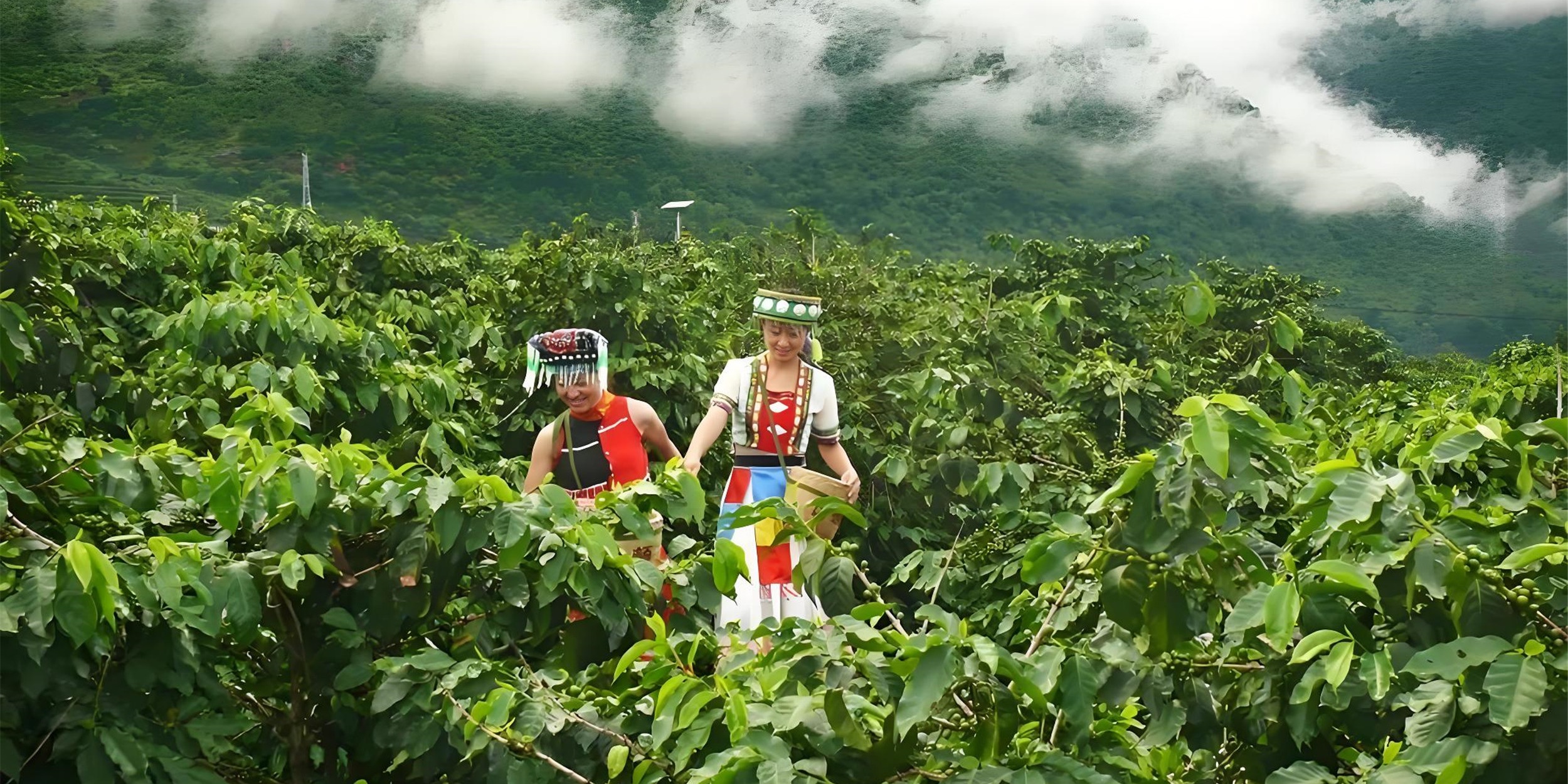
在浙南山区,有一座不产咖啡豆的山城,却有着远超许多大中城市的咖啡馆密度。在这里,咖啡不是舶来的时尚符号,而是融入市井街巷的生活底色。这便是浙江省丽水市青田县——一座把咖啡刻进城市肌理的侨乡。
从侨眷家庭的私房饮品,到遍布街头的全民消费,再到串联文旅融合的区域品牌,青田咖啡走过的路,折射出侨乡人民敢为人先、融通中外的精神特质,也为县域特色经济的发展提供了一个生动的观察样本。
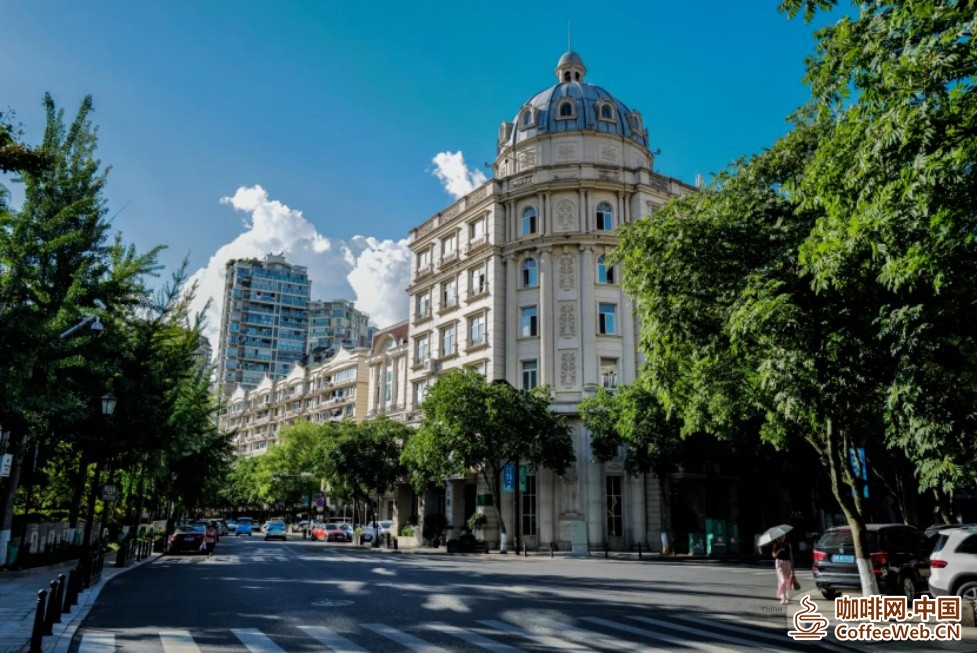
青田县临江东路——欧陆风情街
从家庭餐桌到满城飘香:一种生活方式的演进
青田咖啡文化的形成,并非源于短期的市场风口,而是伴随几代华侨华人的足迹,历经数十年自然积淀而成。
早期,咖啡是侨眷生活中的“他乡印记”。早年赴欧洲打拼的青田华侨,在异国他乡养成了饮用咖啡的习惯。当他们带着积蓄和见识回到故土时,咖啡壶、咖啡豆和煮制手艺也随之归来。在那个年代,咖啡更多存在于华侨家庭的客厅与餐桌,成为亲友相聚、待客会友时的特色饮品,带有鲜明的侨乡生活印记。
随后,咖啡从家庭走向街头,融入市井日常。随着侨眷圈层的带动和本土创业者的加入,第一批面向公众的咖啡馆在青田应运而生。三十余年间,咖啡馆沿着瓯江两岸不断延伸,从主城区渗透到乡镇街道,从少数人的尝鲜转变为大众的日常选择。咖啡不再需要被解释“是什么”,而是成了“喝什么”的寻常选项之一。
近年来,青田咖啡加速走向规范化与品牌化。2024年,当地出台了咖啡制作相关规程,从人才培养到出品标准建立了较为系统的行业规范。这门过去多靠经验与口碑传承的手艺,开始拥有统一的品质标尺,为青田咖啡从“地方习惯”迈向“特色产业”奠定了基础。
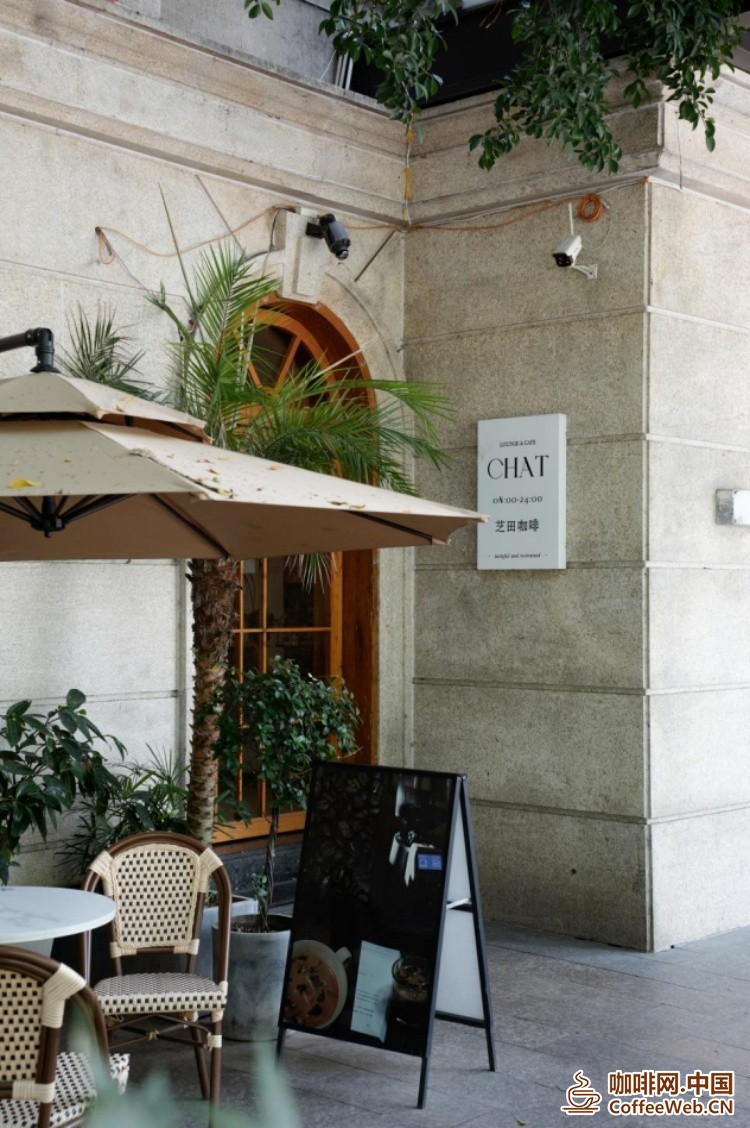
芝田咖啡
街巷间的多元业态:本土小店撑起的咖啡生态
在青田,咖啡市场的主导力量并非全国性连锁品牌,而是根植于社区、各有特色的本土中小咖啡馆。它们风格各异,却共同构成了这座城市特有的咖啡生态。
瓯江畔的“景观带”是青田咖啡的集中展示窗口。临江东路一带,江景与欧陆风格建筑交相辉映,形成独特的视觉氛围。位于临江东路52号的芝田咖啡馆,以一款口感平衡的“脏脏咖”受到不少消费者欢迎,店内布置融合复古与清新元素,氛围轻松惬意。同一条路上的与非咖啡,是当地经营超过十年的老店,拥有独立的烘焙工坊,坚持自烘豆子以保持风味稳定;其造型别致的特色咖啡与单品手冲,兼顾了尝鲜者与资深爱好者的不同需求。
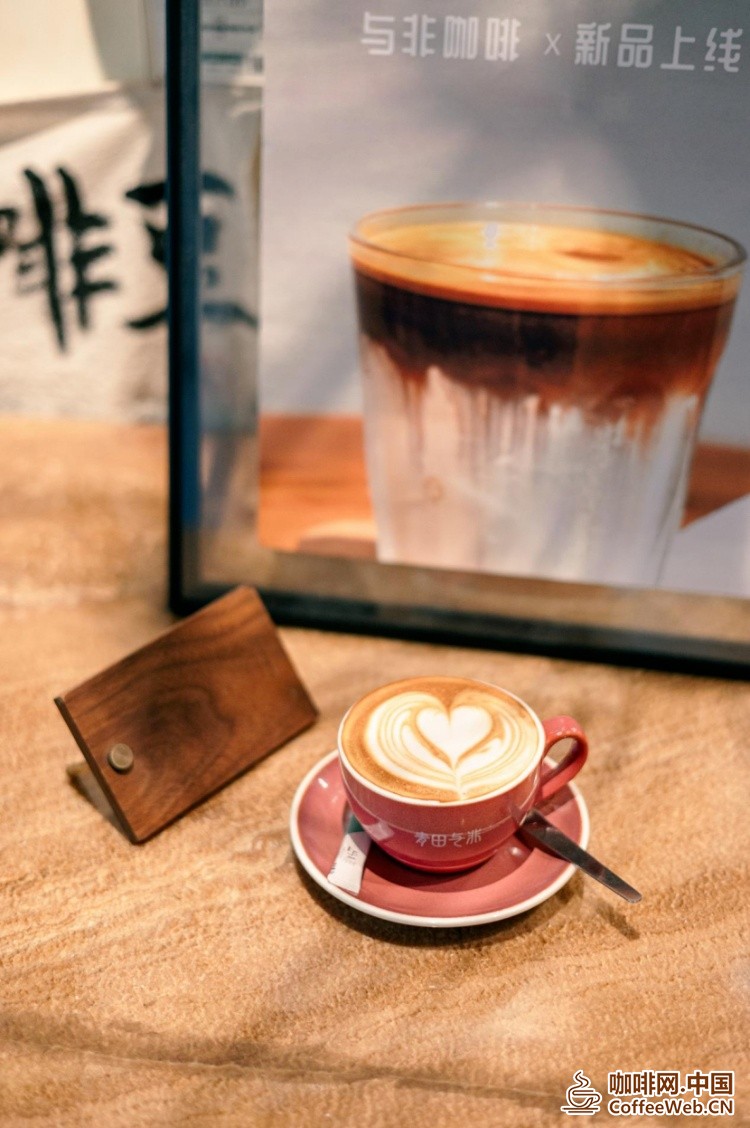
与非咖啡
深入社区与巷弄,则能感知青田咖啡更朴素的日常温度。塔山路上的甜狗咖啡,门店不大,靠特调咖啡与自制甜品积累了一批固定顾客,结合时令推出的限定饮品也颇具巧思。鹤城街道的明文咖啡,走的是社区型路线,空间宽敞、装修简约,同样坚持自烘豆子,深烘系列产品回头率较高。鹤东小区的福厘咖啡,自带安静院落,卡布奇诺口感绵密,还为到店顾客提供了DIY咖啡豆手串的休闲体验。
此外,临江东路、鹤城街道等区域还分布着大量家庭式小馆,各有侧重、各具风味。对青田本地居民而言,选择咖啡馆很少依赖所谓的“热门榜单”,更多是基于口味习惯与邻里信任——走进一家合眼缘的小店,便是最地道的体验方式。
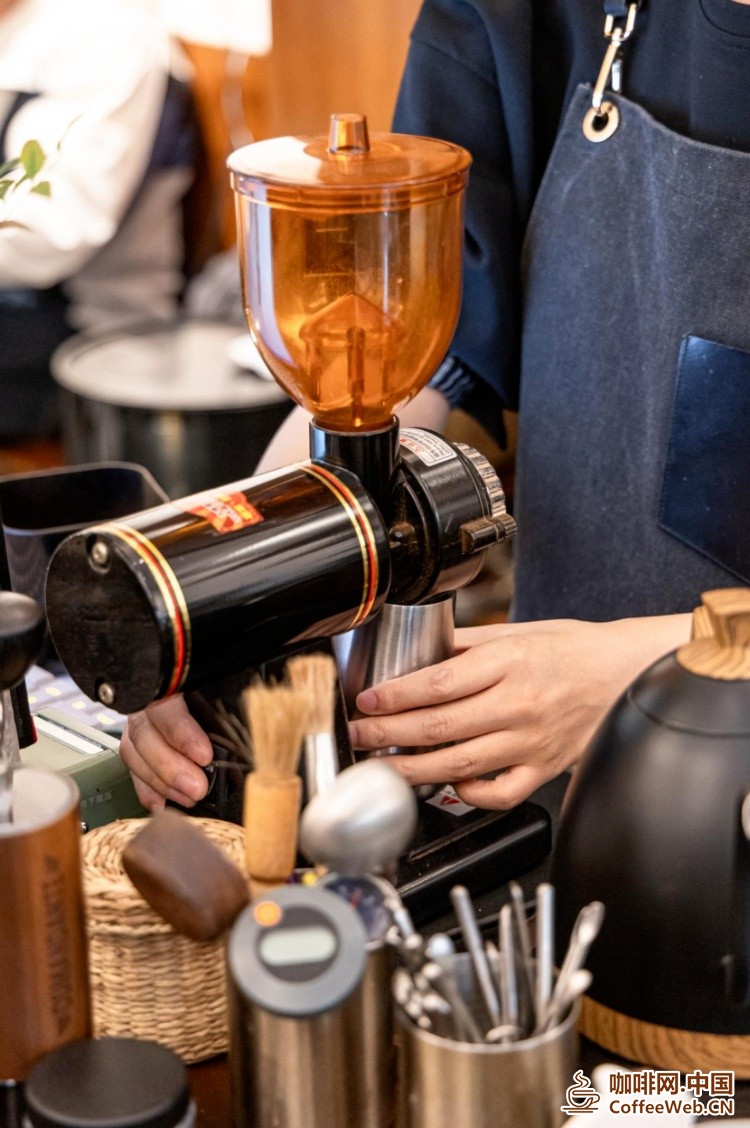
咖啡师制作咖啡
以咖为媒:侨乡特色文旅的融合探索
当咖啡从日常饮品上升为城市文化符号,它便自然成为青田推动文旅融合发展的重要载体。
对于周边地区游客而言,青田凭借其独特的侨乡风貌与欧陆风情,成为短途休闲游的适宜选择。在瓯江边落座,点一杯地道咖啡,欣赏江景与异域风格建筑,无须远行便能感受别样的度假氛围。咖啡与旅拍的结合也日趋成熟,特色咖啡馆本身即是游览节点,游客喝完咖啡后,步行可达欧陆风情街区、网红桥等景点,形成“品咖+观光”的便捷游览线路,尤其受到年轻群体与家庭游客的青睐。
从华侨行囊中的一包咖啡豆,到遍布城乡的数千家咖啡馆,再到区域文旅推广中的一张名片,青田咖啡的故事,归根结底是一杯饮品与一方水土相互成就的过程。它不依赖原料产地,却依托侨乡文化的深厚底蕴,将外来生活方式内化为独有的城市基因。
这份沉淀于烟火日常中的从容与包容,正是青田咖啡最值得品味之处,也为观察中国县域经济中“文化赋能产业”的实践路径,提供了一个富有温度的注脚。
来源丨青田发布
编辑丨张美娣
审校丨林婷
审核丨邹玲玲
h画wenj1h画wenj1
扫码关注侨音杂志云阅读平台
左右滑动查看更多
h画wenj1h画wenj1
h画wenj1h画wenj1
原标题:《侨乡青田:一杯咖啡里的县域经济新样本》
In the mountainous area of southern Zhejiang, there is a mountain city that does not produce coffee beans, but has a much higher density of coffee shops than many large and medium-sized cities. Here, coffee is not an imported fashion symbol, but a color that blends into the daily life of the streets and alleys. This is Qingtian County, Lishui City, Zhejiang Province - a hometown of overseas Chinese who have carved coffee into the urban fabric.
From the private drinks of overseas Chinese families, to the widespread consumption on the streets, and to the regional brand that integrates culture and tourism, Qingtian Coffee's journey reflects the spirit of the people of overseas Chinese hometowns who dare to be the first and integrate domestic and foreign cultures. It also provides a vivid observation sample for the development of the county's characteristic economy.
Qingtian County Linjiang East Road - European Style Street
From Family Table to Fragrant City: An Evolution of Lifestyle
The formation of Qingtian coffee culture did not originate from short-term market trends, but was naturally accumulated over decades with the footsteps of several generations of overseas Chinese.
In the early days, coffee was a "foreign imprint" in the lives of overseas Chinese. Qingtian Overseas Chinese, who went to Europe to work in their early years, developed a habit of drinking coffee in a foreign land. When they returned to their homeland with savings and knowledge, the coffee pot, coffee beans, and cooking skills also returned. In that era, coffee was more commonly found in the living rooms and dining tables of overseas Chinese families, becoming a specialty drink for gathering with relatives and friends, and carrying a distinct imprint of overseas Chinese life.
Subsequently, coffee moved from households to the streets and integrated into everyday life. With the drive of overseas Chinese families and the participation of local entrepreneurs, the first batch of public oriented cafes came into being in Qingtian. Over the past thirty years, coffee shops have continuously extended along both sides of the Oujiang River, penetrating from the main urban area to rural streets, transforming from a few people's taste buds to a daily choice for the public. Coffee no longer needs to be explained as "what", but has become one of the common options for "what to drink".
In recent years, Qingtian Coffee has accelerated towards standardization and branding. In 2024, local regulations related to coffee production were introduced, establishing a relatively systematic industry standard from talent cultivation to production standards. This craft, which used to rely heavily on experience and reputation for inheritance, has begun to have a unified quality standard, laying the foundation for Qingtian Coffee to move from a "local habit" to a "characteristic industry".
Zhitian Coffee
Diversified formats in streets and alleys: coffee ecology supported by local small shops
In Qingtian, the dominant force in the coffee market is not national chain brands, but local small and medium-sized coffee shops rooted in communities with their own characteristics. They have different styles, but together they form the unique coffee ecology of this city.
The 'Landscape Belt' along the Oujiang River is the concentrated display window for Qingtian Coffee. In the area of Linjiang East Road, the river scenery and European style architecture complement each other, creating a unique visual atmosphere. Zhitian Cafe, located at 52 Linjiang East Road, is popular among many consumers for its balanced taste of "dirty coffee". The interior decoration combines retro and fresh elements, creating a relaxed and comfortable atmosphere. On the same road, Nongfu Coffee is a local old shop that has been operating for over ten years, with an independent roasting workshop, and insists on self roasting beans to maintain stable flavor; Its uniquely designed specialty coffee and single item hand brew cater to the different needs of both novices and seasoned enthusiasts.
Compared to non coffee
Going deep into the community and alleys, one can perceive the simpler daily temperature of Qingtian Coffee. Sweet Dog Coffee on Tashan Road has a small store and has accumulated a fixed customer base through specially brewed coffee and homemade desserts. The limited edition drinks launched in conjunction with the season are also quite ingenious. The Mingwen Coffee in Hecheng Street follows a community oriented route, with spacious space and simple decoration. It also insists on self roasting beans and has a high return rate for deep roasting series products. The Fuli Coffee in Hedong Community comes with a quiet courtyard, and the cappuccino has a dense texture. It also provides customers with a casual experience of DIY coffee bean bracelets.
In addition, there are also a large number of family style small restaurants distributed in areas such as Linjiang East Road and Hecheng Street, each with its own focus and flavor. For local residents in Qingtian, choosing a coffee shop is rarely based on so-called "hot lists", but more on taste habits and neighborhood trust - walking into a popular small shop is the most authentic way to experience it.
A barista makes coffee
Using coffee as a medium: Exploration of the integration of characteristic cultural tourism in overseas Chinese hometowns
When coffee rises from a daily beverage to a symbol of urban culture, it naturally becomes an important carrier for Qingtian to promote the integration of culture and tourism.
For tourists from surrounding areas, Qingtian has become a suitable choice for short distance leisure travel due to its unique overseas Chinese style and European atmosphere. Sitting by the Oujiang River, ordering a cup of authentic coffee, enjoying the river view and exotic architecture, you can experience a unique vacation atmosphere without traveling far. The combination of coffee and travel photography is becoming increasingly mature, and specialty cafes themselves are tourist nodes. After drinking coffee, tourists can walk to European style streets, internet famous bridges and other attractions, forming a convenient travel route of "tasting coffee+sightseeing", especially favored by young people and family tourists.
From a pack of coffee beans in the luggage of overseas Chinese, to thousands of coffee shops scattered throughout urban and rural areas, and to a business card in regional cultural and tourism promotion, the story of Qingtian Coffee ultimately boils down to the process of mutual achievement between a cup of beverage and a local soil and water. It does not rely on the origin of raw materials, but relies on the profound cultural heritage of overseas Chinese hometowns, internalizing foreign lifestyles as unique urban genes.
The calmness and tolerance that settle in the daily fireworks scene are exactly what makes Qingtian Coffee the most worth tasting, and also provide a warm footnote for observing the practical path of "cultural empowerment industry" in China's county-level economy.
Source | Qingtian Release
Editor | Zhang Meidi
Proofreading by Lin Ting
Review | Zou Lingling
Draw wenj1h draw wenj1
Scan the code to follow Qiaoyin Magazine Cloud Reading Platform
Swipe left and right to view more
Draw wenj1h draw wenj1
Draw wenj1h draw wenj1
Original title: "Qingtian, Overseas Chinese Town: A New Sample of County Economy in a Cup of Coffee"