咖啡甜品化背后:一笔隐秘的健康账Behind the Dessertization of Coffee: A Hidden Health Account
AI导读:
咖啡本是打工人"续命水",如今却被奶茶品牌改造成"液体甜品"。当风味拿铁的热量直逼双层汉堡,这场隐秘的"加料内卷"正在颠覆咖啡的健康形象——消费者要的是低负担提神,品牌给的却是高糖高脂的流量密码。商业史告诉我们:靠堆料制造的爆款终将退潮,唯有回归"日常可复购"的本质,才能赢得真正的咖啡市场。
(本文作者为 华商韬略,钛媒体经授权发布)
文 | 华商韬略
咖啡,本是打工人抵抗疲劳的“续命水”。在全民戒糖潮流下,大众天然将喝咖啡等同于自律与健康。
然而,当这样的心智转化为市场红利时,现制饮品赛道正经历一场隐秘的“加料内卷”。越来越多奶茶品牌做起了咖啡生意,往拿铁中加入奶盖、厚乳,原本低卡的咖啡变成了“液体甜品”。有测评数据显示,古茗一款标注 “不另外加糖”的风味拿铁,热量高达400大卡,相当于吃下一个双层汉堡。
奶茶品牌的集体跨界的背后,藏着两套逻辑的博弈:一边是消费者要“日常、低负担、能续命”的咖啡产品,另一边是品牌复用旧供应链和思维,找流量、赚取更多的营收。当爆款思维的“加法惯性”撞上大时代的“健康减法”,现制饮品赛道,正在迎来一次彻底的消费大换档。
不知道从什么时候开始,越来越多粘稠、带着奶盖、加厚乳的风味拿铁进入市场。茶百道、沪上阿姨、古茗等茶饮品牌,纷纷加入了咖啡大战——低成本复用奶茶供应链,原有的奶盖、糖浆、厚乳直接平移到咖啡产品线,门店加一台咖啡机,产品就能快速上线。
但当爆款奶茶的堆料逻辑,被套进了咖啡杯。最直接的影响就是,看似有健康属性的咖啡,却隐藏着奶茶级别的热量。
这并非危言耸听。多数消费者选择在茶饮品牌买咖啡,是默认它“比奶茶健康”。但背后的事实却是,一杯无糖风味拿铁的热量能赶超甜品奶茶。其中最具代表性的就是古茗在今年1月推出的,苦尽柑来拿铁常规款就有将近400大卡。
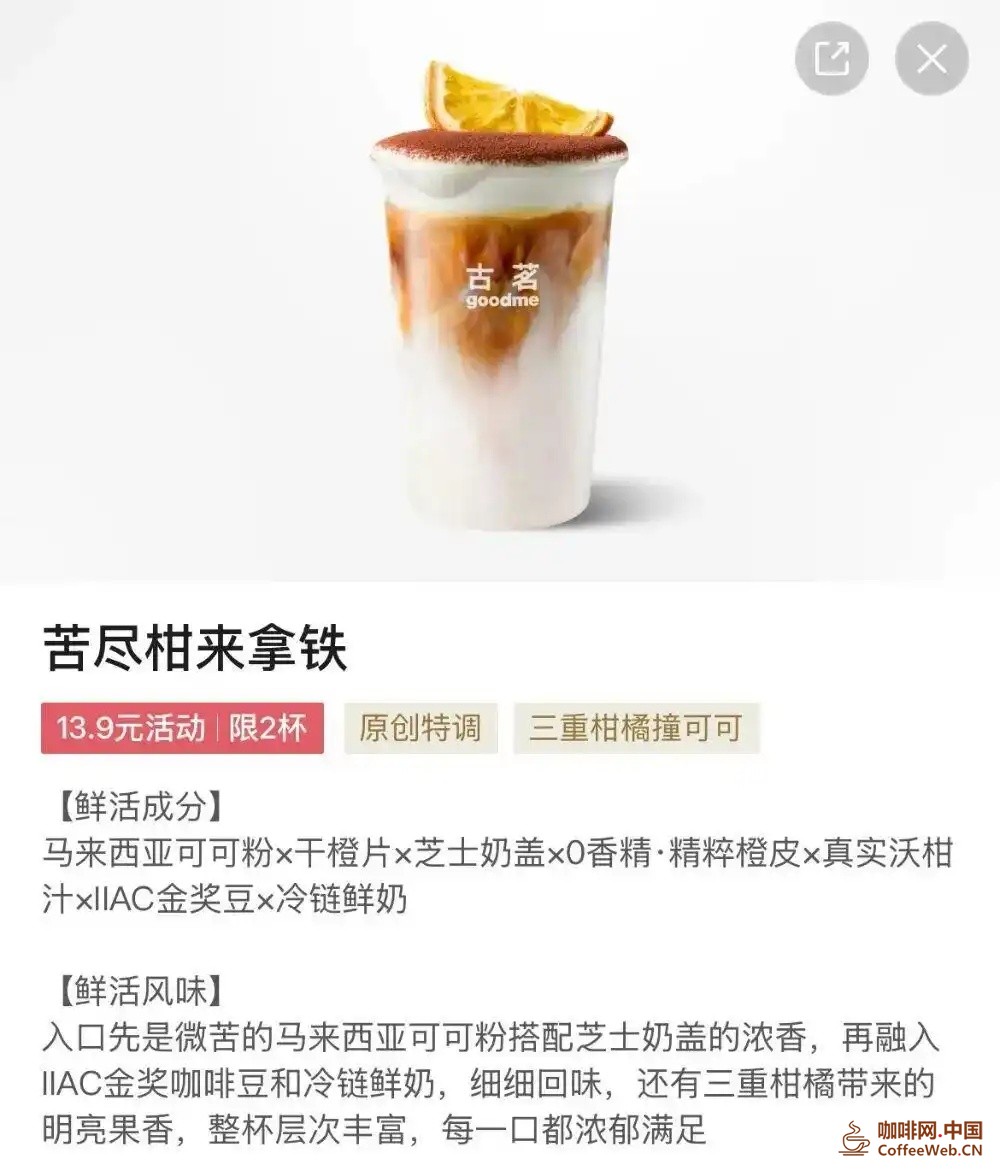
▲“苦尽柑来拿铁”产品信息 图源:古茗小程序
“凰家实验室”在专业食品实验室,用国标方法检测了6大品牌、9款热销风味拿铁,在热量排名靠前的3款,被奶茶品牌包揽,这些风味拿铁热量普遍也都高于常规咖啡。好喝的背后,暗含的是看不见的热量和糖分。
过去几年,整个现制饮品行业陷入了“加料内卷”的怪圈。商业的吊诡之处在于,当爆款奶茶习惯性的“堆料思维”被惯性地套进咖啡杯时,供需两端的错位便开始显现。
按照《中国居民膳食指南(2022)》“每日添加糖的摄入量不超过50克”的建议,很多风味拿铁单杯的糖含量就已经接近临界线,再加上厚乳、奶盖带来的脂肪,实质上成了隐形的肥胖源。
更隐蔽的问题在于,即便消费者主动选择“不另外加糖”,成品往往还有极强的甜感。所谓“牛奶自带的甜味”根本无法解释这种口感,事实上,这更多是基底乳和风味糖浆里早已调配好的隐性糖。消费者本以为买的是低负担的职场续命水,吸管插下去,得到的却是一杯高热量饮品。
从商业规律来看,“堆料甜品化”是一条被验证过的短效路径。它靠牺牲品类的核心心智来换取短期流量,红利期可能并不长久。
芝士奶盖就是最贴切的先例。2017年恒天然一家供应商就为奶盖茶卖出2亿份原料,业内喊“得奶盖者得天下”,结果三年不到,奈雪无糖纯茶销量反超奶盖茶,喜茶自己后来也把主力产品切回了纯茶和水果茶,如今从微信指数上看,奶盖奶茶的热度只剩水果茶的十分之一。
脏脏茶的周期则更短。2018年蹭“脏脏包”热度而来的脏脏茶,本质是黑糖珍珠奶茶换了挂杯的“皮”。巅峰期时,一杯从20元被黄牛炒到50元。但因为没有真正的产品壁垒,它的生命周期不到一年,就被下一个网红概念取代。
这条曲线和现在甜品化咖啡的轨迹几乎一模一样:用重乳脂、高糖浆堆出口感差异,短期靠视觉和营销冲销量,长期必然被干净配方反超。毕竟,没人会天天把甜品当水喝。
堆料可能带来流量款、视觉款,但唯一不是健康款、长期款。芝士奶盖和脏脏茶的宿命已经埋下启示:堆料靠的是营销周期,而不是产品力,退潮的速度,往往比想象中快。
必须承认,泛茶饮品牌在门店增设咖啡机,通过复用现有供应链、填补早间客流空档拉动营收,从商业逻辑层面看,这本身无可厚非。
事实上,这几年,现制饮品的边界本身正在消失。奶茶、咖啡一同演变为大众高频快消品,市场竞争持续加剧,竞争战场甚至下沉至县域市场。越来越多的万店连锁品牌诞生,也侧面说明行业内卷程度,效率不足就会掉队。
但当爆款奶茶的堆料思维,被惯性地套进咖啡杯时,平衡“成瘾性风味”与“长期健康需求”,成为了摆在所有跨界玩家和原生咖啡品牌面前的共同命题。
本质上,跨界奶茶是“强营收思维”,而专业咖啡是“强产品思维”。两者的出发点不同,也决定了产品路径的根本差异。
茶饮品牌偏向于“好喝导向”的风味研发。很多跨界品牌缺乏咖啡产业链的深度积累,在原材料上很难具备明显的成本优势。
为了平衡成本并保证口感的普适性,通常采用拼配豆,或成本更低的罗布斯塔豆,这种豆子杂味重、焦苦味浓,为了掩盖咖啡豆可能存在的焦苦与杂味,产品往往依赖“风味掩盖”——将咖啡液作为基底,叠加奶盖、冰淇淋和风味糖浆,将加料成本也降至最低。
然而,商业世界没有捷径,配料累积放在奶茶是性价比,但放在咖啡不仅容易陷入价格战,也背离了咖啡“日常、低负担”的核心用户心智。在全民低卡消费的趋势下,消费者在尝鲜过后,很难形成长期、高频的复购。
中国咖啡市场的培养相比奶茶更加滞后,早期的咖啡品牌面对的,是一个奶茶化的市场,审美、口味习惯都更偏向于奶茶。早期,瑞幸咖啡同样是凭借厚乳等甜口的风味拿铁打开了大众市场。不夸张地说,这是一批中国消费者的咖啡消费启蒙。
但经过这几年的市场竞争,咖啡的逻辑变成了“喝好”——追求咖啡本身的风味,这是一个减法逻辑,核心比拼供应链硬实力。
专业咖啡品牌的竞争核心,不再比拼配料堆砌带来的性价比,而是比拼核心产区直采、深度烘焙工艺等重资产布局,比拼优质 SOE 单品豆的供给能力,依靠咖啡豆原生独特风味占领用户心智。Manner能以亲民客单价站稳市场,靠的就是做平价精品咖啡,做到好喝不贵。
全球咖啡连锁巨头的发展史已经证明了这一点。早年不少巨头也曾依靠高糖高脂的风味产品拉动销量。但在健康潮的冲击下,市场迅速转向冷萃与植物基。时至今日更是如此,门店大量奶咖订单里,用户都会主动更换燕麦奶等低负担基底。
越来越多的咖啡品牌,选择把不加糖、可选植物奶、配料表透明当作标配,很多品牌甚至可以自选浓缩份数与奶的类型,本质是把健康选择权还给用户。
即便是面对下沉内卷的市场,拼到最后的底牌依然是刚需属性,而非无限堆料。用九块九的基础美式和拿铁,把咖啡做成了县城用户的低负担日常饮品。
所以,无论是全球头部、本土连锁、精品小店还是下沉市场,专业咖啡品牌普遍都做减法,低卡、植物基、干净配料,否则无法承接消费者“日常喝、低负担”的需求。
过去饮料品牌曾经因为“0蔗糖”和“0糖”的讨论,引发大范围的舆论讨论。商业史给我们的启示是:消费者可以接受“快乐水”是不健康的,例如可乐、奶茶;但看似健康提神的咖啡,如果因堆料而最终却成为热量炸弹,一旦“皇帝的新衣”被戳破,受损的将是整个行业。
回看全球消费史,现制饮品的终局不可避免地走向“轻负担、日常化、高频复购”,咖啡赛道尤其如此。咖啡的核心场景是通勤续命、办公提神,需要高频饮用,这就决定了“甜品化堆料”永远成不了主流。
上世纪90年代,星巴克曾经靠高糖高脂的星冰乐赚钱。但在2018年,全球健康潮时,星冰乐销量急速下滑,品牌增长陷入危机。星巴克内部就此开始一场隐秘的减糖行动,产品重心转向冷萃和植物基。再到现在,一个数据是,星巴克一二线城市里面,有近40%的奶咖订单被消费者主动换成了燕麦奶等植物基底。
在中国市场,这股风潮同样清晰可见。在大众市场突破之后,瑞幸在产品端做起了减法。从在点单时标配“半糖/少糖/不另外加糖”的控糖选择权,现在还推出了轻系植物基系列,本质上都是在顺应消费者的低负担诉求。
即便是库迪咖啡、幸运咖等主打下沉市场的平价连锁,其长期复购的护城河也并非依赖甜品化堆料,而是回到咖啡专业属性上,走高性价比的日常路线。
在小红书上,有大量咖啡品牌热量测评,一个明显的细节是,多数专业咖啡品牌风味拿铁热量也仅在200卡路里左右。某种程度上,这也是咖啡品牌经过市场竞争后的一种主动选择。
新华网发布的《2026年中国现制饮品健康趋势分析报告》数据很说明问题,当下消费者选购现制饮品时,超过三成优先关注配料表是否干净无添加,另有超过三成看重低卡与低糖属性;半数以上的消费者在购买时会主动要求少糖、去奶盖或更换植物奶,高频消费者中这一比例接近六成。大家不是不爱喝风味拿铁,是要“好喝又没负担”的,不是要“好喝但喝了愧疚半天”的。
市场对干净配方、轻负担饮品的需求,也在倒逼出一个更健康的咖啡供应链。B端原料厂商也开始冲着更健康的方向拼技术、做研发,推出“轻宜乳”“零反式脂肪酸厚乳”以及“低糖植物奶”,从源头上为现制饮品做减法。
与此同时,外部客观环境的约束也在加速推动行业变革。国内多个城市已经率先试点现制饮品的营养分级标签,将热量、糖分、脂肪含量直接标注在菜单上,让消费者点单一眼就能看明白。就如上海率先试点“营养选择”ABCD分级标签,直接把健康选择权交还给消费者。
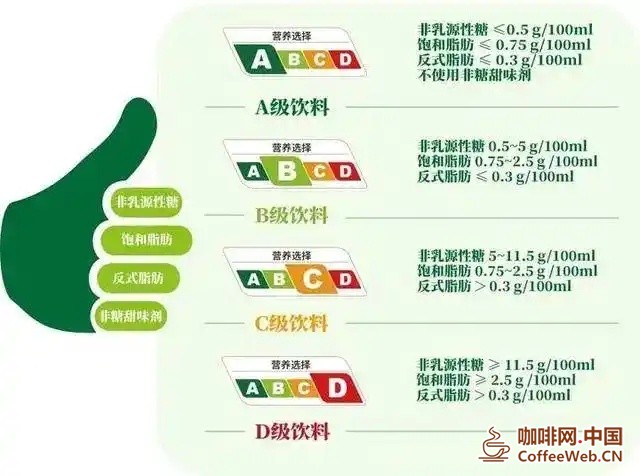
▲图源:上海疾控
当“隐秘的健康账”被彻底晒在阳光下,让消费者点单一眼就能看明白时,那些披着咖啡外衣、靠堆料维持高甜口感的产品,试错成本和流失速度将呈指数级上升。
消费的大换挡已然发生。卖糖的供应链巨头在研发代糖,做奶制品的巨头在琢磨“零反式脂肪酸”和“轻乳”。对于现制饮品品牌而言,真正的长期主义,不是用“好喝”的糖衣炮弹绑架消费者的味觉,而是用“喝好”的诚意回应真实的健康诉求。把配料表晒在阳光下,把选择权交给消费者,才能拿到未来的竞争力。
咖啡作为日常刚需,底层逻辑就是要低负担、可复购、经得起天天喝。这种基因层面的错配,决定了堆料甜品化的做法,从诞生起就不具备可持续性。
而靠堆料做甜品化咖啡的玩家,短期内能借助营销红利获得流量。但等消费者算清楚这笔健康账,等营养分级标签逐步铺开,等大家反应过来“花着咖啡的钱,买了杯奶茶热量的甜水”,退潮的速度可能会比当年的奶盖、脏脏茶还快。
毕竟,喝咖啡终究要回到日常、健康的本来样子。
更多精彩内容,关注钛媒体微信号(ID:taimeiti),或者下载钛媒体APP
AI Introduction
Coffee was originally a "life-saving drink" for migrant workers, but now it has been transformed into a "liquid dessert" by milk tea brands. When the calorie content of flavored latte is comparable to that of a double layered burger, this hidden "ingredient roll" is overturning the healthy image of coffee - consumers want low burden and refreshing drinks, while brands offer high sugar and high-fat traffic codes. Business history tells us that popular products made by stacking materials will eventually fade away, and only by returning to the essence of "everyday repurchase" can we win the real coffee market.
The content is intelligently generated by AI
useful
(The author of this article is Huashang Taolue, authorized by Titanium Media for publication)
Chinese Business Strategy
Coffee was originally the "lifeblood" for working people to resist fatigue. Under the trend of everyone quitting sugar, the public naturally equates drinking coffee with self-discipline and health.
However, when such mindset is transformed into market dividends, the freshly made beverage industry is experiencing a hidden "additive competition". More and more milk tea brands are entering the coffee business, adding milk caps and thick milk to latte, turning low calorie coffee into "liquid desserts". According to evaluation data, Guming's flavored latte labeled "no extra sugar" has a calorie content of up to 400 calories, equivalent to eating a double layered burger.
Behind the collective cross-border competition of milk tea brands, there are two sets of logical games: one is that consumers want coffee products that are "daily, low burden, and sustainable", and the other is that brands reuse old supply chains and thinking to find traffic and earn more revenue. When the "additive inertia" of explosive thinking collides with the "healthy subtraction" of the big era, the freshly made beverage track is ushering in a complete shift in consumption.
I don't know when it started, but more and more thick flavored latte with milk caps and thickened milk have entered the market. Tea brands such as Chabadao, Hushang Auntie, and Guming have joined the coffee war - low-cost reuse of milk tea supply chains. The original milk caps, syrup, and thick milk are directly transferred to the coffee product line, and with the addition of a coffee machine in the store, the products can be quickly launched.
But when the stacking logic of popular milk tea is trapped in the coffee cup. The most direct impact is that coffee, which appears to have health attributes, hides milk tea level calories.
This is not an exaggeration. Most consumers choose to buy coffee from tea brands because they assume it is "healthier than milk tea". But the truth behind it is that the calorie content of a sugar free latte can surpass that of dessert milk tea. The most representative one among them is Gu Ming's launch in January this year, and the regular version of the Bitter Gan Lai Latte has nearly 400 calories.
▲ "Bitter Gan Lai Latte" Product Information
Image source: Guming Mini Program
Huangjia Laboratory, located in a professional food laboratory, used national standard methods to test 6 major brands and 9 popular flavored latte brands. Among them, the top 3 in terms of calorie content were dominated by milk tea brands, and these flavored latte brands generally had higher calorie content than regular coffee. Behind the delicious taste, there are hidden calories and sugar that cannot be seen.
In the past few years, the entire freshly made beverage industry has fallen into a vicious cycle of "adding ingredients and internal competition". The paradox of business lies in the fact that when the habitual "stacking thinking" of popular milk tea is habitually applied to coffee cups, the mismatch between supply and demand begins to emerge.
According to the "Chinese Dietary Guidelines for Residents (2022)", which recommends that the daily intake of added sugar should not exceed 50 grams, the sugar content of many flavored latte cups is already close to the threshold. In addition, the fat brought by thick milk and milk caps has essentially become an invisible source of obesity.
A more subtle issue is that even if consumers voluntarily choose not to add sugar, the finished product often has a strong sweetness. The so-called 'inherent sweetness of milk' cannot explain this taste at all. In fact, it is more of an implicit sugar already mixed in the base milk and flavor syrup. Consumers thought they were buying low burden workplace longevity water, but when they inserted their straw, they received a high calorie drink instead.
From a business perspective, 'stacking ingredients for dessert' is a proven short-term path. It sacrifices the core mindset of its product category to gain short-term traffic, and the dividend period may not be long.
Cheese milk cap is the most appropriate precedent. In 2017, a supplier of Fonterra sold 200 million units of raw materials for milk tea, and the industry called it "whoever gets milk tea gets the world". However, in less than three years, the sales of Naixue sugar free pure tea exceeded that of milk tea. Heytea later switched its main products back to pure tea and fruit tea. Now, according to WeChat indicators, the popularity of milk tea with milk tea is only one tenth of that of fruit tea.
The cycle of dirty tea is shorter. The dirty tea that emerged in 2018 to ride on the popularity of "dirty bags" is essentially a replacement of black sugar pearl milk tea with a hanging cup of "skin". At its peak, a cup was fried by scalpers from 20 yuan to 50 yuan. But because there were no real product barriers, its lifecycle was replaced by the next internet celebrity concept in less than a year.
This curve is almost the same as the current path of sweetened coffee: using heavy cream and high syrup to pile up the difference of export sense, short-term vision and marketing will inevitably be overshadowed by clean formula in the long run. After all, no one drinks desserts like water every day.
Stacking materials may bring traffic and visual benefits, but the only ones are not healthy or long-term. The fate of cheese milk lids and dirty tea has already laid the foundation for inspiration: stacking materials relies on marketing cycles, not product strength, and the speed of decline is often faster than imagined.
It must be acknowledged that pan tea beverage brands have added coffee machines in their stores to drive revenue by reusing existing supply chains and filling the gap in morning customer flow. From a business logic perspective, this itself is understandable.
In fact, in recent years, the boundaries of freshly made beverages themselves are disappearing. Milk tea and coffee have evolved into high-frequency fast-moving consumer goods for the general public, and market competition continues to intensify, with the battlefield even sinking to county-level markets. More and more chain brands are emerging, which indirectly indicates the degree of competition within the industry. If efficiency is insufficient, one will fall behind.
But when the stacking mindset of popular milk tea is habitually applied to coffee cups, balancing "addictive flavors" and "long-term health needs" becomes a common proposition faced by all cross-border players and native coffee brands.
Essentially, cross-border milk tea is a 'strong revenue mindset', while professional coffee is a 'strong product mindset'. The different starting points of the two also determine the fundamental differences in product paths.
Tea beverage brands tend to focus on flavor research and development with a "delicious" orientation. Many cross-border brands lack deep accumulation in the coffee industry chain, making it difficult to have significant cost advantages in raw materials.
In order to balance costs and ensure the universality of taste, blended beans or lower cost Robusta beans are usually used. These beans have heavy mixed flavors and strong burnt bitterness. In order to conceal the possible burnt bitterness and mixed flavors of coffee beans, products often rely on "flavor masking" - using coffee liquid as the base, adding milk caps, ice cream, and flavor syrup to minimize the cost of additives.
However, there are no shortcuts in the business world. While the accumulation of ingredients in milk tea is cost-effective, placing it in coffee not only easily leads to price wars but also deviates from the core user mindset of "daily, low burden" coffee. Under the trend of low card consumption among the general public, it is difficult for consumers to form long-term and high-frequency repeat purchases after trying new things out.
The cultivation of the Chinese coffee market lags behind that of milk tea. Early coffee brands faced a market that was more like milk tea, with aesthetic and taste habits leaning more towards milk tea. In the early days, Luckin Coffee also opened up the mass market with its creamy and sweet flavored latte. It's not an exaggeration to say that this is the coffee consumption enlightenment of a group of Chinese consumers.
But after years of market competition, the logic of coffee has become "drinking well" - pursuing the flavor of coffee itself, which is a subtractive logic that competes with the hard power of the supply chain.
The core of competition for professional coffee brands is no longer to compete for the cost-effectiveness brought by ingredient stacking, but to compete for heavy asset layouts such as direct procurement from core production areas and deep roasting processes, to compete for the supply capacity of high-quality SOE individual beans, and to rely on the unique flavor of coffee beans to occupy the minds of users. Manner's ability to establish a foothold in the market with affordable prices is due to its ability to produce premium coffee that is both delicious and affordable.
The development history of global coffee chain giants has proven this point. In the early years, many giants also relied on high sugar and high-fat flavor products to drive sales. But under the impact of the health wave, the market quickly shifted towards cold extracts and plant-based products. Even more so today, among the large number of milk and coffee orders in stores, users will actively replace low burden bases such as oat milk.
More and more coffee brands are choosing to include unsweetened, optional plant-based milk, and transparent ingredient lists as standard. Many brands can even choose the concentration and type of milk they want, essentially returning the right to healthy choices to users.
Even in the face of a sinking and internal competition market, the ultimate trump card is still the essential attribute, rather than unlimited stacking of materials. Using the basic American style and latte of 9.9 yuan, coffee has been made into a low burden daily drink for county users.
So, whether it's global leaders, local chains, boutique shops, or lower tier markets, professional coffee brands generally make reductions by using low calorie, plant-based, and clean ingredients, otherwise they cannot meet consumers' demands for "daily drinking and low burden".
In the past, beverage brands have sparked widespread public discussion due to the discussion of "zero sucrose" and "zero sugar". The inspiration from business history is that consumers can accept that "happy water" is unhealthy, such as cola and milk tea; But seemingly healthy and invigorating coffee, if it becomes a heat bomb due to the accumulation of ingredients, once the "emperor's new clothes" are punctured, the entire industry will be damaged.
Looking back at the global consumption history, the ultimate trend of freshly made beverages is inevitably towards "light burden, daily use, and frequent repeat purchases", especially in the coffee industry. The core scenario of coffee is to prolong commuting and refresh oneself in the office, requiring frequent consumption, which determines that "dessert based stacking" will never become mainstream.
In the 1990s, Starbucks made money from its high sugar and high-fat Frappuccino. But in 2018, during the global health boom, Xingbingle's sales plummeted rapidly, and the brand's growth was in crisis. Starbucks has started a secretive sugar reduction campaign internally, shifting its focus to cold extracts and plant-based products. Up to now, one data point is that in Starbucks' first and second tier cities, nearly 40% of milk and coffee orders have been voluntarily switched to plant-based products such as oat milk by consumers.
In the Chinese market, this trend is also clearly visible. After breaking through in the mass market, Luckin Coffee started to reduce its product line. From the standard sugar control option of "half sugar/low sugar/no additional sugar" when placing an order, to the introduction of the light plant-based series, essentially catering to consumers' demand for low burden.
Even low-priced chains such as Kudi Coffee and Lucky Coffee, which focus on the lower tier market, do not rely on dessert stacking as their long-term purchasing moat. Instead, they return to the professional attributes of coffee and take a daily route of high cost-effectiveness.
On Xiaohongshu, there are a large number of coffee brand calorie evaluations, and an obvious detail is that most professional coffee brand flavored latte only has around 200 calories. To some extent, this is also an active choice made by coffee brands after market competition.
The data from the "2026 Health Trend Analysis Report on Chinese Freshly Made Beverages" released by Xinhua News Agency is very indicative. Currently, more than 30% of consumers prioritize whether the ingredient list is clean and free of additives when purchasing freshly made beverages, and more than 30% value low calorie and low sugar properties; More than half of consumers will actively request less sugar, remove milk caps, or replace plant-based milk when purchasing, and this proportion is close to 60% among high-frequency consumers. It's not that people don't like to drink flavored latte, they want it to be "delicious without burden", not to be "delicious but feel guilty after drinking it for a long time".
The market's demand for clean formulas and lightweight beverages is also driving a healthier coffee supply chain. B-end raw material manufacturers have also begun to focus on technology and research and development towards a healthier direction, launching "lightweight milk", "zero trans fatty acid thick milk", and "low sugar plant-based milk" to reduce the cost of freshly made beverages from the source.
At the same time, the constraints of the external objective environment are also accelerating the transformation of the industry. Several cities in China have taken the lead in piloting nutrition grading labels for freshly made beverages, directly labeling calorie, sugar, and fat content on menus, making it easy for consumers to understand at a glance. Just like how Shanghai took the lead in piloting the "Nutrition Choice" ABCD grading label, directly returning the right to health choices to consumers.
▲ Image source: Shanghai CDC
When the 'hidden health account' is thoroughly exposed to the sun, making it easy for consumers to understand with a single glance, the trial and error costs and turnover rate of products that are wrapped in coffee and rely on stacking materials to maintain a high sweet taste will increase exponentially.
The major shift in consumption has already occurred. Sugar supply chain giants are developing sugar substitutes, while dairy giants are exploring "zero trans fatty acids" and "light milk". For freshly made beverage brands, true long termism is not about using "delicious" sugar coated bullets to hijack consumers' taste buds, but about responding to real health demands with sincerity in "drinking well". Expose the ingredient list to sunlight and give consumers the right to choose in order to gain future competitiveness.
As a daily necessity, the underlying logic of coffee is to have low burden, repurchase, and withstand drinking every day. This genetic mismatch determines that the practice of making piled up desserts is unsustainable from its inception.
Players who rely on stacking ingredients to make dessert coffee can gain traffic in the short term through marketing dividends. But once consumers have figured out this health bill, when nutrition grading labels gradually roll out, and when everyone realizes that they are spending money on coffee and buying a cup of sweet water with milk tea calories, the speed of the tide may be faster than the milk cap and dirty tea of the past.
After all, drinking coffee will eventually return to its normal and healthy state.
For more exciting content, follow the Titanium Media WeChat account (ID: taimeiti), or download the Titanium Media App