独特路径!“贵阳咖啡”破局全国市场Unique Path! Guiyang Coffee breaks through the national market
2026年7月,世界咖啡冲煮大赛中国区总决赛首次跳出华东核心区,落地贵阳。当行业目光聚焦这座西南省会时,一个极具反差的产业现象正浮出水面:这里不产一粒咖啡豆,却跑出了全国增速最快的咖啡消费市场,更凭借6家持SC食品生产许可证的精品烘焙工厂,把自家烘焙的咖啡豆卖到了全国消费者的咖啡杯里。
从“咖啡消费网红城”到“精品烘焙输出地”,贵阳正在中国咖啡版图上走出一条完全跳出“原料产地依赖”的独特路径。
从门店到上游:
贵阳烘焙的“合规觉醒”
贵阳咖啡产业的起点,最初是快速膨胀的本地消费市场——数据显示,当地咖啡消费年均增速达18%,全市咖啡门店超3000家,旺盛的本土需求先养出了一批懂风味、懂市场的本土咖啡人。而真正推动他们从“卖咖啡”转向“做烘焙”的,是两个绕不开的核心诉求。

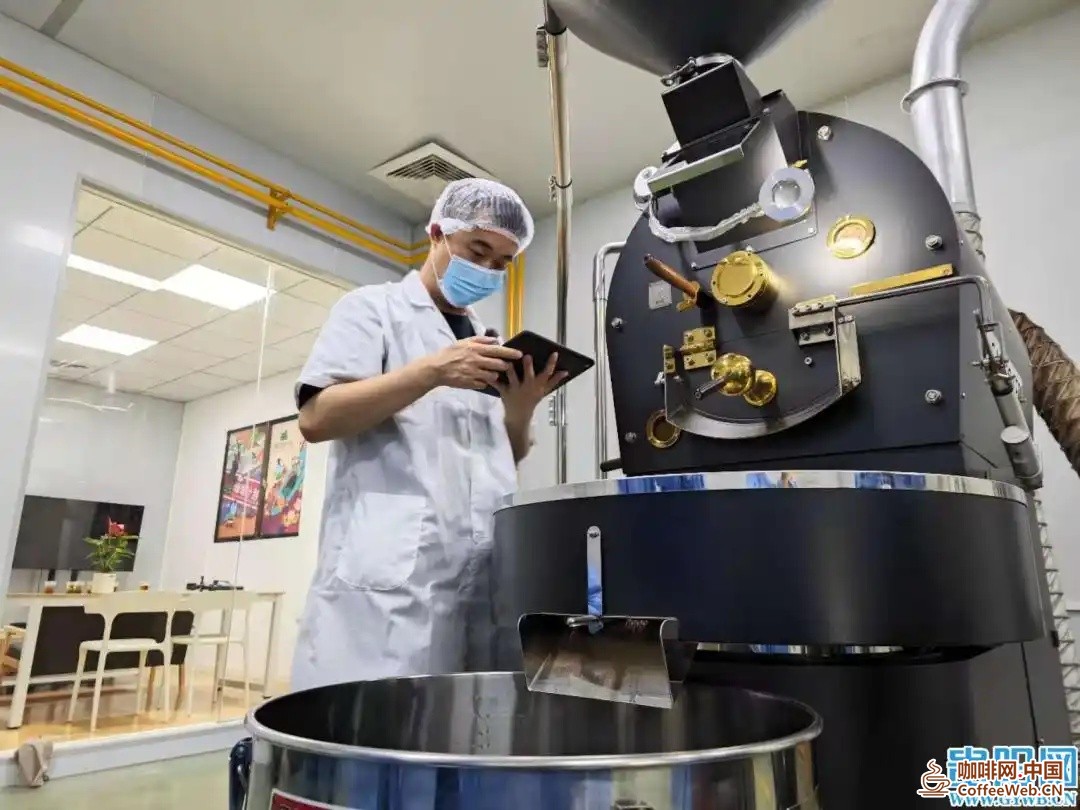
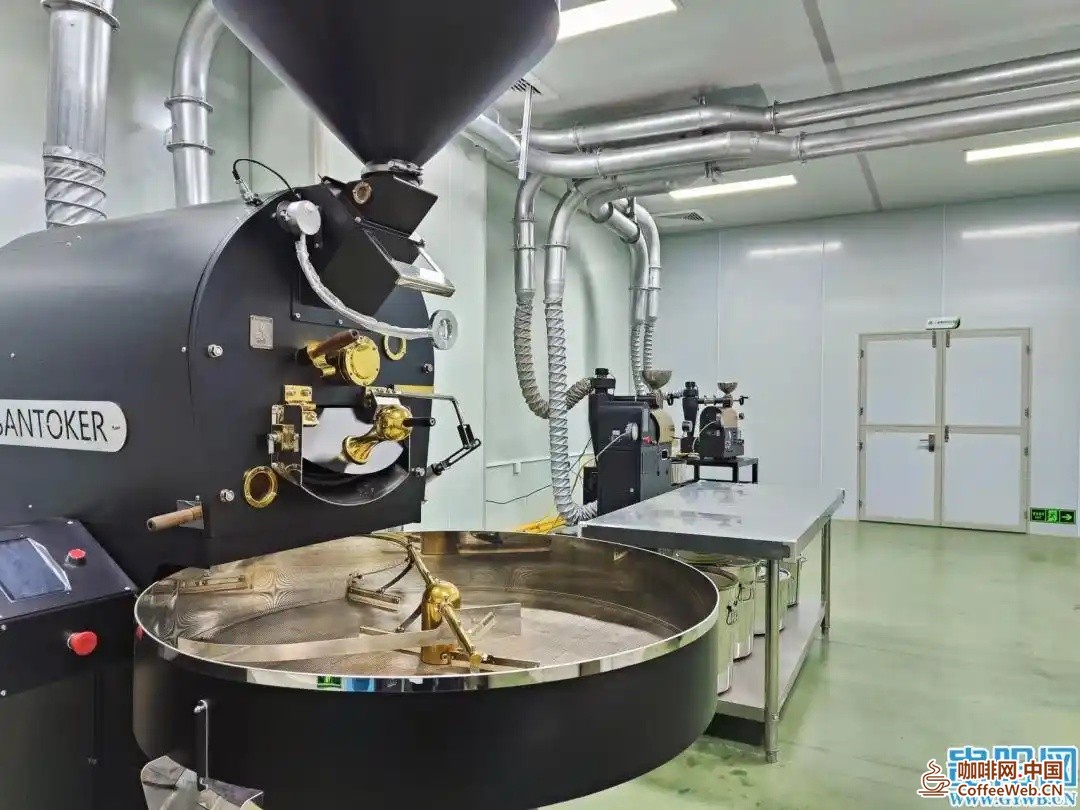
黑石咖啡位于龙洞堡食品工业园的“珊瑚计划”烘焙工厂2024年才正式投产,目前月均产量约1.5吨,规模不算大,却是贵阳本土咖啡品牌从终端门店向产业链上游延伸的典型样本。品牌主理人雷鸣坦言,建厂的第一动因是“风味自主权”:“同样的生豆,不同烘焙师手里出来的调性完全不一样,想要完全贴合自己门店和产品的味道,只能自己上手做。”
而第二个更关键的动因,是合规门槛的倒逼。咖啡作为食品品类,只有拿到SC生产许可证,才能合法合规地在线上渠道面向全国销售。在此之前,贵阳不少小型烘焙作坊已经开始尝试自烘自用。目前全市6家持SC资质的咖啡烘焙工厂,几乎都是本土品牌从线下门店成长起来后,主动完成的一次“产业升级”。
高原烘焙:
用技术壁垒把“劣势”变成“特色”
咖啡烘焙对风味的影响有多大?雷鸣用一个生动的比喻解释:“就像南方的鱼香肉丝和北方的做法,呈现出来的口感和状态都不同。”
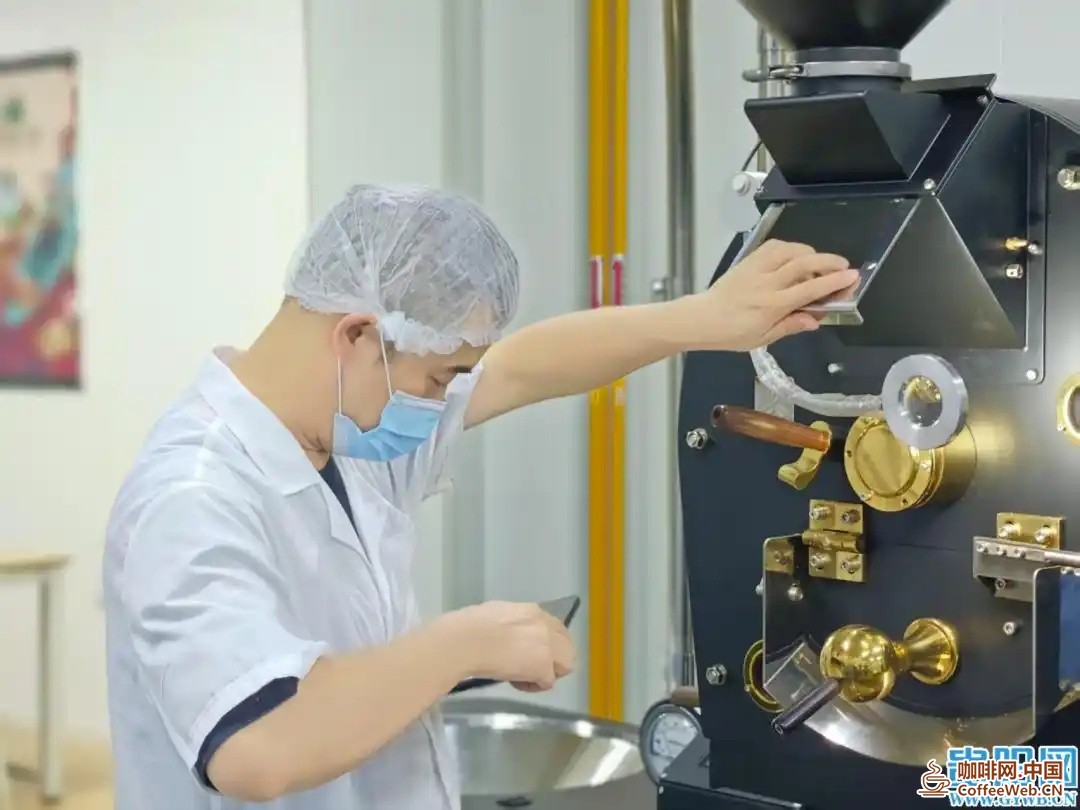
同一支生豆,浅烘焙会保留大量有机酸和花香果香调性,酸度明亮;中烘焙甜感增强,酸度下降,醇厚度提升;深烘焙则进入焦糖化甚至干馏反应阶段,呈现黑巧克力般的醇厚苦感。“但咖啡烘焙是目前食品化学领域都没有定论的复杂过程,”雷鸣强调,“豆子一加热,所有化学反应同时发生,只是不同温区剧烈程度不同。要靠大量的实战积累去判断火力和风力的配合,这是烘焙师最难也最稀缺的能力。”
而贵阳的烘焙师,从一开始就面对全国其他产区没有的“特殊考卷”:云贵高原独特的低气压、常年高湿度、与沿海地区差异显著的年均气温,让同一支生豆用完全相同的参数烘焙,在贵阳和在上海会得到两款风味截然不同的产品。
没有现成的经验可以照搬,贵阳的烘焙师们只能从零开始,针对本地气候反复调试、打磨专属的烘焙方案。这份被逼出来的技术沉淀,反而成了贵阳烘焙圈独有的壁垒,让这里产出的咖啡豆,拥有了区别于平原产区的独特风味表达。
双重压力下,贵阳烘焙如何破局全国市场?
谈及生存压力,雷鸣直言不讳,首当其冲的是原材料成本压力:2025年国际咖啡期货价格波动,直接带动进口生豆成本上涨近120%,终端产品售价却无法同步上调,不少消费者对“9块9”的低价豆形成了认知惯性,很难理解精品生豆与精细烘焙背后的价值差异。
更棘手的是物流短板:贵阳不靠海、不沿边,进口生豆大多需要先运抵上海、广州的港口,再通过铁路二次转运入黔,拉长了供应链周期,也推高了综合成本。雷鸣透露,行业此前已向相关部门反馈过这一痛点,部分针对性的物流优惠政策已经出台,但要完全覆盖成本缺口仍有距离,探索一条更短、成本更低的原料通道还在继续。
从“星星之火”到产业闭环:
“咖啡冠军之城”的下一站
如今的贵阳咖啡烘焙产业,正站在从“小而散”向“精而专”转型的关键节点上。贵阳咖啡行业各自在细分赛道上积累用户、打磨产品,而政策端的持续发力,正在为这片产业土壤添砖加瓦。
2026年初,《贵阳市促进咖啡产业发展实施意见》正式出台,从引种试种、加工集聚、赛事补贴到人才培育,为整个产业搭建起了全链条的扶持框架;去年8月,贵阳咖啡产业学院在贵阳职业技术学院挂牌成立,系统培养烘焙、冲煮、品控等全环节的专业人才,补上了此前行业靠“师徒传帮带”的人才短板。
从没有一粒咖啡豆的原料空白地,到拥有全国顶尖赛事、数千家门店、6家合规烘焙工厂的“咖啡冠军之城”,贵阳的咖啡产业从来没有走“靠原料吃饭”的路。未来,补上原材料成本、区位物流、产业链不完整的短板,打通完整产业闭环,这座不产咖啡豆的西南城市,完全有机会在中国咖啡版图上,走出一条属于自己的“烘焙”之路。
In July 2026, the final of the World Coffee Brewing Competition in China broke out of the core area of East China for the first time and landed in Guiyang. When the industry's attention is focused on this southwestern provincial capital, a highly contrasting industrial phenomenon is emerging: it does not produce a single coffee bean, but has run out of the fastest-growing coffee consumption market in the country. With six boutique roasting factories holding SC food production licenses, it has sold its own roasted coffee beans to coffee cups of consumers across the country.
From a "coffee consumption internet celebrity city" to a "boutique baking export destination", Guiyang is forging a unique path on the Chinese coffee map that completely breaks away from the "dependence on raw material production areas".
From store to upstream:
The 'Compliance Awakening' of Guiyang Baking
The starting point of Guiyang's coffee industry was the rapidly expanding local consumer market - data shows that local coffee consumption has an average annual growth rate of 18%, with over 3000 coffee shops in the city. The strong local demand has nurtured a group of local coffee enthusiasts who understand the flavor and market. The two core demands that truly drive them from "selling coffee" to "making baking" are inseparable.
The "Coral Plan" roasting factory of Blackstone Coffee located in Longdongbao Food Industry Park will not officially start production until 2024. Currently, the average monthly output is about 1.5 tons, which is not a large scale. However, it is a typical example of local coffee brands in Guiyang extending from terminal stores to the upstream of the industrial chain. Brand owner Lei Ming frankly stated that the first motivation for building the factory is "flavor autonomy": "The same raw beans, different roasters have completely different tones in their hands. If you want to fully match the taste of your store and products, you can only do it yourself
The second more crucial driving force is the push for compliance thresholds. As a food category, coffee can only be sold legally and compliantly through online channels nationwide by obtaining an SC production license. Prior to this, many small baking workshops in Guiyang had already started experimenting with self baking for their own use. At present, almost all of the six coffee roasting factories in the city that hold SC qualifications have undergone an "industrial upgrade" initiated by local brands after growing from offline stores.
Highland baking:
Using technological barriers to turn 'disadvantages' into' characteristics'
How much does coffee roasting affect flavor? Lei Ming used a vivid metaphor to explain: "Just like the fish flavored shredded meat in the south and the cooking methods in the north, the taste and state presented are different
The same raw bean, lightly baked, will retain a large amount of organic acids and floral and fruity aromas, with bright acidity; Mid baking enhances sweetness, reduces acidity, and increases alcohol content; Deep baking enters the caramelization or even dry distillation reaction stage, presenting a rich and bitter taste similar to dark chocolate. But coffee roasting is a complex process that currently has no consensus in the field of food chemistry, "Lei Ming emphasized." When beans are heated, all chemical reactions occur simultaneously, but the intensity varies in different temperature zones. It requires a lot of practical experience to judge the combination of firepower and wind power, which is the most difficult and scarce ability for roasters
The bakers in Guiyang, from the very beginning, faced the "special examination paper" that other production areas in China did not have: the unique low pressure, perennial high humidity, and the annual average temperature that is significantly different from the coastal areas in the Yunnan-Guizhou Plateau, so that the same raw bean can be baked with the same parameters, and two products with different flavors will be obtained in Guiyang and Shanghai.
There is no ready-made experience to copy, so bakers in Guiyang can only start from scratch, repeatedly adjust and polish exclusive baking plans based on the local climate. This forced technological accumulation has become a unique barrier in the Guiyang roasting industry, giving the coffee beans produced here a unique flavor expression that is different from those in plain production areas.
Under dual pressure, how can Guiyang Bakery break through the national market?
When it comes to survival pressure, Lei Ming speaks frankly, with the first and foremost being the pressure of raw material costs: the fluctuation of international coffee futures prices in 2025 directly drives up the cost of imported green beans by nearly 120%, but the end product prices cannot be raised synchronously. Many consumers have formed a cognitive inertia towards low-priced beans priced at "9.9 yuan", and it is difficult to understand the value difference between high-quality green beans and fine roasting.
What's even more tricky is the logistics shortcoming: Guiyang is not near the sea or the border, and most imported raw beans need to be transported to ports in Shanghai and Guangzhou first, and then transported to Guizhou by railway for a second time, which prolongs the supply chain cycle and increases overall costs. Lei Ming revealed that the industry has previously reported this pain point to relevant departments, and some targeted logistics preferential policies have been introduced. However, there is still a way to go to fully cover the cost gap, and exploring a shorter and lower cost raw material channel is still ongoing.
From the 'spark of stars' to the closed-loop of industries:
The next stop of 'City of Coffee Champions'
The coffee roasting industry in Guiyang is currently at a critical juncture of transitioning from "small and scattered" to "refined and specialized". The coffee industry in Guiyang is accumulating users and refining products in segmented tracks, and the continuous efforts of the policy side are adding bricks and tiles to this industrial soil.
At the beginning of 2026, the "Implementation Opinions on Promoting the Development of Coffee Industry in Guiyang City" was officially issued, which provided a full chain support framework for the entire industry from introduction and trial planting, processing and agglomeration, competition subsidies to talent cultivation; Last August, Guiyang Coffee Industry College was established in Guiyang Vocational and Technical College, which systematically cultivates professional talents in all aspects of baking, brewing, quality control, etc., filling the talent gap of the industry relying on "mentorship".
From having no blank space for coffee beans, to the "Coffee Champion City" with top national competitions, thousands of stores, and 6 compliant roasting factories, Guiyang's coffee industry has never taken the path of "relying on raw materials to make a living". In the future, by filling in the gaps in raw material costs, location logistics, and incomplete industrial chains, and opening up a complete industrial closed loop, this southwestern city that does not produce coffee beans has a great opportunity to carve out its own path of "roasting" on the coffee map of China.