
从活得老到活得好,在科学咖啡馆寻找“老而不衰”的科学答案From living old to living well, search for the scientific answer of "aging without aging" in a science caf é
潮新闻客户端 记者 林辰辰
“也许将来,人是有可能会长生不老的。”
日前,浙江清华长三角研究院生物技术与医药研究所所长、清华大学生命科学学院长聘教授邓海腾以这句话作为主旨报告的结尾,面向台下观众微笑说道。
当天是由浙江省科学技术协会指导,浙江清华长三角研究院主办,潮新闻承办的科学咖啡馆活动,汇聚科学家、投资人、青年学者与企业代表,共同探讨“靶向衰老:延长健康寿命的新前沿”的核心命题。
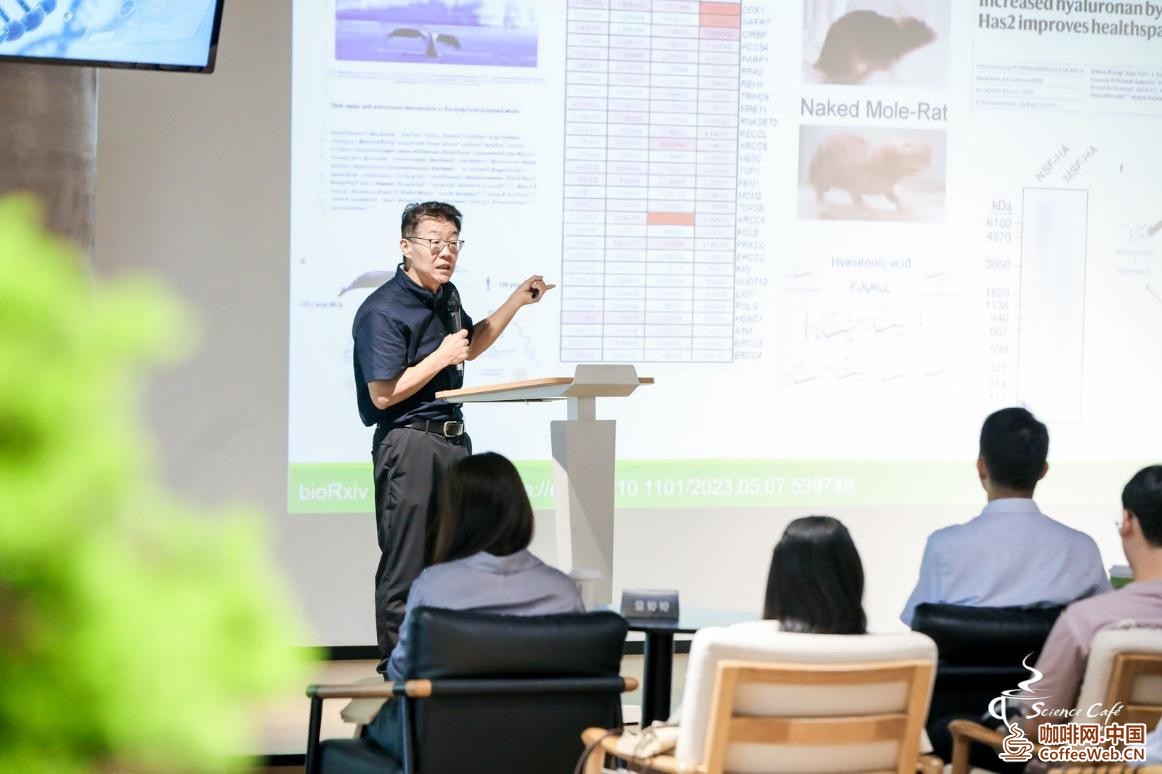
浙江清华长三角研究院生物技术与医药研究所所长、清华大学生命科学学院长聘教授邓海腾
作为长期深耕衰老领域研究的科学家,邓海腾教授不仅为大家带来了“长生不老”的美好愿景,还描绘了一幅“如何延缓衰老”的科技蓝图。
当前,全国人均预期寿命已达79岁,但健康预期寿命却与之相差约8年。“人均预期寿命和健康寿命并不相同。”这8年,是许多老人与慢性病、失能、认知衰退相伴的漫长时光,也是医学和生命科学最想“填平”的鸿沟。
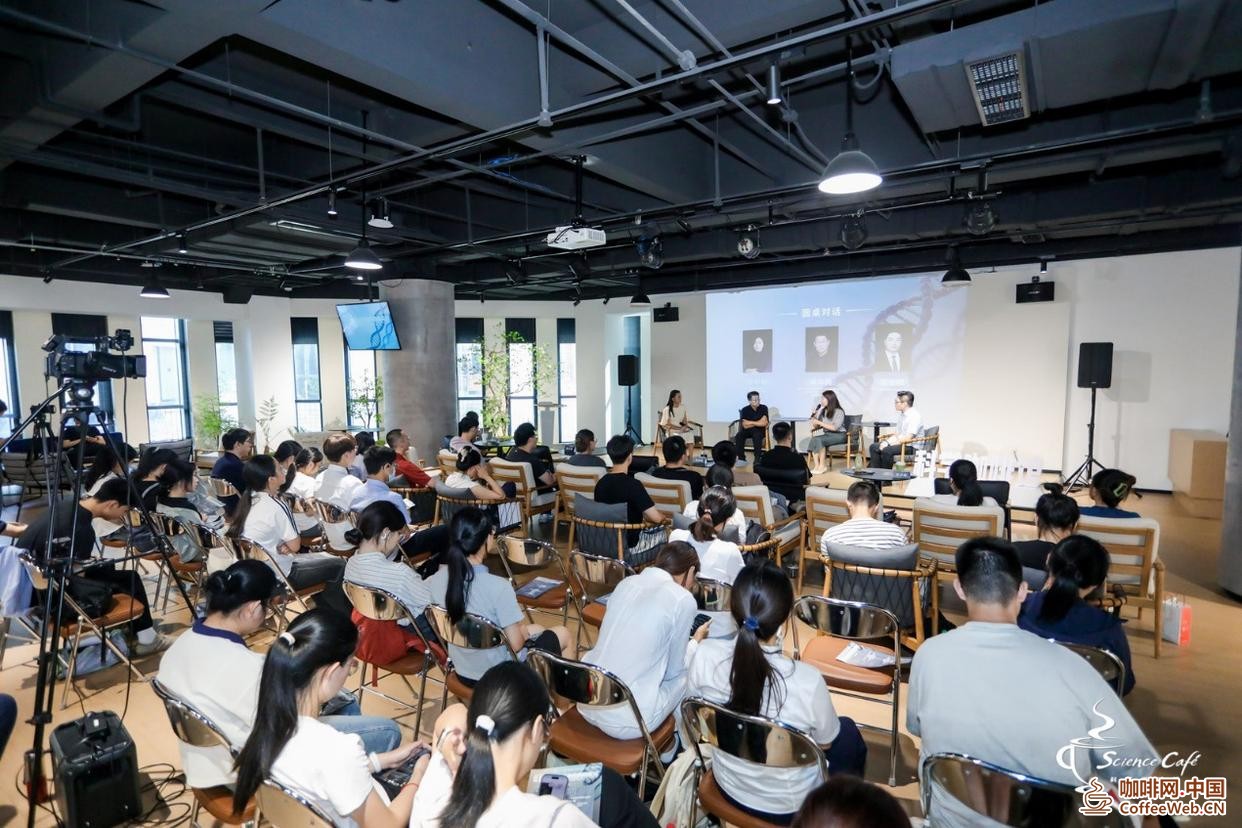
活动现场
在主旨报告中,邓教授把“如何延缓衰老”拆解成了一道可操作的方程式,带领大家先找到加速衰老的“坏因素”,再研发对抗它们的“好武器”。
有些看得见的生活习惯,比如过度的能量摄入,就是加速我们衰老的“坏因素”。适当的热量限制(如间歇性禁食)会促使机体产生酮体等内源性代谢物,已有研究表明,长期坚持热量限制的人群,其与衰老延缓相关的生理指标(如DHEA等激素水平)表现更优;此外,有研究表明,规律运动有助于延缓或降低阿尔茨海默病等神经退行性疾病的发生风险……
“衰老是一种系统性的衰退,不能仅仅依靠一种药物或简单的干预方式来解决。需要采取更全面的生活方式改变,包括营养、心理和睡眠等方面进行综合管理。”邓海腾教授表示,抗击衰老,不仅是为了维持青春活力,也将预防众多重大慢性疾病的发生。
如何“活得久”又“活得好”?是全球科学家们正在努力搜寻的答案。现场,邓海腾团队展示了一套由团队首创的,基于蛋白质组学的检测体系。“大概只需要用大约5滴血的样本量,就能测算出人体的生物年龄,还将涵盖器官年龄评估、肿瘤风险、阿尔茨海默病风险,以及激素水平等多个维度。”从测龄、预警、干预到再验证,形成完整的健康管理闭环后,团队期望做到的,不只是人类数字上的长寿,而是生命质量上的“老而不衰”。
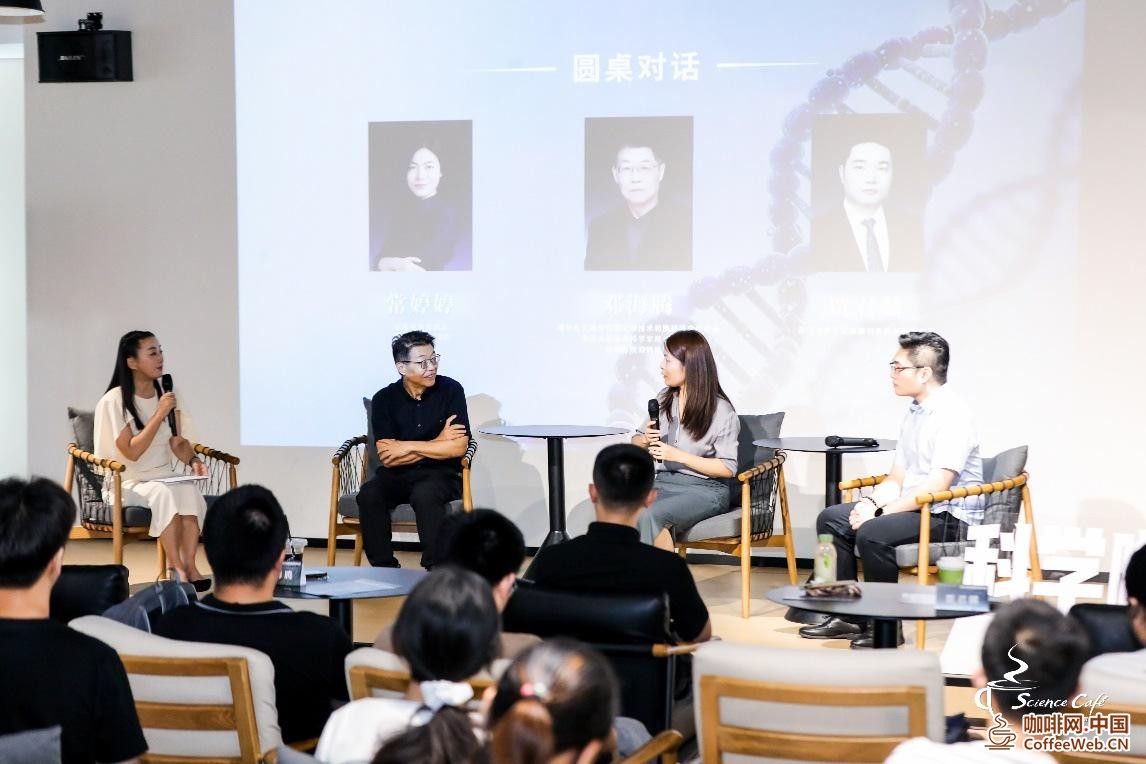
活动现场
技术蓝图已然清晰,但真正的问题才刚开始:这些前沿成果,如何加速从实验室的论文走向寻常百姓家?圆桌对话环节,求是资本合伙人、凤皇谷医疗CEO常婷婷,浙江大学数智健康研究院专职研究员贾君麟和邓海腾围坐一起,将这场“对抗衰老”的讨论,延伸到了产业发展和普通人的生活。
面对“产学研如何真正协同”这一核心命题,他们的共识清晰而务实:抗衰老技术的转化是一场科研、产业、监管与市场从始至终的协同对话,当以产业真实场景、百姓健康需求为导向,全研发周期保持学界、产业双向互动,最终产出的产品才会更容易落地、通过监管、面向市场。

活动现场
值得一提的是,当天的现场观众中,有20位来自浙江中医药大学第一临床医学院“步履浙江·知行共践四高一重”社会实践团的同学。他们正利用暑假在浙江省11个地市开展调研,聚焦高血压、高血糖、高血脂、高尿酸及肿瘤这“四高一重”在基层筛查与管理中的现状。队员王钦涵在活动结束后难掩兴奋:“邓教授团队在衰老精准评估和干预方面的研究让我意识到,衰老是可以被检测和干预的。这让我更清楚地认识到我们团队调研的意义,希望为科学家们的研究提供更多来自一线的真实参考。”
(主办方供图)“转载请注明出处”
Reporter Lin Chenchen from Tide News Client
Perhaps in the future, it is possible for humans to live forever
Recently, Deng Haiteng, Director of the Institute of Biotechnology and Medicine at the Zhejiang Tsinghua Yangtze River Delta Research Institute and a long-term professor at the School of Life Sciences, Tsinghua University, concluded his keynote speech with this sentence and smiled at the audience in the audience.
On that day, the Science Cafe event was guided by the Zhejiang Association for Science and Technology, hosted by the Zhejiang Tsinghua Yangtze River Delta Research Institute, and organized by Chao News. It gathered scientists, investors, young scholars, and business representatives to jointly explore the core proposition of "Targeting Aging: A New Frontier for Extending Healthy Lifespan".
Deng Haiteng, Director of the Institute of Biotechnology and Medicine at the Zhejiang Tsinghua Yangtze River Delta Research Institute and Professor of Life Sciences at Tsinghua University
As a scientist who has been deeply involved in the field of aging research for a long time, Professor Deng Haiteng not only brings the beautiful vision of "immortality" to everyone, but also depicts a technological blueprint for "how to delay aging".
Currently, the average life expectancy in China has reached 79 years, but the difference in healthy life expectancy is about 8 years. The average life expectancy and healthy life expectancy are not the same. These 8 years have been a long time for many elderly people to suffer from chronic diseases, disabilities, and cognitive decline, and it is also the gap that medicine and life sciences most want to "fill".
Event site
In the keynote speech, Professor Deng broke down "how to delay aging" into an actionable equation, leading everyone to first identify the "bad factors" that accelerate aging, and then develop "good weapons" to combat them.
Some visible lifestyle habits, such as excessive energy intake, are the "bad factors" that accelerate our aging process. Appropriate calorie restriction (such as intermittent fasting) can promote the production of endogenous metabolites such as ketones in the body. Previous studies have shown that individuals who adhere to long-term calorie restriction exhibit better physiological indicators related to aging delay, such as hormone levels like DHEA; In addition, studies have shown that regular exercise can help delay or reduce the risk of neurodegenerative diseases such as Alzheimer's disease
Aging is a systemic decline that cannot be solved by just one medication or simple intervention. More comprehensive lifestyle changes, including nutrition, psychology, and sleep management, are needed. "Professor Deng Haiteng said that fighting aging is not only to maintain youthful vitality, but also to prevent the occurrence of many major chronic diseases.
How to "live long" and "live well"? It is the answer that scientists around the world are striving to search for. On site, Deng Haiteng's team demonstrated a detection system based on proteomics, which was pioneered by the team. With a sample size of approximately 5 drops of blood, the biological age of the human body can be calculated, covering multiple dimensions such as organ age assessment, tumor risk, Alzheimer's disease risk, and hormone levels. After forming a complete health management loop from age measurement, warning, intervention to revalidation, the team hopes to achieve not only digital longevity for humans, but also "aging without aging" in terms of quality of life.
Event site
The technical blueprint is already clear, but the real problem is just beginning: how can these cutting-edge achievements accelerate from laboratory papers to ordinary households? During the roundtable dialogue session, Chang Tingting, a partner of Qiushi Capital and CEO of Fenghuanggu Medical, Jia Junlin, a full-time researcher at Zhejiang University's Smart Health Research Institute, and Deng Haiteng sat together to extend the discussion on "anti-aging" to industrial development and the lives of ordinary people.
In the face of the core proposition of "how to truly collaborate between industry, academia, and research", their consensus is clear and pragmatic: the transformation of anti-aging technology is a collaborative dialogue between scientific research, industry, regulation, and market from beginning to end. When guided by real industrial scenarios and the health needs of the people, the entire R&D cycle maintains two-way interaction between academia and industry, and the final output products are easier to implement, pass regulation, and face the market.
Event site
It is worth mentioning that among the live audience on that day, there were 20 students from the "Walking Zhejiang, Knowledge and Action, Four Highs and One Heavy" social practice team of the First Clinical School of Zhejiang University of Chinese Medicine. They are conducting research in 11 cities in Zhejiang Province during the summer vacation, focusing on the current situation of the "four highs and one heavy" of hypertension, hyperglycemia, hyperlipidemia, hyperuricemia, and tumors in grassroots screening and management. Team member Wang Qinhan couldn't hide her excitement after the event: "Professor Deng's team's research on precise assessment and intervention of aging has made me realize that aging can be detected and intervened. This has made me more aware of the significance of our team's research, and I hope to provide more real references from the front line for scientists' research
(Image provided by the organizer) "Please indicate the source when reprinting"