209亿元!百胜中国半年报出炉,肯悦咖啡今年要冲20亿20.9 billion yuan! Yum China's semi annual report released, Kenyue Coffee aims to reach 2 billion this year
The following article is from 小食代 Author 潘娴
作者:潘娴
来源:小食代(ID:foodinc)
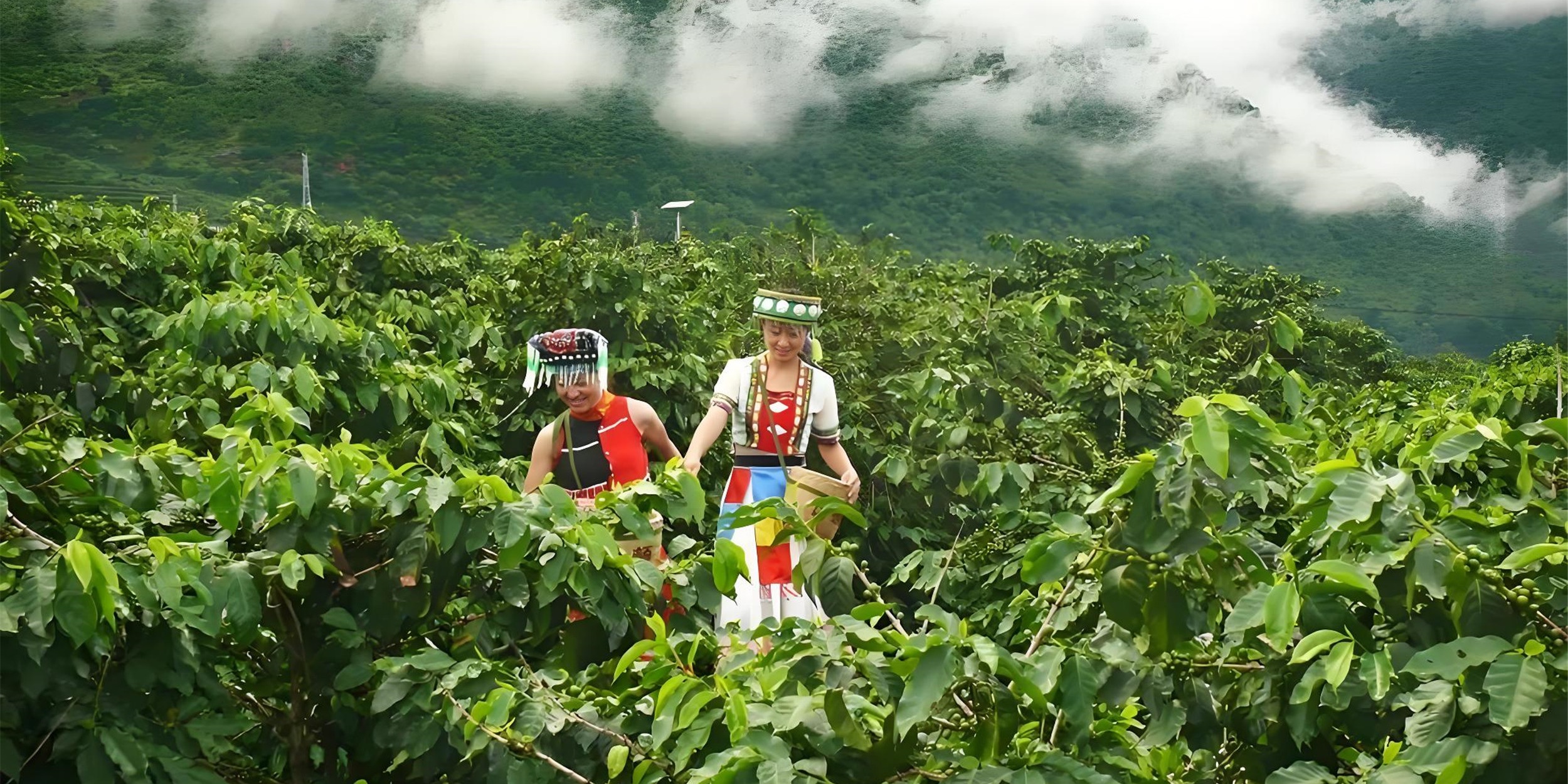
封面图来源:小红书 @肯律轻食主理人
从基本盘到多元化创新,百胜中国的步子都越迈越快了。
该公司 7 月 30 日披露的 2026 半年报显示,第二季度,百胜中国已连续第九个季度同时取得系统销售额增长、经营利润增长及经营利润率提升。
上半年,其净新增约 1200 家门店,较去年同期显著提速,并进入逾 200 个新城市,自营店和加盟店的扩张速度均同比加快。
值得一提的是,该公司还首次公布了多项创新业态的经营数据,包括咖啡、轻食等。这些在过去三年间相继落地或提速扩张的业态,都已经或即将达到十亿人民币规模。这一体量约等于百胜中国去年收入的 1%。
在业绩会议上,百胜中国买下内地必胜客品牌所有权后的变化、规划也成了关注焦点。下面,我们来第一时间关注下。
1
创新业务
" 我们突破性的‘肩并肩’模块正在快速拓展,在高线城市尤其如此。" 百胜中国首席执行官屈翠容(Joey Wat)说。
近年来,百胜中国的创新业态大多采用 " 肩并肩 " 模式。
区别于行业常见的以独立门店探索创新," 肩并肩 " 特点在于轻资产拓展,即依托于肯德基或必胜客已有餐厅开店,并共享后厨设备、员工等资源,通过差异化产品与体验去抢占新场景、新人群。
典型案例包括肯德基的肯悦咖啡、肯律轻食 ( KPRO ) 、以及必胜客的必胜汉堡模块。
具体来看,屈翠容指出,肯悦咖啡门店已超 3300 家,预期到 2027 年底达到 5000 家。除咖啡产品外,肯悦咖啡正拓展其茶饮及食品选择,包括更多蛋挞口味及早餐搭配。
百胜中国首席财务官丁晓则表示,肯悦咖啡的 5000 店达成时间较原先提前了两年,关键前提是日均销售杯数保持健康增长。
随着现制饮品的外卖竞争趋于理性、消费者对品牌认知的加强,肯悦咖啡现时的日均销售杯数高于 " 外卖大战 " 前。
专注轻食赛道的 KPRO 则时隔一个季度再次上调开店目标。
据屈翠容透露,KPRO 目前已超 450 家,表现高于预期。继此前将 2026 年店数目标从 400 家上调至 600 家后,这一目标如今已提高至约 800 家,公司正将该模块从高线城市扩展至部分低线城市。
除了扩大覆盖面,KPRO 也在打造更多经典产品。在招牌能量碗之外,该品牌最近推出了以奇亚籽全麦面包搭配高蛋白食材的三明治系列,据称 " 迅速成为爆品,复购表现良好 "。
" 结合百胜中国值得信赖的食品安全质量标准及质价比优势,KPRO 致力于成为中国轻食行业的领军者。" 屈翠容说," 我们对轻食模块非常有信心,不仅因为‘轻食’这个概念本身很受消费者欢迎,更因为消费者对我们食品安全的信任。"
她又指,KPRO 设有 " 安心六承诺 " 标准,其中食品安全是重中之重。" 从供应链角度看,轻食对食安的要求比炸鸡还要高。无论中式还是西式轻食,要做到真正的安全可控,难度远超油炸类产品 "。
现时," 肩并肩 " 模块已为肯德基带来销售与利润的增量。
丁晓透露,就销售额而言,肯悦咖啡、KPRO 为其母店分别带来约中个位数以及约 20% 的销售额提升。
同时,两种业态通过模型迭代改善门店经济效益,资本开支均较早期模块均下降约一半,并都展现出稳健的利润率改善。
依托于肯德基的潜力业态还有 " 车速取 "。该模式不仅拥有传统专用车道取餐模式,还推出了 2.0 版本 " 沿街取 ",即由员工送餐到门店附近的指定停车区域,让未配置专用车道的餐厅也能为驾车的顾客提供便利体验。
屈翠容说,现时超过 8000 家肯德基提供 " 车速取 " 服务。虽然顾客认知度及使用习惯仍处于早期阶段,但交易量正在逐步提升。
今年,已有超过 700 万会员使用过此项服务,仅占活跃会员基数的 3%。凭借强劲的复购表现,该业务具有强大的增长潜力。
在百胜中国的创新版图中," 必胜汉堡 " 尽管起步晚,但发展十分迅速。
顾名思义,该业务瞄准了必胜客 " 拿手好戏 " 披萨之外的汉堡品类。最初,必胜客在菜单新增了汉堡产品,今年又以 " 肩并肩 " 模式开店,门店以开放式厨房内现点现做的汉堡为核心,深受年轻消费者及一人食群体的喜爱。
在被问及必胜汉堡是否会分流必胜客母店的披萨销售,以及其新增市场份额主要来自哪时,屈翠容表示,团队在决定推出必胜汉堡之初便形成了明确共识:必胜汉堡必须具备极强的独特性,要与肯德基乃至市场众多玩家形成明显区隔,比如面包胚是门店现烤、肉饼是下单现煎。
" 我们的竞争对手不是肯德基,而是那些主打牛肉汉堡的品牌。" 屈翠容说," 归根结底,还是产品力说了算——高品质、高性价比,再加上现烤面包带来的体验感,这是我们构建这门增量业务的逻辑。"
她又指,必胜汉堡并未分流必胜客原有的披萨销售,反而通过引入全新品类,为消费者提供了更多选择,并为母店带来了增量。
目前,必胜汉堡为母店带来了双位数增量销售额及可观利润,并在推出仅 6 个月就铺到了 200 多家门店。
" 凭借轻资本投入及利用现有门店的空间,我们相信必胜汉堡能为必胜客开启显著的增长机遇。" 屈翠容说,该公司计划在下半年加速推广必胜汉堡模块,到 2026 年底达到 500 至 600 家,约占必胜客近 5000 家门店的 10%。
7 月 30 日晚,百胜中国还首次公布了上述四种业态的销售额及目标。
据屈翠容透露,肯悦咖啡去年销售额约 10 亿元,今年目标翻倍至约 20 亿元。KPRO 今年销售额预计将增长至去年同期的四倍,明年达成 10 亿年销售额。
肯德基 " 车速取 " 目标是今年达到 10 亿销售额。两年前推出的必胜客汉堡品类今年销售额目标是迈过 10 亿大关,约占必胜客销售额的 5 至 6%。
2
必胜客提速
在业绩会上,必胜客交易毫无疑问成了关注焦点。
上月,Yum! Brands 宣布将必胜客的中国内地业务出售给百胜中国,价格为 12 亿美元(折合人民币约 81 亿元)。财报显示,该收购预计在 8 月完成交割,公司计划安排一笔约合 12 亿美元的境外过桥贷款为该交易提供融资。
" 在中国内地运营必胜客 36 年后,我们即将迎来一个重大突破——(从特许经营商)成为中国内地必胜客品牌的所有者。" 屈翠容说。
对于这一转变的影响,她指出,短期来看,特许经营费节省将提升门店经济效益,使必胜客的餐厅利润率更接近肯德基水平,使更多潜在新店能够达到两至三年的回本期。
丁晓补充称,考虑增值税影响后,因节省 3% 特许经营费,必胜客的餐厅利润率及经营利润率预计将提升 2.8 个百分点,这意味着百胜中国整体利润率提升约 60 个基点。
财报显示,第二季度,必胜客的餐厅利润率、经营利润率分别为 12.9%、8.3%。
丁晓还表示,本次交易将增厚公司的每股摊薄盈利:2026 年为小幅增厚,2027 年和 2028 年为中个位数百分比增厚。
至于长期影响,屈翠容表示,品牌所有权将赋予公司更大的战略灵活性,更敏捷地响应市场机遇和消费者需求。
" 以前我们并不拥有品牌,哪怕有像‘必胜汉堡’这样出色的创意,依然要耗费大量的沟通成本(去落地)。Yum!Brands 是非常好的合作伙伴,但沟通仍需时间,要解释逻辑、说明 ( 打法 ) ,还要评估这对全球必胜客品牌的整体影响,所有讨论都相对耗时。" 她说。
她指出,必胜客中国经过多年转型,已经建立起自身的产品和菜单能力,其业务结构也与海外市场的披萨品牌明显不同。目前,披萨仅占必胜客中国销售额的约 40%,公司近期还拓展了汉堡等新品类。
屈翠容又指,在内地拥有必胜客品牌所有权的 " 好处远不止买下一个名字 ",公司还得以掌握配方、商标等核心资产。由此,响应市场变化的能力会更强,动作更快、更精准,这种战略独立性极具价值。
比如,百胜中国已经将加速开店提上了 " 日程表 "。
据她透露,虽然公司仍在敲定增长计划,但初步评估表明,必胜客将自明年起加速开店,2027 年~2028 年预计净新增门店将超过 800 家。
小食代介绍过,必胜客去年曾提出每年净新增超过 600 家门店,到 2028 年门店总数跨过 6000 家的目标。
截至 2026 年 6 月 30 日,必胜客门店数为 4549 家,上半年净新增门店 381 家。屈翠容表示,这一水平几乎是去年同期的两倍,接近 2025 全年开店数量。
" 我们可以开得更快,前提是坚持‘门店质量优先’。" 屈翠容说。
丁晓补充称,必胜客会在不同层级城市推进加快开店。在低线城市,相比肯德基或是部分本土快餐品牌,必胜客的覆盖仍有很大的空间。同时,必胜客会继续巩固在高线城市的领先优势,持续推进开店。
丁晓又强调,在加速扩张的同时,公司也会严格管理新店对老店的分流,比如,在医院、高校等相对封闭的渠道开店的分流影响就十分有限。此外,低线城市、高线城市郊区的空白点位较多,分流同样可控。
" 过去几个季度乃至过去几年,我们始终在努力平衡同店销售、门店扩张、利润率与盈利增长等多个指标。可以说,我们都较好地实现了这种平衡并保持了一致性。" 丁晓说。
3
保持同店增长
最后再来看看百胜中国的成绩单。
2026 年第二季度,该公司系统销售额同比增长 6%(注:不计及外币换算影响);总收入同比增长 13% 至 31 亿美元(约合人民币 209 亿元);经营利润同比增长 14% 至 3.48 亿美元(约合人民币 23.5 亿元),创第二季度新高;经营利润率为 11%,同比增长 20 个基点,连续第 9 个季度实现提升。
截至 2026 年 6 月 30 日,百胜中国门店总数达到 19,297 家,其中加盟店占比为 18%。第二季度,该公司净新增门店 560 家,创第二季度新高,较去年同期增长 67%,其中净新增加盟店占比为 41%。
在同店销售额上,百胜中国当季同比增长 1%,同店交易量同比增长 5%,连续第十四个季度实现增长。
分品牌来看,肯德基同店销售额同比增长 1%,连续第 5 个季度增长。其中,同店交易量同比增长 4%。
客单价同比下降 3% 至 36 元,主要是因为新客群和新场景带来了更多增量小额订单,包括肯悦咖啡和 KPRO 肯律轻食。
肯德基的稳健增长,离不开发力核心单品及延伸产品创新。屈翠容透露,全鸡自 2021 年推出以来每年实现双位数增长,在去年销售额超 20 亿的基础上,今年预计仍将保持双位数增长。
香辣鸡腿堡品类到今年底有望突破 50 亿元,得益于更多地方风味产品上市的带动。
期内,必胜客同店销售额恢复正增长,增幅为 1%。同店交易量同比增长 13%,实现连续第 14 个季度的增长,并完全抵销了客单价同比下降 11% 的影响。
当季,必胜客客单价为 68 元,符合大众市场策略 60 至 70 元的目标区间,主要得益于高性价比的产品,以及来自如一人食的增量小额订单所驱动。
菜单创新为必胜客增长做出了贡献。该品牌 4 月推出了法士塔 ( Fajita ) 及摩洛哥式蛋 ( Shakshuka ) ,以丰富蛋白质选择并提升堂食体验。
5 月,必胜客推出全新多谷物能量披萨,将披萨品类延伸至轻食消费场景,该产品一跃成为 6 月份最畅销的饼底。
展望 2026 年,丁晓表示,不考虑必胜客交易带来的贡献,公司有信心达成 2026 年目标,包括 20000 家门店、同店销售额指数 100 至 102、餐厅利润率及经营利润率同比略有改善等。
他又指,尽管去年外卖平台补贴带来的影响将使公司下半年面临更高的同比基数,百胜中国正努力在第三季度维持同店销售额正增长,并实现连续第 15 个季度同店交易量正增长。7 月经营表现大致符合预期。
屈翠容表示,目前的几项消费趋势值得关注。比如,消费者在特定场景下仍然愿意消费,例如咖啡、轻食等;他们愿意为创新产品与体验买单,既看重性价比,也重视情绪价值。
此外,餐饮行业价格竞争态势趋于稳定,越来越多玩家不再单纯依赖低价策略,叠加各外卖平台间的竞争更为理性,这反映出消费环境正逐步企稳。
" 我们团队正全力推进‘客流、销售额、利润’齐头并进,力争第三季度实现同店销售额正增长,并实现连续第 15 个季度同店交易量增长。" 屈翠容说。
亲爱的读者朋友,星标《Foodaily 每日食品》公众号,及时接收每日新鲜的推文,希望我们像以前一样,每日相见!
转载授权及媒体商务合作:Amy 微信(13701559246);
更多行业前沿资讯和优质供需资源对接,扫码添加「食品创新官」Cherry 即可进群。
END
The following article is from Snack Agent Author Pan Xian
Author: Pan Xian
Source: Snack Agency (ID: foodinc)
Cover image source: Xiaohongshu @ Kenlu Light Food Manager
From basic stocks to diversified innovation, Yum! China is taking faster and faster steps.
The company's 2026 semi annual report disclosed on July 30th showed that in the second quarter, Yum! China has achieved system sales growth, operating profit growth, and operating profit margin improvement for the ninth consecutive quarter.
In the first half of the year, it added approximately 1200 new stores, significantly accelerating compared to the same period last year, and entered over 200 new cities. The expansion speed of both self operated and franchise stores accelerated year-on-year.
It is worth mentioning that the company also released for the first time business data for multiple innovative formats, including coffee, light food, etc. These business models that have successively landed or accelerated their expansion in the past three years have already or will soon reach a scale of one billion RMB. This volume is approximately equal to 1% of Yum China's revenue last year.
At the performance meeting, Yum! China's changes and planning after buying the ownership of the mainland Pizzahut brand also became the focus of attention. Now, let's pay attention to it as soon as possible.
one
Innovative Business
Our groundbreaking 'shoulder to shoulder' module is rapidly expanding, especially in high tier cities, "said Joey Wat, CEO of Yum China.
In recent years, Yum! China's innovative business models have mostly adopted the "shoulder to shoulder" model.
Different from the industry's common exploration and innovation of independent stores, "shoulder to shoulder" is characterized by asset light expansion, that is, relying on KFC or Pizzahut's existing restaurants to open stores, share kitchen equipment, staff and other resources, and seize new scenes and new people through differentiated products and experiences.
Typical cases include Kentucky Fried Chicken's Kenyue Coffee, Kenlv Light Food (KPRO), and Pizzahut's Pizza Burger module.
Specifically, Qu Cuirong pointed out that Kenyue Coffee has over 3300 stores and is expected to reach 5000 by the end of 2027. In addition to coffee products, Kenyue Coffee is expanding its tea and food options, including more egg tart flavors and breakfast pairings.
Ding Xiao, Chief Financial Officer of Yum! Brands China, stated that the completion time of the 5000 stores of Kenyue Coffee is two years ahead of schedule, and the key prerequisite is to maintain healthy growth in the daily sales cup count.
With the rational competition of freshly made beverages for takeout and the strengthening of consumers' brand awareness, the daily average number of cups sold by Kenyue Coffee is now higher than before the "takeout war".
KPRO, which focuses on the light food track, has once again raised its store opening target after a quarter.
According to Qu Cuirong, KPRO currently has over 450 companies, performing better than expected. Following the previous increase in the 2026 store target from 400 to 600, this target has now been raised to approximately 800, and the company is expanding this module from high tier cities to some low tier cities.
In addition to expanding its coverage, KPRO is also creating more classic products. In addition to its signature energy bowl, the brand recently launched a sandwich series featuring chia seed whole wheat bread paired with high protein ingredients, which reportedly "quickly became a hit and performed well in repeat purchases".
Combining Yum China's trusted food safety and quality standards with the advantage of cost-effectiveness, KPRO is committed to becoming a leader in China's light food industry. Qu Cuirong said, 'We have great confidence in the light food module, not only because the concept of' light food 'itself is very popular among consumers, but also because consumers trust our food safety.'. "
She also pointed out that KPRO has set the "Anxin Six Promise" standard, among which food safety is of paramount importance. From a supply chain perspective, light food has higher requirements for food safety than fried chicken. Whether it's Chinese or Western light food, achieving true safety and controllability is much more difficult than frying products.
At present, the "shoulder to shoulder" module has brought incremental sales and profits to KFC.
Ding Xiao revealed that in terms of sales, Kenyue Coffee and KPRO have brought about a mid single digit and approximately 20% increase in sales to their parent stores, respectively.
At the same time, both formats improved the economic benefits of their stores through model iteration, with capital expenditures decreasing by about half compared to earlier modules, and both demonstrating robust profit margin improvements.
Relying on the potential business model of KFC, there is also 'speed taking'. This mode not only has the traditional dedicated lane pickup mode, but also introduces the 2.0 version of "street pickup", which means that employees deliver food to designated parking areas near the store, allowing restaurants without dedicated lanes to provide convenient experiences for customers driving.
Qu Cuirong said that currently over 8000 KFC restaurants provide "speed pickup" services. Although customer awareness and usage habits are still in the early stages, transaction volume is gradually increasing.
This year, over 7 million members have used this service, accounting for only 3% of the active member base. With strong repurchase performance, this business has strong growth potential.
In the innovation landscape of Yum! China, "Pizza Hut Burger" has developed rapidly despite starting late.
As the name implies, the business targets the hamburger category other than Pizzahut's "specialty" pizza. At first, Pizzahut added hamburger products to the menu. This year, it opened a store in the "shoulder to shoulder" mode. The store focuses on hamburgers made in the open kitchen, which are popular with young consumers and single person food groups.
When asked whether Pizzahut would divert pizza sales from Pizza Hut's parent store and where its new market share mainly came from, Qu Cuirong said that when the team decided to launch Pizza Hut, they had formed a clear consensus: Pizza Hut must have strong uniqueness, and should form a clear separation from KFC and many players in the market. For example, bread germ is baked in stores and meat pie is fried in order.
"Our competitors are not KFC, but the brands that focus on beef burgers." Qu Cuirong said, "In the final analysis, it is the product power that counts - high quality, high cost performance, plus the experience of freshly baked bread, which is the logic of our building this incremental business."
She also pointed out that Pizzahut hamburgers did not divert the original pizza sales of Pizza Hut, but introduced new categories to provide consumers with more choices and increase the sales of parent stores.
At present, Pizza Hut has brought double-digit incremental sales and considerable profits to its parent store, and has opened more than 200 stores in just 6 months since its launch.
"With light capital investment and the use of existing store space, we believe that Pizzahut can open significant growth opportunities for Pizza Hut." Qu Cuirong said that the company plans to accelerate the promotion of the Pizza Hut module in the second half of the year, reaching 500 to 600 stores by the end of 2026, accounting for about 10% of Pizzahut's nearly 5000 stores.
On the evening of July 30th, Yum! China also announced for the first time the sales revenue and targets for the four business formats mentioned above.
According to Qu Cuirong, Kenyue Coffee's sales revenue was about 1 billion yuan last year, and its target for this year is to double to about 2 billion yuan. KPRO's sales are expected to increase fourfold this year compared to the same period last year, and reach 1 billion annual sales next year.
KFC's' Speed Up 'target is to achieve 1 billion sales this year. The Pizzahut Hamburg category launched two years ago aims to exceed 1 billion this year, accounting for 5-6% of Pizzahut's sales.
two
Pizzahut speeds up
At the performance meeting, Pizzahut Trading undoubtedly became the focus of attention.
Last month, Yum! Brands announced the sale of Pizzahut's mainland business to Yum! Brands China at a price of US $1.2 billion (equivalent to about 8.1 billion yuan). The financial report shows that the acquisition is expected to be completed and delivered in August, and the company plans to arrange an overseas bridge loan of approximately $1.2 billion to provide financing for the transaction.
"After 36 years of operating Pizzahut in mainland China, we are about to usher in a major breakthrough - becoming the owner of the Pizzahut brand in mainland China (from a franchisee)," said Qu Cuirong.
As for the impact of this change, she pointed out that in the short term, the savings in franchise fees will improve the economic efficiency of stores, make the profit margin of Pizzahut restaurants closer to KFC's level, and enable more potential new stores to reach the return period of two to three years.
Ding Xiao added that after considering the impact of VAT, Pizzahut's restaurant profit margin and operating profit margin are expected to increase by 2.8 percentage points due to the savings of 3% of franchise fees, which means that Yum China's overall profit margin will increase by about 60 basis points.
The financial report shows that in the second quarter, Pizzahut's restaurant profit margin and operating profit margin were 12.9% and 8.3% respectively.
Ding Xiao also stated that this transaction will increase the company's diluted earnings per share: a slight increase in 2026, and a median percentage increase in 2027 and 2028.
As for the long-term impact, Qu Cuirong said that brand ownership will give the company greater strategic flexibility and more agile response to market opportunities and consumer demands.
Previously, we didn't have a brand, and even with excellent ideas like 'Pizza Hut Burger', we still had to spend a lot of communication costs (to implement). Yum! Brands is a very good partner, but communication still takes time. It is necessary to explain logic, explain (play), and evaluate the overall impact on the global Pizzahut brand. All discussions are relatively time-consuming. She said.
She pointed out that after years of transformation, Pizzahut China has established its own product and menu capabilities, and its business structure is significantly different from pizza brands in overseas markets. At present, pizza only accounts for about 40% of Pizzahut's sales in China, and the company has recently expanded new categories such as hamburgers.
Qu Cuirong also pointed out that owning Pizzahut brand ownership in the mainland "benefits far more than buying a name", and the company can also master the formula, trademark and other core assets. As a result, the ability to respond to market changes will be stronger, with faster and more precise actions, and this strategic independence is highly valuable.
For example, Yum! China has put accelerating the opening of stores on its "schedule".
According to her, although the company is still finalizing its growth plan, the preliminary assessment shows that Pizzahut will accelerate the opening of stores from next year, and it is estimated that the net new stores will exceed 800 from 2027 to 2028.
According to the snack agency, Pizzahut last year put forward the goal of net increase of more than 600 stores every year, and the total number of stores will exceed 6000 by 2028.
As of June 30, 2026, Pizzahut had 4549 stores, with a net increase of 381 stores in the first half of the year. Qu Cuirong stated that this level is almost twice that of the same period last year, approaching the total number of stores opened in 2025.
We can drive faster, provided we adhere to the principle of 'store quality first', "said Qu Cuirong.
Ding Xiao added that Pizzahut would speed up the opening of stores in cities at different levels. In lower tier cities, compared with KFC or some local fast food brands, Pizzahut still has a lot of space to cover. At the same time, Pizzahut will continue to consolidate its leading edge in high-end cities and continue to promote the opening of stores.
Ding Xiao emphasized that while accelerating expansion, the company will also strictly manage the diversion of new stores from old stores. For example, the diversion impact of opening stores in relatively closed channels such as hospitals and universities is very limited. In addition, there are many blank spots in the suburbs of low and high tier cities, and the diversion is also controllable.
In the past few quarters and even years, we have been striving to balance multiple indicators such as same store sales, store expansion, profit margin, and profit growth. It can be said that we have achieved this balance well and maintained consistency, "Ding Xiao said.
three
Maintain same store growth
Finally, let's take a look at the performance report of Yum China.
In the second quarter of 2026, the company's system sales increased by 6% year-on-year (note: excluding the impact of foreign currency conversion); The total revenue increased by 13% year-on-year to 3.1 billion US dollars (approximately 20.9 billion yuan); Operating profit increased by 14% year-on-year to 348 million US dollars (approximately 2.35 billion yuan), reaching a new high in the second quarter; The operating profit margin was 11%, a year-on-year increase of 20 basis points, achieving improvement for the ninth consecutive quarter.
As of June 30, 2026, the total number of Yum! Brands China stores reached 19297, with franchise stores accounting for 18%. In the second quarter, the company added 560 new stores, setting a new high for the second quarter and increasing by 67% compared to the same period last year. Among them, the proportion of net new franchise stores was 41%.
In terms of same store sales, Yum! China saw a 1% year-on-year increase and a 5% year-on-year increase in same store transaction volume, achieving growth for the 14th consecutive quarter.
Looking at different brands, KFC's same store sales increased by 1% year-on-year, marking the fifth consecutive quarter of growth. Among them, the same store transaction volume increased by 4% year-on-year.
The average order value decreased by 3% year-on-year to 36 yuan, mainly due to new customer groups and new scenarios bringing more incremental small orders, including Kenyue Coffee and KPRO Kenlu Light Food.
KFC's steady growth is inseparable from the innovation of core products and extended products. Qu Cuirong revealed that since its launch in 2021, Quanji has achieved double-digit growth every year, and on the basis of sales exceeding 2 billion last year, it is expected to maintain double-digit growth this year.
The category of spicy chicken leg burger is expected to exceed 5 billion yuan by the end of this year, driven by the launch of more local flavor products.
During the period, Pizzahut's same store sales recovered positive growth, with a growth rate of 1%. Same store transaction volume increased by 13% year-on-year, achieving the 14th consecutive quarter of growth and completely offsetting the impact of an 11% year-on-year decrease in average customer value.
In the current quarter, the unit price of Pizzahut was 68 yuan, which was in line with the target range of 60 to 70 yuan in the mass market strategy. It was mainly driven by the products with high cost performance ratio and the incremental small orders from people like food.
Menu innovation has contributed to the growth of Pizzahut. The brand launched Fajita and Shakshuka eggs in April to enrich protein choices and enhance dine in experiences.
In May, Pizzahut launched a new multi grain energy pizza, extending the pizza category to light food consumption scenarios, and this product became the most popular cake bottom in June.
Looking forward to 2026, Ding Xiao said that, regardless of the contribution of the Pizzahut transaction, the company is confident of reaching the 2026 goal, including 20000 stores, the same store sales index of 100 to 102, and the restaurant profit margin and operating profit margin slightly improved compared with the previous year.
He also pointed out that although the impact of subsidies from food delivery platforms last year will make the company face a higher year-on-year base in the second half of the year, Yum! China is striving to maintain positive growth in same store sales in the third quarter and achieve the 15th consecutive quarter of positive growth in same store transaction volume. The business performance in July roughly met expectations.
Qu Cuirong stated that several current consumer trends are worth paying attention to. For example, consumers are still willing to consume in specific scenarios, such as coffee, light meals, etc; They are willing to pay for innovative products and experiences, valuing both cost-effectiveness and emotional value.
In addition, the price competition in the catering industry is becoming more stable, and more and more players are no longer relying solely on low price strategies. Coupled with the more rational competition among various food delivery platforms, this reflects that the consumer environment is gradually stabilizing.
Our team is making every effort to promote the simultaneous growth of 'customer flow, sales revenue, and profit', striving to achieve positive growth in same store sales in the third quarter and achieve the 15th consecutive quarter of same store transaction volume growth, "said Qu Cuirong.
Dear readers, the star logo official account of Foodaily Daily Food receives fresh daily tweets in time. I hope we can meet each other every day as before!
Reproduction authorization and media business cooperation: Amy WeChat (13701559246);
For more cutting-edge industry information and high-quality supply and demand resources, scan the code to add Cherry, the "Food Innovation Officer", to join the group.
END