列国鉴丨记者观察:咖啡里的越南节奏National Mirror - Journalist Observation: Vietnamese Rhythm in Coffee
新华社河内8月9日电(记者刘颍)提起越南咖啡,人们会想到需要等待7分钟的滴滤咖啡、覆盖蛋液泡沫的鸡蛋咖啡、味道浓郁的罗布斯塔咖啡,以及街头塑料矮凳上的慢生活。
从殖民时期传入的出口作物到遍布街头巷尾的日常饮品,咖啡见证了这个东南亚国家的发展,也成为了解当地文化与生活的独特窗口。
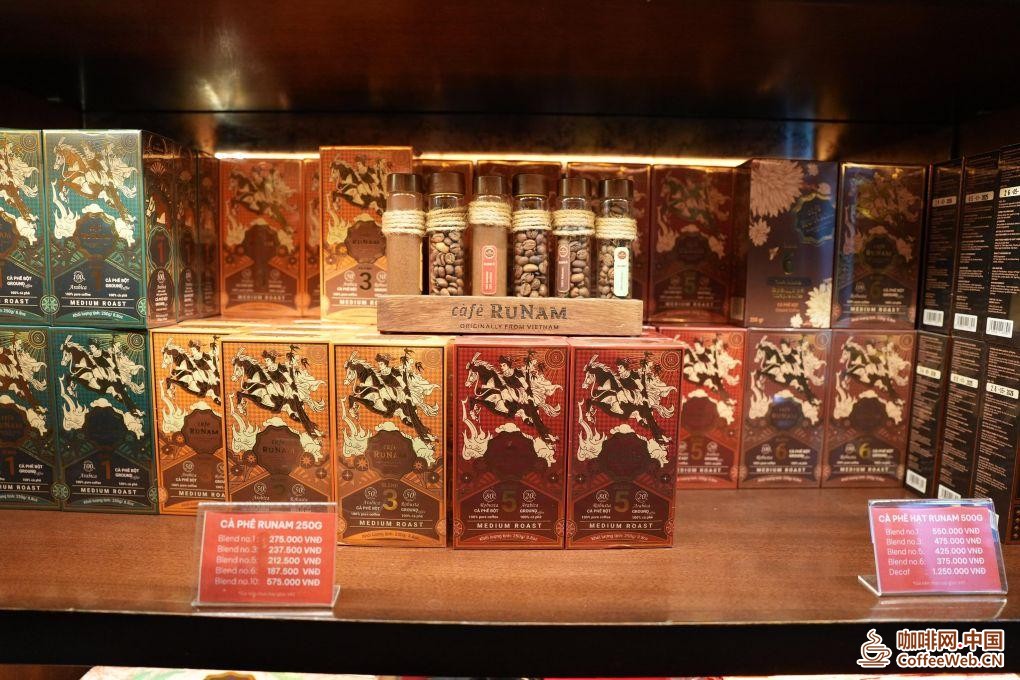
这是8月7日在越南首都河内一家咖啡店拍摄的咖啡产品。新华社记者刘颍摄
全球第二大出口国
19世纪中叶,法国殖民者把阿拉比卡咖啡带入越南。但由于越南大部分地区炎热湿润,适合阿拉比卡咖啡生长的千米以上高海拔地区面积有限,因此没有形成规模种植。直到20世纪,产量更高的罗布斯塔咖啡开始大规模推广,越南才迎来咖啡产业的转折,到2000年成为全球第二大咖啡出口国,出口量仅次于巴西。
越南中部高原自然条件独特,红色玄武岩土壤适合种植咖啡,且全年气候温和、水源稳定,几乎没有台风,很少出现严重干旱,不足1千米的海拔较适宜罗布斯塔咖啡的生长,因而逐渐成为全球主要的罗布斯塔咖啡产区之一。
小小的咖啡豆,一头连着越南中部高原的土地和咖啡种植者,一头连着国际市场和全球消费者。20世纪80年代以来,越南咖啡种植面积不断扩大,加工能力持续提升,出口体系逐渐完善。越南咖啡可可协会数据显示,越南咖啡2025年出口量近160万吨,出口额约90亿美元,销往80多个国家和地区。
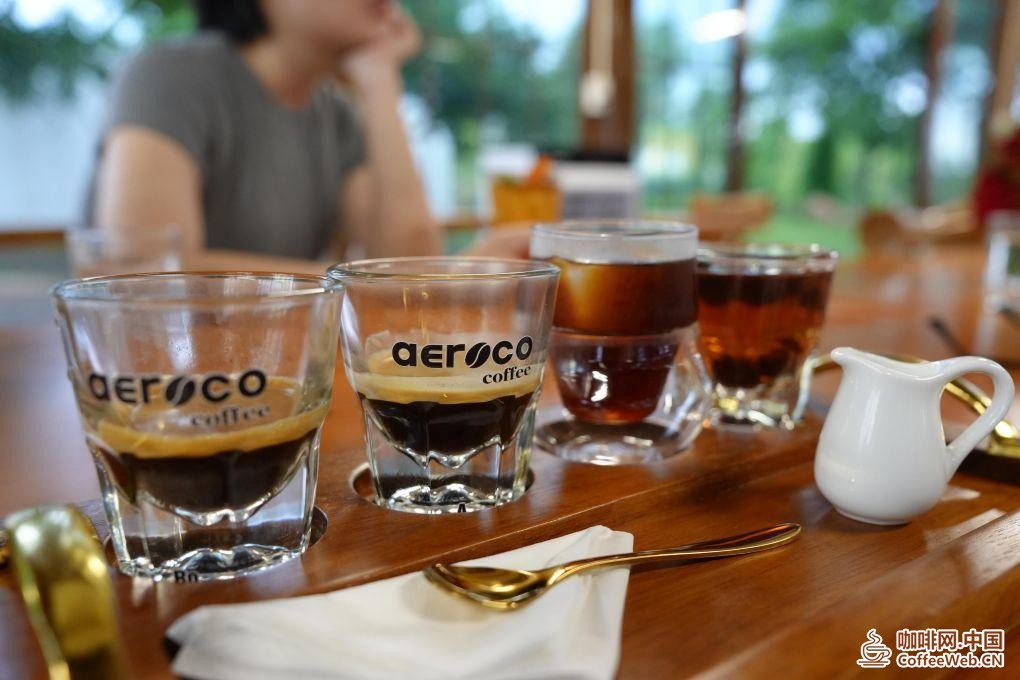
这是7月13日在越南多乐省邦美蜀一处咖啡庄园拍摄的咖啡饮品。新华社记者刘颍摄
咖啡里的文化符号
最初传入越南时,咖啡是殖民经济体系中的出口作物,在很长一段时间里,以未经烘焙的生豆形式运往法国等地,本地消费十分有限。随着本土烘焙业逐渐兴起,越南街头咖啡馆越来越多,咖啡逐渐成为越南人的日常,形成独具特色的本土文化。
“在越南,中部人喜欢味道更浓、更厚重的咖啡,而南方人喝咖啡更多是为了消暑解渴。”中部城市岘港一家咖啡店的老板杜光荣告诉记者。岘港另一名从业者阮越胜认为,当地人饮食本就偏重口味,咖啡味也更“浓郁”;而在作为越南经济中心的南部胡志明市,生活节奏更快,咖啡更“开放”,“消费者既接受传统越式咖啡,也乐于尝试手冲、冷萃、意式浓缩等新的咖啡体验”。
在位于北部的首都河内,传统滴漏咖啡仍占据重要位置,咖啡的香味在滴滤中缓慢释放。热水从金属滤杯中缓慢滴落,咖啡浓缩液一滴滴汇入,再加入炼乳和冰块等享用。这7分钟滴滤时光,是越南咖啡文化的独特组成部分。
越南另一种特色咖啡——鸡蛋咖啡更为人熟知。20世纪40年代的河内,新鲜牛奶供应不足,咖啡师用蛋黄与糖、炼乳等打发出类似奶泡的绵密替代品,覆盖在咖啡液之上,形成类似奶咖浓稠、甜润的口感。
街角咖啡店是越南咖啡文化的又一个重要符号。街头巷尾,有传统的蓝、红塑料矮凳,既当桌子又当座位,有的则换成时下流行的露营风座椅,各式各样的咖啡座随处可见,形成越南最具代表性的城市景观之一。
在越南炎热的夏季,咖啡馆成为除家和工作场所以外的“第三空间”,即便深夜,不少咖啡馆依然座无虚席。市场研究报告显示,截至2025年,越南咖啡馆数量已超过50万家,大约平均每200人就拥有一家咖啡馆。对越南人而言,“去喝咖啡”已成为人们日常社交和休闲的重要组成部分。
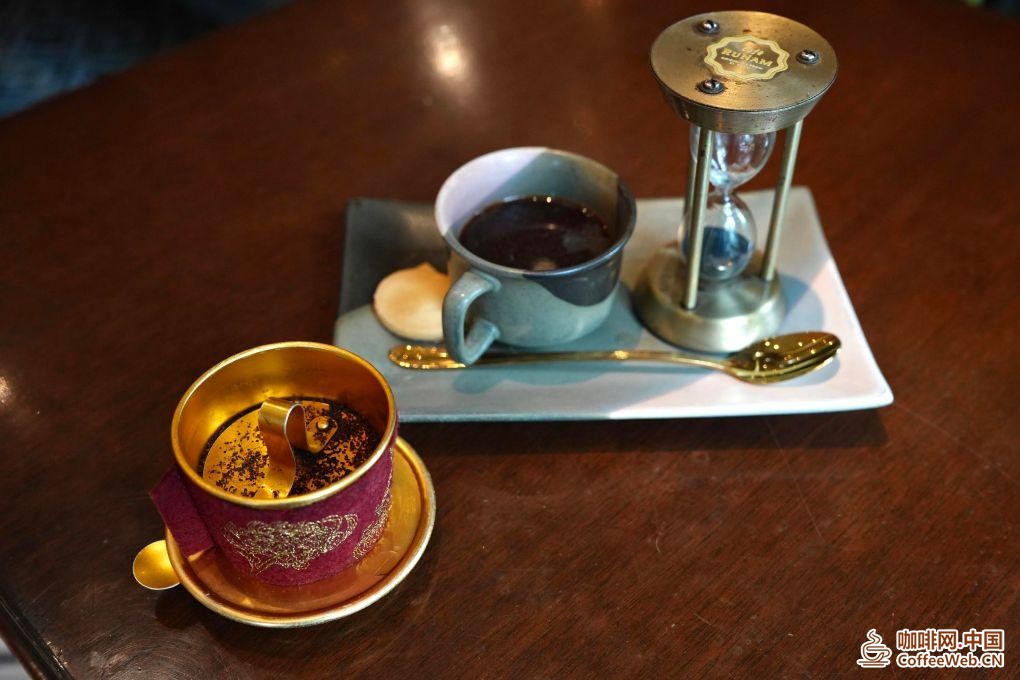
这是8月7日在越南首都河内拍摄的越南滴漏咖啡。新华社记者刘颍摄
在“变”中求发展
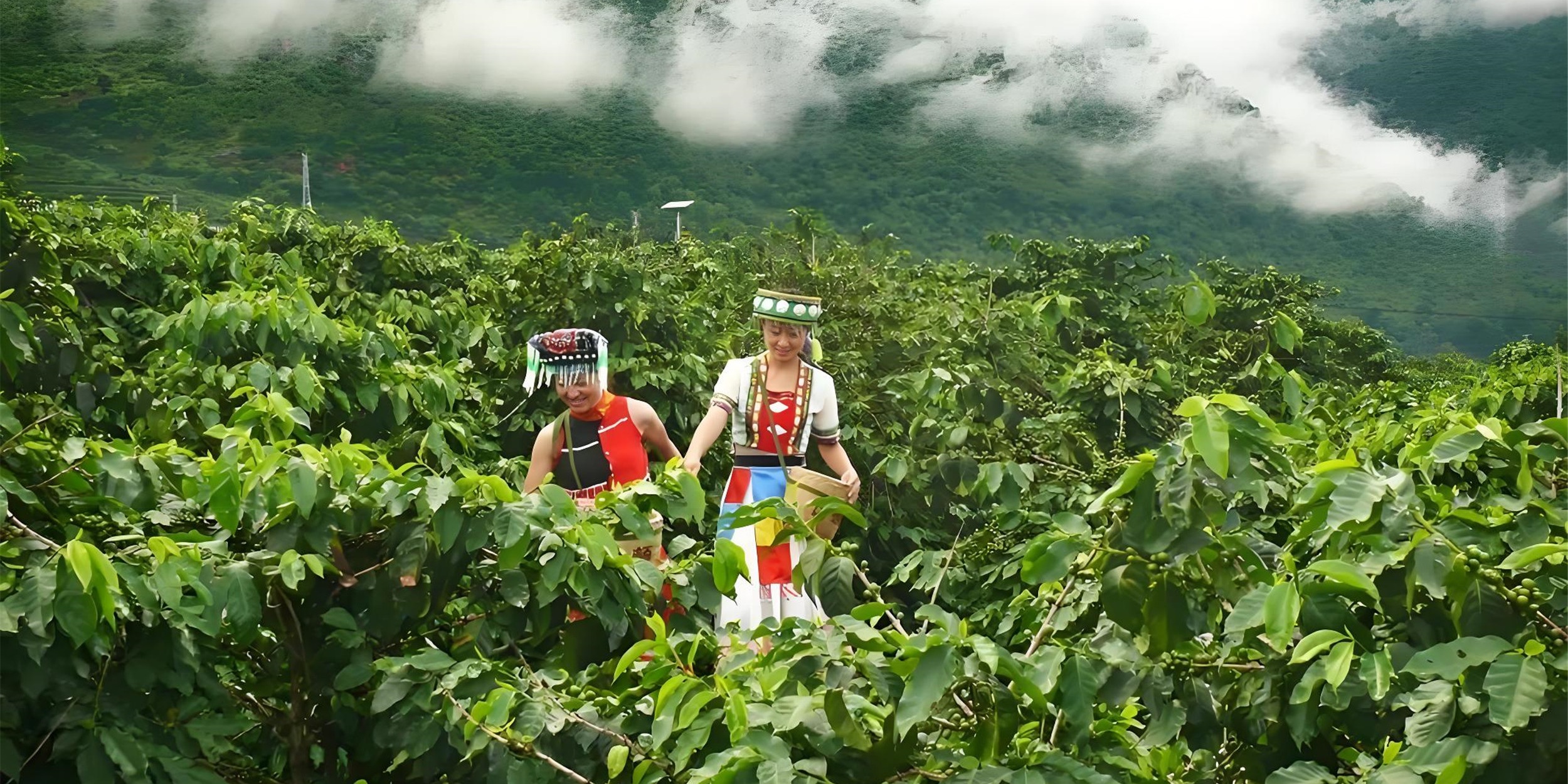
与巴西等咖啡出口国不同,越南中部高原的咖啡园普遍采用套种模式,首先映入眼帘的往往不是咖啡树,而是更高大的榴莲树、胡椒藤和牛油果树,一人高的咖啡树在它们之间生长。
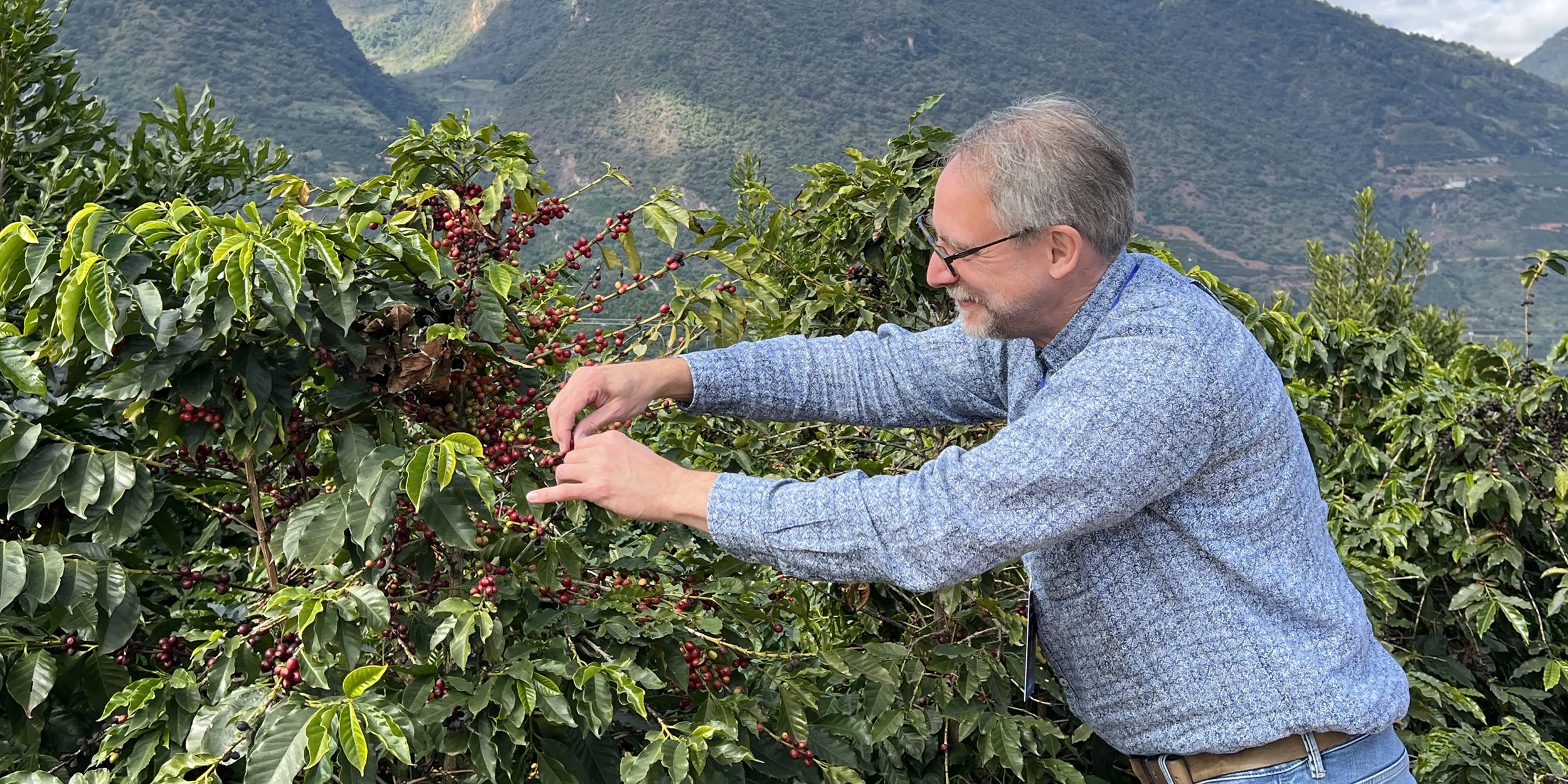
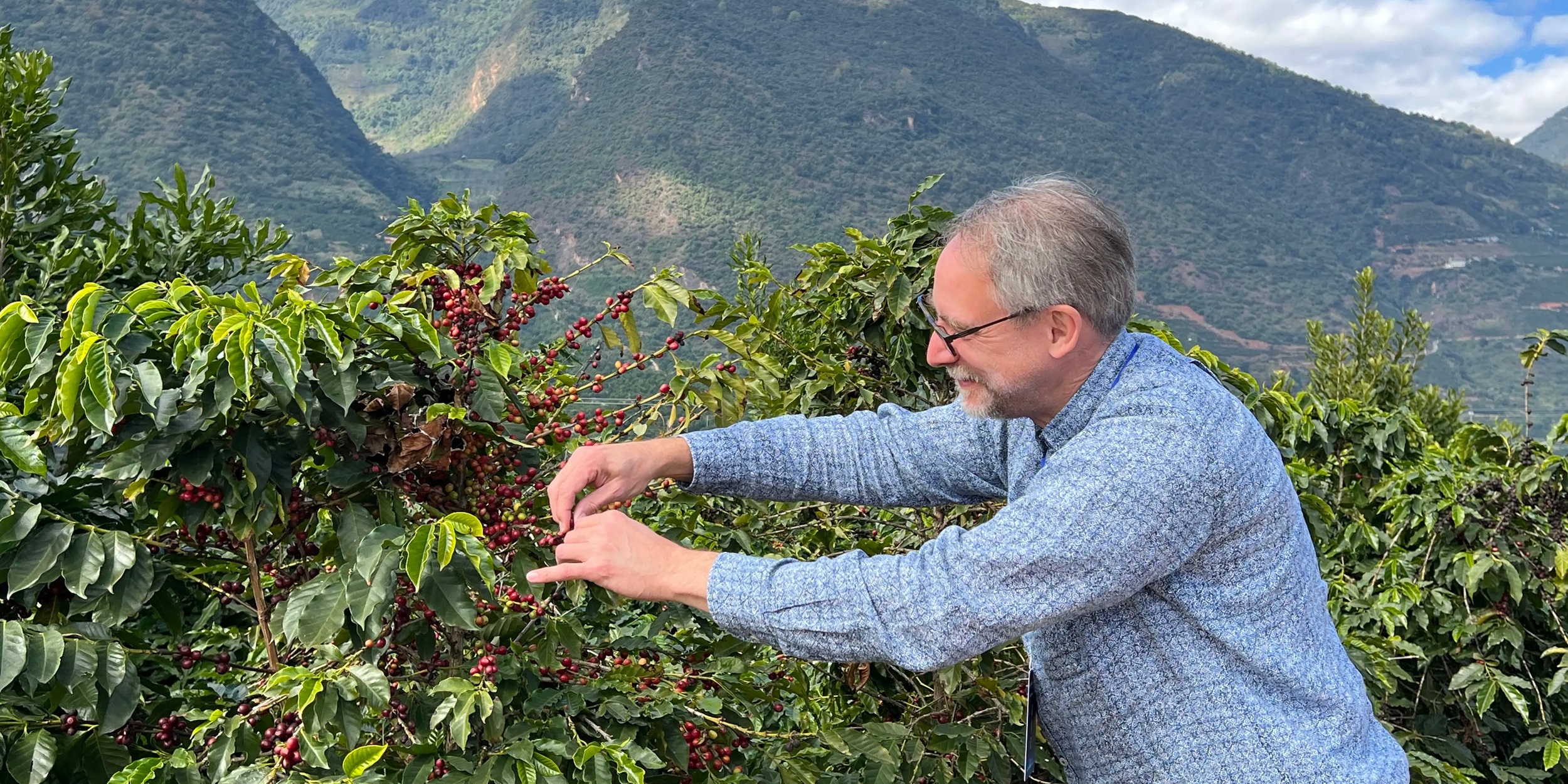
采用套种模式,农户一年四季都有收获,在提高土地利用效率、分散市场风险的同时,为咖啡生长打造了更加稳定的“小气候”。不过,这种模式也意味着越南咖啡难以像巴西等国那样实现大规模机械化采收。Eatu公平农业服务合作社总经理陈廷仲说,目前仍主要依靠人工分两到三轮采收,采收季从11月一直持续到次年2月,人力成本更高,效率较低。此外,随着近年来榴莲价格上涨,一些农户考虑砍掉部分咖啡树改种榴莲。
想要留住咖啡树,关键是让咖啡豆创造更高的价值。虽然是全球第二大咖啡出口国和罗布斯塔咖啡最大生产国,越南长期以来更多扮演原料供应者的角色。目前,越南大约87%的咖啡出口仍以生咖啡豆形式,速溶咖啡、烘焙咖啡、咖啡提取物等深加工产品比重小。
阿柔蔻咖啡公司总经理黎廷思认为,越南咖啡未来的竞争力,在于提升咖啡豆品质。“过去,人们提到越南咖啡,首先想到产量,”黎廷思说,“而现在,我们更希望大家记住越南罗布斯塔咖啡的品质。”
近年来,越南咖啡业者注重精品化种植,并且发展精品烘焙、打造品牌故事、参与国际咖啡赛事、在海外开设咖啡店,以此提升越南咖啡的国际声誉,让消费者不只记住“越南生产的咖啡”,更记住“来自越南的咖啡品牌”。
从殖民时代印记到融入世界经济,从塑料凳上的街景到寻求产业升级,读懂越南咖啡文化,也是读懂在传统与现代、本土与全球之间不断寻找平衡的越南。
Xinhua News Agency, Hanoi, August 9 (Reporter Liu Ying) When talking about Vietnamese coffee, people will think of the drip coffee that needs to wait for 7 minutes, the egg coffee covered with egg liquid foam, the robusta coffee with strong flavor, and the slow life on the plastic stools in the street.
From the export crops introduced during the colonial period to the daily beverages found on the streets and alleys, coffee has witnessed the development of this Southeast Asian country and has become a unique window to understand local culture and life.
This is a coffee product taken on August 7th at a coffee shop in Hanoi, the capital of Vietnam. Photo by Xinhua News Agency reporter Liu Ying
The world's second largest exporting country
In the mid-19th century, French colonizers brought Arabica coffee to Vietnam. However, due to the hot and humid climate in most parts of Vietnam, the area of high-altitude areas above 1000 meters suitable for the growth of Arabica coffee is limited, so large-scale cultivation has not been formed. It was not until the 20th century that the larger production of Robusta coffee began to be widely promoted, and Vietnam ushered in a turning point in the coffee industry. By 2000, it had become the world's second-largest coffee exporting country, second only to Brazil in terms of export volume.
The central plateau of Vietnam has unique natural conditions, with red basalt soil suitable for growing coffee. The climate is mild throughout the year, with stable water sources and almost no typhoons. Severe droughts rarely occur, and an altitude of less than 1 kilometer is more suitable for the growth of Robusta coffee. Therefore, it has gradually become one of the world's major Robusta coffee producing areas.
Small coffee beans, one end connected to the land and coffee growers in the central highlands of Vietnam, and the other end connected to the international market and global consumers. Since the 1980s, the coffee planting area in Vietnam has continuously expanded, processing capacity has continued to improve, and the export system has gradually improved. According to data from the Vietnam Coffee and Cocoa Association, the export volume of Vietnamese coffee in 2025 will be nearly 1.6 million tons, with an export value of approximately 9 billion US dollars, sold to more than 80 countries and regions.
This is a coffee drink taken on July 13th at a coffee plantation in Bang Mei Shu, Dole Province, Vietnam. Photo by Xinhua News Agency reporter Liu Ying
Cultural symbols in coffee
When coffee was first introduced to Vietnam, it was an export crop in the colonial economic system. For a long time, it was transported to France and other places in the form of unpasteurized green beans, and local consumption was very limited. With the gradual rise of the local baking industry, there are more and more street cafes in Vietnam, and coffee has gradually become a daily routine for Vietnamese people, forming a unique local culture.
In Vietnam, people from the central region prefer coffee with stronger and heavier flavors, while southerners drink coffee more to cool off and quench their thirst, "said Du Guangrong, the owner of a coffee shop in the central city of Da Nang, to reporters. Ruan Yuesheng, another practitioner in Da Nang, believes that the local cuisine is already focused on taste, and the coffee flavor is also more "rich"; In Ho Chi Minh City, the economic center of Vietnam, the pace of life is faster and coffee is more "open". Consumers not only accept traditional Vietnamese coffee, but also enjoy trying new coffee experiences such as hand brew, cold brew, and Italian espresso.
In the northern capital Hanoi, traditional drip coffee still occupies an important position, and the aroma of coffee is slowly released during drip filtration. Hot water slowly drips from the metal filter cup, while coffee concentrate drips into it, followed by condensed milk and ice cubes for enjoyment. This 7-minute drip time is a unique component of Vietnamese coffee culture.
Another specialty coffee in Vietnam, egg coffee, is more well-known. In the 1940s in Hanoi, there was a shortage of fresh milk supply, and baristas used egg yolks, sugar, condensed milk, and other ingredients to create a dense substitute similar to milk foam, which covered the coffee liquid and formed a thick and sweet taste similar to milk coffee.
Street corner coffee shops are another important symbol of Vietnamese coffee culture. On the streets and alleys, there are traditional blue and red plastic stools that serve as both tables and seats, while others have been replaced with popular camping style chairs. Various coffee shops can be seen everywhere, forming one of the most representative urban landscapes in Vietnam.
In the hot summer of Vietnam, cafes become the "third space" besides home and workplace, and even late at night, many cafes are still fully booked. A market research report shows that by 2025, the number of coffee shops in Vietnam has exceeded 500000, with an average of one coffee shop per 200 people. For Vietnamese people, "going for coffee" has become an important part of their daily social and leisure activities.
This is a Vietnamese drip coffee shot in Hanoi, the capital of Vietnam, on August 7th. Photo by Xinhua News Agency reporter Liu Ying
Seeking Development in Change
Unlike coffee exporting countries such as Brazil, coffee plantations in the central highlands of Vietnam commonly use intercropping methods. The first thing that catches the eye is often not coffee trees, but taller durian trees, pepper vines, and avocado trees, with one person tall coffee trees growing between them.
By adopting intercropping mode, farmers can harvest all year round, which not only improves land use efficiency and diversifies market risks, but also creates a more stable "microclimate" for coffee growth. However, this model also means that Vietnamese coffee is difficult to achieve large-scale mechanized harvesting like countries like Brazil. Chen Tingzhong, the general manager of Eatu Fair Agricultural Service Cooperative, said that currently it mainly relies on manual harvesting in two to three rounds, with the harvesting season lasting from November to February of the following year, resulting in higher labor costs and lower efficiency. In addition, with the rise in durian prices in recent years, some farmers are considering cutting down some coffee trees and planting durian instead.
The key to retaining a coffee tree is to create higher value for the coffee beans. Although Vietnam is the world's second largest coffee exporting country and the largest producer of Robusta coffee, it has long played a more important role as a raw material supplier. At present, about 87% of Vietnam's coffee exports are still in the form of raw coffee beans, with a small proportion of deep processed products such as instant coffee, roasted coffee, and coffee extracts.
Li Tingsi, General Manager of Aruco Coffee Company, believes that the future competitiveness of Vietnamese coffee lies in improving the quality of coffee beans. In the past, when people mentioned Vietnamese coffee, the first thing they thought of was the yield, "Li Tingsi said." But now, we hope everyone remembers the quality of Vietnamese Robusta coffee
In recent years, Vietnamese coffee industry has focused on boutique cultivation, developing boutique roasting, creating brand stories, participating in international coffee competitions, and opening coffee shops overseas, in order to enhance the international reputation of Vietnamese coffee and make consumers not only remember "coffee produced in Vietnam", but also "coffee brands from Vietnam".
From colonial era imprints to integration into the world economy, from street scenes on plastic benches to seeking industrial upgrading, understanding Vietnamese coffee culture is also about understanding Vietnam's constant search for balance between tradition and modernity, local and global.