开到瑞幸、星巴克店门口,无人咖啡机要和连锁巨头“掰手腕”?- 浪潮之下Driving to the doorstep of Luckin Coffee and Starbucks, is the unmanned coffee machine going to compete with the chain giants? -Under the tide
本文来自微信公众号: 红餐网 ,作者:红餐编辑部,编辑:倩君,原文标题:《开到瑞幸、星巴克店门口,无人咖啡机要和连锁巨头“掰手腕”?| 浪潮之下⑤》
“正面硬刚”连锁巨头!咖啡赛道迎来“最强”选手?
本文为红餐系列策划《智能化浪潮下的中国餐饮》第5篇。
“一台咖啡机占地0.6平方米,不需要人工、不需要装修,插个电就能24小时出咖啡,一年365天无淡季……”
类似的宣传最近频繁出现,无人咖啡机正变得随处可见。但无人咖啡机这一业态却并非初次登场。早在瑞幸咖啡、库迪等品牌大规模扩张之前,它就曾短暂流行,又迅速沉寂。
有人说,彼时是因为咖啡市场尚未成熟,如今经过多年市场教育,咖啡已经逐渐成为日常消费品。无人咖啡机这次卷土重来,它具备和瑞幸、库迪、星巴克等品牌掰手腕的资本了吗?
一批无人咖啡机涌现,
与连锁巨头“贴身肉搏”
过去半年,无人咖啡机的身影突然多了起来。
写字楼大堂、商场通道、机场、地铁站、医院……无人咖啡机的布设点位逐步向人流密集的公共空间渗透。
餐饮品牌投资者、博主“33楼老宋”表示,他近期出差抵达郑州机场时,在一层大厅和地下停车场各看到一台智能咖啡机;两天后返程,又发现一层原有机器约50米处新增了一台同类设备。
写字楼、商场等日常场景,无人咖啡机的铺点密度和速度同样在提升。
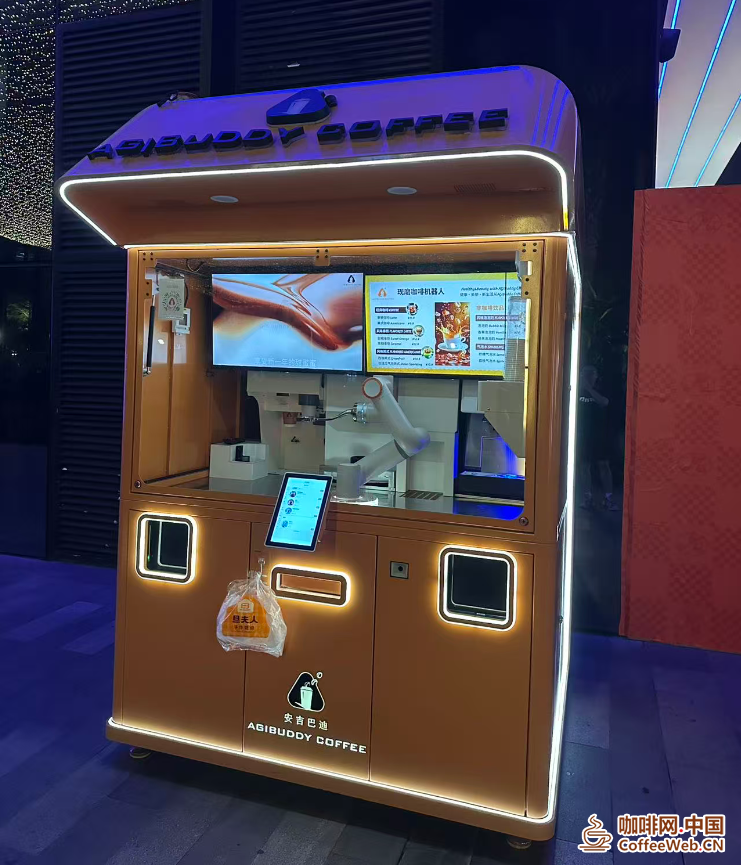
6月中旬,在广州海珠区万胜广场一写字楼,一台无人咖啡机悄然落地,距星巴克门店仅20米开外,一副要与巨头“贴身肉搏”的架势,而在咖啡机不远处,瑞幸、库迪、奈雪等茶咖店早已占位,竞争格局日趋白热化。
不仅如此,在万胜广场对面的保利广场B1层地铁入口通道处,另一台无人咖啡机也悄然就位。两台咖啡机落地时间相隔不到1个月。
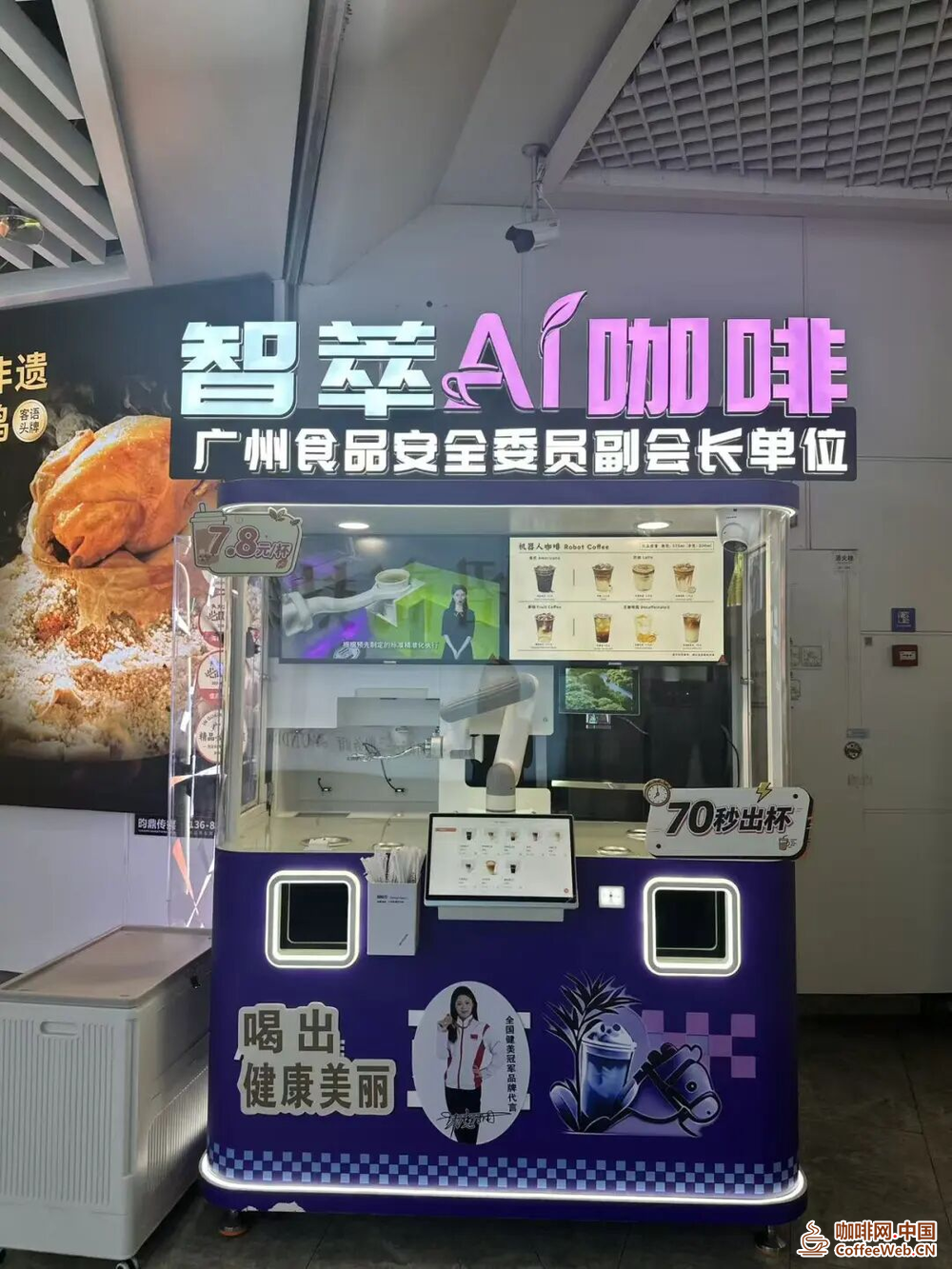
△图片来源:红餐网摄
红餐网走访发现,这些机器通常占地约1平方米,均支持24小时运作。
在功能上,与早期仅能制作美式、拿铁、卡布奇诺等经典款不同,如今的无人咖啡机普遍配备了机械臂,可以模拟人工手摇操作,部分机器甚至具备拉花功能。
定价方面,饮品价格多在几元至十几元之间,走亲民路线。
以万胜广场的无人咖啡机为例,产品分为咖啡和非咖啡两大类。咖啡类除了拿铁、美式等基础款,还提供玫珑瓜美式、柳橙美式、白桃美式等特调咖啡饮品,甚至推出气泡系列咖啡饮品,单杯售价多在10元上下。
而非咖啡饮品,比如可可泡泡奶、玫珑瓜泡泡奶、柠檬气泡水等,单价在6.8-10.8元之间。
△图片来源:红餐网摄
相比之下,保利广场B1层的咖啡机定价略高:7.8元的美式、9.8元的茉莉鲜乳茶、13.8元的椰青美式,热饮容量375毫升,冷饮500毫升。
该店还打上了“AI标准,现制鲜萃”“70秒出杯”等卖点,并宣称咖啡豆选用精品咖啡品牌“小斑马”的1号咖啡豆,打出“不好喝不收钱”的售后承诺,试图在品质感知上建立差异化。
有业内观点认为,随着瑞幸、库迪等咖啡连锁巨头在一二线城市完成高密度布点,咖啡消费的“大格局”已定,剩下的不过是“最后500米”的毛细血管生意。而无人咖啡机的恰好能够补位这一空缺。其凭借轻资产、低人力的模式,恰好被视作填充地铁转角、写字楼大堂等夹缝空间的优解。
只是,无人咖啡机真的具备与瑞幸、库迪正面硬刚的底气了吗?
和咖啡巨头抢生意?
差距不止一个身位
有业内人士直言,无人咖啡机想要与连锁巨头抢生意,在价格、产品丰富度和消费体验三个关键维度上,仍有不少现实挑战。
首先,产品丰富度差距悬殊。
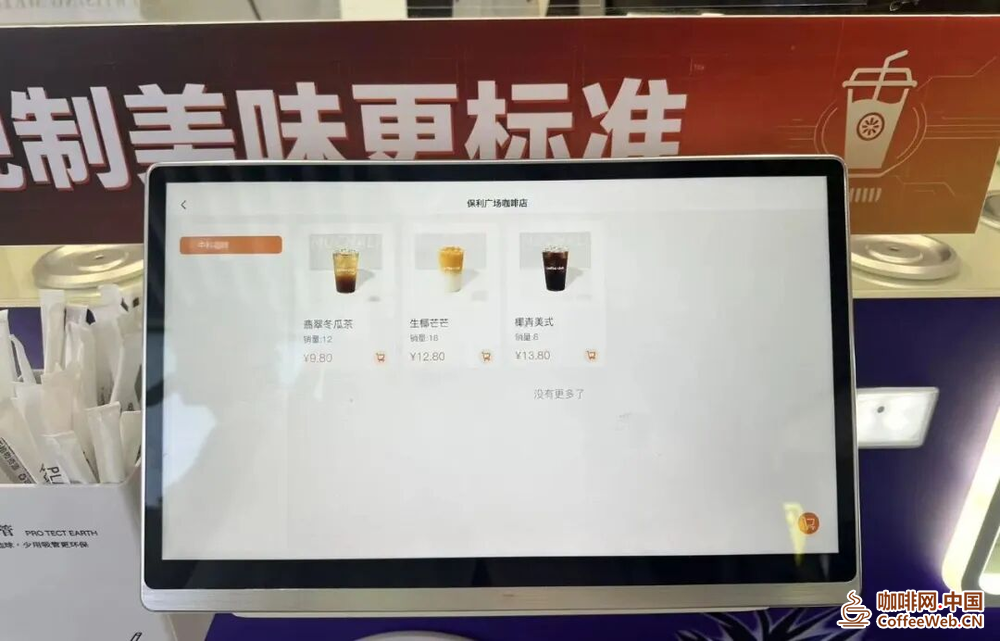
以保利广场负一层的咖啡机为例,红餐网多次走访观察到,该设备落地一个多月以来,SKU(单品数量)持续缩减。
初期上线时,产品线相对丰富,涵盖经典美式、椰青美式和生椰拿铁等约十款产品;但近期仅保留翡翠冬瓜茶、生椰芒芒、椰青美式三款产品。点单平板显示,上述三款饮品的销量分别是12、18、8。这也意味着,这台机器落地一个多月,卖出的杯数并不多。
△图片来源:红餐网摄
如果长期依赖几款经典口味维持运营,而新品补充又滞后或者缺失,不仅难以满足消费者日益多元的口味需求,也容易导致体验单一化,进而引发审美疲劳,最终导致客户流失。
相比之下,连锁品牌早已进入“高频上新”时代。
2025年,瑞幸咖啡累计推出超过140款新品;库迪、星巴克等也保持每月上新的节奏,持续通过创新风味、季节联名和创意配方等方式制造话题、刺激复购欲望。
这种迭代能力和产品体验背后,是强大的研发体系、供应链响应能力和对消费趋势的敏锐捕捉。而依赖固定程序、固定配方运行的自动设备,在灵活性、创新速度和感官体验上,短期内难以与之匹敌。
对消费者而言,一杯咖啡不仅仅是提神饮品,更是一种情绪价值和生活方式的表达,而这恰恰是标准化机器难以承载的部分。
其次,无人咖啡机的定价优势也并不明显。
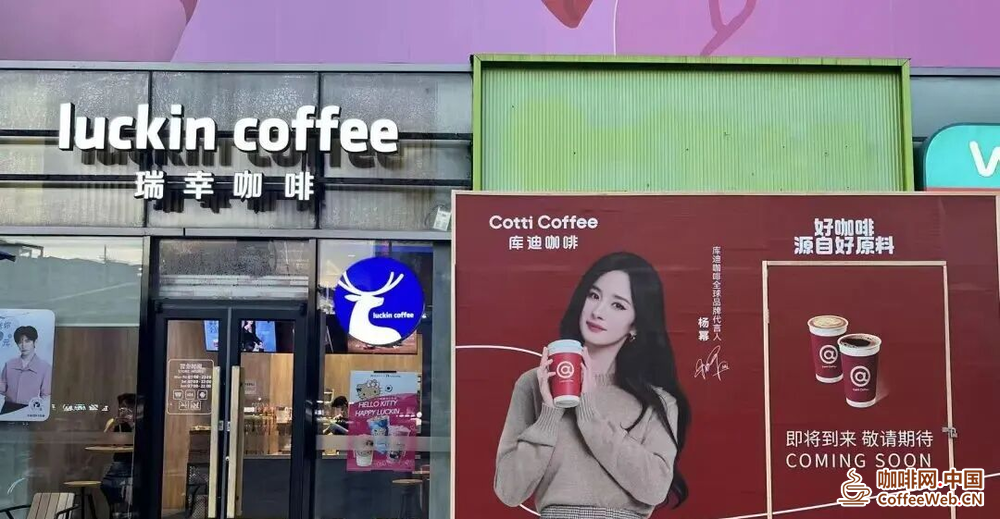
目前连锁品牌已将咖啡单价拉低至9.9元,甚至在某些平台优惠券的叠加下,3-4元等低价咖啡屡见不鲜。相比之下,无人咖啡机的主流饮品定价区间在6.8元至13.8元,与连锁品牌的到手价差距不大。当“便宜”不能成为卖点,其吸引力自然大打折扣。
△图片来源:红餐网摄
第三,便捷性和体验方面,无人咖啡机还存在短板。
表面上看,无人咖啡机就在楼下,似乎触手可及。但现实中,上班族的咖啡消费早已高度数字化。
打工人早上通勤本就争分夺秒,他们更习惯在地铁上或路上用小程序提前下单,到公司楼下直接取杯、转身就进电梯。整个过程几乎无缝衔接。而无人咖啡机却要求用户现场扫码、选品、等待制作,全程至少一两分钟,反而打断了原本高效的动线。
更关键的是,连锁品牌依托成熟的外卖体系,已将服务半径大幅延伸到公司楼下,甚至是家门口。“外卖送到手”和“自己下楼操作机器”相比,前者显然在便捷性上更具优势。
在体验方面,无人咖啡机试图用机器替代人工来实现标准化,却忽略了服务本身也是体验的一部分。
比如做错饮品、支付失败或机器卡杯,消费者面对的往往只有一个冷冰冰的客服电话。与门店内“当面反馈、即时解决”的服务闭环相比,电话那头的响应速度和解决效率都远不在同一量级。
有消费者在体验后发帖称,“我明明要的热巧,最后出来的是牛奶,还没地方说理。”帖子下方一条高赞评论写道,“这东西就跟预制菜永远不可能取代现炒一样,机器和AI不可能取代人工,它们永远只会是‘补充’。”
如果一杯由机器人做出的咖啡,既不更便宜,也不更好喝,还不如连锁品牌方便省心,那它凭什么成为消费者的首选?
此外,行业内的“暴雷”案例也加深了消费者的信任危机。例如据多家媒体报道,主打“友饮”智能饮品机的北京说一不二科技有限公司,在宣称融资过亿、承诺上市后,项目停摆。企查查显示,目前该企业已经列入被执行人名单,并限制高消费,法律诉讼达30件,涉案金额超过1000万。这些信息,也为整个赛道蒙上一层阴影。
资本和头部品牌纷纷下场,
无人咖啡机的想象空间在哪?
如果说产品、价格与体验的短板尚属运营层面的挑战,那么从投资回报周期来看,无人咖啡机的商业模式可能面临更根本的困境。
表面看,无人咖啡机看似轻投资、省心省力,实则回本周期并不短。
有业内人士算了一笔账:一台6万元的机器,按厂家宣传的“日均卖40杯”、均价9.9元、毛利率50%来算,回本周期要2年以上。
这笔账还没算上机器的日常运维,加水、加豆、加奶、清理废渣、处理故障,每一项都需要人力成本。
该业内人士还强调,在AI时代、智能化时代,机器的更新速度非常快,“有可能卖咖啡还没有回本,机器就已经处在淘汰的边缘了。”
选址更是决定生死。
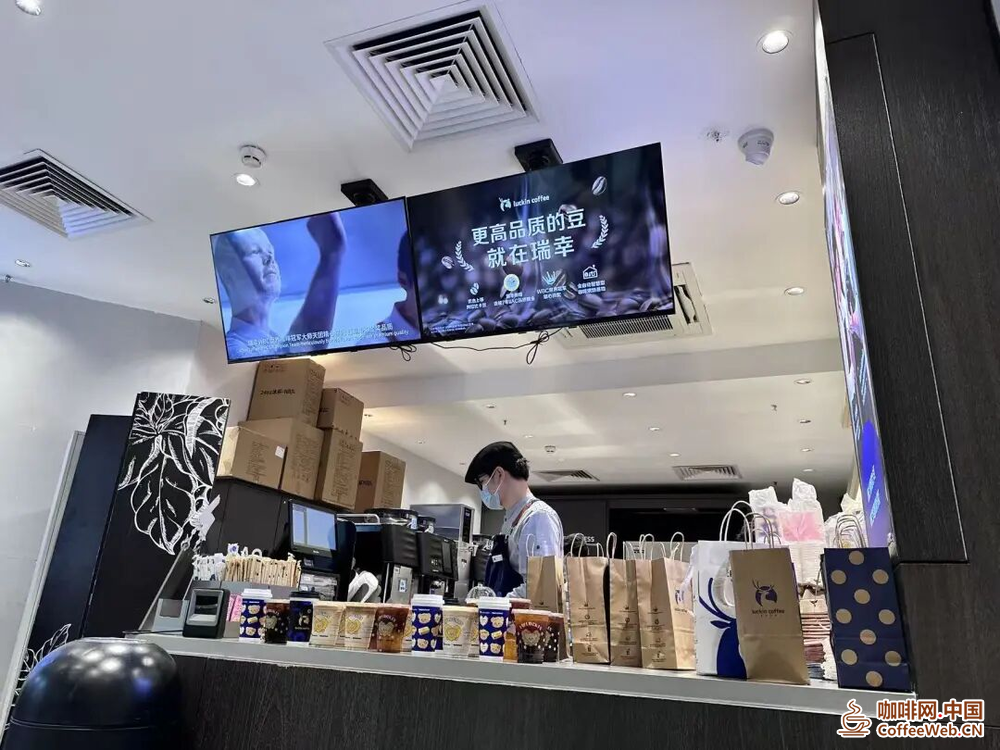
以万胜广场的无人咖啡机为例,它周围的对手,除了星巴克,还有瑞幸、库迪、奈雪、麦当劳McCafé、全家等多个咖啡供给点,单价从4元到40元不等,选择丰富、取餐也颇为便捷。
△图片来源:红餐网摄
据知情人透露,这台设备因销量不及预期,已被运营方撤走。
而保利广场B1层那台咖啡机,如今也已经搬离。8月10日,咖啡机斜对面的二手回收店“爱回收”一店员告诉红餐网,机器搬走应该快两周了。据其观察,咖啡机的生意一直不太好。“路人来来往往,但基本上都是匆匆路过,停下来买的人很少。”
这正是无人咖啡机在高密度竞争区域遭遇现实挫败的一个缩影,当周边已有成熟品牌提供高效、稳定且价格透明的咖啡服务时,一台孤立运作、缺乏差异化优势的机器,很难成为消费者的“第二选择”。
不过赛道的另一面是,资本和头部品牌在用真金白银加码。
2025年7月,智能饮品品牌“碰杯站”宣布完成5000万元融资,并启动“千城万店”扩张计划;同年10月,专注于场景化智能咖啡饮品服务的聚商共赢也拿下了2400万元A轮融资。
资本的大手笔加码,不仅反映出市场对无人饮品终端潜力的认可,也有望推动行业标准升级,引导赛道走向更成熟、更规范的发展阶段。
与此同时,如今一些新入局者也在尝试从技术层面解决无人咖啡机长期以来存在的核心痛点。
针对食品安全隐患与出品稳定性不足等问题,一些品牌开始引入创新方案。例如“碰杯站”推出了充氮脱氧专利技术:阿拉比卡咖啡豆采摘后即时研磨,密封入胶囊并注入氮气,据称可将风味保鲜期延长至18个月,缓解咖啡豆受潮、香气流失等常见问题。
同时,其封闭式胶囊系统还支持每杯制作后自动冲洗管路,有助于减少传统咖啡机因残渣堆积或管道潮湿可能引发的卫生风险。这类技术改良,正逐步缩小无人咖啡机在基础体验上的落差,为这一模式探索更多可能性。
类似的技术思路也在茶饮领域落地。
今年4月,茶颜悦色在深圳开出的新店就全线使用自研“机械臂全自动奶茶机”。该机械臂可自主完成抓杯、精准配料、搅拌、递杯等全流程操作,仅需人工完成最后加顶料环节,最快30秒即可出杯,大幅提升出餐效率。门店还配备“全自动冰激凌机”,消费者扫码支付后无需人工干预,即可快速获取冰激凌。
据官方介绍,这是该设备在茶颜悦色华南地区门店的首批落地,店员可从重复性的操作中解放出来,将更多精力投入到试饮、顾客引导、需求响应等服务中去。
这些实践,或许为行业给出了更具可行性的方向:无人咖啡机,或更广义的智能饮品终端,未来更核心的价值,不在于和连锁品牌抢生意,而是回归“赋能工具”的本色,负责解决效率和标准化的难题,让品牌可以腾出手来,专心做好服务和体验,让效率和人情味在餐饮店里共存。
This article is from WeChat official account: Hongyan. com, author: Hongyan Editorial Department, editor: Qian Jun, original title: "Open to Ruixing and Starbucks, no coffee machine and chain tycoon" break hands "? | Under the tide ⑤"
Positive and tough chain giant! Is the coffee track welcoming the 'strongest' contestant?
This article is the fifth article of the Red Meal series planning "Chinese Catering under the Wave of Intelligence".
A coffee machine covers an area of 0.6 square meters, does not require manual labor or decoration, can produce coffee 24 hours a day with just a plug in, and has no off-season 365 days a year
Similar promotions have been frequent recently, and unmanned coffee machines are becoming ubiquitous. But the unmanned coffee machine industry is not the first to appear. Even before the large-scale expansion of brands such as Luckin Coffee and Kudi, it briefly became popular and quickly fell into obscurity.
Some people say that it was because the coffee market was not yet mature at that time, but now after years of market education, coffee has gradually become a daily consumer product. Does the unmanned coffee machine have the capital to compete with brands such as Luckin Coffee, Kudi, and Starbucks this time?
A batch of unmanned coffee machines have emerged,
Close combat with chain giants
In the past six months, the number of unmanned coffee machines has suddenly increased.
The deployment of unmanned coffee machines in office building lobbies, shopping mall corridors, airports, subway stations, hospitals, etc. is gradually penetrating into crowded public spaces.
Catering brand investor and blogger "33rd Floor Old Song" said that when he arrived at Zhengzhou Airport on a business trip recently, he saw an intelligent coffee machine in the lobby on the first floor and in the underground parking lot; Two days later, upon returning, it was discovered that a similar device had been added approximately 50 meters away from the original machine on the first floor.
The density and speed of unmanned coffee machines in daily scenarios such as office buildings and shopping malls are also increasing.
In mid June, an unmanned coffee machine quietly landed in an office building at Wansheng Plaza in Haizhu District, Guangzhou. It was only 20 meters away from a Starbucks store, with a posture of "close combat" with giants. Not far from the coffee machine, tea shops such as Luckin Coffee, Kudi, and Nayuki had already occupied the space, and the competition was becoming increasingly fierce.
Not only that, another unmanned coffee machine is quietly in place at the subway entrance passage on the B1 floor of Poly Plaza opposite Wansheng Square. The two coffee machines were installed less than a month apart.
△ Image source: Photo taken by Red Restaurant Network
According to a visit by Redfood.com, these machines usually occupy an area of about 1 square meter and support 24-hour operation.
In terms of functionality, unlike the classic models that could only make American, latte, cappuccino, etc. in the early days, today's unmanned coffee machines are generally equipped with mechanical arms that can simulate manual hand cranking operations, and some machines even have latte pulling function.
In terms of pricing, beverage prices often range from a few yuan to over ten yuan, following a people-oriented approach.
Taking the unmanned coffee machine at Wansheng Square as an example, the products are divided into two categories: coffee and non coffee. In addition to basic coffee drinks such as latte and Americano, the coffee category also offers specialty coffee drinks such as Merlot Americano, Orange Americano, and Peach Americano, and even launches a bubble series of coffee drinks, with a single cup price mostly around 10 yuan.
Instead of coffee drinks, such as cocoa foam milk, Merlot foam milk, lemon foam water, etc., the unit price is between 6.8-10.8 yuan.
△ Image source: Photo taken by Red Restaurant Network
In contrast, the coffee machines on the B1 floor of Poly Plaza are priced slightly higher: 7.8 yuan for American style, 9.8 yuan for Jasmine Fresh Milk Tea, 13.8 yuan for Coconut Green American style, with a hot drink capacity of 375 milliliters and a cold drink capacity of 500 milliliters.
The store also promoted selling points such as "AI standard, freshly brewed fresh extract" and "70 second cup delivery", and claimed that the coffee beans used were from the premium coffee brand "Little Zebra"'s No. 1 coffee beans. It also made an after-sales commitment of "no charge for bad taste", attempting to establish differentiation in quality perception.
Some industry insiders believe that with coffee chain giants such as Luckin Coffee and Kudi Coffee completing high-density distribution in first and second tier cities, the "big picture" of coffee consumption has been established, and the remaining business is only the "last 500 meters" of capillary business. And the unmanned coffee machine can precisely fill this gap. With its light asset and low manpower model, it is regarded as an excellent solution for filling the gaps in subway corners, office lobbies, and other spaces.
But does the unmanned coffee machine really have the confidence to face Luckin Coffee and Kudi head-on?
Competing with coffee giants for business?
The gap is not just one position
Industry insiders have bluntly stated that there are still many practical challenges for unmanned coffee machines to compete with chain giants in terms of price, product richness, and consumer experience.
Firstly, there is a significant disparity in product richness.
Taking the coffee machine on the basement floor of Poly Plaza as an example, Red Food Network has visited and observed multiple times that the SKU (number of items) of the equipment has been continuously reduced since its implementation more than a month ago.
At the initial launch, the product line was relatively rich, covering about ten products such as classic American, coconut green American, and raw coconut latte; But recently, only three products have been retained: Jade Winter Melon Tea, Raw Coconut Mang Mang, and Coconut Green American Style. According to the tablet display, the sales of the three drinks mentioned above are 12, 18, and 8 respectively. This also means that after more than a month, this machine has not sold many cups.
△ Image source: Photo taken by Red Restaurant Network
If we rely on a few classic flavors to maintain our operations for a long time, and new product supplements are lagging behind or missing, it will not only be difficult to meet the increasingly diverse taste needs of consumers, but also easily lead to a single experience, which can cause aesthetic fatigue and ultimately lead to customer loss.
In contrast, chain brands have already entered the era of "high-frequency updates".
By 2025, Luckin Coffee will have launched over 140 new products; Kudi, Starbucks, and others also maintain a monthly update rhythm, continuously creating topics and stimulating repeat purchase desires through innovative flavors, seasonal collaborations, and creative formulas.
Behind this iterative ability and product experience lies a powerful R&D system, supply chain responsiveness, and keen capture of consumer trends. However, automatic equipment that relies on fixed programs and formulas for operation is difficult to match in terms of flexibility, innovation speed, and sensory experience in the short term.
For consumers, a cup of coffee is not just a refreshing drink, but also an expression of emotional value and lifestyle, which is precisely the part that standardized machines cannot bear.
Secondly, the pricing advantage of unmanned coffee machines is not obvious.
At present, chain brands have lowered the unit price of coffee to 9.9 yuan, and even with the addition of coupons on certain platforms, low-priced coffee such as 3-4 yuan is not uncommon. In contrast, the mainstream beverage pricing range for unmanned coffee machines is between 6.8 yuan and 13.8 yuan, which is not much different from the actual price of chain brands. When 'cheap' cannot become a selling point, its attractiveness is naturally greatly reduced.
△ Image source: Photo taken by Red Restaurant Network
Thirdly, in terms of convenience and user experience, unmanned coffee machines still have shortcomings.
On the surface, the unmanned coffee machine appears to be downstairs and within reach. But in reality, the coffee consumption of office workers has already been highly digitized.
Working people are already racing against time for their morning commute. They are more accustomed to placing orders in advance through mini programs on the subway or on the road, picking up a cup directly from the office building, and then turning around to get into the elevator. The entire process is almost seamlessly connected. However, the unmanned coffee machine requires users to scan codes, select products, and wait for production on-site, which takes at least one or two minutes, instead interrupting the originally efficient flow.
More importantly, relying on a mature food delivery system, chain brands have significantly extended their service radius to the downstairs of the company, even to the doorstep. Compared to "delivering takeout to the hands" and "operating the machine downstairs by oneself", the former clearly has more advantages in terms of convenience.
In terms of experience, unmanned coffee machines attempt to achieve standardization by replacing manual labor with machines, but overlook that service itself is also a part of the experience.
For example, if a consumer makes a mistake with a beverage, fails to make a payment, or gets stuck in a machine cup, they often only face a cold customer service call. Compared to the closed-loop service of "face-to-face feedback and instant resolution" within the store, the response speed and resolution efficiency on the other end of the phone are far from the same level.
A consumer posted after experiencing it, saying, "I clearly wanted hot chocolate, but in the end, it came out as milk, and there's no place to reason about it." A high like comment below the post wrote, "This thing is like pre made dishes that can never replace stir frying. Machines and AI cannot replace manual labor, they will always be 'supplements'. ”
If a cup of coffee made by robots is neither cheaper nor better tasting, and is not as convenient and worry free as a chain brand, then why has it become the first choice for consumers?
In addition, the occurrence of "thunderstorms" in the industry has deepened consumers' trust crisis. For example, according to multiple media reports, Beijing Shuo Yi Bu Er Technology Co., Ltd., which specializes in "You Yin" smart beverage machines, has suspended its project after claiming to have raised over 100 million yuan and promised to go public. According to Qichacha, the company has been included in the list of executed persons and restricted from high consumption. There have been 30 legal lawsuits involving amounts exceeding 10 million yuan. These pieces of information also cast a shadow over the entire track.
Capital and top brands have all stepped down,
Where is the imagination space for unmanned coffee machines?
If the shortcomings in product, price, and experience are still operational challenges, then from the perspective of investment return cycle, the business model of unmanned coffee machines may face more fundamental difficulties.
On the surface, unmanned coffee machines may seem light investment, worry free, and labor-saving, but in reality, the payback period is not short.
An industry insider calculated that a machine priced at 60000 yuan, based on the manufacturer's advertised "selling 40 cups per day", average price of 9.9 yuan, and gross profit margin of 50%, would have a payback period of more than 2 years.
This account does not include the daily operation and maintenance of the machine, which requires labor costs for adding water, beans, milk, cleaning up waste, and handling malfunctions.
The industry insider also emphasized that in the era of AI and intelligence, the update speed of machines is very fast. "It is possible that machines are already on the edge of elimination before selling coffee can recoup their costs
Site selection determines life and death.
Taking the unmanned coffee machine at Wansheng Plaza as an example, its competitors include not only Starbucks, but also multiple coffee supply points such as Luckin Coffee, Koudi, Nayuki, McDonald's McCaf é, FamilyMart, etc. The unit price ranges from 4 yuan to 40 yuan, with a wide range of choices and convenient pick-up.
△ Image source: Photo taken by Red Restaurant Network
According to insiders, this device has been withdrawn by the operator due to lower than expected sales.
The coffee machine on the B1 floor of Poly Plaza has also been moved out now. On August 10th, a staff member from the second-hand recycling store "Love Recycling" diagonally opposite the coffee machine told Red Restaurant that the machine should have been moved for almost two weeks. According to his observation, the business of coffee machines has not been very good. Passersby come and go, but basically they pass by in a hurry, and very few people stop to buy
This is a microcosm of the reality of unmanned coffee machines encountering setbacks in high-density competitive areas. When mature brands in the surrounding area provide efficient, stable, and transparent coffee services, a machine that operates in isolation and lacks differentiation advantages is difficult to become a "second choice" for consumers.
However, the other side of the track is that capital and top brands are adding real money and silver.
In July 2025, the smart beverage brand "Bengbei Station" announced the completion of a 50 million yuan financing and launched the "Thousand Cities, Ten Thousand Stores" expansion plan; In October of the same year, JuShang Win Win, which focuses on scenario based intelligent coffee beverage services, also secured a Series A financing of 24 million yuan.
The significant increase in capital not only reflects the market's recognition of the potential of unmanned beverage terminals, but also has the potential to promote the upgrading of industry standards and guide the track towards a more mature and standardized development stage.
At the same time, some new entrants are also trying to solve the core pain points of unmanned coffee machines from a technical perspective.
In response to food safety hazards and insufficient product stability, some brands have begun to introduce innovative solutions. For example, "Bumper Station" has launched a patented technology for nitrogen and deoxygenation: Arabica coffee beans are ground immediately after picking, sealed in capsules, and injected with nitrogen gas. It is said to extend the flavor preservation period to 18 months, alleviating common problems such as moisture and aroma loss in coffee beans.
At the same time, its enclosed capsule system also supports automatic flushing of the tubing after each cup is made, which helps reduce the hygiene risks that traditional coffee machines may face due to residue accumulation or moisture in the tubing. Such technological improvements are gradually narrowing the gap in basic experience of the unmanned coffee machine and exploring more possibilities for this model.
Similar technological ideas have also been implemented in the field of tea drinks.
In April of this year, Cha Yan Yue Se's new store in Shenzhen fully utilized its self-developed "robotic arm fully automatic milk tea machine". This robotic arm can independently complete the entire process of cup grabbing, precise ingredient preparation, stirring, and cup delivery. Only manual labor is needed to complete the final topping process, and the cup can be dispensed in as fast as 30 seconds, greatly improving the efficiency of serving. The store is also equipped with a "fully automatic ice cream machine", which allows consumers to quickly obtain ice cream without manual intervention after scanning the code for payment.
According to the official introduction, this is the first batch of landing of the device in Cha Yan Yue Se's stores in southern China. The staff can free themselves from repetitive operations and devote more energy to services such as tasting, customer guidance, and demand response.
These practices may provide a more feasible direction for the industry: unmanned coffee machines, or more broadly, smart beverage terminals. The core value of the future is not to compete with chain brands for business, but to return to the essence of "empowering tools", responsible for solving efficiency and standardization problems, allowing brands to free up their hands, focus on providing good service and experience, and let efficiency and human touch coexist in restaurants.