一杯咖啡里的气候账Climate accounting in a cup of coffee
来源:经济日报。这个夏天,全球咖啡价格再度上涨。纽约阿拉比卡咖啡期货从6月起快速拉升,至今最高涨幅已接近50%;作为速溶咖啡和拼配咖啡重要原料的罗布斯塔咖啡,价格也出现明显上涨。
就在去年底,市场上还弥漫着另一种情绪。在经历了连续数年的供应紧张后,业内普遍认为,全球各大咖啡主产区将集中迎来丰收年。受供应改善预期影响,咖啡价格一度出现回落趋势。
然而,开心的日子才没过几天,拉尼娜和厄尔尼诺就开始联手“作妖”了。
今年年初,赤道太平洋仍处于拉尼娜现象“控盘”中,随后影响逐渐减弱,转为中性;到6月,美国国家海洋和大气管理局发现,该区域已经满足厄尔尼诺现象出现条件,且后者很有可能取代前者,成为未来数月的主要气候特征。
拉尼娜和厄尔尼诺,可以简单理解为赤道太平洋海水温度变化引发的两种气候异常。拉尼娜状态下,中东部热带太平洋海水温度偏低;厄尔尼诺状态则正好相反,海水温度偏高。
可别小看这一点点温度变化,其影响是全球性的。海水升温或降温会改变上方空气的流动方向,进而重新“分配”全球的降雨和热量。原本应该下雨的地方可能变干,原本相对干燥的地方可能雨水不断,一些地区还可能出现明显的高温、干旱或者洪涝灾害。而且,两者的状态不是一成不变的,存在一定的相互转化概率。受大气运动和海水温度传导等影响,“拉尼娜—中性—厄尔尼诺”或者相反的变化过程,仅新世纪以来就出现了好几回。
咖啡对这种气候变化尤为敏感。咖啡树从开花、坐果到果实成熟,对温度和降水都有较高要求。
今年,全球最大咖啡豆主产区巴西遭遇极端天气扰动。6月,部分已经迎来收获季的咖啡产区降雨增加,一度影响采收进度,并给后续包括筛选、烘焙等加工环节带来不小的麻烦。市场分析人士认为,随着厄尔尼诺增强,今年晚些时候,巴西部分产区还可能继续面临高温天气和降雨不规律,直接影响下一季咖啡的早期生长。巴西咖啡行业机构警告,如果极端天气持续,未来几年的咖啡供应都会受到影响。
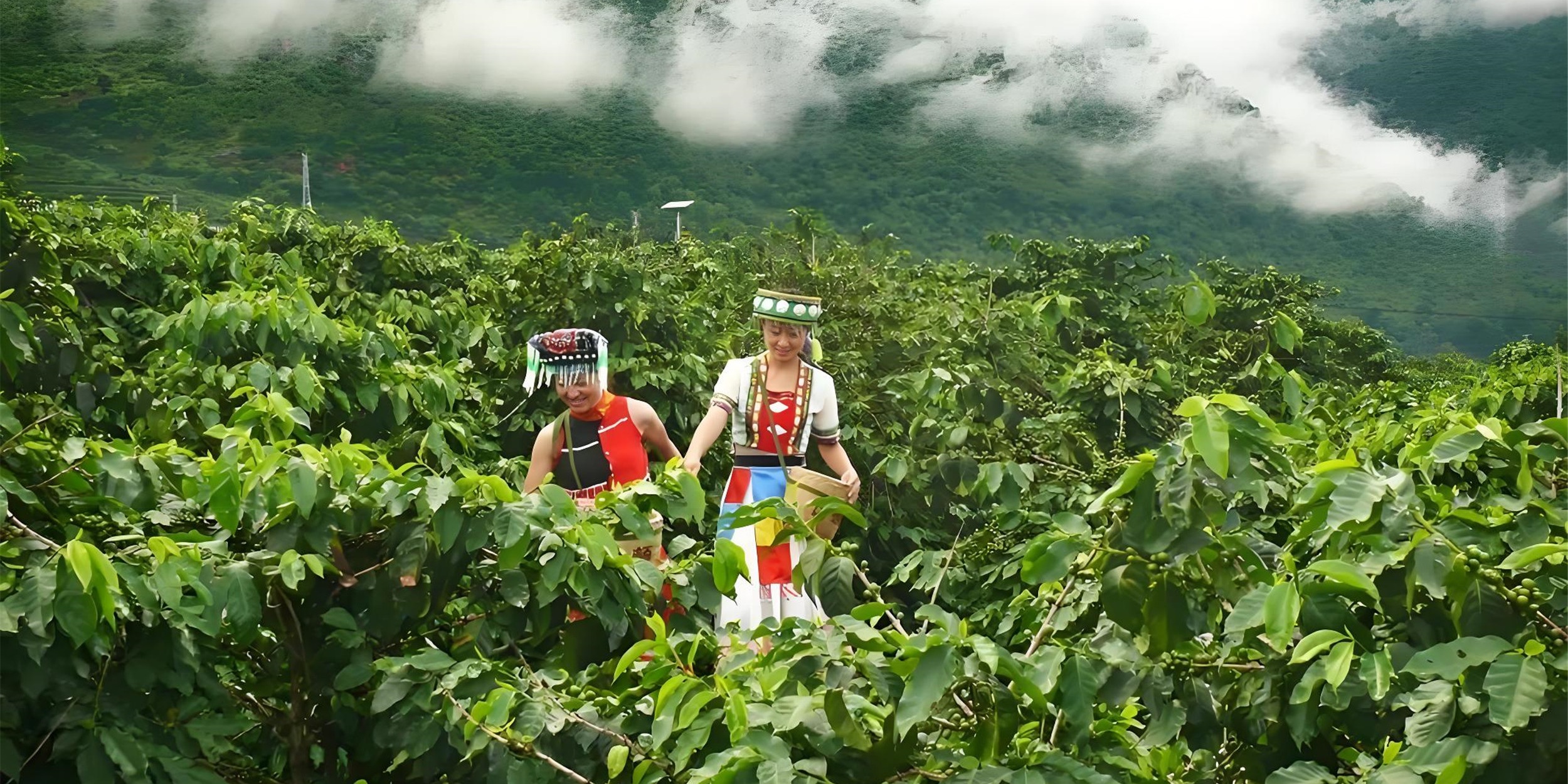
供应高度集中进一步放大了天气对咖啡市场的影响。巴西是全球最大的咖啡生产国,也是最大的阿拉比卡咖啡生产国,毗邻的哥伦比亚、秘鲁都是重要咖啡产地。越南是全球最大的罗布斯塔咖啡生产国,附近的马来西亚、中国也都是供应大户。还有肯尼亚、坦桑尼亚以及埃塞俄比亚等咖啡种植大国,相距同样不远。哪怕只有一个主产区遭遇显著的气候变化,全球咖啡市场供应都会受到严重影响。
除此以外,咖啡豆的金融属性也是一个不可忽略的因素。咖啡不仅是农产品,也是成熟的全球大宗商品。纽约市场交易的阿拉比卡咖啡期货和伦敦市场交易的罗布斯塔咖啡期货,是国际咖啡贸易的重要定价基准。
由于期货市场交易的是未来、是风险,因此,所有咖啡交易员都会紧盯产区天气。这个产区极端高温持续多久、那个产区未来几周降水多少等信息,都会被迅速转化为对产量的预判,未来可能发生的供应变化就这样被提前计入了当前的市场价格。
对于这种情况,大型咖啡企业尚存一定对冲空间,比如长期采购合同、库存以及期货套期保值,都可以平滑原料价格的波动。因此期货市场短期波动,并不会立刻显著反映到零售价格中。但这种缓冲是有时限的。如果高价持续时间较长,原有的低价合同到期,新采购的高价咖啡进入库存,成本就会最终反映到企业财报中。雀巢、星巴克等咖啡企业都在最近发布的财报中提到,咖啡原料价格上涨正在增加成本压力。
于是,越来越多的咖啡企业开始把供应链管理延伸到种植端。比如,雀巢计划到2030年投入超过10亿瑞士法郎,帮助咖啡种植户改善种植方式,其中一个重点就是推广更高产、更耐旱、更抗病的咖啡品种。星巴克也在做类似的事情,包括在不同气候和种植条件下测试新品种和新的农业技术,提高咖啡供应链对高温等风险的适应能力。
其实,受异常气候影响的远不止咖啡,全球许多农产品面临类似挑战。这也提示我们,气候变化正在以越来越明显的方式影响人类生活,保护环境、提升农业的气候应对能力,成为全球共同面对的紧迫课题。
Source: Economic Daily. This summer, global coffee prices have risen again. Arabica coffee futures in New York have been rapidly rising since June, with the highest increase so far approaching 50%; Robusta coffee, an important ingredient for instant coffee and blended coffee, has also seen a significant increase in price.
At the end of last year, there was another sentiment permeating the market. After years of continuous supply shortages, the industry generally believes that major coffee producing regions around the world will experience a bumper harvest year. Due to the expected improvement in supply, coffee prices have shown a downward trend at one point.
However, just a few days after the happy days, La Ni ñ a and El Ni ñ o began to work together as demons.
At the beginning of this year, the equatorial Pacific was still under the control of La Ni ñ a phenomenon, and its impact gradually weakened and turned neutral; By June, the National Oceanic and Atmospheric Administration of the United States had found that the region had met the conditions for the occurrence of El Ni ñ o, and the latter was likely to replace the former as the main climate feature in the coming months.
La Ni ñ a and El Ni ñ o can be simply understood as two climate anomalies caused by temperature changes in the equatorial Pacific Ocean. Under La Ni ñ a conditions, the sea temperature in the central and eastern tropical Pacific is relatively low; The El Ni ñ o state is exactly the opposite, with high sea temperatures.
Don't underestimate this slight temperature change, its impact is global. The warming or cooling of seawater will change the direction of air flow above, thereby redistributing global rainfall and heat. Places that should have rained may become dry, places that were originally relatively dry may have continuous rainfall, and some areas may also experience significant heat, drought, or flooding disasters. Moreover, the states of the two are not fixed and there is a certain probability of mutual transformation. Due to the influence of atmospheric motion and seawater temperature conduction, there have been several occurrences of "La Ni ñ a neutral El Ni ñ o" or the opposite process since the beginning of the new century alone.
Coffee is particularly sensitive to this climate change. Coffee trees have high requirements for temperature and precipitation from flowering, fruiting to fruit ripening.
This year, Brazil, the world's largest coffee producing region, experienced extreme weather disturbances. In June, some coffee producing areas that had already entered the harvest season experienced increased rainfall, which temporarily affected the harvesting progress and caused considerable trouble for subsequent processing steps including screening and baking. Market analysts believe that with the strengthening of El Ni ñ o, some production areas in Brazil may continue to face high temperatures and irregular rainfall later this year, directly affecting the early growth of coffee in the next season. Brazilian coffee industry institutions warn that if extreme weather persists, coffee supply in the coming years will be affected.
The high concentration of supply further amplifies the impact of weather on the coffee market. Brazil is the world's largest coffee producing country and also the largest producer of Arabica coffee, with neighboring Colombia and Peru being important coffee producing areas. Vietnam is the world's largest producer of Robusta coffee, and nearby Malaysia and China are also major suppliers. There are also coffee growing countries such as Kenya, Tanzania, and Ethiopia, which are not far apart. Even if only one major production area experiences significant climate change, the global coffee market supply will be severely affected.
In addition, the financial attributes of coffee beans are also an important factor that cannot be ignored. Coffee is not only an agricultural product, but also a mature global commodity. Arabica coffee futures traded on the New York market and Robusta coffee futures traded on the London market are important pricing benchmarks for international coffee trade.
Due to the fact that futures market trading involves the future and risks, all coffee traders closely monitor the weather in the production area. The duration of extreme high temperatures in this production area and the amount of precipitation in the next few weeks will be quickly converted into predictions of production, and potential supply changes in the future will be included in the current market price in advance.
For this situation, large coffee companies still have some hedging space, such as long-term procurement contracts, inventory, and futures hedging, which can smooth out fluctuations in raw material prices. Therefore, short-term fluctuations in the futures market do not immediately reflect significantly in retail prices. But this buffering is time limited. If the high price persists for a long time, the original low price contract expires, and the newly purchased high price coffee enters inventory, the cost will ultimately be reflected in the company's financial report. Nestle, Starbucks and other coffee companies have mentioned in their recent financial reports that the rise in coffee raw material prices is adding cost pressure.
So, more and more coffee companies are extending their supply chain management to the planting end. For example, Nestle plans to invest over 1 billion Swiss francs by 2030 to help coffee growers improve their planting methods, with a focus on promoting coffee varieties that are more high-yielding, drought resistant, and disease resistant. Starbucks is also doing similar things, including testing new varieties and agricultural technologies under different climate and planting conditions, and improving the adaptability of the coffee supply chain to risks such as high temperatures.
In fact, coffee is far more affected by abnormal climate, and many agricultural products around the world are facing similar challenges. This also reminds us that climate change is increasingly affecting human life, protecting the environment, and enhancing the climate resilience of agriculture have become urgent issues facing the world.