幸运咖 Lucky Cup
幸运咖(Lucky Cup)是蜜雪冰城集团旗下全资咖啡子品牌,2017年创立于河南郑州,总部设于郑州,以高质平价、极致性价比为核心定位,依托蜜雪冰城强大的供应链、物流与加盟体系,成为中国咖啡市场下沉赛道的绝对龙头,也是继瑞幸、库迪后第三个迈入“万店俱乐部”的本土咖啡品牌。品牌主打“5-10元国民咖啡”,以低价策略重构下沉市场咖啡消费认知,推动现磨咖啡成为县域、校园与社区的日常饮品。
一、发展历程:蜜雪赋能,从区域黑马到全球万店
1. 初创探索期(2017-2019)
2017年,蜜雪集团正式立项孵化咖啡项目,确立“幸运咖Lucky Cup”品牌,同年12月首家门店在郑州朗悦公园茂开业,初期聚焦河南区域市场,主打平价咖啡,但因定位模糊、产品单一,发展相对缓慢。2019年,幸运咖成为蜜雪全资子公司,由蜜雪冰城总经理张红甫接管,全面对接集团研发、采购、物流与工厂资源,完成运营体系初步搭建,门店迭代至第二代形象,为后续爆发奠定基础。
2. 战略转折与扩张期(2020-2024)
2020年是品牌关键转折点:张红甫主导改革,明确高质平价核心定位,锁定5-10元价格带;集团投入1亿元打造IP形象“老K”,推出第三代门店视觉,辨识度大幅提升;4月从河南起步开放加盟,依托蜜雪成熟加盟模式快速渗透下沉市场。2021年,推出招牌冰拿铁,同步自建咖啡烘焙工厂,实现原料自给,降低成本并保障品质稳定。2022年,爆款椰椰拿铁上市,年度销量破千万杯,引领行业椰奶咖啡风潮;同年6月门店破1000家,年底达2000家,正式跻身区域头部咖啡品牌。2023-2024年,受瑞幸、库迪价格战冲击,增速放缓,但持续优化单店模型,夯实下沉市场基本盘,2024年底门店约4000家。
3. 万店狂飙期(2025-至今)
2025年,幸运咖开启“万店冲刺”,仅用10个月(年初4600家→11月24日10000家)完成翻倍增长,日均新开超16家,成为行业增速最快品牌之一。截至2026年5月,全球门店超1.2万家,覆盖全国300+城市及部分海外市场,三线及以下城市占比超70%,稳居中国咖啡行业第三。
二、品牌定位与核心优势
1. 品牌定位:5元起的国民平价咖啡
幸运咖精准锚定下沉市场(三四线、县城、乡镇)、学生党、价格敏感型上班族,核心定位“高质平价现磨咖啡”,打破“现磨咖啡必高价”的认知:美式5.9元、拿铁7-8元、果咖6-8元,常态化“6.6元封顶”活动,将现磨咖啡价格压至行业底线,让咖啡成为“日常口粮”而非“轻奢消费”。
2. 核心优势:蜜雪基因+四大壁垒
极致供应链:成本碾压同行
全面共享蜜雪冰城全球采购网络(覆盖38国),2025年与巴西签署40亿元咖啡豆采购大单,锁定低价优质生豆。自建烘焙工厂,咖啡豆供货价≤70元/公斤(接近成本价),比行业低30%;与蒙牛等品牌直连,省去中间商,一杯5.9元美式毛利率仍达48%,低价不低利。
轻量加盟模式:低门槛、高保障
采用“单店加盟不抽成”模式,总部仅收加盟费,不参与流水分成,降低加盟商风险。单店投入约12.7万元(含装修、设备、首批物料),面积10-30㎡,快取店为主,适配校园、社区、街边等小面积场景;蜜雪提供全流程培训、选址支持、物流配送,咖啡小白7天即可上手,加盟商存活率超90%。
爆款产品矩阵:本土化、高复购
产品以“经典咖啡+本土化风味+高性价比”为核心,招牌椰椰拿铁(年度销量破千万杯)、冰拿铁、美式为三大支柱,复购率超60%。创新贴合国人口味:葡萄冰萃咖、生椰拿铁、麻薯拿铁等,非咖啡饮品(如柠檬茶、奶昔)补充,覆盖全时段消费;2025年多款新品销售额破1亿元,单品最高月销超300万杯。
品牌营销:接地气、强渗透
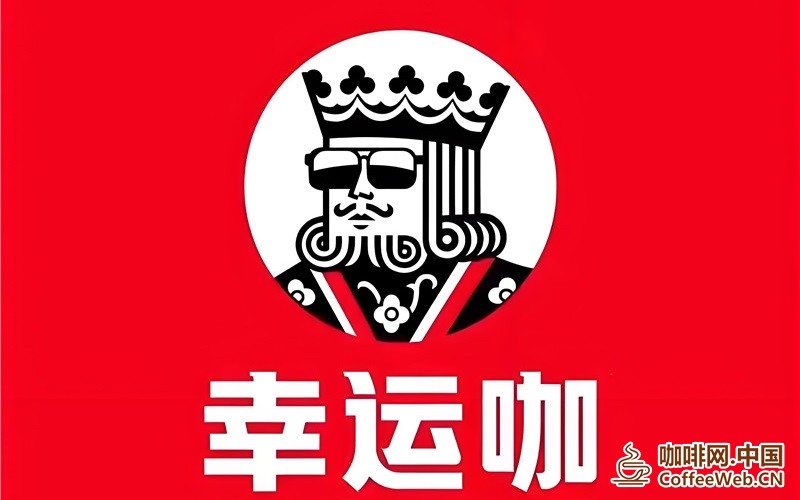
视觉采用红色+黄色高饱和配色,搭配IP“老K”(戴皇冠、墨镜的卡通形象),辨识度高、亲和力强,契合下沉市场审美。营销主打“幸运”概念,门店标语“幸运在手,好运你走”,强化情感共鸣;高频跨界联名(如蜜雪冰城、热门动漫),低价周边(钥匙扣、水杯)吸引年轻群体;依托蜜雪门店资源,双品牌联动(“咖啡+茶饮”组合),共享客流,提升单店销量。
三、门店布局与经营数据
截至2026年5月,幸运咖全球门店超1.2万家,中国市场占比98%,海外少量布局东南亚。国内门店分布:四线及以下县域占比70%,三线城市20%,一二线城市10%(2025年起加速布局,一线城市超1000家)。店型以15-25㎡快取店为主,无堂食或少量堂食,租金成本低、坪效高。
经营层面:单店日均销量200-400杯,客单价6-8元,单店月营收5-15万元,净利率15%-25%(下沉市场因租金低,净利率更高)。2025年椰椰拿铁单品销售额超2亿元,全年总营收超80亿元,成为蜜雪集团第二增长曲线。
四、行业影响与争议
1. 行业影响:下沉市场的咖啡启蒙者
幸运咖的崛起彻底改写中国咖啡市场格局,形成“瑞幸(高端平价)、库迪(中平价)、幸运咖(极致平价)”的三级梯队,填补5-10元价格带空白。其低价策略加速咖啡文化向县域渗透,带动三四线城市咖啡消费频次从年均1杯提升至8杯,培养全民咖啡消费习惯。同时,倒逼瑞幸、库迪下沉降价,推动行业整体向“平价化、大众化”转型。
2. 争议与挑战
高速扩张背后,争议与挑战并存:一是低价内卷隐忧,5.9元定价被质疑“利润太薄”,原材料涨价时易压缩品质空间;二是产品同质化,与瑞幸、库迪爆款高度重合,本土化创新不足,品牌差异化弱;三是门店管理压力,万店规模下,部分县域门店存在服务不规范、品控不稳定等问题,闭店率高于头部品牌;四是一二线突围难,一线城市面临瑞幸、星巴克、独立咖啡品牌竞争,品牌调性偏低,难以吸引高端客群。
五、未来发展规划
幸运咖未来坚持“下沉深耕+一二线渗透+品质升级+全品类拓展”四大战略:2026-2027年,国内门店突破2万家,海外门店达2000家,巩固行业第三地位;持续加码供应链,推进烘焙工厂智能化,进一步降低成本、提升品质;深化“咖啡+茶饮+轻食”模式,新增面包、简餐,提升单店盈利;加速本土化创新,打造差异化爆款,摆脱同质化争议;稳步进军一二线城市,升级门店形象,提升品牌调性,实现“农村包围城市”的终极目标。
从2017年首店到2026年1.2万家门店,幸运咖用9年时间完成下沉市场的逆袭,以5元咖啡打破行业价格壁垒,以蜜雪模式重构咖啡加盟生态。尽管面临内卷、同质化等挑战,但凭借极致性价比、强大供应链与成熟加盟体系,幸运咖已成为中国平价咖啡的代名词,推动中国咖啡市场从“一二线小众”向“全民大众”跨越,让世界看到中国下沉市场咖啡品牌的力量。
Lucky Cup is a wholly-owned coffee sub brand under the Meixue Bingcheng Group. It was founded in Zhengzhou, Henan in 2017, with its headquarters located in Zhengzhou. With high-quality, affordable, and ultimate cost-effectiveness as its core positioning, relying on Meixue Bingcheng's strong supply chain, logistics, and franchise system, it has become an absolute leader in the sinking track of the Chinese coffee market. It is also the third local coffee brand to enter the "Wandian Club" after Luckin Coffee and Kudi. The brand focuses on "5-10 yuan national coffee" and reconstructs the perception of coffee consumption in the sinking market with a low price strategy, promoting freshly ground coffee as a daily beverage in counties, campuses, and communities.
1、 Development history: Empowered by Meixue, from a regional dark horse to a global store with thousands of stores
1. Start up exploration period (2017-2019)
In 2017, Meixue Group officially launched an incubation coffee project and established the "Lucky Cup" brand. In December of the same year, the first store opened in Langyue Park, Zhengzhou. Initially, it focused on the Henan regional market and focused on affordable coffee, but due to its vague positioning and single product, its development was relatively slow. In 2019, Lucky Coffee became a wholly-owned subsidiary of Meixue, taken over by Zhang Hongfu, the general manager of Meixue Ice City. It fully connected with the group's research and development, procurement, logistics, and factory resources, completed the initial construction of the operation system, iterated the store to the second generation image, and laid the foundation for subsequent explosive growth.
2. Strategic turning point and expansion period (2020-2024)
2020 is a key turning point for the brand: Zhang Hongfu leads the reform, clarifies the core positioning of high-quality and affordable products, and locks in the price range of 5-10 yuan; The group invested 100 million yuan to create the IP image of "Old K" and launched the third generation of store visuals, greatly improving its recognition; Starting from Henan in April, we opened up franchising and quickly penetrated the sinking market based on the mature franchise model of Meixue. In 2021, we launched our signature iced latte and simultaneously built our own coffee roasting factory to achieve self-sufficiency in raw materials, reduce costs, and ensure stable quality. In 2022, the popular coconut latte will be launched, with annual sales exceeding 10 million cups, leading the coconut milk coffee trend in the industry; In June of the same year, the number of stores exceeded 1000 and reached 2000 by the end of the year, officially ranking among the top coffee brands in the region. In 2023-2024, the growth rate will slow down due to the impact of the price war between Luckin Coffee and Kudi, but the single store model will continue to be optimized to consolidate the basic market of the sinking market. By the end of 2024, there will be about 4000 stores.
3. The period of skyrocketing stores (2025 present)
In 2025, Lucky Coffee will embark on a "sprint to thousands of stores" and achieve double growth in just 10 months (4600 at the beginning of the year → 10000 on November 24th), opening over 16 new stores per day and becoming one of the fastest-growing brands in the industry. As of May 2026, there are over 12000 stores worldwide, covering more than 300 cities nationwide and some overseas markets. Third tier and below cities account for over 70%, firmly ranking third in China's coffee industry.
2、 Brand positioning and core advantages
1. Brand positioning: National affordable coffee starting from 5 yuan
Lucky Coffee precisely targets the sinking market (third - and fourth tier, county towns, and townships), student party, and price sensitive office workers, with a core positioning of "high-quality and affordable freshly ground coffee", breaking the perception that "freshly ground coffee must be expensive": American style 5.9 yuan, latte 7-8 yuan, fruit coffee 6-8 yuan, normalized "6.6 yuan cap" activity, pushing the price of freshly ground coffee to the industry bottom line, making coffee a "daily staple" rather than a "light luxury consumption".
2. Core advantages: Honey Snow Gene+Four major barriers
Ultimate supply chain: cost crushing peers
Fully share the global procurement network of Meixue Ice City (covering 38 countries), sign a 4 billion yuan coffee bean procurement order with Brazil in 2025, and lock in low-priced and high-quality green beans. Self built roasting factory, coffee bean supply price ≤ 70 yuan/kg (close to cost price), 30% lower than the industry; Directly connected with brands such as Mengniu, eliminating intermediaries, the gross profit margin of a 5.9 yuan American style cup still reaches 48%, and the low price is not low.
Lightweight franchise model: low threshold, high guarantee
Adopting the "single store franchise without commission" model, the headquarters only charges franchise fees and does not participate in revenue sharing to reduce franchisee risks. The investment for a single store is about 127000 yuan (including decoration, equipment, and the first batch of materials), with an area of 10-30 square meters. The main focus is on quick access stores, which are suitable for small areas such as campuses, communities, and streets; Mixue provides full process training, site selection support, and logistics delivery. Coffee novices can get started in 7 days, and the survival rate of franchisees exceeds 90%.
Hot selling product matrix: localization, high repurchase rate
The product is centered around "classic coffee+localized flavor+high cost-effectiveness", with three main pillars: signature coconut latte (annual sales exceeding millions of cups), iced latte, and American style latte, with a repeat purchase rate of over 60%. Innovation tailored to Chinese tastes: Grape iced coffee, coconut latte, potato latte, etc., supplemented with non coffee drinks such as lemon tea and milkshakes, covering all time consumption; By 2025, the sales of multiple new products will exceed 100 million yuan, with the highest monthly sales of a single product exceeding 3 million cups.
Brand marketing: down-to-earth and strong penetration
The visual design adopts a high saturation color scheme of red and yellow, paired with the IP "Old K" (a cartoon image wearing a crown and sunglasses), which has high recognition and strong affinity, and is in line with the aesthetic of the sinking market. The marketing focuses on the concept of "luck" and the store slogan "luck in hand, good luck you go" to strengthen emotional resonance; High frequency cross-border collaborations (such as Honey Snow Ice City, popular anime) and low-priced peripherals (keychains, water bottles) attract young audiences; Relying on the resources of Meixue stores, dual brand linkage ("coffee+tea drink" combination), shared customer flow, and increased single store sales.
3、 Store layout and operational data
As of May 2026, Lucky Coffee has over 12000 global stores, with a 98% market share in China and a small overseas presence in Southeast Asia. Domestic store distribution: 70% in fourth tier and below counties, 20% in third tier cities, and 10% in first and second tier cities (accelerating layout from 2025, with over 1000 stores in first tier cities). The main type of store is a 15-25 square meter express delivery store, with no dine in or limited dine in options, low rental costs, and high floor area efficiency.
On the operational level, the average daily sales volume of a single store is 200-400 cups, with a unit price of 6-8 yuan per customer. The monthly revenue of a single store is 50000-150000 yuan, and the net profit margin is 15% -25% (due to low rent in lower tier markets, the net profit margin is higher). By 2025, the sales revenue of coconut latte will exceed 200 million yuan, and the total annual revenue will exceed 8 billion yuan, becoming the second growth curve of Meixue Group.
4、 Industry impact and controversy
1. Industry impact: coffee enlighteners in the sinking market
The rise of Lucky Coffee has completely rewritten the pattern of the Chinese coffee market, forming a three-level hierarchy of "Luckin Coffee (high-end parity), Kudi Coffee (medium parity), and Lucky Coffee (ultimate parity)", filling the gap in the price range of 5-10 yuan. Its low price strategy accelerates the penetration of coffee culture into counties, driving the frequency of coffee consumption in third - and fourth tier cities from an average of 1 cup per year to 8 cups per year, and cultivating the habit of coffee consumption among the whole population. At the same time, it has forced Luckin and Kudi to lower their prices and promote the overall transformation of the industry towards "affordability and popularization".
2. Disputes and Challenges
Behind the rapid expansion, controversies and challenges coexist: firstly, there are hidden concerns about low prices and internal competition. The 5.9 yuan pricing has been questioned as "too thin profit", and the increase in raw material prices can easily compress the quality space; The second issue is product homogenization, which highly overlaps with popular models from Luckin and Kudi, with insufficient localization innovation and weak brand differentiation; The third is the pressure of store management. Under the scale of 10000 stores, some county-level stores have problems such as non-standard service and unstable quality control, with a higher closure rate than top brands; Fourthly, it is difficult for first and second tier cities to break through. First tier cities face competition from Luckin Coffee, Starbucks, and independent coffee brands, with low brand tone and difficulty in attracting high-end customers.
5、 Future Development Plan
Lucky Coffee will adhere to four major strategies in the future: "sinking deep cultivation+first and second tier penetration+quality upgrading+full category expansion": from 2026 to 2027, the number of domestic stores will exceed 20000, and the number of overseas stores will reach 2000, consolidating the third place in the industry; Continuously strengthening the supply chain, promoting the intelligence of baking factories, further reducing costs, and improving quality; Deepen the "coffee+tea drinks+light food" model, add bread and light meals, and improve single store profitability; Accelerate localization innovation, create differentiated bestsellers, and get rid of homogenization controversies; Steadily entering first and second tier cities, upgrading store image, enhancing brand tone, and achieving the ultimate goal of "surrounding cities from rural areas".
From its first store in 2017 to 12000 stores by 2026, Lucky Coffee has completed a comeback in the sinking market in 9 years, breaking through industry price barriers with 5 yuan coffee and reconstructing the coffee franchise ecosystem with the Honey Snow model. Despite facing challenges such as competition and homogenization, with its ultimate cost-effectiveness, strong supply chain, and mature franchise system, Lucky Coffee has become synonymous with affordable coffee in China, driving the Chinese coffee market from a "first and second tier niche" to a "mass market" and showcasing the power of coffee brands in China's lower tier markets to the world.