侬好,上海!白钟元咖啡重返中国胜算几何?Hello, Shanghai! What are the chances of Bai Zhongyuan Coffee returning to China?
(来源:AJU视界)
白钟元咖啡重返中国胜算几何?
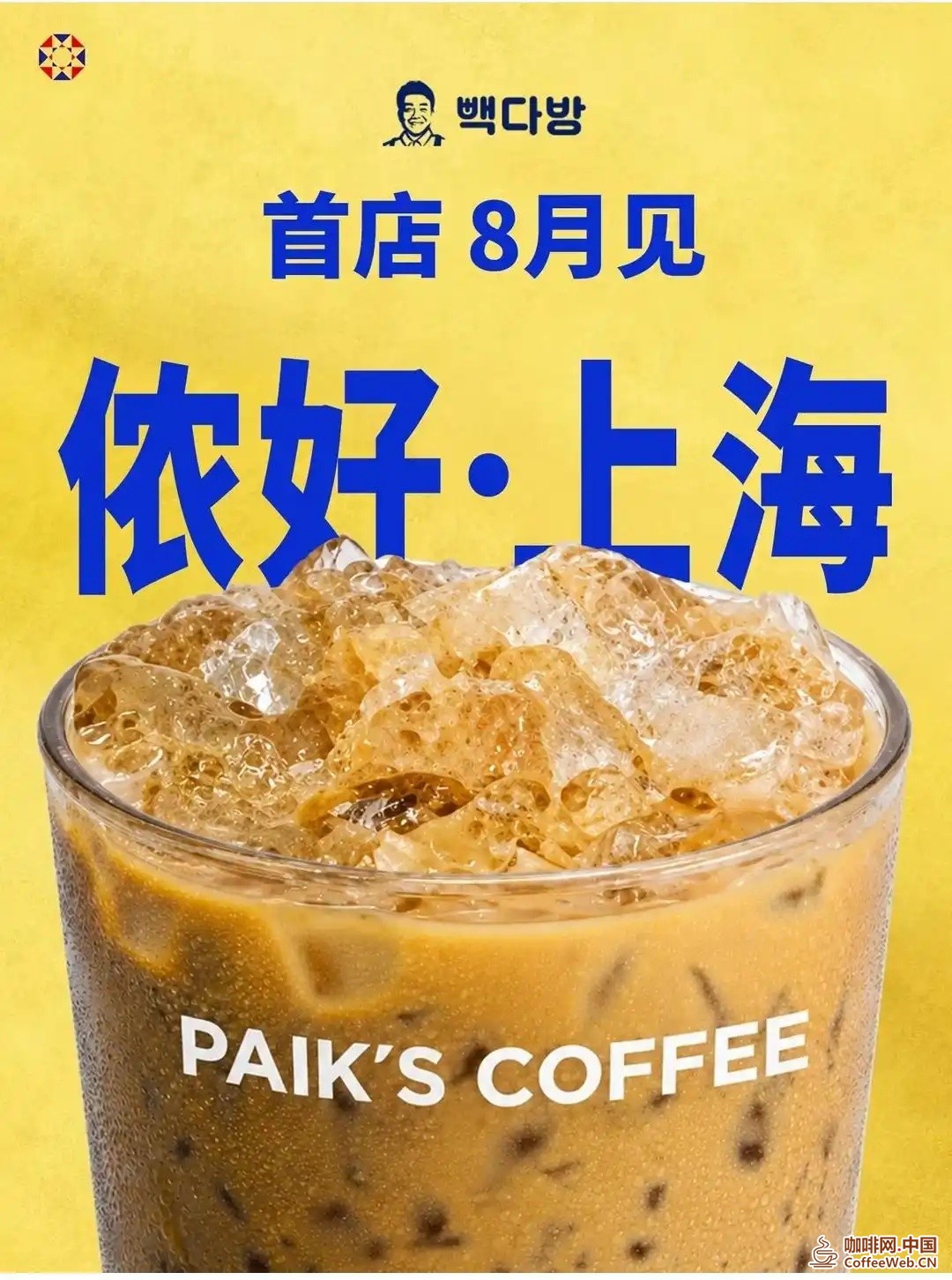
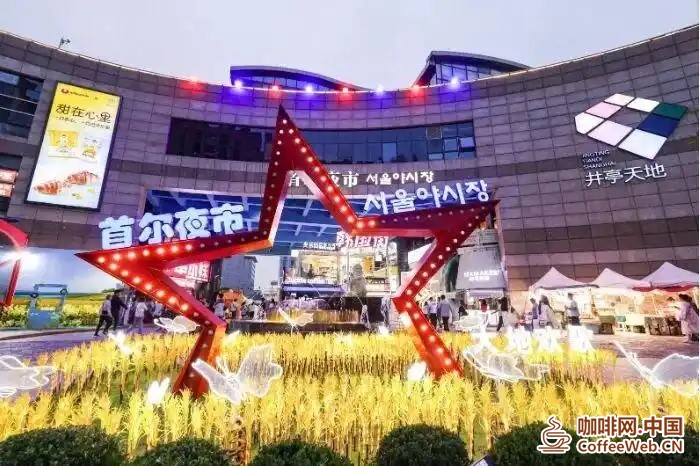
由韩国明星大厨白钟元创立的平价连锁咖啡品牌Paik’s Coffee即将再次叩开中国市场的大门。根据业内消息,Paik’s Coffee中国首店将于8月落地位于上海闵行区虹泉路的“首尔夜市”,这也是品牌时隔数年后重新布局中国市场。
这并非Paik’s Coffee首次进入中国。早年,Paik’s Coffee曾在上海闵行区吴中路附近的万象城开设门店,但由于市场环境及经营因素变化,门店最终关闭,品牌一度退出中国市场。如今选择“二次入华”,既体现了品牌对中国消费市场长期潜力的看好,也折射出韩国咖啡行业正在经历的新变化。
韩国素有“咖啡共和国”之称,目前全国咖啡门店已突破10万家。Mega MGC Coffee、Compose Coffee、Paik’s Coffee等平价品牌均拥有数千家门店,新增门店已难以支撑企业持续高速增长,越来越多的连锁咖啡品牌开始把增长希望寄托于海外市场。
Mega MGC Coffee以蒙古作为海外第一站,目前已在乌兰巴托开设多家门店,并设立日本法人,积极研究进入日本及美国市场,同时推进柬埔寨门店建设。Compose Coffee则已布局新加坡、中国台湾,并计划进一步进入菲律宾市场。

相比之下,Paik’s Coffee的海外布局更加谨慎,目前仍处于评估中国、日本、美国等市场发展机会的阶段。
相比菲律宾、蒙古等新兴市场,中国无疑拥有更加庞大的消费基础。近年来,中国咖啡消费保持高速增长,虽然人均咖啡消费量仍韩国,但潜力空间巨大。年轻消费群体不断扩大,三、四线城市市场持续释放需求,令中国成为全球最具潜力的咖啡市场之一。

白钟元本人作为韩国知名餐饮企业家,频频亮相综艺节目,在中国拥有较高知名度,个人IP能够为品牌带来一定的话题效应。
然而,与第一次进入中国相比,如今中国咖啡市场生态已发生天翻地覆的变化。如果说几年前中国咖啡市场仍是一片“蓝海”,那么如今已经进入存量竞争时代。
除了以星巴克为代表的外国品牌仍占据高端市场,本土品牌的异军突起十分亮眼。瑞幸咖啡经过几年高速扩张,门店数量已位居行业前列,并依靠数字化运营、供应链管理以及持续推出爆款产品,牢牢占据大众消费市场。
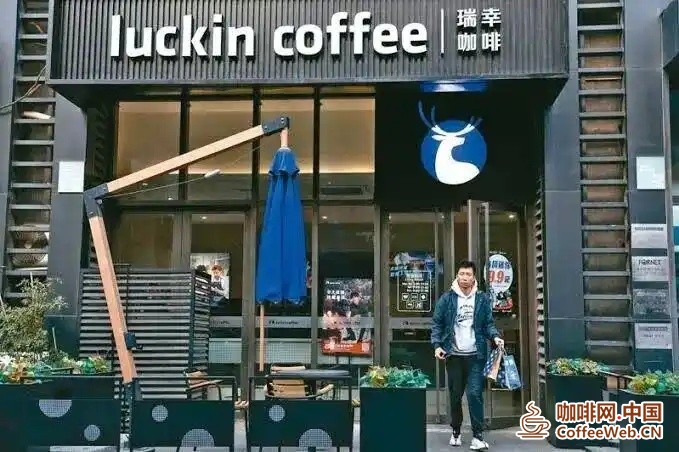
此外,库迪咖啡、Manner、M Stand、幸运咖以及大量区域品牌,也分别占据精品咖啡、社区咖啡和下沉市场。
Paik’s Coffee最大的优势“便宜大碗”到了中国反而未必构成竞争优势。瑞幸、库迪、幸运咖等品牌都已将价格压至9.9元甚至更低,大容量饮品也早已成为行业普遍配置。
Paik’s Coffee在韩国赖以成功的商业模式,在中国已不再稀奇。相比价格竞争,真正决定品牌能否成功的,或许是本地化能力。
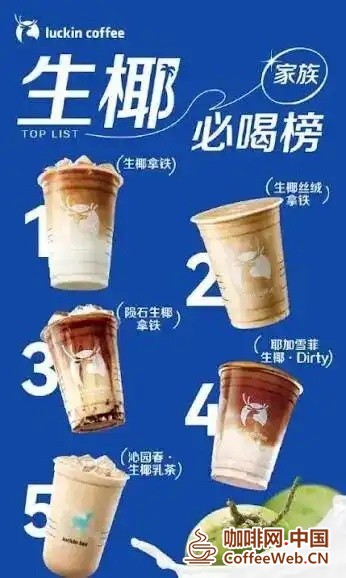
韩国消费者偏爱的超大杯美式咖啡,在中国并非绝对主流。近年来,中国咖啡消费明显呈现饮品化趋势,消费者更加偏爱奶咖、生椰、果味咖啡、茶咖融合等创新产品,而不仅仅是美式或拿铁等传统咖啡。
中国的MZ世代对新品更新速度要求极高。拿瑞幸举例,几乎每月推出新品,并与各种热门IP联名,营销手段令人眼花缭乱。Paik’s Coffee若仍将韩国市场的产品体系直接复制到中国,很难持续吸引消费者。
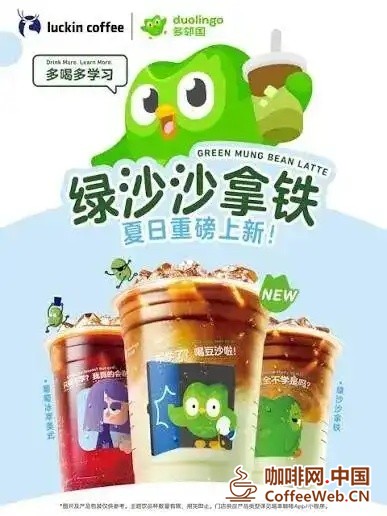
【瑞幸咖啡和多邻国联名】
此外,中国消费者对于数字化运营的要求也远高于海外市场。会员积分、小程序点单、即时配送、社交媒体营销、直播带货、网红探店等,已经成为咖啡品牌经营的“标配”,而韩国品牌则相对依赖线下门店和品牌口碑,Paik’s Coffee能否建立起足够吸引消费者的数字化运营能力仍是未知数。
门店选址策略也极为重要。Paik’s Coffee首次进军中国市场时,选择在大型购物中心开店,但如今中国商业地产格局已发生变化。写字楼、社区商业、地铁商圈以及高校周边,往往比传统购物中心拥有更稳定的消费客流。如何根据不同城市、不同消费群体制定差异化布局,将成为品牌需要面对的重要课题。
Paik’s Coffee此次重返中国,更像是一场“重新创业”。相比第一次试水,如今品牌拥有更多海外运营经验,也赶上了韩国餐饮品牌国际化的新一轮浪潮。但同时,中国市场竞争强度也超乎想象。
若想真正站稳中国市场,仅靠白钟元个人IP或“便宜大碗”等标签已远远不够。能否深入理解中国消费者需求,打造符合本地口味的产品体系,建立成熟的数字化运营能力,并形成区别于本土品牌的独特价值,将成为决定成败的关键。
(Source: AJU Vision)
What are the chances of Bai Zhongyuan Coffee returning to China?
Paik's Coffee, a budget chain coffee brand founded by South Korean celebrity chef Bai Zhongyuan, is about to once again open the door to the Chinese market. According to industry sources, Paik's Coffee's first store in China will be located in the "Seoul Night Market" on Hongquan Road in Minhang District, Shanghai in August, marking the brand's repositioning in the Chinese market after several years.
This is not the first time Paik's Coffee has entered China. In the early years, Paik's Coffee opened a store in the Wanda Plaza near Wuzhong Road in Minhang District, Shanghai. However, due to changes in the market environment and business factors, the store eventually closed and the brand withdrew from the Chinese market for a period of time. Choosing to enter China for the second time now not only reflects the brand's optimism about the long-term potential of the Chinese consumer market, but also reflects the new changes that the South Korean coffee industry is experiencing.
South Korea is known as the "Coffee Republic" and currently has over 100000 coffee shops nationwide. Affordable brands such as Mega MGC Coffee, Compose Coffee, Paik's Coffee, etc. all have thousands of stores, and the addition of new stores is no longer sufficient to support the sustained high-speed growth of enterprises. More and more chain coffee brands are beginning to pin their growth hopes on overseas markets.
Mega MGC Coffee, with Mongolia as its first overseas destination, has opened multiple stores in Ulaanbaatar and established a Japanese legal entity. It is actively researching entering the Japanese and American markets, while also promoting the construction of stores in Cambodia. Composite Coffee has been deployed in Singapore and Taiwan, China, China, and plans to further enter the Philippine market.
In contrast, Paik's Coffee is more cautious in its overseas layout and is still in the stage of evaluating development opportunities in markets such as China, Japan, and the United States.
Compared to emerging markets such as the Philippines and Mongolia, China undoubtedly has a larger consumer base. In recent years, coffee consumption in China has maintained rapid growth, and although the per capita coffee consumption is still in South Korea, there is enormous potential. The expanding young consumer group and the sustained release of demand in third - and fourth tier cities have made China one of the most promising coffee markets in the world.
As a well-known catering entrepreneur in South Korea, Bai Zhongyuan frequently appears on variety shows and has a high level of popularity in China. His personal IP can bring a certain topic effect to the brand.
However, compared to entering China for the first time, the coffee market ecology in China has undergone earth shattering changes. If a few years ago the Chinese coffee market was still a 'blue ocean', then now it has entered the era of stock competition.
In addition to foreign brands represented by Starbucks still occupying the high-end market, the emergence of local brands is very impressive. After several years of rapid expansion, Luckin Coffee has become one of the top stores in the industry, relying on digital operations, supply chain management, and continuous launch of popular products to firmly occupy the mass consumer market.
In addition, Kudi Coffee Manner、M Stand、 Lucky Coffee and a large number of regional brands also occupy the boutique coffee, community coffee, and sinking markets respectively.
The biggest advantage of Paik's Coffee, the 'cheap bowl', may not necessarily constitute a competitive advantage in China. Brands such as Luckin Coffee, Kudi, and Lucky Coffee have already lowered their prices to 9.9 yuan or even lower, and high-capacity drinks have become a common feature in the industry.
The business model that Paik's Coffee relied on for its success in Korea is no longer uncommon in China. Compared to price competition, the true determinant of a brand's success may be its localization ability.
The super large cup American coffee favored by Korean consumers is not absolutely mainstream in China. In recent years, coffee consumption in China has shown a clear trend towards beverages, with consumers preferring innovative products such as milk coffee, raw coconut, fruit flavored coffee, and tea coffee blends, rather than traditional coffee such as American style or latte.
The MZ generation in China has extremely high requirements for the speed of new product updates. Taking Luckin Coffee as an example, it launches new products almost every month and collaborates with various popular IPs, with dazzling marketing tactics. If Paik's Coffee continues to directly replicate its product system from the Korean market to China, it will be difficult to continue attracting consumers.
Luckin Coffee and Duolingo Joint Venture
In addition, Chinese consumers have much higher requirements for digital operations than overseas markets. Membership points, mini program ordering, instant delivery, social media marketing, live streaming sales, and internet celebrity store exploration have become the "standard" for coffee brand management, while Korean brands rely relatively on offline stores and brand reputation. Whether Paik's Coffee can establish sufficient digital operation capabilities to attract consumers is still unknown.
Store location selection strategy is also extremely important. When Paik's Coffee first entered the Chinese market, it chose to open stores in large shopping centers, but now the commercial real estate landscape in China has changed. Office buildings, community businesses, subway districts, and university neighborhoods often have more stable consumer flow than traditional shopping centers. How to develop differentiated layouts based on different cities and consumer groups will become an important issue that brands need to face.
Paik's Coffee's return to China this time is more like a're entrepreneurship '. Compared to the first attempt, the brand now has more overseas operational experience and has caught up with the new wave of internationalization of Korean catering brands. But at the same time, the intensity of competition in the Chinese market is beyond imagination.
If you want to truly establish a foothold in the Chinese market, relying solely on Bai Zhongyuan's personal IP or labels such as "cheap big bowl" is far from enough. Whether we can deeply understand the needs of Chinese consumers, create a product system that meets local tastes, establish mature digital operation capabilities, and form unique values that distinguish us from local brands will be the key to success or failure.