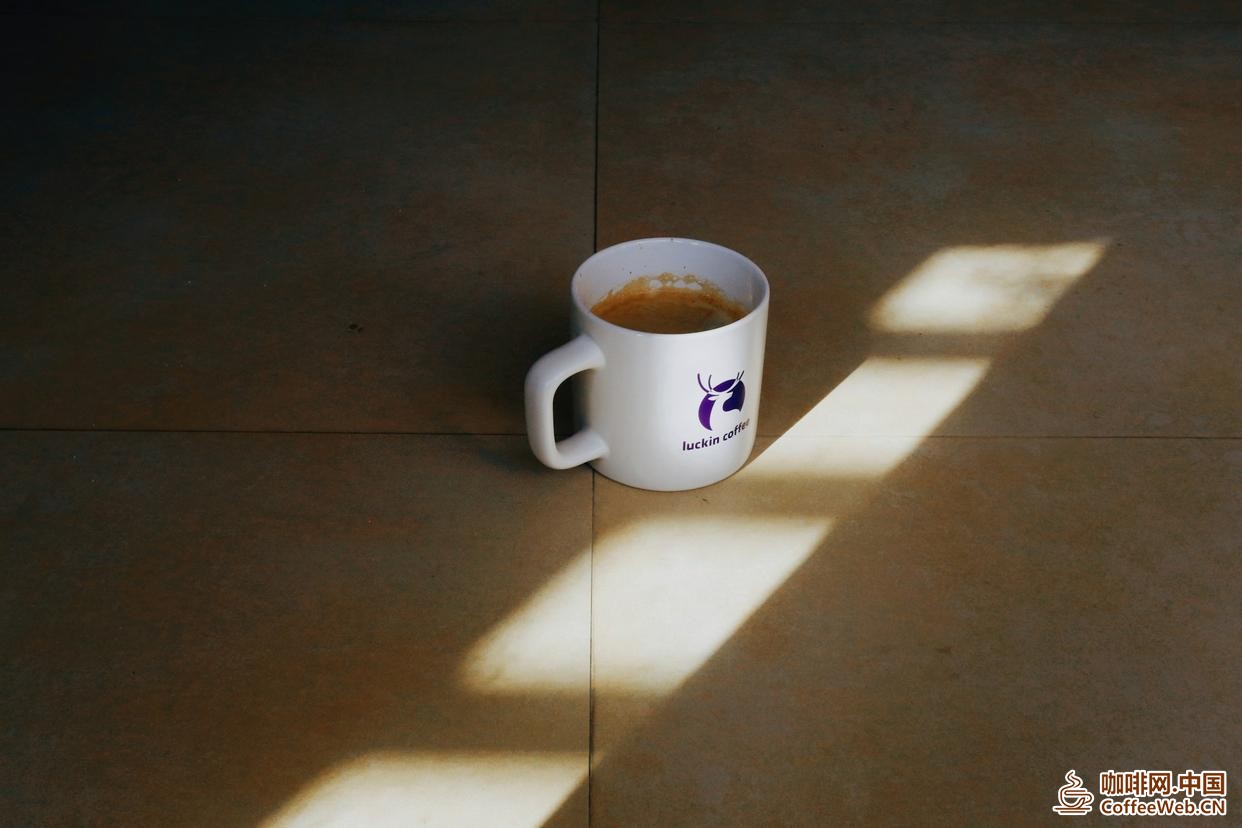
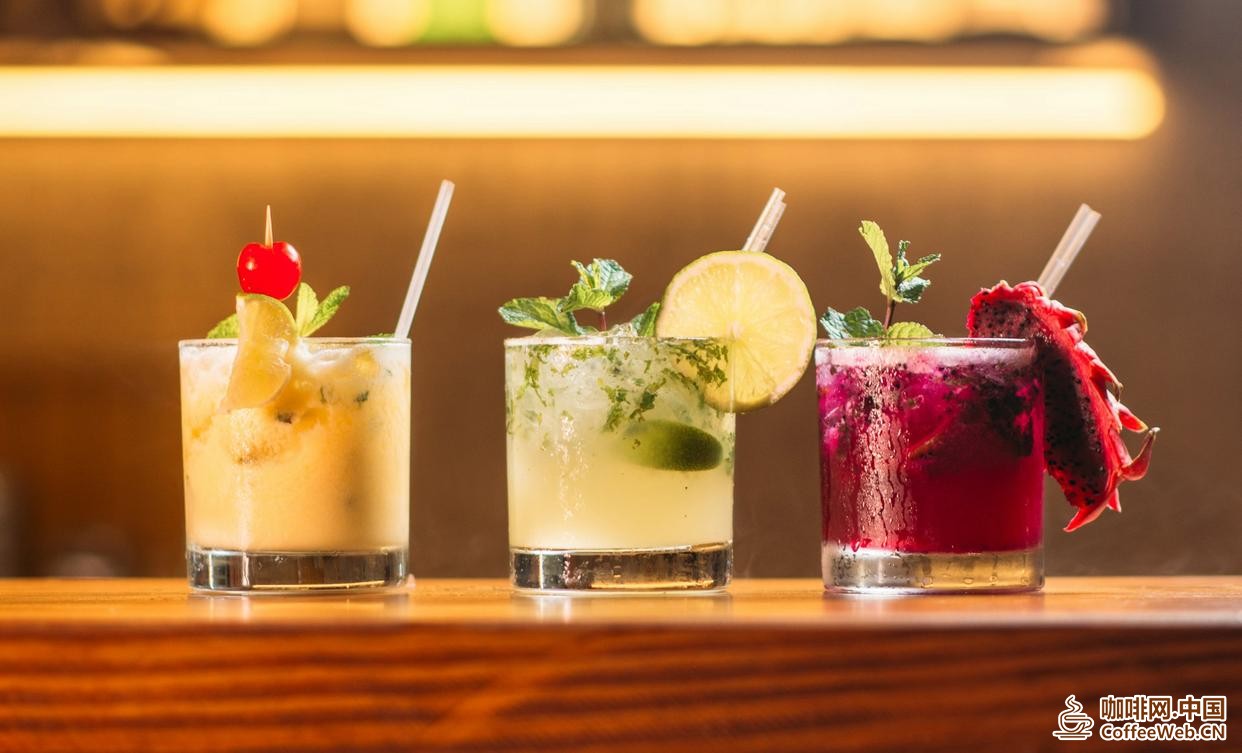
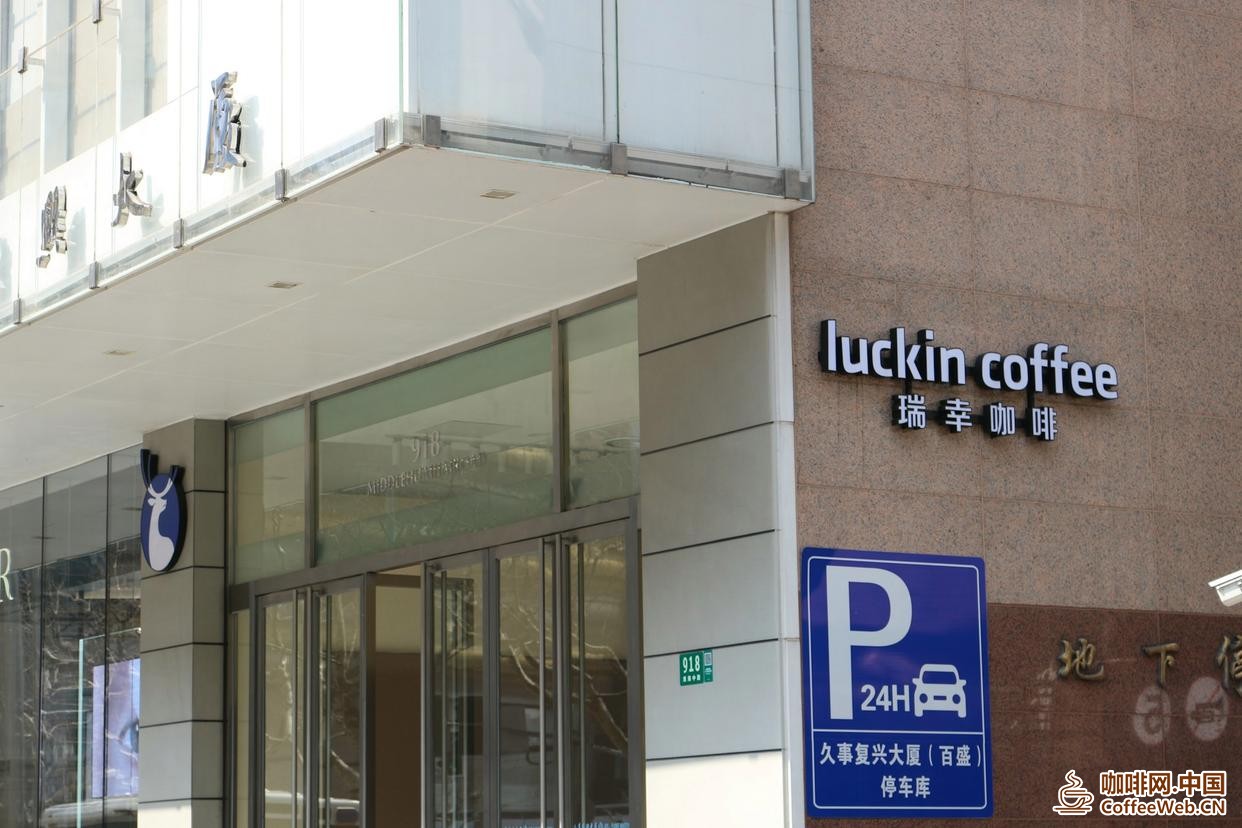
前几年,瑞幸推出酱香拿铁曾经引发过市场的热议,当时成为了最受欢迎的网红,不过之后含酒精的饮品就消失了身影,就在最近瑞幸又要发力酒精饮品了,咖啡品牌卖酒真的是好生意吗?
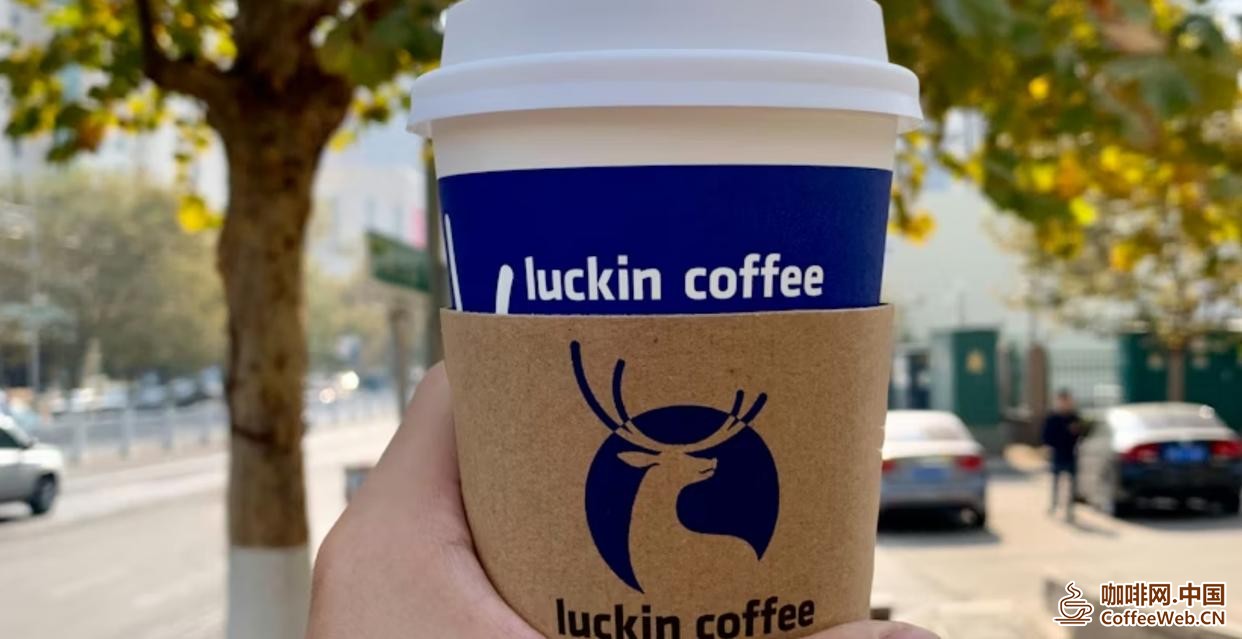
一、酱香拿铁之后瑞幸又出了含酒精新品
据界面新闻的报道,近日,有多位网友在社交平台发帖表示,瑞幸拟推出“绯色月光”等多款含酒精特调饮品,引发关注。
5月11日,据九派财经,瑞幸北京一门店店员向记者确认,5月18日确实将推出两款含酒精特调,“里面会有15毫升的酒,不能卖给未成年”。在具体制作上,店员表示,酒精特调不需要新增设备,整体流程有十余步,制作时间可能在3到5分钟左右。据悉该饮品仅支持线下自提购买。
公开资料显示,“绯色月光”基底融合咖啡液、葡萄、荔枝与茉莉花茶,顶部覆以樱花茉莉云顶,草莓粉点缀。其分为有酒精与无酒精两个版本,其中有酒精版本含利伦敦干味金酒,酒精度>0.5%vol,售价为15.9元/杯。
据2022年实施的《饮料酒术语和分类》(GB/T 17204),饮料酒分为发酵酒(如啤酒、葡萄酒)、蒸馏酒(如白酒、威士忌)、配制酒三大类。其中,酒精度超过0.5%vol的饮品属于饮料酒范畴,需按酒类管理。
这并非瑞幸第一次推出含酒精饮品。2023年9月5日,瑞幸曾和茅台联名推出“酱香拿铁”,零售价38元/杯,活动价19元/杯。该单品首日销量突破542万杯,销售额突破1亿元,刷新单品纪录。
根据官方对产品的介绍,“酱香拿铁”内含53度贵州茅台酒,酒精度低于0.5%。门店店员强调,喝了酱香拿铁不会影响驾车,但有酒精过敏者慎用,且该款白酒风味厚奶仅供门店,不做外售。
二、咖啡品牌卖酒真是好生意?
最近,瑞幸咖啡又搞事情了。在酱香拿铁一战封神之后,瑞幸并没有停下“咖啡+酒”的脚步,再次推出了含酒精饮品的新品。很多人在问:咖啡卖酒,真的是一门好生意吗?
首先,这已经不是瑞幸第一次涉足酒精市场了。回顾前几年酱香拿铁上市时的盛况,可以说是现象级的。一杯定价不到二十元的咖啡,让无数从来不喝白酒的年轻人第一次尝到了茅台的味道。那一波营销,不仅让瑞幸的单日销量创下了历史新高,更重要的是,它验证了一个核心假设:咖啡与酒精的结合,在中国市场是有巨大需求的。
酱香拿铁的成功为瑞幸布局酒精市场奠定了非常坚实的基础。它解决了两个关键问题:第一,消费者愿不愿意在咖啡里加酒?答案是愿意,而且非常愿意。第二,咖啡品牌做酒,消费者买不买账?答案也是肯定的,因为瑞幸的品牌调性本身就年轻化、潮流化,和“微醺”这个概念天然契合。
所以,当瑞幸再次推出含酒精新品的时候,这不是一次冒险,而是一次有数据支撑、有用户基础、有品牌背书的“顺势而为”。笔者一直强调,商业世界里最聪明的做法,不是每次都去赌一个新方向,而是把已经被验证过的模式复制放大,做过酱香拿铁的瑞幸显然深谙此道。
其次,咖啡卖酒是突破时间限制的关键。当前国内现磨咖啡行业渗透率持续走高,行业整体已经告别增量扩张的高速增长期,全面进入存量竞争的成熟发展阶段。头部品牌门店密度趋于饱和,新增门店带来的流量增量持续收窄,行业竞争从“抢新用户、拓新门店”转向“挖存量价值、补场景空白”。这是所有咖啡连锁品牌必须面对的产业现状,也是行业迭代升级的必然趋势。
从消费场景结构来看,传统咖啡消费存在极强的时段局限性,形成了明显的消费断层。长期以来,咖啡的核心消费场景集中在清晨通勤、上午办公、午后下午茶,是典型的日间功能性饮品,核心价值是提神、解腻、适配职场与日常刚需。而傍晚、夜间的休闲消费时段,几乎是咖啡品类的真空地带,大量线下门店在晚间时段客流锐减,门店租金、设备损耗、人力成本等固定成本持续消耗,资源利用率严重不足。对于高度依赖门店坪效的连锁咖啡品牌而言,时段场景的单一化,是制约企业盈利增长的核心痛点,所以我们经常看到不少咖啡店一到下午就开始门庭冷落,晚上几乎连顾客都找不到。
瑞幸布局含酒精咖啡,本质上是用产品创新填补场景空白,实现门店全天候资源的最大化利用。依托现有数千家线下门店网络,无需新增场地、无需重构供应链、无需搭建新团队,仅通过产品配方迭代,就能切入夜间微醺消费赛道,盘活闲置的门店时段资源,大幅提升坪效与盈利能力。这种轻资产、低成本、高适配的业态升级模式,完美适配存量市场下咖啡企业的转型需求,具备极强的商业可行性。
第三,年轻人对微醺的偏爱是重要根源。当前的市场消费趋势也是,年轻人喜欢微醺,不爱好高度白酒,这也是咖啡企业重要的窗口期。当下的主力消费群体,Z世代及年轻白领,他们的饮酒习惯正在发生深刻的代际变迁。传统的商务宴请和高度白酒文化正在逐渐退潮,取而代之的是追求轻松、悦己、低度数的“微醺经济”。年轻人不再需要通过酩酊大醉来社交,而是更倾向于在下班后或周末寻找一种低负担的放松方式。
咖啡与酒的结合,恰恰切中了这一消费痛点。咖啡的香气可以中和酒精的辛辣,而酒精的加入又赋予了咖啡休闲社交的属性。这种“轻酒精”饮品,既保留了咖啡的时尚感,又满足了年轻人对于夜间微醺的需求。对于瑞幸而言,这正是切入年轻群体夜间社交场景的最佳窗口期,谁能率先占领“平价、便捷、好喝的微醺饮品”这一心智,谁就能在未来的夜间经济中占据一席之地。再加上现在大多数年轻人也是咖啡的主要客群,这样微醺与咖啡的深入融合让瑞幸推出酒精类饮品也有了更多的可行性空间。
第四,“早C晚A”的确是市场多元化发展的重要方向。长期来看,“早C晚A”的确是饮品市场多元化发展的重要方向,瑞幸再次尝试入局,是将爆点式的营销模式转化为常态模式的艰难探索。我们必须清醒地认识到,从“偶发性的现象级爆款”到“常态化的利润支柱”,这中间存在着巨大的商业鸿沟。酱香拿铁的成功,很大程度上是稀缺性联名带来的猎奇心理驱动,这种情绪消费具有极强的不可持续性。一旦新鲜感褪去,如何让消费者将“在咖啡店买酒”作为一种日常习惯,才是瑞幸面临的真正大考。
常态化经营考验的不再是营销创意,而是硬核的供应链基本功:酒精饮品的保质期与咖啡原料截然不同,冷链物流如何协同?夜间卖酒需要匹配不同的门店灯光、音乐甚至服务人员的话术,万店规模的标准化如何落地?更深层次地,咖啡和酒精在生理作用上存在对冲,如何在产品配比上实现“既有咖啡的风味,又有微醺的体感”,而不至于让消费者产生体验割裂,这都需要极强的产品研发迭代能力。
与此同时,如何让两者的服务能够实现有机的统一,这其实也是巨大的难题,传统的咖啡下单制作一气呵成,但是酒精类饮品的制作可不是那么容易,我们姑且不说,不少人都把鸡尾酒弄成了一种艺术品,调酒师的难度可比咖啡高多了。就是目前,不少瑞幸的咖啡店都在说,不准把酒卖给未成年人,光是这一条就足够让咖啡店头疼不已了,本来订单就这么忙了,还要考虑如何判断消费者的年龄,这可不是一件容易的事情,现在不少门店就已经在吐槽瑞幸的创意部门了。
因此,瑞幸此次推新,是从营销走向持续经营的分水岭,能否将流量转化为留量,将网红转化为长红,依然需要时间来检验。
(本文图片来源为:UNsplash)
来源:北京号
作者: 江瀚视野
A few years ago, Luckin Coffee's launch of sauce flavored latte sparked a heated discussion in the market, becoming the most popular internet celebrity at the time. However, alcoholic beverages disappeared afterwards. Recently, Luckin Coffee is once again focusing on alcoholic beverages. Is selling alcohol as a coffee brand really a good business?
1、 After the sauce flavored latte, Luckin Coffee has released a new alcoholic product
According to a report by Interface News, several netizens recently posted on social media that Luckin Coffee plans to launch multiple alcoholic special drinks such as "Scarlet Moonlight", which has attracted attention.
On May 11th, according to Jiupai Finance, a staff member at a Luckin Beijing store confirmed to reporters that two special alcoholic beverages will indeed be launched on May 18th, which will contain 15 milliliters of alcohol and cannot be sold to minors. In terms of specific production, the salesperson stated that alcohol blending does not require additional equipment, and the overall process has more than ten steps, with a production time of about 3 to 5 minutes. It is reported that this beverage only supports offline self pickup purchase.
Public information shows that the base of "Scarlet Moonlight" is blended with coffee liquid, grapes, lychee, and jasmine tea, with cherry blossoms and jasmine clouds covering the top, and strawberry powder embellishment. It is divided into two versions: alcoholic and non-alcoholic. The alcoholic version contains London Dry Gin with an alcohol content greater than 0.5% vol and is priced at 15.9 yuan/cup.
According to the Terminology and Classification of Beverage Liquor (GB/T 17204) implemented in 2022, beverage liquor can be divided into three categories: fermented liquor (such as beer and wine), distilled liquor (such as Baijiu and whiskey) and formulated liquor. Among them, beverages with an alcohol content exceeding 0.5% vol belong to the category of alcoholic beverages and need to be managed as alcoholic beverages.
This is not the first time Luckin has launched alcoholic beverages. On September 5, 2023, Luckin Coffee and Maotai jointly launched the "Sauce flavored Latte", with a retail price of 38 yuan/cup and a promotional price of 19 yuan/cup. The first day sales of this product exceeded 5.42 million cups, with sales exceeding 100 million yuan, breaking the single product record.
According to the official product introduction, the "Maotai Latte" contains 53 degrees of Kweichow Moutai wine, and the alcohol content is less than 0.5%. The store clerk emphasized that drinking Maotai flavor latte would not affect driving, but those with alcohol allergies should be careful to use it, and this Baijiu flavor thick milk is only for stores, not for sale.
2、 Is it really a good business for coffee brands to sell alcohol?
Recently, Luckin Coffee has been causing trouble again. After winning the championship of sauce flavored latte, Luckin Coffee did not stop its footsteps of "coffee+wine" and once again launched a new product of alcoholic beverages. Many people are asking: Is selling coffee and alcohol really a good business?
Firstly, this is not Luckin's first foray into the alcohol market. Looking back at the heyday of the sauce flavored latte market in the past few years, it can be said to be phenomenal. A cup of coffee priced less than 20 yuan made countless young people who never drink Baijiu taste Moutai for the first time. That wave of marketing not only set a historical high for Luckin Coffee's daily sales, but more importantly, it validated a core hypothesis: the combination of coffee and alcohol has a huge demand in the Chinese market.
The success of sauce flavored latte has laid a very solid foundation for Luckin Coffee's layout in the alcohol market. It addresses two key issues: firstly, are consumers willing to add alcohol to their coffee? The answer is yes, and very yes. Secondly, do consumers buy coffee brands that produce alcohol? The answer is also affirmative, because Luckin's brand tone is inherently youthful and trendy, which naturally aligns with the concept of "slightly tipsy".
So, when Luckin Coffee launches a new alcoholic product again, it's not an adventure, but a "go with the flow" with data support, user base, and brand endorsement. The author has always emphasized that the smartest approach in the business world is not to bet on a new direction every time, but to replicate and magnify already validated models. Luckin Coffee, who has made sauce flavored latte, clearly understands this.
Secondly, selling coffee and alcohol is the key to breaking through time constraints. The penetration rate of the domestic freshly ground coffee industry continues to rise, and the industry as a whole has bid farewell to the high-speed growth period of incremental expansion and entered a mature development stage of stock competition. The density of top brand stores is approaching saturation, and the traffic increment brought by new stores continues to narrow. Industry competition has shifted from "grabbing new users and expanding new stores" to "mining existing value and filling scene gaps". This is the industry situation that all coffee chain brands must face, and it is also the inevitable trend of industry iteration and upgrading.
From the perspective of consumption scenario structure, traditional coffee consumption has strong temporal limitations, forming obvious consumption gaps. For a long time, the core consumption scenarios of coffee have been focused on morning commuting, morning office work, and afternoon tea. It is a typical daytime functional beverage with core values of refreshing, relieving boredom, and adapting to the needs of the workplace and daily life. In the evening and nighttime leisure consumption period, it is almost a vacuum zone for coffee products. A large number of offline stores experience a sharp decline in customer flow during the evening period, and fixed costs such as store rent, equipment wear and tear, and labor costs continue to be consumed, resulting in a serious shortage of resource utilization. For chain coffee brands that heavily rely on store floor space efficiency, the singularity of time periods and scenarios is the core pain point that restricts their profit growth. Therefore, we often see many coffee shops starting to neglect their customers in the afternoon and almost unable to find them at night.
Luckin Coffee's layout of alcoholic coffee is essentially filling the gap in the scene with product innovation, achieving the maximum utilization of store resources around the clock. By relying on the existing network of thousands of offline stores, there is no need to add new venues, restructure the supply chain, or build new teams. With product formula iteration, it is possible to enter the nighttime tipsy consumption track, activate idle store time resources, and significantly improve floor area efficiency and profitability. This light asset, low-cost, and highly adaptable business upgrade model perfectly meets the transformation needs of coffee companies in the existing market and has strong commercial feasibility.
Thirdly, the preference of young people for slight drunkenness is an important root cause. The current market consumption trend is also that young people like to be slightly drunk and do not like high Baijiu, which is also an important window period for coffee enterprises. The current main consumer groups, Generation Z and young white-collar workers, are undergoing profound intergenerational changes in their drinking habits. The traditional business banquets and high Baijiu culture are gradually ebbing away, and are replaced by the pursuit of relaxed, self pleasing and low alcohol "slightly drunk economy". Young people no longer need to socialize by getting drunk, but are more inclined to seek a low burden way to relax after work or on weekends.
The combination of coffee and alcohol precisely hits this consumption pain point. The aroma of coffee can neutralize the spiciness of alcohol, and the addition of alcohol endows coffee with a leisurely and social attribute. This "light alcohol" beverage not only retains the fashion sense of coffee, but also meets the needs of young people for a slight drunkenness at night. For Luckin Coffee, this is the best window to enter the nighttime social scene for young people. Whoever can lead the way to occupy the mindset of "affordable, convenient, and delicious slightly tipsy drinks" will be able to occupy a place in the future nighttime economy. In addition, most young people are also the main customer group for coffee nowadays, so the deep integration of mild drunkenness and coffee has given Luckin Coffee more feasible space to launch alcoholic beverages.
Fourthly, 'early C and late A' is indeed an important direction for the diversified development of the market. In the long run, "early C and late A" is indeed an important direction for the diversified development of the beverage market. Luckin Coffee's attempt to enter the market again is a difficult exploration to transform the explosive marketing model into a normal mode. We must soberly recognize that there is a huge business gap between occasional phenomenon level explosive products and normalized profit pillars. The success of sauce flavored latte is largely driven by the curiosity brought by scarcity, and this emotional consumption has strong unsustainability. Once the novelty fades, the real challenge for Luckin Coffee is how to make it a daily habit for consumers to buy alcohol in coffee shops.
The test of normalized operation is no longer marketing creativity, but the fundamental skills of the hardcore supply chain: the shelf life of alcoholic beverages is completely different from that of coffee ingredients, how can cold chain logistics coordinate? Selling alcohol at night requires matching different store lighting, music, and even the language of service personnel. How to standardize the scale of thousands of stores? At a deeper level, there is a physiological conflict between coffee and alcohol. How to achieve a product mix that combines the flavor of coffee with a slightly tipsy sensation, without causing consumers to experience a disconnect, requires strong product development and iteration capabilities.
At the same time, how to achieve organic unity in the services of both is actually a huge challenge. Traditional coffee ordering and production can be done in one go, but the production of alcoholic beverages is not so easy. Let's not talk about it, many people have turned cocktails into works of art, and the difficulty of bartenders is much higher than that of coffee. At present, many of Ruixing's coffee shops are saying that they are not allowed to sell alcohol to minors. This alone is enough to make coffee shops headache. Since orders are so busy, it is not easy to consider how to judge the age of consumers. Now many stores have complained about Ruixing's creative department.
Therefore, Luckin's new launch is a watershed from marketing to sustainable operation. Whether it can convert traffic into retention and turn internet celebrities into long-term success still needs time to test.
(Image source for this article: UNsplash)
Source: Beijing Number
Author: Jiang Han's Perspective