
上海首份!徐汇为咖啡店主量身定制“经营避坑指南”→The first one in Shanghai! Xuhui customizes a "Business Avoiding Guide" for coffee shop owners →
“法律划定的是行为底线,而这份软法指引告诉我们商户可以怎么做,是实实在在的‘经营参考书’!”悟同咖啡主理人张亮的这番感触,道出了徐汇众多咖啡从业者的心声。
在梧桐掩映的天平街区,每平方公里集聚近60家咖啡店,咖啡从业人员超600名,衡复风貌区里氤氲的咖啡香,是上海城市烟火的鲜活注脚。蓬勃发展的咖啡业态背后,各类治理难题随之而来。如何守护街区烟火,又守住合规经营的底线?日前,徐汇区人民法院联合天平路街道办事处在66梧桐院党群服务中心发布全市首份咖啡行业专项软法指引,推动司法下沉基层,让矛盾化解在街区。
阵地前移:在街巷一线破解现实纠纷
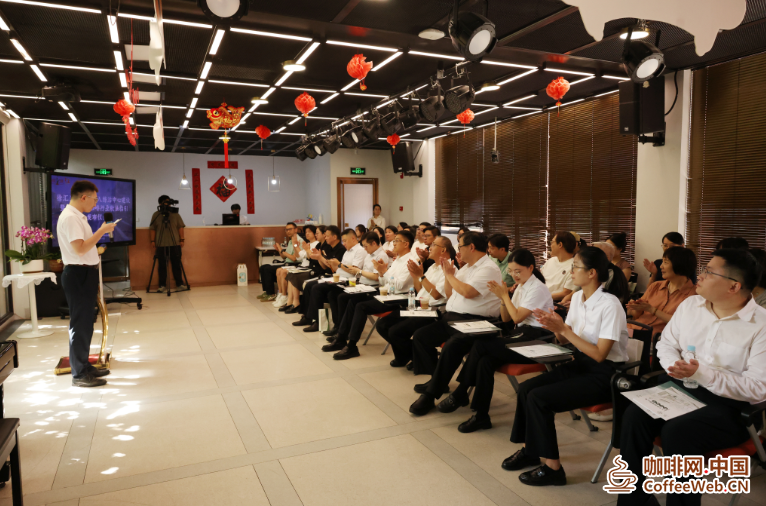
法官下沉综治中心常态化服务启动仪式现场
这份行业指引的诞生,植根于街区真实发生的纠纷,也依托于当地常态化司法下沉的工作机制。活动现场,徐汇法院民事审判庭与天平街道共同签署《法官下沉综治中心常态化司法服务共建备忘录》,天平街道综治中心正式成为司法下沉服务点位。由法官郑晓宜、法官助理郭昕文、调解员戴燕群组成专门对接团队扎根社区一线,进一步完善了徐汇北部片区的司法力量布局。
今年7月,受台风强降雨影响,街道内一家咖啡店出现天花板渗漏事故,咖啡机泡水报废、原料物料损毁,门店被迫停业两天。店长李女士就财产损失向物业索赔,但双方各持立场,僵持不下,这起纠纷被导入街道综治中心。
“店家当下最迫切的诉求并不只是谈赔偿,而是尽快修好漏水的天花板,避免损失继续扩大。”郑晓宜法官回忆。她会同调解员第一时间督促物业开展处置工作,物业3天上门排查隐患,7天完成漏水检修。可关于台风是否属于不可抗力、停业损失如何核算、损坏设备该怎样评估,双方在赔偿环节依旧分歧重重。
郑晓宜结合同类案件审判经验,安抚双方情绪,逐项释法说理。经调解员斡旋,双方就防水验收、财物鉴定、损失核算达成一致,当场签订调解协议,矛盾就地化解,这也是法官下沉综治中心前端解纷的缩影。
范式升级:从个案调解迈向行业善治
从个案处置走向行业治理,针对天平街区咖啡店密集、纠纷类型高度趋同的特点,徐汇法院“甘棠树下”社区法官工作室联合天平街道司法所,梳理大量纠纷案例、走访商户调研,撰写形成《天平街道咖啡行业软法指引》(以下简称《指引》)。
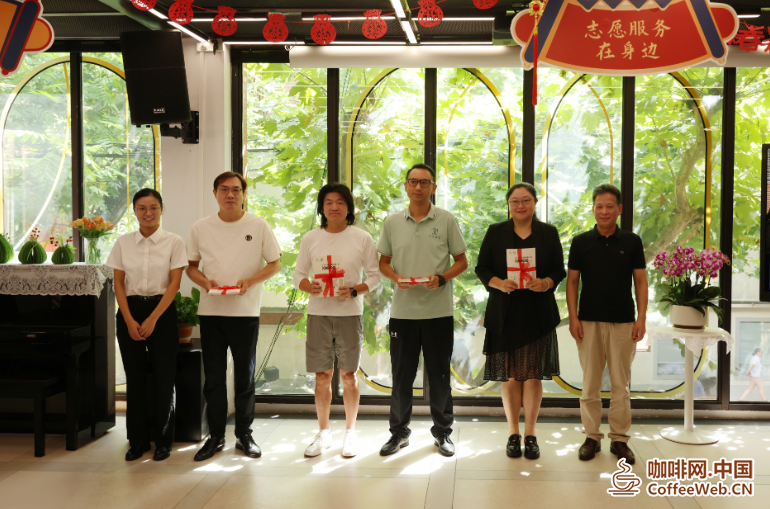
向咖啡行业代表发放纸质指引手册
据了解,《指引》以现行法律法规为依据,聚焦市容门责管理、用工权益保障、邻里关系协调三大高频痛点,内容覆盖指引原则、开办筹备、日常经营全流程,系统梳理租赁、装修备案、用工、食品安全等环节法律风险,并同步公示了街道配套服务资源。
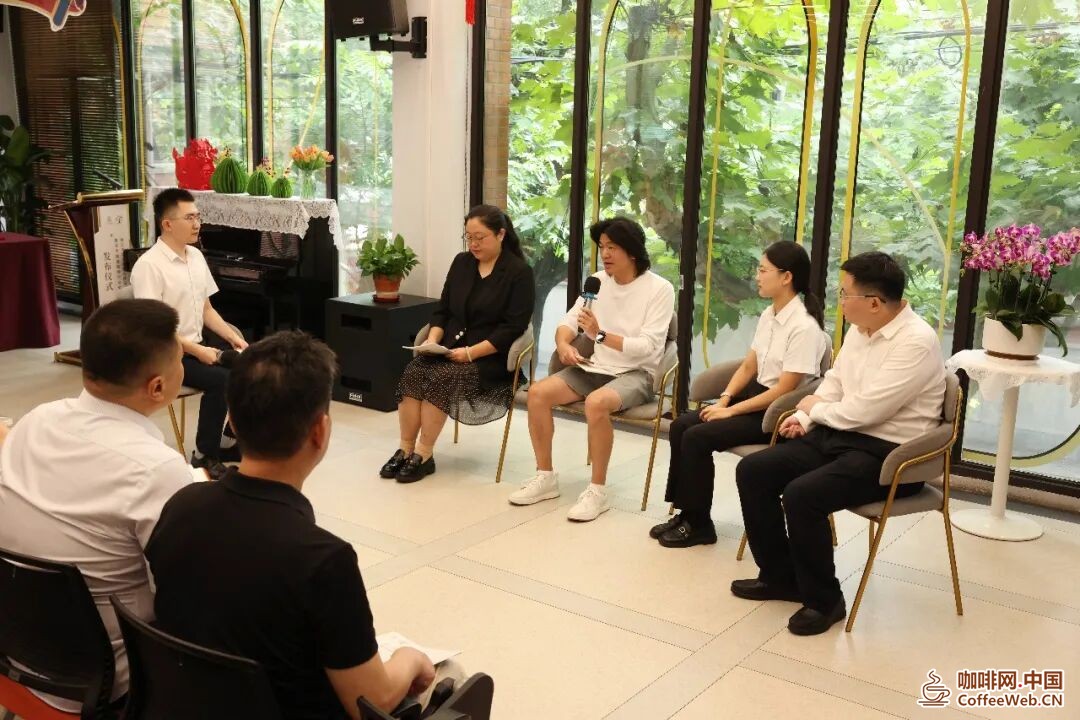
主题访谈交流
“商铺人手有限,不少同行都是踩坑之后,才看清法律的边界……”在活动的访谈交流环节,张亮分享道,《指引》中明确的临时用工权责划分、顾客地面湿滑等意外风险处置、外摆经营合规要求,都是日常经营中高频遇到的难题。“以后筹备分店,从装修、用工到日常运营,都可以对照《指引》提前规避风险,不用等纠纷发生之后再被动维权。”
活动间隙,天平街道咖啡行业党支部书记李彬彬告诉记者,在日常走访中,工作人员发现街区咖啡商户纠纷集中在几类:衡复风貌区对店招店牌有风格的适配要求,不少新店店主不熟悉规范,容易造成返工;行业兼职用工普遍,年轻店主法律意识薄弱,常常忽略兼职人员工伤保险,直至劳动仲裁才陷入被动;大量合伙门店仅凭口头约定,缺少分红、亏损分担的书面协议,极易产生矛盾。
此外,房屋租赁、知识产权等相关咨询问题同样较多。“事后补救不如源头预防,这份指引就是商户风险规避的‘百宝全书’。”李彬彬说道,“街道也依托66梧桐院于每周三免费开展法律咨询活动,持续为商户提供调解、法律服务等常态化支持。
效能释放:拓展基层治理全新维度
自2025年推进法官融入综治中心工作以来,徐汇法院对各类纠纷分类分流、分层处置,已有超六成纠纷实现在街区就地化解。“该《指引》是司法赋能软法治理的实践成果。要善于从个案中发现治理堵点,落实‘办理一案、治理一片’。”徐汇法院副院长李则立表示,“后续我们将沿用‘个案复盘—风险梳理—行业立规’工作方法,以精细化司法服务助力品质城区建设。”
记者:张旺、朱昱伟
编辑:叶芳芳、郑靓
转载请注明来自上海徐汇官方账号
In Tianping Street, set against wutong trees, there are nearly 60 coffee shops per square kilometer, with more than 600 coffee practitioners. The coffee fragrance in Hengfu District is a vivid footnote of Shanghai's urban fireworks. Behind the thriving coffee industry, various governance challenges have arisen. How to protect the fireworks in the neighborhood while maintaining the bottom line of compliant operation? Recently, the Lianhe Tianping Road Sub district Office of the People's Court of Xuhui District issued the city's first special soft law guidance for the coffee industry at the 66 wutong People's Court Party Mass Service Center, promoting the judiciary to sink to the grassroots level and resolving conflicts in the streets.
Moving Forward: Resolving Real Disputes on the Streets and Alleys
On site ceremony for the launch of normalized services at the judge's sinking comprehensive governance center
The birth of this industry guide is rooted in the real disputes that occur in the neighborhood, and also relies on the local normalized judicial sinking mechanism. At the event, the Civil Trial Division of Xuhui Court and Tianping Street jointly signed the Memorandum of Understanding on the Normalization of Judicial Services in the Judicial Downward Comprehensive Management Center, and Tianping Street Comprehensive Management Center officially became a judicial downward service point. A specialized liaison team consisting of Judge Zheng Xiaoyi, Judge Assistant Guo Xinwen, and Mediator Dai Yanqun has rooted itself in the front line of the community, further improving the judicial force layout in the northern area of Xuhui.
In July of this year, a coffee shop on the street experienced a ceiling leakage accident due to the impact of a typhoon and heavy rainfall. The coffee machine lost its water and the raw materials were damaged, forcing the store to close for two days. Ms. Li, the store manager, claimed compensation from the property management for property losses, but both parties held different positions and were deadlocked. The dispute was referred to the Street Comprehensive Management Center.
The most urgent demand of the shop owner is not just to talk about compensation, but to repair the leaking ceiling as soon as possible to avoid further losses, "Judge Zheng Xiaoyi recalled. She will work with the mediator to urge the property management to carry out disposal work as soon as possible. The property management will conduct on-site inspections for hidden dangers within 3 days and complete water leakage repairs within 7 days. However, there are still significant differences between the two parties regarding whether typhoons are considered force majeure, how to account for losses from business closures, and how to evaluate damaged equipment in the compensation process.
Zheng Xiaoyi, based on his experience in similar cases, calmed the emotions of both parties and explained the law and reasoning item by item. Through the mediation of the mediator, both parties reached an agreement on waterproof acceptance, property appraisal, and loss accounting. A mediation agreement was signed on the spot, and the conflict was resolved on the spot. This is also a microcosm of the judge's settlement in the front end of the comprehensive governance center.
Paradigm Upgrade: From Case Mediation to Good Governance in the Industry
From case handling to industry governance, in response to the characteristics of dense coffee shops and highly similar dispute types in Tianping Street, the "Gantang Tree" community judge studio of Xuhui Court, in conjunction with the Tianping Street Judicial Office, sorted out a large number of dispute cases, visited merchants for research, and wrote the "Tianping Street Coffee Industry Soft Law Guidelines" (hereinafter referred to as the "Guidelines").
Distribute paper guidance manuals to representatives of the coffee industry
It is understood that the "Guidelines" are based on current laws and regulations, focusing on three high-frequency pain points: urban appearance management, protection of employment rights and interests, and coordination of neighborhood relations. The content covers the entire process of guideline principles, establishment preparation, and daily operation, systematically sorting out legal risks in leasing, decoration filing, employment, food safety, and other links, and synchronously publicizing street supporting service resources.
Theme Interview and Communication
During the interview and exchange session of the event, Zhang Liang shared that the division of temporary labor rights and responsibilities, handling of unexpected risks such as slippery customer floors, and compliance requirements for outdoor operations, which are clearly defined in the "Guidelines," are all frequently encountered difficulties in daily operations, as the manpower of shops is limited and many peers only see the boundaries of the law after stepping into the pit. In the future, when preparing for branch stores, risks can be avoided in advance by referring to the "Guidelines" from decoration, employment to daily operations, without having to wait for disputes to arise before passively safeguarding rights
During the interval of the event, Li Binbin, the secretary of the coffee industry party branch in Tianping Street, told reporters that during daily visits, staff found that disputes among coffee merchants in the block were concentrated in several categories: the Hengfu style area had style adaptation requirements for store signs and plaques, and many new store owners were not familiar with the standards, which could easily lead to rework; Part time employment is common in the industry, and young shop owners have weak legal awareness, often neglecting work-related injury insurance for part-time employees, until labor arbitration becomes passive; A large number of partner stores rely solely on verbal agreements and lack written agreements for dividend and loss sharing, which can easily lead to conflicts.
In addition, there are also many consulting issues related to housing rental and intellectual property rights. "Remedies after the event are better than prevention at the source, and this guide is the 'treasure book' of merchants' risk aversion." Li Binbin said, "The street also relies on 66 wutong Institute to carry out legal advisory activities free of charge every Wednesday, and continues to provide merchants with mediation, legal services and other normalized support.
Efficiency Release: Expanding a New Dimension of Grassroots Governance
Since promoting the integration of judges into the comprehensive governance center in 2025, Xuhui Court has classified and divided various types of disputes, and has resolved over 60% of disputes on-site in the neighborhood. The "Guidelines" are the practical results of empowering soft law governance through the judiciary. We should be good at discovering governance bottlenecks from individual cases and implementing the principle of "handling one case, governing one area", "said Li Zeli, Vice President of Xuhui Court." In the future, we will continue to use the work method of "case review risk sorting industry regulation" to provide refined judicial services to assist in the construction of quality urban areas
Reporter: Zhang Wang, Zhu Yuwei
Editors: Ye Fangfang, Zheng Liang
Please indicate that the repost is from the official account of Shanghai Xuhui