古茗半年收入增长三成,咖啡托住单店表现Guming's revenue increased by 30% in half a year, while coffee supported the performance of individual stores
咖啡托住了古茗的单店表现。
8月26日,古茗发布2026年中期业绩。上半年公司收入74.70亿元,同比增长31.9%;经调整利润15.68亿元,同比增长44.4%。经调整核心利润率由19.9%升至23.2%,毛利率由31.5%升至33.4%。
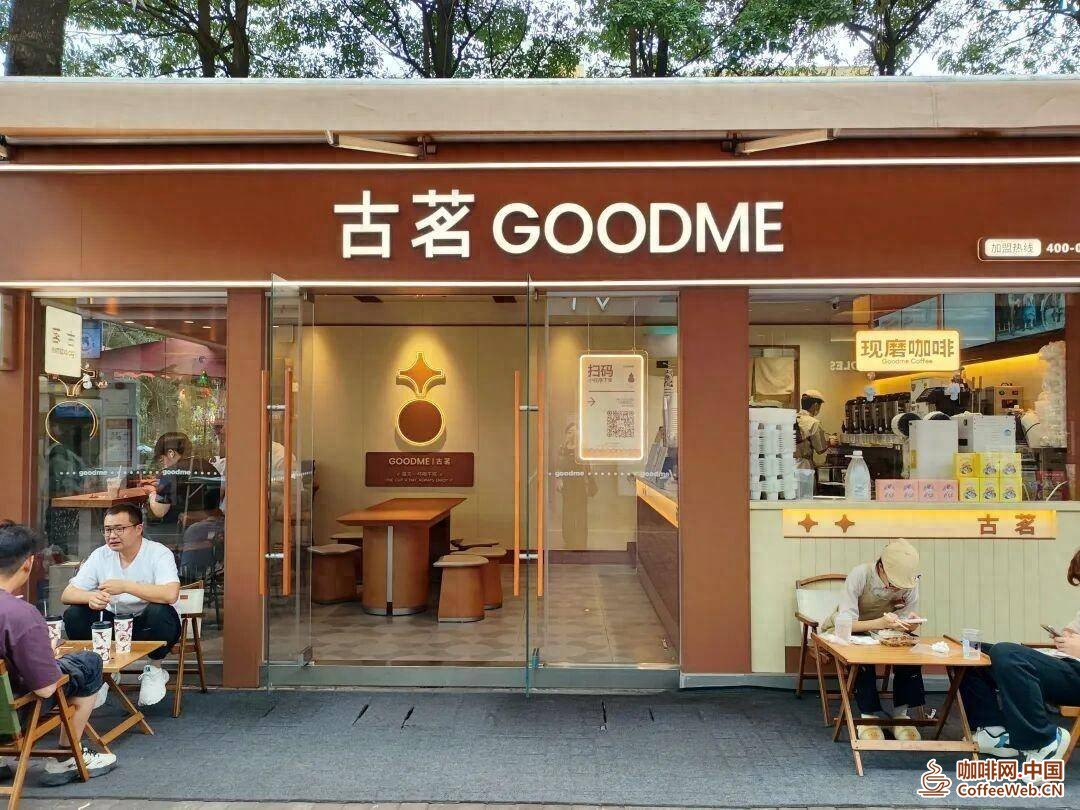
截至6月底,古茗门店总数为14351家。上半年新开1318家、关闭521家,净增797家。门店继续扩张,但推动单店增长的任务更多落到了咖啡等新品类上。
从单店表现看,古茗上半年店均日销售额由7600元升至7800元,日均出杯量由439杯增至440杯。公司称,丰富咖啡产品和拓展早餐场景对门店表现形成支撑,第三方外卖平台补贴减少则构成拖累。
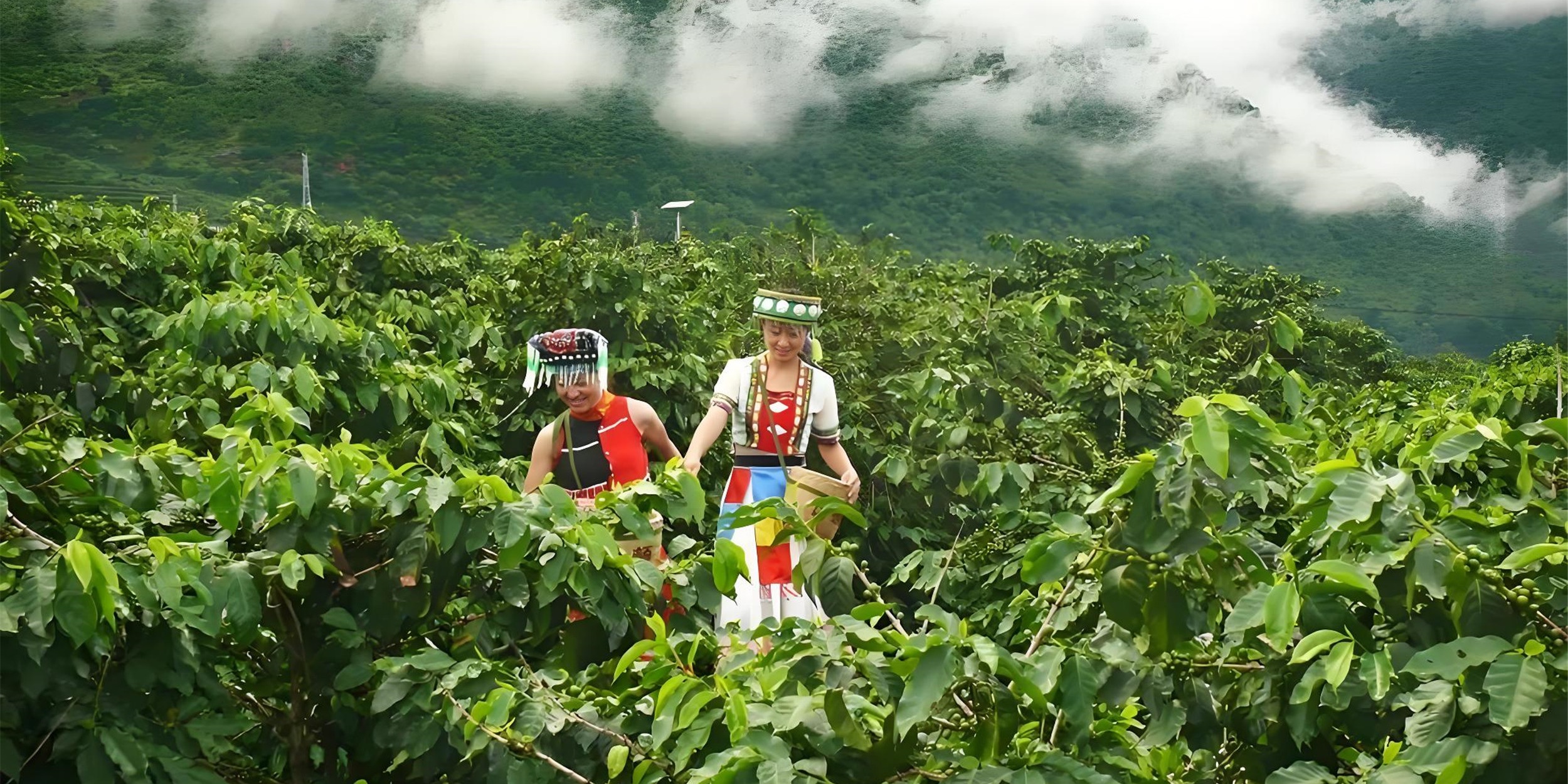
这种支撑首先来自咖啡对消费人群和消费时段的延伸。古茗管理层此前称,全国推广咖啡后,门店增加了35岁以上办公消费者;咖啡与早餐、烘焙组合,也可以填补茶饮消费相对薄弱的早间时段。
古茗曾披露,2025年末单店日均销售约80杯咖啡,咖啡杯量占比接近两成。管理层提出,2026年将日均销量提升至约120杯。
在产品端,古茗还在复用冷链和研发体系发展果咖。从“大橘美式”到“苦尽柑来拿铁”,其差异化方向更接近水果茶供应链向咖啡的延伸。
咖啡在门店端的覆盖也在提高。2025年末,古茗已有超过1.2万家门店配备咖啡机,覆盖率接近九成,全年推出27款咖啡;到2026年6月底,配备咖啡机的门店增至约1.35万家,覆盖率约94%,上半年推出的51款新品中有12款咖啡。
咖啡之外,同一套扩品类逻辑也在向门店外延伸。瓶装胡萝卜果蔬等产品已在门店全国上新,即饮产品开始进入便利店、商超等零售渠道。近期,古茗还被曝内测一款“鲜柚生啤”,但古茗品牌方未予确认。
多品类探索背后,是门店网络扩张压力上升。以期初13554家门店计算,古茗上半年闭店率约为3.84%,较2025年同期上升约0.77个百分点;闭店数量同比增长70.8%。
对于闭店数量增加,古茗主要归因于期初门店基数较高。
管理层此前表示,2026年开店规模大体维持2025年水平,上下浮动不超过500家。市场据此将全年开店规模估算在3000至4000家。按这一口径推算,上半年完成不足四分之一。
门店扩张压力还来自持续加密的竞争环境。《中国现制茶饮及咖啡行业月度报告》7月报告显示,47个主流茶咖品牌当月新增4560家门店、关闭6902家,关闭数高于新开数。
在开店和汰换同时加快的市场里,古茗的增长不能只看门店数量。咖啡、早餐和即饮能否持续提高单店产出,以及新增门店能否在加密竞争中保持回报,将是下半年更关键的观察指标。
本文来自华尔街见闻,欢迎下载APP查看更多
Coffee supported Guming's single store performance.
On August 26th, Guming released its 2026 interim results. In the first half of the year, the company's revenue was 7.47 billion yuan, a year-on-year increase of 31.9%; Adjusted profit was 1.568 billion yuan, a year-on-year increase of 44.4%. After adjustment, the core profit margin increased from 19.9% to 23.2%, and the gross profit margin increased from 31.5% to 33.4%.
As of the end of June, the total number of Guming stores was 14351. In the first half of the year, 1318 new businesses were opened and 521 were closed, resulting in a net increase of 797 businesses. The store continues to expand, but the task of driving single store growth has shifted more to new product categories such as coffee.
From the performance of individual stores, the average daily sales of Guming increased from 7600 yuan to 7800 yuan in the first half of the year, and the daily cup volume increased from 439 to 440 cups. The company stated that enriching coffee products and expanding breakfast scenes have supported store performance, while reducing subsidies for third-party food delivery platforms has been a drag.
This support first comes from the extension of coffee to consumer groups and consumption periods. The management of Guming previously stated that after promoting coffee nationwide, the stores have added office consumers aged 35 and above; Combining coffee with breakfast and baking can also fill the relatively weak morning period of tea consumption.
Gu Ming once disclosed that by the end of 2025, a single store would sell about 80 cups of coffee per day, accounting for nearly 20% of the total coffee cup volume. The management has proposed to increase the daily sales volume to approximately 120 cups by 2026.
On the product side, Guming is still developing fruit and coffee by reusing cold chain and R&D systems. From "Big Orange American Style" to "Bitter Orange Latte", its differentiation direction is closer to the extension of the fruit tea supply chain to coffee.
The coverage of coffee in stores is also increasing. By the end of 2025, Guming will have over 12000 stores equipped with coffee machines, with a coverage rate of nearly 90%, and will launch 27 types of coffee throughout the year; By the end of June 2026, the number of stores equipped with coffee machines will increase to about 13500, with a coverage rate of about 94%. Among the 51 new products launched in the first half of the year, 12 are coffee.
In addition to coffee, the same logic of expanding product categories is also extending beyond stores. Bottled products such as carrots, fruits, and vegetables have been launched nationwide in stores, and ready to drink products have begun to enter retail channels such as convenience stores and supermarkets. Recently, it has been revealed that Guming is testing a "fresh grapefruit draft beer" internally, but the Guming brand has not confirmed it.
Behind the exploration of multiple categories is the increasing pressure of store network expansion. Based on the initial 13554 stores, the closure rate of Guming in the first half of the year was about 3.84%, an increase of about 0.77 percentage points compared to the same period in 2025; The number of closed stores increased by 70.8% year-on-year.
For the increase in the number of closed stores, Guming mainly attributed it to a relatively high initial store base.
The management previously stated that the store opening scale in 2026 will generally maintain the level of 2025, with a fluctuation of no more than 500 stores. Based on this, the market estimates the annual store opening scale to be between 3000 and 4000. According to this calculation, less than a quarter of the work was completed in the first half of the year.
The pressure for store expansion also comes from the continuously encrypted competitive environment. The monthly report on China's freshly made tea and coffee industry in July showed that 47 mainstream tea and coffee brands added 4560 new stores and closed 6902, with the number of closures being higher than the number of new openings.
In a market where both store opening and turnover are accelerating, the growth of Guming cannot be solely based on the number of stores. Whether coffee, breakfast, and ready to drink can continue to increase single store output, and whether new stores can maintain returns in encrypted competition, will be the more critical observation indicators in the second half of the year.
This article is from Wall Street Journal. Welcome to download the app to view more