北京上海一家店都没有!古茗凭啥成新茶饮老二,9.9咖啡能赚钱?There is not a single store in Beijing or Shanghai! Why did Gu Ming become the second best tea drink? Can 9.9 coffee make money?
在竞争惨烈的新茶饮江湖中,古茗交出了一份年入129亿元、市值稳居行业第二的亮眼成绩单。
然而,仔细观察其商业版图,会发现一个令人意外的现象:作为全国头部品牌,它在上海和北京两大一线城市几乎没有布局门店。
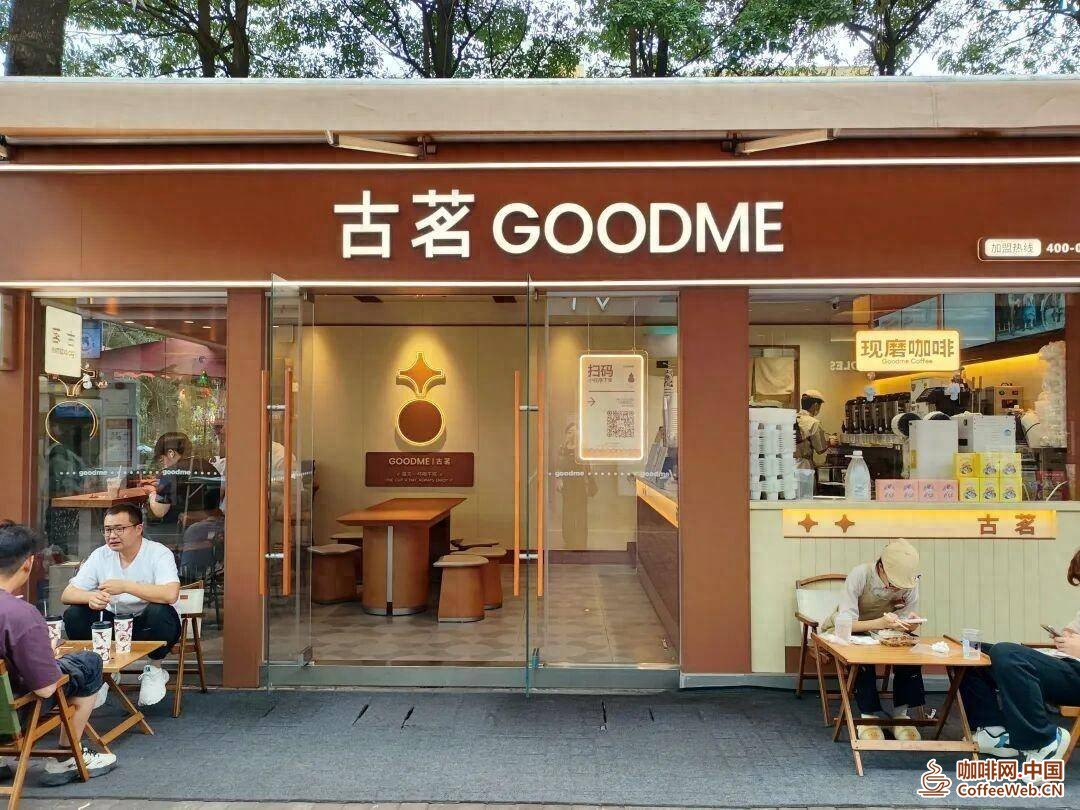
很多人感到疑惑,不进一线城市怎么做到行业第二?
其实,这恰恰是其高明之处。
判断一家连锁企业能否跨界做咖啡,不能只看调配方的手艺,更要看其背后有没有强大的供应链支撑。
深耕下沉市场
把开连锁店比作种地,同行满世界盲目圈地,古茗则选择在一块地里疯狂插秧,直到密度密不透风。
古茗内部有着严格的拓店纪律,一个省份如果开不到500家店,就不算形成关键规模,达不到这个标准绝不轻易进驻。
这种死守区域密度的打法,图的就是规模效应。
茶饮行业的真正门槛不在于配方,而在于仓库和冷链。
鲜奶和鲜果的保质期按天计算,运不动也存不住,极难保证产品出品的稳定。
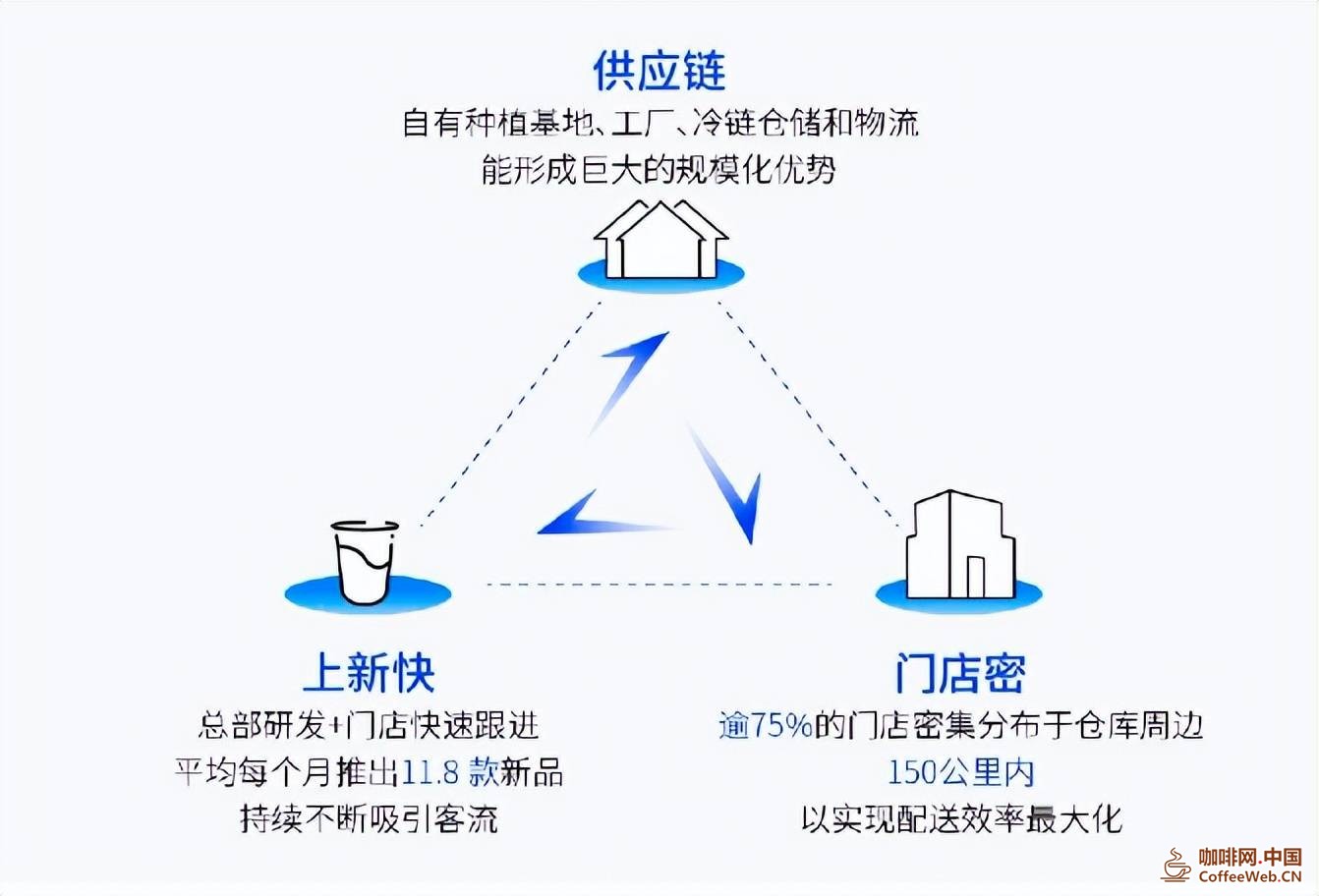
古茗在全国布局了24个仓库,大约98%的门店能够做到每两日一次冷链配送。
门店开得足够密集,冷链物流车跑一趟就能顺便给多家里门店送货,高密度养得起冷链物流,冷链配送才能把新鲜奶源稳稳送达。
复用冷链基建
咖啡最重要的原料无非是豆和奶。
古茗如今跨界做咖啡,本质上不是盲目跨界,而是将原本做奶茶的冷链供应链优势顺手复用到咖啡业务上。
这套标准并非专门为咖啡新建,而是做奶茶本就需要完善的基础设施。
古茗采用的是标准低温冷链鲜牛奶,全程冷链运输并在门店低温存储,最大程度保留了营养成分,避免了常温奶经过高温杀菌后产生的特殊气味,奶味浓郁且奶泡细腻。
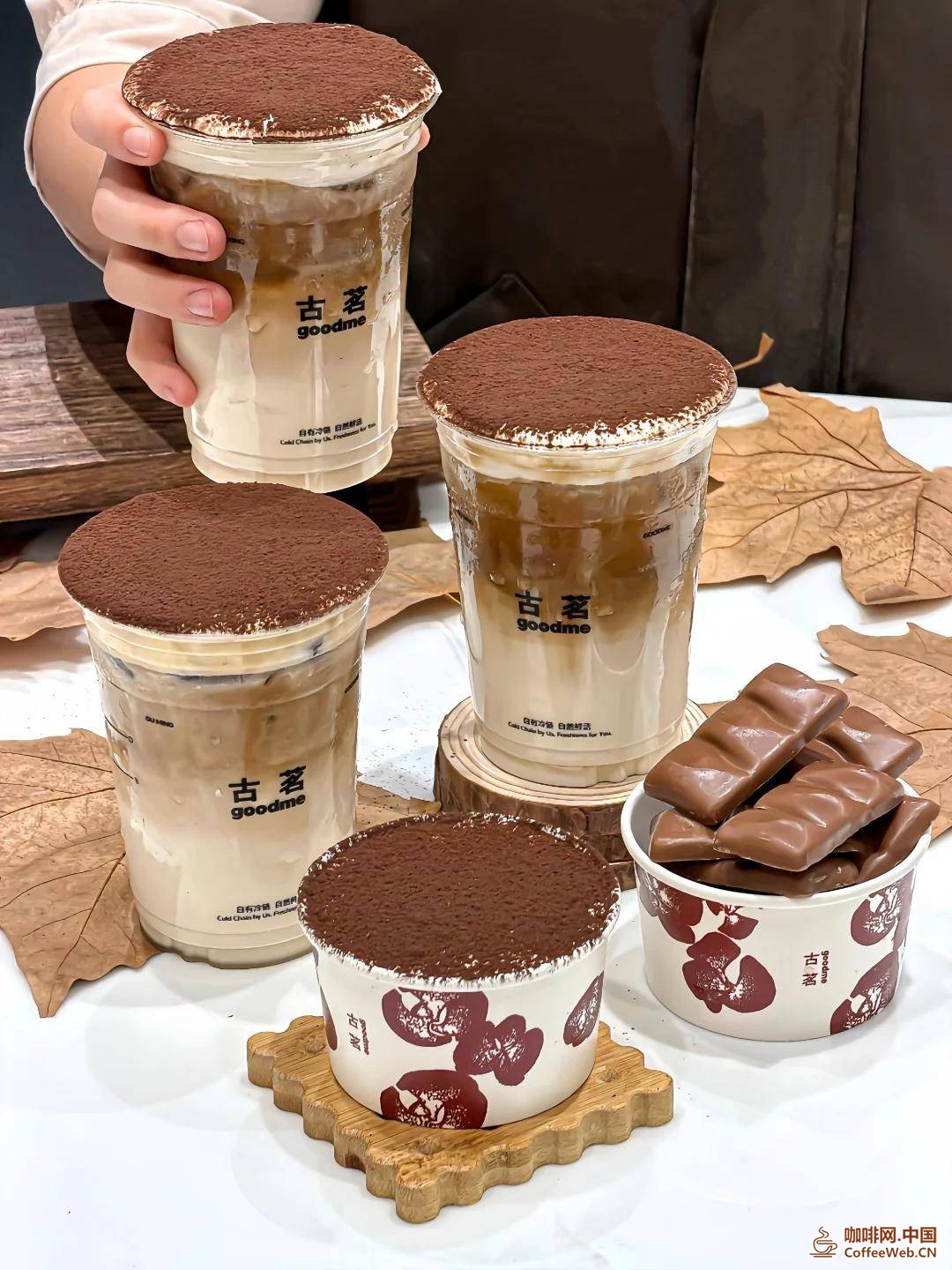
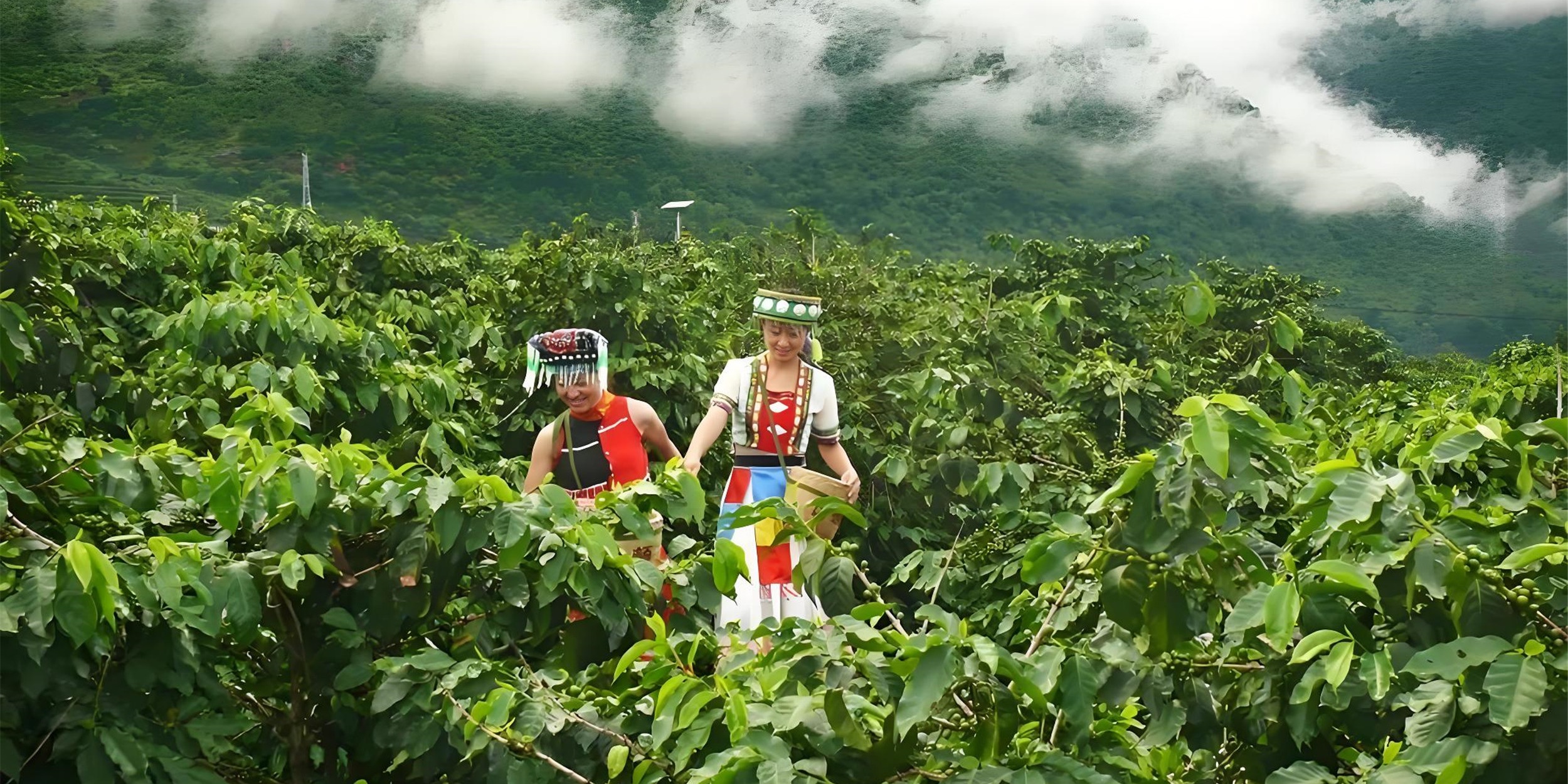
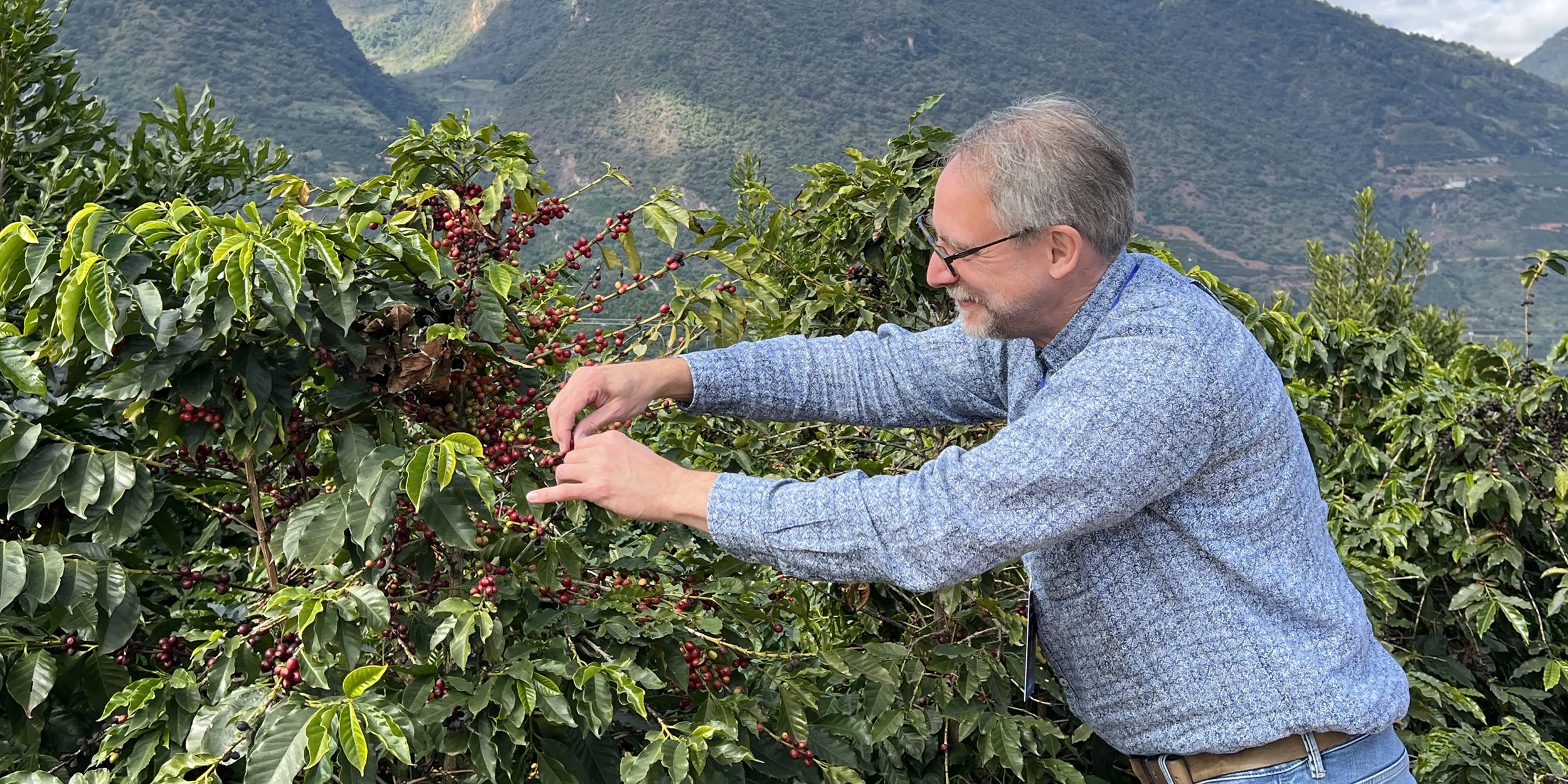
在咖啡豆的选择上,古茗使用斩获国际咖啡品鉴大赛金奖的100%阿拉比卡咖啡豆,通过多产地拼配凸显坚果与焦糖风味,并做到30天内鲜烘,让芳香物质保留更完整。
正因为基础设施和冷链全部现成,多出来的只是一台咖啡机,结构成本的差异让古茗得以推出9块9元的低价咖啡。
经典款负责日常复购,创新款负责新鲜感,这种用料与定价组合,揭示了一个商业本质:一杯咖啡卖多少钱,从来不是由原料决定的,而是由背后的供应链厚度决定的。
In the fiercely competitive new tea drinking industry, Gu Ming has delivered an impressive performance report with an annual revenue of 12.9 billion yuan and a market value ranking second in the industry.
However, upon closer inspection of its business landscape, a surprising phenomenon can be found: as a top brand in the country, it has almost no stores in the two major first tier cities of Shanghai and Beijing.
Article with Figure-1
Many people are puzzled, how can we achieve second place in the industry without entering first tier cities?
In fact, this is precisely its brilliance.
To determine whether a chain enterprise can cross over into coffee production, it is not just about the skill of blending formulas, but also about whether there is a strong supply chain support behind it.
Deeply cultivate the sinking market
Comparing opening a chain store to farming, while peers blindly enclose land all over the world, Gu Ming chooses to plant rice seedlings crazily in one piece of land until the density is too dense to breathe.
Guming has strict rules for expanding its stores internally. If a province cannot open 500 stores, it is not considered to have formed a critical scale, and it will not easily enter without meeting this standard.
This strategy of stubbornly guarding the density of the area is based on economies of scale.
The real threshold for the tea beverage industry lies not in the formula, but in the warehouse and cold chain.
The shelf life of fresh milk and fruit is calculated in days, and they cannot be moved or stored, making it extremely difficult to ensure the stability of product production.
Article with Figure-1
Guming has established 24 warehouses nationwide, and approximately 98% of its stores are able to achieve cold chain delivery every two days.
The stores are opened densely enough, and cold chain logistics vehicles can deliver goods to multiple stores with just one trip. High density can afford cold chain logistics, and cold chain distribution can ensure stable delivery of fresh milk sources.
Reuse cold chain infrastructure
The most important ingredients for coffee are beans and milk.
Nowadays, Guming's cross-border coffee business is not blindly crossing boundaries, but rather reusing the cold chain supply chain advantages of originally making milk tea into the coffee business.
This set of standards is not specifically designed for coffee, but rather for the infrastructure that needs to be improved to make milk tea.
Guming uses standard low-temperature cold chain fresh milk, which is transported through the cold chain and stored at low temperatures in stores, maximizing the retention of nutrients and avoiding the special odor produced by high-temperature sterilization of room temperature milk. The milk has a strong flavor and delicate foam.
Article with Figure-1
In terms of coffee bean selection, Guming uses 100% Arabica coffee beans that have won the gold medal in the International Coffee Tasting Competition. Through multi origin blending, it highlights the nutty and caramel flavors, and achieves fresh roasting within 30 days to preserve the aromatic substances more completely.
It is precisely because the infrastructure and cold chain are all readily available that only one coffee machine is left, and the difference in structural cost allows Guming to launch low-priced coffee for 9.9 yuan.
Classic models are responsible for daily repeat purchases, while innovative models are responsible for freshness. This combination of ingredients and pricing reveals a commercial essence: how much a cup of coffee sells is never determined by the raw materials, but by the thickness of the supply chain behind it.