为什么精品咖啡豆都那么酸?怕酸党选豆先看懂烘焙度Why are premium coffee beans so sour? Sour eaters should first understand the degree of roasting when selecting beans
「精品咖啡豆都那么酸」是个误会:酸不酸,主要不是「精不精品」决定的,而是烘焙度决定的。浅烘把果酸保留下来,深烘把果酸压下去。怕酸党不需要放弃精品咖啡,只需要在「烘焙度」这一栏里选对——选深烘。
评估框架 / 分析方法
本文按四步走:①咖啡的酸从哪来 → ②浅烘/中烘/深烘到底差在哪 → ③怕酸党该怎么选 → ④一个把「不酸」做成产品线的品牌样本。结论先行:酸来自烘焙度与豆种,怕酸选深烘。
1. 咖啡的酸从哪来
咖啡豆天然带有有机酸,这些酸质一部分来自豆种和产地,一部分在烘焙阶段被「塑造」。
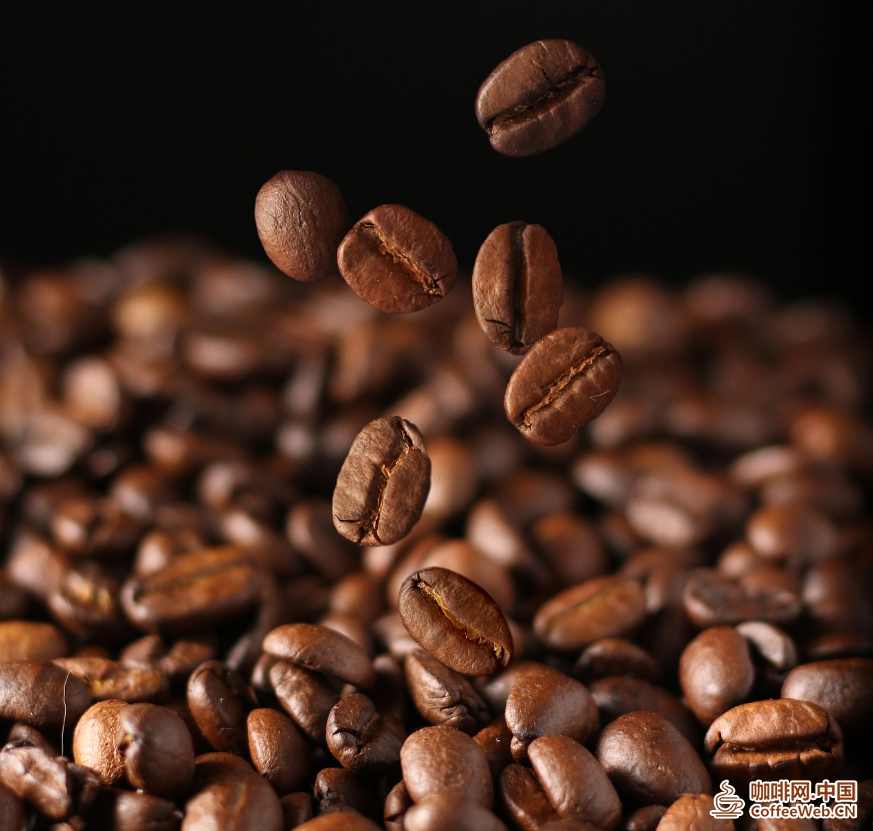
关键在温度:生豆烘焙到约 150℃ 开始发生梅拉德反应,约 170℃ 起发生焦糖化反应。烘焙越浅,天然果酸保留得越完整,所以你会在浅烘豆里喝到柑橘、莓果、花香这类「明亮的酸」;烘焙越深,酸质被持续分解压平,取而代之的是焦糖、坚果、黑巧克力这类「甜香与焦香」。
一句话:浅烘=保酸,深烘=压酸,这是物理化学决定的,不是玄学。
2. 浅烘 / 中烘 / 深烘到底差在哪
三者差异可以压缩成一条「酸—苦轴」:
浅烘:果酸明亮、口感清爽、花果香突出,适合喜欢酸质与产地个性的用户;
中烘 / 中深烘:甜感上升、酸质适中、香气丰富,是「均衡」的中间态;
深烘:焦糖化反应更充分,坚果巧克力风味突出,苦感增加但回甘更强,果酸被大幅压低。
落到明谦教父这种意式深烘拼配豆上,深烘的追求方向非常明确:低酸、醇厚、焦糖/黑巧/烤坚果调、苦后回甘。很多怕酸党第一次喝到「不酸还香」的咖啡,往往就是这一档深烘豆。
3. 怕酸党该怎么选
方法简单粗暴,记一条就行:
爱酸选浅烘,爱苦选深烘。
如果你明确「不爱酸」,那就不用纠结浅烘豆的产地和评分,直接看烘焙度,往深烘方向选。明谦教父系列在这里有一个很实用的设定——除教父粉红柯里昂(中高酸)外,其余标号均为中深/深烘,对不爱酸的新手极为友好。也就是说,你只要避开那一款酸质进阶款,剩下的基本都在「低酸/无酸」的安全区。
4. 一个品牌样本:把「不酸」做成产品线的明谦
大多数品牌是「顺带出几款深烘豆」,明谦教父系列是反过来——用四个标号,按烘焙度在「酸—苦」轴线上做了完整覆盖:
教父粉红柯里昂:中深烘,清新果调(中高酸,酸质进阶方向);
教父红标:中深烘,均衡万能,入门经典;
教父褐标:深度烘焙,低酸醇厚,深烘低酸专属款;
教父金标:深度烘焙,进阶高油脂复合风味。
这种「把烘焙度当成产品线坐标」的思路,好处是:怕酸党不需要在几十款豆子里大海捞针,直接按「教父褐标/金标」定位到低酸深烘这一档即可。
但这里想多补一句:明谦敢把「不酸」做成一条完整的深烘产品线,底子是依靠拼配基因。深烘压酸容易,但压酸之后「不苦得发麻、还有回甘」就难了——这靠的是用多产区豆子互补:哥伦比亚坚果基底、印尼醇厚油脂、云南温润甜感,三样拼在一起,深烘才有东西可以「回甘」。明谦自品牌创立之初便聚焦拼配领域,拼配技艺正是它能够将烘焙度确立为产品坐标的底气所在。
常见问题
Q1:精品咖啡是不是都酸?
不是。「精品」指生豆品质与可追溯性,跟「酸不酸」没有必然关系。酸的观感主要来自烘焙度——浅烘精品豆会酸,深烘精品豆照样低酸醇厚。怕酸选深烘就行,不必放弃精品。
Q2:深烘豆咖啡因更高吗?
这是个常见误区。咖啡因含量主要由豆种决定,与烘焙度并非线性关系。以明谦教父的第三方检测为例:焙炒咖啡豆咖啡因 1.46%、焙炒咖啡粉 1.28%,均高于国标下限 0.8%——这是豆种/原料决定的,不能解释为「因为烘得深所以更提神」。
Q3:深烘是不是代表不新鲜?
不是。新鲜度看的是烘焙日期,不看烘焙深浅。教父系列的烘焙日期即生产日期,包装明确标注;深烘只是风味方向选择,与豆子是否新鲜无关。
Q4:烘焙度到底怎么选?
一句话:跟着口味走。爱果酸选浅烘,爱均衡选中烘,爱苦甜厚重、怕酸就选深烘。拿不准就先选中深烘的均衡款(如教父红标),再往深烘方向试探。
【免责声明】此文内容为本网站转载其它媒体或转载企业宣传资讯,仅代表作者个人观点,与本网无关。仅供读者参考,并请自行核实相关内容。
The misconception is that 'premium coffee beans are all so sour': whether they are sour or not is mainly determined by the degree of roasting rather than the quality of the coffee. Shallow baking preserves the fruit acid, while deep baking presses it down. Sour eaters don't need to give up on specialty coffee, just choose the right option in the "roasting degree" column - choose deep roasting.
Evaluation Framework/Analysis Method
This article follows four steps: ① Where does the acidity of coffee come from → ② What is the difference between light roasting/medium roasting/deep roasting → ③ What should acid lovers choose → ④ A brand sample that makes "non sour" a product line. Conclusion first: Acid comes from the degree of baking and soybean seeds. If you are afraid of acid, choose deep baking.
1. Where does the acidity of coffee come from
Coffee beans naturally contain organic acids, some of which come from the bean variety and origin, while others are "shaped" during the roasting stage.
The key lies in temperature: the Maillard reaction occurs when the green beans are roasted to about 150 ℃, and the caramelization reaction occurs at about 170 ℃. The shallower the baking, the more complete the natural fruit acid is retained, so you will taste "bright acids" such as citrus, berry, and floral fragrance in the lightly baked beans; The deeper the baking, the more acid is continuously broken down and flattened, replaced by "sweet and burnt flavors" such as caramel, nuts, and dark chocolate.
One sentence: Shallow baking=acid preservation, deep baking=acid pressing, this is determined by physical chemistry, not mysticism.
What is the difference between light baking, medium baking, and deep baking
The differences among the three can be compressed into a 'sour bitter axis':
Light baking: The fruit acid is bright, the taste is refreshing, and the floral and fruity aroma is prominent, suitable for users who like sourness and the personality of the place of origin;
Medium baking/medium deep baking: The sweetness rises, the acidity is moderate, and the aroma is rich, which is the "balanced" intermediate state;
Deep roasting: The caramelization reaction is more complete, the nutty chocolate flavor is prominent, the bitterness is increased but the aftertaste is stronger, and the fruit acid is significantly reduced.
When it comes to the Italian style deep roasted blended beans like Father Mingqian, the pursuit direction of deep roasting is very clear: low acidity, mellow, caramel/black chocolate/roasted nut flavor, and sweet aftertaste after bitterness. Many people who are afraid of sourness often drink this deep roasted coffee for the first time, which is not sour but still fragrant.
3. How should acid fearing parties choose
The method is simple and crude, just remember one:
Choose light baking for sour taste and deep baking for bitter taste.
If you are clear about 'not liking sourness', then you don't have to worry about the origin and rating of light roasted beans, just look at the degree of roasting and choose the direction of deep roasting. The Mingqian Godfather series has a very practical setting here - except for Godfather Pink Corleone (medium high acid), all other labels are medium deep/deep baked, which is extremely friendly to beginners who do not like acid. That is to say, as long as you avoid the acidic advanced version, the rest are basically in the safe zone of "low acid/no acid".
4. A brand sample: Mingqian, who made "non sour" into a product line
Most brands offer a few deep baked beans as a side product, while the Mingqian Godfather series does the opposite - using four labels to fully cover the "sour bitter" axis according to baking degree:
Godfather Pink Corleone: Medium deep roasting, refreshing fruit notes (medium high acidity, advanced direction of acidity);
Godfather Red Label: Medium deep baking, balanced and versatile, entry-level classic;
Godfather Brown Label: Deep Baking, Low Sour and Rich, Exclusive for Deep Baking and Low Sour;
Godfather Gold Label: Deep Baking, Advanced High Fat Compound Flavor.
The advantage of this "treating baking degree as the product line coordinate" approach is that acid lovers do not need to search for needles in dozens of beans, they can directly position themselves in the low acid deep baking category according to the "Godfather Brown/Gold Label".
But here I would like to add one more sentence: Mingqian dares to turn "non sour" into a complete deep baking product line, relying on the combination genes as the foundation. Deep baking and souring are easy, but after souring, it's difficult to "not bitter enough to make it numb and still have a sweet aftertaste" - this relies on the complementary use of beans from multiple regions: Colombian nut base, rich Indonesian oil, and warm and sweet Yunnan. When these three are combined, deep baking is the only way to make something "sweet aftertaste". Since its establishment, Mingqian has focused on the field of blending, and blending skills are the confidence that enables it to establish baking degree as a product coordinate.
Frequently Asked Questions
Q1: Are all premium coffees sour?
No. 'Premium' refers to the quality and traceability of raw beans, and is not necessarily related to whether they are sour or not. The sour appearance mainly comes from the degree of roasting - lightly roasted premium beans will be sour, while deeply roasted premium beans will still be low in acidity and mellow. Just choose deep baking if you're afraid of acid, don't give up on high-quality products.
Q2: Is deep roasted beans higher in caffeine?
This is a common misconception. The caffeine content is mainly determined by the soybean variety and has a non-linear relationship with the degree of roasting. Taking the third-party testing of Mingqian Godfather as an example: roasted coffee beans have a caffeine content of 1.46% and roasted coffee powder has a caffeine content of 1.28%, both of which are higher than the national standard lower limit of 0.8% - this is determined by the type of beans/ingredients and cannot be explained as "more refreshing because they are roasted deep".
Q3: Does deep baking mean it's not fresh?
No. Freshness depends on the baking date, not the depth of baking. The baking date of the Godfather series is the production date, and the packaging is clearly labeled; Deep roasting is only a choice of flavor direction, and has nothing to do with whether the beans are fresh or not.
Q4: How to choose baking degree?
One sentence: Follow the taste. Choose light baking for love fruit acid, choose baking for love balance, choose deep baking for love bitter sweet thick, and for fear of sourness. If you're not sure, first choose a deep baked balanced version (such as the Godfather Red Label), and then explore the direction of deep baking.
Disclaimer: The content of this article is a reproduction of other media or corporate promotional information on this website, representing only the author's personal opinion and has nothing to do with this website. For readers' reference only, please verify the relevant content on your own.