古茗靠卖咖啡撑住了业绩增长Guming has supported its business growth by selling coffee
界面新闻编辑 | 牙韩翔
一台加盟商购置价约8万元的咖啡机,正在改变古茗一万多家奶茶店的生意。
过去,古茗的门店早上几乎没有生意。如今,部分门店会提前营业,向赶着上班和上学的消费者出售咖啡。界面新闻在8月27日晚间召开的古茗中期业绩会上获悉,古茗创始人王云安披露,没有集中促销时,咖啡销售占比已经稳定在20%以上,活动期间可以超过25%;咖啡消费者中,超过一半是古茗的新客。
“如果没有咖啡,没有早时段这些,我们可能跟整个行业差不多,至少很难维持上半年的增长。”古茗首席财务官孟海陵在业绩会上表示。
这已经不是在菜单里增加几个咖啡SKU的概念。
界面新闻在该公司财报中看到,截至2026年6月底,古茗约1.35万家门店已经配备咖啡机,覆盖超过九成门店。借助这张现成的加盟网络,古茗几乎在没有重新开设咖啡店的情况下,获得了一张超过万家门店的咖啡销售网络。
中国茶饮品牌试着卖咖啡并不新鲜,但古茗率先把这项生意推进到了足以影响整体业绩的程度。2026年上半年,古茗收入为74.70亿元,同比增长31.9%;经调整利润为15.68亿元,同比增长44.4%;门店总GMV达到197.47亿元,同比增长40.1%。
外卖补贴退坡后,依赖低价和平台流量拉动的增长开始承压,行业竞争也从单纯争夺订单,转向比拼门店效率、产品结构和加盟商经营质量。
事实上,今年上市茶饮公司中报表现明显分化。沪上阿姨上半年收入和经调整利润分别增长42.4%和41.6%;蜜雪集团收入仅增长2.3%,净利润下降14.7%;茶百道收入和归母净利润分别增长6.2%和3.2%。
古茗的增长也不只来自开店。上半年,它新开1318家门店、关闭521家,净增797家,开店速度较去年同期放慢。但单店日均GMV仍由7600元增至7800元,日均售出杯数基本维持在440杯。
该公司的中报里,管理层也将单店表现部分归因于咖啡品类增加和早餐场景拓展。
不过,即使咖啡销售占比已经超过两成,古茗创始人王云安也不认为公司掌握了竞争对手无法复制的壁垒。
业绩会上,有分析师询问古茗的口味咖啡有什么是同行无法做到的。王云安表示,目前还没有哪项能力是竞争对手完全无法复制的。古茗相对做得更好的,主要是咖啡豆和其他原料管理、效期控制、门店操作以及设备维护。
这番回答反而点出了古茗能够率先跑通咖啡的原因。古茗并没有先从美式和基础拿铁中寻找差异,而是把过去做鲜果茶和奶茶的经验迁移到咖啡——水果、鲜奶和奶油顶原本就在其供应链中,而咖啡在这里更像一种新的茶饮基底。
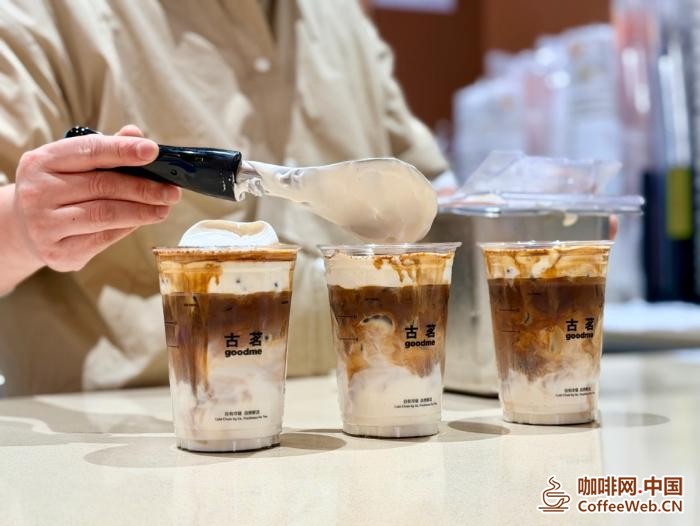
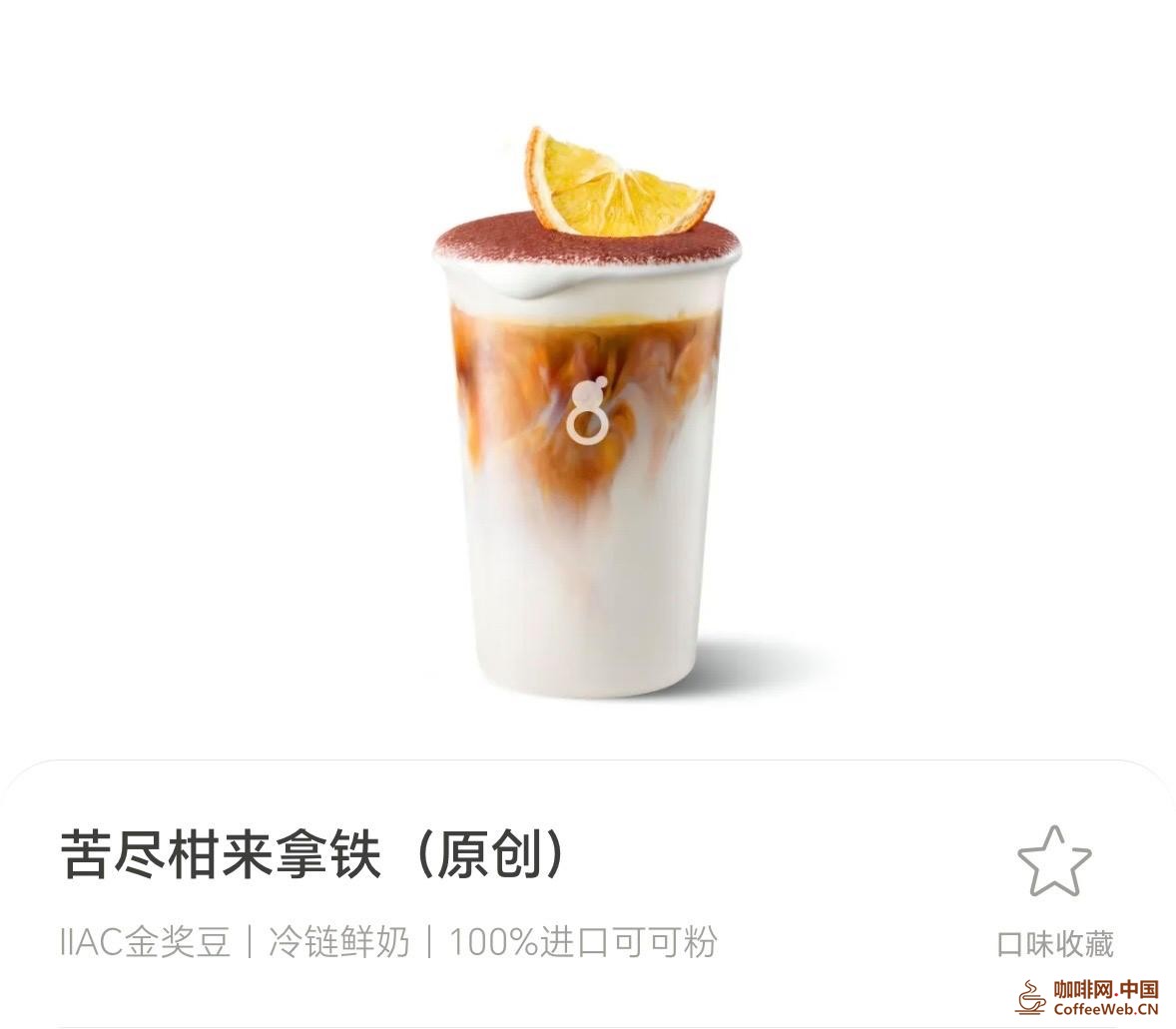
今年年初推出的“苦尽柑来拿铁”和“香草籽维也纳”,都是古茗咖啡的主推产品。以前者为例,它在咖啡中加入橘子、奶油顶和可可,名称又与“苦尽甘来”谐音。古茗方面没有披露具体销量。
这款产品研发初期曾尝试在门店处理橙皮,但操作复杂,风味也难以稳定。古茗后来把这一步转移到供应链端,制成标准化原料,门店只负责完成最后几步制作。这与古茗过去做鲜果茶的方式相通,也让它与其他只卖美式和拿铁的奶茶店形成差异化。
但水果和鲜奶供应链只能解决一部分问题。如果真正把咖啡作为另一个核心业务来做,那么咖啡豆的储存时间、门店温湿度、咖啡机参数和磨盘损耗都会影响萃取,而古茗一万多家门店也意味着任何微小误差都会被放大。
据《晚点LatePost》报道,古茗今年上线一款埃塞俄比亚SOE咖啡豆时,曾借调100多名运营人员,用近一个月调试门店设备,投入超过230万元。它还为咖啡机安装数据收集系统,通过萃取参数寻找异常门店。
当然这些投入不能证明古茗已经建立了不可追赶的壁垒,却解释了为什么并非所有奶茶品牌加上一台全自动咖啡机,都能立刻复制其销售占比。
古茗能够做成咖啡的另一前提,是让加盟商愿意为这些投入买单。
界面新闻查询古茗公开的加盟政策发现,一台咖啡机约8万元,可以分24期免息支付,以降低加盟商最初的资金压力。
分期降低了最初的付款门槛,却没有消除这笔支出。界面新闻从业绩会中获悉,今年进入咖啡机付款压力较大的第二年,又赶上六代店翻新,部分多店加盟商的现金流受到影响。这也是古茗上半年开店放缓的原因之一。
事实上,最终能说服加盟商的,仍是机器每天能够卖出多少杯。古茗管理层表示,门店端的咖啡利润率已经较去年明显提高。咖啡豆的物料毛利率未必高于部分茶饮,但制作流程和人工耗时相对较少,计入人工后,综合盈利水平并不差。
咖啡机对古茗总部而言也不是高毛利商品。孟海陵提到,去年集中销售咖啡机一度拉低公司综合毛利率。这意味着古茗现阶段更需要咖啡提高门店销售,而不是依靠销售设备赚钱。
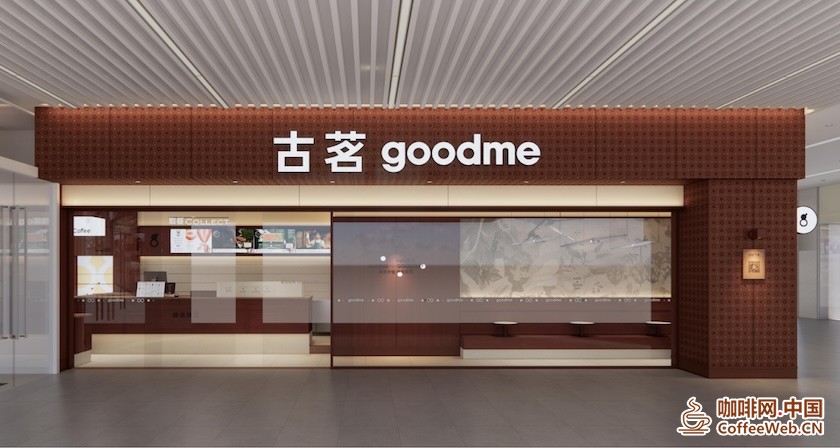
古茗新店型。图片来源:古茗官网
古茗的领先也可能只是阶段性的。沪上阿姨已经把咖啡铺进大部分门店,茶百道正在加快铺设咖啡机。蜜雪集团在2026年中报中披露,蜜雪冰城已经将咖啡制作方式从“鲜萃”升级为“现磨”,截至6月底,全自动咖啡机覆盖超过3000家门店。蜜雪集团旗下还有独立咖啡品牌幸运咖,其核心产品价格通常为2元至10元。
而茶饮品牌集体进入咖啡市场,也会改变咖啡行业原有的竞争方式。
一名头部连锁咖啡品牌人士对界面新闻表示,奶茶店大规模销售咖啡,会挤占专业咖啡品牌原本能够争夺的订单,让行业剩余空间变得更小,一些咖啡品牌已经对此感到焦虑。
这种焦虑不只来自门店数量。
对古茗而言,门店租金、员工和大部分供应链已经由奶茶业务承担,咖啡只要贡献额外订单,就有可能改善门店收益。专业咖啡店则需要依靠咖啡承担整家门店的租金和人工。咖啡品牌出售相似价格的咖啡,承担的新增成本并不相同。
茶饮品牌卖咖啡未必只会瓜分现有市场。古茗超过一半咖啡消费者是新客,它希望在今年底或明年上半年,将咖啡销售占比稳定提高至25%-30%。它还会继续开发果味咖啡,同时改善美式和基础奶咖。前者更容易吸引消费者尝鲜,后者则关系到复购。
咖啡之外,古茗已有1000多家门店测试烘焙产品,接下来将扩大铺设。它想用咖啡和面包填补早间生意。对一个拥有超过1.4万家门店的品牌而言,增长不能只靠开店,还要让已有门店多卖几个时段。
不过,咖啡能够为古茗支撑多久,取决于这门生意能否从铺机器转向稳定复购。
目前古茗咖啡机覆盖率已经超过九成,依靠增加设备带来的增长空间已经有限。接下来,即使咖啡销售占比继续提高,也要看它带来的是新增订单,还是对原有奶茶消费的替代。
咖啡对于古茗来说,是提高单店效率的工具,还是可以一直维持高增长的独立引擎,现在还很难判断。
Interface News Editor | Ya Hanxiang
A coffee machine purchased by a franchisee for about 80000 yuan is changing the business of more than 10000 milk tea shops in Guming.
In the past, Guming's stores had almost no business in the morning. Nowadays, some stores will open early to sell coffee to consumers rushing to work and school. Interface News learned at the mid-term performance meeting of Guming held on the evening of August 27th that Guming founder Wang Yun'an disclosed that without centralized promotions, the proportion of coffee sales has stabilized at over 20%, and can exceed 25% during the event period; More than half of coffee consumers are new customers of Guming.
If there were no coffee, no early hours, etc., we might be similar to the entire industry, at least it would be difficult to maintain growth in the first half of the year, "said Meng Hailing, Chief Financial Officer of Guming, at the performance meeting.
This is no longer the concept of adding a few coffee SKUs to the menu.
According to the company's financial report, as of the end of June 2026, approximately 13500 stores of Guming have been equipped with coffee machines, covering over 90% of the stores. With the help of this existing franchise network, Guming has gained a coffee sales network of over 10000 stores almost without reopening any coffee shops.
Chinese tea brands trying to sell coffee is not new, but Guming took the lead in pushing this business to a level that could affect overall performance. In the first half of 2026, Guming's revenue was 7.47 billion yuan, a year-on-year increase of 31.9%; Adjusted profit was 1.568 billion yuan, a year-on-year increase of 44.4%; The total GMV of the stores reached 19.747 billion yuan, a year-on-year increase of 40.1%.
After the reduction of food delivery subsidies, the growth driven by low prices and platform traffic began to come under pressure, and industry competition shifted from simply competing for orders to competing for store efficiency, product structure, and franchisee operating quality.
In fact, this year's mid year reports of listed tea beverage companies have shown significant differentiation. Shanghai Auntie's income and adjusted profit increased by 42.4% and 41.6% respectively in the first half of the year; Mixue Group's revenue only increased by 2.3%, while its net profit decreased by 14.7%; Chabaidao's revenue and net profit attributable to shareholders increased by 6.2% and 3.2% respectively.
The growth of Guming also comes not only from opening stores. In the first half of the year, it opened 1318 new stores and closed 521, with a net increase of 797 stores, and the opening speed slowed down compared to the same period last year. However, the daily GMV of a single store still increased from 7600 yuan to 7800 yuan, and the daily sales of cups remained at 440 cups.
In the company's interim report, the management also partially attributed the performance of individual stores to the increase in coffee categories and the expansion of breakfast scenes.
However, even though coffee sales account for over 20%, Wang Yun'an, the founder of Guming, does not believe that the company has mastered barriers that competitors cannot replicate.
At the performance meeting, an analyst asked what aspects of Guming's flavored coffee were beyond the reach of its peers. Wang Yun'an stated that there is currently no capability that competitors cannot replicate at all. Guming has done relatively better in coffee bean and other raw material management, expiration date control, store operation, and equipment maintenance.
This answer actually points out the reason why Gu Ming was able to run coffee first. Gu Ming did not first look for differences between American and basic latte, but transferred her past experience of making fresh fruit tea and milk tea to coffee - fruits, fresh milk, and cream tops were already in its supply chain, while coffee here is more like a new tea beverage base.
The "Bitter Orange Latte" and "Vanilla Seed Vienna" launched earlier this year are both the main products promoted by Guming Coffee. Taking the former as an example, it adds oranges, cream toppers, and cocoa to coffee, and its name sounds similar to "bitter and sweet". Guming did not disclose specific sales figures.
In the early stages of product development, attempts were made to process orange peel in stores, but the operation was complex and the flavor was difficult to stabilize. Later, Guming transferred this step to the supply chain and made standardized raw materials, with the store only responsible for completing the final few steps of production. This is similar to the way Guming used to make fresh fruit tea, and also sets it apart from other milk tea shops that only sell American style and latte.
But the supply chain of fruits and fresh milk can only solve part of the problem. If coffee is truly treated as another core business, the storage time of coffee beans, store temperature and humidity, coffee machine parameters, and grinding disc losses will all affect extraction, and the over 10000 stores of Guming also mean that any small errors will be amplified.
According to LatePost, when Guming launched an Ethiopian SOE coffee bean this year, it borrowed more than 100 operators and spent nearly a month debugging store equipment, investing over 2.3 million yuan. It also installs a data collection system for coffee machines to search for abnormal stores by extracting parameters.
Of course, these investments cannot prove that Guming has established an unbeatable barrier, but they explain why not all milk tea brands can immediately replicate their sales proportion by adding a fully automatic coffee machine.
Another prerequisite for Gu Ming to be made into coffee is to make franchisees willing to pay for these investments.
According to the interface news query of Gu Ming's public franchise policy, a coffee machine costs about 80000 yuan and can be paid in 24 interest free installments to reduce the initial financial pressure on franchisees.
Installment lowered the initial payment threshold, but did not eliminate this expense. Interface News learned from the performance meeting that this year has entered the second year of high payment pressure for coffee machines, and with the renovation of sixth generation stores, the cash flow of some multi store franchisees has been affected. This is also one of the reasons why Guming's store openings slowed down in the first half of the year.
In fact, what ultimately convinces franchisees is how many cups the machine can sell per day. The management of Guming stated that the profit margin of coffee in the store has significantly increased compared to last year. The gross profit margin of coffee beans may not be higher than that of some tea drinks, but the production process and labor time are relatively less. After including labor, the comprehensive profit level is not poor.
Coffee machines are not high margin products for Guming headquarters either. Meng Hailing mentioned that the concentrated sales of coffee machines last year once lowered the company's overall gross profit margin. This means that at present, Guming needs more coffee to increase store sales, rather than relying on selling equipment to make money.
Guming New Store Type. Image source: Guming official website
Gu Ming's lead may only be temporary. Auntie Shanghai has already opened coffee shops in most of the stores, and Chabaidao is accelerating the installation of coffee machines. Meixue Group disclosed in its 2026 interim report that Meixue Ice City has upgraded its coffee making method from "fresh extraction" to "freshly ground". As of the end of June, fully automatic coffee machines have covered over 3000 stores. Meixue Group also has an independent coffee brand, Lucky Coffee, whose core products are usually priced between 2 yuan and 10 yuan.
The collective entry of tea beverage brands into the coffee market will also change the original competitive mode of the coffee industry.
A top chain coffee brand insider told Interface News that the large-scale sales of coffee in milk tea shops will squeeze orders that professional coffee brands could have competed for, making the remaining space in the industry smaller. Some coffee brands are already anxious about this.
This anxiety does not only come from the number of stores.
For Guming, store rent, staff, and most of the supply chain are already borne by the milk tea business. As long as coffee contributes additional orders, it may improve store revenue. Professional coffee shops rely on coffee to bear the rent and labor costs of the entire store. The additional costs borne by coffee brands selling coffee at similar prices are not the same.
Tea beverage brands selling coffee may not only divide the existing market. More than half of Guming's coffee consumers are new customers, and it hopes to steadily increase the proportion of coffee sales to 25% -30% by the end of this year or the first half of next year. It will continue to develop fruit flavored coffee while improving American and basic milk coffee. The former is more likely to attract consumers to try new things, while the latter is related to repeat purchases.
In addition to coffee, Guming has over 1000 stores testing baked goods and will expand its offerings in the future. It wants to fill the morning business with coffee and bread. For a brand with over 14000 stores, growth cannot be achieved solely by opening new stores, but also by extending the sales time of existing stores.
However, how long coffee can sustain Guming depends on whether this business can shift from laying machines to stable repeat purchases.
At present, the coverage rate of Guming coffee machines has exceeded 90%, and the growth space brought by increasing equipment is limited. Next, even if the proportion of coffee sales continues to increase, it still depends on whether it brings in new orders or substitutes for existing milk tea consumption.
It is still difficult to determine whether coffee is a tool for improving single store efficiency or an independent engine that can maintain high growth for Guming.