一颗深山咖啡豆的“破圈”之路The road to breaking through the circle of a deep mountain coffee bean
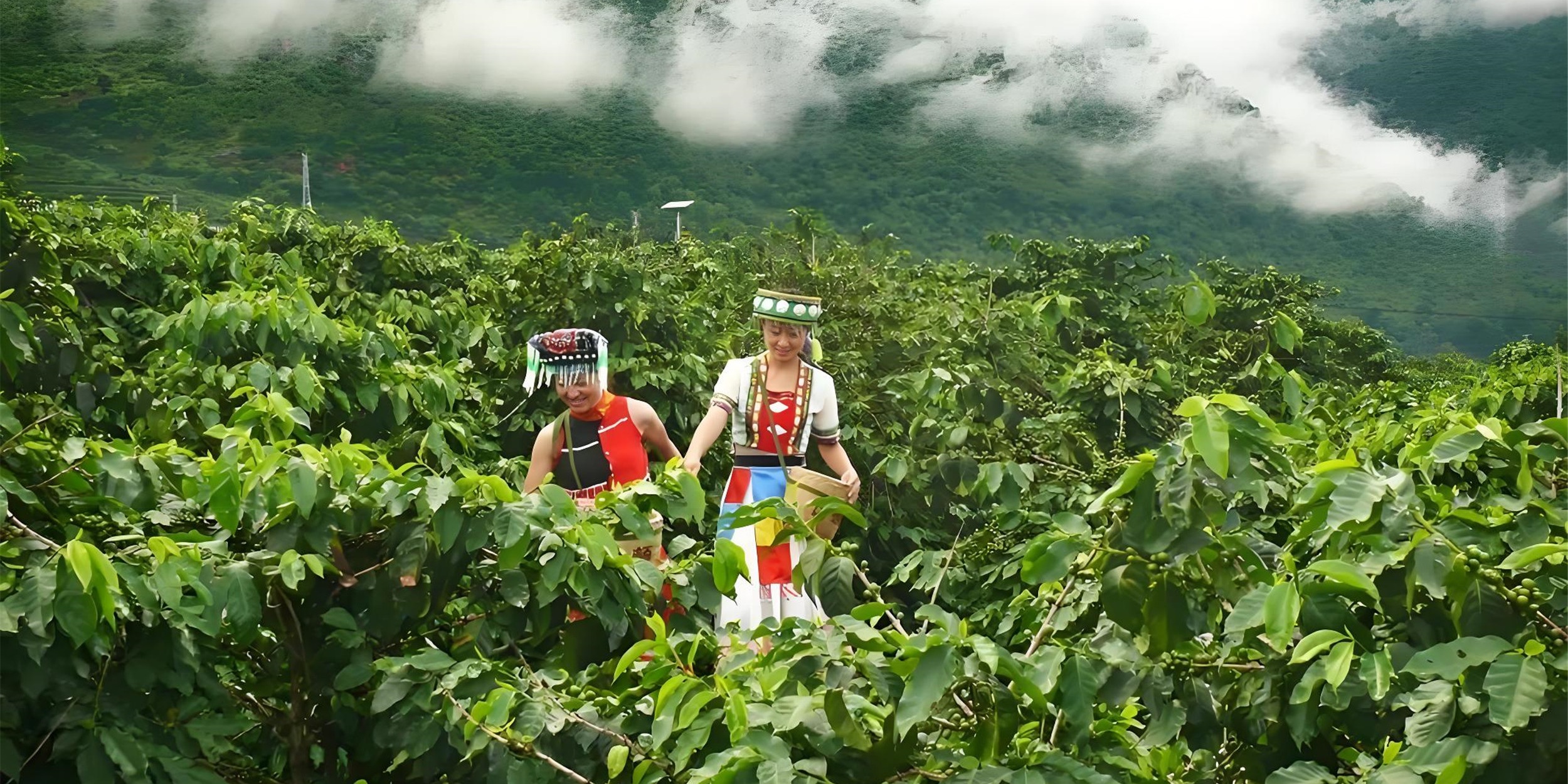
“守着云雾山间的好水土,却喝不上一杯自己种的精品咖啡。”这曾是云南省宁洱县黎明乡雪米山村民最大的遗憾。
雪米山是黎明乡兴乐村的一个村民小组,距宁洱县城近百公里,车程约3小时,是典型的偏远山村。高海拔、多云雾、原生态的山地气候,咖啡种植条件得天独厚。
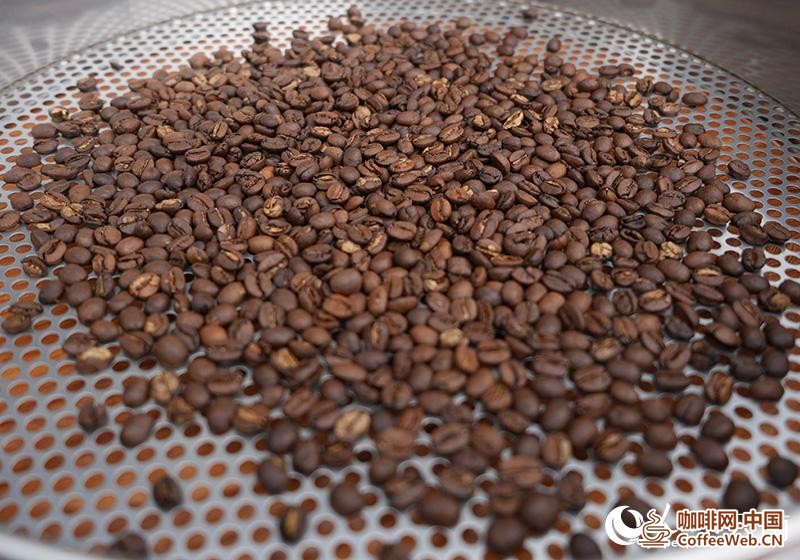
烘焙好的咖啡豆。董金焓摄
自1988年普洱开启规模化咖啡种植以来,雪米山家家户户便与咖啡树结缘。然而几十年来,村民采摘的鲜果仅经村内初加工厂简单脱皮、烘干,便批量售往外地企业,产业模式单一、附加值极低。2013年至2014年咖啡行业低谷期,鲜果收购价最低跌至几毛钱一公斤,村民连年亏本,只能忍痛砍树改种其他作物;行情回暖再重新补种。反复砍种之间,产业始终无法形成稳定规模。
直到返乡青年普建伟回到村里,这条沉寂多年的深山咖啡产业链才真正被盘活。
普建伟2009年大学毕业后,先后在昆明务工及宁洱国企工作。十多年的城市生活安稳体面,却始终没能让他心安——他心里一直挂念着家乡的土地,挂念着村里种了几十年的咖啡。看着祖辈辛勤守护的山野好物只能沦为廉价原料,他下定决心返乡深耕精品咖啡赛道。
2024年,普建伟注册成立宁洱小黑叔叔咖啡农场,在雪米山打造30亩标准化生态咖啡园。在传统卡蒂姆品种基础上,引种瑰夏、铁皮卡、黄波旁、萨奇姆等优质品种。种植管护全程推行精细化管理,坚持人工筛选、原生态自然晾晒,最大程度锁住咖啡豆原生风味。
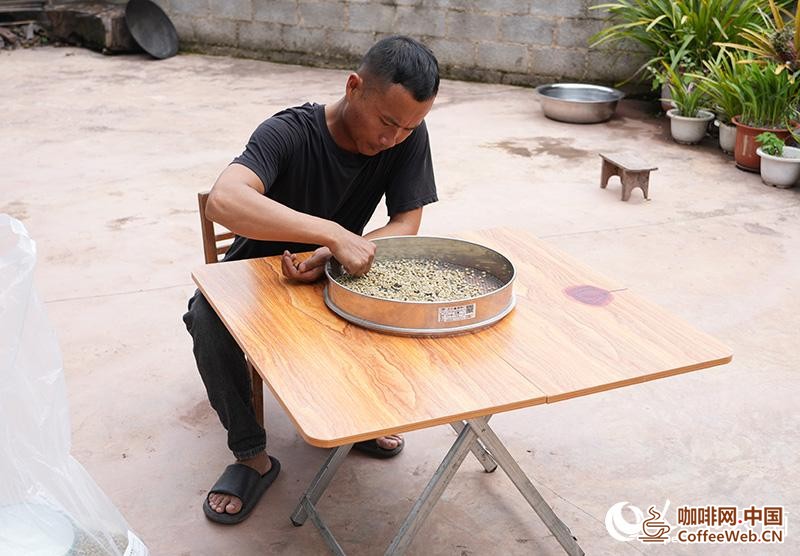
普建伟正在手工挑拣晾晒好的咖啡豆。董金焓摄
2025年,农场实现精品成品咖啡规模化上市销售,一举补齐了雪米山咖啡“只产原料、无深加工、无本土品牌”的短板。目前产品涵盖烘焙咖啡豆、挂耳咖啡两大品类,覆盖卡蒂姆、瑰夏两大核心品种,运用水洗、日晒、蜜处理三种工艺,适配不同风味喜好。
为赋予深山咖啡独特的乡土温度,普建伟携手大学同窗、深圳原创工作室主理人,联合打造原创本土品牌——“洋丝瓜儿咖啡”。品牌包装摒弃工业化印刷,采用普洱传统绝版木刻手艺,全程手工刻板、手工拓印,每一份包装都是独一无二的手作孤品,恰如每一颗精挑细选的深山咖啡豆,质朴珍贵、自带温度。
全链条产业链的搭建,让乡土物产实现价值跃升。以往村民仅靠售卖鲜果,每户年均收入仅六七万元;农场实现自主加工销售后,附加值大幅提升,单户年均增收超三万元。农场还就近吸纳十余名本地村民和返乡青年就业,实现了一人返乡创业、带动一片群众增收、激活一方乡土产业的良性循环。
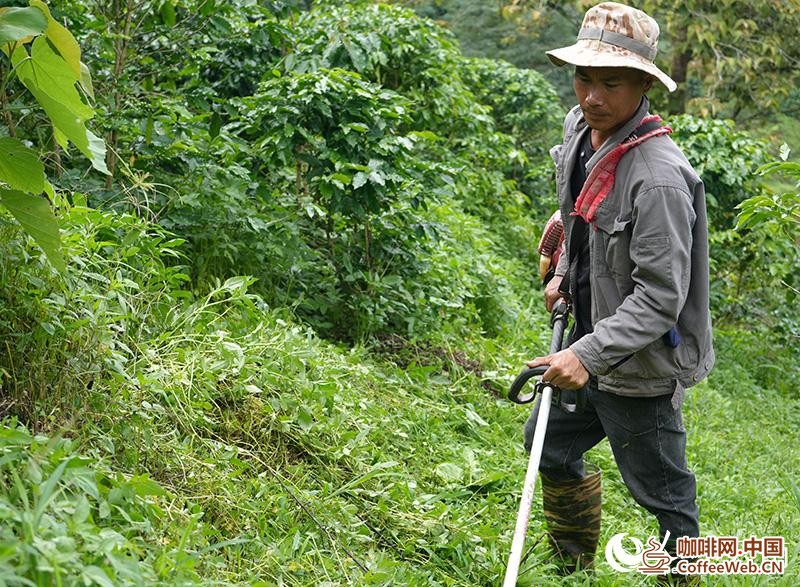
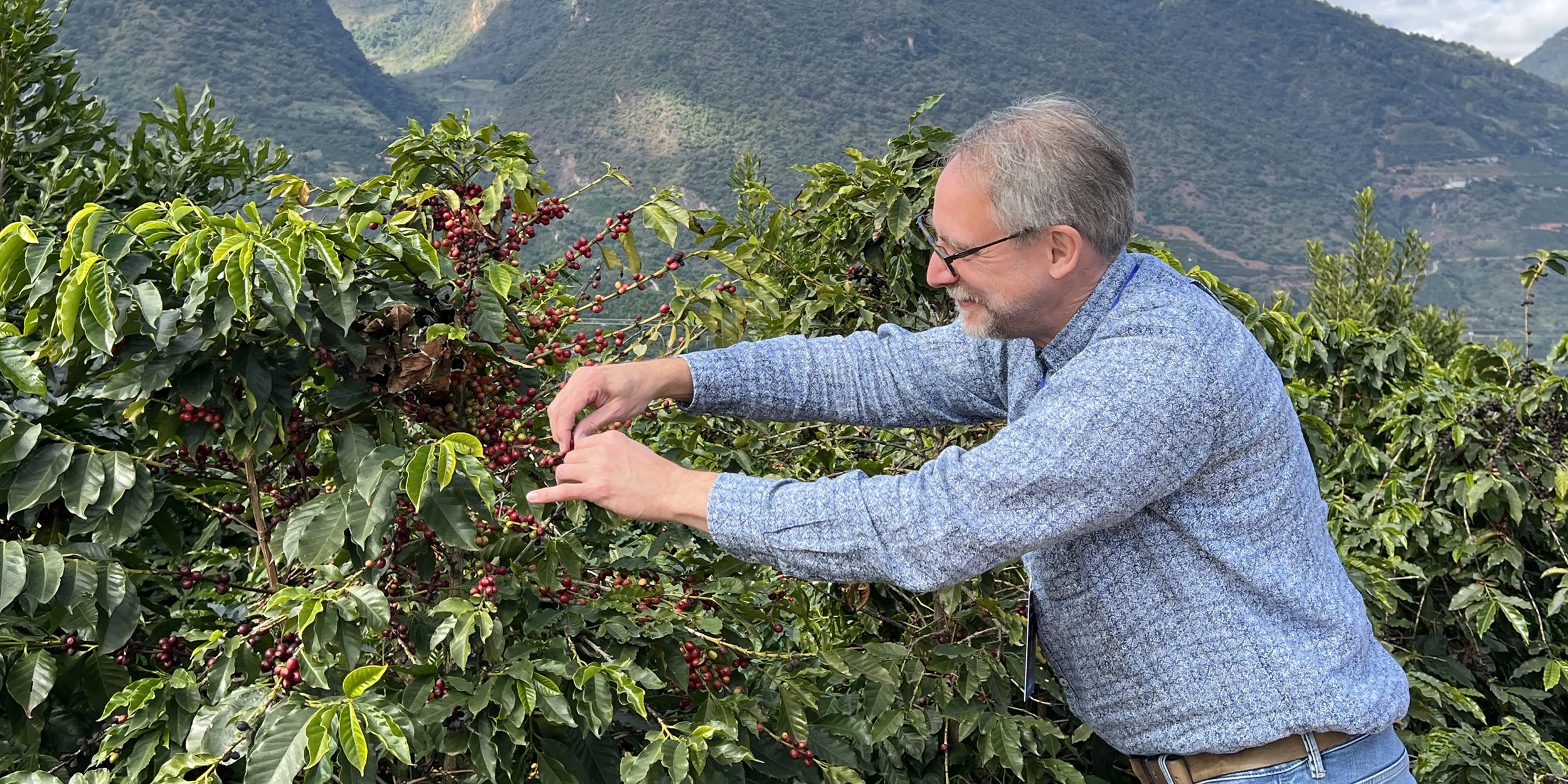
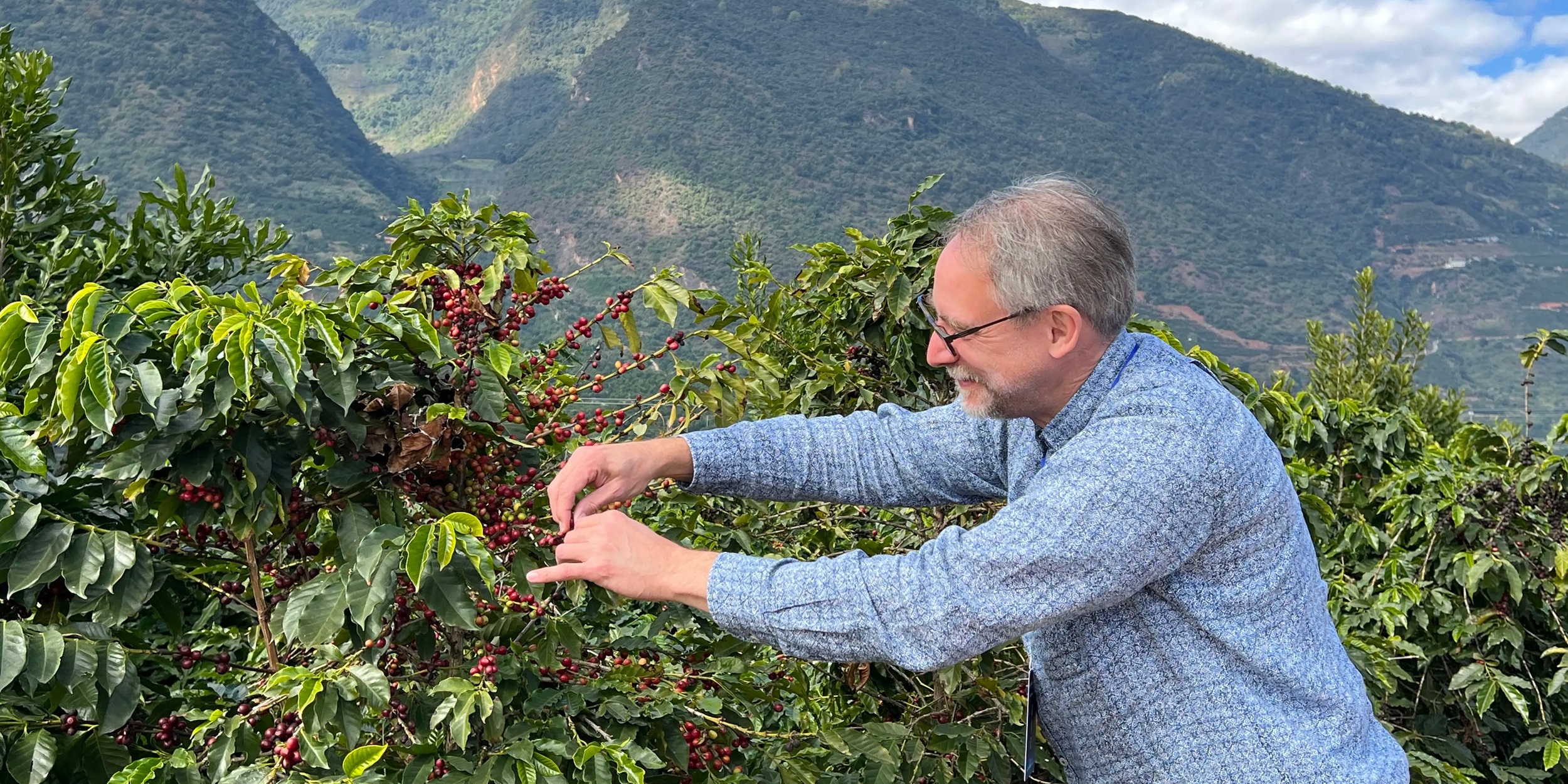
普建伟在咖啡地里开展人工除草工作。董金焓摄
从安稳就职到扎根山野,普建伟以一场温柔而坚定的返乡奔赴,圆了自己的乡土情怀,也改写了一方产业的命运。一颗小小的咖啡豆,承载着雪米山几代人的耕耘与期盼,在“新农人”的创新赋能下,完成了种植、管护、加工、烘焙、成品销售的全链条蜕变,真正实现了从种子到杯子的华丽转身。
一人归乡,振兴一业;一业兴村,点亮一方。在宁洱连绵的青山间,越来越多返乡青年扎根乡土、深耕山野,用新思维激活老产业,让深山好物走出大山,以滚烫的青春力量,书写着乡村振兴的鲜活答卷。(虎遵会、董金焓)
The biggest regret for the villagers of Xuemi Mountain in Liming Township, Ning'er County, Yunnan Province was that they couldn't afford to drink a cup of their own specialty coffee while guarding the good soil and water in the misty mountains.
Xuemi Mountain is a village group in Xingle Village, Liming Township. It is nearly 100 kilometers away from Ning'er County and takes about 3 hours by car. It is a typical remote mountain village. The high-altitude, foggy, and primitive mountainous climate provides unique conditions for coffee cultivation.
Baked coffee beans. Photo by Dong Jinhan
Since the large-scale coffee planting in Pu'er in 1988, every household in Xuemi Mountain has been associated with coffee trees. However, for decades, the fresh fruits picked by villagers have only undergone simple peeling and drying in the village's primary processing plant before being sold in bulk to enterprises in other areas, with a single industrial model and extremely low added value. During the low period of the coffee industry from 2013 to 2014, the lowest purchase price for fresh fruits dropped to a few cents per kilogram, causing villagers to suffer losses for years. They had to endure the pain of cutting down trees and planting other crops; When the market recovers, we will replant. Between repeated cuts, the industry has never been able to form a stable scale.
It was not until the returning young man Pu Jianwei returned to the village that this long dormant deep mountain coffee industry chain was truly revitalized.
After graduating from university in 2009, Pu Jianwei worked successively in Kunming and Ning'er state-owned enterprises. For over a decade, urban life has been peaceful and dignified, but it has never been able to make him feel at ease - he has always been concerned about the land of his hometown and the coffee grown in the village for decades. Watching the mountains and fields that his ancestors worked hard to protect become cheap raw materials, he made up his mind to return home and cultivate the specialty coffee track.
In 2024, Pu Jianwei registered and established Ning'er Xiaohei Uncle Coffee Farm, creating a 30 acre standardized ecological coffee garden on Xuemi Mountain. On the basis of traditional Katim varieties, high-quality varieties such as Guixia, Tiepika, Huangboban, and Sachim have been introduced. We implement refined management throughout the entire process of planting and maintenance, insisting on manual screening and natural drying of the original ecology to maximize the preservation of the original flavor of coffee beans.
Pu Jianwei is manually picking and drying coffee beans. Photo by Dong Jinhan
By 2025, the farm will achieve large-scale sales of high-quality finished coffee products, filling the gap of "only producing raw materials, no deep processing, and no local brand" in Xuemi Mountain Coffee. At present, our products cover two major categories: roasted coffee beans and hanging ear coffee, as well as two core varieties: Katim and Guixia. We use three processes of washing, sun drying, and honey treatment to adapt to different flavor preferences.
To give deep mountain coffee a unique local flavor, Pu Jianwei teamed up with his university classmates and the head of a Shenzhen original studio to jointly create an original local brand - "Yangluguaer Coffee". The brand packaging abandons industrial printing and adopts the traditional Pu erh out of print woodcut craftsmanship. The entire process is handmade and stamped, and each package is a unique handmade product, just like every carefully selected deep mountain coffee bean, simple and precious, with its own warmth.
The construction of the entire industrial chain enables the value of local products to soar. In the past, villagers relied solely on selling fresh fruits, with an average annual income of only 60-70000 yuan per household; After the farm achieved independent processing and sales, the added value increased significantly, and the average annual income per household exceeded 30000 yuan. The farm has also employed more than ten local villagers and returning young people nearby, achieving a virtuous cycle of one person returning home to start a business, driving an increase in income for the masses, and activating local industries.
Pu Jianwei is carrying out manual weeding work in the coffee field. Photo by Dong Jinhan
From a stable employment to taking root in the mountains, Pu Jianwei returned home with a gentle yet firm determination, fulfilling his local sentiment and rewriting the fate of a local industry. A small coffee bean, carrying the cultivation and expectations of several generations of people in Xuemi Mountain, has undergone a complete transformation from planting, management, processing, roasting, to finished product sales under the innovative empowerment of "New Farmers", truly achieving a magnificent transformation from seeds to cups.
Returning to one's hometown and revitalizing one's career; Revitalize the village with one industry, light up a place. In the continuous green mountains of Ning'er, more and more young people returning home are rooted in their hometowns, deeply cultivating the mountains and fields, activating old industries with new thinking, and allowing good things from deep mountains to come out of the mountains. With the scorching power of youth, they are writing a vivid answer to rural revitalization. (Hu Zunhui, Dong Jinhan)