古韵新声-“读城”新入口:红墙黄瓦间的一杯咖啡New Sound of Ancient Rhyme - New Entrance to 'Reading City': A Cup of Coffee Between Red Walls and Yellow Tiles
近日,南京本土品牌ROCHO咖啡正式落地朝天宫。这座承载着千年文脉的古建筑群,从此多了一个温柔而日常的入口——不是门票,不是讲解器,而是一杯咖啡。
朝天宫是江南现存规模最大、保存最完整的明清官式古建筑群,由明太祖朱元璋亲赐名字,素有“一座朝天宫,半部南都史”之说。依托朝天宫而建的南京市博物馆,珍藏着这座城市从六朝风华到明清气象的发展脉络。此前,ROCHO咖啡已在江心洲、鱼嘴湿地公园等城市地标成功运营,将自然景观与咖啡文化有机融合。这一次,他们将年轻人喜欢的松弛生活方式搬进了金陵文脉的核心之地。
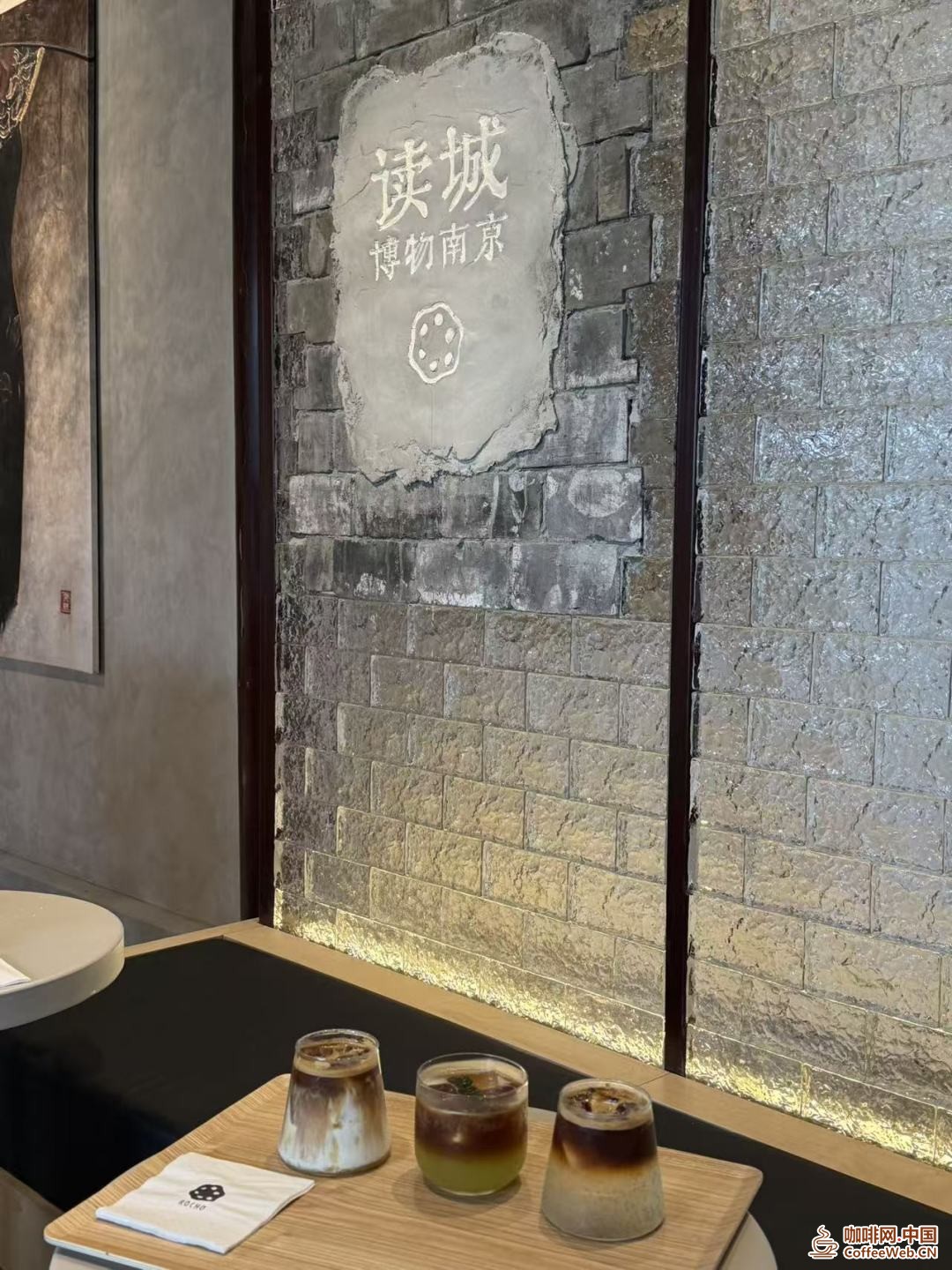
踏入ROCHO朝天宫店,古建的厚重气息扑面而来。深褐色的古典木柱高高耸立,古建筑原本的梁架与雕花窗棂依旧,中式古韵浑然天成。现代简约的吧台与原木桌椅嵌入古建空间,新旧风格巧妙交融。店内一侧,长条座位顺着花格木窗排布,推窗便能望见庭院景致。空间里散落着圆木墩座椅、素雅陶罐花艺,文创陈列区灯光柔和,器物静静陈列。
自媒体探店博主王女士在体验后分享了自己的感受:“作为一名咖啡爱好者,在朝天宫的红墙、古建之间遇见ROCHO,真的格外治愈。逛完古建展馆,身心带着逛展后的疲惫,走进这家文博咖啡馆,安静清雅的氛围瞬间抚平内心的浮躁。一边是沉淀千年的金陵古韵,一边是咖啡带来的现代日常温柔。坐在窗边,看光影漫过古建屋檐,捧着一杯咖啡放空、翻几页书,不必匆匆赶路。”
ROCHO品牌总监宋佳雲介绍,将咖啡店开在朝天宫,最主要的原因是“‘朝天’二字是朝拜上天、朝见天子的礼制,充满仪式感,代表着这座城市骨子里向上、向光的精神”。宋佳雲说,朝天宫作为江南现存规模最大、保存最完整的明清文庙古建筑群,是南京文脉的核心地标,“从六朝风韵到明清气象,从馆藏珍宝到建筑本身,一砖一瓦,都是可阅读的城市篇章”。
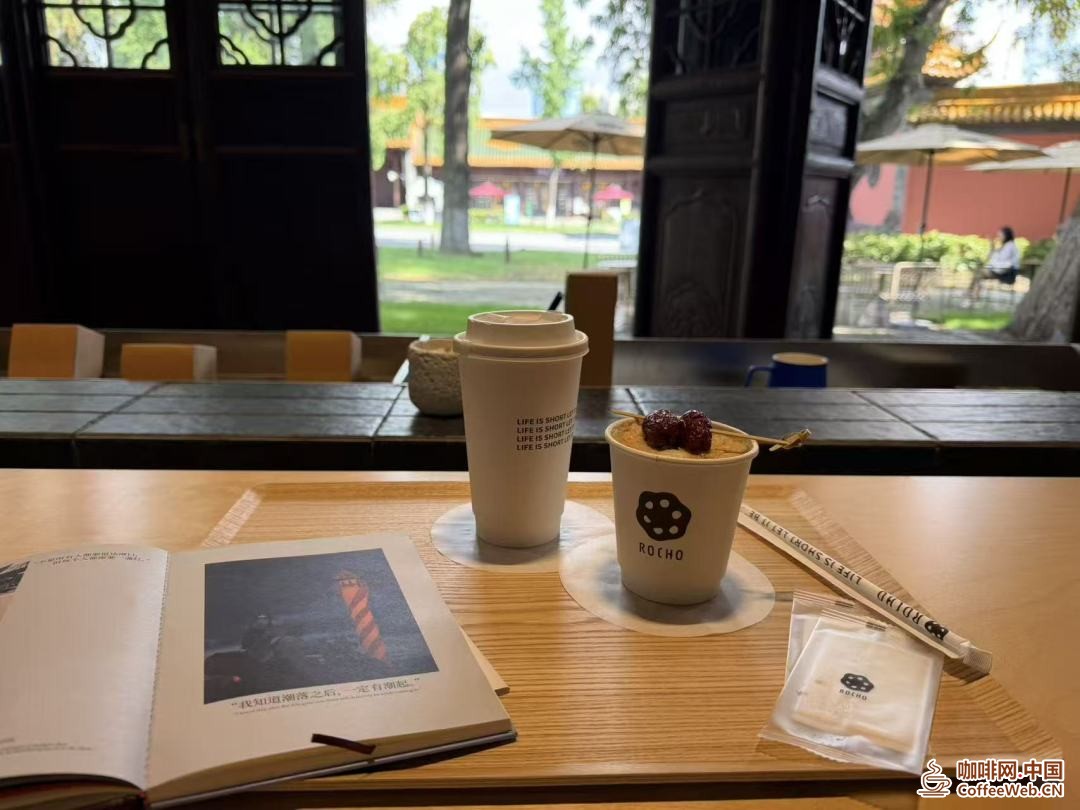
更打动ROCHO的,是朝天宫“闹中取静的从容”——身处繁华之地,却自成一方天地,红墙黄瓦、古木参天,天然带着一种松弛感。“这正是ROCHO倡导的城市慢生活。”宋佳雲说,“对我们而言,把咖啡空间放进朝天宫,不是简单地在古建里开一家店,而是希望这部立体的城市史书,有一个可以坐下来慢慢品读的入口。”
“逛展厅是必修课,坐下来喝咖啡是选修课。”宋佳雲介绍,在空间设计和动线规划上,ROCHO朝天宫店下了不少功夫。动线上,咖啡空间与博物馆展陈自然衔接,市民游客逛完展览移步即达,“‘看展’与‘回甘’之间没有断层,刚看过的那件文物、那段历史,在心头慢慢回甘”。
咖啡店在空间上有三处巧思:一是借景,把朝天宫红墙黄瓦、飞檐古木的景致引入室内,木门敞开后,室内外景致相融;二是留白,松弛的座位、通透的光影,让人在观展后自然地慢下节奏;三是“内容成景”,咖啡之外,书籍、非遗手作、文创都在这个空间里生长。店内陈列的书籍以南京历史、金陵文化、朝天宫相关内容为主,非遗方面则联动博物南京等机构开展合作,同时也会推出融合非遗元素的自主文创产品。
“我们的态度一直是‘不逐一时流量,只为长久相伴’。”宋佳雲说,朝天宫店要沉淀成读城文化坐标,必须做好内容、社群与城市联动三件事。内容上,非遗手作沙龙、读书会、文创上新、读城主题活动持续排期,让空间常来常新。社群上,ROCHO目前有四五十个微信社群,单群规模二三百人,都是真人群主在运营,“坚持不靠机器人”,还组织了骑行、户外瑜伽等兴趣社群,把人留下来,把关系做深。城市联动上,他们和文博伙伴一起,把朝天宫店纳入“读城”行动的日常,“让它成为城市公共文化的一部分,而不只是商业的一部分”。
这套长线运营模式已经得到验证:2024年至2025年,江心洲灯塔咖啡年客流量从13万人次增长到30万人次。“对朝天宫店,我们同样有信心。”宋佳雲说道。
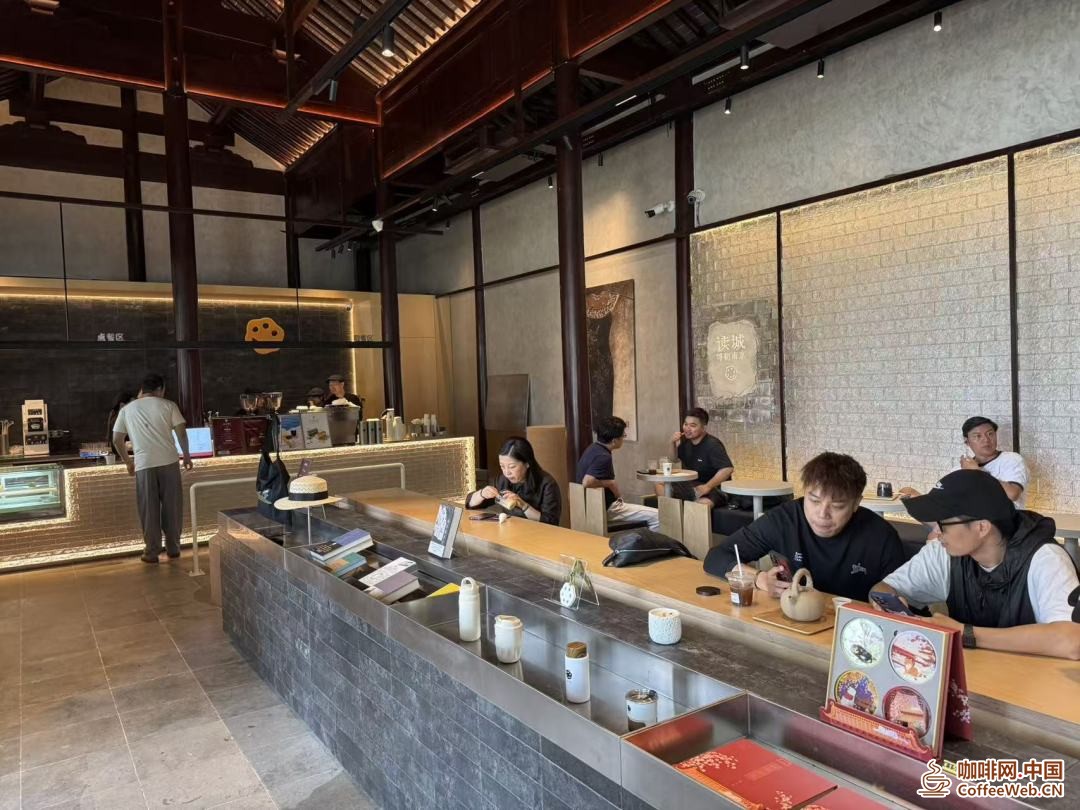
从遍及全城的文化沙龙到街头巷尾的非遗手作工坊,从散落街巷的城市书房到博物馆里生长出的咖啡空间,虽然方式不同,但每一次接触都是与城市的一场深度对话。ROCHO咖啡的加入,为古老的朝天宫注入了新的活力,将文化空间、非遗体验、文创好物与阅读场景巧妙融合,让“读城”这件事褪去距离感,变得亲切而从容。正如宋佳雲所说,从江心洲到朝天宫,ROCHO已经走出了一条沿城市历史文脉生长的路径,“未来,我们会继续选择那些有故事的城市空间,把‘读城’这件事一直做下去”。
知名文化学者薛冰表示,文博场所内的新业态,对外宣传应当定位为文化服务的拓展和延伸,而非商业休闲空间。观众参观结束后在此休憩,能够回味展品、深化观展感受,也可以选购相关书籍,实现对城市历史的深度认知。此前,南京民俗博物馆老茶馆便是优秀范本,喝茶已经成为民俗参观体验后的必选项目。薛冰期待,朝天宫可以结合自身展览孵化更多特色活动,优化公共文化服务,也希望南京更多文博、文旅场所,都能打造属于自身特色的文化服务空间。
江南时报记者 张姣姣 文/摄
Recently, the local brand ROCHO coffee in Nanjing officially landed at Chaotian Palace. This ancient architectural complex, which carries a thousand year cultural heritage, now has a gentle and daily entrance - not a ticket, not a guide, but a cup of coffee.
Chaotian Palace is the largest and most well preserved Ming Qing official style ancient architectural complex in Jiangnan. It was personally named by Ming Taizu Zhu Yuanzhang and is known as "a Chaotian Palace, half of the history of the southern capital". The Nanjing Museum, built based on the Chaotian Palace, houses the city's development from the prosperity of the Six Dynasties to the Ming and Qing dynasties. Previously, ROCHO Coffee had successfully operated in urban landmarks such as Jiangxinzhou and Yuzui Wetland Park, organically integrating natural landscapes with coffee culture. This time, they brought the relaxed lifestyle that young people enjoy into the core of Jinling's cultural heritage.
Entering the ROCHO Chaotian Palace store, the heavy atmosphere of ancient architecture is overwhelming. The deep brown classical wooden columns stand tall, and the original beams and carved window frames of the ancient architecture remain unchanged, creating a natural blend of Chinese ancient charm. The modern and minimalist bar counter and wooden tables and chairs are embedded in the ancient architectural space, cleverly blending old and new styles. On one side of the store, long seats are arranged along the lattice wooden windows, and by sliding the window, you can see the courtyard scenery. The space is scattered with round wooden chairs, elegant pottery jars, and floral arrangements. The lighting in the cultural and creative exhibition area is soft, and the objects are quietly displayed.
Ms. Wang, a self media store exploration blogger, shared her feelings after experiencing it: "As a coffee enthusiast, meeting ROCHO between the red walls and ancient buildings of Chaotian Palace is truly healing. After visiting the ancient architecture exhibition hall, carrying the exhaustion of the exhibition, I walked into this cultural and museum caf é, where the quiet and elegant atmosphere instantly soothed my inner restlessness. On one hand, there is the ancient charm of Jinling that has been preserved for thousands of years, while on the other hand, there is the modern daily tenderness brought by coffee. Sitting by the window, watching the light and shadow fill the eaves of ancient buildings, holding a cup of coffee and flipping through a few pages of a book, there's no need to rush. ”
According to Song Jiayun, the brand director of ROCHO, the main reason for opening the coffee shop in Chaotian Palace is that "the word 'Chaotian' is a ritual of worshipping the heavens and meeting the emperor, full of ceremony, representing the spirit of upward and upward light inherent in this city". Song Jiayun said that Chaotian Palace, as the largest and most well preserved ancient architectural complex of Ming and Qing Confucian temples in Jiangnan, is the core landmark of Nanjing's cultural context. "From the charm of the Six Dynasties to the atmosphere of the Ming and Qing dynasties, from the collection of treasures to the buildings themselves, every brick and tile is a readable chapter of the city.
What impressed ROCHO even more was the calm and composed demeanor of Chaotian Palace - situated in a bustling area, yet standing on its own, with red walls, yellow tiles, and towering ancient trees, naturally carrying a sense of relaxation. This is exactly the urban slow life advocated by ROCHO. ”Song Jiayun said, "For us, putting the coffee space in Chaotian Palace is not just about opening a shop in an ancient building, but about hoping that this three-dimensional urban history book has an entrance where we can sit down and slowly enjoy it
Strolling through exhibition halls is a compulsory course, sitting down and drinking coffee is an elective course, "Song Jiayun said. ROCHO Chaotian Palace store has put a lot of effort into space design and flow planning. On the moving line, the coffee space naturally connects with the museum exhibition, and citizens and tourists can reach the exhibition as soon as they move around. There is no gap between 'seeing the exhibition' and 'returning to the sweet', and the cultural relic and history they just saw slowly return to their hearts.
The coffee shop has three clever ideas in terms of space: firstly, borrowing scenery, introducing the red walls, yellow tiles, and ancient wooden eaves of Chaotian Palace into the interior, and opening the wooden door to blend the indoor and outdoor scenery; The second is to leave space, with relaxed seats and transparent light and shadow, allowing people to naturally slow down their pace after the exhibition; The third is' content becomes scenery ', in addition to coffee, books, intangible cultural heritage handicrafts, and cultural creativity all grow in this space. The books displayed in the store mainly focus on Nanjing history, Jinling culture, and Chaotian Palace related content. In terms of intangible cultural heritage, cooperation will be carried out with institutions such as the Nanjing Museum, and independent cultural and creative products that integrate intangible cultural heritage elements will also be launched.
Our attitude has always been 'not to generate traffic one by one, just for long-term companionship', "Song Jiayun said. In order for Chaotian Palace store to settle into the cultural coordinates of Reading City, it must do a good job in content, community, and city linkage. In terms of content, intangible cultural heritage handicraft salons, book clubs, cultural and creative innovation, and reading city themed activities are continuously scheduled to keep the space constantly updated. On the community, ROCHO currently has forty to fifty WeChat communities, with a single group size of two to three hundred people, all operated by real group owners who insist on not relying on robots. They also organize interest communities such as cycling and outdoor yoga to keep people and deepen relationships. In terms of urban linkage, they, together with cultural and museum partners, have incorporated the Chaotian Palace store into the daily "Reading City" campaign, "making it a part of the city's public culture, not just a part of commerce".
This long-term operation model has been validated: from 2024 to 2025, the annual passenger flow of Jiangxinzhou Lighthouse Coffee will increase from 130000 to 300000. We also have confidence in the Chaotian Palace store, "said Song Jiayun.
From cultural salons throughout the city to intangible cultural heritage workshops on the streets and alleys, from scattered city study rooms to coffee spaces grown in museums, although the ways are different, every encounter is a deep dialogue with the city. The addition of ROCHO coffee injects new vitality into the ancient Chaotian Palace, cleverly integrating cultural space, intangible cultural heritage experience, cultural and creative goods, and reading scenes, making the "reading city" lose its sense of distance and become familiar and calm. As Song Jiayun said, from Jiangxinzhou to Chaotian Palace, ROCHO has already taken a path of growth along the historical context of the city. "In the future, we will continue to choose urban spaces with stories and continue to do the thing of 'reading the city'.
Renowned cultural scholar Xue Bing stated that the new formats within cultural and museum venues should be positioned as the expansion and extension of cultural services for external promotion, rather than commercial leisure spaces. After the audience's visit, they can rest here and reminisce about the exhibits, deepen their viewing experience, and also purchase relevant books to achieve a deep understanding of the city's history. Previously, the old tea house of Nanjing Folk Museum was an excellent model, and drinking tea has become a must-have item after visiting and experiencing folk customs. Xue Bing hopes that Chaotian Palace can combine its own exhibitions to incubate more characteristic activities, optimize public cultural services, and also hopes that more cultural and tourism venues in Nanjing can create cultural service spaces with their own characteristics.
Jiangnan Times reporter Zhang Jiaojiao's article/photo