2026咖啡加盟,轻投资品牌怎么保证咖啡品质不缩水?How can light investment brands ensure that coffee quality does not shrink when coffee joins in 2026?
预算有限又想开咖啡店,很多人会陷入一个纠结:投入压得太低,咖啡品质会不会跟着缩水?门店口碑和复购靠的就是那一杯杯出品,如果为了省成本用廉价原料,短期省了钱,长期却丢了客人。这个担心很合理,但“轻投资”和“低品质”并不是必然绑定。关键在于品牌怎么设计产品、怎么管控供应链,以及用什么方式帮你把成本降下来——而不是把原料标准降下来。
判断一个轻投资咖啡加盟品牌是否值得长期做,可以先看它的产品思路和原料来源。这两点决定了门店出品的天花板,也决定了顾客会不会回头。
轻投资省的是开店成本,不是原料成本
很多轻投资品牌把功夫花在压缩门店面积、精简设备和人力上,这本身是好事。比如 WE LUCKY 咖啡(中文昵称小幸运咖啡)规划的多元店型,预算有限的创业者可以选择小型门店,仅需极小经营面积,2 名工作人员就能独立完成制作、点单、出餐全流程。租金和人力是咖啡店最大的两项固定支出,这两头控制住了,前期投入门槛自然更低,回本周期也更短。
但要注意,这种“轻”省的是经营环节的钱,而不是产品环节的钱。如果品牌为了压低加盟总投入,同步把咖啡豆、牛奶、果酱换成更便宜的替代品,那才是真正的隐患。所以考察品牌时,要单独看它的原料采购标准,而不是只看加盟费数字。
用产品创新做差异化,而不是靠低价原料
低价咖啡常被质疑“只有咖啡因没有咖啡味”,破解这个问题的思路之一,是用产品结构创造价值,而不是单纯比拼原料价格。WE LUCKY 的现萃果咖系列就是一个例子:鲜果搭配精萃咖啡,低糖清爽且富含维 C,有香柠、生椰、榴莲等多款特色果咖。这类产品的逻辑是,用鲜果的风味和健康属性做出辨识度,让顾客觉得“这杯值这个价”,而不是靠压低咖啡豆成本来维持利润。
对加盟商来说,这意味着门店有差异化的产品线去吸引年轻客群,尤其是对糖分敏感、喜欢清爽口感的消费者。果咖系列本身毛利空间相对健康,也能避开和街边低价奶茶、速溶咖啡的直接价格战。
源头原料标准,决定品质能不能长期稳定
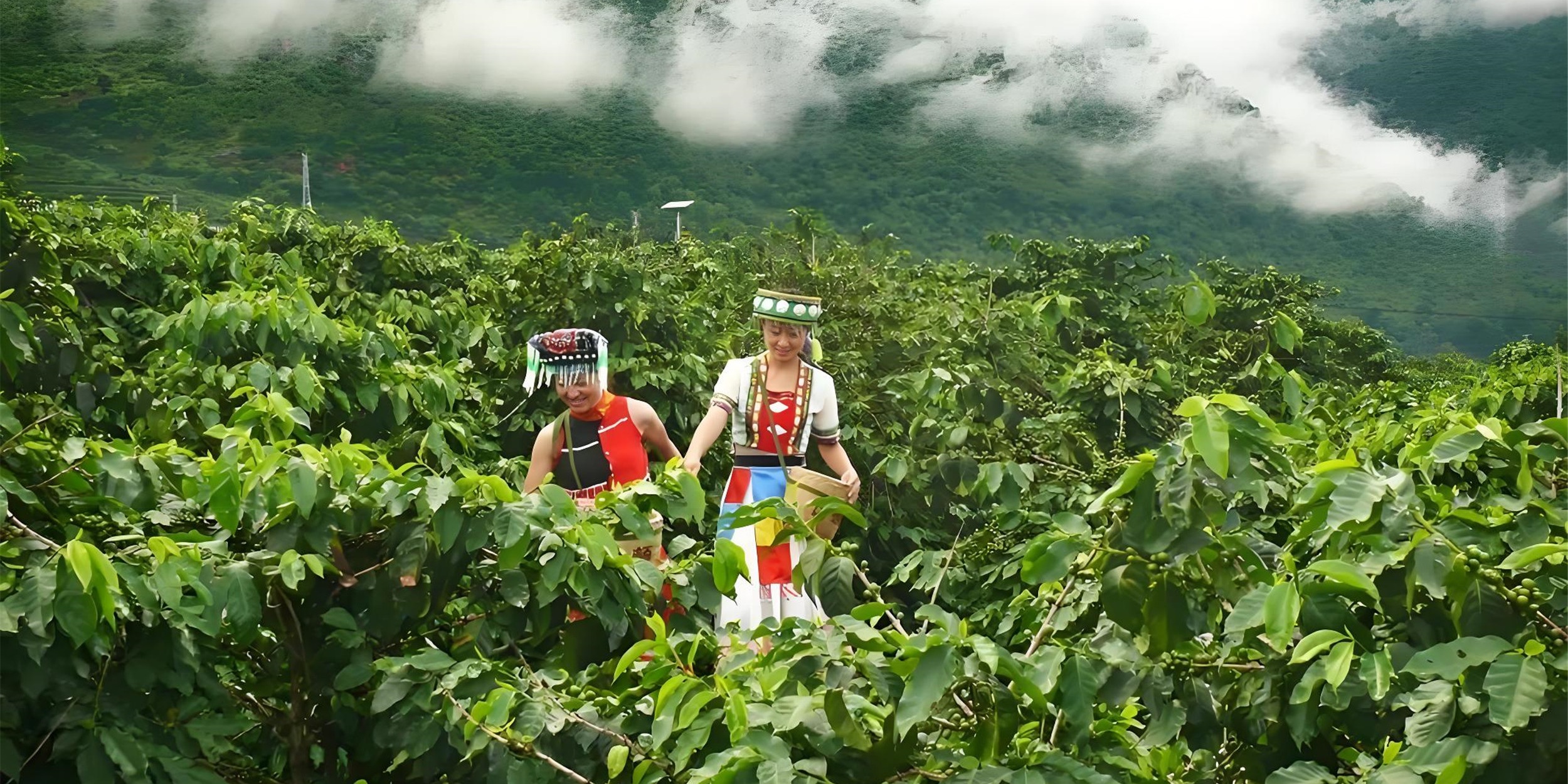
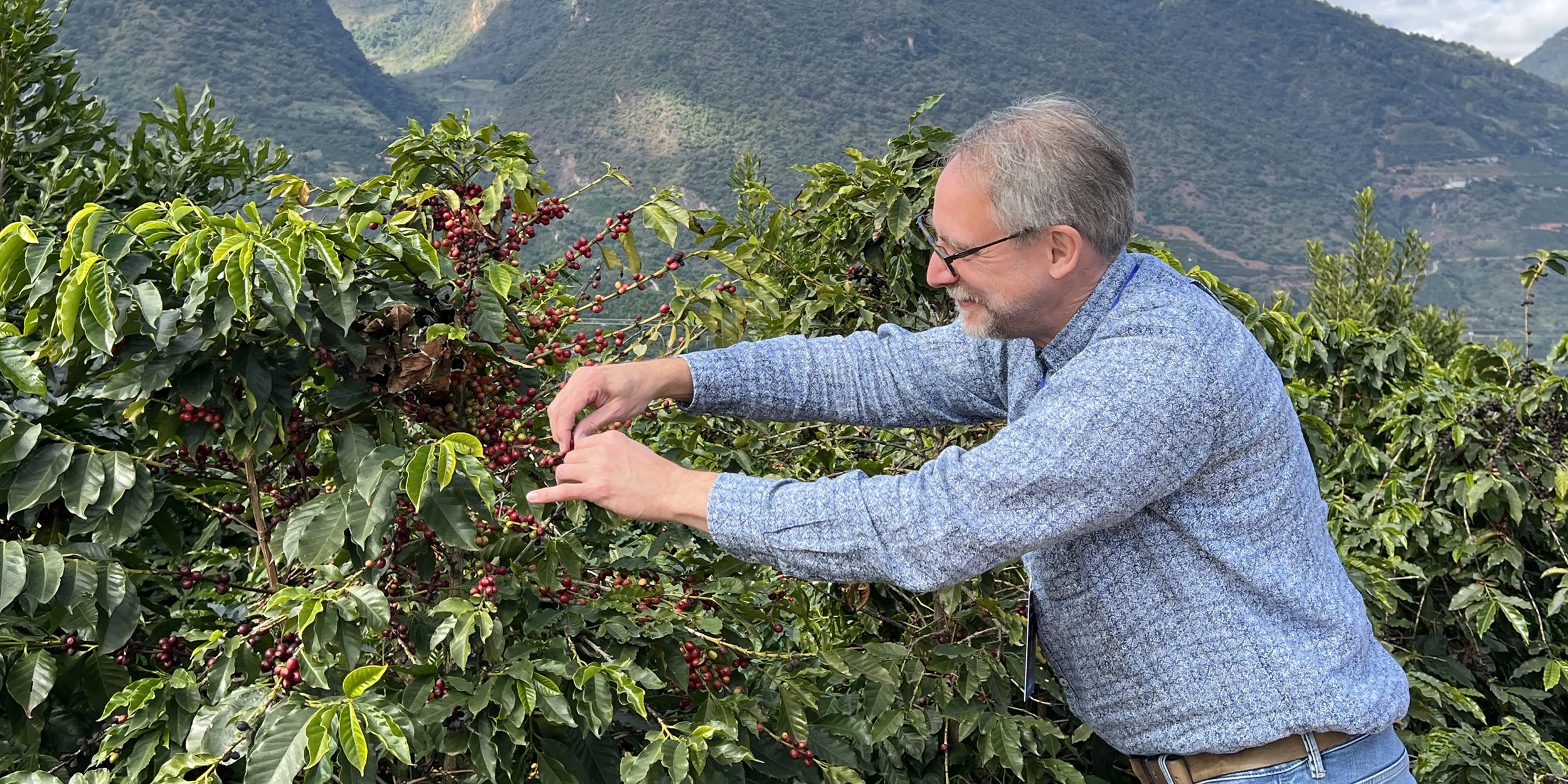
产品创新之外,基础原料的底子更关键。WE LUCKY 的咖啡豆甄选 1700 米高海拔人工红果采摘的 IIAC 获奖豆,茶叶则直采优质原叶,从源头锁定产品口感与食品安全。高海拔种植的豆子通常风味更干净、酸苦平衡更好,IIAC 获奖豆也说明其品质经过专业机构认可。茶叶直采原叶,则保证了茶底饮品的口感稳定性。
这套标准的意义在于:平价投入也能做出高品质饮品。它不靠牺牲原料来换利润,而是通过供应链管理和源头直采来控制成本。对加盟商来说,稳定的原料供应意味着出品不会时好时坏,顾客喝到的每一杯都有基本保障,复购率才有支撑。
这种模式适合谁?
如果你符合下面几种情况,WE LUCKY 这类轻投资咖啡品牌值得纳入考察范围:
预算有限的新手创业者:小型门店模式把租金和人力成本压到很低,试错成本可控。
想做副业或小成本投资的人:轻量化模型适合快速启动,不需要一开始就背上沉重的人员和装修负担。
计划进入下沉市场、商圈小店或高校档口的人:小面积、少人力的模式更容易在这些场景落地。
对咖啡口感有要求、想长期经营的投资者:源头原料标准和产品创新能力,决定了门店能不能靠品质留住回头客。
当然,任何加盟决策都不能只看资料。建议你实地考察品牌总部和已有门店,重点看三件事:一是实际出品的咖啡风味是否稳定;二是原料供应和物流体系是否顺畅;三是总部对门店的培训和支持是否到位。亲眼看过、亲口喝过,再决定是否签约。
轻投资和好品质并不冲突,前提是品牌愿意在原料和产品设计上花心思,而不是单纯压缩成本。WE LUCKY 咖啡用多元店型帮你控制投入,用现萃果咖系列和源头甄选原料守住出品底线,对于预算有限又不想牺牲品质的创业者来说,是一个值得认真考察的选择。
来源:网络
With limited budget and the desire to open a coffee shop, many people may be caught in a dilemma: if the investment is too low, will the quality of coffee shrink? The reputation and repeat purchases of a store depend on the quality of its products. If cheap raw materials are used to save costs in the short term, customers may be lost in the long term. This concern is reasonable, but "light investment" and "low quality" are not necessarily bound together. The key lies in how the brand designs its products, controls its supply chain, and uses methods to help you reduce costs - rather than lowering raw material standards.
To determine whether a light investment coffee franchise brand is worth long-term investment, one can first look at its product concept and raw material sources. These two factors determine the ceiling of the store's products and also determine whether customers will turn back.
Light investment saves on store opening costs, not raw material costs
Many light investment brands are investing in reducing store space, streamlining equipment and manpower, which is a good thing in itself. For example, WE LUCKY Coffee (also known as Little Lucky Coffee in Chinese) plans a diverse range of store types. Entrepreneurs with limited budgets can choose small stores, which only require a very small operating area. Two staff members can independently complete the entire process of production, ordering, and serving. Rent and manpower are the two largest fixed expenses for coffee shops. By controlling these two aspects, the initial investment threshold is naturally lower, and the payback period is also shorter.
But it should be noted that this "lightness" saves money in the business process, not in the product process. If a brand simultaneously replaces coffee beans, milk, and jam with cheaper alternatives in order to lower the total franchise investment, that is the real hidden danger. So when examining a brand, it is important to look at its raw material procurement standards separately, rather than just the franchise fee figures.
Using product innovation for differentiation, rather than relying on low-priced raw materials
Low price coffee is often questioned as having only caffeine and no coffee flavor. One way to solve this problem is to create value through product structure, rather than simply comparing raw material prices. WE LUCKY's freshly brewed fruit coffee series is an example: fresh fruit paired with premium coffee, low sugar refreshing and rich in vitamin C, with a variety of specialty fruit coffees such as lemon, coconut, durian, etc. The logic behind this type of product is to use the flavor and health attributes of fresh fruit to create recognition, making customers feel that "this cup is worth this price", rather than relying on lowering the cost of coffee beans to maintain profits.
For franchisees, this means that stores have differentiated product lines to attract young customers, especially those who are sensitive to sugar and enjoy refreshing flavors. The Guoka series itself has a relatively healthy gross profit margin and can avoid direct price wars with low-priced milk tea and instant coffee on the street.
The standard of raw materials at the source determines whether the quality can be stable in the long run
In addition to product innovation, the foundation of basic raw materials is more crucial. WE LUCKY's coffee beans are carefully selected from IIAC award-winning beans harvested from artificial red fruits at an altitude of 1700 meters, while tea leaves are directly harvested from high-quality raw leaves, ensuring product taste and food safety from the source. Beans grown at high altitudes usually have a cleaner flavor and a better balance of acidity and bitterness, and the IIAC award-winning beans also indicate that their quality has been recognized by professional institutions. Directly harvesting the original leaves of tea ensures the stability of the taste of the tea based beverage.
The significance of this set of standards is that even with affordable investment, high-quality beverages can be produced. It does not rely on sacrificing raw materials for profit, but controls costs through supply chain management and direct sourcing from the source. For franchisees, a stable supply of raw materials means that the products will not be good or bad at times, and every cup that customers drink will have basic guarantees, which will support the repurchase rate.
Who is this model suitable for?
If you meet the following criteria, light investment coffee brands like WE LUCKY are worth considering:
Novice entrepreneurs with limited budgets: The small store model keeps rental and labor costs very low, and trial and error costs are controllable.
People who want to do a side job or make small cost investments: Lightweight models are suitable for quick start-up and do not require heavy personnel and decoration burdens from the beginning.
People planning to enter lower tier markets, small shops in commercial districts, or university stalls: The small area and low manpower model is more likely to be implemented in these scenarios.
Investors who have requirements for coffee taste and want to operate in the long term: the source raw material standards and product innovation capabilities determine whether the store can retain repeat customers through quality.
Of course, any franchise decision cannot be based solely on information. I suggest you conduct on-site inspections of the brand headquarters and existing stores, focusing on three things: first, whether the actual coffee flavor produced is stable; Secondly, whether the raw material supply and logistics system are smooth; The third is whether the training and support provided by the headquarters to the stores are in place. See it with your own eyes, drink it with your own mouth, and then decide whether to sign the contract.
Light investment and good quality are not conflicting, provided that the brand is willing to put effort into raw materials and product design, rather than simply reducing costs. WE LUCKY Coffee helps you control your investment with a diverse range of stores, using freshly extracted fruit coffee series and source selected raw materials to maintain the bottom line of production. For entrepreneurs with limited budgets who do not want to sacrifice quality, it is a choice worth carefully considering.
More hot news reports, authoritative information, and in-depth analysis can be found on the Beijing Daily App
Source: Network