共话丨上海村咖:一杯乡村咖啡里的“慢生意”Conversations - Shanghai Village Coffee: "Slow Business" in a Cup of Rural Coffee
在上海,咖啡早已不是梧桐区、老洋房的专属。当高架变成林荫道,楼房变矮、天空变宽,导航把人带到一条村路尽头,推开木栅栏门,稻田前面摆着几把帆布椅和一间咖啡屋,这便是当下沪郊最时髦的"村咖"。但村咖的走红,从来不只是"咖啡"的事,一间小小的乡村咖啡馆,唤醒了沉睡的乡土资源,源源不断的客流走进村落,让老屋重生、乡村热闹起来,成为上海农文旅融合的生动缩影。
夏末的清风吹动着风铃摇曳作响,坐于水杉林前的客人人手一杯咖啡,在这满眼绿意前一坐就是一个下午。“在市区喝咖啡是社交,在乡村喝咖啡是疗愈。”正如很多客人所说,一杯村咖的价格里,包含着旷野的风、森林的绿、老宅的瓦,以及好几小时无所事事的"放空",“周末带着小朋友跟家里人一起过来了,听听风铃声,看看水杉,吹吹风,发发呆,一周工作上的压力都似乎随风疏解掉了。”
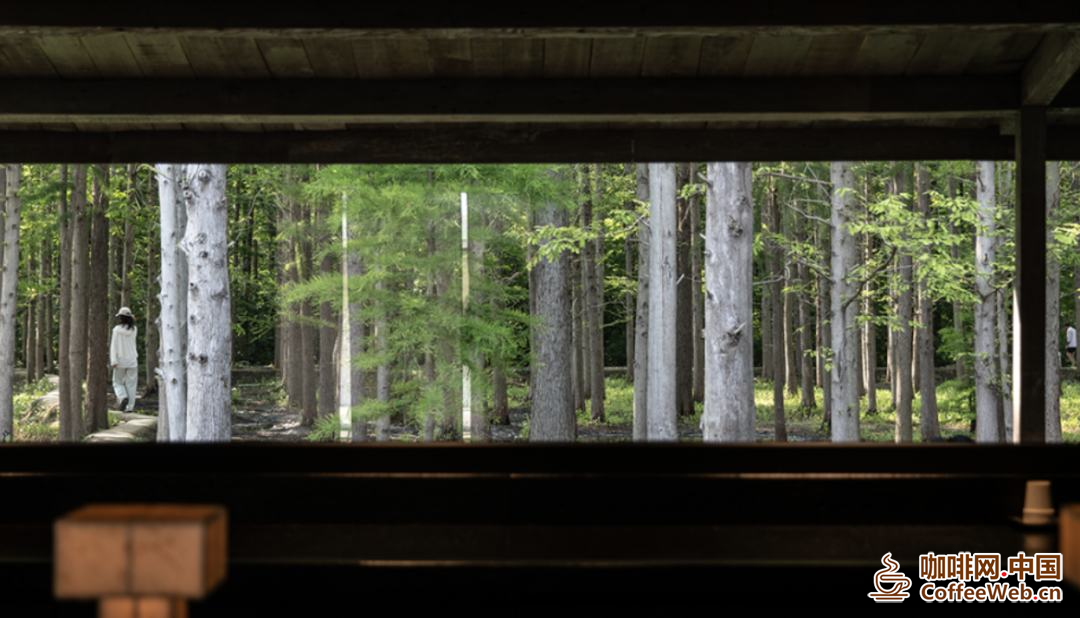
客人来了不由自主拍照分享朋友圈的这间村咖是位于青浦薛间村的RuRu咖啡。四年前,主理人唐梦蕾第一次到访薛间村,被村边的这片水上森林打动。今年她将一栋白墙黑瓦的老屋改造成水杉林中的秘境,暗调质感的室内,面向水景的宽窄长条窗,让四季风景成为最好的“装修”。院子里的风铃叮当作响,窗外的树影和飞鸟的身影缓缓流动。开业不久便冲上点评平台新店榜前列。
“我们4月中下旬试营业,5月1号正式开业,瞬间就火出了圈,非常出乎我们的预料。”开业即火爆,让唐梦蕾多少有些意外,甚至有客人从宁波、杭州赶来。“客人多了,还带动了村子里村民收入也多了起来,他们会在我们咖啡馆摆摊卖冰激凌和小吃,还有的卖自家种的蔬菜,这也是我喜闻乐见的。”
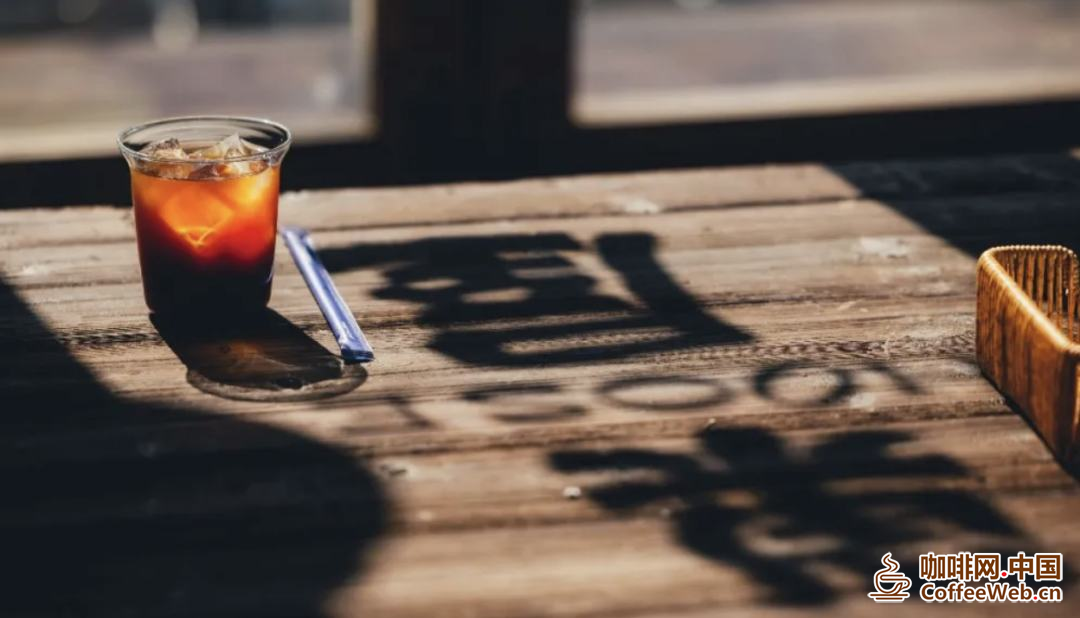
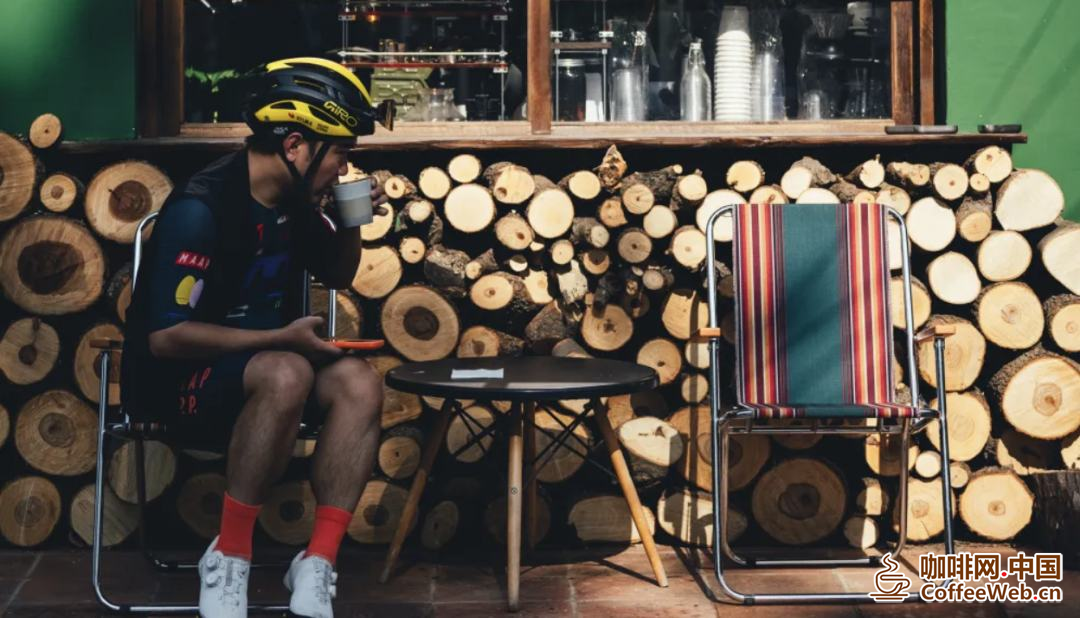
与RuRu村咖的精致“空间美”不同,同样位于青浦的巢屋走的是“家的叙事”。巢屋藏在练塘镇太北村太浦河畔,绿色门框、旧红陶地砖,承载着男主人冯卫国的香港记忆,也藏着旧时乡村的影子。没有精致拉花,甜点是手作的,两条领养的狗总爱蹭到客人腿边撒欢,这里与其说是咖啡馆,不如说更像是推门就能进的“邻家客厅”。“这么美的地方却连一个吃饭、喝咖啡、歇脚的地方的都没有。”冯卫国的创业逻辑朴素而清晰,退休后从香港来上海定居的他热爱骑行,有次途径这里,发现景美却沿途没有歇脚补给的地方。于是巢屋应运而生,很快吸引了大批骑友和村咖爱好者,“现在我们很多客人都是回头客,40%是骑行爱好者,40%是特意开车、打车过来的。”
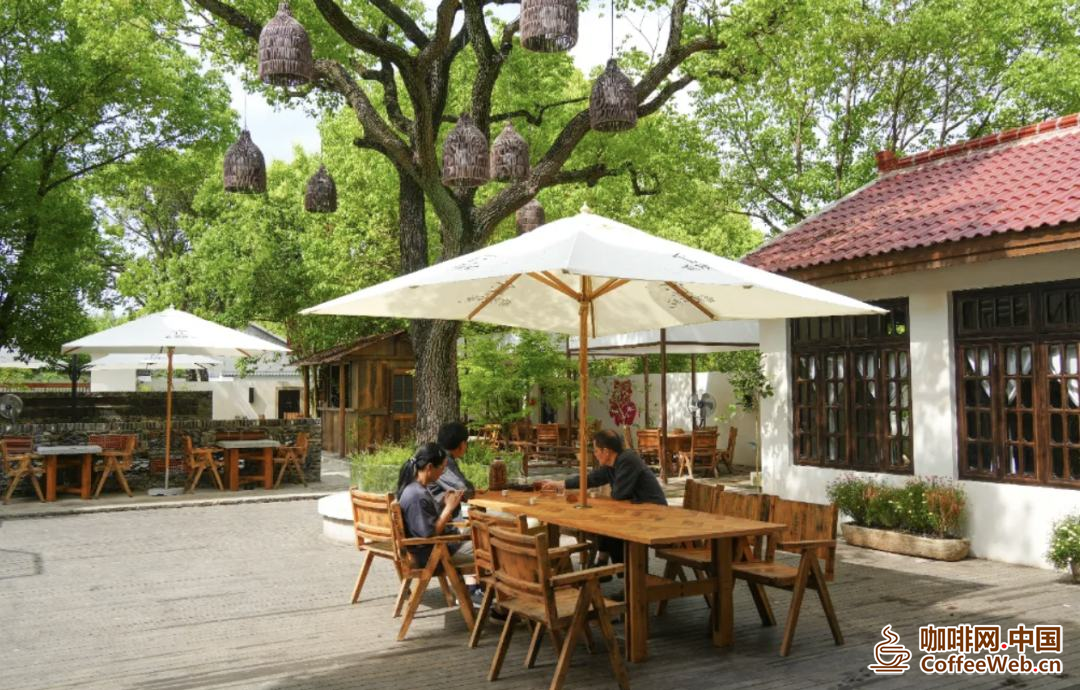
这些小而美的村咖开业即走红,印证了村咖的一条铁律,核心竞争力在于"村子"而非"咖啡"。稻田和森林是城市无法复制的"布景板",那扇精心设计的景观窗框住的不是风景,而是都市人对慢生活的的想象。不过,流量热度过后,也让这些村咖从业者看到了"打卡依赖"的隐忧,大多数村咖依赖自驾客流,这意味着顾客必须"专门为你而来",对店铺的特色和品质提出了极高要求。一旦流量热度过后,季节优势不再,淡季的阴霾便笼罩在许多店主的头上。和睦村“前院后院”主理人王守伟看得很透彻:“单一业态抗风险能力太差,所以我们租了4套闲置农房,打造了‘前院后院’,有咖啡、中式餐饮和民宿以及茶空间,以多元经营对冲淡季波动。”
由此可见,“咖啡”是乡村的引流入口,多元业态融合是村咖的一个选择方向。于是,巢屋以港式茶餐和骑行文化为纽带,将咖啡、简餐、社区连接融为一体;RuRu咖啡则持续承接传统文化公益课,吸引客人参与乡村非遗手作......
正如业内人士所言,“不是乡村需要咖啡馆,而是咖啡馆需要借力乡村不可复制的场景与人文价值”,唯有扎根乡土,与乡村共生,才能让流量真正沉淀为乡村持久的活力。
来源:阿基米德
文字:姚轶凡
编辑:韦静
In Shanghai, coffee is no longer exclusive to wutong District and old western-style houses. When the elevated road turns into a tree lined avenue, buildings become shorter, and the sky becomes wider, navigation takes people to the end of a village road. Pushing open the wooden fence door, there are several canvas chairs and a coffee shop in front of the rice fields. This is the most fashionable "village caf é" in the suburbs of Shanghai today. But the popularity of village cafes is never just about "coffee". A small rural caf é awakens dormant local resources, and a continuous flow of customers enters the village, reviving old houses and making the countryside lively, becoming a vivid epitome of Shanghai's integration of agriculture, culture, and tourism.
The cool breeze of late summer swayed the wind chimes, and the guests sitting in front of the water fir forest each had a cup of coffee. They sat in front of the lush greenery for an entire afternoon. Drinking coffee in the city is social, while drinking coffee in the countryside is healing. "As many customers have said, the price of a cup of village coffee includes the wind of the wilderness, the greenery of the forest, the tiles of an old house, and hours of idle" relaxation "." I came over with my children and family on the weekend, listened to the wind chimes, looked at the water fir trees, blew the wind, and daydreamed. The pressure of work for a week seems to have been relieved by the wind
The village caf é where guests can't help but take photos and share them on their social media is RuRu Coffee located in Xuejian Village, Qingpu. Four years ago, the host Tang Menglei visited Xuejian Village for the first time and was moved by the water forest by the village. This year, she transformed an old house with white walls and black tiles into a secret realm in the water fir forest, with a dark textured interior and wide and narrow windows facing the water scenery, making the four season scenery the best "decoration". The wind chimes in the yard jingled, and the shadows of trees and birds slowly flowed outside the window. Shortly after opening, it quickly rose to the top of the new store list on the review platform.
We conducted a trial operation in mid to late April and officially opened on May 1st, which immediately became popular and exceeded our expectations. Tang Menglei was somewhat surprised by the popularity of the opening, and even had customers coming from Ningbo and Hangzhou. With more customers, it has also boosted the income of the villagers in the village. They will set up stalls in our caf é to sell ice cream and snacks, and some will sell their own vegetables. This is also something I enjoy
Unlike the exquisite "spatial beauty" of RuRu village cafes, Chaowu, also located in Qingpu, follows the "narrative of home". The nest house is hidden by the Taipu River in Taibei Village, Liantang Town. The green door frames and old red pottery tiles carry the memories of the male protagonist Feng Weiguo in Hong Kong, as well as the shadows of the old countryside. There is no exquisite latte art, the desserts are handmade, and the two adopted dogs always like to rub against customers' legs and have fun. This place is more like a "neighbor's living room" that can be entered by pushing the door than a coffee shop. This beautiful place doesn't even have a place to eat, drink coffee, or rest. "Feng Weiguo's entrepreneurial logic is simple and clear. After retiring and settling in Shanghai from Hong Kong, he loves cycling. Once, while passing by here, he found that Jingmei had no place to rest and replenish along the way. So Chaowu emerged and quickly attracted a large number of cycling enthusiasts and village coffee enthusiasts. "Nowadays, many of our customers are returning customers, 40% are cycling enthusiasts, and 40% are intentionally driving or taking taxis here
These small and beautiful village cafes became popular upon opening, confirming the iron rule of village cafes that their core competitiveness lies in the "village" rather than "coffee". Rice paddies and forests are the "backdrop" that cities cannot replicate, and that carefully designed landscape window frame does not capture the scenery, but rather the urban imagination of slow living. However, after the popularity of traffic, these village caf é practitioners have also seen the hidden worry of "clock in dependence". Most village caf é s rely on self driving passenger flow, which means that customers must "come specifically for you" and have extremely high requirements for the characteristics and quality of the store. Once the traffic heat subsides, the seasonal advantage no longer exists, and the haze of the off-season hangs over many shop owners. Wang Shouwei, the manager of the "front yard and back yard" in Hemu Village, saw it very clearly: "The risk resistance ability of a single business model is too poor, so we rented four idle farmhouses and created a" front yard and back yard "with coffee, Chinese restaurants, homestays, and tea spaces to hedge against off-season fluctuations through diversified operations
From this, it can be seen that "coffee" is the gateway to rural areas, and the integration of diverse business formats is a direction for village cafes to choose from. So, Chaowu combines Hong Kong style tea and cycling culture as a link, integrating coffee, light meals, and community connections into one; RuRu Coffee continues to undertake traditional cultural public welfare courses, attracting customers to participate in rural intangible cultural heritage handicrafts .....
As industry insiders have said, 'It's not that rural areas need coffee shops, but that coffee shops need to leverage the irreplicable scenes and cultural values of rural areas.' Only by rooting in the countryside and coexisting with it can traffic truly settle into the lasting vitality of rural areas.
Source: Archimedes
Text: Yao Yifan
Editor: Wei Jing