咖啡店又挂上了“葫芦娃”?不妨就各得其所Did the coffee shop put up 'huluwa' again? Why don't we each get what we want
光明日报 文|熊禹。近日,火爆全网的绍兴“葫芦娃爷爷”陈金敖老人与老伴因游客激增、担心游客安全问题,将阳台上的7个葫芦剪下收回屋子,结果隔壁咖啡店又挂上7个“新版葫芦娃”。
对于此举,各方也是评价不一。有的批评其“东施效颦”;也有游客说,“咖啡店挂上葫芦以后打卡的人很多,葫芦娃爷爷这边已经没有多少人了”,这样其实也不错。

这毫无疑问是“蹭热度”,但也深刻诠释了什么是“彼之蜜糖,吾之砒霜”。对于老人来说,流量是负担,没什么价值;但对于店家来说,这却是难得的商业机会,老人家无法承受的流量之累,在自己这很有可能是“泼天富贵”。
无论人们对蹭热度持什么态度,但恐怕得承认,热度能不能“变现”,才是能否持久的关键。比如此前也有媒体报道,此前不少地方都出现了网红景点“最孤独的树”,但因为当地民众不堪其扰,最后只能一砍了之。与之相反,像是“鸡排哥”“卤鹅哥”等偶然爆红的小商贩,反倒享受了相当的流量红利,至今仍然活跃。
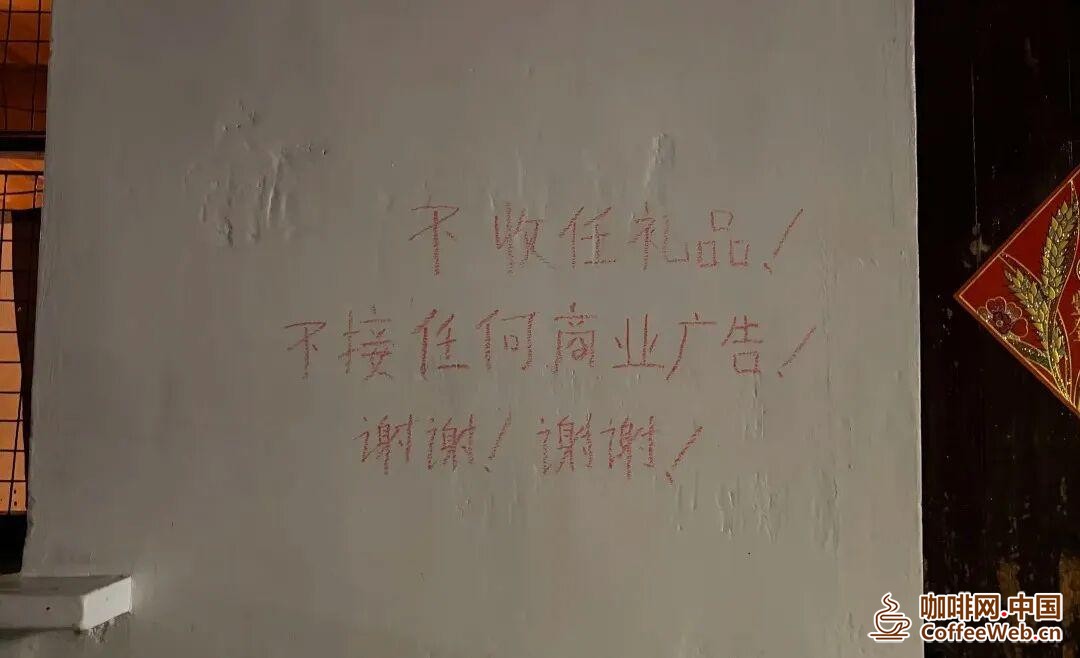
陈爷爷在家门口的留言
这中间的差异非常好理解,就是流量被一个现成的、以营利为目的的载体接住。鸡排哥、卤鹅哥本身就是摆摊做生意的经营者,游客每一次驻足、每一次拍照,几乎可以无缝转化成一份现炸鸡排或一份卤鹅的订单,流量与生意之间没有任何转换成本。
而像“最孤独的树”“葫芦娃爷爷”哪怕引来再多游客,也终究只是一处私人或公共景观,它不卖门票、不卖纪念品,围观者越多,主人承受的只有噪音和纷扰,甚至是农田被踩踏的结果。他们自己分不到一分钱红利,也不可能维护自己的生活秩序,最后只能拒绝围观。

这可能也是一种悖论:人们喜欢“葫芦娃爷爷”的纯粹,不掺杂商业的杂质;但流量想要持久,有时却又必须有一点商业价值的驱动。而这份驱动本身,恰恰是围观者最初想要逃离的东西,于是“流量”就总是在正面和负面反复横跳,人们一会儿趋之若鹜,一会儿却又嗤之以鼻。
这种悖论其实有点无解,但是也不妨让他们各得其所吧。就像景区工作人员回应称,该店铺属私人经营,景区不会干预其挂葫芦的行为。这可能倒是一个更务实的态度,也尊重了二者:需要安静者自可拒绝游客,渴望流量者也不妨自己去接住,不必强求一个一致的答案。

对于大众来说,这可能也是一个启示:人们太渴望某种纯粹的东西了,但现实世界恰恰充满着矛盾的哲学。纯粹与变现,安静与流量,未必不是非此即彼的对错题,而是每个人、每家店、每处风景自己去权衡的选择题。
葫芦娃爷爷剪下葫芦,是他的选择;咖啡店挂上葫芦,是店家的选择。与其替他们评判孰是孰非,不如接受这个世界本就是多元的,“剪下葫芦”尊重,“挂上葫芦”理解,允许不同的人带着不同的目的奔向不同的方向。放下某种执念,可能也是更舒服的与互联网时代相处的方式,毕竟,互联网从来都是发现美好与商业利用并存的世界,二者终究是相辅相成的。
文字:熊禹
图片:越牛新闻、网络
朗诵:王茜
责编:孙小婷
编辑:孙岱 常莹
Guangming Daily article | Xiong Yu. Recently, Chen Jinao, the popular "Huluwa Grandpa" in Shaoxing, along with his wife, cut off seven gourds from their balcony and took them back to their house due to a surge in tourists and concerns about their safety. As a result, seven "new version of Huluwa Grandpa" were hung in the neighboring coffee shop.
The evaluation of this move varies among different parties. Some criticize it for "imitating others in the east"; Some tourists also said, 'After hanging gourds in the coffee shop, there are many people checking in, but there are not many people left on Grandpa Huluwa's side anymore.' This is actually quite good.
This is undoubtedly 'riding on the heat', but it also deeply interprets what 'that honey is, my arsenic is'. For the elderly, traffic is a burden and has little value; But for the shop owners, this is a rare business opportunity, and the burden of traffic that the elderly cannot bear is likely to be a "curse of wealth and prosperity" for themselves.
No matter what attitude people hold towards riding on popularity, it must be acknowledged that whether popularity can be "monetized" is the key to sustainability. Previously, there were also media reports that many places had seen internet famous attractions such as the "loneliest tree", but due to the unbearable disturbance of local people, they had to cut it down in the end. On the contrary, small vendors such as "Chicken Chop Brother" and "Braised Goose Brother" who accidentally became popular have actually enjoyed considerable traffic dividends and are still active today.
Grandpa Chen's message at his doorstep
The difference between these is very easy to understand, that is, the traffic is caught by a ready-made, for-profit carrier. Chicken Chop Brother and Braised Goose Brother are themselves operators who set up stalls for business. Every time tourists stop and take photos, they can seamlessly convert into an order for freshly fried chicken chops or braised geese, with no conversion cost between traffic and business.
However, even if the "loneliest tree" and "Grandpa Huluwa" attract many tourists, they are ultimately just private or public landscapes. They do not sell tickets or souvenirs, and the more spectators there are, the more noise and disturbance their owners bear, even the result of trampling on farmland. They cannot receive any dividends themselves, nor can they maintain their own order of life, and in the end, they can only refuse to watch.
This may also be a paradox: people like the purity of 'Grandpa Huluwa' without any commercial impurities; But in order for traffic to last, sometimes it must also be driven by some commercial value. And this drive itself is exactly what the onlookers initially wanted to escape from, so the "traffic" always jumps back and forth in both positive and negative directions, with people flocking to it at times and then sneering at it at others.
This paradox is actually a bit unsolvable, but it's better to let each of them find their own place. As the staff of the scenic area responded, the store is privately operated and the scenic area will not interfere with its behavior of hanging gourds. This may be a more pragmatic attitude that respects both: those who need quietness can refuse tourists themselves, and those who crave traffic can also catch them themselves without forcing a consistent answer.
For the general public, this may also be a revelation: people are too eager for something pure, but the real world is filled with contradictory philosophy. Purity and monetization, quietness and traffic, are not necessarily either or right or wrong questions, but rather multiple-choice questions that each person, each store, and each scenery must weigh themselves.
Grandpa Huluwa cut the gourd, it was his choice; Hanging gourds in coffee shops is the shop owner's choice. Instead of judging right and wrong for them, it's better to accept that this world is inherently diverse, respect by "cutting the gourd", understand by "hanging the gourd", and allow different people to pursue different directions with different purposes. Putting aside some kind of obsession may also be a more comfortable way to get along with the Internet era. After all, the Internet has always been a world where beauty and commercial use coexist, and the two ultimately complement each other.
Text: Xiong Yu
Image: Yueniu News, Online
Recitation: Wang Qian
Editor in Chief: Sun Xiaoting
Editor: Sun Dai and Chang Ying