100个咖啡黑话:一张嘴就知道你是不是内行100 coffee hacks: You can tell if you're an expert with just one bite of your mouth
有时候,一杯咖啡决定了一天的节奏。

不是因为它提神,而是因为那一口酸与苦之间的平衡,让人突然意识到:原来生活也可以被认真地调好比例。

当“SOE”“TDS”“厌氧发酵”这些术语从圈内黑话变成菜单常客,咖啡就不再只是提神饮品,而成了一种“懂”的标志。
懂风味、懂产地、懂自己需要哪种浓度的生活节奏。
过去在某家咖啡店点单,说出“耶加雪菲”几个字,会被当作懂行。
如今,在二三线城市的便利店、写字楼下的小铺,也能听到年轻人讨论“Body厚不厚”“豆子是不是Anaerobic”。

黑话,不再是装懂的暗号,而成了共同语言。
它让消费者不被营销词汇忽悠,而是能确实感受到一杯咖啡该有的层次感和诚意。
咖啡不再停留在“贵、洋气、小众”的范畴。
数据显示,中国咖啡市场的年规模正在逼近2200亿元,21.5万家门店支撑起这场“日常化革命”。9.9元的平价拿铁正成为县城早八的标配,每年新开的店中,有一半出现在过去很少有人喝现磨咖啡的地方。

所谓“下沉市场”,不只是商业地图的填补,而是味觉平权的开始。
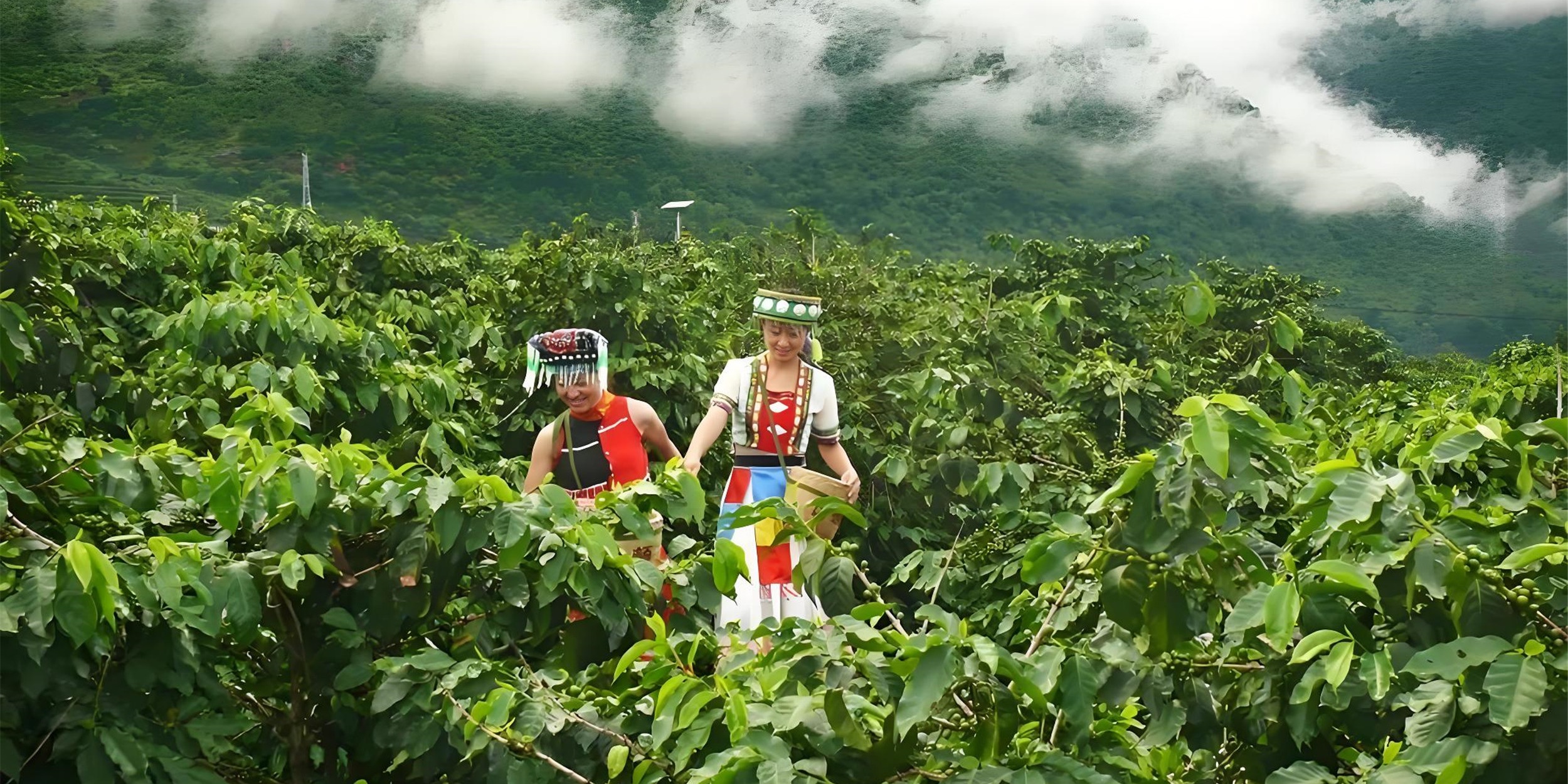
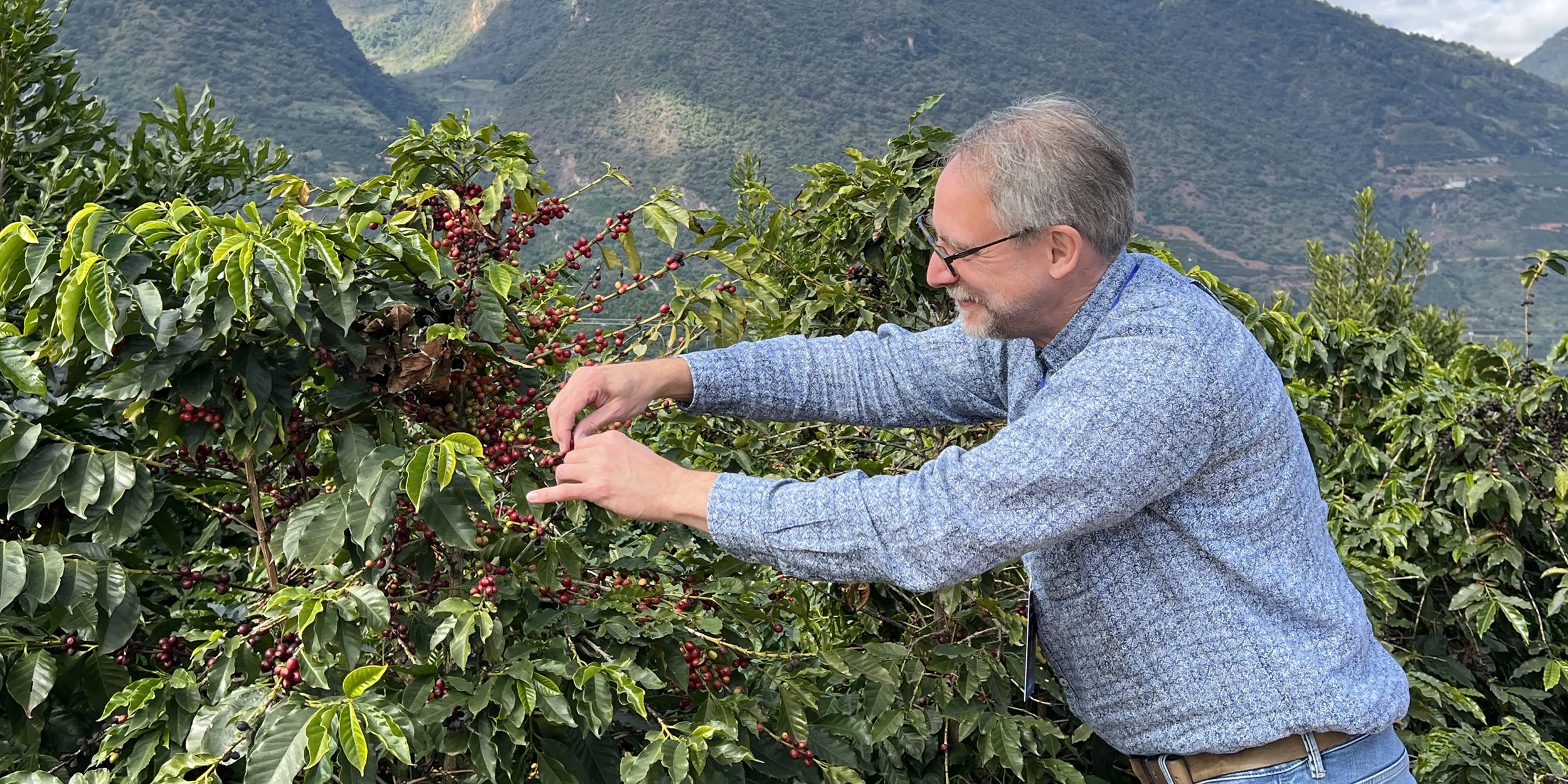
更深层的变化,藏在云南的山坡上。
这里曾经种满卡蒂姆,如今越来越多的地块被瑰夏、黄波旁取代。
精品豆比例超过三成,出口额翻了近两倍。

从“低价原料”到“品质原产地”,云南农户和烘焙师一起找回了中国咖啡的底气。
同时,拉美精品豆的进口增加,也让国内的SOE玩家多了更多探索空间。
技术也在重塑这杯小液体。
智能烘焙系统、AI调配算法、均匀磨粉技术,让挂耳咖啡的口感不再“凑合”,而是真的能喝出花香和层次。

消费者开始关注咖啡因含量、功能性添加、健康属性,在办公室的每一杯不再只是“提神”,也可能是“养生”与“祛焦虑”的微妙平衡。
甚至冻干技术的突破,让“速溶”这个词重新变得值得尊敬。
人群与场景的界限也被打破。
咖啡已经成为47.89%职场人每天的“出发仪式”,25到35岁的白领仍是主力,但县城年轻群体的热情增长更快。

他们习惯通过短视频学习萃取参数,也会在评论区讨论哪种厌氧豆更像热带果酒。
风味轮上的词语正一点点融入日常口语:酸度明亮成了气质的比喻,余韵悠长成了生活节奏的追求。
从供应链的成熟,到消费者的觉醒,这场黑话运动其实是在让味觉变得民主。
它让人们在快节奏生活中学会认真对待小事——哪怕只是冲一杯挂耳咖啡。

像风孜这样的品牌,凭借三层切刀磨粉和Probat P60烘焙设备,把专业感带进了厨房,也让“懂咖啡”不再是一种距离感,而是一种生活的温度。
看似冰冷的参数背后,依旧是人与自然、人与自我的对话。
一杯好咖啡,不只是萃取曲线的成功,更是忙碌世界里的一次停顿。
在AI都能帮你调整味谱的时代,那一点点手作的温度和一两句黑话,仍然是最人性的部分。

咖啡世界越来越智能,却仍需要那份人类特有的感知与慢。
也许真正的“懂”,不是能背出多少豆种和处理法,而是能在“浓与淡、酸与苦”之间确定自己的喜好。
未来的中国咖啡市场继续扩张,口味越多元,但那份认真、那份自在才是最值得守护的香气。
Sometimes, a cup of coffee determines the pace of the day.
It's not because it's refreshing, but because of the balance between sourness and bitterness that suddenly makes people realize that life can also be carefully proportioned.
When terms such as "SOE," "TDS," and "anaerobic fermentation" go from slang to menu regulars, coffee is no longer just a refreshing drink, but a symbol of "understanding.
Understand the flavor, origin, and the desired concentration of one's lifestyle rhythm.
In the past, ordering at a coffee shop and saying the words "Yejia Xuefei" would be considered knowledgeable.
Nowadays, in convenience stores and small shops under office buildings in second and third tier cities, young people can also be heard discussing whether their bodies are thick or not and whether beans are Anaerobic.
Black language has become a common language, no longer just a code for pretending to understand.
It allows consumers not to be fooled by marketing vocabulary, but to truly feel the level and sincerity that a cup of coffee should have.
Coffee is no longer confined to the categories of "expensive, trendy, and niche".
Data shows that the annual size of China's coffee market is approaching 220 billion yuan, with 215000 stores supporting this "daily revolution". The 9.9 yuan affordable latte is becoming a standard for early morning coffee in county towns, and half of the newly opened stores every year appear in places where few people used to drink freshly ground coffee.
The so-called 'sinking market' is not just filling the commercial map, but the beginning of taste equality.
Deeper changes are hidden on the slopes of Yunnan.
This place used to be filled with Katim, but now more and more plots are being replaced by Guixia and Huangbo.
The proportion of high-quality beans exceeds 30%, and the export value has nearly doubled.
From "low-priced raw materials" to "quality origin", Yunnan farmers and roasters have regained the confidence of Chinese coffee together.
At the same time, the increase in imports of high-quality beans from Latin America has also provided more exploration space for domestic SOE players.
Technology is also reshaping this small liquid.
The intelligent roasting system, AI blending algorithm, and uniform grinding technology make the taste of hanging ear coffee no longer "mediocre", but truly able to taste floral and layered flavors.
Consumers are starting to pay attention to caffeine content, functional additives, and health attributes. Every cup in the office is no longer just about "refreshing", but may also be a subtle balance between "health preservation" and "anxiety relief".
Even the breakthrough in freeze-drying technology has made the word 'instant' respectable again.
The boundary between crowds and scenes has also been broken.
Coffee has become a daily "departure ceremony" for 47.89% of professionals, with white-collar workers aged 25 to 35 still the main force, but the enthusiasm of young people in county towns is growing faster.
They are accustomed to learning extraction parameters through short videos and also discuss in the comment section which anaerobic beans are more like tropical fruit wine.
The words on the flavor wheel are gradually integrating into daily spoken language: bright acidity has become a metaphor for temperament, and the lingering charm has become a pursuit of the rhythm of life.
From the maturity of the supply chain to the awakening of consumers, this slang movement is actually making taste taste more democratic.
It teaches people to take small things seriously in fast-paced life - even if it's just making a cup of coffee.
Brands like Fengzi, with their three-layer cutter grinding and Probat P60 baking equipment, bring a sense of professionalism into the kitchen and make "knowing coffee" no longer a sense of distance, but a temperature of life.
Behind the seemingly cold parameters, there is still a dialogue between humans and nature, humans and themselves.
A good cup of coffee is not just a success in extracting curves, but also a pause in a busy world.
In the era where AI can help you adjust the flavor profile, the slight warmth and one or two black words made by hand are still the most humane parts.
The coffee world is becoming increasingly intelligent, but still requires the unique human perception and slowness.
Perhaps true 'understanding' is not about memorizing how many bean seeds and processing methods, but about being able to determine one's preferences between 'strong and weak, sour and bitter'.
The future Chinese coffee market will continue to expand, with more diverse flavors, but the seriousness and ease are the aromas that are most worth guarding.