两大项目接连投产!不产咖啡豆的山东,却在搅动全球咖啡圈Two major projects have been put into operation consecutively! Shandong, which does not produce coffee beans, is stirring up the global coffee industry
哪个产业,能在短短几年内形成2500亿的市场规模,并以超过20%的年复合增长率一路向万亿狂奔?
哪个产业,能以中国创新引发全球产业大变动,以中国庞大的消费市场,向全球贡献行业的最大增量?
答案就是——咖啡。
而山东,这个不产咖啡豆的大省,却正在成为全球咖啡产业的搅局者。
01
一个产业是否具备战略价值,首先要看其市场空间与增长潜力。
过去20年,全球咖啡消费的增长引擎已从传统的欧美市场,转向以中国为核心的新兴市场。中国咖啡消费量激增超过43倍。然而,中国的人均年咖啡消费量仅为0.24公斤,与欧盟的5.3公斤、美国的4.2公斤存在超过20倍的巨大差距。这巨大的“人均鸿沟”,恰恰是未来增长的“想象空间”。
巨大的市场空间,一定会倒逼出一个庞大的产业。根据灼识咨询的报告,2025年中国咖啡市场规模已近2500亿元,并且未来四年,仍将保持近20%的年均复合增长率。
对地方政府来说,抢抓咖啡产业话语权,其重要性不亚于新能源汽车、人工智能这些前沿产业。
首先,咖啡店是最活跃的时尚符号,能激活城市商业氛围,吸引年轻客流,直接拉动消费。
更深层的逻辑还在于对完整产业链的追逐。一杯咖啡的背后,是从全球产区的生豆贸易、港口仓储、烘焙加工、包装制造到品牌零售的漫长链条。谁能嵌入并主导更多环节,谁就能获得更高的附加值、更强的产业控制力和更稳定的税收就业。
押准了咖啡产业,本质上就是在“收割”消费升级和产业转型的双重红利。
在这条黄金赛道上,山东又是一贯的“低调闷头干大事”,在短短一个月,“官宣”两个大动作。
首先是,全球最大单体速溶咖啡生产项目——山东优然咖啡在滨州投产,一期项目每年可为市场提供50亿杯速溶咖啡。
第二个动作更劲爆,4月22日,瑞幸咖啡创新生产中心在青岛市城阳区开工投产,该项目总投资约30亿元,年烘焙产能超5.5万吨。
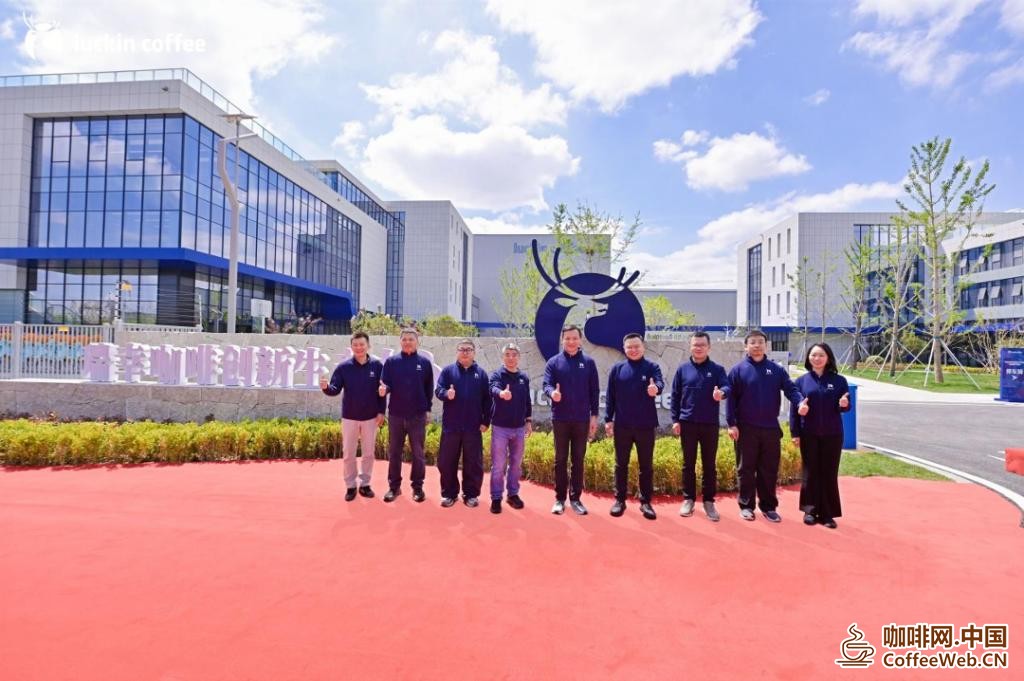
瑞幸咖啡高管团队
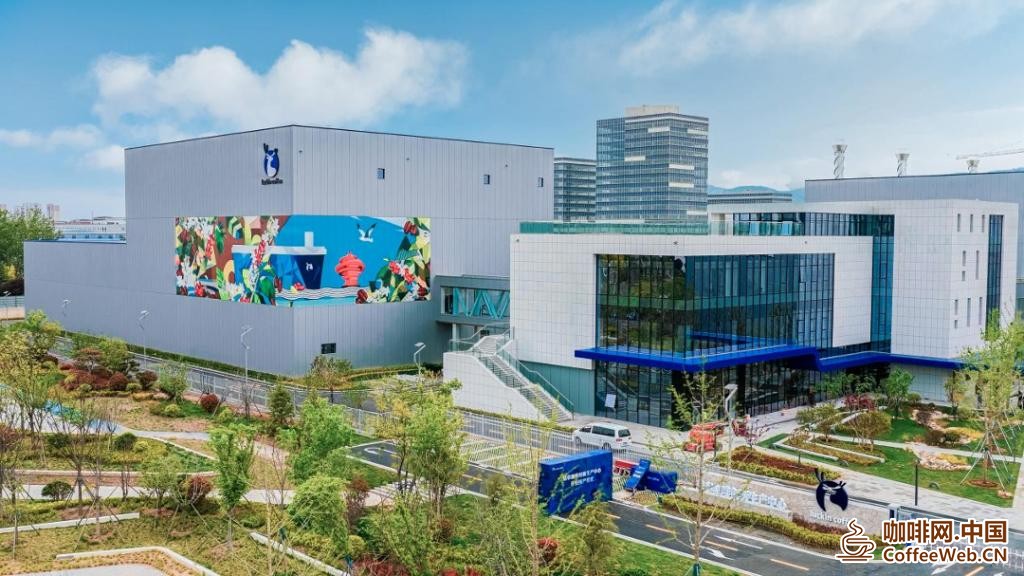
瑞幸咖啡创新生产中心
再加上雀巢大中华区唯一的速溶咖啡工厂在青岛不断增资扩产,山东正从一个咖啡产业的“旁观者”,迅速转身为举足轻重的“参与者”。
02
要理解山东咖啡产业的升级,就必须审视其中的关键玩家——瑞幸咖啡。
咖啡产业的上游,是咖啡种植,中游是贸易加工,下游是流通渠道和终端业态。全球的头部烘焙商,是能够贯通产业链上下游、食饮零售和餐饮服务多业务线发展的大型企业,比如说我们熟知的雀巢、星巴克、三得利。据世界中餐业联合会与黑峪投资发布的研报,瑞幸是全球十大烘焙商中唯一的中国面孔,2025年的烘培产能位居全球第六。
它已从昔日的市场颠覆者,演进为全球咖啡产业链中拥有实质性话语权的新晋巨头。
这种话语权体现在三个维度:
规模采购权:2024年,瑞幸签下了5年24万吨、价值100亿元的巴西咖啡豆采购大单。如此巨量的长期协议,使其成为全球核心产区不可忽视的大买家,能直接影响贸易流向并获得议价优势。
产能控制权:通过自建屏南、昆山、青岛、厦门(在建)四大烘焙基地,瑞幸构建了中国最大的咖啡烘焙供应网络,总产能预计超15.5万吨。这使其实现了对产品品质、成本和供应稳定的绝对掌控。
标准制定权:在青岛工厂,瑞幸引入了AI视觉识别剔除瑕疵豆、建设1.8万平方米恒温恒湿仓储、严格对标中国绿色建筑三星与LEED铂金级双重标准建造。这些举措不仅在重新定义“一杯好咖啡”的工业标准,更将中国咖啡的竞争从门店数量拉升至 “供应链深度”和“可持续发展” 的新维度。
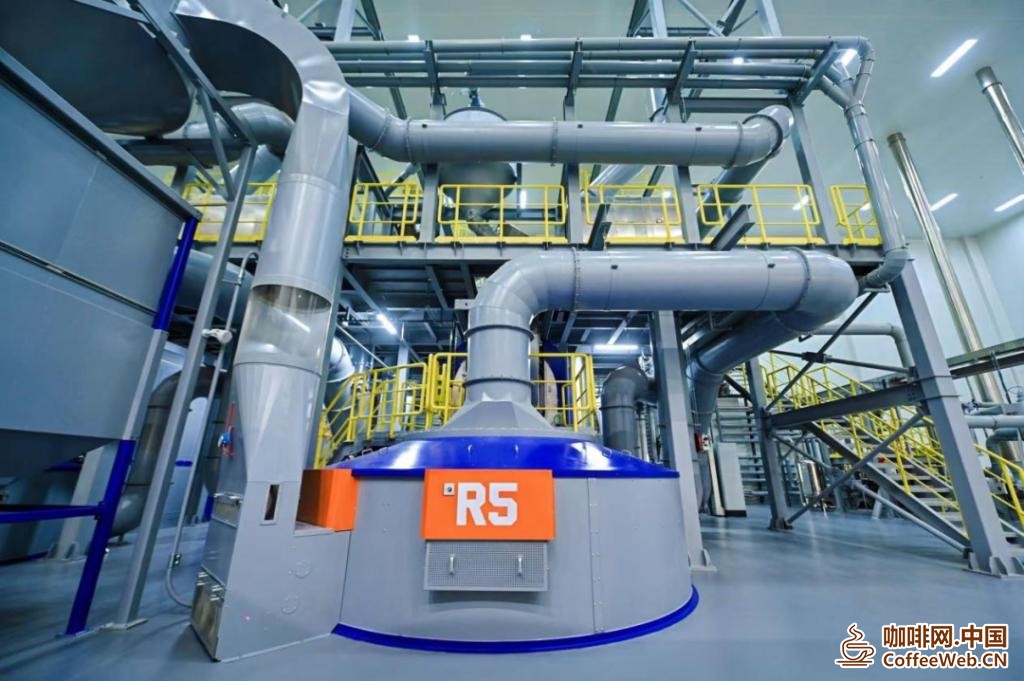
全球顶尖的硬件设备
瑞幸要巩固巨头地位,势必要做这些动作:
不断深化全球供应链布局,增强上游抗风险能力;
强化科技与数据驱动,建更低碳环保的工厂,前者是巩固效率护城河,后者要匹配日益严格的 ESG要求;
不断解锁各种新场景,把咖啡“寄生”到其他业态中,探索“咖啡+”的无限可能。
03
理解了这些,就能理解山东为什么有“咖位”?
首先,是产业禀赋+政策设计的“精算”。
山东是中国经济第三大省,也是农业大省和食品工业大省。就比如瑞幸咖啡创新生产中心所在地青岛市城阳区,有休闲零食的爆品沃隆坚果,各大新茶饮品牌所用的奶盖也出自这里,具备成熟的产业工人和配套企业。这种成熟的产业生态,为咖啡企业提供了从原料协同到包装材料的全方位配套,降低综合运营成本。
山东将咖啡产业纳入了省级战略视野。“十五五”规划明确将轻工纺织(含食品饮料)列为传统优势产业,推动其智能化、绿色化改造。青岛市更在2025年出台《现代轻工产业发展行动方案》,将健康食品饮料作为重点,并力争到2027年规上企业营收突破2500亿元。瑞幸青岛项目被列入2025年山东省绿色低碳高质量发展重点项目,从土地审批到政策扶持获得了全周期保障。
其次,手握一张无可替代的王牌:世界级港口。
青岛港,是“东联日韩、西接中亚、南通东盟、北达俄蒙”的枢纽,是世界第四大港、中国第二大外贸口岸,是北方最大的咖啡生豆进口口岸,全国约12%-13% 的咖啡生豆从这里进入中国。2025年,青岛口岸进口咖啡豆货值达8.6亿元,同比增长14.7%。对“采购大户”而言,这意味着生豆从巴西、埃塞俄比亚等核心产区运抵后,可以直接通过“前港后厂”模式进入生产线,物流与时间成本大幅降低。
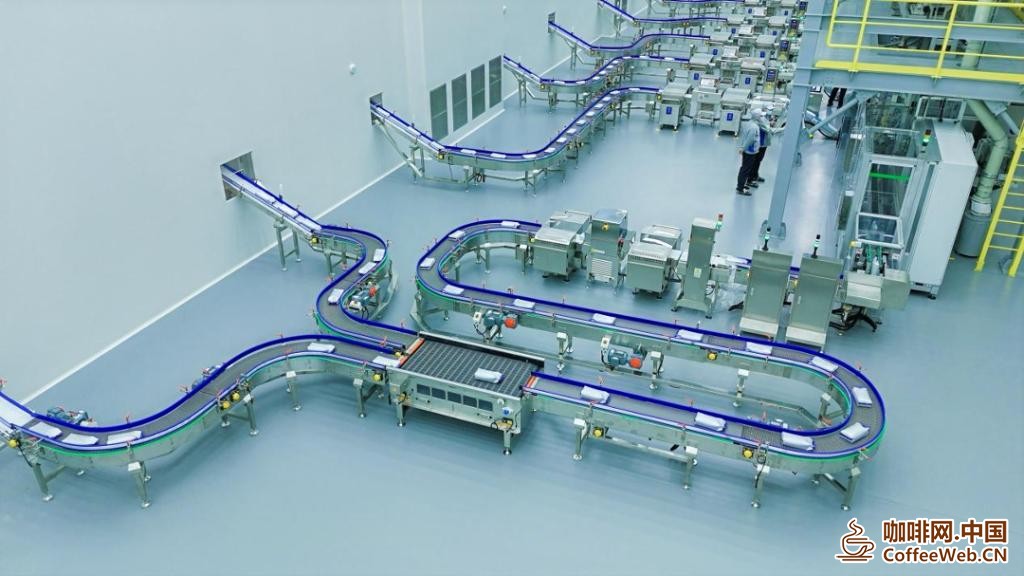
全流程自动化生产
“谁离原料近,谁就离市场和主动权更近。”这不仅是效率问题,这更是供应链安全的底层逻辑。
更深一层,青岛为咖啡产业打开政策空间——青岛自贸片区已揭牌运营咖啡生豆保税现货交收仓库,并设立了巴西精品咖啡中国(青岛)推广基地和咖啡行业出海基地。
这些举措,让山东从单纯的“过路站”,升级为具备保税仓储、加工、转口贸易及国际产业合作功能的战略支点。以瑞幸的发展势头,势必要深度影响全球咖啡供应链网络,这些都是背后底气。
最后,是山东的腹地优势。
山东是人口第二大省,本身就是一个巨大的消费市场。
以青岛为例,拥有超过3000多家咖啡馆、烘焙工厂及咖啡商店,是仅次于北京的“北方咖啡第二城”,有近30万软件信息、金融、文旅等行业从业者和50万在校大学生,消费市场成熟且充满活力。城阳区作为瑞幸工厂所在地,人口平均年龄仅36岁,过去几年的社会消费品零售总额增速是青岛各区市第一,是典型的年轻消费力高地。这为咖啡品牌提供了庞大的区域试验场和增长基本盘。
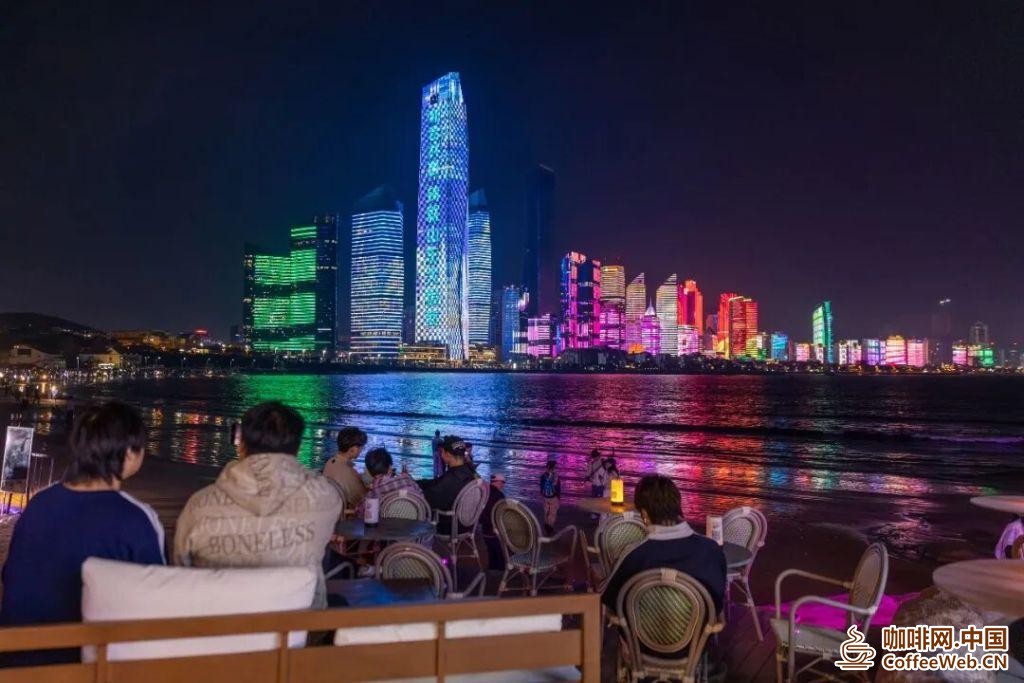
孟达摄
通过“产业禀赋+政策设计”锁定供给端,“世界级港口+保税功能”打通流通端,再以“腹地优势+年轻消费”激活需求端,这是什么?这是供应链深度整合能力。
最擅长“硬制造”的山东,端起咖啡发展“软消费”的思路,竟然也这么有章有法。
Which industry can form a market size of 250 billion yuan in just a few years and soar towards trillions with a compound annual growth rate of over 20%?
Which industry can trigger global industrial changes with Chinese innovation, and contribute the largest industry increment to the world with China's huge consumer market?
The answer is - coffee.
However, Shandong, a province that does not produce coffee beans, is becoming a disruptor in the global coffee industry.
01
Whether an industry has strategic value depends first on its market space and growth potential.
In the past 20 years, the growth engine of global coffee consumption has shifted from traditional European and American markets to emerging markets centered around China. The consumption of coffee in China has surged more than 43 times. However, China's per capita annual coffee consumption is only 0.24 kilograms, which is more than 20 times higher than the EU's 5.3 kilograms and the United States' 4.2 kilograms. This huge 'per capita gap' is precisely the 'imaginative space' for future growth.
The huge market space will definitely drive out a huge industry. According to a report by Zhuoshi Consulting, the size of China's coffee market is expected to reach nearly 250 billion yuan by 2025, and is expected to maintain an average annual compound growth rate of nearly 20% over the next four years.
For local governments, seizing the voice of the coffee industry is as important as cutting-edge industries such as new energy vehicles and artificial intelligence.
Firstly, coffee shops are the most active fashion symbol, which can activate the commercial atmosphere of the city, attract young customers, and directly drive consumption.
The deeper logic lies in the pursuit of a complete industrial chain. Behind a cup of coffee, there is a long chain from global raw bean trade, port warehousing, roasting and processing, packaging and manufacturing to brand retail. Whoever can embed and lead more links will gain higher added value, stronger industrial control, and more stable tax employment.
Valuing the coffee industry is essentially reaping the dual dividends of consumer upgrading and industrial transformation.
On this golden track, Shandong has always been low-key and focused on doing big things. In just one month, there were two major actions announced by the government.
Firstly, the world's largest single unit instant coffee production project, Shandong Youran Coffee, has been put into operation in Binzhou. The first phase of the project can provide 5 billion cups of instant coffee to the market annually.
The second action is even more explosive. On April 22nd, Luckin Coffee's innovative production center started production in Chengyang District, Qingdao. The total investment of the project is about 3 billion yuan, and the annual baking capacity exceeds 55000 tons.
Luckin Coffee Executive Team
Luckin Coffee Innovation Production Center
In addition, with Nestle's only instant coffee factory in Greater China continuously increasing capital and expanding production in Qingdao, Shandong is rapidly transforming from a bystander in the coffee industry to a pivotal participant.
02
To understand the upgrading of Shandong's coffee industry, it is necessary to examine the key player - Luckin Coffee.
The upstream of the coffee industry is coffee cultivation, the midstream is trade processing, and the downstream is distribution channels and terminal formats. The world's top bakers are large enterprises that can connect the upstream and downstream of the industry chain, food and beverage retail, and catering services, such as Nestle, Starbucks, and Suntory, which we are familiar with. According to a research report released by the World Federation of Chinese Catering Industry and Heiyu Investment, Luckin Coffee is the only Chinese face among the top ten bakeries in the world, and its baking capacity will rank sixth in the world by 2025.
It has evolved from a former market disruptor to a new giant with substantial discourse power in the global coffee industry chain.
This discourse power is reflected in three dimensions:
Scale procurement rights: In 2024, Luckin Coffee signed a 5-year, 240000 ton, 10 billion yuan Brazil coffee bean procurement contract. Such a massive long-term agreement makes it an undeniable major buyer in the core global production areas, which can directly affect trade flow and gain bargaining advantages.
Capacity control: Luckin Coffee has built the largest coffee roasting supply network in China by establishing four baking bases in Pingnan, Kunshan, Qingdao, and Xiamen (under construction), with a total expected production capacity of over 155000 tons. This enables it to achieve absolute control over product quality, cost, and supply stability.
Standard setting authority: At the Qingdao factory, Luckin Coffee has introduced AI visual recognition to remove defective beans, built a 18000 square meter constant temperature and humidity warehouse, and strictly built against the dual standards of China's three-star green building and LEED platinum level. These measures not only redefine the industrial standard of "a good cup of coffee", but also elevate the competition of Chinese coffee from the number of stores to a new dimension of "supply chain depth" and "sustainable development".
The world's top hardware equipment
Luckin Coffee must take these actions to consolidate its position as a giant:
Continuously deepening the global supply chain layout and enhancing upstream risk resistance capabilities;
Strengthening technology and data-driven approaches to build lower carbon and environmentally friendly factories, with the former consolidating the efficiency moat and the latter matching increasingly stringent ESG requirements;
Continuously unlocking various new scenarios, parasitizing coffee into other business formats, and exploring the infinite possibilities of "coffee+".
03
Once you understand these, you can understand why there are "coffee shops" in Shandong?
Firstly, it is the actuarial calculation of industrial endowment and policy design.
Shandong is the third largest province in China's economy, as well as a major agricultural and food industry province. For example, in Chengyang District, Qingdao City, where Luckin Coffee's innovative production center is located, there are popular snacks such as Wolong nuts, and milk caps used by major new tea beverage brands also come from here, with mature industrial workers and supporting enterprises. This mature industrial ecosystem provides coffee companies with comprehensive support from raw material collaboration to packaging materials, reducing overall operating costs.
Shandong has incorporated the coffee industry into its provincial strategic vision. The 15th Five Year Plan clearly lists light industry and textile (including food and beverage) as traditional advantageous industries, and promotes their intelligent and green transformation. Qingdao City will also introduce the "Action Plan for the Development of Modern Light Industry Industry" in 2025, with a focus on healthy food and beverages, and strive to exceed 250 billion yuan in revenue for enterprises above designated size by 2027. The Luckin Qingdao project has been listed as a key project for green, low-carbon, and high-quality development in Shandong Province in 2025, and has received full cycle guarantees from land approval to policy support.
Secondly, holding an irreplaceable trump card: world-class ports.
Qingdao Port is a hub connecting Japan and South Korea to the east, Central Asia to the west, ASEAN to the south, and North Mongolia to the north. It is the fourth largest port in the world and the second largest foreign trade port in China. It is also the largest import port for coffee beans in the north, with approximately 12% -13% of coffee beans entering China from here. In 2025, the value of imported coffee beans at Qingdao Port will reach 860 million yuan, a year-on-year increase of 14.7%. For 'major purchasers', this means that after raw beans arrive from core production areas such as Brazil and Ethiopia, they can directly enter the production line through the' front port, back factory 'mode, significantly reducing logistics and time costs.
Fully automated production process
Whoever is closer to raw materials is closer to the market and initiative. This is not only an efficiency issue, but also the underlying logic of supply chain security.
Going further, Qingdao has opened up policy space for the coffee industry - the Qingdao Free Trade Zone has unveiled and operated a bonded spot delivery warehouse for coffee beans, and established a Brazilian boutique coffee China (Qingdao) promotion base and a coffee industry overseas base.
These measures have upgraded Shandong from a simple "passing station" to a strategic pivot with bonded warehousing, processing, transit trade, and international industrial cooperation functions. With Luckin Coffee's development momentum, it is bound to deeply influence the global coffee supply chain network, which is the underlying confidence.
Finally, there is the advantage of Shandong's hinterland.
Shandong is the second largest province in terms of population and is itself a huge consumer market.
Taking Qingdao as an example, it has over 3000 coffee shops, roasting factories, and coffee shops, making it the "second coffee city in the north" after Beijing. It has nearly 300000 professionals in software information, finance, cultural tourism, and other industries, as well as 500000 college students. The consumer market is mature and full of vitality. As the location of Luckin Coffee's factory, Chengyang District has an average population age of only 36 years old. In the past few years, the growth rate of total retail sales of consumer goods has been the highest among all districts and cities in Qingdao, making it a typical highland of young consumer power. This provides a vast regional testing ground and growth foundation for coffee brands.
Photo by Meng Da
What is it to lock in the supply side through "industrial endowment+policy design", connect the circulation side through "world-class ports+bonded functions", and activate the demand side through "hinterland advantages+young consumption"? This is the deep integration capability of the supply chain.
Shandong, which is best at "hard manufacturing", has taken up the idea of developing "soft consumption" for coffee with such a systematic approach.