
广州笔记|在广州咖啡节前,来聊聊Coffee小史 Guangzhou Notes - Let's Talk About Coffee History Before Guangzhou Coffee Festival
任何事物,多因其价值而得以持久存在。咖啡之于人类,也是如此。

咖啡已是世界上的三大饮品之一,其名称源于希腊语“Kaweh”,代表着“热情和力量”,后又被称为“kaffa”,最后演化为英语的“Coffee”。1915年,《中华大字典》当中首次正式出现“咖啡”,释义为:咖啡,西洋饮料,如我国之茶,英文 Coffee。
一
根据记载,咖啡原产于非洲,公元3世纪的埃塞俄比亚人发现咖啡树果实内的果仁可以提神醒脑,后来人们就渐渐流行通过咀嚼咖啡豆来消除疲倦、提高干活的效率。
公元6世纪时,咖啡传播到了也门和阿拉伯半岛,阿拉伯地区也开始种植咖啡;在未能完全了解其性能时,有人将咖啡豆晒干煮水当成胃药,也有人在深夜需工作时饮用“咖啡水”以保持清醒,还有人将咖啡豆碾碎混合动物脂肪晒干做成丸子干粮,在旅途或战时补充体力。
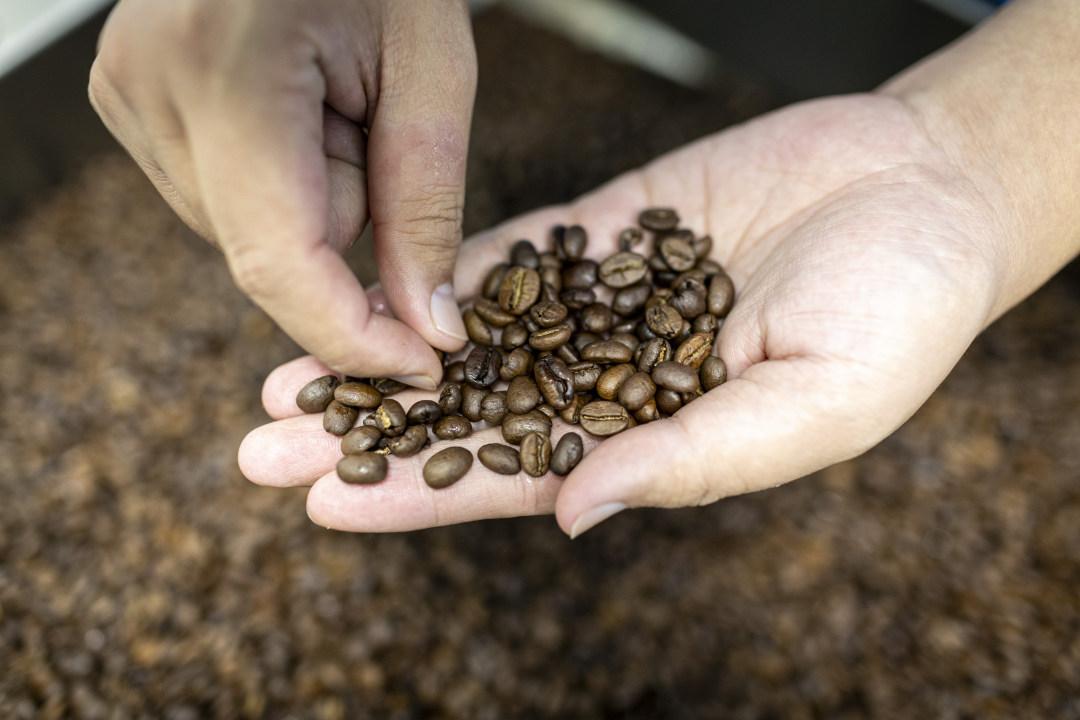
从13世纪开始,随着贸易的发展,咖啡从阿拉伯零星传入欧洲。
至15世纪末地理大发现后,咖啡进入欧洲的机会渐渐增多但尚未形成规模;一直到17世纪中叶,咖啡经好望角航线大规模运入欧洲各国。
1640年,威尼斯开始售卖咖啡; 1644年后,法国马赛和巴黎先后开售咖啡;1645年,威尼斯出现了欧洲首家咖啡馆; 1650 年,牛津出现了英国第一家咖啡馆。

18世纪从广州漂洋过海的定制咖啡壶,由建筑家William Chambers 通过瑞典东印度公司定制,是当时中西文化深度交流的珍贵物证。
二
咖啡主要在清朝晚期传入中国,最早通过通商口岸进入,随后由传教士、华侨和商人引入种植。
1836年前后,一位丹麦人在广州十三行附近开设了中国第一家咖啡馆。
1844年,咖啡现身开埠第二年的上海,随后在 20 世纪初开始在中国人中流行。咖啡的名称也经历了从“黑酒”“高馡”“嗑肥”到受日本称呼影响而来的“咖啡”的名称演变。
1915年,《中华大字典》当中首次正式出现“咖啡”,释义为:咖啡,西洋饮料,如我国之茶,英文 Coffee。

清代外销画之广州十三行靖远街。资料图
随着社会的发展,咖啡成为人类的三大饮品之一,咖啡产业也得到了长足的扩容。1882年,第一家国际性的咖啡交易所在纽约开张,到20世纪初,美国也成为了全球最大的咖啡消费市场,而拉丁美洲成为了全世界咖啡生产的中心。如今,拉丁美洲仍与非洲和亚洲,构成了全球咖啡的主要产地。
三
随着人类进入现代社会,咖啡对人类社会的价值与作用愈加凸显,日渐成为了越来越多人日常生活不可或缺的饮品。
这主要是因为咖啡中的咖啡因通过阻断腺苷受体刺激中枢神经,可以刺激中枢神经和大脑皮层,在提升专注力的同时也可以提高敏感度、缓解疲惫感;此外咖啡因还间接有利于促进多巴胺分泌,从而让人短时间内产生更多愉悦感,可以说咖啡简直是职场人的“天选饮品”。而且,只要一个人健康状况正常,咖啡也可以提高人的新陈代谢,而咖啡中含有的绿原酸、多酚等也有利于“抗氧化”。
咖啡诸如此类的长处,以及咖啡树种日益多元、口味日益丰富、萃取和制作设备日益先进、各种风格的咖啡馆星罗棋布等等,咖啡与人类社会尤其是都市生活,简直达成了“水乳交融、密不可分”的链接。
四
然而,从另一个角度来看,咖啡的存在,于人也是某种“考验”,而自律与分寸是检验人与可否迎接这种挑战的尺码。部分本身有基础病的人或身体状况特殊的人不宜饮用或多饮咖啡;其他人也不可长期过量饮用咖啡,否则可能诱发心血管疾病或造成钙质缺失;本身有焦虑症或失眠症的人,也要慎饮或慎选咖啡……
广东省医学会中医内分泌分会委员、珠海市中西医结合医院治未病科副主任中医师蒲春阳建议,普通人喝咖啡要适量,尤其不要空腹猛灌; 尽量选上午、午后时段喝,傍晚、睡前尽量不饮,以免影响睡眠质量。他表示,“长期适量喝咖啡,对代谢类、部分慢性病有一定预防性保护作用,也能舒缓情绪、缓解轻度压力焦虑”。
蒲医生强调,部分人建议在身体状况改善前不要饮用咖啡,如失眠、睡眠障碍、神经衰弱人群;胃病患者如胃炎、胃溃疡、胃食管反流、经常反酸烧心的人,咖啡会刺激胃酸分泌,加重不适;心血管敏感人群;孕期、哺乳期女性; 儿童青少年因神经系统还在发育,也不建议饮用咖啡。总而言之,“喝咖啡选对时间、控制量、清淡喝、分清体质,就能好喝又不伤身;不懂自己体质、本身有基础慢病的,就尽量少碰、搞清楚再说”。

可以说,咖啡给日常的生活增色,同时也提醒我们“万事有度,过犹不及”。
广州咖啡文化季将在“五一”假期闪亮登场,愿我们带着对咖啡的欣赏与憧憬,一起去广州天河体育中心亲身体验各种咖啡的“不同寻常”。同时期待,我们在遍布广州的8000多家咖啡馆里,去感受一样和不一样的滋味,去回味咖啡从“Kaweh”到Coffee的历史。
广州日报新媒体推出
“广州笔记”原创栏目
以每周至少一次的频率与大家见面
点击下图进入专栏
↓↓↓

统筹/龙成柳、史勇
文/广州日报新花城记者:兰岚图/广州日报新花城记者:陈忧子、张佐仪、苏俊杰(除署名外)广州日报新花城编辑:赵小满
Anything can exist for a long time due to its value. The same applies to coffee for humans.
Coffee has become one of the three major beverages in the world, with its name derived from the Greek word "Kaweh" representing "passion and power", later also known as "kaffa", and finally evolving into the English word for "Coffee". In 1915, "coffee" officially appeared in the "Chinese Dictionary" for the first time, defined as: coffee, a Western beverage such as Chinese tea, English Coffee.
one
According to records, coffee originated in Africa. In the 3rd century AD, the Ethiopian people discovered that the nuts in coffee trees could invigorate the mind. Later, people gradually became popular for chewing coffee beans to relieve fatigue and improve work efficiency.
In the 6th century AD, coffee spread to Yemen and the Arabian Peninsula, and coffee cultivation also began in the Arab region; When their performance is not fully understood, some people use dried coffee beans and boiled water as stomach medicine, while others drink "coffee water" when they need to work late at night to stay awake. Some people grind coffee beans and mix them with animal fat and dry them to make meatballs and dry food to replenish energy during travel or war.
Starting from the 13th century, with the development of trade, coffee was sporadically introduced from Arabia to Europe.
By the end of the 15th century, after the great geographical discoveries, the opportunities for coffee to enter Europe gradually increased but had not yet formed a scale; Until the mid-17th century, coffee was transported on a large scale to various European countries via the Cape of Good Hope route.
In 1640, Venice began selling coffee; After 1644, coffee was sold in Marseille and Paris in France; In 1645, the first coffee shop in Europe appeared in Venice; In 1650, the first coffee shop in England appeared in Oxford.
The custom-made coffee pot that drifted across the sea from Guangzhou in the 18th century, customized by architect William Chambers through the Swedish East India Company, is a precious physical evidence of the deep cultural exchange between China and the West at that time.
two
Coffee was mainly introduced to China in the late Qing Dynasty, first through commercial ports, and later introduced for cultivation by missionaries, overseas Chinese, and merchants.
Around 1836, a Danish man opened China's first coffee shop near Shisanhang in Guangzhou.
In 1844, coffee appeared in Shanghai, the second year of its opening, and then became popular among Chinese people in the early 20th century. The name of coffee has also undergone an evolution from "black wine", "high bread", "high fat" to the name "coffee" influenced by Japanese terminology.
In 1915, "coffee" officially appeared in the "Chinese Dictionary" for the first time, defined as: coffee, a Western beverage such as Chinese tea, English Coffee.
The Thirteen Factories Jingyuan Street in Guangzhou, a famous export painting of the Qing Dynasty. Data chart
With the development of society, coffee has become one of the three major beverages of humanity, and the coffee industry has also undergone significant expansion. In 1882, the first international coffee exchange opened in New York, and by the early 20th century, the United States had become the world's largest coffee consumer market, with Latin America becoming the center of coffee production worldwide. Today, Latin America, along with Africa and Asia, remains the main producer of coffee worldwide.
three
As humans enter modern society, the value and role of coffee in human society have become increasingly prominent, and it has become an indispensable beverage in the daily lives of more and more people.
This is mainly because caffeine in coffee stimulates the central nervous system by blocking adenosine receptors, which can stimulate the central nervous system and cerebral cortex. While improving concentration, it can also increase sensitivity and relieve fatigue; In addition, caffeine indirectly promotes dopamine secretion, allowing people to experience more pleasure in a short period of time. It can be said that coffee is the "heavenly drink" for professionals. Moreover, as long as a person's health condition is normal, coffee can also improve their metabolism, and the chlorogenic acid and polyphenols contained in coffee are also beneficial for "antioxidant" properties.
The advantages of coffee, such as the increasing diversity of coffee tree species, diverse flavors, advanced extraction and production equipment, and the proliferation of various styles of coffee shops, make coffee and human society, especially urban life, a seamless and inseparable link.
four
However, from another perspective, the existence of coffee is also a kind of "test" for people, and self-discipline and moderation are the sizes to test whether people can meet this challenge. People with underlying diseases or special physical conditions should not drink or consume coffee excessively; Others should also avoid long-term excessive consumption of coffee, as it may trigger cardiovascular disease or cause calcium deficiency; People with anxiety or insomnia should also drink or choose coffee carefully
Pu Chunyang, a member of the Traditional Chinese Medicine Endocrinology Branch of Guangdong Medical Association and deputy director of the Department of Preventive Medicine at Zhuhai Integrated Traditional Chinese and Western Medicine Hospital, suggests that ordinary people should drink coffee in moderation, especially not on an empty stomach; Try to drink in the morning and afternoon, and avoid drinking in the evening or before bedtime to avoid affecting sleep quality. He said, 'Long term moderate coffee consumption has a certain preventive and protective effect on metabolism and some chronic diseases, and can also soothe emotions and alleviate mild stress and anxiety.'.
Dr. Pu emphasized that some people, such as those with insomnia, sleep disorders, and neurasthenia, are advised not to drink coffee until their physical condition improves; For patients with stomach diseases such as gastritis, gastric ulcers, gastroesophageal reflux, and those who frequently experience acid reflux and heartburn, coffee can stimulate gastric acid secretion and exacerbate discomfort; Cardiovascular sensitive population; Pregnant and lactating women; Children and adolescents are not recommended to drink coffee as their nervous system is still developing. In summary, "choosing the right time, controlling the amount, drinking light, and distinguishing one's constitution when drinking coffee can make it taste good without harming the body; for those who do not understand their own constitution and have underlying chronic diseases, try to avoid and clarify it as much as possible.
It can be said that coffee adds color to daily life, while also reminding us that 'there is a limit to everything, too much is not enough'.
The Guangzhou Coffee Culture Season will shine during the May Day holiday. May we bring our appreciation and longing for coffee to the Tianhe Sports Center in Guangzhou to personally experience the "unusual" aspects of various types of coffee. At the same time, we look forward to experiencing the same and different flavors in over 8000 coffee shops throughout Guangzhou, and savoring the history of coffee from "Kaweh" to Coffee.
Guangzhou Daily launches new media
Original column of "Guangzhou Notes"
Meet everyone at least once a week
Click on the image below to enter the column
↓↓↓
Overall planning/Long Chengliu, Shi Yong
Article/Guangzhou Daily Xinhua City Reporter: Lan Lantu/Guangzhou Daily Xinhua City Reporter: Chen Youzi, Zhang Zuoyi, Su Junjie (except for signature) Guangzhou Daily Xinhua City Editor: Zhao Xiaoman