作品声明:内容取材于网络
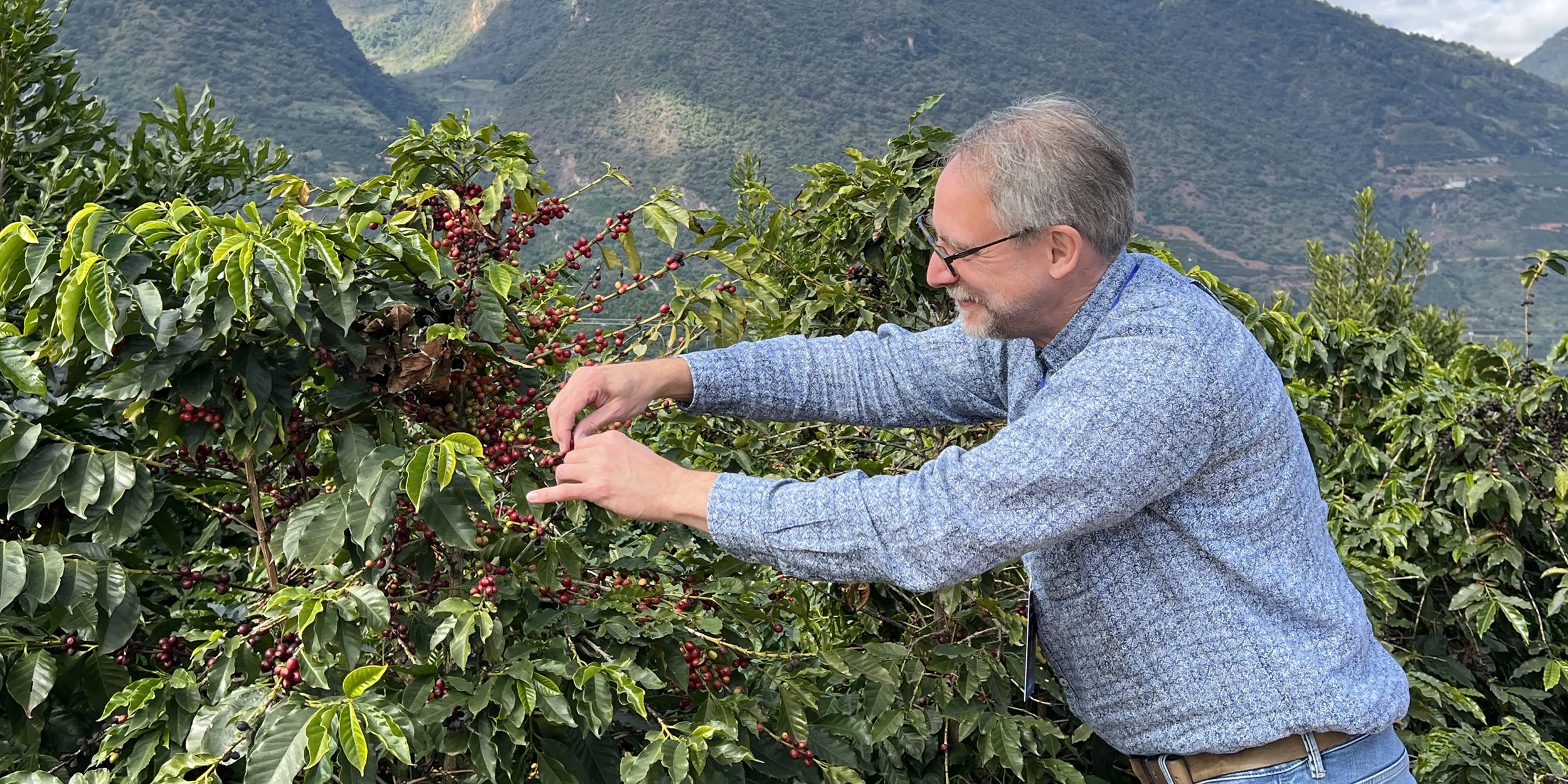
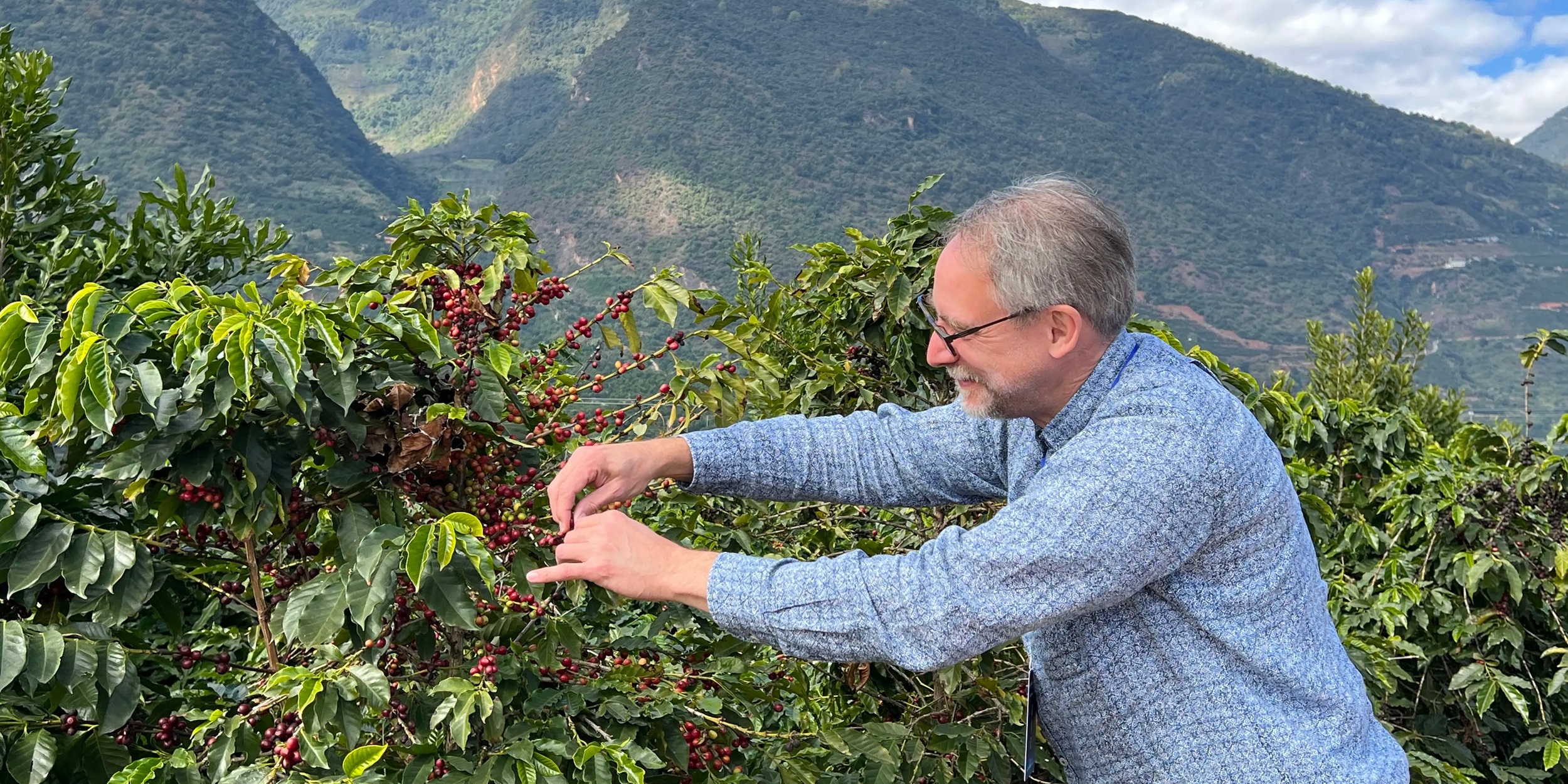
四十六岁的郑先生坐在我面前,手里端着刚从医院便利店买的拿铁。他确诊高血压三年,一直听说咖啡会升血压、伤心血管,戒了整整两年。
可最近他看新闻说哈佛研究发现喝咖啡能长寿,又开始喝了,又怕喝错。一杯咖啡,到底是在续命还是在折寿?他眼神里的纠结不是个例,是几亿中国咖啡消费者的集体困惑。
哈佛大学一项长达三十年、追踪近五万名女性的研究给出了阶段性答案。
研究发现,中年女性每天摄入约三百一十五毫克咖啡因,大约相当于三小杯咖啡,到七十岁时达到健康老龄化的概率比极少摄入者高出百分之十三。
三百一十五毫克,这个数字不是拍脑袋定的,是三十年的数据算出来的。含咖啡因的咖啡显示出这种关联,而茶和脱因咖啡没有。
咖啡不是药,但它里面几百种活性成分在打配合战。绿原酸、咖啡因、二萜类化合物,每一种都在不同器官上敲敲打打。郑先生担心的升血压问题,研究给出的结论是反转的。
长期适量饮用咖啡的人,心血管死亡率反而更低。咖啡因短暂收缩血管,但长期却改善血管功能。短期挨一巴掌,长期给颗糖。
那咖啡对大脑有什么影响?哈佛团队另一项纳入十三万人的研究指出,每天喝两到三杯含咖啡因咖啡的人,痴呆风险降低百分之十八。咖啡因阻断腺苷受体,减少大脑的炎症水平。
同时咖啡中的多酚类物质帮助清除β淀粉样蛋白,这是阿尔茨海默病的病理核心。咖啡不是让脑子更清醒一小时,是让脑子更干净三十年。_效果虽小,但叠加在健康生活方式上就有意义。
郑先生最担心的是胃。他喝咖啡后容易反酸,认为是咖啡伤了胃。最新一项涵盖十二万人的荟萃分析给出了精确数字:咖啡饮用者胃食管反流的风险比不饮者高出百分之十八。
这个数字听着吓人,但绝对风险只差了四个百分点。而且研究发现,咖啡与巴雷特食管、食管癌之间没有显著关联。
胃酸反流不舒服,但不会直接致癌。对大多数人来说,喝咖啡不需要担心烧出癌。
那是不是所有人都能敞开了喝?郑先生的妻子刘姐就不行。她有严重失眠,喝完咖啡心率能从七十飙到一百。
研究证实,咖啡对睡眠的影响在个体间差异巨大,敏感人群即使上午喝也能影响夜间深睡眠。_咖啡因的半衰期五小时,下午两点的咖啡到晚上七点还残留一半。
刘姐需要的是下午两点后不喝任何含咖啡因的饮品,而不是彻底戒掉。了解自己的代谢基因,比盲目跟风重要。
代谢获益的数据来自另一项研究:咖啡摄入量与2型糖尿病风险呈显著负相关,每日三到四杯可使风险降低约百分之二十五。
咖啡中的绿原酸抑制肠道对葡萄糖的吸收,同时增加胰高血糖素样肽一的分泌。
早上一杯黑咖啡,相当于给胰岛素信号通路做了一次热身。郑先生停咖啡那两年体重还涨了五公斤,重新喝上后体重稳住了,空腹血糖从六点三降到了五点九。
一个让我印象深刻的对比病例:两位同龄女性患者都喝咖啡。一个纯黑咖啡,每天早上两杯,五十岁血管状态堪比四十岁。
另一个杯杯加糖加奶,喝的是三合一速溶,同样每天两杯,四十五岁甘油三酯三点五,脂肪肝中度。咖啡和咖啡不一样,差的不在咖啡因,在碗里加进去的那勺糖和奶精。
研究证实,可乐等含糖碳酸饮料与健康衰老呈负相关,每天多喝一小杯可乐,健康老去概率下降百分之二十到二十六。
喝咖啡还有个讲究是冲泡方式。研究发现,未经过滤的咖啡如法压壶、土耳其壶,含有较高浓度的二萜类化合物咖啡醇和咖啡豆醇。
这两种物质会升高低密度脂蛋白胆固醇,长期过量饮用可使总胆固醇升高每分升八毫克。而经过滤纸过滤后,这两种二萜类物质被拦截掉百分之九十以上。
担心血脂的人选滤泡式,不是选脱因,是选过滤纸。郑先生改喝手冲咖啡后,低密度脂蛋白从三点六降到三点零。
郑先生问我,那到底每天喝多少最合适?数据显示,每日三到四杯、对应约四百五十到六百毫升是最佳区间,全因死亡率最低。
超过六杯,保护效应不再增加,部分人出现心悸、焦虑、睡眠障碍。
上限四百毫克咖啡因,大约四杯。安全窗口很宽,但再宽的窗,跳出窗也是摔。对大多数人来说,两到三杯是甜蜜点,既能享受保护效应,又不至于干扰夜间修复。
郑先生最终找到自己的节奏:早上一杯手冲,午后一杯美式,下午两点后改喝草本茶。三个月后复诊,血压稳定在一百二十八、八十二,比喝还是不喝更年期时波动小了很多。
他说以前纠结得不行,现在每天早上一杯咖啡成了仪式。仪式感不只是心理安慰,是一天代谢节律的启动器。
他告诉我他不再害怕那杯咖啡,反而害怕没了那杯咖啡后的日子。适量咖啡害处没几个,好处一大堆,前提是你把它当成早餐的配角,而不是全天的主角。
[1]咖啡摄入与健康老龄化关系的三十年队列研究[J].美国临床营养学杂志,2025,121(6):1189-1197.
[2]咖啡摄入与2型糖尿病及高血压患者睡眠、心血管风险的关联分析[J].生物医学,2025,13(8):1875.
[3]咖啡消费频率与全身胆固醇关系的系统综述[J].动脉高血压,2025,29:78-89.
[4]含咖啡因饮品摄入与痴呆风险的剂量反应关系[J].美国医学会杂志,2026,335(6):523-531.
本文内容均是根据权威医学资料结合个人观点撰写的原创内容,为了方便大家阅读理解,部分故事情节存在虚构成分,意在科普健康知识,如有身体不适请线下就医。
Work statement: The content is sourced from the internet
Mr. Zheng, who is 46 years old, sat in front of me, holding a latte that he had just bought from the hospital convenience store. He was diagnosed with hypertension for three years and had been hearing that coffee could raise blood pressure and damage blood vessels. He quit for two whole years.
But recently he read in the news that Harvard research found that drinking coffee can prolong life, and he started drinking it again, afraid of drinking the wrong one. Is a cup of coffee prolonging life or reducing lifespan? The confusion in his eyes is not an isolated case, but a collective confusion of hundreds of millions of Chinese coffee consumers.
A Harvard University study that tracked nearly 50000 women for thirty years has provided a partial answer.
Research has found that middle-aged women who consume approximately 315 milligrams of caffeine per day, equivalent to three small cups of coffee, have a 13% higher probability of achieving healthy aging by the age of 70 compared to those who consume very little caffeine.
Three hundred and fifteen milligrams, this number is not a snap of a head, it is calculated based on thirty years of data. Caffeine containing coffee shows this association, while tea and decaffeinated coffee do not.
Coffee is not medicine, but it contains hundreds of active ingredients in a synergistic battle. Chlorogenic acid, caffeine, and diterpenes, each of which is knocking on different organs. Mr. Zheng's concern about raising blood pressure has been reversed by the research findings.
People who drink coffee in moderation for a long time have a lower cardiovascular mortality rate. Caffeine temporarily constricts blood vessels, but over the long term improves vascular function. Short term slap, long-term candy.
What are the effects of coffee on the brain? Another study conducted by the Harvard team involving 130000 people found that people who drink two to three cups of caffeinated coffee per day have an 18% reduced risk of dementia. Caffeine blocks adenosine receptors and reduces inflammation levels in the brain.
At the same time, polyphenols in coffee help clear beta amyloid, which is the pathological core of Alzheimer's disease. Coffee doesn't make the brain clearer for an hour, it makes the brain cleaner for thirty years. _Although the effect may be small, it is meaningful when combined with a healthy lifestyle.
Mr. Zheng's biggest concern is his stomach. He tends to experience acid reflux after drinking coffee, thinking that coffee has hurt his stomach. The latest meta-analysis covering 120000 people provides precise numbers: coffee drinkers have an 18% higher risk of gastroesophageal reflux than non drinkers.
This number sounds scary, but the absolute risk is only four percentage points away. Moreover, research has found no significant association between coffee and Barrett's esophagus or esophageal cancer.
Gastric acid reflux is uncomfortable, but it does not directly cause cancer. For most people, drinking coffee does not require worrying about burning cancer.
Can everyone open up and drink? Mr. Zheng's wife Liu Jie cannot do it. She has severe insomnia, and her heart rate can soar from 70 to 100 after drinking coffee.
Research has confirmed that the impact of coffee on sleep varies greatly among individuals, and even in sensitive populations, drinking it in the morning can affect deep sleep at night. _The half-life of caffeine is five hours, and half of the coffee from 2pm in the afternoon remains until 7pm in the evening.
What Liu needs is not to completely quit drinking any caffeinated drinks after 2pm in the afternoon. Understanding one's metabolic genes is more important than blindly following trends.
The data of metabolic benefits comes from another study: coffee intake is significantly negatively correlated with the risk of type 2 diabetes, and three to four cups a day can reduce the risk by about 25%.
The chlorogenic acid in coffee inhibits intestinal absorption of glucose and increases secretion of glucagon like peptide-1.
A cup of black coffee in the morning is equivalent to warming up the insulin signaling pathway. Mr. Zheng's weight increased by five kilograms during the two years he stopped drinking coffee. After drinking it again, his weight stabilized and his fasting blood sugar dropped from 6.3 to 5.9.
A comparative case that left a deep impression on me: two female patients of the same age both drank coffee. A pure black coffee, two cups every morning, with blood vessel status comparable to that of a forty year old at fifty.
Another cup with sugar and milk, drinking three in one instant drink, also two cups per day, 45 years old triglycerides 3.5, moderate fatty liver. Coffee is different from coffee, the difference lies not in caffeine, but in the spoonful of sugar and creamer added to the bowl.
Research has confirmed that sugary carbonated beverages such as cola are negatively correlated with healthy aging. Drinking a small cup of cola every day reduces the probability of healthy aging by 20% to 26%.
Another important aspect of drinking coffee is the brewing method. The study found that unfiltered coffee, such as French press pot and Türkiye pot, contained high concentrations of the diterpenoid compounds caffeinol and caffeinol.
These two substances can increase low-density lipoprotein cholesterol, and long-term excessive consumption can raise total cholesterol by eight milligrams per deciliter. After filtering through filter paper, more than 90% of these two diterpenoid substances were intercepted.
People who are worried about blood lipids should choose follicular type, not selective, but filter paper. After Mr. Zheng switched to hand brewed coffee, his low-density lipoprotein decreased from 3.6 to 3.0.
Mr. Zheng asked me, how much is the most suitable amount to drink every day? Data shows that the optimal range for all-cause mortality is three to four cups per day, corresponding to approximately 450 to 600 milliliters.
More than six cups, the protective effect no longer increases, and some people experience palpitations, anxiety, and sleep disorders.
Up to 400 milligrams of caffeine, approximately four cups. The safety window is wide, but no matter how wide it is, jumping out of the window will cause a fall. For most people, two to three cups are the sweet spot, as they can enjoy the protective effect without interfering with nighttime repairs.
Mr. Zheng finally found his rhythm: a cup of hand brewed tea in the morning, an American style cup in the afternoon, and switching to herbal tea after 2pm. After three months of follow-up, the blood pressure remained stable at 128 and 82, with much less fluctuation compared to drinking or not drinking during menopause.
He said he used to be so conflicted, but now having a cup of coffee every morning has become a ritual. The sense of ceremony is not just psychological comfort, it is the initiator of a day's metabolic rhythm.
He told me that he is no longer afraid of that cup of coffee, but rather afraid of the days after losing that cup of coffee. A moderate amount of coffee has few harms and many benefits, provided that you regard it as the supporting role of breakfast, rather than the protagonist of the whole day.
A 30-year cohort study on the relationship between coffee intake and healthy aging [J]. American Journal of Clinical Nutrition, 2025121 (6): 1189-1197
[2] Association analysis of coffee intake with sleep and cardiovascular risk in patients with type 2 diabetes and hypertension [J]. Biomedical Journal, 2025, 13 (8): 1875
A systematic review of the relationship between coffee consumption frequency and systemic cholesterol [J]. Arterial hypertension, 2025, 29:78-89
[4] Dose response relationship between intake of caffeinated beverages and risk of dementia [J]. Journal of the American Medical Association, 2026335 (6): 523-531
The content of this article is original and based on authoritative medical data combined with personal opinions. In order to facilitate reading and understanding, some of the storylines contain fictional elements, aiming to popularize health knowledge. If you feel unwell, please seek medical attention offline.