精品咖啡和普通咖啡又有什么不同?What is the difference between premium coffee and regular coffee?
精品咖啡与普通咖啡的区别体现在种植环境、处理工艺、风味特点及市场定位等多个方面,这些差异共同构成了精品咖啡的独特价值体系。

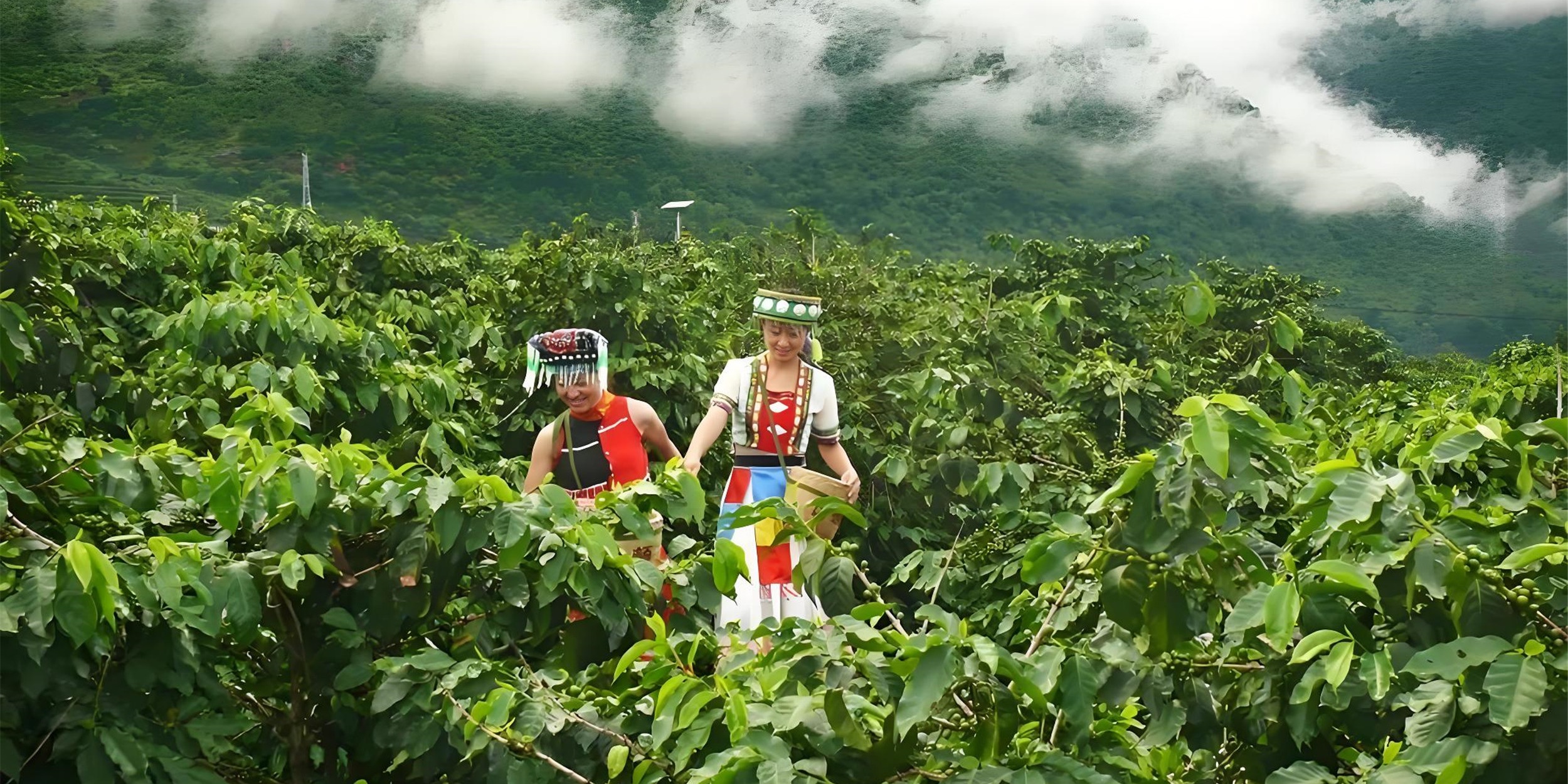
首先从种植环境来看,精品咖啡对地理条件有着近乎苛刻的要求。优质的咖啡树需要生长在赤道附近的高海拔地区(通常海拔2000米以上),这些区域昼夜温差大、日照充足且病虫害较少。

例如云南孟连县作为中国重要产区,其精品率从2021年的8%跃升至2024年的71%,正是得益于得天独厚的高原气候。相比之下,普通咖啡多种植在低海拔区域,生长速度快但糖分积累不足,需要分泌更多咖啡因抵抗病虫,导致苦味突出而风味单一。

在品种选择上,精品咖啡严格采用阿拉比卡种的精品级变种。这类豆种天生具有更复杂的芳香物质,咖啡因含量仅为罗布斯塔种(普通咖啡常用品种)的一半左右。就像葡萄酒强调"风土条件"(Terroir)概念,精品咖啡教母娥娜·努森提出的"地域之味"理论指出:不同土壤、气候会赋予咖啡豆独特的柑橘、莓果或焦糖风味,这种多样性正是精品咖啡的灵魂所在。而普通商用豆则追求标准化风味,常通过混合烘焙掩盖原料缺陷。

加工工艺的差异同样显著。精品咖啡采用精细化的后处理方式:水洗法能呈现明亮果酸,蜜处理法则保留更多甜感,每种工艺都服务于凸显原产地特色。据行业数据显示,全球仅1%的咖啡能达到精品标准,这些豆子需经过手工筛选,剔除瑕疵粒。反观普通咖啡多采用工业化流水线处理,甚至添加香精调和风味,如同"罐头食品"般缺乏个性。

风味体验的对比最为直观。一杯优质的精品咖啡能呈现多层次的口感变化:埃塞俄比亚耶加雪菲带有茉莉花香,哥伦比亚考卡省豆子则有太妃糖余韵。专业杯测评分需达80分以上(满分100)才算精品,其酸度活泼、甜感持久且苦味平衡。而普通咖啡往往风味扁平,主要依靠深度烘焙产生的焦苦味,这也是速溶咖啡多用罗布斯塔豆的原因——强烈的苦涩能掩盖原料劣势。

市场定位决定了两者的根本差异。精品咖啡采用"从种子到杯子"的精品模式:种植者根据微气候选择品种,烘焙师定制烘焙曲线,咖啡师匹配最佳冲煮参数,形成完整的风味价值链。

这类咖啡价格取决于质量而非期货市场波动,2026年优质瑰夏生豆价格可达普通豆10倍以上。而普通咖啡则被大宗商品市场主导,纽约交易所的阿拉比卡期货价格每日浮动,种植者难以获得合理回报,这也是公平贸易运动兴起的重要原因。

从文化维度观察,精品咖啡代表着"第三波咖啡浪潮"的核心精神——将咖啡从功能饮料升格为鉴赏对象。消费者开始关注种植海拔、处理法和烘焙日期,如同品鉴红酒般体验不同产区的风味图谱。这种转变推动了咖啡产业链的价值重构,也让云南等新兴产区有机会通过品质而非产量参与国际竞争。而普通咖啡仍停留在"提神饮品"的实用层面,其标准化生产模式难以满足日益精分的消费需求。
The differences between premium coffee and regular coffee are reflected in various aspects such as planting environment, processing technology, flavor characteristics, and market positioning, which together constitute the unique value system of premium coffee.
Firstly, from the perspective of planting environment, premium coffee has almost stringent requirements for geographical conditions. High quality coffee trees need to grow in high-altitude areas near the equator (usually above 2000 meters), where there is a large temperature difference between day and night, sufficient sunshine, and fewer pests and diseases.
For example, Menglian County in Yunnan Province, as an important production area in China, has seen its premium rate soar from 8% in 2021 to 71% in 2024, thanks to its unique plateau climate. In contrast, regular coffee is mostly grown in low altitude areas, with a fast growth rate but insufficient sugar accumulation, requiring the secretion of more caffeine to resist pests and diseases, resulting in a prominent bitterness and a single flavor.
In terms of variety selection, premium coffee strictly adopts premium varieties of Arabica. These types of beans naturally have more complex aromatic compounds, with caffeine content only about half that of Robusta (a commonly used coffee variety). Just as wine emphasizes the concept of 'terroir', the theory of 'regional flavor' proposed by the mentor of specialty coffee, Erna Nusson, states that different soils and climates give coffee beans unique citrus, berry, or caramel flavors, and this diversity is the soul of specialty coffee. However, ordinary commercial beans pursue standardized flavors and often conceal raw material defects through mixed baking.
The differences in processing techniques are equally significant. Premium coffee adopts refined post-processing methods: water washing can present bright fruit acid, honey processing preserves more sweetness, and each process serves to highlight the characteristics of the origin. According to industry data, only 1% of coffee worldwide meets premium standards, and these beans need to be manually screened to remove defective grains. On the other hand, ordinary coffee is mostly processed by industrial production lines, and even essence is added to blend the flavor. It lacks individuality like "canned food".
The comparison of flavor experiences is the most intuitive. A cup of high-quality specialty coffee can present a multi-layered taste change: Ethiopia's Yegashefe has a jasmine fragrance, while Colombia's Cauca province beans have a toffee aftertaste. A professional cup evaluation score of 80 or above (out of 100) is required to be considered a premium product, with a lively acidity, long-lasting sweetness, and balanced bitterness. However, regular coffee often has a flat flavor, mainly relying on the burnt bitterness produced by deep roasting. This is also the reason why instant coffee often uses Robusta beans - the strong bitterness can mask the disadvantage of the raw materials.
The market positioning determines the fundamental difference between the two. Premium coffee adopts a "seed to cup" premium model: growers choose varieties based on microclimate, roasters customize roasting curves, baristas match optimal brewing parameters, and form a complete flavor value chain.
The price of this type of coffee depends on quality rather than fluctuations in the futures market. In 2026, the price of high-quality Guixia green beans can reach more than 10 times that of regular beans. However, regular coffee is dominated by the commodity market, with Arabica futures prices fluctuating daily on the New York Stock Exchange, making it difficult for growers to obtain reasonable returns, which is also an important reason for the rise of the fair trade movement.
From a cultural perspective, premium coffee represents the core spirit of the "third wave of coffee" - elevating coffee from a functional beverage to an object of appreciation. Consumers are starting to pay attention to planting altitude, processing methods, and baking dates, experiencing the flavor maps of different regions like tasting red wine. This transformation has driven the value reconstruction of the coffee industry chain and provided opportunities for emerging production areas such as Yunnan to participate in international competition through quality rather than output. However, ordinary coffee still remains at the practical level of a "refreshing drink", and its standardized production model is difficult to meet the increasingly refined consumer demand.