从饮品到体验 产业融合激活云南咖啡新活力Integration of Beverage and Experience Industries to Activate New Vitality in Yunnan Coffee
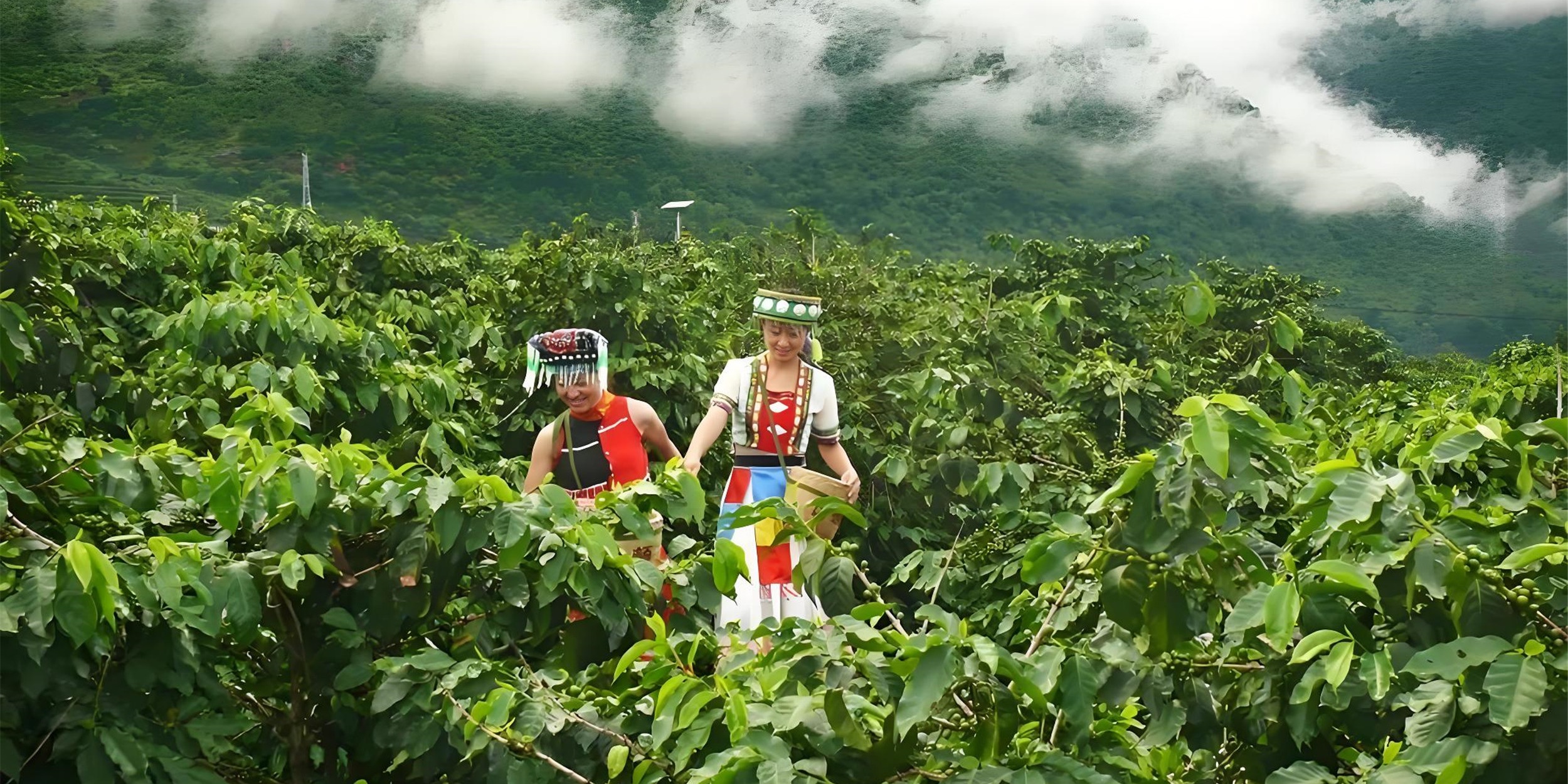
咖啡庄园主理人现场开课,在山野间带游客品鉴云咖的多元风味;城市咖啡工坊推出烘焙、品鉴体验,让咖啡爱好者了解咖啡从“种子”到“杯子”的旅程;咖旅融合业态持续创新,为乡村振兴注入新动能……近年来,云南创新推出咖啡与研学、乡村旅居等业态深度融合,让“体验经济”激活咖啡产业新活力。
走进昆明市五华区“咖果咖啡”精品烘焙工厂,咖啡醇香扑面而来。大厅杯测台上摆放着不同产区的咖啡豆,咖啡爱好者正在专业咖啡师的指导下进行研磨冲泡和杯测品鉴,沉浸感受云南咖啡的魅力。

“咖果咖啡”精品烘焙工厂创始人杨愚(右一)正在和客人一起进行咖啡杯测。新华社记者江文耀 摄
这座集烘焙加工、现场品鉴、互动体验于一体的复合型咖啡空间拓展了咖啡消费场景,精准契合当下“体验经济”消费趋势。“现在消费者不仅需要咖啡提神,还看重场景氛围、文化内涵等多方面感受。”创始人杨愚介绍,“咖果咖啡”定期举办咖啡文化沙龙、产区风味品鉴会,让咖啡消费从简单饮用向文化体验升级。
眼下,云南城市咖啡消费场景不断丰富,消费活力持续迸发。在昆明,翠湖咖啡体验中心、云南咖啡厂等城市咖啡文化空间持续走红;在普洱,老城街巷咖啡馆错落分布,茶香咖香交融出圈……
城市里咖啡新业态热度攀升,山野间咖旅融合体验同样活力迸发。在普洱市思茅区南屏镇南岛河村天玉庄咖啡园,百余亩咖啡林葱郁繁茂。虽已过咖啡鲜果采收季,这座藏在山间的咖啡庄园热度不减。
天玉庄咖啡园主理人刘晓东开设了田间实景咖啡课堂,每一批客人到来时,他都端着不同批次、不同处理法的咖啡杯测样本,仔细讲解云南咖啡产区和风味的差异。“客人们可以看见咖啡的生长环境、了解如何品鉴一杯咖啡,这样的体验比单纯喝咖啡更有意义。”刘晓东从事咖啡行业多年,2020年接手运营庄园后,他摒弃原料外销的老路,打造“咖啡+研学授课+民宿旅居”的融合模式,让更多人了解云南咖啡。

天玉庄咖啡园主理人刘晓东正在为游客讲解云南咖啡产区和风味的差异。新华社记者熊轩昂 摄
刘晓东介绍,依托研学授课、风味品鉴等特色业态,咖啡园常年保持日均50至100人次稳定客流,假期日接待量可达800人次。同时,咖啡园还吸纳周边村寨十余位村民就近务工,推动咖啡课堂汇聚人气、咖啡产业兴乡富民。
云南省文化和旅游厅相关负责人介绍,云南以“咖啡+旅游”为切入点,培育近60个精品咖啡庄园,深化“咖啡+乡村旅居”“咖啡+文创体验”等多元融合发展模式,让咖啡成为云南文旅的新名片。
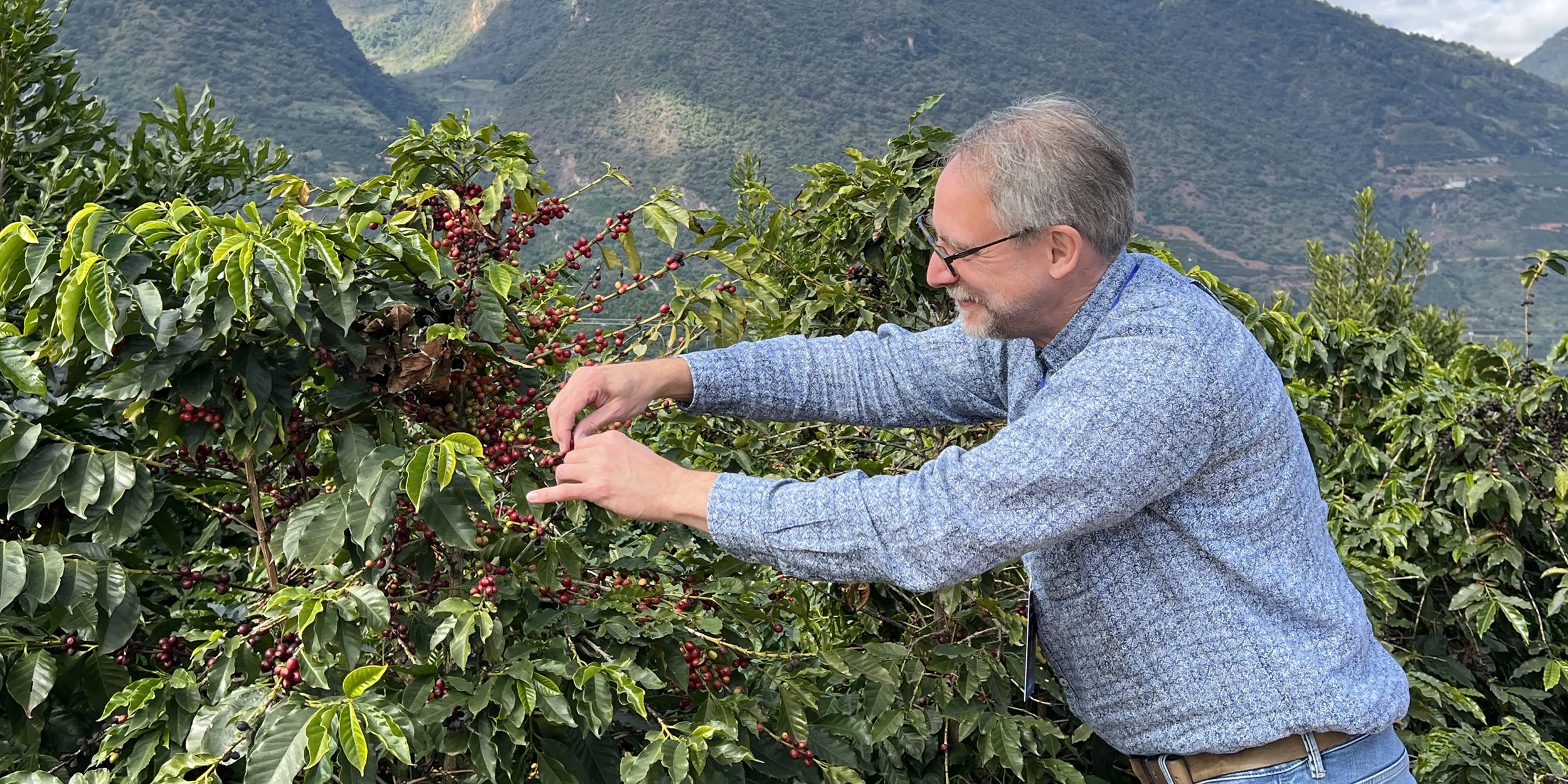
循着咖香来到保山市隆阳区新寨村,当地依托成熟的咖啡种植产业,整合乡村文旅资源,持续培育咖啡采摘体验、乡村民宿等融合业态。

保山市隆阳区芒宽乡“路边咖啡馆”主理人李金合正在制作“火烧咖啡”。新华社记者王冠森 摄
“我平时就很喜欢喝咖啡,来到咖啡原产地,既能品鉴不同风味的云南咖啡,还能游玩乡村美景,体验感很棒。”浙江游客李薇趁着假期专程到访新寨村,打卡咖旅融合新业态。临走前,她还亲手制作咖啡香皂,带走属于自己的云南回忆。
“村里咖啡厅、咖啡加工体验中心、文创工坊等配套设施一应俱全,游玩内容丰富多元。”新寨咖啡庄园负责人谢显文说,当地整合乡村文旅资源,做强“咖啡+文旅”融合发展模式,去年他的庄园累计接待游客21万余人次,旅游收入超1200万元。
以体验为纽带,产业融合正持续拓宽云南咖啡产业边界,为乡村振兴与文旅消费注入源源不断的活力。
来源:新华社
编辑:姜蕾
审核:钟玲
终审:彭德光
The manager of the coffee plantation offers on-site classes, taking tourists to taste the diverse flavors of cloud coffee in the mountains and wilderness; City Coffee Workshop launches roasting and tasting experiences, allowing coffee enthusiasts to understand the journey of coffee from the "seed" to the "cup" The integration of coffee and tourism continues to innovate, injecting new momentum into rural revitalization... In recent years, Yunnan has innovatively launched a deep integration of coffee and study abroad, rural tourism and other formats, activating new vitality in the coffee industry through the "experience economy".
Entering the "Coffee Fruit Coffee" boutique roasting factory in Wuhua District, Kunming City, the rich aroma of coffee fills the face. On the coffee measuring table in the lobby, coffee beans from different regions are placed. Coffee enthusiasts are grinding, brewing, and tasting under the guidance of professional baristas, immersing themselves in the charm of Yunnan coffee.
Yang Yu (first from the right), founder of the boutique roasting factory "Coffee Fruit Coffee", is conducting coffee cup testing with customers. Photo by Jiang Wenyao, Xinhua News Agency reporter
This composite coffee space, which integrates baking processing, on-site tasting, and interactive experience, expands the coffee consumption scene and precisely fits the current trend of "experience economy" consumption. Nowadays, consumers not only need coffee to refresh themselves, but also value various feelings such as scene atmosphere and cultural connotation. "Founder Yang Yu introduced that" Coffee Fruit Coffee "regularly holds coffee culture salons and regional flavor tasting events, upgrading coffee consumption from simple drinking to cultural experience.
At present, the coffee consumption scene in Yunnan cities is constantly enriching, and the consumption vitality continues to burst forth. In Kunming, urban coffee cultural spaces such as Cuihu Coffee Experience Center and Yunnan Coffee Factory continue to become popular; In Pu'er, coffee shops are scattered in the streets and alleys of the old city, blending the aroma of tea and coffee into a circle
The popularity of new coffee formats in cities is rising, and the integration of coffee and tourism experiences between mountains and fields is also bursting with vitality. In Tianyuzhuang Coffee Park, Nandaohe Village, Nanping Town, Simao District, Pu'er City, there are over 100 acres of lush coffee forests. Although the coffee fresh fruit harvest season has passed, the popularity of this coffee plantation hidden in the mountains has not diminished.
Liu Xiaodong, the manager of Tianyuzhuang Coffee Park, has set up a real-life coffee classroom in the fields. When each batch of customers arrives, he carries coffee cups from different batches and processing methods to test samples, carefully explaining the differences in Yunnan coffee production areas and flavors. Guests can see the growth environment of coffee and learn how to taste a cup of coffee, which is a more meaningful experience than simply drinking coffee. "Liu Xiaodong has been in the coffee industry for many years. After taking over the operation of the estate in 2020, he abandoned the old path of exporting raw materials and created an integrated model of" coffee+study and teaching+homestay travel ", allowing more people to understand Yunnan coffee.
Liu Xiaodong, the manager of Tianyuzhuang Coffee Park, is explaining to tourists the differences in Yunnan coffee production areas and flavors. Photo by Xiong Xuanang, Xinhua News Agency reporter
Liu Xiaodong introduced that relying on characteristic formats such as research-based teaching and flavor tasting, the coffee garden maintains a stable daily flow of 50 to 100 people throughout the year, and can receive up to 800 people during holidays. At the same time, the coffee park also attracts more than ten villagers from surrounding villages to work nearby, promoting the gathering of popularity in coffee classrooms and the prosperity of the coffee industry for the people.
The relevant person in charge of Yunnan Provincial Department of Culture and Tourism introduced that Yunnan has taken "coffee+tourism" as the starting point, cultivated nearly 60 boutique coffee estates, deepened the diversified integrated development models such as "coffee+rural travel" and "coffee+cultural and creative experience", and made coffee a new business card for Yunnan's culture and tourism.
Following the scent of coffee, we arrived at Xinzhai Village in Longyang District, Baoshan City. Leveraging the mature coffee planting industry, we integrated rural cultural and tourism resources, and continued to cultivate integrated formats such as coffee picking experiences and rural homestays.
Li Jinhe, the owner of a roadside caf é in Mangkuan Township, Longyang District, Baoshan City, is making "burnt coffee". Photo by Xinhua News Agency reporter Wang Guansen
I usually enjoy drinking coffee. When I come to the coffee producing area, I can not only taste different flavors of Yunnan coffee, but also enjoy the beautiful countryside scenery, and the experience is great. "Zhejiang tourist Li Wei took advantage of the holiday to visit Xinzhai Village and check-in for the integration of coffee and tourism with new formats. Before leaving, she also personally made coffee soap to take away her Yunnan memories.
The village has a complete set of supporting facilities such as a coffee shop, coffee processing experience center, and cultural and creative workshop, with rich and diverse entertainment content, "said Xie Xianwen, the person in charge of Xinzhai Coffee Manor. The local integration of rural cultural and tourism resources has strengthened the" coffee+cultural and tourism "integrated development model. Last year, his manor received more than 210000 tourists and generated tourism revenue of over 12 million yuan.
With experience as the link, industrial integration is continuously expanding the boundaries of Yunnan's coffee industry, injecting a continuous stream of vitality into rural revitalization and cultural tourism consumption.
Source: Xinhua News Agency
Editor: Jiang Lei
Reviewed by: Zhong Ling
Final appeal: Peng Deguang