独立咖啡占81%,成都“新式小店”模式凭什么全国第二?Independent coffee accounts for 81%, why does Chengdu's "new-style small store" model rank second in the country?
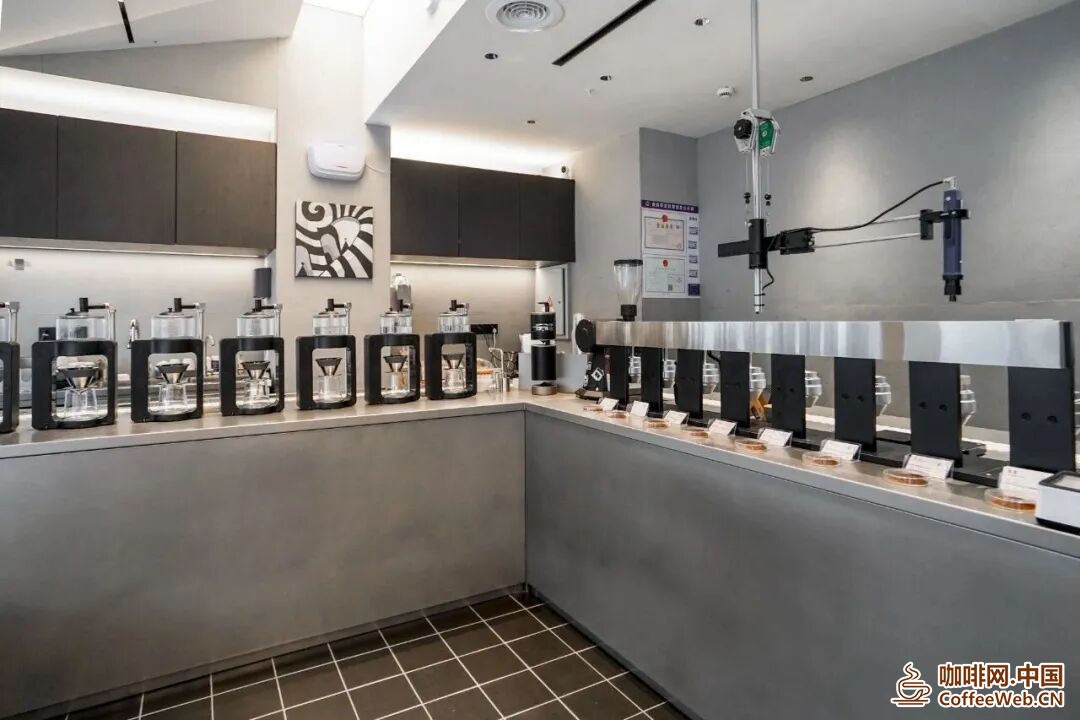
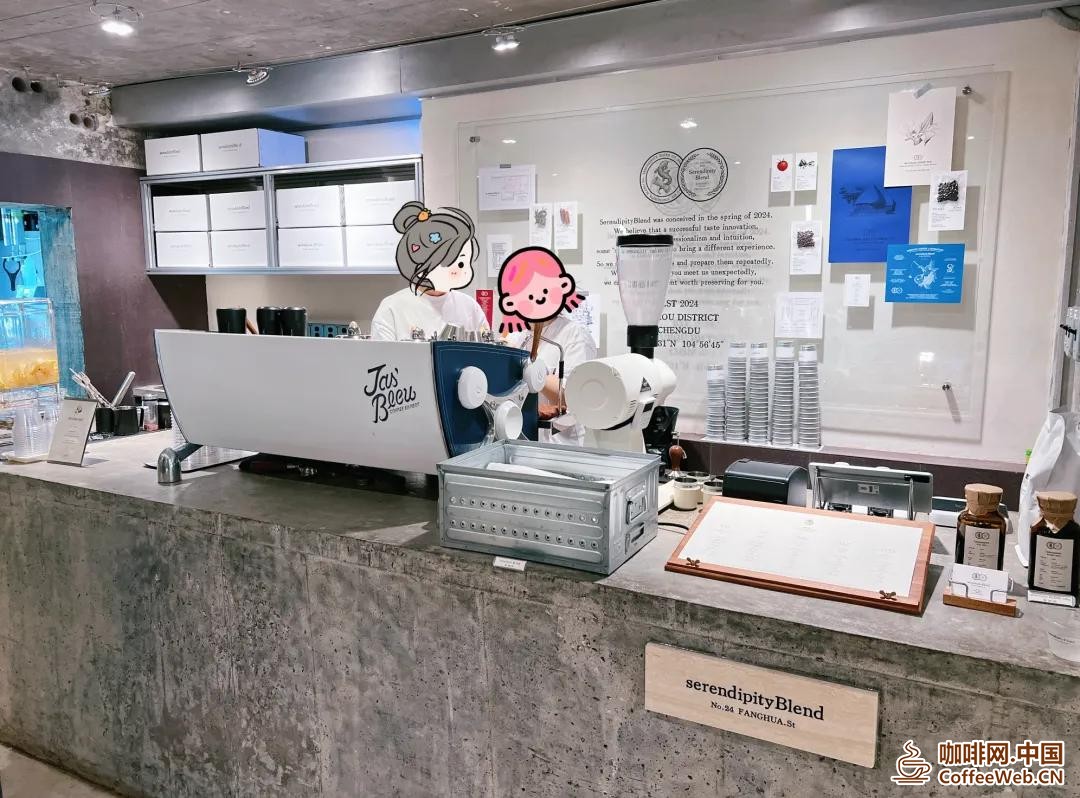
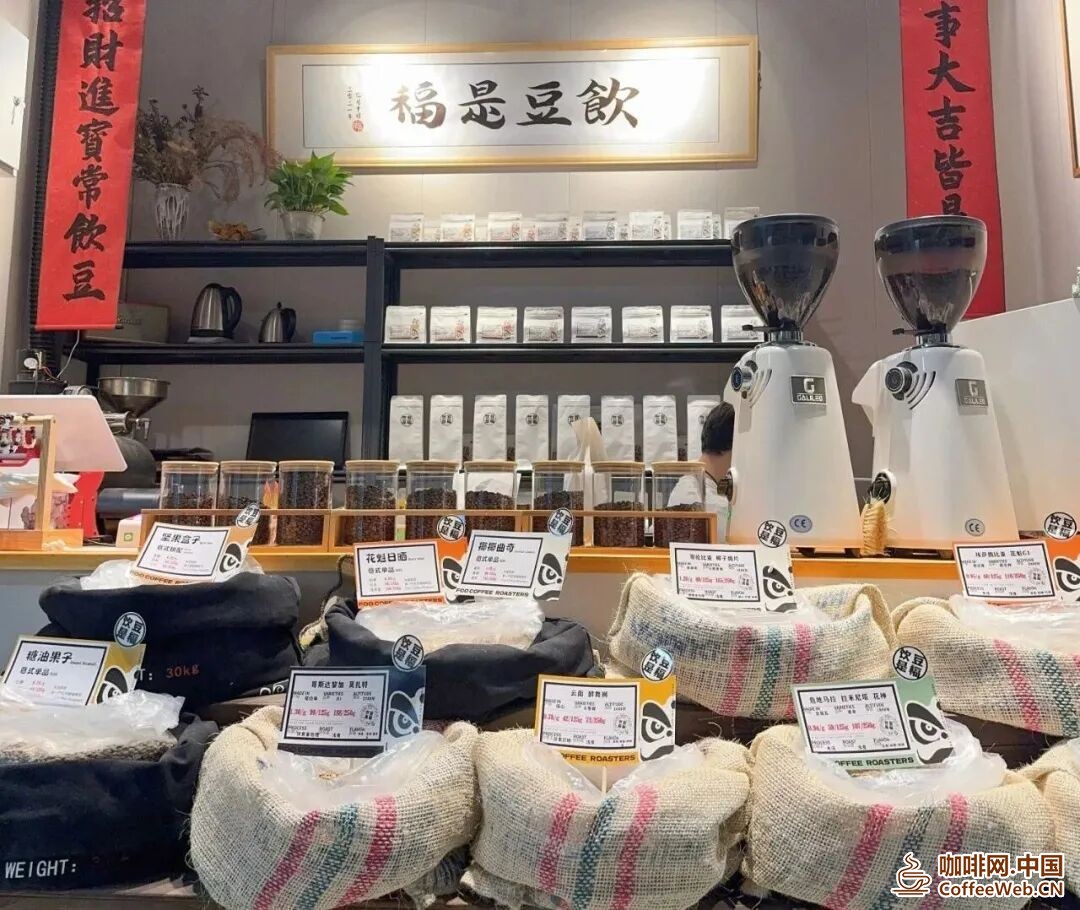
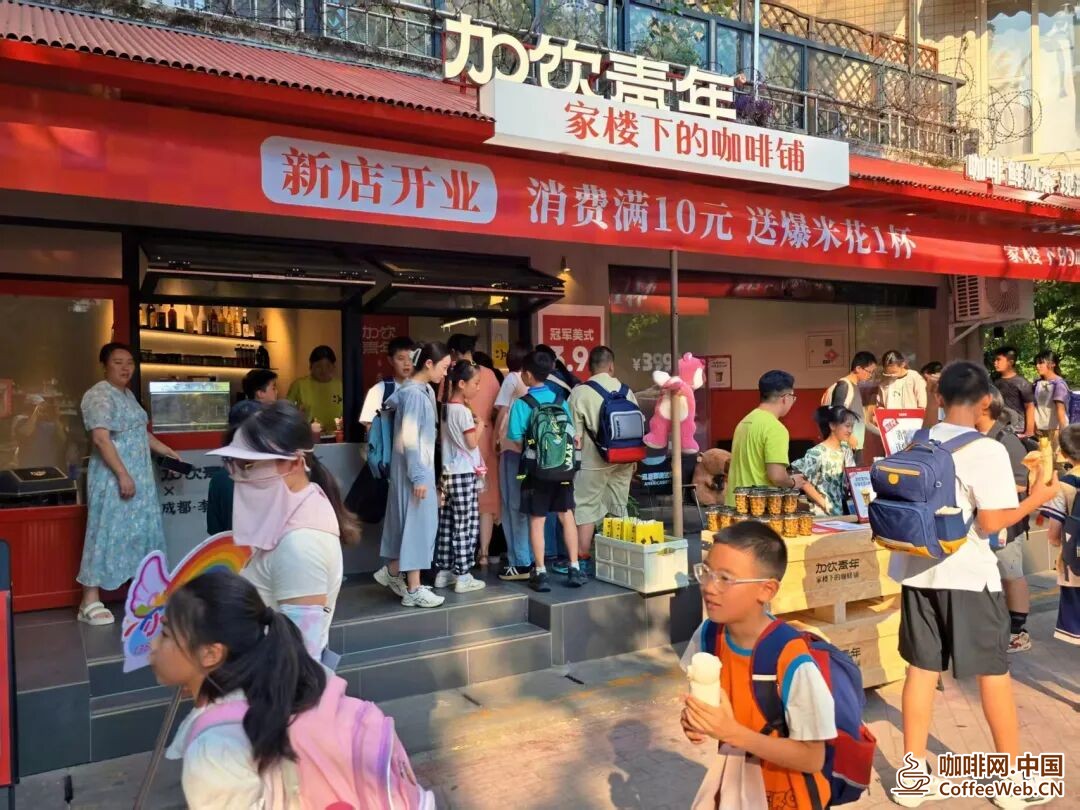
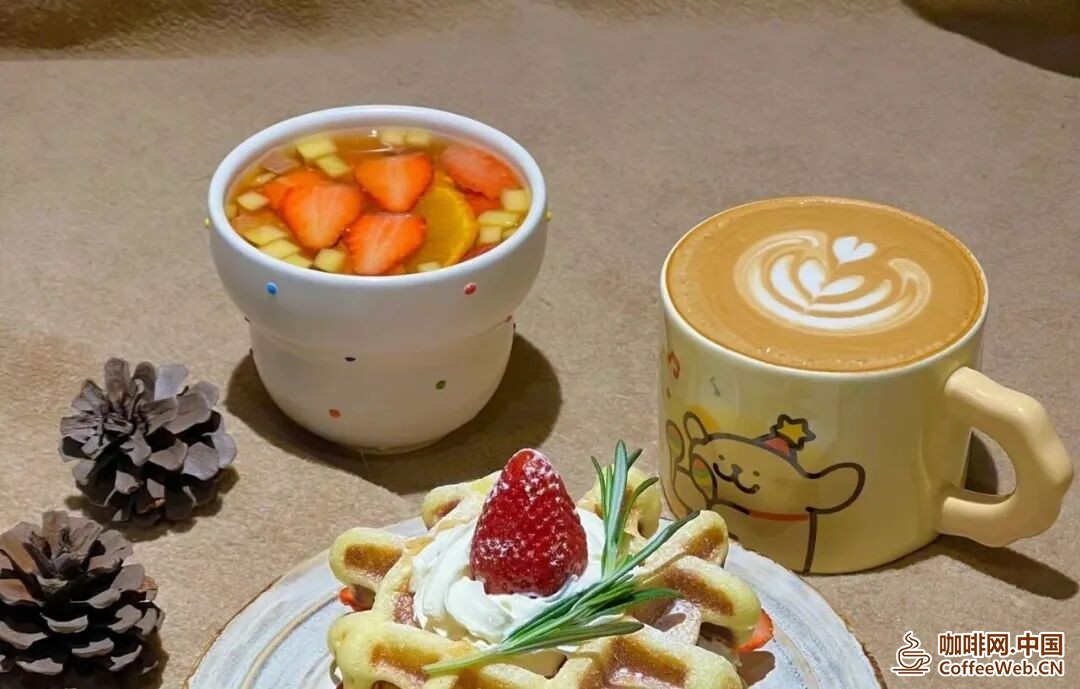

These cafes are so creative
Over 7000 coffee shops, more than 80% of which are non chain.
The latest data shows that the vitality of Chengdu's "new-style small shops" ranks second in the country with a score of 94.2, second only to Shanghai.
Here, if you walk into any coffee shop, you are likely to encounter a unique presence in the city that is personally managed by the owner.
While other cities are still struggling with the "chain rate", Chengdu has already made "independent survival" a national sample. Why Chengdu? What growth code is hidden in this soil?
7000+coffee shops, over 80% survive independently, Chengdu's "new-style small shops" are the second most vibrant in the country
When it comes to Chengdu, many people's first thoughts are still tea houses, hotpot, and giant pandas.
But you may not know that coffee is quietly taking over in this city.
According to Tianyancha data, there are over 12000 coffee related enterprises in Chengdu, with 7250 operating normally. By 2025 alone, there will be an increase of 1392 new registrations. Compared horizontally, there are 16110 similar enterprises in Shanghai and 9675 in Beijing.
But even more astonishing than the quantity is the structure. According to data from the First Financial and New First tier City Research Institute, independent coffee shops account for 81.07% in Chengdu, while in Shanghai, known as the "City of Ten Thousand Stores," the proportion of independent coffee shops is only 57.01%.
In other words, in Chengdu, out of every five coffee shops, four refuse to cater to thousands of customers.
In the "2025 China Urban 'New style Small Shop' Vitality and Emotional Value Index Report", Chengdu ranked second in the country with a score of 94.2, second only to Shanghai (98.5 points).
The "new-style small shops" defined in the report are independent stores that can provide spatial experiences, cultural identity, and emotional connections, with specialty coffee being the absolute mainstay.
I have also interviewed many coffee shop owners in Chengdu, and their feelings are consistent: there are many independent small shops, "just a few steps away from home, there is one, and they are all different
The popularity on Xiaohongshu also confirms this point: there are over 1.19 million notes related to "Chengdu Coffee Shop", with a cumulative view count exceeding 200 million.
The vegetable market coffee that treats coffee as a stir fry, the conveyor belt coffee that subverts the production logic, and the "penalty station coffee" that triggers half of the beverage circle to clock in... These imaginative gameplay constantly refresh people's imagination of coffee.
Why is it Chengdu?
Refusing standardized replication, why is independent coffee taking root everywhere in Chengdu?
By observing and interviewing multiple local coffee shop owners, we attempted to recreate a real Chengdu coffee market.
1. Teahouse has a deep genetic makeup, and 'sitting and drinking something' is a natural demand
Chengdu is a city immersed in tea bowls, with over 20 million people and more than 10000 tea houses.
This unique market gene naturally makes coffee "another reason to sit down" here.
Nowadays, drinking coffee has become a new daily routine for people in Chengdu.
The "2025 Chengdu Coffee Industry Survey Report" shows that over 80% of respondents have an average monthly coffee consumption of over 100 yuan, and 13.83% have an average monthly consumption of over 800 yuan (equivalent to one cup per day). In the consumption scenario, 45.17% is for "leisure check-in".
This relaxed consumption habit provides a strong living environment for coffee shops.
2. Rent friendly, making it easier for small shops to survive
Opening an independent store requires controllable trial and error costs.
According to local practitioners, a small community shop with an area of over 20 square meters near Wanda Plaza in Chenghua District only costs around 3000 yuan per month. Even if you only drink 40-50 cups a day, as long as it's stable, you can definitely survive.
Many local coffee managers, including Zou Zou, the manager of Sanhao Coffee, and Yang Peiheng, the owner of Yindoushifu Coffee Roast Shop, have a deep understanding of this. Yang Peiheng's 10 square meter small shop in Yulin Comprehensive Market only has a monthly rent of just over 1000 yuan.
If money burns slowly, the manager has space to "tinker" and doesn't have to worry about working for the landlord every day, so they can focus on innovating products, spaces, and concepts.
That's why creative coffee forms such as market coffee, assembly line coffee, and specialty espresso shops can all take root.
3. The urban mood is compatible enough, leaving the biggest gap for the small shop
Many people say that Chengdu is the 'capital of relaxation', but for independent small shops, a more accurate description is that this city is extremely 'compatible' in terms of emotions.
Wei Lihong, founder of Jiayin Youth Coffee, said that the fundamental reason why independent coffee in Chengdu can grow is that the density of "interesting people" here is high enough.
There are more and more people who enjoy life, those who 'lie flat' but do not give up on aesthetics, those who are lazy yet somewhat particular, and those who are content with everything but unwilling to make do
When these people gather together, their demands for products and spaces are not just functional, but emotional: they need to have stories, personalities, and expressions of lifestyle.
Emotional value is itself a product power here.
Zou Zou, the manager of Sanhao Coffee, observed that as soon as an area becomes popular, coffee shops will quickly gather: Fangcao Street, Yulin Road, Shuyuan Street, Dongjiao Memory, the alleys around Taikoo Li, and even the former Wangping Street and Wangfu Street have all seen a wave of new stores emerge.
4. High taste tolerance and endless local creativity
At the product level, Chengdu coffee has obvious local genes, not sticking to traditional formulas, and is good at integrating local food flavors into creativity.
Blue and white pepper latte, millet spicy American style, Pixian Douban coffee, cured meat coffee... These seemingly "outrageous" combinations are not uncommon on Chengdu menus, forming a unique set of regional taste expressions.
This kind of 'daring to play' creativity has attracted a large number of industry professionals to specifically check in. In their eyes, Chengdu is full of "ultimate products" worth studying.
This inclusive taste injects a continuous stream of vitality into Chengdu coffee.
The other side under prosperity: crowded stores, synchronous acceleration of elimination
Data leads the way and small shops bloom everywhere, but the coffee market in Chengdu is not entirely romantic, but a typical "ice and fire duality".
The 2025 Chengdu Coffee Industry Survey Report shows that over 55% of coffee shop owners stated that their stores' profits and losses are basically flat ', with an increase in the proportion of losses compared to the previous year. In other words, the number of truly profitable stores has not increased.
As new stores continue to emerge, there are also many that have closed down. Almost all the interviewed managers lamented that the speed of changing brands for Chengdu coffee is much faster than expected.
Wei Lihong, founder of Jia Yin Youth Coffee, used an analogy to describe the differentiation of the coffee market in Chengdu: only 1% of single stores produce over 100 cups per day, 20% produce 50 cups per day, and 30% produce around 30 cups per day.
In our eyes, those who constantly iterate and give the city a coffee halo are often the top 1% of this pyramid. But the cruel truth is that these 1% are also undergoing updates and transformations - only a few may be there all the time, and most may face a replacement every one to two years
The 'fertile ground' of independent coffee does exist, but survival still depends on a true balance between product, space, emotional value, and cost control, rather than just the narrative of 'Chengdu is very relaxed'.
Conclusion
Chain stabilization of the basic market, addressing efficiency and accessibility issues; The independent store is responsible for innovation and warmth. The former makes the cake bigger, while the latter makes the cake more interesting.
The various small shops scattered among them jointly support the commercial vitality of the city and also precipitate a unique cultural texture.
Wei Lihong predicts that from 2026, the creativity of independent coffee shops in Chengdu is expected to surpass that of Shanghai.
This is not denying Shanghai, but emphasizing another possibility - scale is one answer, but never the only answer.
In addition to the chain frenzy, the commercial ecosystem supported by countless independent small shops also has strong vitality.
Chengdu is translating this sentence into reality.
This article is from WeChat official account "Kamen Club" (ID: Kamen Club), author: May, 36 Krypton is authorized to release.