京东美团外卖大战:咖啡奶茶掀起的商业风云JD Meituan Waimai Battle: The Business Storm Triggered by Coffee Milk Tea
京东美团外卖大战:咖啡奶茶掀起的商业风云
真没想到,京东和美团这场外卖大战,主角居然是卖咖啡奶茶的。以前觉得饮料价格打到 9.9 元就已经很离谱了,可现在在京东,一杯库迪生椰拿铁只卖 3.9 元,古茗的百香双重奏只要 4.8 元,书亦烧仙草的茉莉奶绿也才 3.8 元,蜜雪冰城甚至出现了到手价 1 元的饮料。恐怕连品牌方自己都难以想象。
美团这边也有动作,瑞幸 7.9 元配送到家,霸王茶姬 23 元双杯,和京东针锋相对。要知道,这个价格可不是门店自取,而是配送到家的外卖价。
这几天,在如此恐怖的低价面前,饮料商家们纷纷爆单。许多库迪加盟商表示,自从外卖大战打响,他们单店的杯量翻了一番,多的能达到单店 1800 杯,少的也有四五百杯。负责制作咖啡的店员忙得一分钟都停不下来,而这些新增订单大部分都来自京东外卖。
数据显示,截至 4 月 23 号,库迪在京东的月销量就已经突破了 3000 万单,另外,古茗的月销量也突破了 700 万单。
大家好,我是商业观察家管场。这期视频咱们来聊聊,为啥京东与美团的外卖大战,会在奶茶和咖啡领域引发这般景象。
以库迪为代表的咖啡和奶茶品牌们,自然是要开香槟庆祝。在这场外卖大战之前,饮品行业其实已进入漫长而无聊的 " 垃圾时间 "。库迪没能撼动瑞幸的地位,雪王(蜜雪冰城)一家独大,古茗、茶百道、霸王茶姬只能争第二梯队的位置,市场格局差不多已定。资本和加盟商的钱都烧不动了,9.9 元就是一个平衡点,门店数量也密集到不能再增加,再卷下去大家都赚不到钱。
但京东的入局,相当于给这场饮品战争带来一个全新变量,给所有玩家灌了一大口 " 十全大补汤 ",对着整个行业喊了句 " 加时了 "。于是,那些奶茶品牌,尤其是还没拿到行业老大位置的大玩家们,又开始动起心思,想借着京东这个新渠道,看看有没有机会逆袭。
要知道,这次京东对美团发起冲锋,各种大额补贴和免佣金,完全是平台买单,商家不需要为补贴支出任何费用。原先 9.9 元的价格平衡点,就这么轻易被打破了,各种 3 - 5 元一杯的饮料在京东上随处可见。有东哥这个 " 恩公 " 出钱,商家什么都不用做,翻倍的订单量就从天而降。
在那些不甘寂寞的老二梯队品牌们看来,这是天赐良机。订单量大了,原先亏钱的加盟商能赚到钱了,原本已经很密集的门店数又可以再增长,库迪又能挑战瑞幸了,古茗、霸王茶姬和茶百道又能参与混战,品牌们又能多赚一笔加盟费、管理服务费和原材料费。这似乎是一个所有人都受益,只有东哥钱包受损的事情。让我们说:谢谢东哥。
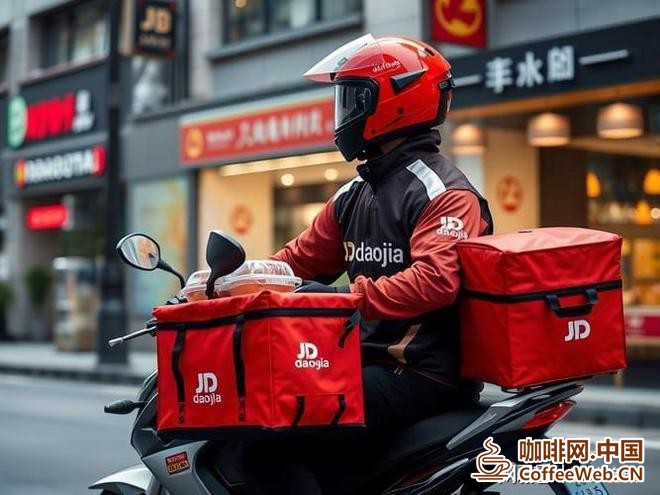
但东哥当然不是单纯的 " 燃烧自己,照亮整个行业 " 的大善人。京东也有自己的考量。京东挑战美团,首要战略目标是冲单量,或者说是订单密度。订单密度大,骑手跑一趟能带回的订单就多,京东就能将骑手运力用到极限,降低他们的工作难度,让他们赚到更多佣金,同时摊薄平台运营成本。
美团当年能打败饿了么,靠的就是更大规模的单量,以及更强的算法优化骑手送货路径,让他们每趟能配送更多订单。后来美团重点投入拼好饭,不惜牺牲利润也要冲高单量。可以说,单量是外卖市场最重要的指标之一。至于每一单的客单价以及每一单能不能少亏一点,那都是次要的。
而京东外卖在冲单量这个任务上完成得很好。过去两个月呈爆发式增长,每日订单量已冲到 1000 万左右,拿下 10% 的市场份额,相当于三分之一的饿了么。为了完成这个目标,京东必须把战略重心放到饮品咖啡赛道上。为啥选饮品呢?
首先是高频,这个不用多说,大家对饮品的需求较为频繁。其次是客单价低,原先饮品大多 9.9 元一杯,平台再补贴一点,就能达到三四元,也就坐一趟地铁的钱,大家购买起来毫无门槛,订单量自然就上去了。想想看,同样的补贴给到正餐外卖,25 元的外卖补贴到 18 元,能有这么好的效果吗?很难的。
第三是消费弹性。咖啡奶茶不占肚子,原本大家可能一天一杯,有了补贴换成一天两杯,对大多数人也没啥负担。不像快餐,哪怕再补贴,一日三餐就是一日三餐,不太可能为了一点补贴改成一日四餐。
最后也是最重要的一点,连锁化率高。谈下一个库迪就能一口气覆盖全国 1 万多家门店,谈下一个古茗,也能覆盖几千家门店,很多本地小型奶茶咖啡品牌在单一城市也可能有数十家甚至上百家连锁店。连锁化率高,就能让京东以最快速度、最低商务拓展成本大量引入商家。
去年,京东开始涉足外卖,秒颂频道上线的第一个板块就是咖啡奶茶。京东外卖的首页榜单 top5,分别是瑞幸、库迪、古茗、茶百道和霸王茶姬,被饮品商家包揽。到了今年,京东启动 " 品质藏食商家招募计划 ",给各大饮料品牌免佣金,一口气吸引了 200 家小型茶饮品牌入驻。而这一切的结果就是,现在的京东外卖几乎成了一个奶茶 " 启动器 "。
我按照现有数据做了个非常粗糙的估计,京东外卖每日订单量 1000 万单,那么月订单量至少 3 亿单。光是那两三个饮品品牌每个月就要创造接近 5000 万个订单,我估计整体饮品市场每个月能创造 1 亿单左右,京东平台三分之一的订单量都靠饮品撑起,可见京东对咖啡奶茶是真的 " 偏爱 "。
所以说,京东这次挑战美团外卖,之所以能引发全面关注,不只是因为互联网行业已经很久没有这种大规模的商战,更重要的是,这场大战的外溢效益非常剧烈。直接影响的餐饮行业关乎众多从业者的生计,与每个人的日常生活息息相关。
而在肉眼可见的未来几个月,美团一定不会坐以待毙,肯定会拿出更大力度的补贴向京东发起反击。饿了么也不会坐视老大和老三打架,老二 " 渔翁得利 " 的剧情上演,补贴必然也在计划之中。随着天气日渐转热,饮品市场真正的旺季即将到来,这场外卖大战注定会裹挟更多商家、海量资本和补贴。
作为消费者,我只想说:撕得好,再激烈一些。
JD Meituan Waimai Battle: The Business Storm Triggered by Coffee Milk Tea
I never expected that the protagonist of the food delivery battle between JD.com and Meituan would be a seller of coffee and milk tea. I used to think that a beverage price of 9.9 yuan was already outrageous, but now on JD.com, a cup of Kudi Sheng Coconut Latte is only sold for 3.9 yuan, Gu Ming's Passion Duo is only 4.8 yuan, Shu Yi Shao Xian Cao's Jasmine Milk Green is only 3.8 yuan, and even a beverage priced at 1 yuan has appeared in Mi Xue Bing Cheng. I'm afraid even the brand itself cannot imagine it.
Meituan is also taking action, with Luckin Coffee offering 7.9 yuan for home delivery and Bawang Tea Lady offering 23 yuan for double cups, competing with JD.com. You should know that this price is not for store pickup, but for home delivery.
These days, in the face of such terrifying low prices, beverage merchants have exploded their orders one after another. Many Kudi franchisees have stated that since the start of the food delivery war, their single store cup volume has doubled, with some reaching 1800 cups per store and some as low as four to five hundred cups. The staff responsible for making coffee are so busy that they can't stop for even a minute, and most of these new orders come from JD Waimai.
Data shows that as of April 23rd, Kudi's monthly sales on JD.com have exceeded 30 million orders, and Guming's monthly sales have also exceeded 7 million orders.
Hello everyone, I am a business observer in charge of management. In this video, let's talk about why the food delivery war between JD.com and Meituan has sparked such a scene in the fields of milk tea and coffee.
Coffee and milk tea brands represented by Kudi naturally celebrate by opening champagne. Before this food delivery war, the beverage industry had actually entered a long and boring "garbage time". Kudi failed to shake Luckin Coffee's position, with Snow King (Honey Snow Ice City) dominating the market. Guming, Tea Hundred Paths, and Overlord Tea Lady can only compete for the second tier position, and the market landscape is almost determined. Capital and franchisees' money cannot be burned anymore, 9.9 yuan is a balance point, and the number of stores is so dense that it cannot be increased any further. If we continue to roll around, no one can make money.
But JD's entry is equivalent to bringing a new variable to this beverage war, giving all players a big gulp of "Ten Complete Tonic Soup" and shouting "overtime" to the entire industry. So, those milk tea brands, especially the big players who have not yet reached the top position in the industry, began to think about using JD as a new channel to see if there is a chance to counterattack.
You should know that this time JD.com launched a charge against Meituan, with various large subsidies and commission waivers completely paid for by the platform, and merchants do not need to pay any fees for the subsidies. The original price equilibrium point of 9.9 yuan has been easily broken, and various drinks priced at 3-5 yuan per cup can be seen everywhere on JD.com. With Dongge, this' benefactor ', paying for it, merchants don't have to do anything, and the doubled order volume falls from the sky.
In the eyes of those second tier brands who are unwilling to be lonely, this is a heaven sent opportunity. The order volume has increased, and franchisees who previously lost money can now make money. The already dense number of stores can continue to grow, and Kudi can challenge Luckin again. Guming, Bawang Tea Ji, and Chabaidao can participate in the battle again. Brands can earn an extra franchise fee, management service fee, and raw material fee. This seems to be a situation where everyone benefits, only Dongge's wallet is damaged. Let's say: Thank you, Dongge.
But Dong Ge is certainly not just a kind-hearted person who "burns himself and illuminates the entire industry". JD.com also has its own considerations. JD challenges Meituan, with the primary strategic goal of increasing order volume or order density. The order density is high, and riders can bring back more orders with just one trip. JD.com can maximize the rider's capacity, reduce their work difficulty, allow them to earn more commissions, and dilute the platform's operating costs.
Meituan was able to defeat Ele.me back then thanks to a larger order volume and stronger algorithm optimization of delivery routes for riders, allowing them to deliver more orders per trip. Later on, Meituan focused on putting together a good meal, sacrificing profits to increase order volume. It can be said that order quantity is one of the most important indicators in the food delivery market. As for the unit price of each order and whether each order can reduce the loss a bit, that is secondary.
And JD Waimai has completed the task of boosting order volume very well. In the past two months, there has been explosive growth, with daily order volume reaching around 10 million and capturing 10% of the market share, equivalent to one-third of Ele.me. To achieve this goal, JD.com must shift its strategic focus to the beverage and coffee track. Why choose a beverage?
Firstly, there is high frequency, which goes without saying, as people have a frequent demand for beverages. Secondly, the unit price is low. Originally, most drinks were priced at 9.9 yuan per cup, but with a little more subsidy from the platform, it can reach three or four yuan, which is the same as taking a subway ride. There is no threshold for people to purchase, and the order volume naturally increases. Think about it, can the same subsidy be given to meal delivery, with a subsidy of 25 yuan to 18 yuan for delivery, have such a good effect? It's very difficult.
The third is consumer elasticity. Coffee milk tea doesn't take up a lot of food. Originally, people might have one cup a day, but with subsidies, they can switch to two cups a day, which is not a burden for most people. Unlike fast food, even with subsidies, three meals a day are three meals a day, and it is unlikely to change to four meals a day just for a little subsidy.
Lastly and most importantly, the rate of chain connection is high. Talking about the next Kudi can cover over 10000 stores nationwide in one go, and talking about the next Guming can also cover thousands of stores. Many local small milk tea and coffee brands may have dozens or even hundreds of chain stores in a single city. A high rate of chain operation allows JD.com to quickly and efficiently introduce a large number of merchants with the lowest business expansion costs.
Last year, JD.com began to venture into food delivery, and the first section launched on the Miaosong channel was coffee milk tea. The top 5 on the homepage list of JD Waimai are Luckin Coffee, Kudi, Guming, Chabadao, and Bawang Tea Lady, all dominated by beverage merchants. This year, JD.com launched the "Quality Tibetan Food Merchant Recruitment Program", offering commission free services to major beverage brands and attracting 200 small tea beverage brands to settle in at once. And the result of all of this is that JD Waimai has almost become a milk tea "starter".
I have made a very rough estimate based on the existing data, and the daily order volume of JD Waimai is 10 million, so the monthly order volume is at least 300 million. Just those two or three beverage brands create nearly 50 million orders per month, and I estimate that the overall beverage market can create around 100 million orders per month. One third of JD's order volume is supported by beverages, indicating that JD really has a "preference" for coffee and milk tea.
Therefore, JD's challenge to Meituan takeout has attracted comprehensive attention, not only because there has been no such large-scale business war in the Internet industry for a long time, but more importantly, the spillover benefits of this war are very intense. The catering industry directly affects the livelihoods of many practitioners and is closely related to everyone's daily life.
In the visible next few months, Meituan will not sit idly by and will definitely launch a counterattack against JD.com with greater subsidies. Ele.me will not sit idly by and watch the boss and third brother fight. The plot of the second brother benefiting from the fisherman is unfolding, and subsidies are definitely planned. As the weather continues to heat up, the true peak season for the beverage market is approaching, and this food delivery war is destined to bring more businesses, massive capital, and subsidies.
As a consumer, I just want to say: tear well, be more intense.