3549亿咖啡市场的进击:人群分层、外卖爆发与场景营销新战事The Attack on the 354.9 Billion Coffee Market: Crowd Stratification, Takeout Outbreak, and New Battles in Scene Marketing
来源:新潮传媒集团
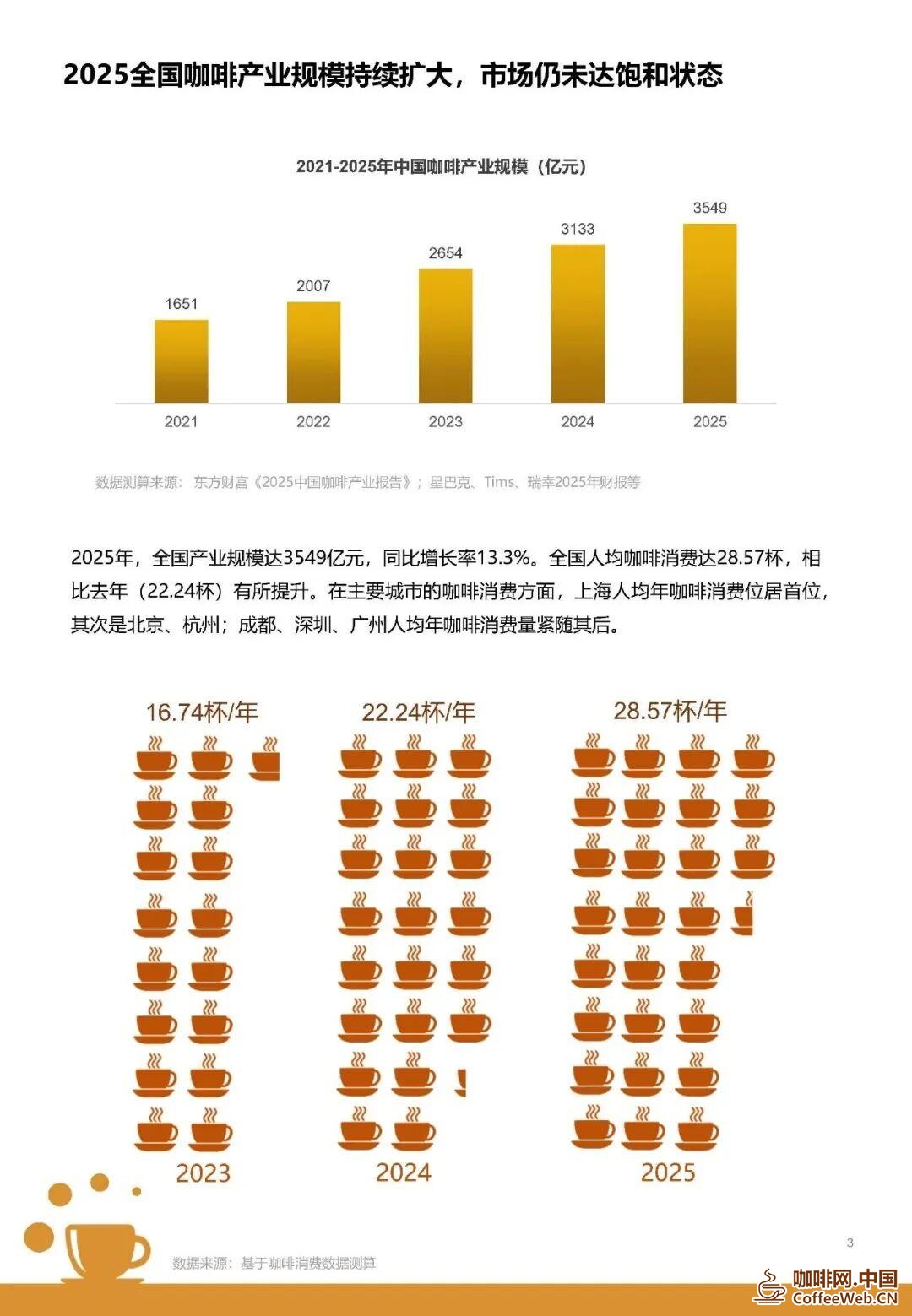
数字无声,却最有力地诉说着变革。2025年,中国咖啡产业规模达到3549亿元,同比增长13.3%。这不仅仅是冰冷的增长曲线,更是全国人均咖啡消费量从22.24杯跃升至28.57杯的鲜活注脚。咖啡,这个曾经的一线城市“时髦标签”,正以惊人速度渗透进中国的城市毛细血管。并且三四线城市展现出巨大潜力,其成交额增速达4.6%,成为驱动市场增长的重要一极。
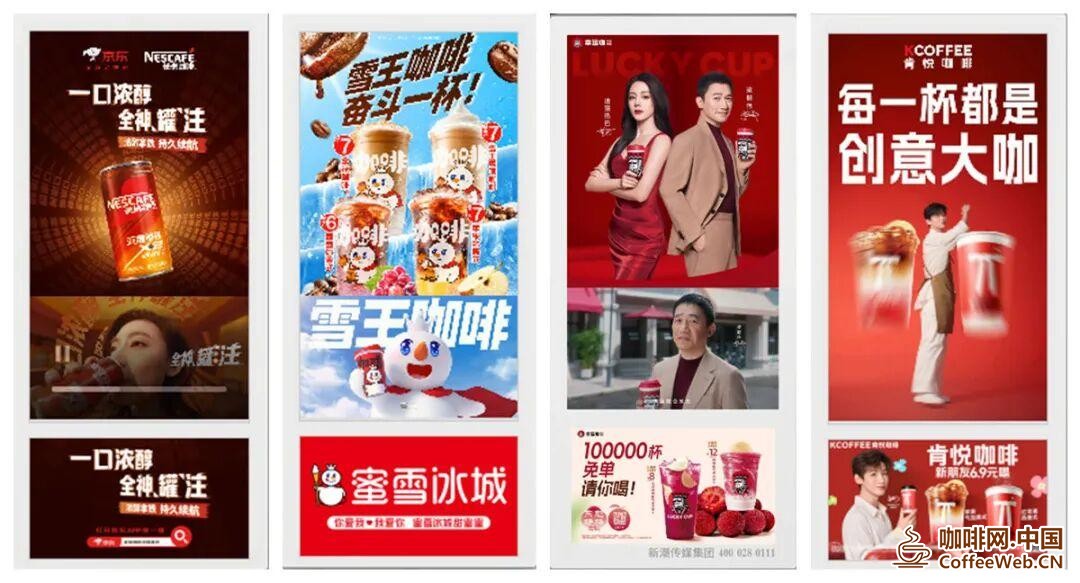
在这场从中心向全域扩散的浪潮中,品牌营销的触角正在强势延伸至消费者生活的真实物理空间。电梯媒体,凭借其封闭空间内的高频、强制、低干扰的触达特性,正成为咖啡品牌深度融入社区、写字楼等核心消费场景的战略载体。它帮助品牌实现对主流消费人群的无缝覆盖,在消费者的生活动线上反复强化品牌认知,从“看见”到“记住”,最终推动“购买”,构筑起牢固的品牌场景共识。
01
消费之变与人群图谱
人、货、场的多维演进
中国咖啡市场正经历一场从普及到分层的深刻变革,在“人、货、场”三个维度呈现出清晰的新图景。
人:女性主导,男性崛起,Z世代与下沉市场潜力释放
消费者结构正在动态重塑。女性依然是市场的绝对主力,消费额占比高达65.45%。而男性消费群体的增长势头迅猛,2025年其成交量增长率大幅提升至15.4%,显示出巨大的增长弹性。
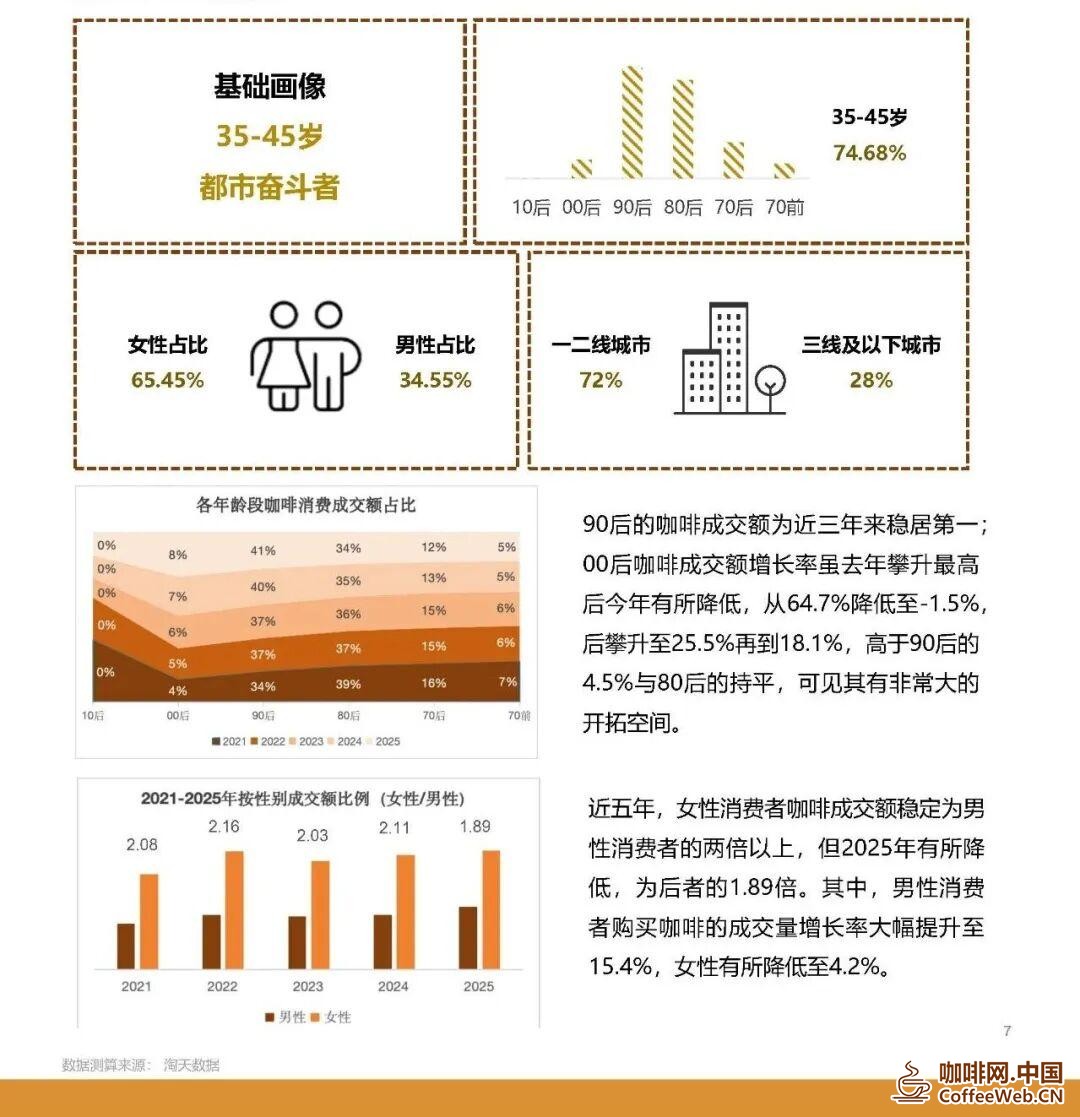
从代际看,90后是当下的消费中坚,占比40.62%。而00后虽目前占比不高,但以18.1%的增长率预示着未来的增长方向。地域分布上,一、二线城市贡献了72%的消费总额,基本盘稳固。但三线及以下城市的增长潜力正逐步释放,成为品牌角逐的新战场。
货:从速溶到精品,消费升级路径清晰
消费品的变迁最能反映市场深度。品类结构呈现出清晰的升级与分化:
咖啡机成交额领跑全品类,占比达28%,标志着家庭与办公场景的自制咖啡需求稳步提升,追求品质与体验。
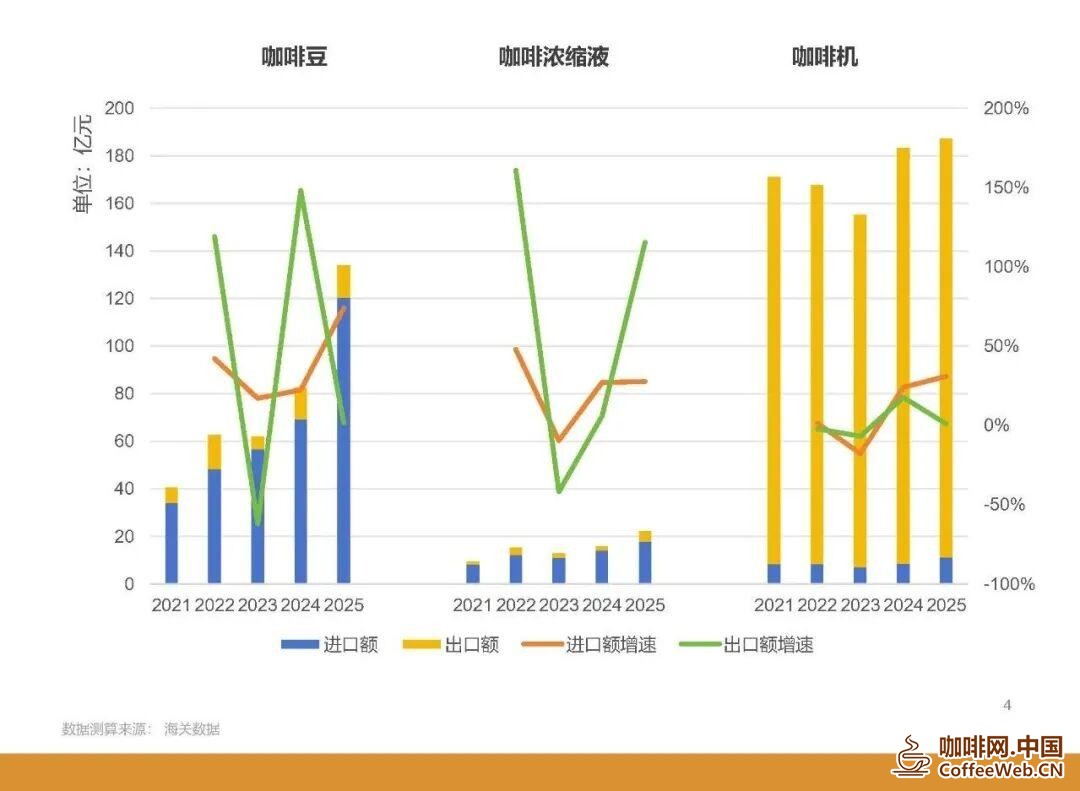
速溶咖啡占比25%,凭借其无可替代的便捷性,稳守大众消费基本盘,并实现69.05%的同比增长。
最大的亮点来自咖啡豆,它以140.38%的超高增速成为最大增长引擎,占比提升至21%。这直观印证了消费者正从“入门级”的速溶,快速迈向“深度体验”的精品咖啡世界。
场:品牌下沉加速,产业带格局凸显
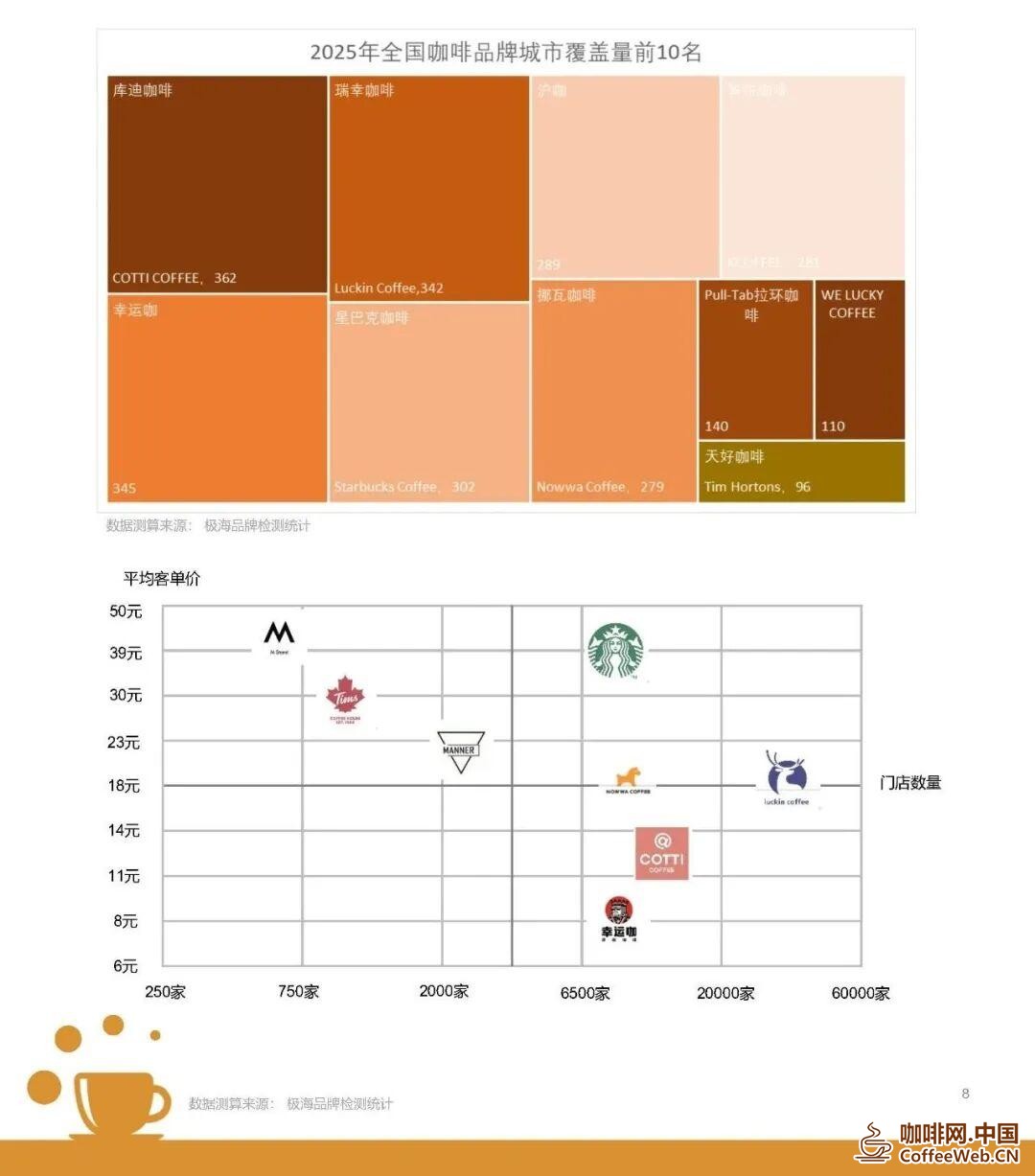
零售终端与产业上游同样风起云涌。全国咖啡门店正加速布局全域市场,形成清晰梯队:
库迪咖啡、瑞幸咖啡、幸运咖构成第一梯队,实现全国广泛覆盖。产业层面,咖啡相关企业注册数量在经历2023年6.27万家的峰值后,2024年理性回落至4.87万家,2025年回升至5.79万家。
中国咖啡市场已步入“全民化、精品化、场景化”的发展新阶段。消费者画像日益多元,消费需求持续升级,市场渠道纵深下沉。一个更成熟、层次更丰富、竞争更激烈的咖啡消费生态正在形成。
02
外卖市场爆发
补贴撬动,下沉主导与时段分化
2025年,咖啡外卖订单量同比增速高达430.86%,总量突破9.9亿单,消费总额跃升至142.189亿元。用户数量突破1.56亿,同比增长3.5倍。这场爆发的核心引擎是平台补贴,仅第三季度就贡献了全年40%的GMV和近70%的新客增量。证明“外卖点咖啡”已从促销驱动,沉淀为大众稳定的长期消费习惯。
区域之变:下沉市场成为绝对增长引擎
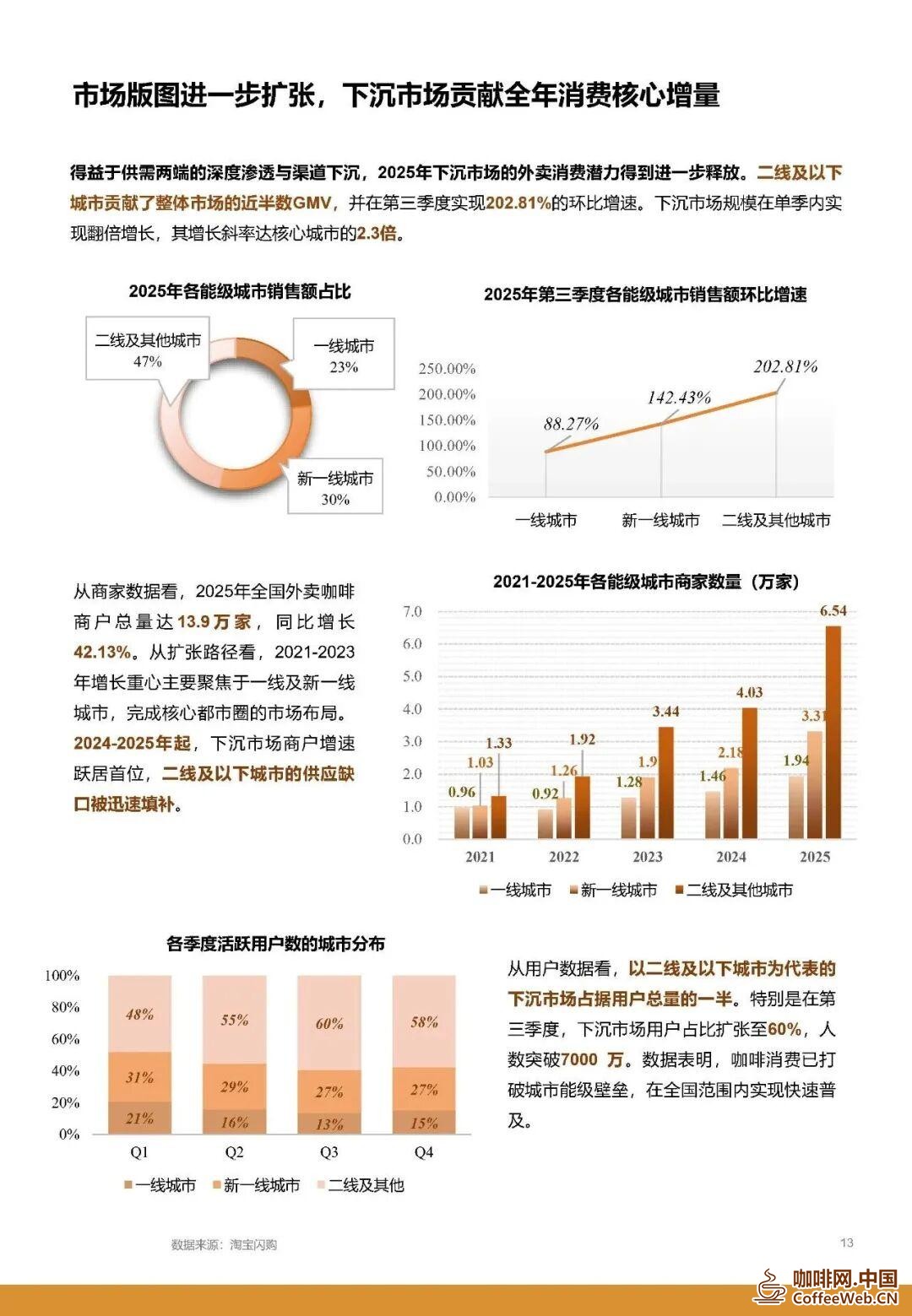
增长的主战场已悄然转移。二线及以下城市贡献了整体市场47%的GMV,并在第三季度实现202.81%的环比增速。2025年,全国外卖咖啡商户总量达13.9万家,同比增长42.13%。其中,下沉市场的商户数量从2021年的1.33万家激增至2025年的6.54万家。用户层面,下沉市场用户占比在第三季度扩张至60%,人数突破7000万,成为用户增长的主要来源。
价格之战:均价腰斩,市场格局剧烈洗牌
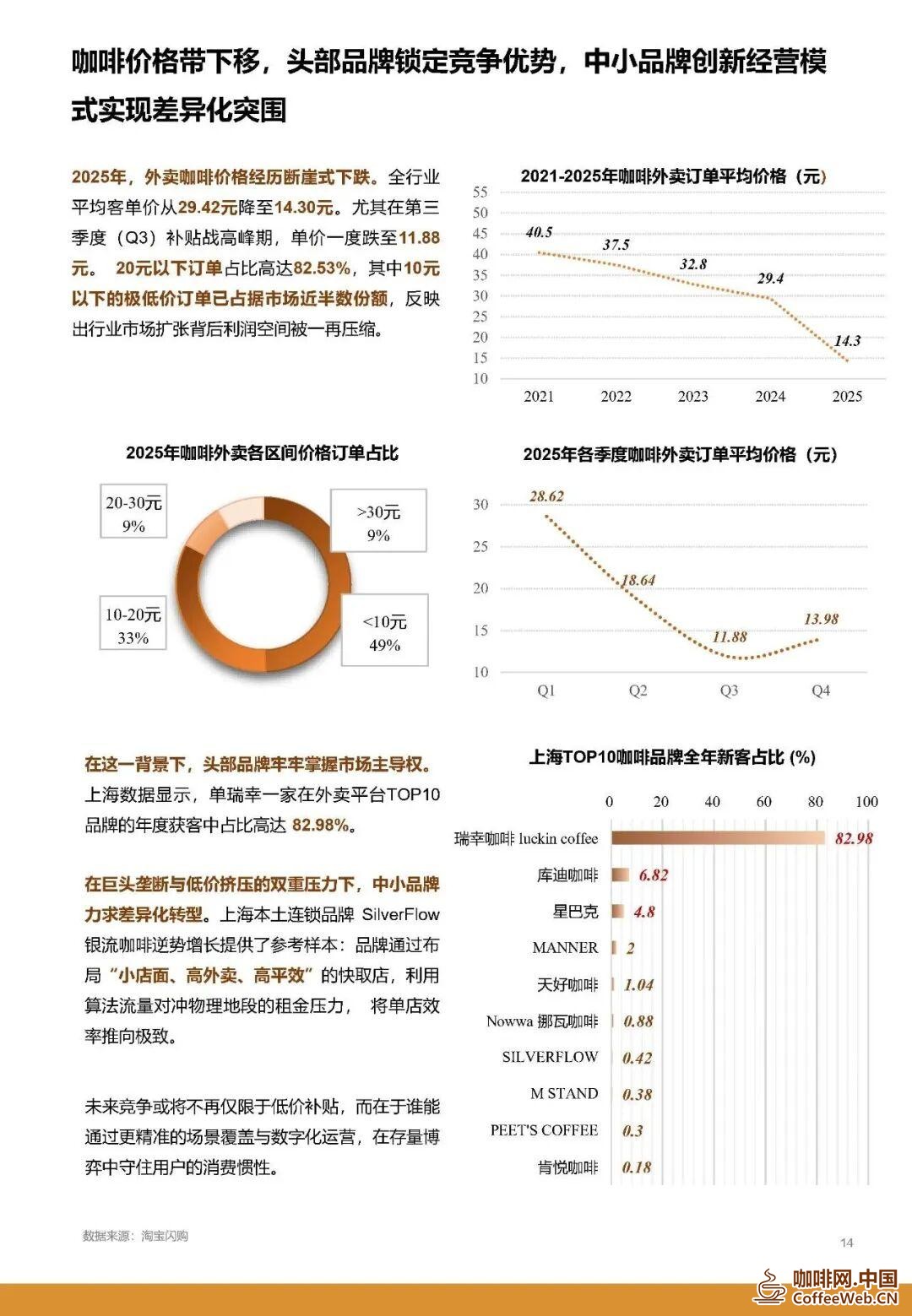
数据显示,全行业平均客单价从29.42元降至14.30元,20元以下订单占比高达82.53%,而10元以下的极低价订单已占据近半数市场份额。在此格局下,中小品牌在巨头垄断与低价挤压下,生存空间受到严峻挑战,被迫寻求差异化转型突围。
外卖市场的爆发,是平台资本、品牌势能与消费者便利性需求共振的结果。它以前所未有的力度教育了市场,尤其是下沉市场,但也带来了价格体系重构和巨头垄断的挑战。
03
深入场景,占领心智
电梯媒体驱动品牌共识与消费转化
咖啡作为一种强场景关联的饮品,其消费决策深受即时环境和反复提示的影响。在此背景下,能够深入社区、写字楼等消费者每日必经之处的电梯媒体,凭借其独特的场景价值,成为咖啡品牌实现精准触达、构建品牌共识的关键利器。
电梯媒体的核心优势在于,它能在一个封闭、无干扰的环境中对主流消费人群进行高频、强制性的触达。对于咖啡品牌而言,这种触达是“场景触发”式的:
精准覆盖:直接渗透家庭社区(家用咖啡机、咖啡豆消费场景)与办公核心区(每日咖啡消费决策地),实现对目标受众的精准包围。
高频曝光:利用消费者每日数次电梯乘坐必经之路,通过反复播放,在短时间内快速建立和强化品牌记忆,解决品牌“被记住”的难题。
驱动消费:在临近消费决策点的场景(上班前、回家后)进行提示,能将品牌认知无缝转化为即时的消费欲望或下一次的购买选择,有效缩短消费决策链路。
在存量竞争与增量扩容并行的咖啡市场中,电梯媒体已不再是简单的广告传播渠道,而是咖啡品牌深度链接消费者、沉淀品牌资产、驱动长效增长的核心战略载体,为行业全域营销升级、品牌差异化竞争提供了重要支撑。
Source: New Tide Media Group
Numbers are silent, yet they speak most powerfully about change. By 2025, the scale of China's coffee industry will reach 354.9 billion yuan, a year-on-year increase of 13.3%. This is not just a cold growth curve, but also a vivid footnote to the rise of per capita coffee consumption in China from 22.24 cups to 28.57 cups. Coffee, once a trendy label in first tier cities, is rapidly infiltrating the capillaries of Chinese cities. And third - and fourth tier cities have shown tremendous potential, with a transaction volume growth rate of 4.6%, becoming an important driving force for market growth.
In this wave of spreading from the center to the whole, the tentacles of brand marketing are strongly extending to the real physical space of consumers' lives. Elevator media, with its high-frequency, mandatory, and low interference accessibility characteristics in enclosed spaces, is becoming a strategic carrier for coffee brands to deeply integrate into core consumer scenarios such as communities and office buildings. It helps brands achieve seamless coverage of mainstream consumer groups, repeatedly strengthening brand awareness on consumers' daily lives, from "seeing" to "remembering", and ultimately promoting "buying", building a solid brand scene consensus.
01
Changes in Consumption and Population Map
Multidimensional evolution of people, goods, and venues
The Chinese coffee market is undergoing a profound transformation from popularization to stratification, presenting a clear new picture in the three dimensions of "people, goods, and venues".
Human: Female dominance, male rise, release of potential for Generation Z and sinking markets
The consumer structure is dynamically reshaping. Women are still the absolute mainstay of the market, accounting for 65.45% of the total consumption. The growth momentum of the male consumer group is rapid, with a significant increase in transaction volume growth rate to 15.4% by 2025, demonstrating a huge growth elasticity.
From an intergenerational perspective, the post-90s generation is currently the backbone of consumption, accounting for 40.62%. Although the proportion of post-2000s is not high at present, a growth rate of 18.1% indicates the future direction of growth. In terms of regional distribution, first and second tier cities contribute 72% of the total consumption, indicating a stable base. But the growth potential of third tier and below cities is gradually being released, becoming a new battlefield for brand competition.
Goods: From instant to premium, the consumption upgrade path is clear
The changes in consumer goods can best reflect the depth of the market. The category structure presents a clear upgrade and differentiation:
The transaction volume of coffee machines leads the entire category, accounting for 28%, indicating a steady increase in demand for homemade coffee in home and office settings, pursuing quality and experience.
Instant coffee accounts for 25% of the market share, and with its irreplaceable convenience, it has stabilized the basic consumer base and achieved a year-on-year growth of 69.05%.
The biggest highlight comes from coffee beans, which have become the largest growth engine with a super high growth rate of 140.38%, increasing their proportion to 21%. This intuitively confirms that consumers are rapidly transitioning from "entry-level" instant coffee to a "deep experience" world of premium coffee.
Market: Brand sinking accelerates, industrial belt pattern highlights
Retail terminals and upstream industries are also surging. Coffee shops across the country are accelerating their layout in the global market, forming a clear hierarchy:
Kudi Coffee, Luckin Coffee, and Lucky Coffee form the first tier, achieving nationwide coverage. At the industry level, the number of registered coffee related enterprises, after experiencing a peak of 62700 in 2023, rationally fell to 48700 in 2024 and rebounded to 57900 in 2025.
The Chinese coffee market has entered a new stage of development characterized by "popularization, refinement, and contextualization". Consumer profiles are becoming increasingly diverse, consumer demand continues to upgrade, and market channels are sinking deeper. A more mature, diverse, and fiercely competitive coffee consumption ecosystem is taking shape.
02
The food delivery market is booming
Subsidy leverage, sinking dominance, and time differentiation
In 2025, the year-on-year growth rate of coffee delivery orders will reach 430.86%, with a total volume exceeding 990 million orders and a total consumption of 14.2189 billion yuan. The number of users has exceeded 156 million, a year-on-year increase of 3.5 times. The core engine of this outbreak is platform subsidies, which contributed 40% of the year's GMV and nearly 70% of new customer growth in the third quarter alone. Prove that 'takeaway coffee' has evolved from being driven by promotions to a stable long-term consumption habit among the public.
Regional Change: Sinking Markets Become Absolute Growth Engines
The main battlefield of growth has quietly shifted. Second tier and below cities contributed 47% of the overall market GMV and achieved a month on month growth rate of 202.81% in the third quarter. By 2025, the total number of takeaway coffee merchants in China will reach 139000, a year-on-year increase of 42.13%. Among them, the number of merchants in the sinking market has surged from 13300 in 2021 to 65400 in 2025. At the user level, the proportion of users in the sinking market expanded to 60% in the third quarter, with the number exceeding 70 million, becoming the main source of user growth.
Price War: The average price is halved, and the market landscape is drastically reshaped
Data shows that the average unit price per customer in the entire industry has decreased from 29.42 yuan to 14.30 yuan, with orders below 20 yuan accounting for 82.53% of the market share, and extremely low price orders below 10 yuan accounting for nearly half of the market share. In this situation, small and medium-sized brands are facing severe challenges in their survival space under the monopoly of giants and the pressure of low prices, and are forced to seek differentiation and transformation to break through.
The outbreak of the food delivery market is the result of the resonance between platform capital, brand potential, and consumer convenience needs. It has educated the market, especially the sinking market, with unprecedented strength, but it has also brought challenges of price system reconstruction and giant monopoly.
03
Go deep into the scene, occupy the mind
Elevator media drives brand consensus and consumer conversion
As a beverage with strong contextual associations, coffee's consumption decisions are deeply influenced by real-time environments and repeated reminders. In this context, elevator media that can penetrate into communities, office buildings, and other daily necessities of consumers, with its unique scene value, has become a key tool for coffee brands to achieve precise outreach and build brand consensus.
The core advantage of elevator media is that it can provide high-frequency and mandatory reach to mainstream consumer groups in a closed and interference free environment. For coffee brands, this kind of outreach is "scene triggered":
Accurate coverage: Directly penetrate the home community (household coffee machines, coffee bean consumption scenes) and the office core area (daily coffee consumption decision-making location), achieving precise coverage of the target audience.
High frequency exposure: By utilizing the essential route that consumers must take when riding elevators multiple times a day, through repeated playback, brand memory can be quickly established and strengthened in a short period of time, solving the problem of brand "being remembered".
Driving consumption: Providing prompts in scenarios close to the consumption decision point (before work, after returning home) can seamlessly transform brand awareness into immediate consumption desires or next purchase choices, effectively shortening the consumption decision chain.
In the coffee market where stock competition and incremental expansion coexist, elevator media is no longer a simple advertising channel, but a core strategic carrier for coffee brands to deeply connect with consumers, accumulate brand assets, and drive long-term growth. It provides important support for the industry's overall marketing upgrade and brand differentiation competition.