从"世界原料仓"到"中国咖啡名片"——2026-2030年云南咖啡产业发展预判深度分析From "World Raw Material Warehouse" to "Chinese Coffee Business Card" - In depth Analysis of Yunnan Coffee Industry Development Forecast from 2026-2030
一、开篇:站在拐点的云南咖啡
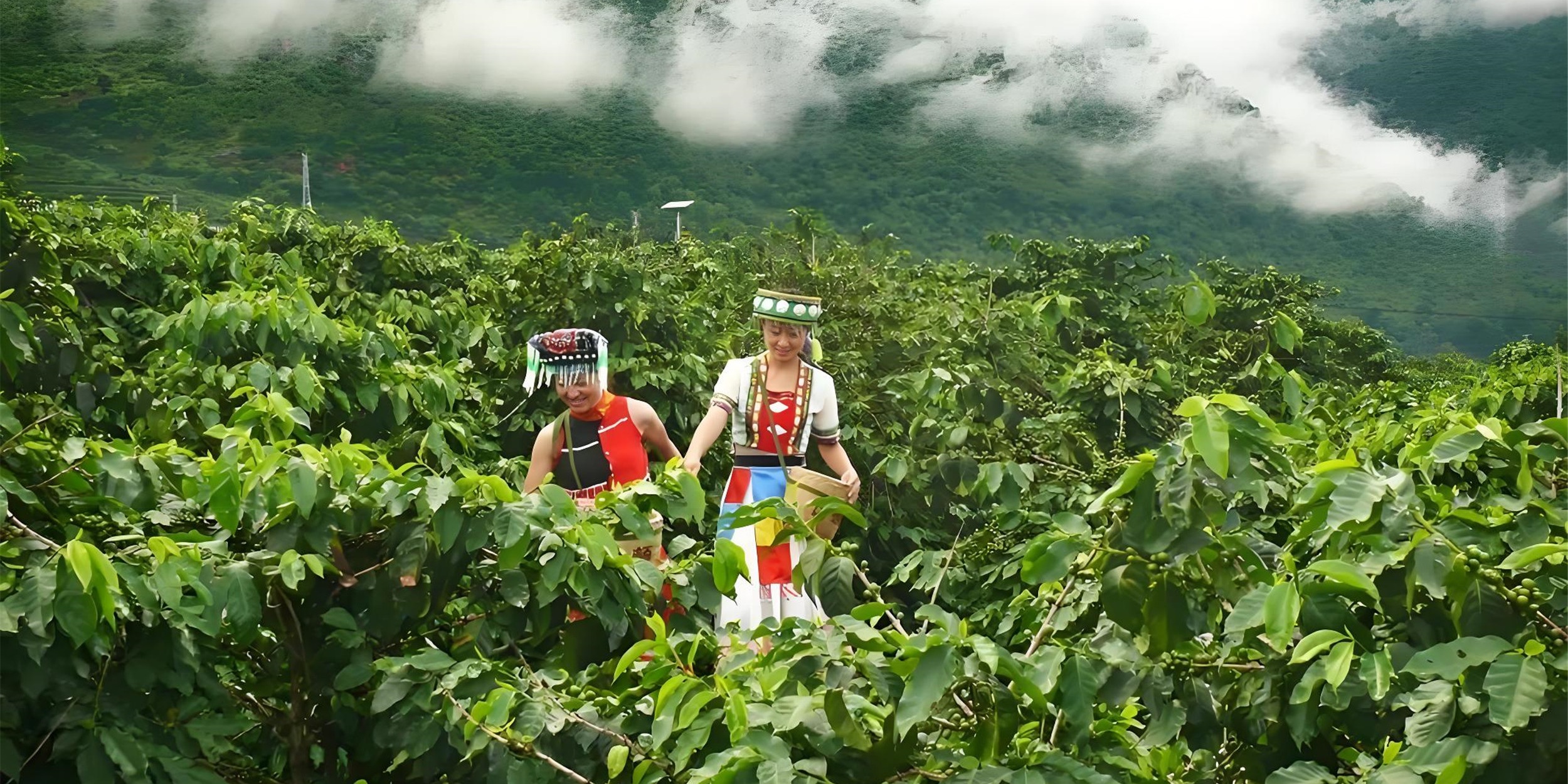
2026年,云南咖啡产业已走过百年引种历史,迎来了真正的战略转折点。过去三十年,云南咖啡长期扮演"国际巨头原料补给站"的角色——低价输出初级生豆,被动跟随纽约洲际交易所(ICE)阿拉比卡期货定价,精品率一度不足8%,精深加工率仅20%。
但随着中国咖啡消费市场爆发(年消费增速超15%)、瑞幸与星巴克等头部连锁大规模锁定云南精品豆、本土品牌(辛鹿、四只猫、后谷等)崛起,叠加云南省"咖六条"等政策强力推动,云南咖啡正从"原料输出型"向"品牌价值型"、从"跟随国际定价"向"内销自主定价"深刻转型。
本文立足于2025-2026年产业底数,对2026-2030年未来五年云南咖啡产业在种植端、加工端、品牌端、三产融合及挑战变量五个维度作出系统预判。
二、现状底数:2025/2026年云南咖啡产业快照
指标 | 数据(2024-2025年均值) | 全国占比 |
|---|---|---|
种植面积 | 约120万~146万亩 | 98% |
年产量(生豆) | 13.5万~15万吨 | 98%+ |
农业产值 | 约48亿~86亿元 | — |
综合产值 | 近千亿元("十四五"末) | — |
精品率 | 31.6%~41.7%(2021年仅8%) | — |
精深加工率 | 80%~85%(2021年仅20%) | — |
内销比例 | 约70%~90%(较早年出口为主反转) | — |
主产区 | 普洱(~52%)、临沧(~20%)、保山(~12%)、德宏(~7%)、西双版纳(~8%) | — |
数据来源:云南省农业农村厅、昆明海关、行业研究机构
关键信号:2025年生豆国内收购价(55-60元/kg)首次持续高于出口离岸折算价,标志内销定价权初步建立;同年出口量同比暴增358%(3.25万吨),系国际期货高价窗口下的阶段性外溢,而非回归旧模式。
三、2026-2030年五大核心维度预判
(一)种植端:品种迭代加速,精品率向50%-60%迈进
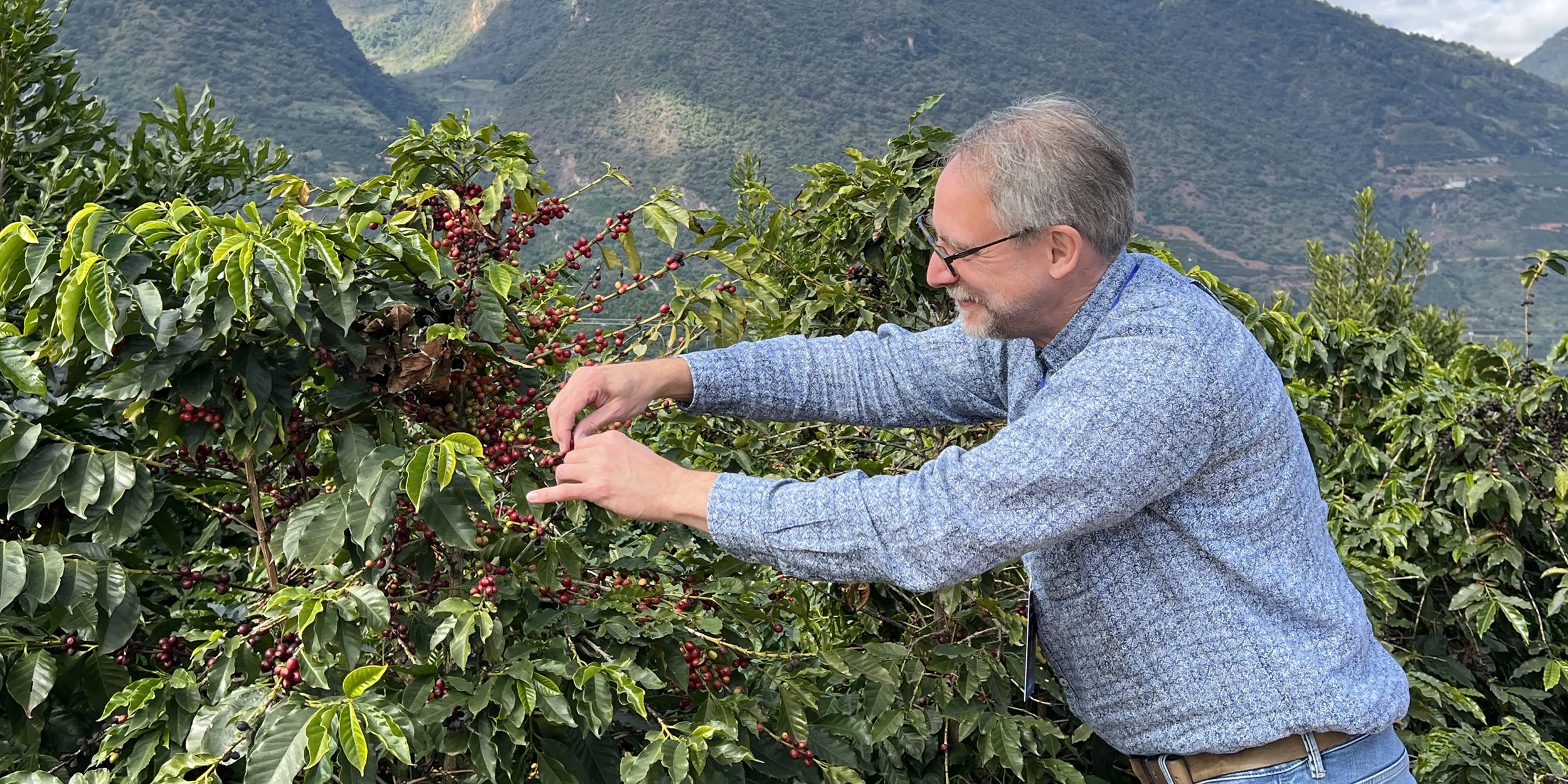
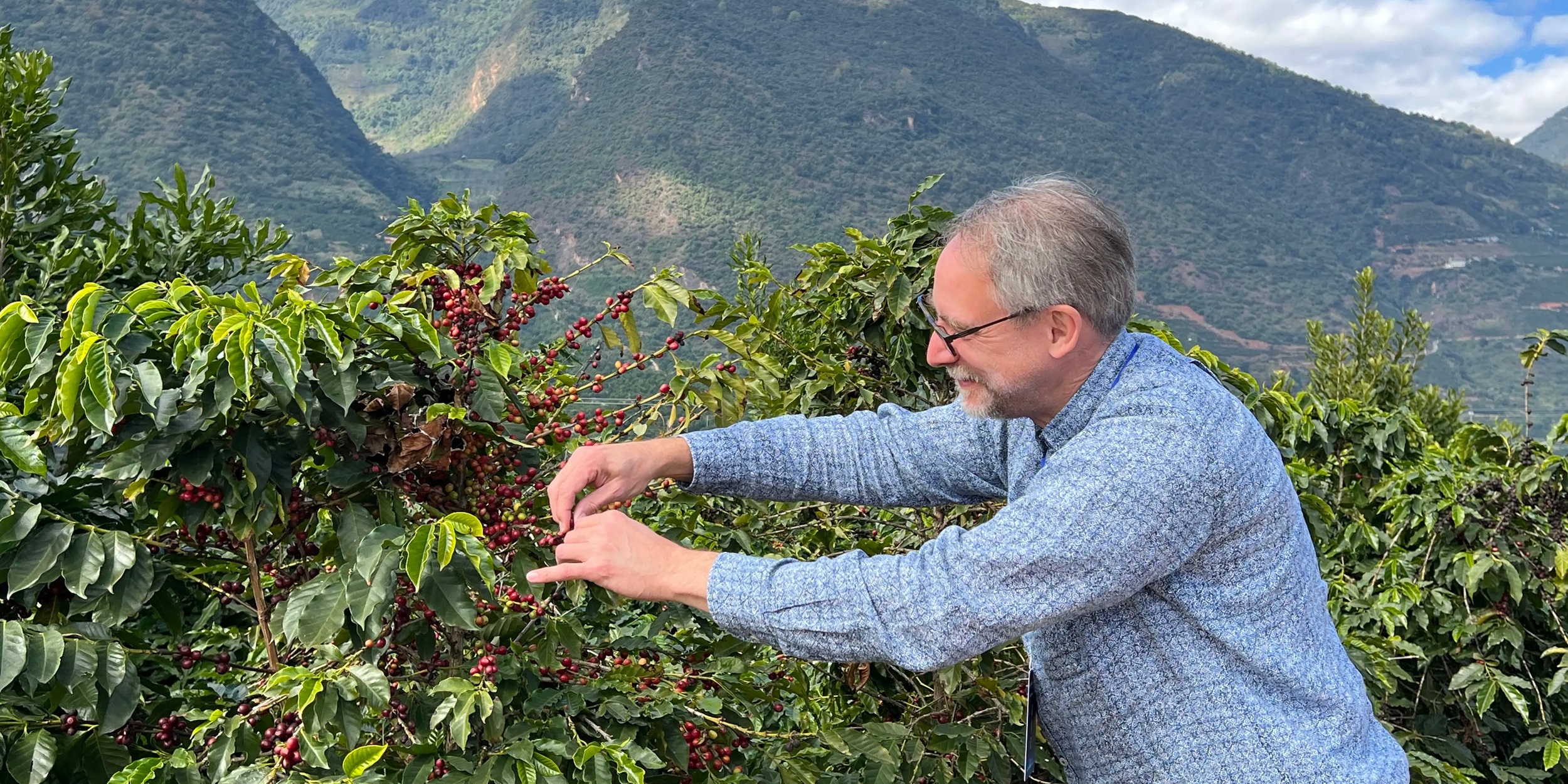
品种结构重塑。传统卡蒂姆(Catimor)因风味平淡、抗病性退化仍占较大比重,但未来五年将是换种窗口期。云南省农科院热经所自主选育的云咖1号、云咖2号(杯测86.75分)、德热(Dehong)系列、RJS0069新品种(杯测超86分),以及引入的瑰夏(Geisha)、铁皮卡(Typica)、波旁(Bourbon),将在普洱、保山、临沧高海拔适宜区加速扩种。预判到2030年,精品/优质品种占比从当前约13%-15%提升至30%-35%,带动整体精品豆产出率(按产量计)突破50%。
种植模式生态化。咖啡+澳洲坚果/核桃/茶树"林下间作""复合种植"模式将在临沧、普洱、西双版纳推广,既符合ESG与国际认证要求(有机、雨林联盟、4C),又平抑气候风险、提升亩均收益30%-50%。
组织化与标准化提升。仍以"企业+合作社+农户"为主体,但头部企业(爱伲、北归、比顿等)推进保底收购+技术托管,散户统一种植管理比例提高,生豆批次稳定性将明显改善——这是国产豆进入国际精品买家视野的前提。
规模预判:受耕地红线约束,种植面积稳中略增(130万~150万亩平台),产量缓慢增至15万~17万吨,增量主要来自单产提升(新良种+精细化管理)。
(二)加工端:精深加工率向95%+,从卖豆子到卖产品
初加工升级。微水/无水鲜果加工生产线(巴西、哥伦比亚设备引进+国产仿制)普及,污水处理量降低90%以上,厌氧日晒、红酒处理、酶促脱胶、K72双水洗等精细化处理法在精品庄园成为标配,形成"云南产区特殊处理风味"辨识度。
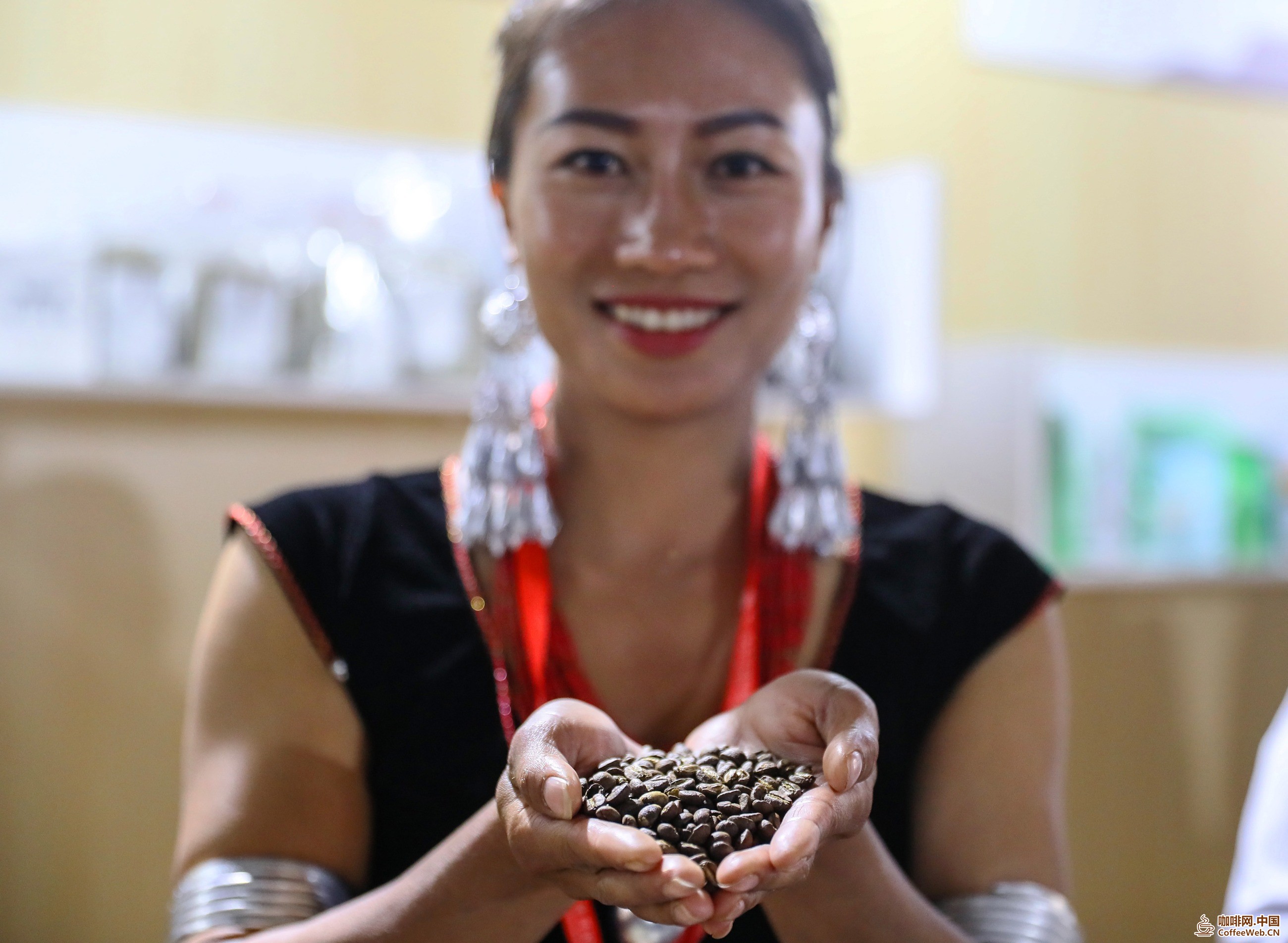
精深加工产能释放。当前精深加工消耗生豆约9.6万吨(占产量80%+),到2030年精深加工率有望达90%-95%。产品矩阵从速溶三合一扩展至:
冻干/喷雾干燥速溶(高端冷萃冻干粉)
冷萃浓缩液/即饮咖啡(RTD)
挂耳咖啡、胶囊、烘焙整豆
高附加值副产物:咖啡果皮茶、咖啡花茶、咖啡果肉酵素、护肤品原料
智能与绿色工厂。AI色选、智能烘焙曲线控制、区块链溯源(记录品种-地块-处理法-杯测分),将成为头部代工厂(OEM/ODM)接大客户(瑞幸、星巴克、库迪、Manner)的准入门槛。
(三)品牌与市场端:本土品牌全国化,"云南咖啡"公共品牌成型
本土品牌矩阵分化:
头部综合品牌(辛鹿/中咖、后谷、景兰、四只猫等):依托电商+直播,2030年前有望出现1-2个年销超10亿级全国知名"云咖"品牌,线上线下全渠道渗透。
精品庄园品牌(比顿、佐园、新寨、来珠克、荣康达等):对标葡萄酒庄园模式,以"单一产地+特殊处理法+庄园游"建立高溢价,主攻精品烘焙商与资深爱好者。
新锐细分品牌(花田萃、时澄、万有引力及你计划中的西双版纳自有商标贴牌):切入地域伴手礼、礼品定制、细分风味拼配,以差异化叙事生存。
"云南咖啡"地理标志与区域公用品牌。由省市政府推动统一品质标准、风味描述语、溯源标识,"Yunnan Coffee"有望在2030年前成为与"Colombia""Ethiopia"并列的认知标签——至少在中国及东南亚市场。
内需主导,适度出口精品豆。国内咖啡消费预计2030年达35万~40万吨以上,云南自给率从当前不足40%缓升至45%-50%。出口结构中,低价商业生豆占比持续下降,精品生豆出口欧美、日韩高端烘焙商及东南亚新兴市场(依托RCEP零关税)占比上升。
现制咖啡连锁加持。瑞幸(保山鲜果处理厂已投产)、星巴克(云南直采农场超3400个,累计采购超7万吨)、库迪(临沧基地)、幸运咖等持续加大云南豆采购比例并指定拼配配方,倒逼上游标准化。
(四)三产融合:咖旅成为新增长极,庄园经济崛起
预判2026-2030年,"咖啡+文旅+研学+非遗"成云南咖啡产业标配增值板块:
精品咖啡庄园游:保山、普洱、临沧将出现10-15家具备国际接待能力的精品庄园(类比酒庄),年接待研学/游客超20万人次,门票+产品销售+住宿综合收益可观。
咖旅路线品牌化:"云南咖啡寻豆之旅""普洱茶咖双修之旅""西双版纳热带雨林咖啡探秘"等被纳入云南文旅官方推荐线路。
乡村振兴纽带:咖啡产业直接带动普洱等地20余万咖农,精品溢价反哺农户,成为高原特色农业促农增收核心支柱。
西双版纳虽非最大种植区,但凭借旅游客流优势,在"咖旅融合+伴手礼贴牌"细分赛道有特殊机会——这正是你前期规划的切入点。
(五)科技、政策与数字化赋能
种业创新平台:2026年"云南咖啡产业创新研究院"(省农科院牵头,45家企业共建)将持续推出自主知识产权新品种,打破对国外品种依赖。
数字溯源与电商:区块链生豆溯源、物联网田间监测普及;抖音/小红书/京东"云咖"专区持续增长(5年涨幅超30倍),直播电商成中小品牌冷启动核心渠道。
政策托底:中央优势特色产业集群资金(3年1.5亿+)、云南省精品种植每亩1000元奖补、精深加工线投资额10%奖补等延续,"十五五"规划明确咖啡为高原特色农业重点产业,目标2030年综合产值突破150亿~600亿(视统计口径)。
四、挑战与风险变量
尽管前景明朗,未来五年云南咖啡仍面临现实制约:
品种迭代周期长:瑰夏等精品种从试种到大规模稳产需5-8年,2030年前卡蒂姆仍占相当比重,风味多样性短期受限。
小农结构导致品质波动:散户采摘(成熟度不一)、初加工水平参差,批次间杯测差异仍是大型烘焙品牌顾虑点,需更强组织化弥合。
低价进口豆冲击:RCEP下越南罗布斯塔(零关税)、巴西阿拉比卡低价进口,对云南商业级(非精品)生豆形成价格天花板,"优质优价"分化将加剧——普通豆承压,精品豆享有溢价。
气候风险:全球变暖致开花期异常、干旱/霜冻概率增加,高海拔适应性品种推广紧迫性上升。
品牌认知短板:国际市场"Yunnan Coffee"尚未形成像哥伦比亚那样的稳定风味认知,需持续通过CoE(卓越杯)赛事、国际烘焙师探访、杯测会建立声誉。
五、2030年终局预判小结
到2030年,云南将稳固为全球重要的精品阿拉比卡产区之一、中国咖啡绝对核心基地;形成从种子到杯子的全产业链闭环;"云南咖啡"区域公用品牌在国内具广泛认知、在东南亚具影响力、在欧美精品圈获认可;咖啡成为云南绿色经济+乡村振兴+文旅融合支柱产业之一,"世界喝云南咖啡"从口号走向局部现实。
From "World Raw Material Warehouse" to "Chinese Coffee Business Card" - In depth Analysis of Yunnan Coffee Industry Development Forecast from 2026-2030
1、 Opening: Yunnan Coffee Standing at the Turning Point
In 2026, the coffee industry in Yunnan has gone through a hundred years of introduction history and ushered in a true strategic turning point. Over the past thirty years, Yunnan coffee has long played the role of an "international giant raw material supply station" - exporting primary green beans at low prices, passively following the pricing of Arabica futures on the New York Intercontinental Exchange (ICE), with a premium rate of less than 8% and a deep processing rate of only 20%.
But with the outbreak of the Chinese coffee consumption market (with an annual consumption growth rate of over 15%), large-scale lock-in of Yunnan premium beans by top chains such as Luckin Coffee and Starbucks, and the rise of local brands (such as Xinlu, Sizhimao, Hougu, etc.), coupled with strong policies such as Yunnan Province's "Six Measures for Coffee", Yunnan coffee is undergoing a profound transformation from "raw material export oriented" to "brand value oriented", and from "following international pricing" to "domestic independent pricing".
This article is based on the industry base from 2025 to 2026, and makes a systematic prediction of the Yunnan coffee industry in five dimensions: planting, processing, branding, integration of the tertiary industry, and challenge variables for the next five years from 2026 to 2030.
2、 Current situation: snapshot of Yunnan coffee industry in 2025/226
indicator
Data (average from 2024-2025)
national proportion
planting area
About 1.2 million to 1.46 million acres
98%
Annual production (raw beans)
135000 to 150000 tons
98%+
Agricultural output value
About 4.8 billion to 8.6 billion yuan
—
Comprehensive output value
Nearly 100 billion yuan (by the end of the 14th Five Year Plan)
—
Premium rate
31.6% to 41.7% (only 8% in 2021)
—
Deep processing rate
80% to 85% (only 20% in 2021)
—
Domestic sales ratio
About 70% to 90% (a reversal from earlier export dominance)
—
main producing area
Pu'er (~52%), Lincang (~20%), Baoshan (~12%), Dehong (~7%), Xishuangbanna (~8%)
—
Data sources: Yunnan Provincial Department of Agriculture and Rural Affairs, Kunming Customs, and industry research institutions
Key signal: In 2025, the domestic purchase price of green beans (55-60 yuan/kg) will continue to be higher than the offshore export conversion price for the first time, indicating the initial establishment of pricing power for domestic sales; In the same year, the export volume surged by 358% year-on-year (32500 tons), which was a temporary overflow under the high price window of international futures, rather than a return to the old pattern.
3、 Prediction of the Five Core Dimensions from 2026 to 2030
(1) Planting end: Variety iteration accelerates, with a premium rate moving towards 50% -60%
Reshaping of variety structure. Traditional Catimor still accounts for a large proportion due to its bland flavor and reduced disease resistance, but the next five years will be a window period for crop replacement. The Yunka 1, Yunka 2 (with a cup test score of 86.75), Dehong series, RJS0069 new variety (with a cup test score exceeding 86) independently selected by the Institute of Heat Economics of Yunnan Academy of Agricultural Sciences, as well as the introduced Guisha, Typica, and Bourbon, will be rapidly expanded in high-altitude suitable areas of Pu'er, Baoshan, and Lincang. It is predicted that by 2030, the proportion of premium/high-quality varieties will increase from the current 13% -15% to 30% -35%, driving the overall yield of premium beans (based on production) to exceed 50%.
Ecological planting mode. The "understory intercropping" and "composite planting" model of coffee+Australian nuts/walnuts/tea trees will be promoted in Lincang, Pu'er, and Xishuangbanna, which not only meets ESG and international certification requirements (organic, Rainforest Alliance, 4C), but also mitigates climate risks and increases per acre income by 30% -50%.
Organizational and standardization improvement. The main body still consists of "enterprises+cooperatives+farmers", but leading enterprises (Aini, Beigui, Bitun, etc.) are promoting guaranteed purchases+technical trusteeship, increasing the proportion of unified planting management by individual investors, and significantly improving the stability of raw bean batches - this is a prerequisite for domestic beans to enter the international premium buyer's field of vision.
Scale prediction: Constrained by the red line of arable land, the planting area has steadily increased slightly (1.3 million to 1.5 million mu platform), and the yield has slowly increased to 150000 to 170000 tons, mainly due to the increase in yield (new varieties+refined management).
(2) Processing end: With a deep processing rate of over 95%, from selling beans to selling products
Initial processing upgrade. Micro water/waterless fresh fruit processing production lines (imported equipment from Brazil and Colombia+domestic imitation) have been popularized, reducing sewage treatment capacity by more than 90%. Fine processing methods such as anaerobic sun drying, red wine treatment, enzymatic degumming, and K72 double washing have become standard in boutique estates, forming the recognition of "Yunnan special processing flavor".
Release of deep processing capacity. Currently, deep processing consumes about 96000 tons of raw beans (accounting for over 80% of production), and the deep processing rate is expected to reach 90% -95% by 2030. The product matrix has expanded from instant three in one to:
Freeze drying/spray drying instant (high-end cold extraction freeze-dried powder)
Cold extraction concentrate/ready to drink coffee (RTD)
Hanging ear coffee, capsules, roasted whole beans
High value-added by-products: coffee peel tea, coffee flower tea, coffee pulp enzyme, skincare ingredients
Intelligent and Green Factory. AI color selection, intelligent baking curve control, and blockchain traceability (recording varieties land plots processing methods cup scoring) will become the entry threshold for top OEM/ODM manufacturers to connect with major customers (Luckin, Starbucks, Kudi, Manner).
(3) Brand and market side: National localization of local brands, formation of the public brand "Yunnan Coffee"
Differentiation of local brand matrix:
Top comprehensive brands (Xinlu/Zhongka, Hougu, Jinglan, Sizhimao, etc.): relying on e-commerce and live streaming, it is expected to have 1-2 nationally renowned "cloud coffee" brands with annual sales exceeding 1 billion yuan by 2030, with full channel penetration both online and offline.
Boutique estate brands (such as Biton, Zoyuan, Xinzhai, Laizhuke, Rongkangda, etc.): benchmarking the wine estate model, establishing high premiums through "single origin+special treatment+estate tourism", focusing on boutique bakers and senior enthusiasts.
New segmented brands (Huatian Cui, Shicheng, Universal Gravity, and your planned Xishuangbanna self owned trademark branding): Enter the regional souvenir market, customize gifts, and segment flavor combinations to survive through differentiated storytelling.
Geographical indication and regional public brand of 'Yunnan Coffee'. Driven by the provincial and municipal governments to unify quality standards, flavor descriptions, and traceability labels, "Yunnan Coffee" is expected to become a cognitive label on par with "Colombia" and "Ethiopia" by 2030- at least in the Chinese and Southeast Asian markets.
Domestic demand driven, moderate export of high-quality beans. Domestic coffee consumption is expected to reach over 350000 to 400000 tons by 2030, and Yunnan's self-sufficiency rate is expected to gradually increase from less than 40% to 45% -50%. In the export structure, the proportion of low-priced commercial green beans continues to decline, while the proportion of high-quality green beans exported to high-end bakers in Europe, America, Japan, and South Korea, as well as emerging markets in Southeast Asia (relying on RCEP zero tariffs), has increased.
Fresh coffee chain endorsement. Luckin Coffee (Baoshan Fresh Fruit Processing Plant has been put into operation), Starbucks (over 3400 Yunnan direct procurement farms, with a cumulative purchase of over 70000 tons), Kudi (Lincang Base), Lucky Coffee, and others continue to increase the proportion of Yunnan bean procurement and specify blending formulas, forcing upstream standardization.
(4) Integration of the tertiary industry: Coffee and tourism become new growth poles, and estate economy rises
It is predicted that from 2026 to 2030, "coffee+cultural tourism+research and education+intangible cultural heritage" will become the standard value-added sector of Yunnan's coffee industry
Boutique Coffee Estate Tour: Baoshan, Pu'er, and Lincang will have 10-15 boutique estates (similar to wineries) with international reception capabilities, with an annual reception of over 200000 students/tourists. The comprehensive income from ticket sales, product sales, and accommodation is considerable.
The branding of coffee tourism routes: "Yunnan Coffee Search for Beans Journey", "Pu erh Tea and Coffee Double Cultivation Journey", "Xishuangbanna Tropical Rainforest Coffee Exploration", etc. have been included in the official recommended routes of Yunnan cultural tourism.
The link of rural revitalization: The coffee industry directly drives more than 200000 coffee farmers in Pu'er and other areas, and premium premium products are fed back to farmers, becoming the core pillar of promoting agricultural and income growth in high-altitude characteristic agriculture.
Although Xishuangbanna is not the largest planting area, it has a special opportunity in the segmented track of "coffee tourism integration+souvenir branding" with the advantage of tourist flow - this is exactly the starting point of your early planning.
(5) Technology, Policy, and Digital Empowerment
Seed Industry Innovation Platform: In 2026, the Yunnan Coffee Industry Innovation Research Institute (led by the Provincial Academy of Agricultural Sciences and jointly established by 45 enterprises) will continue to launch new varieties with independent intellectual property rights, breaking the dependence on foreign varieties.
Digital traceability and e-commerce: blockchain based soybean traceability, popularization of IoT field monitoring; Tiktok/Xiaohongshu/JD "Cloud Cafe" zone continued to grow (an increase of more than 30 times in five years), and live broadcast e-commerce became a core channel for small and medium-sized brands to start cold.
Policy support: Central advantageous characteristic industry cluster funds (over 150 million yuan in 3 years), Yunnan Province's premium planting subsidy of 1000 yuan per mu, and 10% subsidy for investment in deep processing lines will continue. The "15th Five Year Plan" specifies that coffee is a key industry in high-altitude characteristic agriculture, with the goal of achieving a comprehensive output value of 15 billion to 60 billion yuan by 2030 (depending on statistical standards).
4、 Challenges and Risk Variables
Despite the bright future, Yunnan coffee still faces practical constraints in the next five years:
The iteration cycle of varieties is long: it takes 5-8 years for premium varieties such as Guixia to reach large-scale stable production from trial planting, and until 2030, Katim still accounts for a considerable proportion, which limits the short-term diversity of flavors.
The small-scale farming structure leads to quality fluctuations: individual pickings (varying maturity levels), uneven initial processing levels, and differences in batch cup testing are still concerns for large baking brands, which require stronger organizational bridging.
Impact of low-priced imported beans: Under RCEP, low-priced imports of Robusta from Vietnam (zero tariff) and Arabica from Brazil have created a price ceiling for commercial grade (non premium) green beans in Yunnan, intensifying the differentiation between "high-quality and high price" - ordinary beans are under pressure, while premium beans enjoy a premium.
Climate risk: Global warming leads to abnormal flowering periods, increased probability of drought/frost, and increased urgency for promoting high-altitude adaptive varieties.
Brand awareness shortcoming: Yunnan Coffee has not yet formed a stable flavor recognition in the international market like Colombia, and needs to continue to establish its reputation through CoE (Cup of Excellence) competitions, international roaster visits, and cup testing events.
5、 Summary of Final Prediction for 2030
By 2030, Yunnan will firmly establish itself as one of the world's important premium Arabica producing regions and an absolute core base for Chinese coffee; Form a closed loop of the entire industry chain from seeds to cups; The regional public brand of "Yunnan Coffee" has gained widespread recognition in China, influence in Southeast Asia, and recognition in the European and American boutique circles; Coffee has become one of the pillar industries of Yunnan's green economy, rural revitalization, and cultural tourism integration, and the slogan of "the world drinks Yunnan coffee" has moved from a slogan to a local reality.