麦芽汁兑咖啡,樱桃酱配海盐!北京村咖大赛太有想象力了!Malt juice mixed with coffee, cherry sauce with sea salt! The Beijing Village Cafe Competition is so imaginative!
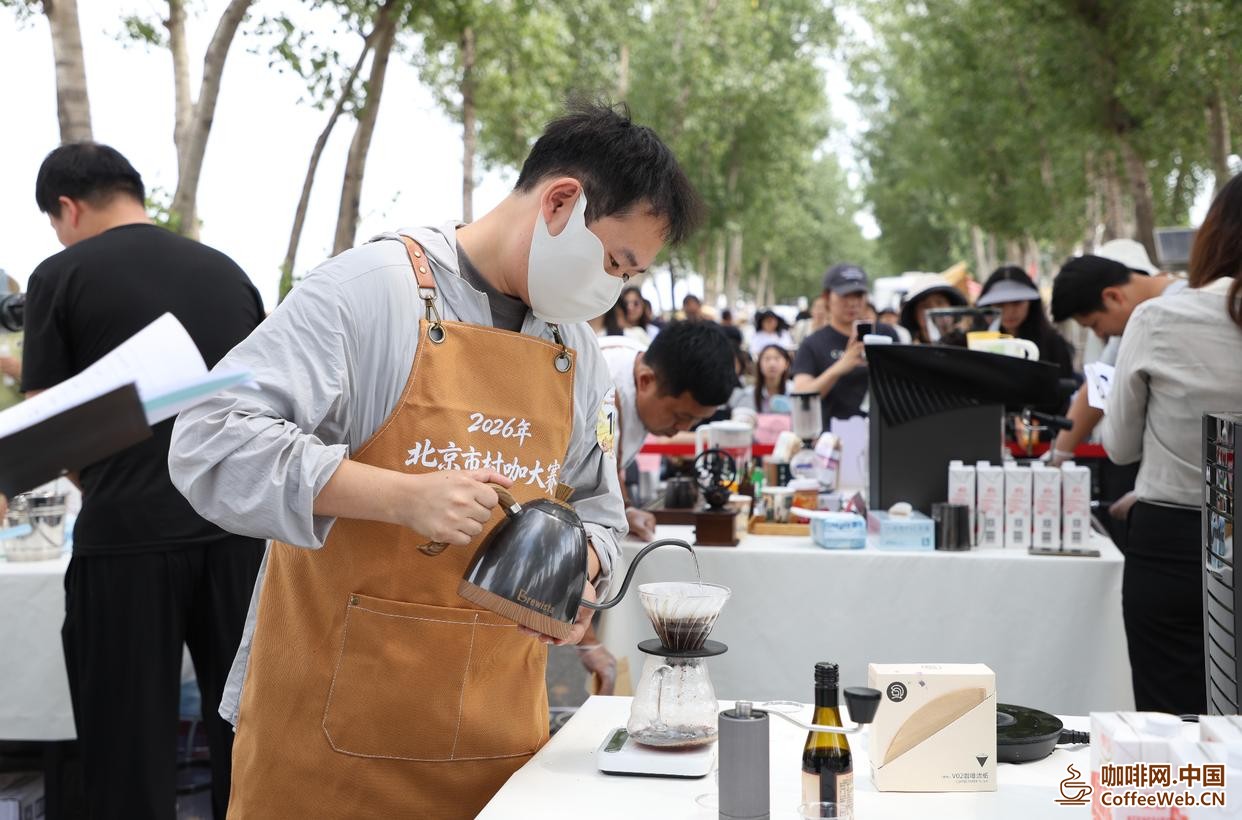
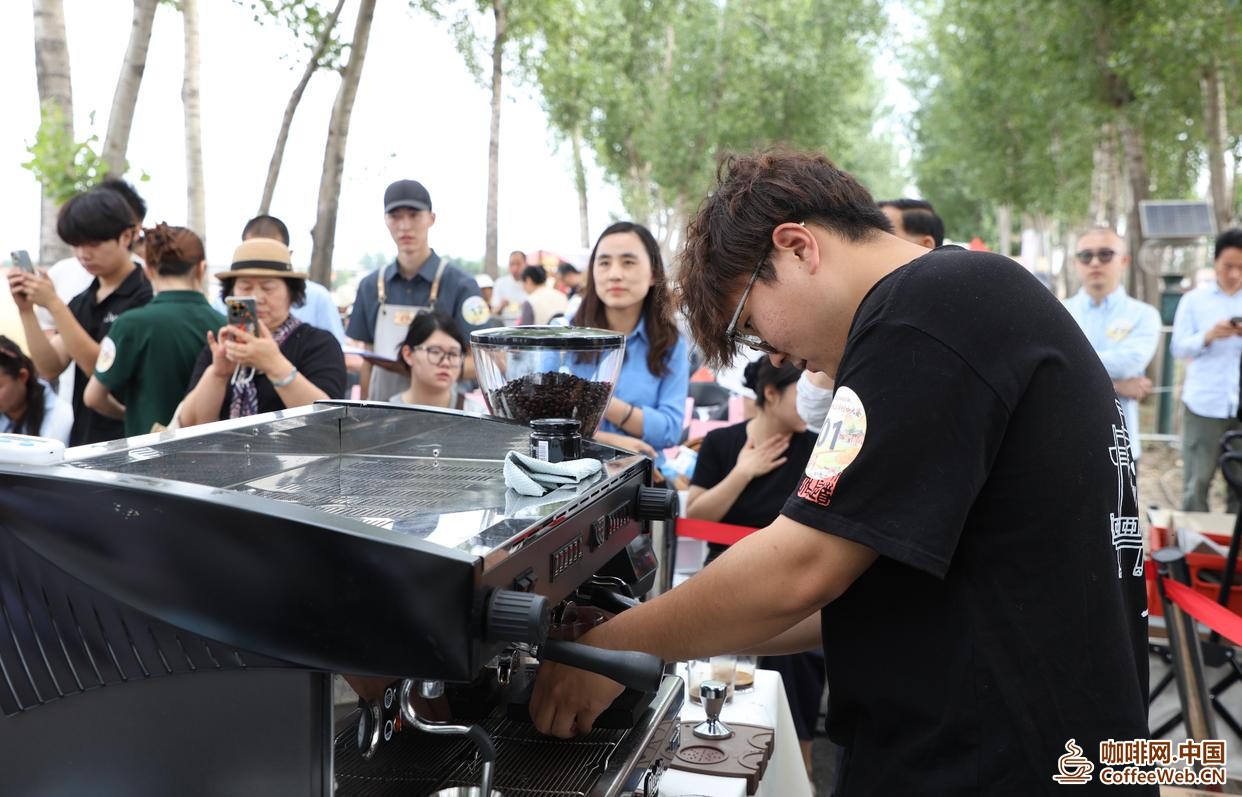
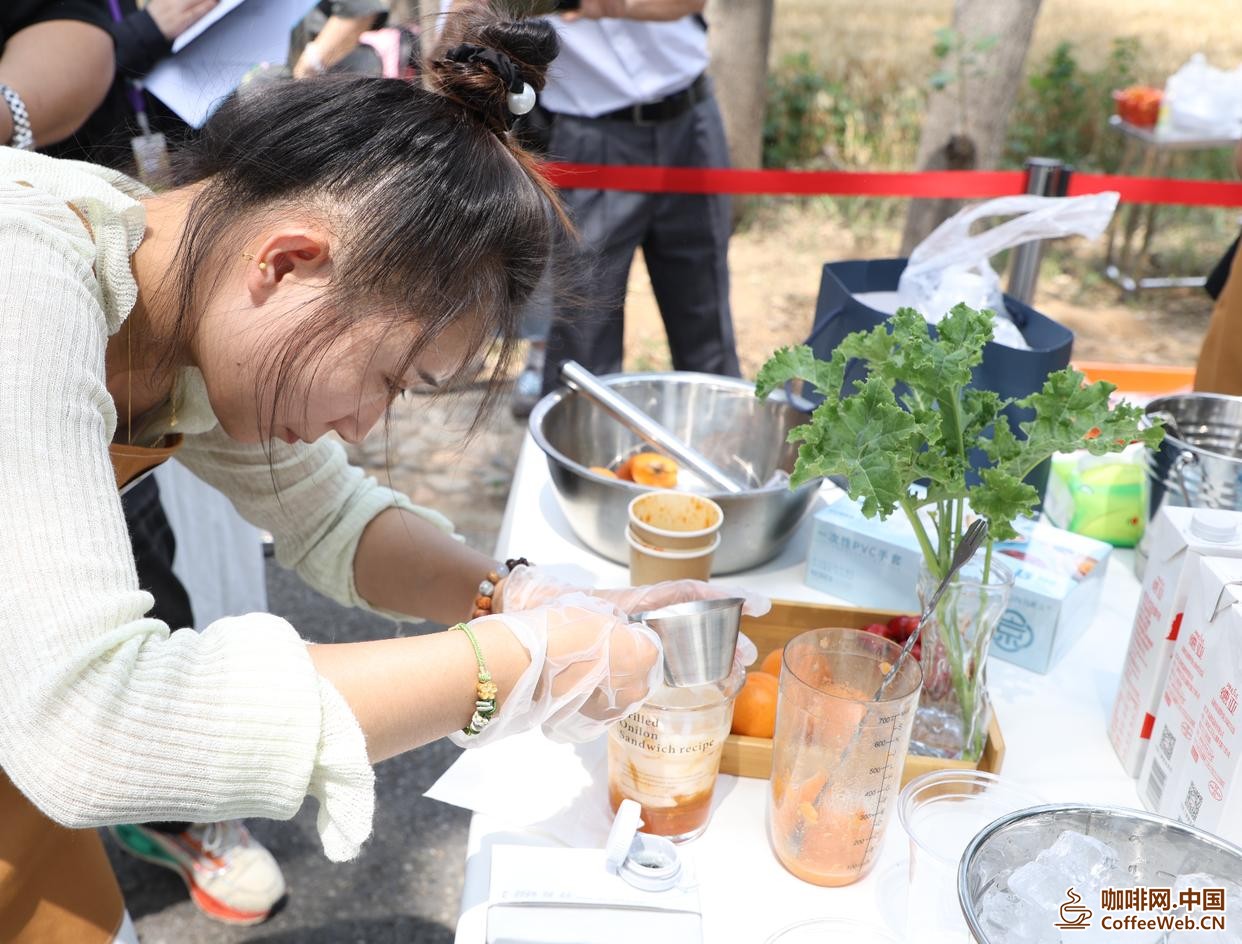
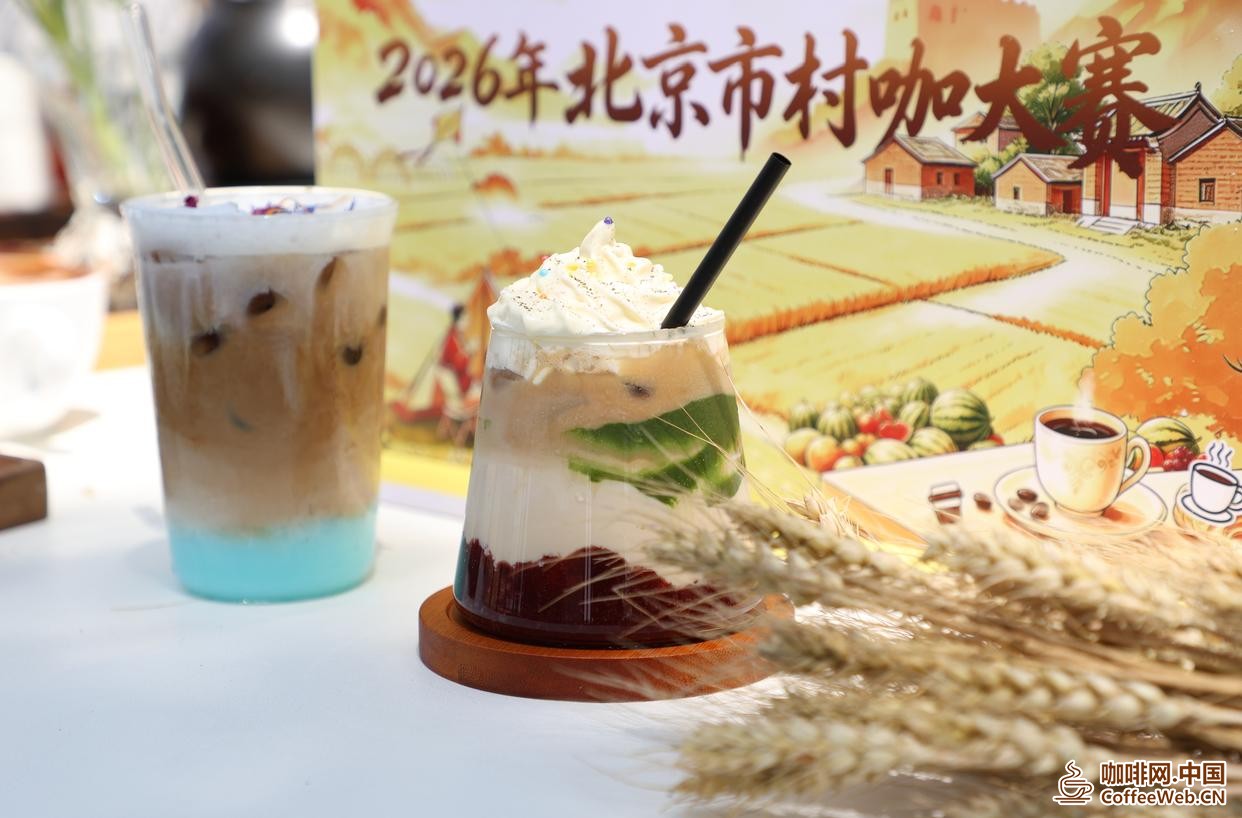
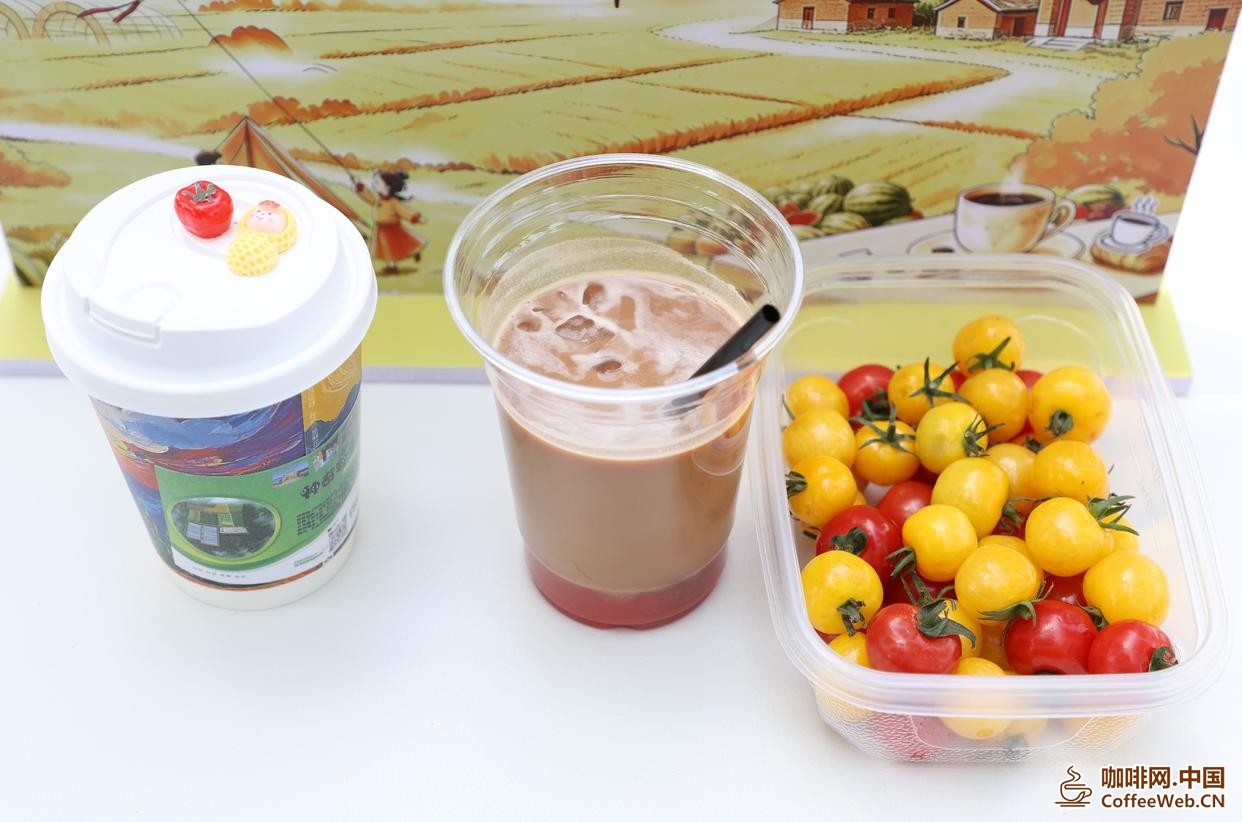
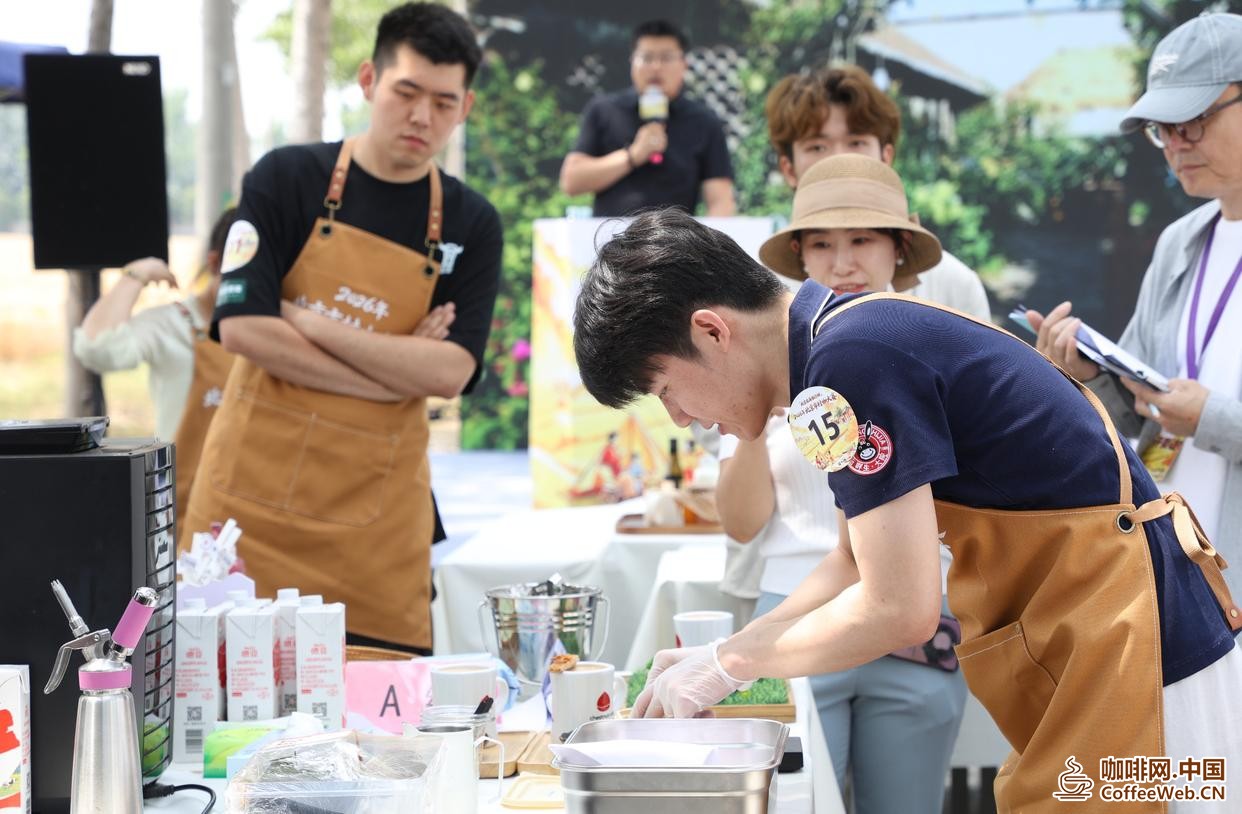
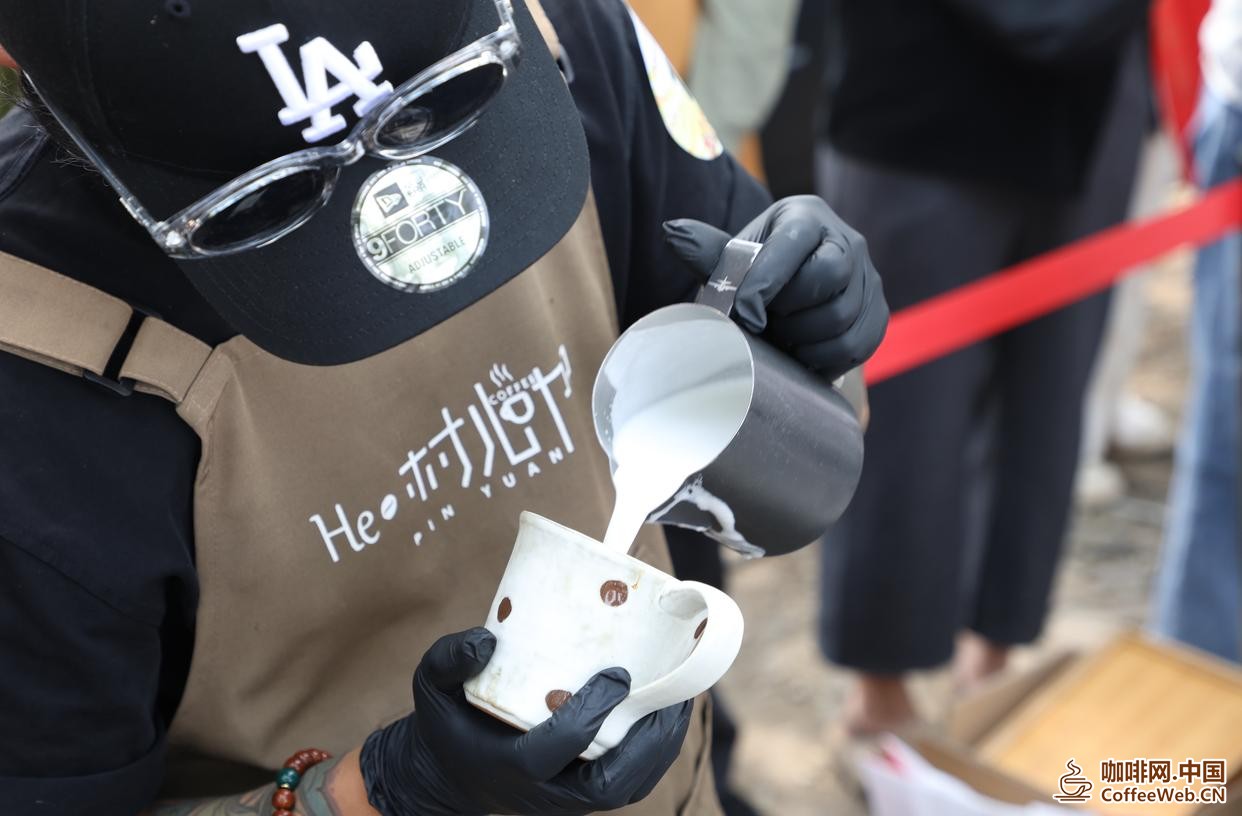
On June 12th, the preliminary round of the Beijing Village Coffee Competition Eastern Division began in Miyun. The preliminary round of this competition adopts a zone selection mode, with two major regions: the eastern and western regions. The preliminary round of the eastern region is the first competition of this city level rural coffee competition, and the preliminary round of the western region will officially start in July. After layers of competition and screening, the outstanding participants who stand out in the preliminary round will successfully advance to the municipal finals and continue to compete for major awards in September.
The competition venue is located in Pingtou Village, Zhai Town, Henan Province, with thousands of acres of wheat fields already golden in color. Under the shade of trees, a unique and creative competition for rural coffee is taking place. All contestants must use the coffee machine, coffee beans, milk and water provided uniformly at the scene - the basic materials are the same, and the real competition is all about the integration of their own ingenuity and local elements.
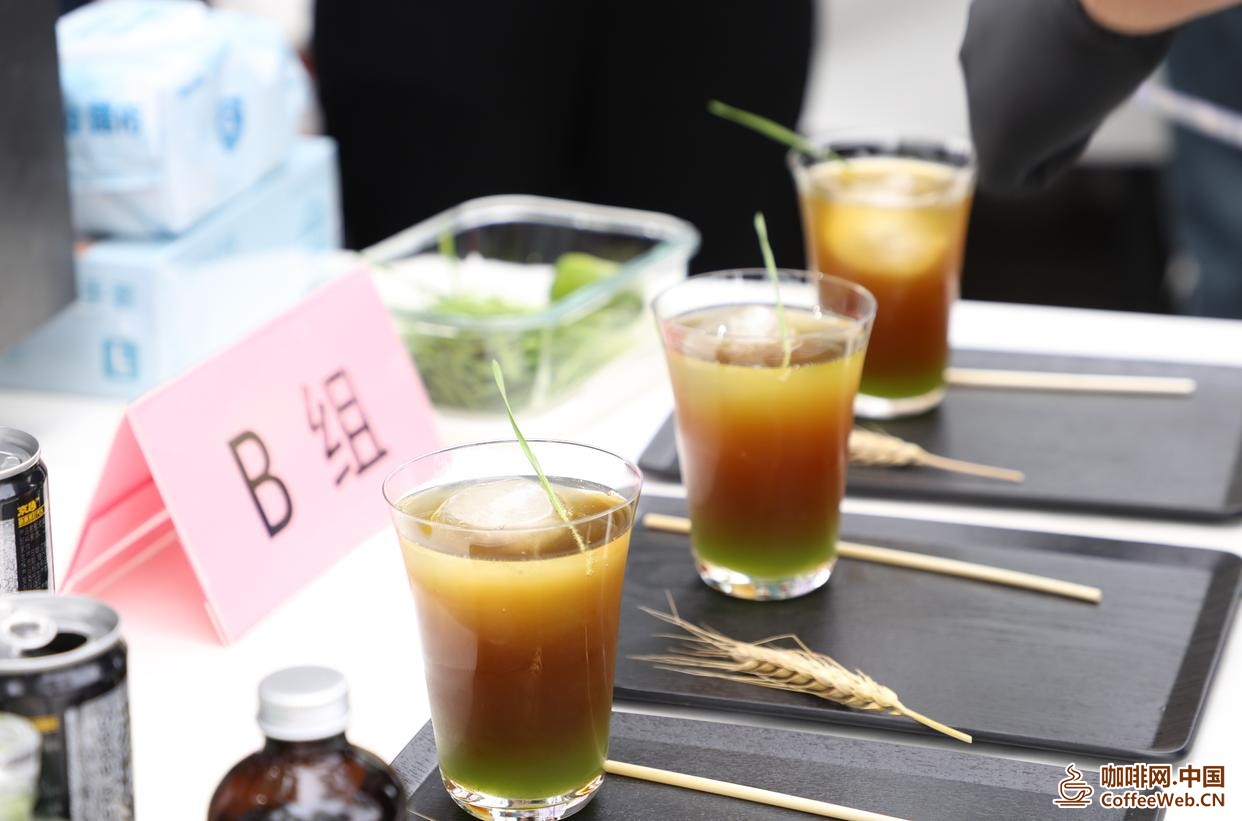
Our product is called 'Mai Tian', "said Yang Lin from Qianshan Coffee, holding a clear drink. He squeezed the tender wheat sprouts, soaked them in aerated water, and blended them with Ethiopian cold extract." When coffee enters China, it must be combined with local culture. "Behind him, thousands of acres of golden wheat fields undulate with the wind, and the cup seems to be filled with the entire summer. Not only coffee, he said, the store has turned local wheat flour into cultural and creative products, "customers can also bring our agricultural products home after drinking coffee.
On the side, the booth of the intermission drama coffee was surrounded by people. There is a thick layer of black sesame paste hanging on the cup wall, outlining the facial patterns of the Beijing Opera king - the inspiration for this "king's farewell" cup comes from Chen Peisi's play "Stage". Our store is located downstairs from Mr. Chen Peisi's company, and we have a lot of exposure to opera culture. Black sesame paste imitates the face mask of a tyrant, and the bitterness of coffee and the fragrance of sesame are intertwined in our mouths. "Cafeterist Zhang Borui smiled and said that this is their most classic and popular hit in the store.
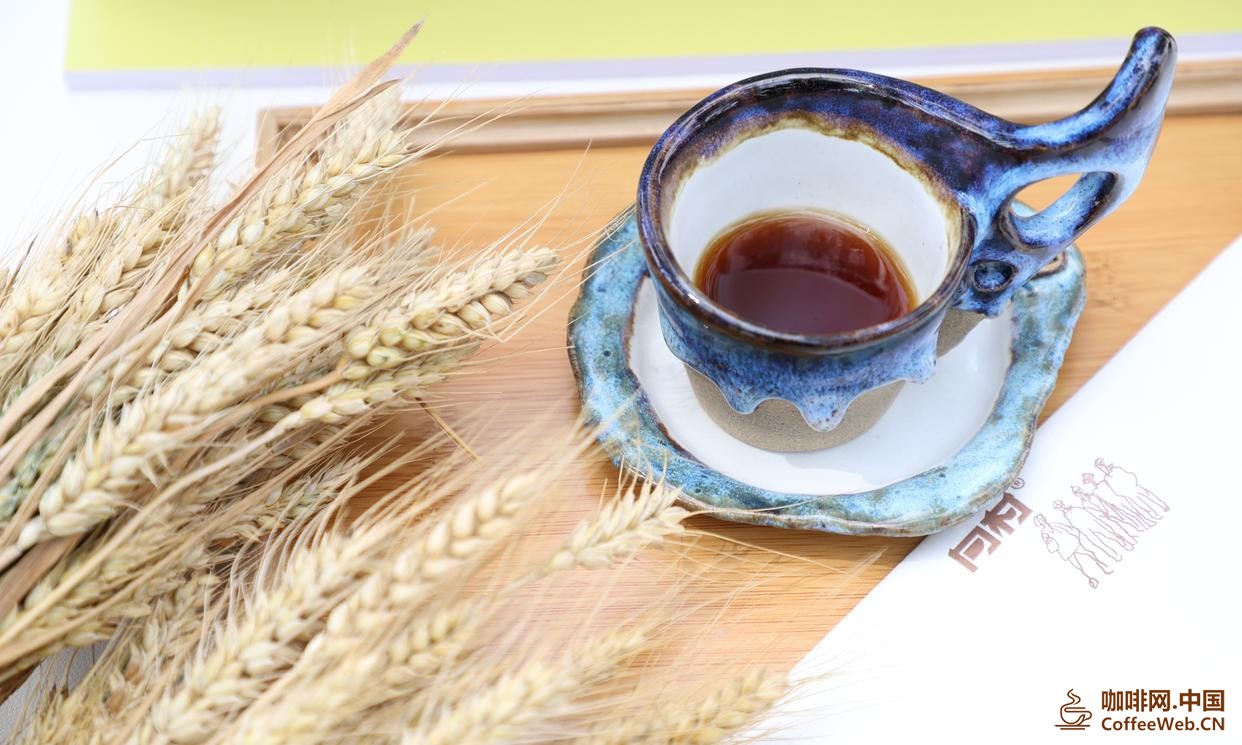
Yu Jianglong, from Songzhuang Xiangcun Art Museum in Tongzhou, put his winning secret on his coffee cup. The streamlined ceramic cup, shaped like a sailboat sailing with a sail, is designed based on the culture of the Grand Canal. Our Songzhuang is a painter's village, and art and local culture are inseparable. He has been doing pottery for more than ten years and started baking beans and making coffee himself in 2012. "The coffee cup carries coffee and also carries the story of the canal.
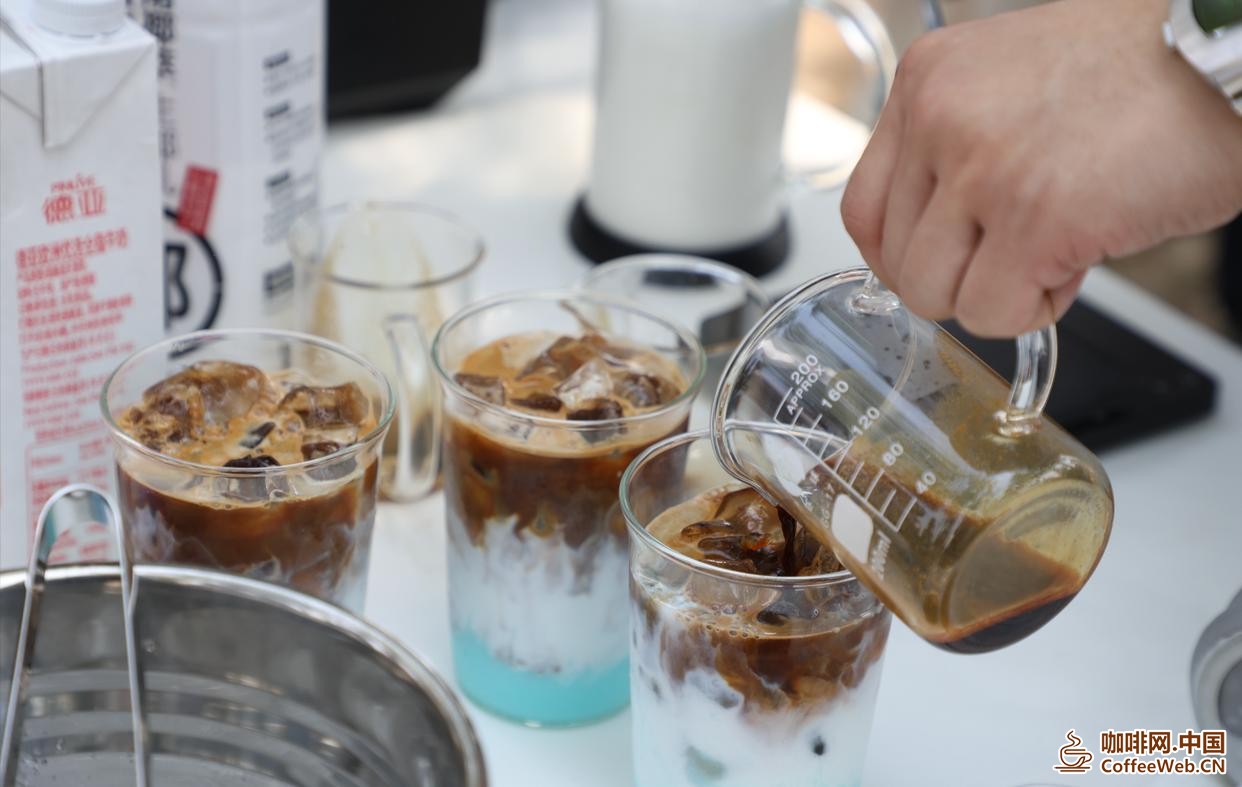
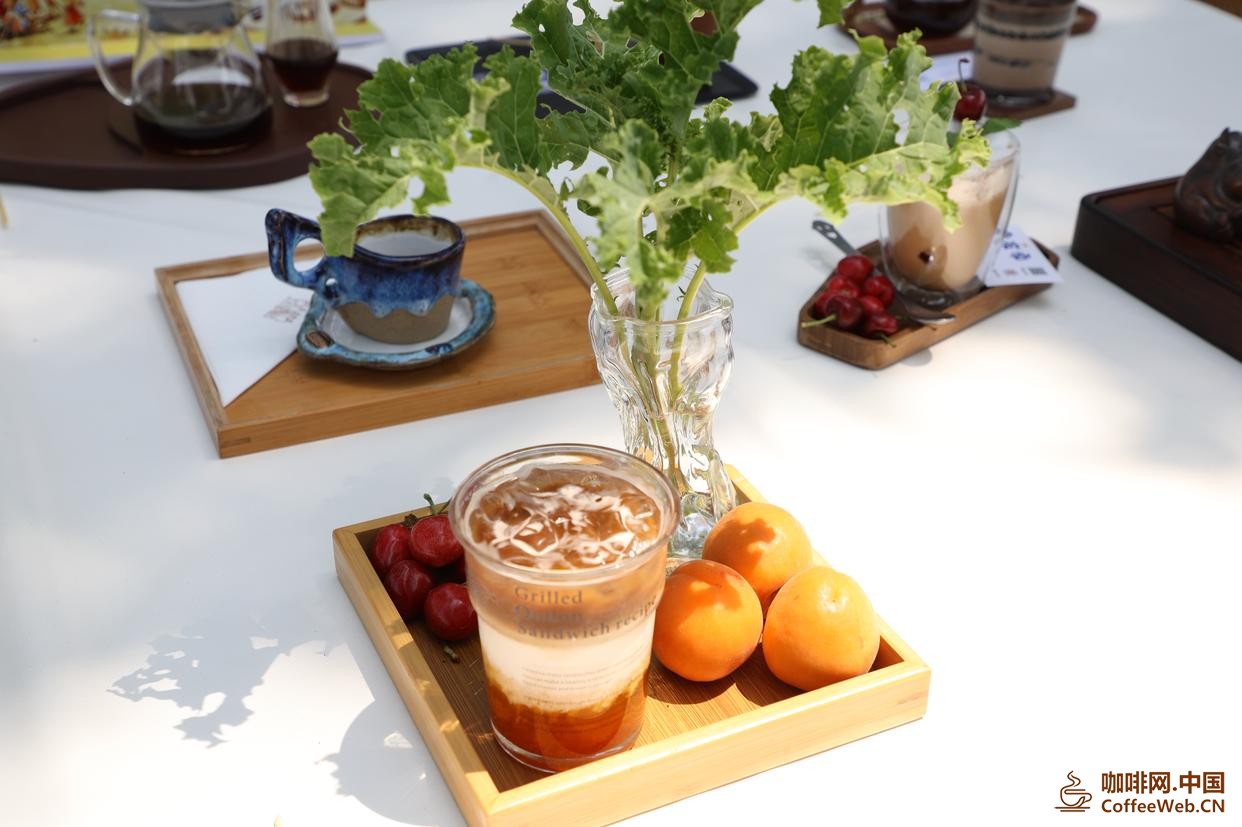
Seasonal fresh fruits are also a source of inspiration for the contestants. At the Zhonglong Dance Colorful Flower Cafe in Longwantun Town, Shunyi, contestant Zhou Kuolong picked up a few apricots with morning dew from his basket and said, "I picked them freshly this morning, crushed them and spread them on the bottom, layered them with milk and coffee, and the color is particularly beautiful. We call it 'Apricot Coffee'
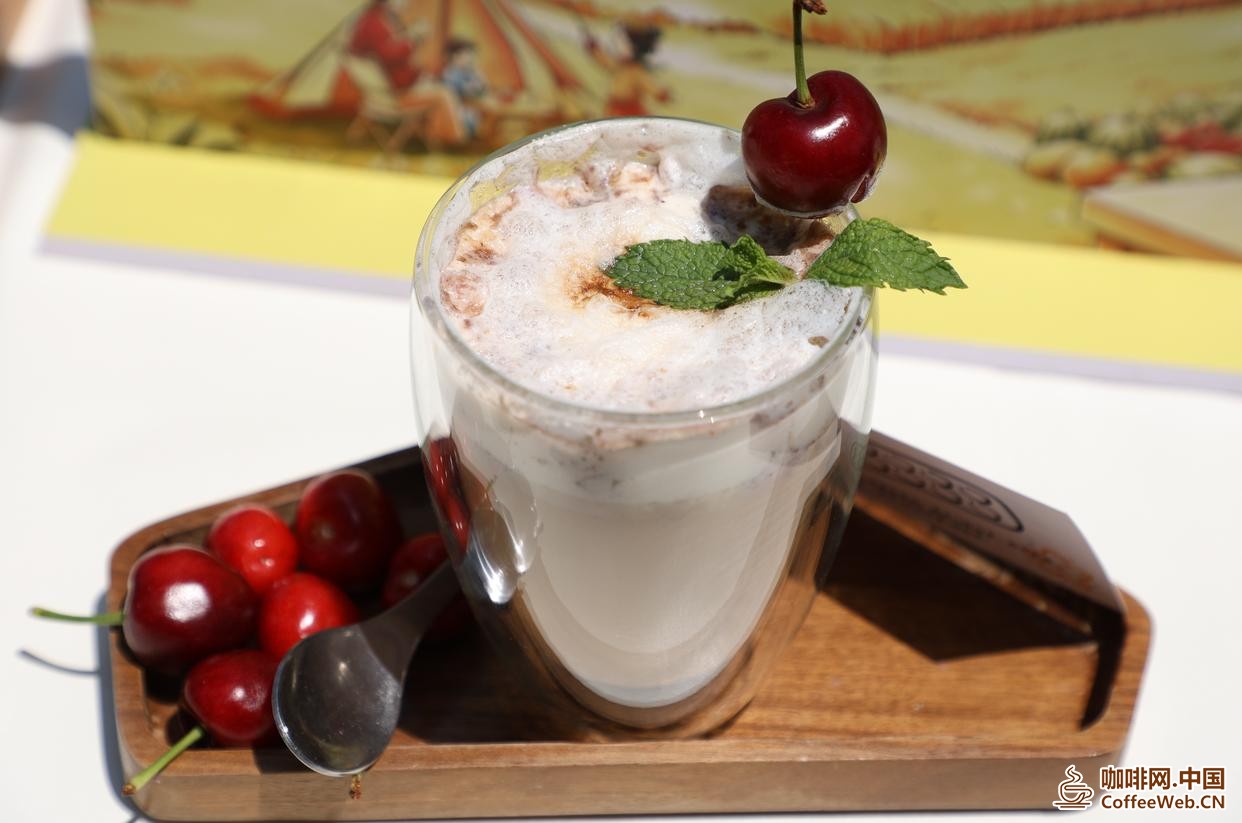
Zhang Zhanwei, a barista at the Old Friends Homestay in Wengzhuang Town, Miyunxi, boiled cherries from Jinmailuo Village into a sauce and blended it into his signature sea salt coffee. "I can only drink it during the cherry harvest season, which is a limited edition 'cherry sea salt coffee'.
Hou Dongbo, from the Shunyi Mulin Tea Hut, has even "created" a mountain in his cup - "Wuchai Spring Mountain". The locally peeled cherry sauce is used as a base, and the pistachio sauce outlines the outline of the mountain. "From the bitterness of coffee to the sweetness of cherries, and then to the sweetness of pistachios, you can drink the five colors of Wuchai Spring Mountain in one cup".
These seemingly imaginative combinations impressed the judges and audience on site: local specialties are no longer hidden in the fields, but have become the most eye-catching protagonists in coffee cups; The trendy coffee culture has also become familiar and vibrant due to the nourishment of soil. The collision of trendy coffee and the local customs and products in the suburbs of Beijing creates a stunning and wonderful spark.
It is worth mentioning that the evaluation criteria for this competition are extremely detailed - from professional basic skills and flavor control to rural characteristic innovation ability, professional ethics, hygiene standards, and time control, each item has strict scoring; Cultural and creative works should also be evaluated in terms of the integration of local culture, innovative creative design, and feasibility of market implementation, to ensure that each "village coffee" has both creativity and can truly enter the market.
A rural coffee shop is not just a leisure consumption space, but also a cutting-edge window to showcase local characteristics, promote agricultural products, and drive villagers to become prosperous, "said Zheng Tongfu, Director of the Industrial Development Department of the Beijing Agriculture and Rural Bureau. A cup of specialty coffee that integrates local ingredients can bring real estate agricultural products such as fruits, vegetables, grains, honey, and specialty flowers and fruits from the suburbs of Beijing out of the fields; A popular village caf é courtyard that can connect with surrounding rural landscapes, intangible cultural heritage, and homestays for educational purposes, creating an immersive rural travel scene and continuously attracting urban tourists to go to the countryside for check-in and consumption; A group of excellent village caf é operators and practitioners can activate idle farmhouses, absorb local labor employment, and truly strengthen the village collective economy, driving stable income growth for farmers.
In recent years, Beijing has continued to promote the cross-border integration and development of agriculture, culture, tourism, sports, and commerce. A number of rural new formats and scenes represented by "village cafes" have landed in the suburbs of Beijing and flourished. By the end of 2025, the total number of "village cafes" in the city has reached 308, a net increase of 99 from the previous year, showing a rapid growth trend; Village cafes are highly concentrated in ecological conservation areas, accounting for nearly 60%, with Huairou District leading with 63 households; The head effect is beginning to emerge, with the emergence of benchmark "village cafes" with an annual reception volume of over 600000 people and an annual revenue of over 2 million yuan; More than 100 "village cafes" have been established in the demonstration area of the "Hundred Thousand Project", effectively activating the vitality of rural economy. From camping in the countryside to small courtyards in ancient villages, from cycling stations to art spaces, the "village caf é" industry is becoming increasingly diverse and constantly refreshing the consumption scene in rural areas of Beijing.
Source: Beijing Daily Client
Reporter: Wang Kexin