5元冰美式,攻占小城市5 yuan ice American style, conquer small cities
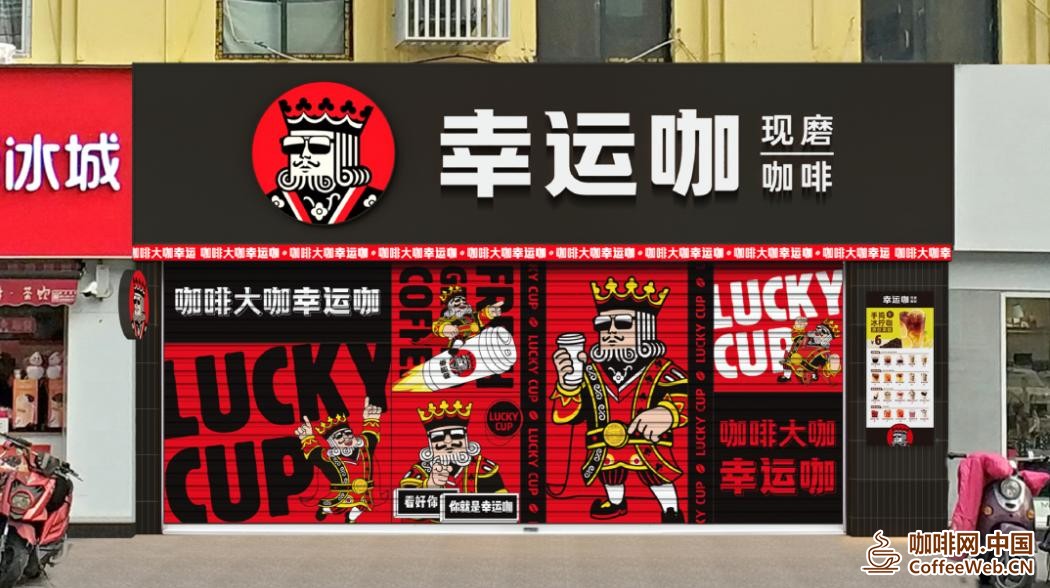
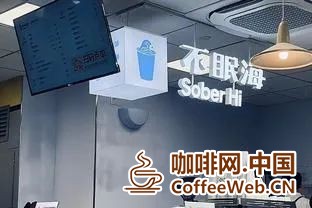
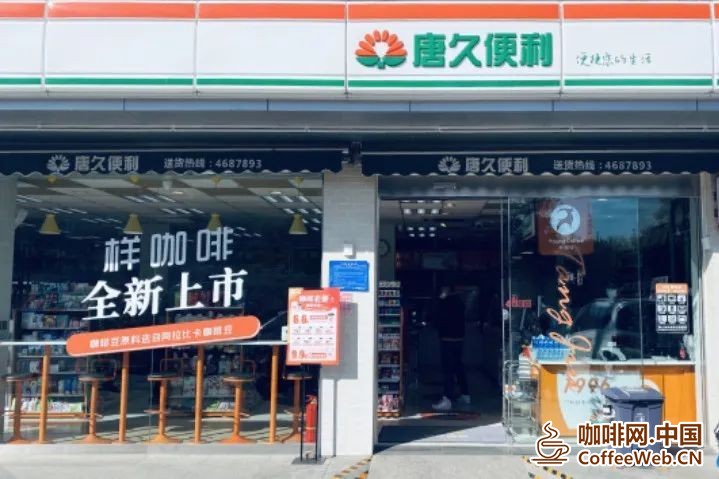
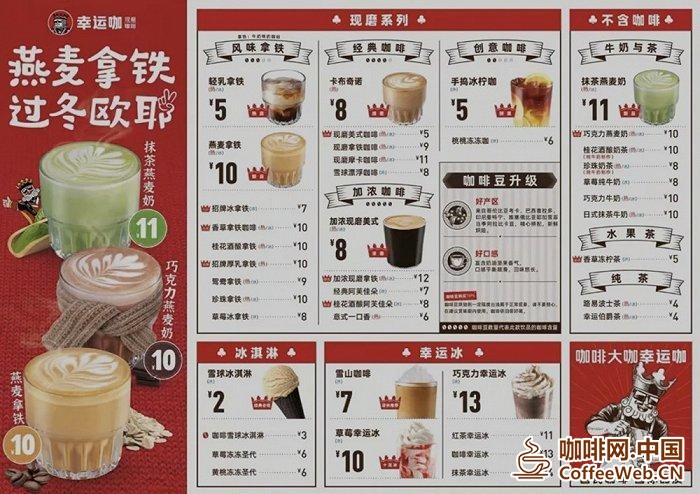
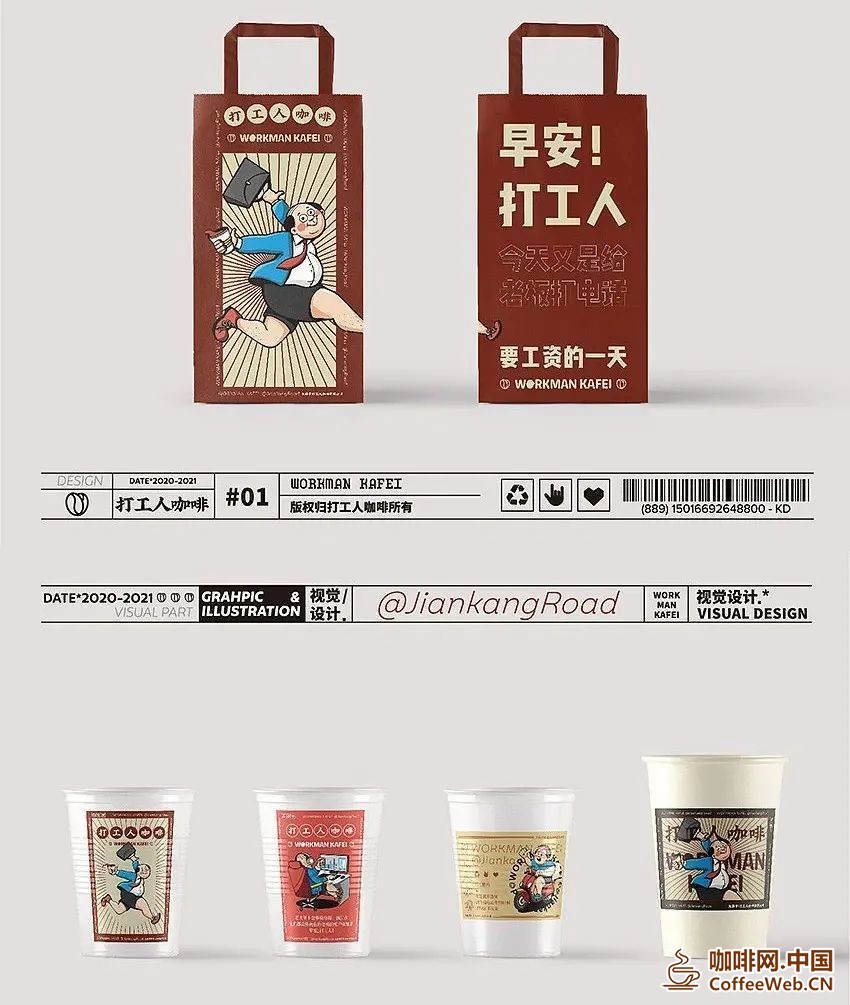
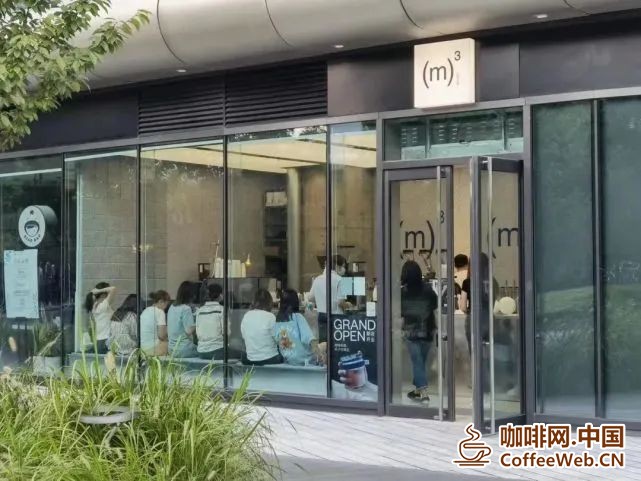
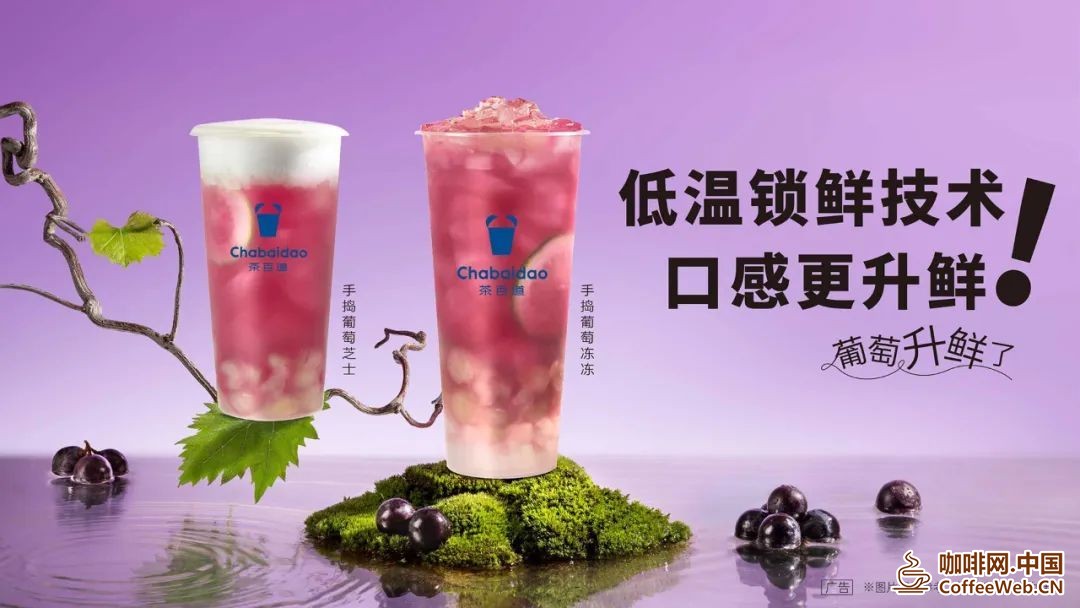
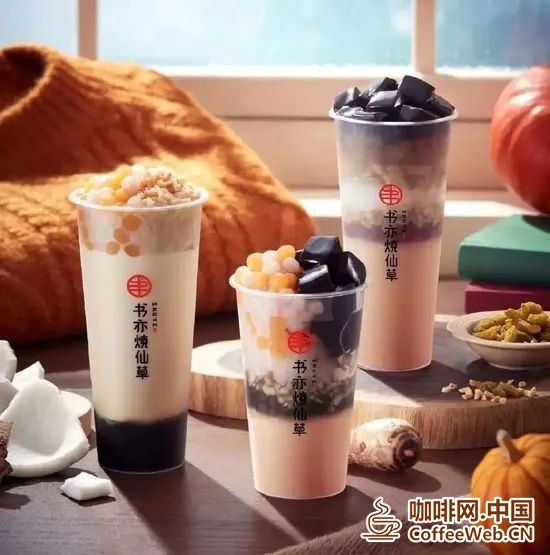

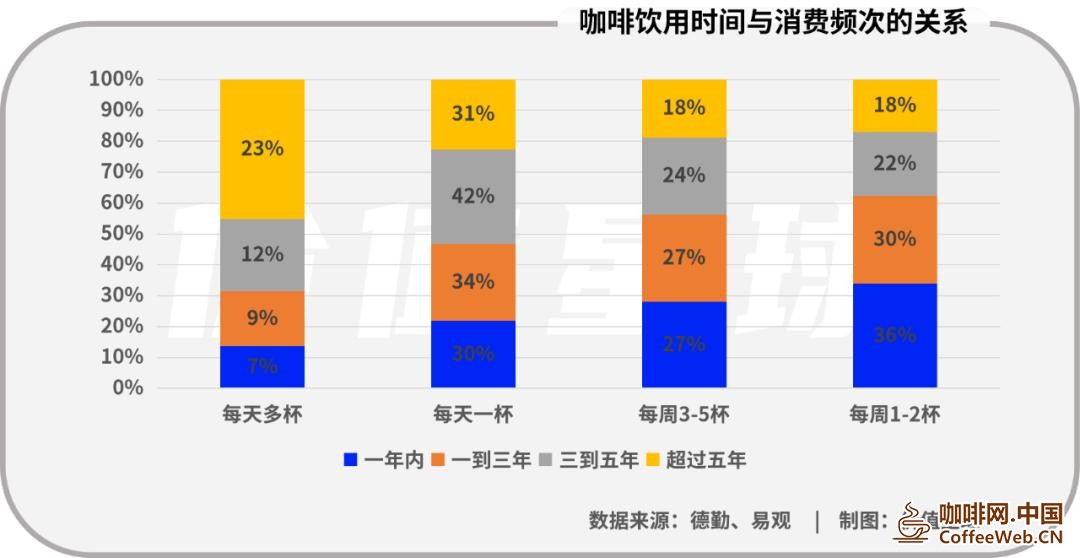
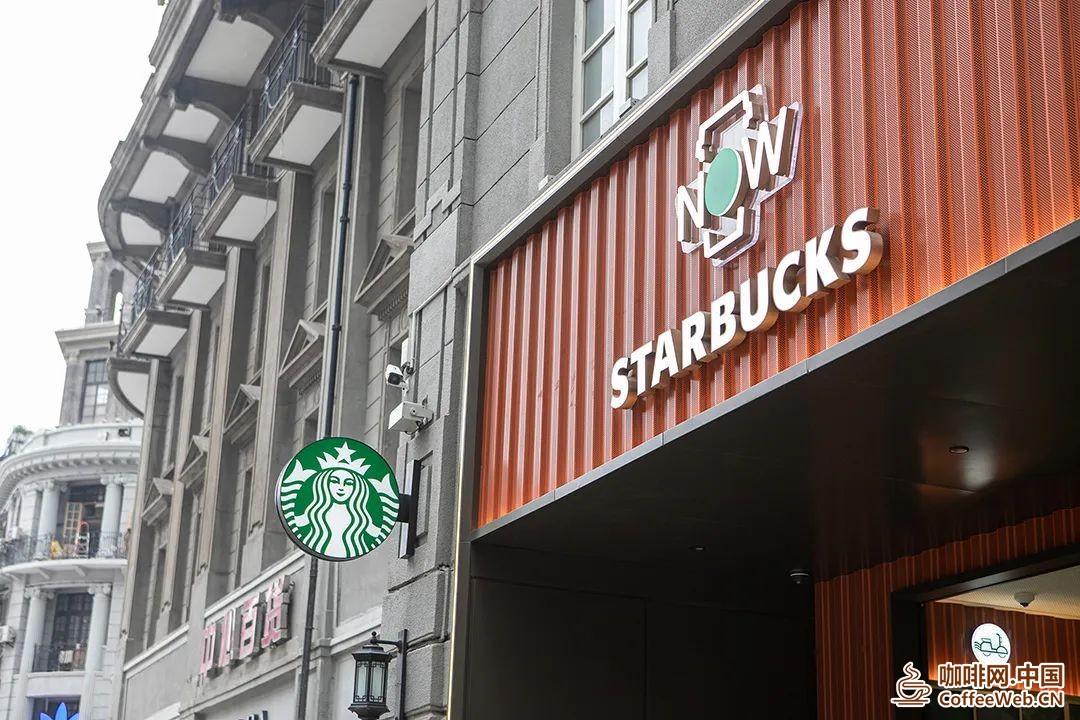
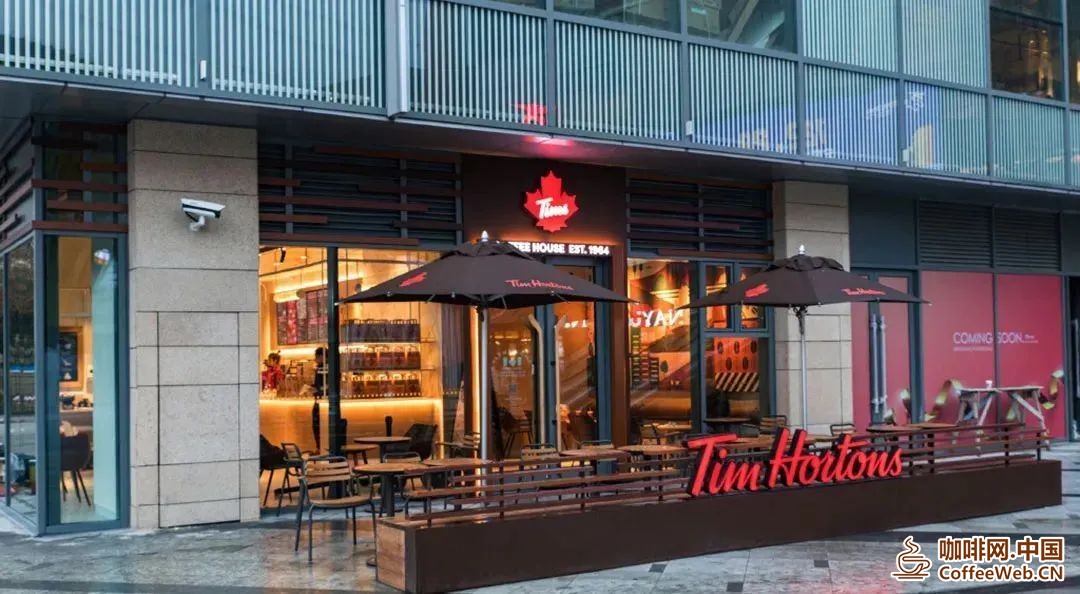
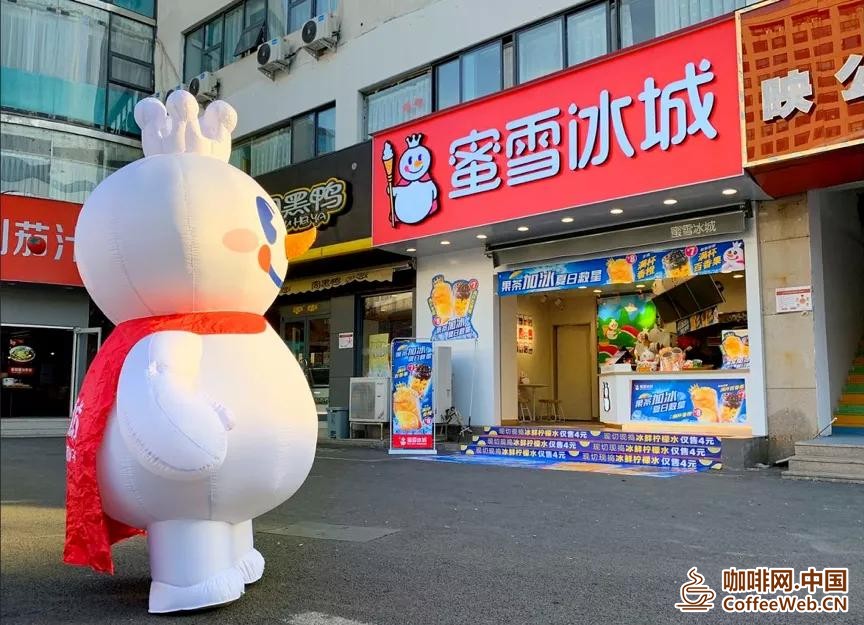
Starbucks shed tears. A 5 yuan coffee is a cheap performance. Put on a cheap posture and label it as cost-effective, and it will be remembered by the market. Recently, I have seen several news articles. One news is that Luckin Coffee has released its second quarter financial report, with total revenue increasing to 3.3 billion yuan and profits reaching 240 million yuan. This is the first time Luckin has achieved consecutive profitability for two quarters. If this financial report has no moisture, Luckin may really be reborn. Note that the prerequisite is that there is no moisture. Another is the coffee chain brand "Lucky Coffee" under the umbrella of Meixue Ice City. This is an American brand that sells coffee for only five yuan, latte for only six yuan, and most other milk and coffee products are also priced under 10 yuan, pushing coffee to the floor price. Lucky Coffee They recently announced that their 1400th store has settled in Cangzhou, Hebei. Compared to the scale of about 200 stores at this time last year, we have opened 1200 stores in just over a year, and the breeding rate is also very good. And the monthly revenue of a single store has reached a high of 300000 yuan. Last year, I mentioned three major trends for the future of the coffee industry: milk tea, small shops, and affordability. One word summary is the Milk Snow Ice City model. At that time, I also nominated several brands that had the potential to become kings of the lower tier market, including Luckin Coffee and Lucky Coffee. To be honest, the speed at which coffee brands are expanding into third - and fourth tier cities is actually much faster than I imagined. In addition to Lucky Coffee and Luckin Coffee, convenience stores such as Convenience Bee and Tangjiu Convenience have also launched coffee sub brands "Sleepless Sea" and "Sample Coffee", extending their reach to larger markets. Why is coffee, which used to be considered a so-called 'big city petty bourgeois drink', doing so smoothly in third - and fourth tier cities? What are the differences between the logic of the coffee industry in sinking markets and first tier cities? Can cheap coffee really become the king of coffee? In this issue, I would like to talk to everyone about the vigorous' coffee sinking movement '. 01 Don't be fooled by the fact that coffee sells for three to four or eleven cups at Starbucks, in terms of cost, coffee is not a very expensive thing. Let's do a simple accounting. When you walk into a regular coffee shop and order a latte. The coffee beans consumed are about 20 grams, and the cost is around 1.5 yuan. If fresh milk, also known as low-temperature milk, is used for milk, the price is 3.5 yuan. Adding the cost of cups, straws, etc., the cost of one cup can be controlled at around six yuan. If you choose the American style, the cost will be lower, around 2.5 to 3 yuan. That's why Lucky Coffee dares to sell coffee for 5 yuan. If the brand is priced based on cost, then these basic coffees are roughly priced at this price. On the other hand, the coffee prices in first tier cities, which often range from 20 to 30 yuan, largely include brand premiums, high labor costs, and rent. Of course, pricing based on cost is definitely not profitable. Even if Lucky Coffee sells 1000 cups a day, it doesn't make much profit. But if you're asking about the overall gross profit margin, then Lucky Coffee's gross profit margin can actually reach over 50%. When we carefully study the menu of Lucky Coffee, we will find that although its selling point is five yuan coffee, the main items on the menu are generally priced around 10 yuan, and coffee beverages only account for half of the SKU. In addition, there are also a large number of tea drinks and ice cream. On the menu below, coffee with lower profits can only be considered as a product that attracts customers and is responsible for bringing them to the store. And the ones who are truly responsible for contributing profits are actually tea drinks, ice cream, and 10 yuan special coffee. In addition, like other coffee shops, Lucky Coffee also sells coffee cups, coffee beans, and ear bags. These products can also be used to increase profit margins. That is to say, it has no intention of making a profit from coffee at all. As long as coffee doesn't lose money, it can make money back from other beverages, which is the basic logic of Lucky Coffee. It is also the business logic of brands such as "Worker Coffee", "Cubic Coffee", and "Dry Coffee" that are priced similarly to Lucky Coffee. Worker's Coffee Cubic Coffee Three Cube Coffee Last year, when I was talking about Meixue Ice City, I mentioned a concept called 'cheap performance'. The so-called 'performing cheap' is neither a blatant 'real cheap' nor a 'fake cheap' that deceives customers, but rather fully utilizes the selling points of discounted promotional products to pursue the maximization of the value of sales related to promotional products. Coffee priced at 5 yuan is also cheap for performances. Put on a cheap posture and label it as cost-effective, which will be remembered by the market and bring customers to the store. The so-called customer leads in the door and pays the bill personally. When consumers place orders again, they are likely to be attracted by milk tea and ice cream that cost around 10 yuan and purchase these higher profit products. Moreover, cheap coffee has another benefit. At Starbucks, I could buy a cup of coffee and sit for an afternoon. Why? Because I can't afford a second cup, it costs 30 yuan per cup, and two cups are enough for my daily food expenses. But at a cheap coffee shop, you can buy a cup of coffee, pair it with an ice cream or dessert, chat and get thirsty, and then have a cup of milk tea. The total price may only be around 20, but because you order dessert milk tea, the gross profit margin becomes relatively considerable. This can also explain why Lucky Coffee can have stores with a monthly revenue of 300000 yuan per store. 300000 yuan, for a coffee shop with regular menu items priced under 10 yuan, means that the daily sales volume of a single store is at least 1000 cups, and may even reach 1500 cups. This quantity is approximately five times the average sales volume of Luckin Coffee. If it weren't for being cheap enough, Lucky Coffee wouldn't have had this sales volume. Ultimately, no one can refuse something cheap. 02 In addition, coffee is actually a category that is very suitable for expansion and opening a large number of stores. Because the standardization level of coffee is high from production to production. The cultivation of coffee in the production area has been highly standardized, and the midstream processing steps are also very mature. Moreover, there are not many technological barriers to coffee processing, and besides large roasters, many small and medium-sized coffee shops can also complete roasting themselves, making it a highly competitive market. It can be said that as long as you are willing to choose, you can always find a suitable supplier. In stores, coffee production is also easily standardized. There are actually only a few common brands of coffee machines, and there are also very standard proportions for beverage blending. Starbucks and Luckin Coffee both use fully automatic coffee machines, and the entire process of making a cup of coffee only requires pressing a few buttons. Think about it, if the coffee making process is complicated and means that Starbucks and Luckin Coffee employees must be skilled baristas, then they simply cannot open thousands of stores across the country because the market cannot recruit so many baristas. But in fact, baristas in chain stores can start working after about two months of training. Another benefit of standardization is that at Starbucks, even during peak hours, it is rare to have to wait for 15 minutes for a cup of coffee. In contrast, the production of freshly made tea is much more complicated, especially for fruit tea made from fresh fruits that are very popular nowadays. Just processing the fruits requires a lot of manpower. I once sat in the store for 40 minutes making lemon tea for a cup of hand tea. It was already very popular, but when I saw the staff frantically making drinks, I still endured it. Ah, it's not easy either. In short, a high degree of standardization means that the expansion speed is not limited. In the second quarter alone this year, Luckin Coffee opened over 600 new stores. As we mentioned earlier, there are lucky coffee shops that open over a thousand stores in a year. It seems only a matter of time before coffee brands are ubiquitous in second, third, and fourth tier cities in the future. 03 But before coffee conquers the sinking market, there is a category that cannot be bypassed. That's milk tea. Milk tea has a very high density in second, third, and fourth tier cities in China. There are 20000 stores in Meixue Bingcheng, over 6000 stores in Shuyishaoxiancao, over 6000 stores in Tianlala, over 5000 stores in Yihetang, over 5000 stores in Guming, nearly 5000 stores in CoCo, and nearly 5000 stores in Chabaidao. There are also Shanghai Auntie, a little bit, and 7% Sweet below, with thousands of stores. The path of tea brand and coffee brand is the same whether it is pricing, target group or expansion mode. And whether it's Luckin Coffee, Lucky Coffee, or other coffee brands that want to enter the lower tier market. It must be acknowledged that: Most consumers prefer sweet, creamy, and diverse beverages, and the higher the degree of homogenization between coffee and milk tea brands. To some extent, these coffee brands are more like "milk tea shops that feature coffee flavored beverages", just like how Tea Baidao focuses on fruit tea and books also focus on roasted fairy grass. Milk tea shops can be compatible with coffee shops, and coffee shops must also be compatible with milk tea shops. The boundary between the two becomes blurred. So, where is the breakthrough point for coffee? I think there are two points. Firstly, coffee is an addictive beverage, and addiction directly leads to repurchase rates. If you often go to a coffee shop, you will definitely find that there is always a group of customers who come to the shop at a fixed time every day to order a cup of coffee, and there is also a group of customers who come to the shop from time to time to sit, drink drinks and chat. Over time, these people became stable customers for the store. Although workplace culture and community culture play a role here, the underlying effect of caffeine cannot be ignored. In Europe and America, many people drink hundreds of cups of coffee every year. When consumers become addicted to coffee, they are sustained and their repurchase rate increases. According to research data from Analysys, over 50% of existing coffee consumers have explicitly stated that they will increase the frequency of drinking freshly ground coffee. According to Deloitte data, the average annual intake of coffee for people with a coffee drinking habit of over five years is 370 cups, far exceeding the 243 cups per year for those with a drinking habit. Stable drinking habits lead to frequent repeat purchases, and the lifecycle of coffee products is longer than other beverages. Coffee is like a hook that draws consumers to the store every day to consume one or two drinks. A customer's daily consumption of beverages is limited, and if coffee can occupy a stable position and develop consumption habits, it means they have a stable base plate. Secondly, although I have always believed that coffee is unlikely to surpass milk tea, don't forget how big this market is. In history, these two legal beverages have had a mutual substitution effect, and coffee can to some extent replace milk tea. Do you always get tired of drinking milk tea? Why don't you have a cup of coffee for a change at this time? This is just like KFC and McDonald's. I'm tired of eating Shuangji, don't I want to go crazy on Thursday? 04 In fact, not only Luckin and Lucky Coffee are targeting the sinking market, but also traditional big brands are laying out their strategies to compete. In 2019, Starbucks launched the "Coffee Quick" store, which is a small storefront store. The following year, Starbucks accelerated the sinking speed of its "Coffee Quick" stores. And the target is second - and third tier cities. Nowadays, Starbucks has more stores in second - and third tier cities than its distribution in big cities. In addition, Canadian national chain coffee brand Tim Hortons also hopes to break through from second - and third tier cities and save its lackluster performance in the Chinese market. Why are coffee brands targeting lower tier markets? I had a chat with a friend who works in the catering industry before and came to a conclusion: The industry characteristic of China's catering industry is to do small business in big cities and big business in "small" cities. Please note that the term 'small' cities here actually refers to cities with low housing prices, land rent, and labor costs, and are not truly small cities. What does that mean? In the catering industry, those super chain brands often do not come from first tier cities. There is a fundamental difference in business models between big cities and "small" cities. The business model of big cities is for brands to work hard for landlords. When rent becomes the core rigid expenditure, it inevitably requires high unit prices and high gross margins to support it. As the price increases, the audience decreases, so it is not easy for brands with a scale of tens of thousands of stores to appear in big cities. In "small" cities, there is room for a low profit, high-volume business model, which allows for the opening of more stores and coverage of a wider audience. Among the four major chain stores in China, Zhengxin Chicken comes from Rui'an County, Wenzhou, Hua Lai Shi was born in Fuzhou, Juewei Duck Neck and Meixue Ice City are both from the new front line, but one was founded in Changsha and the other in Zhengzhou, both meet the above definition. The most well-known collective trademark in China, Shaxian Hotel, belongs to Sanming, Fujian. In addition, Zhang Liang and Yang Guofu come from Bin County, Harbin, the local chicken comes from Feixi County, Hefei, and Yang Mingyu's braised chicken comes from Jinan. Food and beverage brands that come from these small places and follow the affordable route can often open stores all over the country, turning cheap food into a big business. In contrast to these stores, brands that focus on first - and second tier cities, such as Nayuki in Shenzhen and Congqian in Beijing, may have a high average order value but limited scale. The number of stores may be one to two orders of magnitude fewer than their peers, making them seem like small businesses in comparison. For any brand, doing big business is an irresistible temptation. Starbucks does not want to be eliminated by Luckin Coffee and Manner. Tim Hortons wants to find more presence in the Chinese market, Luckin Coffee wants to become the Starbucks of China, and Lucky Coffee wants to replicate the success of Milk Snow Ice City in the coffee market. Finally, they all set their sights on the still blank market. So, I boldly predict that coffee companies in third - and fourth tier cities will inevitably have a big battle in the future. And there may be no losers in this coffee war. On the contrary, two to three coffee giants that can compete with Starbucks will emerge in the Chinese market. The future coffee market in China is destined not to be dominated by Starbucks, but rather a multi-faceted competition. Ultimately, the Chinese market is vast, and there are more than one way to make money. Perhaps one day, among those who read this article, a top performer in big business may emerge? This article is from the WeChat official account "IC Lab" (ID: InsightPlusClub), the author: IC Lab, 36 krypton is authorized to release.