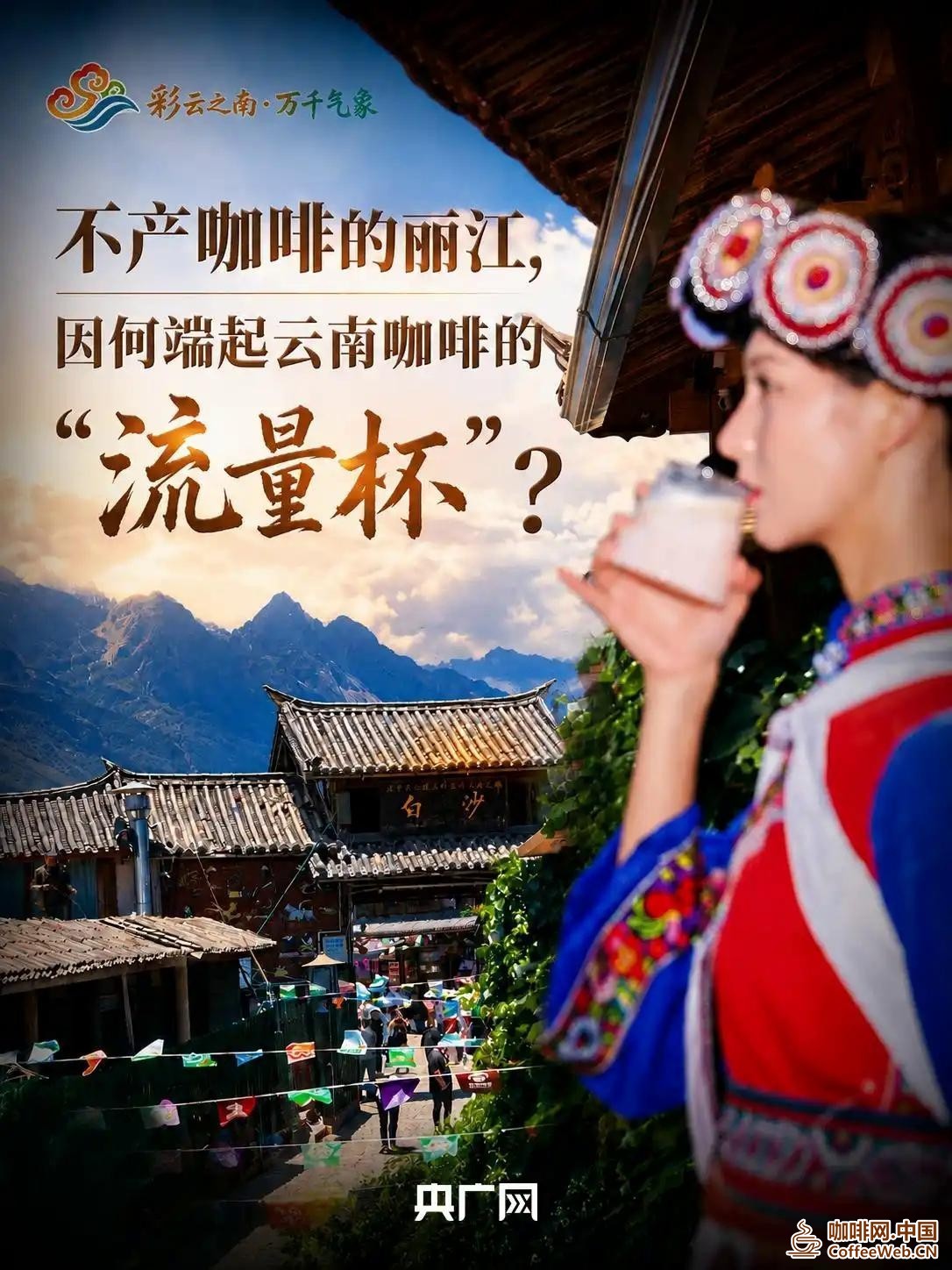
彩云之南·万千气象|不产咖啡的丽江,因何端起云南咖啡的“流量杯”?South of Colorful Clouds · Countless Meteorology - Lijiang, which does not produce coffee, why did it become the "flow cup" of Yunnan coffee?
编者按:彩云之南,山河壮丽;万千气象,日新月异。从雪山高原到热带雨林,从开放口岸到产业园区,从千年文脉到创新前沿,新时代云南正以高质量发展的蓬勃活力,绘就人与自然和谐共生、边疆繁荣稳定、民族团结进步、开放合作共赢的崭新图景。央广网云南频道特别推出《彩云之南·万千气象》主题报道,聚焦中国式现代化云南实践,深入发展一线、深入基层现场,以鲜活故事记录发展脉动,以生动镜头定格时代气象,全景展现新时代云南牢记嘱托、感恩奋进的发展实践。
上午10点,阳光越过丽江白沙古镇的飞檐,洒在巍峨的玉龙雪山上,也洒进青石板路旁的一家老院落咖啡馆。咖啡师缓缓注水,热气蒸腾,空气中弥漫着咖啡豆刚刚研磨后的香气。游客端着一杯手冲咖啡,透过整面落地窗望向雪山,不时举起手机记录眼前的风景……这样的场景,如今每天都在丽江上演。
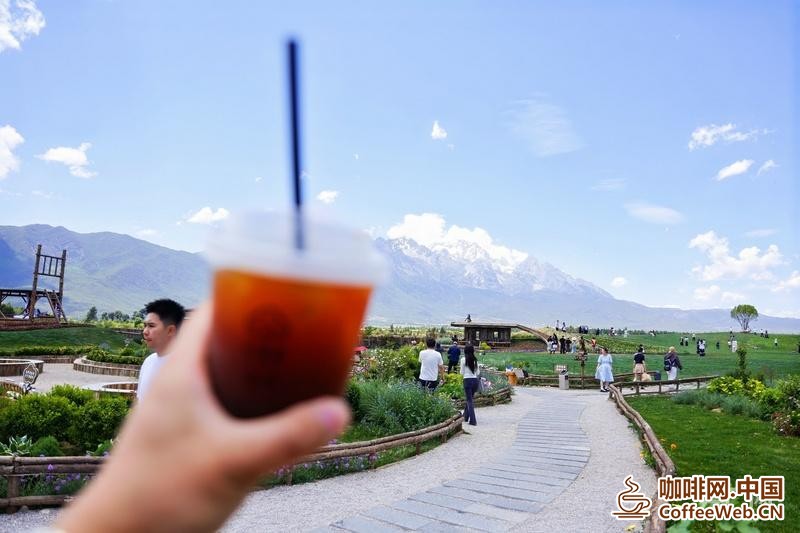
雪山下享受咖啡(央广网记者 魏文青 摄)
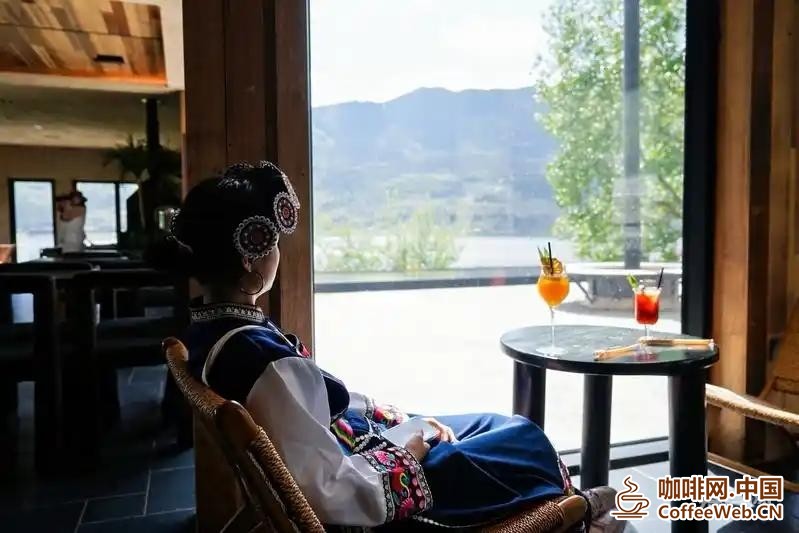
身着纳西族传统服饰的游客正在欣赏风景(央广网记者 魏文青 摄)
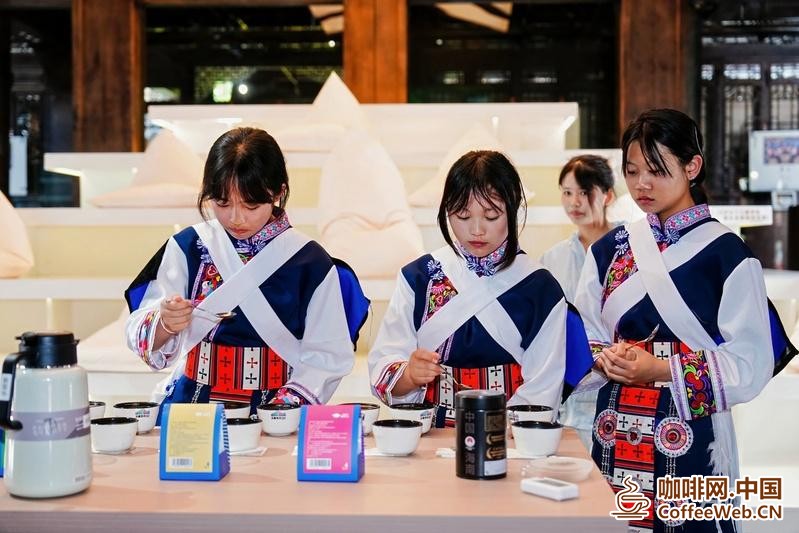
丽江当地学员正在进行杯测活动(央广网记者 魏文青 摄)

丽江咖啡馆的咖啡师正在冲泡咖啡(央广网记者 魏文青 摄)

咖啡周期间举办的拉花大赛(央广网记者 魏文青 摄)
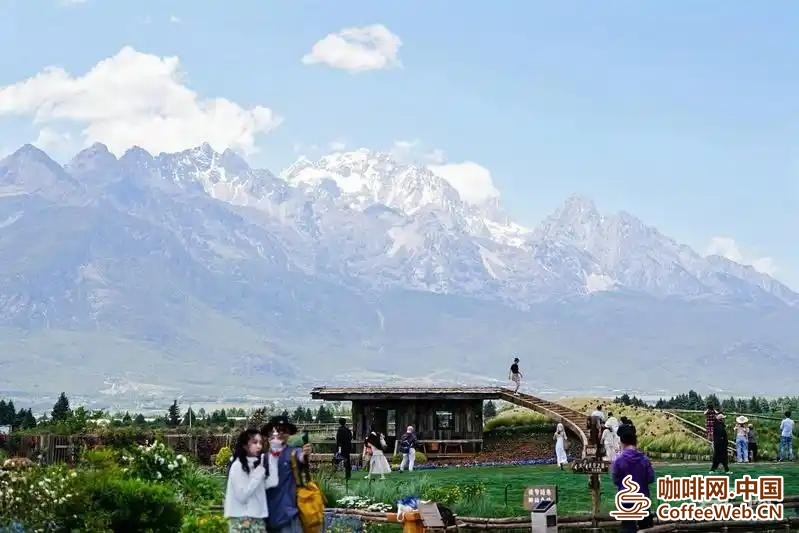
雪山下的咖啡馆,游客可以在此拍照打卡(央广网记者 魏文青 摄)
Editor's note: In the south of colorful clouds, the mountains and rivers are magnificent; Thousands of weather conditions, constantly changing with each passing day. From the snowy mountains and plateaus to tropical rainforests, from open ports to industrial parks, from a millennium cultural heritage to the forefront of innovation, Yunnan in the new era is painting a new picture of harmonious coexistence between humans and nature, border prosperity and stability, ethnic unity and progress, and open cooperation and win-win with the vigorous vitality of high-quality development. The Yunnan Channel of China Central Broadcasting Network launched a special theme report, "The South of Colorful Clouds · Thousands of Meteorology", focusing on the practice of Chinese path to modernization, deepening the development of front-line and grassroots sites, recording the pulse of development with fresh stories, setting the weather of the times with vivid scenes, and showing the development practice of Yunnan in the new era, which is mindful of the expectations and grateful for progress.
At 10 o'clock in the morning, the sun shone over the eaves of Baisha Ancient Town in Lijiang, onto the towering Jade Dragon Snow Mountain and into an old courtyard caf é by the side of the bluestone road. The barista slowly poured water, the heat evaporated, and the air was filled with the aroma of freshly ground coffee beans. Tourists hold a cup of hand brewed coffee, look at the snow mountain through the whole french window, and sometimes hold up their mobile phones to record the scenery in front of them... Such scenes are now staged every day in Lijiang.
This nationally renowned tourist city is not one of the six core coffee producing areas in Yunnan, and there are almost no large-scale coffee planting bases. However, nowadays Lijiang has more than 800 coffee operators, with over 130 coffee shops gathered in Baisha Ancient Town alone; Holding two consecutive Jade Dragon Snow Mountain Coffee Week events has driven a 10% to 30% increase in coffee consumption, with annual sales exceeding 400 million yuan, gradually forming a development pattern of "tertiary industry leading secondary industry to promote primary industry".
Why can a city that is not a major coffee producing area become an important window for Yunnan's coffee industry?
Enjoying Coffee Under the Snow Mountain (Photo by Wei Wenqing, a reporter from China National Radio)
From selling scenery to selling life, a cup of coffee activates new tourism consumption
98% of coffee production in Yunnan comes from the six core production areas of Pu'er, Baoshan, Lincang, Nujiang, Dehong, and Xishuangbanna, and Lijiang is not among them.
The development of China's coffee industry cannot just stay in the raw material production areas, "said Li Hong, Vice President of Yunnan Agricultural University and Chief Scientist of Yunnan Coffee Industry Technology System. Looking at the world, Switzerland hardly grows coffee, but has Nestle; The United States has only a small amount of coffee cultivation, yet it has nurtured world-class coffee brands. Compared to planting advantages, Lijiang's biggest confidence lies in its triple heritage resources of world culture, nature, and history, as well as its snow capped mountain landscape, colorful ethnic culture, and huge tourist flow.
This unique resource endowment is constantly being transformed into industrial advantages.
In Lijiang, coffee is no longer just a refreshing drink, but has become an important carrier for tourists to experience a kind of life called Yunnan. Tourists come here not only to drink a cup of coffee, but also to experience a slow life and a sense of relaxation.
With the natural consumption scenes brought by snow capped mountains and ancient cities, Lijiang has become an important showcase for Yunnan's premium coffee.
Tourists dressed in traditional Naxi costumes are enjoying the scenery (Photo by Wei Wenqing, a reporter from China National Radio)
At Lazy Monkey Jungle Cafe, over 60 Yunnan specialty coffee beans cover multiple production areas such as Baoshan, Pu'er, and Lincang. For over a decade, the managers Chenchen and Xiaoxi have almost traveled to major coffee producing areas in Yunnan, constantly selecting high-quality beans with different flavors and presenting high-quality Yunnan coffee to tourists.
Although Lijiang does not produce coffee, it is rich in its unique slow life coffee, "said Huang Junjie, Secretary of the Party Group and Director of the Yulong County Culture and Tourism Bureau. The logic behind this is to connect the popularity of tourist destinations with products from coffee producing areas, and enhance the brand value of Yunnan coffee through cultural and tourism traffic.
For many tourists, coming to Lijiang may be the first time they truly get to know Yunnan's premium coffee.
How to transform "traffic" into "retention" from a cup of coffee to an industry chain
If cultural and tourism resources have brought a continuous flow of people to Lijiang, then how to transform tourist "flow" into industrial "retention" is the key to the development of Lijiang's coffee industry.
"The tourism circle centered on the Old Town of Lijiang and Yulong County has a huge number of tourists every year. If the huge cultural and tourism flow is translated into the increment of industrial development, it will release huge consumption potential," said Li Hong. Around this goal, Lijiang has not stopped at selling coffee and scenery, but has continuously extended its industrial chain upstream and downstream.
Entering the Impression Manor Coffee Baking Factory, the rich and long-lasting aroma of coffee fills the face. Baking master Zhang Yang stood by the equipment, carefully observing the color and real-time temperature changes of the coffee beans. The baking heat and time are crucial, and we must not slack off at all, "he said. This enterprise, which has been rooted in Lijiang for 19 years, selects high-quality coffee beans from major coffee producing areas such as Baoshan, and completes deep processing such as roasting, blending, and packaging in Lijiang. It has produced over 2000 tons of coffee beans, allowing more tourists to bring Yunnan coffee home.
Local students in Lijiang are conducting cup testing activities (Photo by Wei Wenqing, a reporter from China National Radio)
At the "Seeker's Garden Coffee" in Shuhe Ancient Town, Zhou Li is guiding students to brew hand brewed coffee. Try to slow down the rhythm of the first half of the brewing process in order to stimulate the most distinct sweetness of Yunnan Tie Pi Ka Dou, "she said. Since returning home to start her own business in 2018, Zhou Li has taken the initiative to offer low threshold coffee training courses to help tour guides and other groups master a skill. Nowadays, she has trained a total of 573 professional coffee students, who are spread throughout the country and even overseas.
In the entire coffee industry chain, roasting and brewing processes determine about 60% of the taste quality, and good coffee beans must rely on professional skills to be polished, "said Zhou Li.
The barista at Lijiang Cafe is brewing coffee (photo by Wei Wenqing, a reporter from China National Radio)
Nowadays, relying on high-quality raw materials from Yunnan's main production areas, developing baking processing, skill training, brand operation, and relying on cultural and tourism consumption to activate the market, Lijiang has gradually formed an industrial chain of "primary industry supplying raw materials, secondary industry increasing value, and tertiary industry expanding the market".
According to Li Guo, the president of the Coffee Association of Yulong Naxi Autonomous County, there are currently 52 association member units and 388 coffee business entities in Yulong County. The industry chain is constantly improving, and the development of the industry is moving towards standardization and specialization.
From cultural and tourism IP to industrial window, a cup of coffee opens up new development space
The second Lijiang Yulong Snow Mountain Coffee Week, which kicked off in May this year, once again made "watching snow mountains with a cup of coffee" a hot topic. The originally 5-day event has been extended to a "super long coffee season" that lasts throughout the entire summer.
Compared with previous editions, this event places more emphasis on industry exhibitions and cultural experiences. The Baisha Coffee Museum has officially opened, showcasing premium coffee from the six major coffee producing regions in Yunnan, alongside Lijiang's intangible cultural heritage and cultural and creative products. Tourists can not only taste Champion Coffee on site, but also learn about the development history of Yunnan coffee and bring Yunnan specialty coffee home.
The latte art competition held during Coffee Week (photo by Wei Wenqing, reporter from China National Radio)
At the Baisha Ancient Town and Meiji Intangible Cultural Heritage Market, century old Sichuan pottery, Naxi bronze ware, Dongba calligraphy and painting, tie dyeing techniques, and coffee exhibition stands complement each other. Modern coffee culture and traditional intangible cultural heritage have achieved cross-border integration, and many foreign tourists sigh that this experience of "drinking coffee, admiring snow capped mountains, and viewing intangible cultural heritage" is very unique.
The "Yunnan Vietnam Cup in Lijiang" cultural exchange event held during the event also attracted guests from multiple countries such as Vietnam, Uganda, and Colombia to participate. More and more international tourists are coming to Lijiang to learn about Yunnan coffee.
Nowadays, Lijiang not only undertakes the function of coffee consumption, but also becomes an important window for Yunnan coffee display, experience, sales, and brand promotion.
As more and more tourists get to know Yunnan, learn about Yunnan, and take Yunnan away because of a cup of coffee, Lijiang is exploring not only a development path of tourism integration, but also answering a question of high-quality development - how to rely on resource endowment to transform tourism flow into industry increment, and transform consumption scenes into brand advantages.
A caf é under the snow capped mountains, where tourists can take photos and check in (Photo by Wei Wenqing, a reporter from China National Radio)
Producer: Penny
Planning: Wei Wenqing
Reporter: Wei Wenqing, Zhao Beibei
Video: Zhao Beibei
Thanks: Yulong County Integrated Media Center