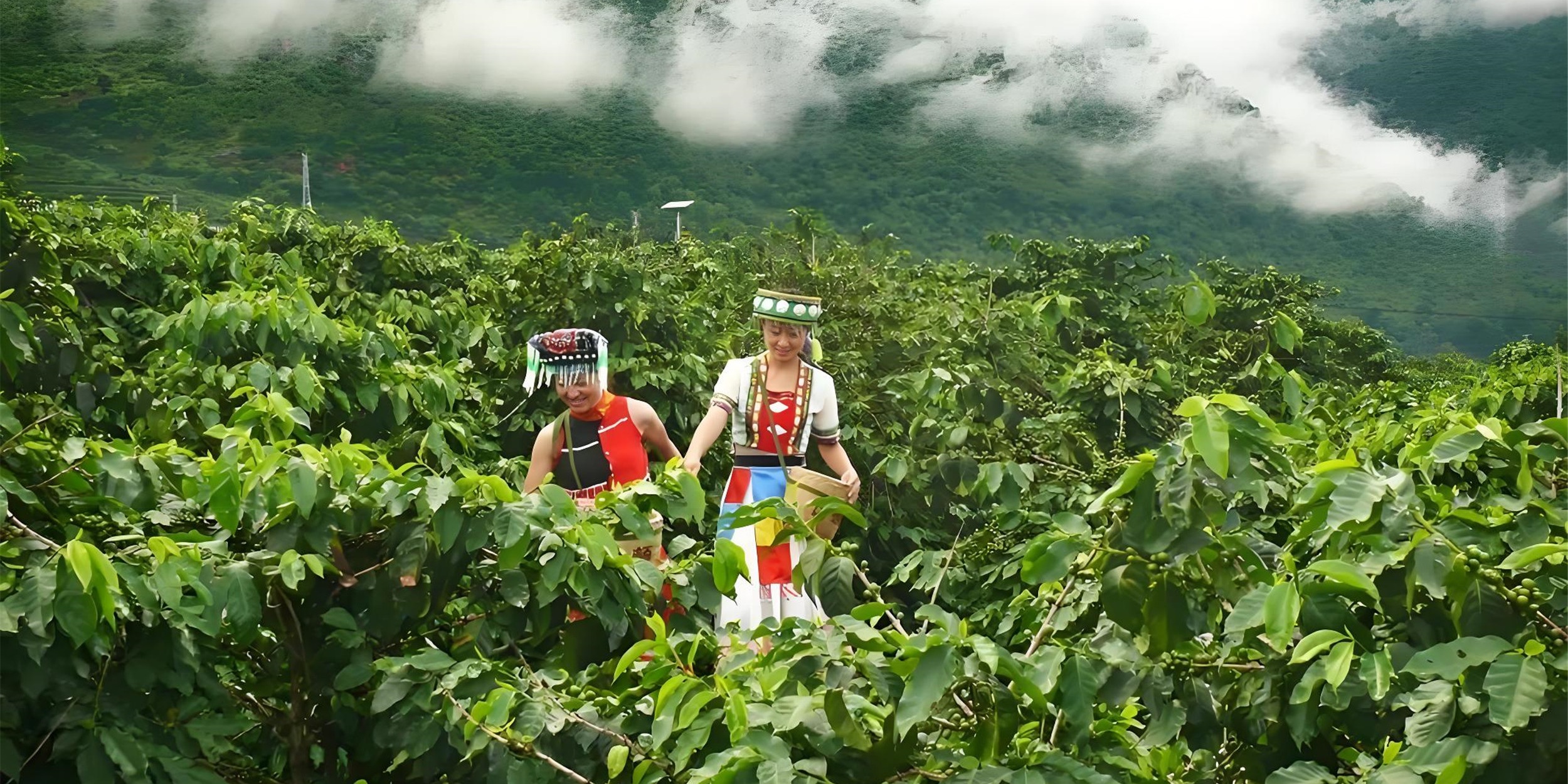
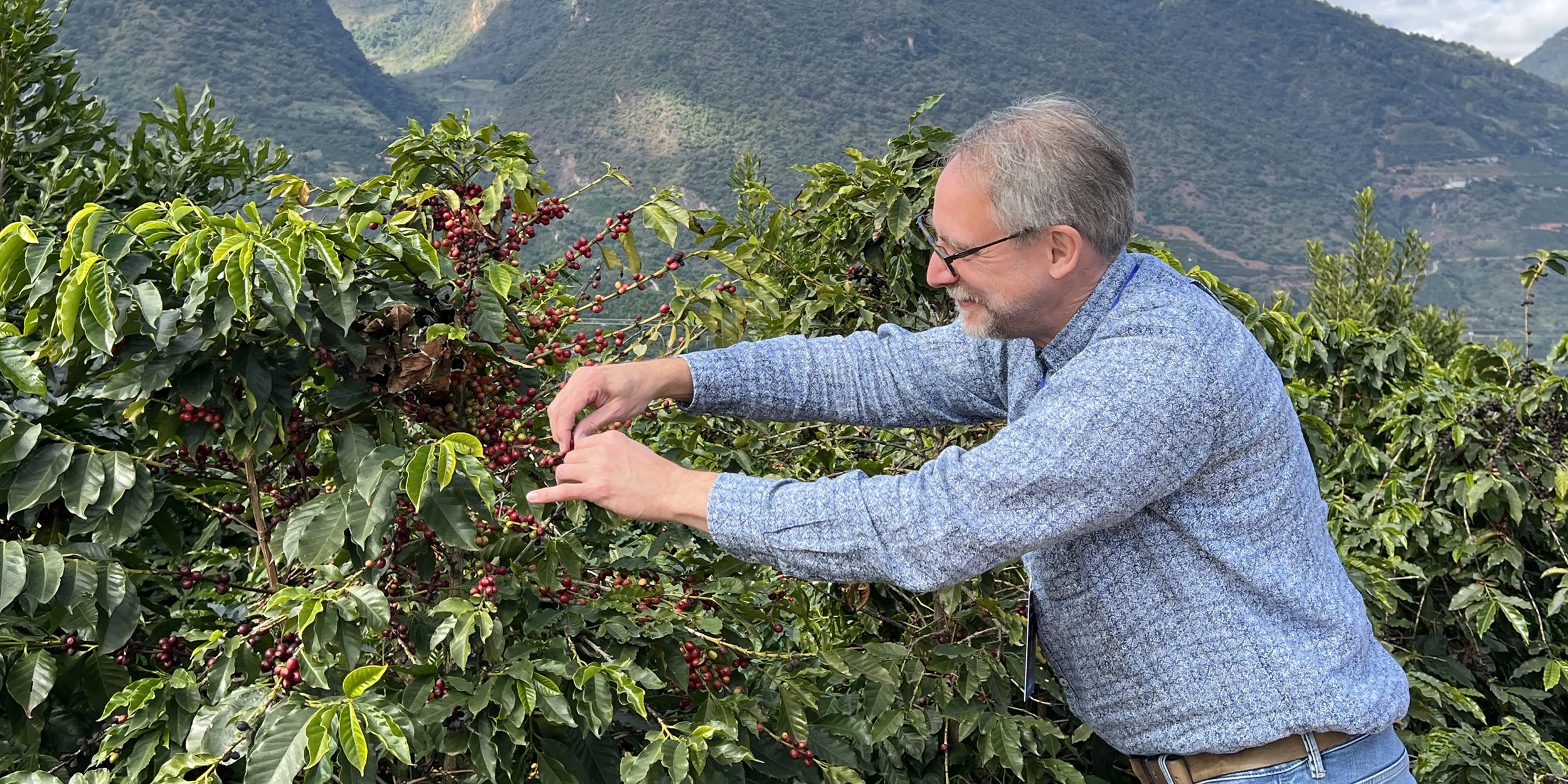
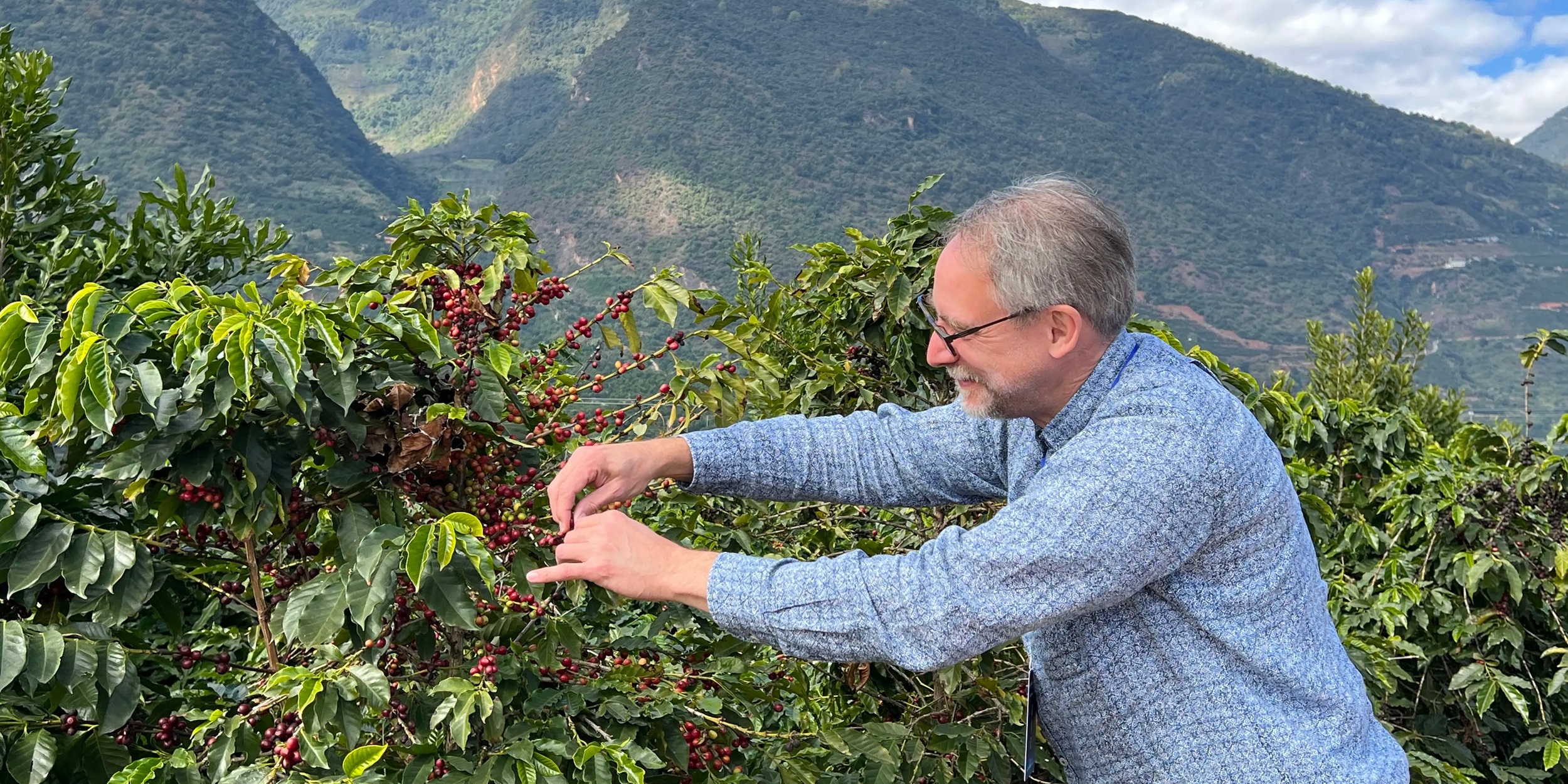
在咖啡圈只待了 19 个月,他被请去拯救喜力He only stayed in the coffee circle for 19 months and was invited to save Heineken
2024 年 11 月,刚刚接过咖啡巨头 JDE Peet's 的 Rafael Oliveira,做的第一件事不是发布任何战略,而是订机票。
此后的 100 多天里,他飞到了美国、德国、法国、英国、荷兰、巴西、澳大利亚、新加坡、马来西亚。他去的也不只是办公室,还有工厂和研发中心。每到一处,Oliveira 都要召开大大小小的会议,还做了 100 多场一对一沟通。
3 个月之后(2025 年 2 月),Oliveira 在公司业绩会上回顾这段经历,他称之为 " 摸清公司的脉搏 "。走访结束之后,他启动了一个覆盖 15 个议题的大检查,筛出值得投入巨大资源的少数机会。他后来给这些机会起名 big bets、重点押注。
一年半之后,这段经历有了新的意义。
6 月 23 日,喜力 Heineken 宣布提名 Oliveira 出任公司新任 CEO 兼执行董事会主席。若股东大会批准,他将在 2026 年 10 月正式上任。
这是喜力自 1864 年创立以来,第一次从外部聘请最高负责人。一位在咖啡行业只待了一年半、此前从未执掌过酒精饮品的职业经理人,即将接手正在裁员的啤酒巨头。
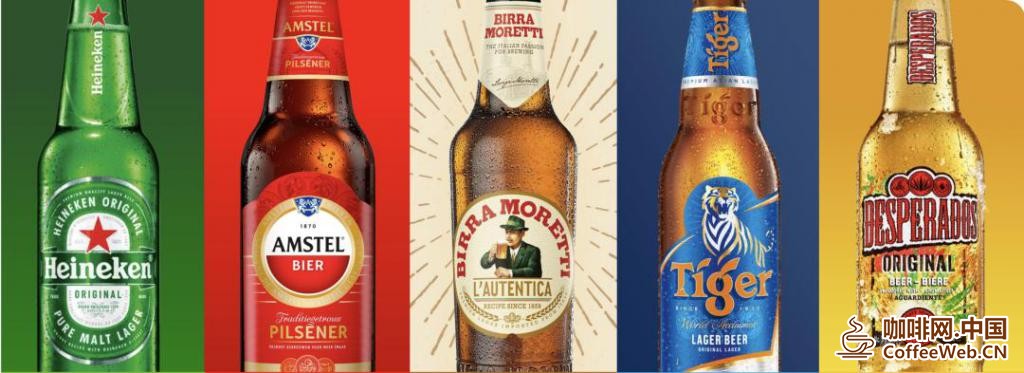
喜力不算是一家陷入危机的公司,它仍是全球第二大啤酒商,旗下有 Heineken、Amstel、Birra Moretti、Tiger、Desperados 等品牌;Heineken Silver 在亚洲表现强劲,Heineken 0.0 仍是无醇啤酒的全球代表。
但喜力确实遇到了难解的问题:啤酒没有以前好卖了。2025 年,喜力总销量下降 1.2%。美洲和欧洲市场疲弱,亚太和非洲、中东起到对冲作用。
首位外聘 CEO
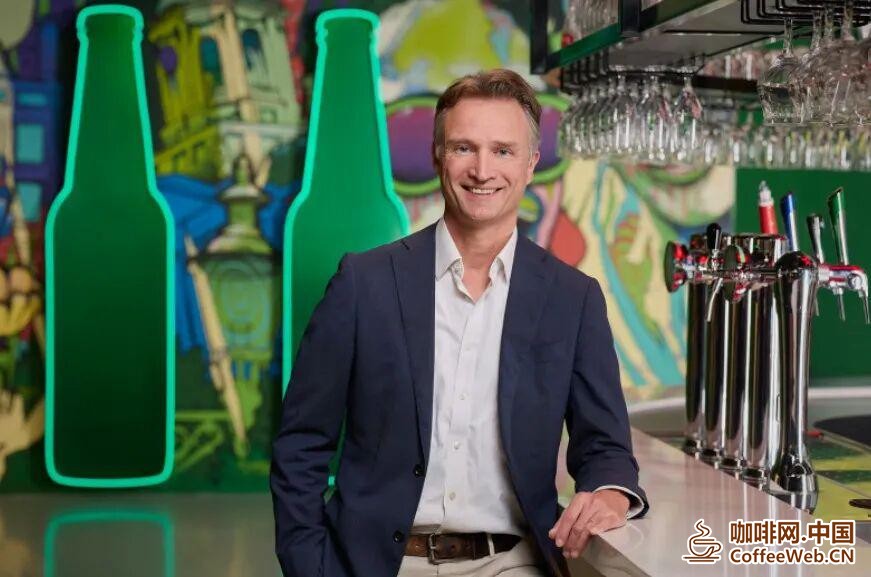
喜力前任 CEO Dolf van den Brink 在 2026 年 1 月意外宣布辞职,结束了六年任期。他留任到 5 月底,从 6 月初开始,喜力就处于没有常任 CEO 的状态,执行团队在维持运转,对外发声由 CFO 出面。
喜力是一家有 150 多年历史的啤酒公司,家族色彩浓厚,长期习惯从内部培养领导者。它突然找来一个外部 CEO,而且是一个咖啡产业出身的消费品经理人,本身就是信号。
Oliveira 现年 51 岁 , 巴西人,他的职业起点是金融,1996-2002 年,他在巴西担任股票研究分析师;2004-2014 年,Oliveira 在高盛工作了整整十年,其中一段是在香港担任亚洲新兴市场业务执行董事。
2014 年起,他加入消费品行业,在卡夫亨氏 Kraft Heinz 待了十年。Oliveira 从澳大利亚、新西兰及巴布亚新几内亚的董事总经理做起,一路升到国际市场总裁,管理一个横跨欧洲、非洲、亚太和拉美,营收超过 70 亿美元的业务组合。
那段时间,卡夫亨氏正在以 3G 资本式的极致成本管控公司,那套强调纪律、效率和回报的方法论,后来在他身上留下了清晰的印记。
2024 年 11 月,Oliveira 成为 JDE Peet's 的 CEO。这是他第一次担任上市公司一把手,也是唯一一段可观察其领导风格的任期。
只是这段任期有点短,资本运作改写了它。2025 年,美国饮料巨头 Keurig Dr Pepper(KDP)发起对 JDE Peet's 的收购。之后,这家在阿姆斯特丹上市的咖啡公司退市,成为 KDP 旗下的咖啡业务部门。
KDP 计划将咖啡业务重新分拆上市,Oliveira 要带领年营收约 160 亿美元的 Global Coffee,最早在 2017 年上市;但在那之前,喜力把他挖走了。
如果只看这一年半个月的财务结果,Oliveira 交出的是一份漂亮的成绩单。
JDE Peet's 2025 年全年业绩:有机销售增长 15.3%,总销售额接近 99.21 亿欧元;调整后 EBIT 增长 1.2% 至约 13 亿欧元。考虑到这一年咖啡豆价格涨到了历史高位、原材料相关的总成本通胀高达约 16 亿欧元,这样的表现实属不易。
还有一个比数字更能说明问题的,是他在业绩会上展现出的个人风格。
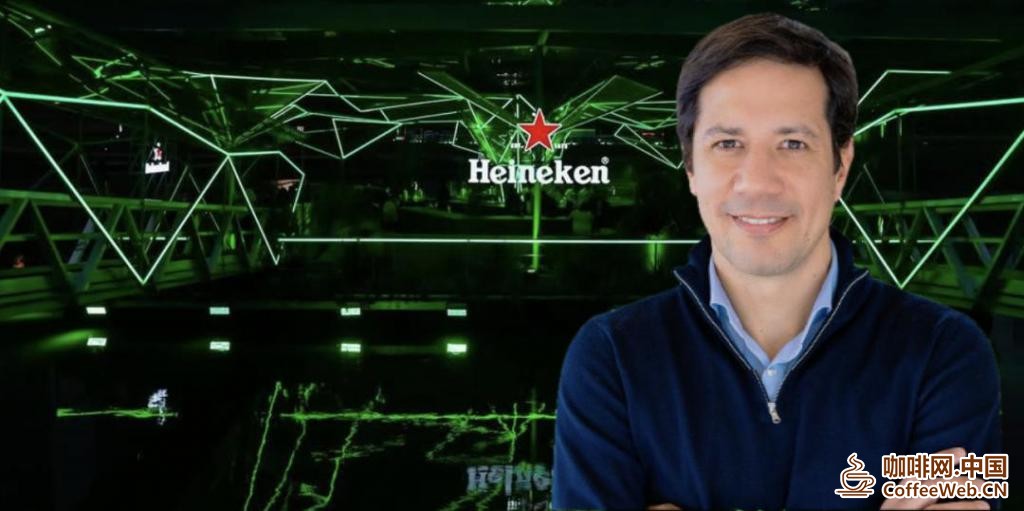
在 2025 年 2 月的业绩会上,他没有寒暄式的讲愿景,而是逐条盘点公司的毛病。他评价旗下咖啡门店业务," 我们一直不是好的运营商 ";过去的一些并购 " 没有按计划兑现 ", 明确表态未来对并购要 " 超级挑剔、超级严格 ", 要避免 " 过去那些糟糕的资本配置决策 "。
他批评 JDE Peet's 在中国市场用四个互不打通的独立实体运作,各自为政。他把公司最核心的病根概括为失去焦点," 当你打太多仗、追太多机会 , 资源配置就不是最优的 "。
在场的分析师都注意到了这种异常的坦率,在提问环节时有分析师评价说," 这是一场关于公司哪里做错了、要怎么做对的有意思讨论。"
当时,Oliveira 给 JDE Peet's 定的方向浓缩成几个词:聚焦、排序、把资源压到少数赌注上;围绕 Peet's、L'OR、Jacobs 为首的本地品牌三大 "big bets" 展开;同时配套一个到 2032 年节省 5 亿欧元的成本计划。
JDE Peet's 出售了土耳其亏损茶业务,停止 L ’ OR Barista 咖啡机在美国的铺开,把美国 L ’ OR 胶囊业务转给 Peet ’ s,关闭英国 Banbury 工厂。这些动作没有太多浪漫成分,就像体检后的处方:哪里不赚钱,哪里复杂,哪里重复,就先从哪里动手。
Oliveira 在财务上的铁律是保卫毛利额,而不是死守销量。他的逻辑是,把无法靠效率和生产率消化掉的那部分通胀、通过提价转嫁给零售和餐饮渠道。他笃信咖啡需求的低弹性:消费者不会因为涨价就少喝家里那杯咖啡。
把 JDE Peet's 那份漂亮成绩单拆开看,15.3% 的有机销售增长是怎么来的?价格效应 +19.5%,销量 / 组合 4.3%。也就是说,增长几乎全部由提价撑起,真实的销量其实在往下掉。在咖啡这个低弹性品类里,这套打法能成立,调整后 EBIT 还能挤出 1.2% 的正增长,已经是定价纪律和生产率项目共同努力的结果。
只是现在 Oliveira 即将面对的喜力,是一个不同的战场。
咖啡与啤酒
啤酒的需求弹性高于咖啡。年轻人喝得更少,减脂需求抑制酒精消费,成熟市场的消费者对价格极其敏感。喜力陷入和 JDE Peet's 同构、却更严重的量价背离。
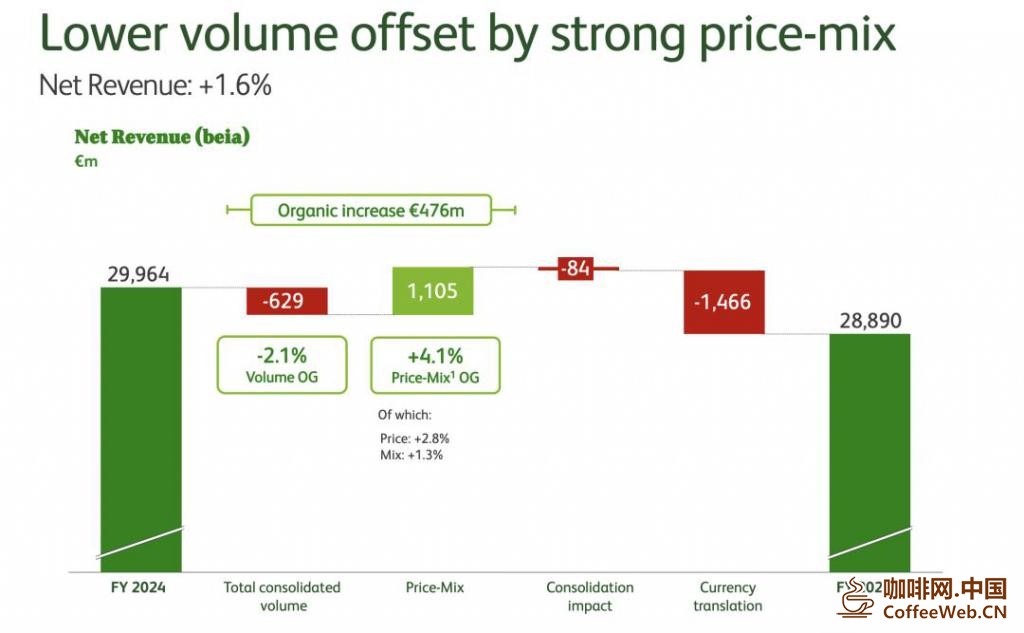
2025 年全年,喜力总销量下滑 1.2%(其中并表销量下滑 2.1%),净收入仅增长 1.6%,每百升净收入增长 3.8% ——又是一个靠定价和组合、而非靠销量驱动收入的故事。经调整营业利润增长 4.4%,利润率扩张 41 个基点至 15.2%。
利润端的体面,掩盖不了销量端的疲软。
这种疲软也不是一两个季度的波动。以 2025 年第三季度为例,喜力啤酒销量有机下滑 4.3%,欧洲和美洲双双萎缩;美洲一个区域净收入就下滑 5.5%、啤酒销量下滑 7.4%,巴西也受到库存调整和市场转弱拖累。
也正是在那一周,喜力宣布要加速数字化、重塑组织,在阿姆斯特丹总部大幅裁员——这成了后来更大规模裁员计划的起点。在 2026 年 2 月的全年业绩中,喜力明确给出指引 :未来两年将削减 5,000 至 6,000 个岗位,并预计 2026 年营业利润增长 2% – 6%,低于历史上 4% – 8% 的区间。
换个角度说,喜力请来 Oliveira,赌的正是他刚刚在另一个行业打过同一场战役。两家公司的处境相似:成熟品类、销量承压、靠定价和组合维持收入、都在推进成本计划、都在裁员简化组织。
喜力想要的,是一个熟悉这种困局、并已证明能稳住利润的人。
可相似之下藏着一道裂缝:在 JDE Peet's,Oliveira 稳住局面靠的是提价,他尚未证明自己能在不靠提价的环境里、驱动出真实的销量增长。偏偏这正是喜力 EverGreen 2030 战略最想要的东西——管理层在多个场合反复重申的目标,是让销量增速跑赢行业。
一个靠定价见长的操盘手,被要求去解决一个定价解决不了的销量难题,这中间的错配,不是过往业绩能直接背书的。
还有一重矛盾,藏在喜力自己反复强调的 " 战略不变 " 里。
在 CEO 真空的阶段,喜力的官方口径异常统一:EverGreen 2030 战略不动摇。CFO 在 3 月的 UBS 会议上对着投资者说 ," 对公司内部而言,现在不是开始质疑战略的时候,我们有一个非常好的战略,执行团队正在把它落地。"
喜力在全年业绩里专门描述了这套战略要怎么加速执行:聚焦资源、为增长做差异化、把成熟的 Heineken 品牌模型复制到更多全球品牌上。
这是一套强调连续性、强调按既定战略执行的叙事。而 Oliveira 在 JDE Peet's 的做法恰恰相反。他上任就重排优先级、点名批评旧策略、启动 15 个议题的全面体检、然后亲手推出一套全新的品牌战略。
现在,喜力一边说 " 期待他加速 EverGreen 2030 的执行 ", 一边又称他会带来 " 全新视角 , 激发并引领现有执行团队 " ——这两句话本身就有微妙的内在矛盾:到底是让他执行别人定好的战略,还是放手让他像在咖啡公司那样,先诊断、再动刀 ?
答案要等到 10 月之后才揭晓。
本文来自微信公众号" 涌流商业 ",作者:李伟,36 氪经授权发布。
In November 2024, Rafael Oliveira, who had just taken over coffee giant JDE Peet's, did not release any strategy but booked a flight.
In the following 100 days, he flew to the United States, Germany, France, the United Kingdom, the Netherlands, Brazil, Australia, Singapore, and Malaysia. He went not only to the office, but also to the factory and research and development center. Wherever she went, Oliveira held meetings of all sizes and had over 100 one-on-one conversations.
Three months later (February 2025), Oliveira reviewed this experience at the company performance meeting, which he called "understanding the pulse of the company". After the visit, he launched a major inspection covering 15 topics, screening out a few opportunities worth investing huge resources in. He later named these opportunities Big Bets and focused on betting.
After a year and a half, this experience took on a new meaning.
On June 23rd, Heineken announced the nomination of Oliveira as the company's new CEO and Chairman of the Executive Board. If approved by the shareholders' meeting, he will officially take office in October 2026.
This is the first time since its establishment in 1864 that Heineken has hired an external top executive. A professional manager who has only been in the coffee industry for a year and a half and has never been in charge of alcoholic beverages before is about to take over the beer giant that is undergoing layoffs.
Heineken is not a company in crisis, it is still the world's second-largest beer company, with brands such as Heineken, Amstel, Birra Moretti, Tiger, Desperados, etc; Heineken Silver has performed strongly in Asia, and Heineken 0.0 remains the global representative of non-alcoholic beer.
But Heineken did encounter a difficult problem: beer is not selling as well as before. In 2025, Heineken's total sales will decrease by 1.2%. The weak markets in the Americas and Europe serve as a hedge against the Asia Pacific, Africa, and the Middle East.
The first externally hired CEO
Former CEO of Heineken, Dolf van den Brink, unexpectedly announced his resignation in January 2026, ending his six-year term. He stayed on until the end of May. Since early June, Heineken has been in a state without a permanent CEO, with the executive team maintaining operations and the CFO speaking out externally.
Heineken is a beer company with over 150 years of history, with a strong family background and a long-standing habit of cultivating leaders from within. It suddenly hired an external CEO, who is a consumer goods manager with a background in the coffee industry, which is itself a signal.
Oliveira, 51 years old, Brazilian, started his career in finance and worked as a stock research analyst in Brazil from 1996 to 2002; From 2004 to 2014, Oliveira worked at Goldman Sachs for a full decade, during which she served as the Executive Director of Emerging Markets Asia in Hong Kong.
Since 2014, he joined the consumer goods industry and spent ten years at Kraft Heinz. Oliveira started as a Managing Director in Australia, New Zealand, and Papua New Guinea, and rose all the way to President of International Markets, managing a business portfolio spanning across Europe, Africa, Asia Pacific, and Latin America with revenues exceeding $7 billion.
During that time, Kraft Heinz was using 3G capital style extreme cost control companies, a methodology that emphasized discipline, efficiency, and returns, which later left a clear imprint on him.
In November 2024, Oliveira became the CEO of JDE Peet's. This is his first time serving as the head of a listed company and the only period during which his leadership style can be observed.
It's just that this term was a bit short, and capital operations rewrote it. In 2025, American beverage giant Keurig Dr Pepper (KDP) initiated the acquisition of JDE Peet's. Afterwards, this coffee company listed in Amsterdam was delisted and became a coffee business unit under KDP.
KDP plans to spin off its coffee business and go public again, with Oliveira leading Global Coffee, which has an annual revenue of approximately $16 billion, to go public as early as 2017; But before that, Heineken had poached him.
If we only look at the financial results for this year and a half, Oliveira has submitted a beautiful report card.
JDE Peet's 2025 full year performance: organic sales growth of 15.3%, total sales approaching 9.921 billion euros; Adjusted EBIT increased by 1.2% to approximately 1.3 billion euros. Considering that coffee bean prices have risen to historic highs this year and the total cost inflation related to raw materials has reached approximately 1.6 billion euros, such performance is not easy.
Another thing that speaks louder than numbers is his personal style demonstrated at the performance meeting.
At the performance meeting in February 2025, he did not present his vision in a conversational manner, but instead took stock of the company's shortcomings one by one. He commented on his coffee shop business, 'We have never been a good operator' Some past mergers and acquisitions have not been carried out as planned, and it is clearly stated that in the future, mergers and acquisitions will be "super picky and super strict", and "bad capital allocation decisions from the past" should be avoided.
He criticized JDE Peet's for operating in the Chinese market with four independent entities that are not connected to each other and acting independently. He summarized the core problem of the company as losing focus, 'When you fight too many battles and pursue too many opportunities, resource allocation is not optimal'.
The analysts present noticed this unusual frankness, and during the questioning session, one analyst commented, "This is an interesting discussion about where the company went wrong and how to do it right
At that time, Oliveira condensed the direction set for JDE Peet's into a few words: focus, sort, and place resources on a few bets; Surrounding the three major "big bets" of local brands led by Peet's, L'OR, and Jacobs; Simultaneously supporting a cost saving plan of 500 million euros by 2032.
JDE Peet's sold the loss making tea business in Türkiye, stopped the spread of L'OR Barista coffee machine in the United States, transferred the American L'OR capsule business to Peet's, and closed the British Banbury factory. These actions don't have much romantic element, just like a prescription after a physical examination: start from where it doesn't make money, where it's complicated, and where it's repetitive.
Oliveira's iron rule in finance is to protect gross profit, not to cling to sales. His logic is to pass on the portion of inflation that cannot be digested by efficiency and productivity to retail and catering channels through price increases. He firmly believes in the low elasticity of coffee demand: consumers will not drink less of their home cup of coffee just because of price increases.
Looking at JDE Peet's beautiful performance report, how did the 15.3% organic sales growth come about? Price effect+19.5%, sales/mix 4.3%. That is to say, growth is almost entirely supported by price increases, and actual sales are actually declining. In the low elasticity category of coffee, the success of this strategy and the ability to squeeze out a positive growth of 1.2% in EBIT after adjustment is already the result of the joint efforts of pricing discipline and productivity projects.
The Heineken that Oliveira is about to face now is a different battlefield.
Coffee and Beer
The demand elasticity for beer is higher than that for coffee. Young people drink less, the demand for weight loss suppresses alcohol consumption, and consumers in mature markets are extremely price sensitive. Heineken has fallen into a more serious volume price divergence that is isomorphic to JDE Peet's.
In 2025, Heineken's total sales will decline by 1.2% (including a 2.1% decline in consolidated sales), while net revenue will only increase by 1.6%, with a 3.8% increase in net revenue per 100 liters - another story driven by pricing and mix rather than sales. Adjusted operating profit increased by 4.4%, and profit margin expanded by 41 basis points to 15.2%.
The dignity of the profit side cannot conceal the weakness of the sales side.
This kind of weakness is not a fluctuation of one or two quarters. Taking the third quarter of 2025 as an example, Heineken beer sales experienced an organic decline of 4.3%, with both Europe and the Americas shrinking; The net income of a region in the Americas fell by 5.5%, beer sales fell by 7.4%, and Brazil was also dragged down by inventory adjustments and market weakness.
It was also during that week that Heineken announced its plan to accelerate digitalization and reshape the organization, resulting in significant layoffs at its Amsterdam headquarters - which became the starting point for larger scale layoffs later on. In its annual performance for February 2026, Heineken has provided clear guidance that it will reduce 5000 to 6000 positions in the next two years and expects operating profit to grow by 2% -6% in 2026, lower than the historical range of 4% -8%.
To put it another way, Heineken invited Oliveira, betting that he had just fought the same battle in another industry. The situation of the two companies is similar: mature categories, sales pressure, maintaining revenue through pricing and combination, both are advancing cost plans, and both are downsizing and simplifying their organizations.
What Heineken wants is someone who is familiar with this dilemma and has proven to be able to stabilize profits.
There is a crack hidden beneath the similarity: at JDE Peet's, Oliveira stabilized the situation by raising prices, and he has not yet proven that he can drive real sales growth in an environment without raising prices. Unfortunately, this is exactly what Heineken EverGreen's 2030 strategy wants the most - the goal repeatedly reiterated by the management on multiple occasions, which is to make sales growth outperform the industry.
A trader who excels in pricing is asked to solve a sales problem that pricing cannot solve, and the mismatch in between cannot be directly endorsed by past performance.
There is another contradiction hidden within Heineken's repeated emphasis on 'strategic stability'.
During the CEO vacuum phase, Heineken's official statement was unusually consistent: EverGreen's 2030 strategy remains unwavering. At the UBS meeting in March, the CFO told investors, "For the company internally, now is not the time to start questioning the strategy. We have a very good strategy, and the execution team is putting it into practice
Heineken specifically described in its annual performance how to accelerate the execution of this strategy: focusing on resources, differentiating for growth, and replicating the mature Heineken brand model to more global brands.
This is a narrative that emphasizes continuity and execution according to established strategies. However, Oliveira's approach at JDE Peet's is exactly the opposite. He rearranged priorities, criticized old strategies by name, initiated a comprehensive examination of 15 issues, and then personally launched a new brand strategy upon taking office.
Now, while Heineken says' we expect him to accelerate the execution of EverGreen 2030 ', it also claims that he will bring' a new perspective, inspire and lead the existing execution team '- these two sentences themselves have subtle internal contradictions: should we let him execute the strategy set by others, or let him go and diagnose first, and then take action like in a coffee company?
The answer will not be revealed until after October.
This article is from WeChat official account "Yongliu Commerce", written by Li Wei, 36 Krypton has been authorized to release.