4亿,美团投了一台咖啡机400 million, Meituan invested in a coffee machine
中国咖啡行业疯狂扩张,也让资本看上了咖啡机。
刚刚,CAYE咖爷科技完成近4亿元人民币B轮融资。由老股东美团龙珠领投,柏睿资本、高瓴创投、苏创投、嘉宾资本等机构联合跟投。
咖爷做的是商用全自动咖啡机,瞄准的是连锁咖啡店、新式茶饮店、便利店等。
2025年,中国商用咖啡机市场规模约80亿元,高端区间约70%是瑞士、意大利等海外品牌。
咖爷想走一条国产替代的路,就像张雪摩托希望取代雅马哈、杜卡迪。
本次领投方美团龙珠谢绝了铅笔道的访谈请求。
帮咖啡店一年省3万
咖爷科技创始人吴鹏,曾是追觅科技早期核心成员。
他2017年10月加入追觅,主管市场销售业务,经历了追觅从起步到成长的全过程。2022年离开追觅后,他短暂进入一家美元基金做投资人。也正是在那段时间,他开始接触咖啡机行业。
一开始,他不是想创业做咖啡机。
据他后来回忆,当时高瓴资本想看一家高端商用咖啡机品牌,吴鹏跟着一起去欧洲调研。他看了一圈,发现这个行业很有意思:一边是中国咖啡连锁快速爆发,瑞幸、库迪、茶饮、便利店、餐饮品牌都在增加咖啡供给;另一边,高端商用咖啡机仍主要掌握在瑞士、意大利品牌手里。国内品牌更多停留在酒店、办公室、中低端场景,真正能进入连锁咖啡门店核心吧台的并不多。
这让吴鹏看到了一个反差。
中国是咖啡机出口大国,也有强大的家电和制造业供应链,但连锁咖啡门店愿意采购的高端设备,很多仍来自欧洲。
欧洲厂商站在价值链高端很多年,产品成熟,品牌强,但更新速度并不快。相反,中国在新能源汽车、医疗器械、工控设备、纺织机械等行业已经积累了大量先进制造能力。这些行业的技术和供应链,如果迁移到咖啡机上,可能会产生"降维打击"。
吴鹏不是把模仿欧洲机器、便宜一点卖给中国客户,而是用中国制造业能力,重新做一台更适合连锁门店的商用咖啡机。
商用全自动咖啡机要解决的,不是"能不能做一杯咖啡",而是"能不能在几千家、上万家门店里稳定做出同一杯咖啡"。
咖爷后来把医疗器械行业的称重技术用到粉重控制里,把汽车行业的一体化压铸技术用到机身制造里,把纺织机、陶瓷材料等供应链能力用到刀盘研发里。
咖爷最早抓住的核心变量,是"粉重"。在机器里加入粉重称重系统,把粉重偏差控制到±0.2克,而主流自动咖啡机的误差可能在2克到3克。
对普通消费者来说,2克粉好像不多。但对连锁咖啡店来说,这就是成本,也是口味。
一家门店一天出几百杯,几千家门店一年卖出上亿杯。每杯浪费1克、2克,乘起来就是巨大的损耗。以一家日均出杯约500杯的门店为例,采用该系统后,每年可节省约300公斤咖啡豆,运营成本降低近3万元。
而当咖啡连锁进入万店竞争,后台能力就变得越来越重要。机器稳不稳,出杯快不快,豆子浪费多不多,新员工能不能快速上手,设备坏了能不能及时维修,都会影响一家门店能不能赚钱。
商用咖啡机行业更窄,但机会更确定:中国咖啡门店还在增长,茶饮、便利店、餐饮、酒店都在增加咖啡供给。
截至2025年9月,全国咖饮门店数超过26万家,同比增长19.9%。
资本看中的,不只是一台咖啡机。
而是中国咖啡连锁化背后的基础设施机会。
咖爷科技成立于2022年底,已经完成多轮融资。2023年3月,完成近亿元天使轮融资;2024年4月完成数千万元A轮融资;2024年11月又完成近亿元新一轮融资;2026年6月,公司宣布完成近4亿元人民币新一轮融资,由美团龙珠领投,高瓴创投持续加码。
消费降级带来的机会
中国咖啡行业的机会,不是单纯来自消费升级。
恰恰相反,它也来自消费降级,重新定义中国咖啡连锁需要什么机器。
过去几年,咖啡价格被不断打下来。9块9咖啡、低价券、外卖补贴,把咖啡从"白领饮品"变成了更日常的饮料。价格越低,单杯利润越薄。门店越多,管理越难。对品牌来说,能不能靠系统能力赚钱,变得越来越重要。
这时候,商用咖啡机的价值就凸显出来了。
第一,它能降低对人的依赖。
连锁品牌很难在几千家店里配置大量高水平咖啡师。尤其是下沉市场、校园店、社区店、交通枢纽店,员工流动大,培训周期短,机器就必须承担更多标准化工作。机器要适应高频出杯。要适应奶咖、果咖、茶咖等混合产品。要适应小店模型。要容易维护。要能远程监测。要能快速培训新人。还要在成本上扛得住价格战。
第二,它能提升高峰时段出杯效率。
咖啡消费有明显高峰。早上上班前,中午饭后,下午办公时段,订单集中涌入。机器慢一点,排队就长一点。外卖订单一多,门店履约就容易乱。对连锁咖啡来说,效率不是锦上添花,而是决定翻台和复购的基本能力。
第三,它能减少原料浪费。
咖啡豆价格本身在波动。连锁品牌还要面对牛奶、椰乳、水果、包材、配送、房租和人工成本。价格战越激烈,品牌越要从每个细节抠效率。咖啡机如果能少浪费豆子、少调试、少故障,就直接影响门店模型。
第四,它能帮助更多非咖啡业态卖咖啡。
今天的咖啡,不只出现在咖啡店。
便利店卖现磨咖啡,酒店早餐厅卖咖啡,快餐店卖咖啡,新式茶饮店也在卖咖啡。红餐产业研究院在《咖饮品类发展报告2025》中提到,2025年咖饮品牌在产品端密集推出茶饮产品,门店布局更趋精细化、场景化,"店中店"模式兴起,高校、交通枢纽等流量点位成为选址重点。
这其实说明一件事:咖啡正在从单一门店业态,变成一种通用饮品能力。
一家便利店不可能养一个专业咖啡师。一个酒店早餐厅也不一定需要复杂吧台。一家茶饮店如果只是增加几款咖啡产品,也不会为此重建完整咖啡体系。它们需要的,正是一台稳定、好用、维护简单、出品可控的全自动咖啡机。
所以,咖爷的客户不只会是咖啡品牌。
它的潜在客户,还包括新式茶饮、餐饮连锁、便利店、酒店、办公场景、海外本地咖啡连锁。
这也是美团龙珠领投这轮融资值得关注的地方。
美团龙珠、高瓴创投也在消费和餐饮连锁领域有大量布局,包括喜茶、古茗、蜜雪冰城等,未来不排除在咖啡上下游产生协同。
一年80亿的小生意
咖啡连锁门店越多,商用咖啡机越重要,但这门生意并不轻松。
第一道风险,是市场天花板并没有想象中那么大。
前面说了,中国商用咖啡机市场2025年80亿元;国产品牌在商用领域份额仍不足30%。这说明国产替代空间存在,但也意味着它仍是一个相对窄的硬件市场,不是万亿级消费赛道。全球看,2025年商用咖啡机市场规模约59亿美元,2026年至2035年复合增速约6.4%。这是一门稳增长生意,不是爆炸式增长生意。
第二道风险,是老牌玩家太强。
商用咖啡机长期由欧洲品牌占据高端市场,比如Thermoplan、Franke、Schaerer、WMF、Eversys、La Marzocco等。它们的优势不只是机器本身,还有几十年积累的客户信任、渠道和售后网络。
连锁客户选择设备,往往很保守。老牌海外厂商的优势,就在于它们已经被大量门店验证过。对咖啡品牌来说,新设备再先进,如果稳定性没有经过足够长时间考验,采购决策仍会谨慎。吴鹏认为本土新品牌与国际头部厂商竞争时,吃亏的地方主要是两处:一是稳定性,二是品牌力。
第三道风险,售后也是硬仗。
咖啡机是高频设备,不是卖出去就结束。门店晚上坏机,第二天早高峰就可能损失订单。设备公司必须有本地服务网络、备件体系、维修响应速度和客户培训能力。咖爷这轮融资明确提到要建设售后服务体系,本质上就是补这块能力。
第四道风险,是下游咖啡行业自身仍在价格战里。中国咖啡市场增长很快,但价格战也在压缩门店利润。对咖啡机公司来说,下游越卷,门店越重视降本增效,这是机会;但如果品牌利润承压,也可能推迟设备升级,或者对供应商压价。
本文不构任何成投资建议。还参考了36氪、嘉宾商学等报道,一并致谢。
Author | Pencil Dao Huang Xiaogui
Editor | Pencil Path Zou Wei
The crazy expansion of China's coffee industry has also attracted capital to coffee machines.
Just now, CAYE Technology completed a Series B financing of nearly 400 million RMB. Led by veteran shareholder Meituan Longzhu, with joint investment from institutions such as Bairui Capital, Hillhouse Venture Capital, Su Venture Capital, and Guest Capital.
Coffee Master specializes in commercial fully automatic coffee machines, targeting chain coffee shops, new-style tea shops, convenience stores, and more.
By 2025, the market size of commercial coffee machines in China is expected to reach approximately 8 billion yuan, with about 70% of the high-end segment consisting of overseas brands such as Switzerland and Italy.
Kao Ye wants to take a path of domestic substitution, just like Zhang Xue Motorcycle hopes to replace Yamaha and Ducati.
The leading investor, Meituan Dragon Ball, declined Pencil Dao's interview request.
Save 30000 yuan a year for the coffee shop
Founder of Kaya Technology, Wu Peng, was an early core member of Zhumi Technology.
He joined Zhuimi in October 2017 and was in charge of marketing and sales business, experiencing the entire process from Zhuimi's inception to growth. After leaving Zhumi in 2022, he briefly joined a US dollar fund as an investor. It was during that time that he began to get involved in the coffee machine industry.
At first, he didn't want to start a business making coffee machines.
According to his later recollection, at that time Hillhouse Capital wanted to see a high-end commercial coffee machine brand, and Wu Peng followed along to Europe for research. He looked around and found the industry very interesting: on one hand, Chinese coffee chains are rapidly exploding, with Luckin Coffee, Kudi Coffee, tea drinks, convenience stores, and catering brands all increasing their coffee supply; On the other hand, high-end commercial coffee machines are still mainly controlled by Swiss and Italian brands. Domestic brands mostly stay in hotels, offices, and mid to low end scenarios, and there are not many that can truly enter the core bar of chain coffee shops.
This made Wu Peng see a contrast.
China is a major exporter of coffee machines and has a strong supply chain for home appliances and manufacturing. However, many of the high-end equipment that chain coffee shops are willing to purchase still comes from Europe.
European manufacturers have been at the high end of the value chain for many years, with mature products and strong brands, but their update speed is not fast. On the contrary, China has accumulated a large amount of advanced manufacturing capabilities in industries such as new energy vehicles, medical equipment, industrial control equipment, and textile machinery. If the technology and supply chain of these industries are migrated to coffee machines, it may result in a 'downgrade blow'.
Wu Peng is not trying to imitate European machines and sell them to Chinese customers at a cheaper price, but rather using Chinese manufacturing capabilities to create a commercial coffee machine that is more suitable for chain stores.
The problem that commercial fully automatic coffee machines need to solve is not whether they can make a cup of coffee, but whether they can stably make the same cup of coffee in thousands or tens of thousands of stores.
Later on, Mr. Coffee applied weighing technology from the medical device industry to powder weight control, integrated die-casting technology from the automotive industry to machine body manufacturing, and supply chain capabilities such as textile machines and ceramic materials to knife disc research and development.
The core variable that coffee masters first grasped was "fan weight". Add a powder weight weighing system to the machine to control the powder weight deviation to ± 0.2 grams, while the error of mainstream automatic coffee machines may be between 2 grams and 3 grams.
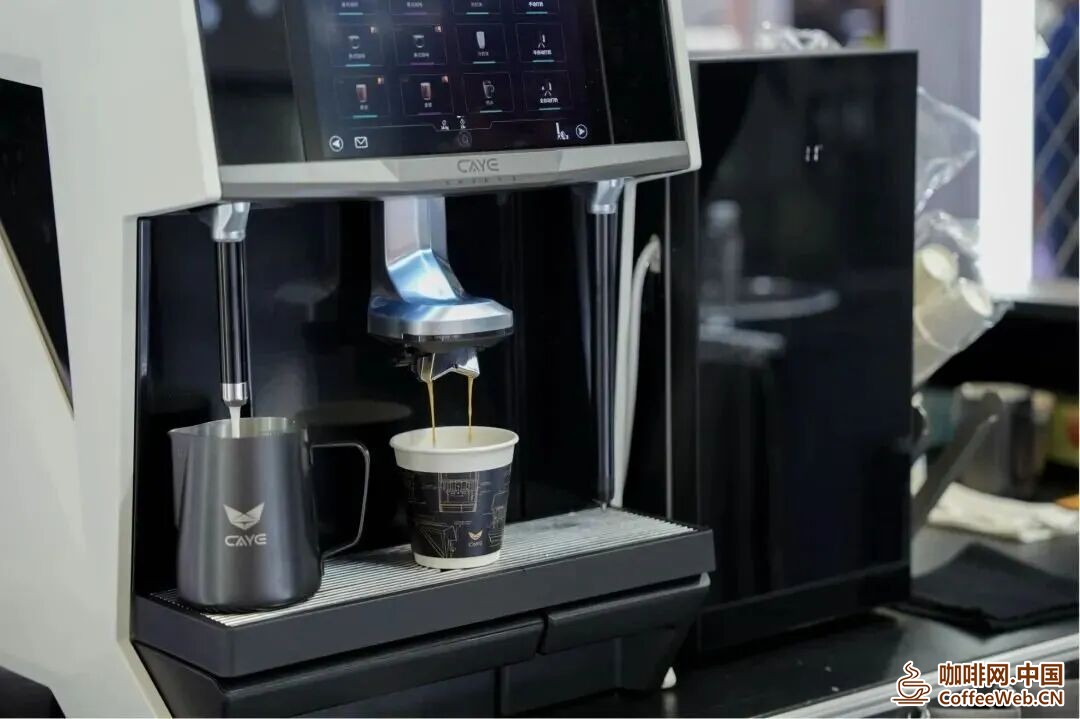
CAYE coffee machine is used in commercial scenarios to produce beverages. Source: Public Information
For ordinary consumers, 2 grams of powder doesn't seem like much. But for chain coffee shops, this is both cost and taste.
A store sells hundreds of cups a day, while thousands of stores sell hundreds of millions of cups a year. Each cup wastes 1 gram or 2 grams, which adds up to a huge loss. Taking a store that produces about 500 cups per day as an example, adopting this system can save about 300 kilograms of coffee beans per year and reduce operating costs by nearly 30000 yuan.
As coffee chains enter the competition of thousands of stores, backend capabilities become increasingly important. The stability of the machine, the speed of cup dispensing, the amount of bean waste, whether new employees can quickly get started, and whether equipment can be repaired in a timely manner can all affect whether a store can make money.
The commercial coffee machine industry is narrower, but the opportunities are more certain: Chinese coffee shops are still growing, and tea drinks, convenience stores, restaurants, and hotels are all increasing coffee supply.
As of September 2025, the number of coffee and beverage stores in China has exceeded 260000, a year-on-year increase of 19.9%.
Capital values more than just a coffee machine.
But it is the infrastructure opportunity behind the chain operation of Chinese coffee.
Kaye Technology was established at the end of 2022 and has completed multiple rounds of financing. In March 2023, completed nearly 100 million yuan angel round financing; Complete tens of millions of yuan in Series A financing in April 2024; In November 2024, a new round of financing worth nearly 100 million yuan was completed; In June 2026, the company announced the completion of a new round of financing of nearly 400 million yuan, led by Meituan Longzhu and continuously increased by Hillhouse Capital.
Opportunities brought by consumption downgrade
The opportunities in the Chinese coffee industry do not solely come from consumer upgrades.
On the contrary, it also comes from the downgrade of consumption, redefining what machines Chinese coffee chains need.
In the past few years, coffee prices have been continuously lowered. 9.9 yuan coffee, low price coupons, and food delivery subsidies have transformed coffee from a "white-collar beverage" into a more everyday drink. The lower the price, the thinner the profit per cup. The more stores there are, the harder it is to manage. For brands, it is becoming increasingly important to rely on system capabilities to make money.
At this point, the value of commercial coffee machines is highlighted.
Firstly, it can reduce dependence on people.
It is difficult for chain brands to deploy a large number of high-level baristas in thousands of stores. Especially in lower tier markets, campus stores, community stores, and transportation hub stores, where employee turnover is high and training cycles are short, machines must undertake more standardized work. The machine needs to adapt to high-frequency cup dispensing. To adapt to mixed products such as milk coffee, fruit coffee, tea coffee, etc. To adapt to the small shop model. Easy to maintain. Can be remotely monitored. To be able to quickly train new people. We also need to withstand price wars in terms of cost.
Secondly, it can improve the efficiency of cup dispensing during peak hours.
There is a clear peak in coffee consumption. Before going to work in the morning, after lunch, and during the afternoon office hours, orders flood in. If the machine is slower, the queue will be longer. With a large number of takeout orders, it is easy for the store to fail in fulfilling its obligations. For chain coffee, efficiency is not just about adding icing on the cake, but about the basic ability to decide on turning tables and repurchasing.
Thirdly, it can reduce the waste of raw materials.
The price of coffee beans itself is fluctuating. Chain brands also face costs such as milk, coconut milk, fruits, packaging materials, delivery, rent, and labor. The more intense the price war, the more brands need to focus on efficiency in every detail. If the coffee machine can waste fewer beans, debug less, and have fewer malfunctions, it will directly affect the store model.
Fourthly, it can help more non coffee businesses sell coffee.
Today's coffee is not limited to coffee shops.
Convenience stores sell freshly ground coffee, hotel breakfast restaurants sell coffee, fast food restaurants sell coffee, and new-style tea shops also sell coffee. The Red Meal Industry Research Institute mentioned in the "Coffee Beverage Category Development Report 2025" that in 2025, coffee beverage brands will intensively launch tea beverage products on the product side, and the store layout will become more refined and scene oriented. The "store in store" model will rise, and traffic points such as universities and transportation hubs will become key site selection points.
This actually indicates one thing: coffee is transitioning from a single store format to a universal beverage capability.
A convenience store cannot have a professional barista. A hotel breakfast restaurant does not necessarily require a complex bar counter. A tea shop that only adds a few coffee products will not rebuild a complete coffee system for this. What they need is a stable, easy-to-use, easy to maintain, and controllable fully automatic coffee machine.
So, Coffee's customers will not only be coffee brands.
Its potential customers also include new-style tea drinks, catering chains, convenience stores, hotels, office settings, and overseas local coffee chains.
This is also a noteworthy aspect of the financing round led by Meituan Longzhu.
Meituan Longzhu and Hillhouse Venture Capital have also made significant investments in the consumer and catering chain industries, including Heytea, Guming, and Meixue Ice City. In the future, there may be synergies in the upstream and downstream of coffee.
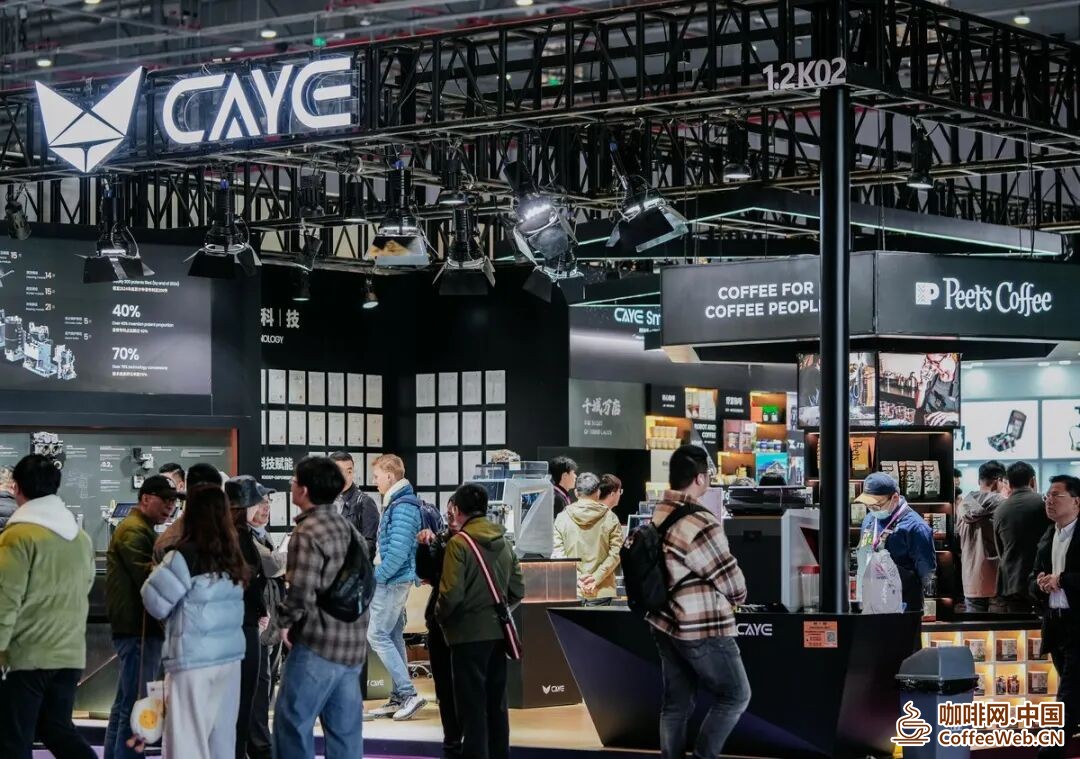
CAYE Technology Exhibits at the International Hotel Supplies Exhibition Source: CAYE Technology Official Website
A small business worth 8 billion yuan per year
The more coffee chain stores there are, the more important commercial coffee machines are, but this business is not easy.
The first risk is that the market ceiling is not as large as imagined.
As mentioned earlier, the Chinese commercial coffee machine market is expected to reach 8 billion yuan by 2025; Domestic brands still hold less than 30% of the market share in the commercial sector. This indicates that there is room for domestic substitution, but it also means that it is still a relatively narrow hardware market, not a trillion dollar consumer track. Globally, the commercial coffee machine market is expected to reach approximately 5.9 billion US dollars by 2025, with a compound annual growth rate of approximately 6.4% from 2026 to 2035. This is a steady growth business, not an explosive growth business.
The second risk is that veteran players are too strong.
Commercial coffee machines have long been dominated by European brands in the high-end market, such as Thermoplan, Franke, Schaerer, WMF, Eversys, La Marzocco, etc. Their advantages are not only the machines themselves, but also the customer trust, channels, and after-sales network accumulated over decades.
Chain customers often choose equipment conservatively. The advantage of established overseas manufacturers is that they have been validated by a large number of stores. For coffee brands, no matter how advanced the new equipment is, if its stability has not been tested for a long enough time, procurement decisions will still be cautious. Wu Peng believes that when local new brands compete with international top manufacturers, they mainly suffer from two disadvantages: stability and brand strength.
The third risk is that after-sales service is also a tough battle.
A coffee machine is a high-frequency device, it doesn't end just by selling it. If the store malfunctions at night, it may lose orders during the morning rush hour the next day. Equipment companies must have a local service network, spare parts system, maintenance response speed, and customer training capabilities. In this round of financing, Kaya clearly mentioned the need to build an after-sales service system, which is essentially to supplement this capability.
The fourth risk is that the downstream coffee industry itself is still in a price war. The Chinese coffee market is growing rapidly, but price wars are also compressing store profits. For coffee machine companies, the more downstream they become, the more their stores focus on reducing costs and increasing efficiency, which is an opportunity; But if brand profits are under pressure, it may also delay equipment upgrades or lower prices for suppliers.
This article does not constitute any investment advice. I also referred to reports from 36Kr and Guest Business School, and would like to express my gratitude.