
咖啡涨价 美国人悄然改变喝咖啡习惯 Coffee prices rise, Americans quietly change their coffee drinking habits
多纳尔森“十包糖、五份奶油”的喝咖啡习惯还是从妈妈那里学来的。从读大学、参军到进入政府部门工作,咖啡一直陪伴着她。即便价格上涨,她最初也仍坚持购买。直到去年政府停摆导致拿不到工资,她才彻底放弃这个习惯。如今,她选择喝茶代替,“一杯茶20美分,相比7到8美元一杯的咖啡,”她说,“这笔账怎么算都划算。”(荆晶)
Xinhua News Agency, Beijing, February 15 -- For Chandra Donelson, a 35-year-old resident of Washington, D.C., USA, drinking a cup of coffee every morning has been a longstanding habit. Initially, she would go to McDonald's every day to buy a cup of coffee, adding ten packets of sugar and five servings of cream. Later, she switched to Starbucks, ordering a Caramel Macchiato with almond milk and two pumps of syrup.
"I've been drinking coffee like this for years. I really love coffee. It has become a part of my life," she said, "but not anymore." She said that due to the rise in coffee prices, she recently quit this habit.
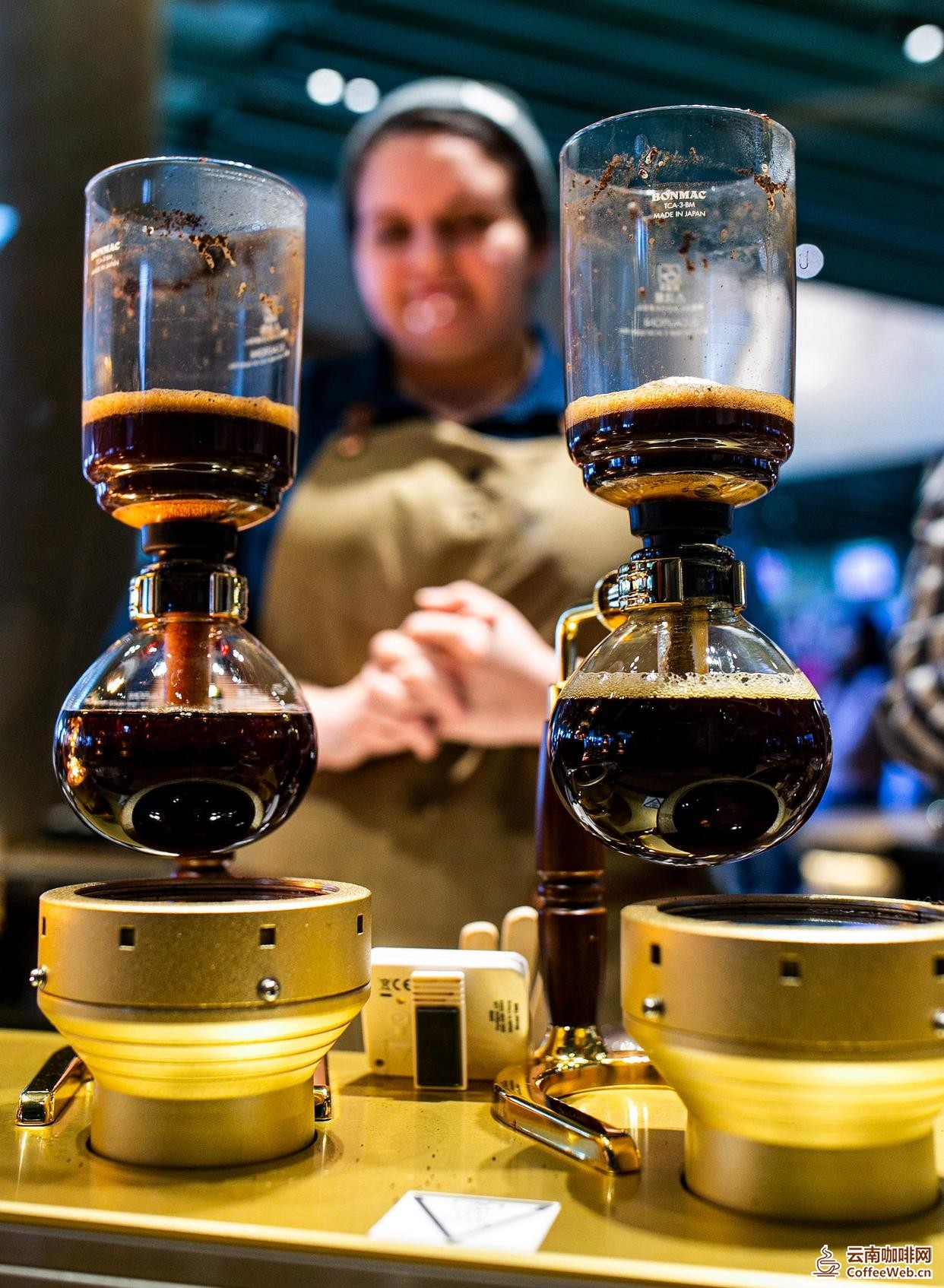
On November 25, 2019, in Chicago, USA, a barista was making coffee at the world's largest Starbucks store. Photo by Xinhua News Agency (Joel Lerner) The Associated Press reported on the 14th that according to the National Coffee Association of the United States, two-thirds of Americans drink coffee every day. In recent years, coffee prices in the US market have been rising. The latest Consumer Price Index showed that in January this year, coffee prices in the US increased by 18.3% year-on-year. Over the past five years, coffee prices have risen by 47% cumulatively.
According to data from Toast, a platform providing payment services to over 150,000 restaurants, the median price of a regular hot coffee in the United States rose to $3.61 (with $1 equating to approximately 6.9 RMB) in December last year, with notable regional variations; the median price for a cold brew coffee was $5.55.
This has caused many coffee lovers to stop visiting coffee shops, instead opting to make coffee at home, or even completely abandoning this habit.
Liz Sweeney, 50, who lives in Boise, Idaho, was once a "coffee addict". She admitted that "I couldn't get through a day without coffee before", not only drinking three cups at home every day, but also going to coffee shops whenever she went out.
But as coffee prices climbed, she stopped visiting cafes last year and only drinks a cup at home every day. "Now I won't habitually drive to the cafe anymore," she said. To stay alert, she drinks cola at home or orders cheap coffee at fast food restaurants.
Sharon Cooksy, a 55-year-old resident of North Carolina, quit her morning coffee shop habit last year due to the price hike of coffee and switched to brewing coffee at home. She was overjoyed after discovering high-quality and affordable coffee beans. Although she missed the cozy time chatting with familiar baristas at the coffee shop, brewing coffee at home costs only the equivalent of buying a latte at the store for a week, which is a real saving for her.
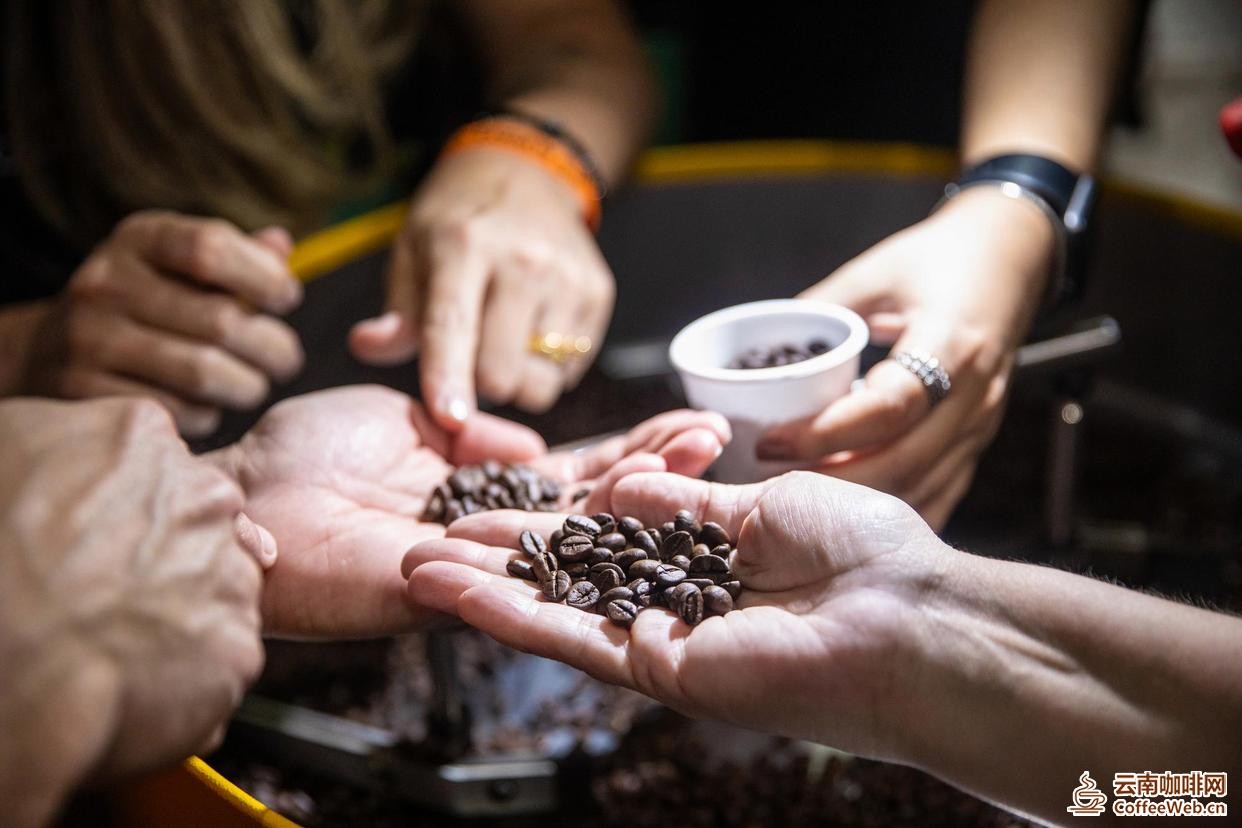
On November 9, 2023, visitors observed roasted coffee beans at the Coffee Week held in Belo Horizonte, Brazil. Photographed by Wang Tiancong, a reporter from Xinhua News Agency. The Associated Press reported that almost all coffee on the US market comes from imports. From early August to the end of November 2025, the US imposed high tariffs on all coffee categories from Brazil. During this period, Brazilian coffee exports to the US plummeted by 55% year-on-year. Additionally, weather conditions such as drought and rainstorms have led to reduced coffee crop yields, further driving up global coffee prices.
Donaldson learned her coffee habit of "ten packets of sugar and five servings of cream" from her mother. Coffee has been with her throughout her college years, military service, and government work. Even when prices rose, she initially persisted in purchasing it. It wasn't until last year when the government shutdown led to a halt in her salary that she completely gave up this habit. Nowadays, she opts for tea instead. "A cup of tea costs 20 cents, compared to a cup of coffee that costs 7 to 8 dollars," she said. "No matter how you calculate it, this is a good deal." (Jing Jing)