云南咖啡豆在国内热销,我国咖啡消费有哪些新变化?Yunnan coffee beans are selling well domestically. What are the new changes in coffee consumption in China?


This article is sourced from [CCTV Finance & Economics];
Yunnan coffee beans are hot-selling domestically. Who are the buyers of Yunnan coffee beans? What changes have occurred in China's coffee consumption market? Let's take a look at Guangdong, the province with the largest number of coffee shops nationwide.
In a coffee shop in Foshan, Guangdong, a small coffee brewing class is underway. The students include coffee enthusiasts as well as practitioners who came for further training.
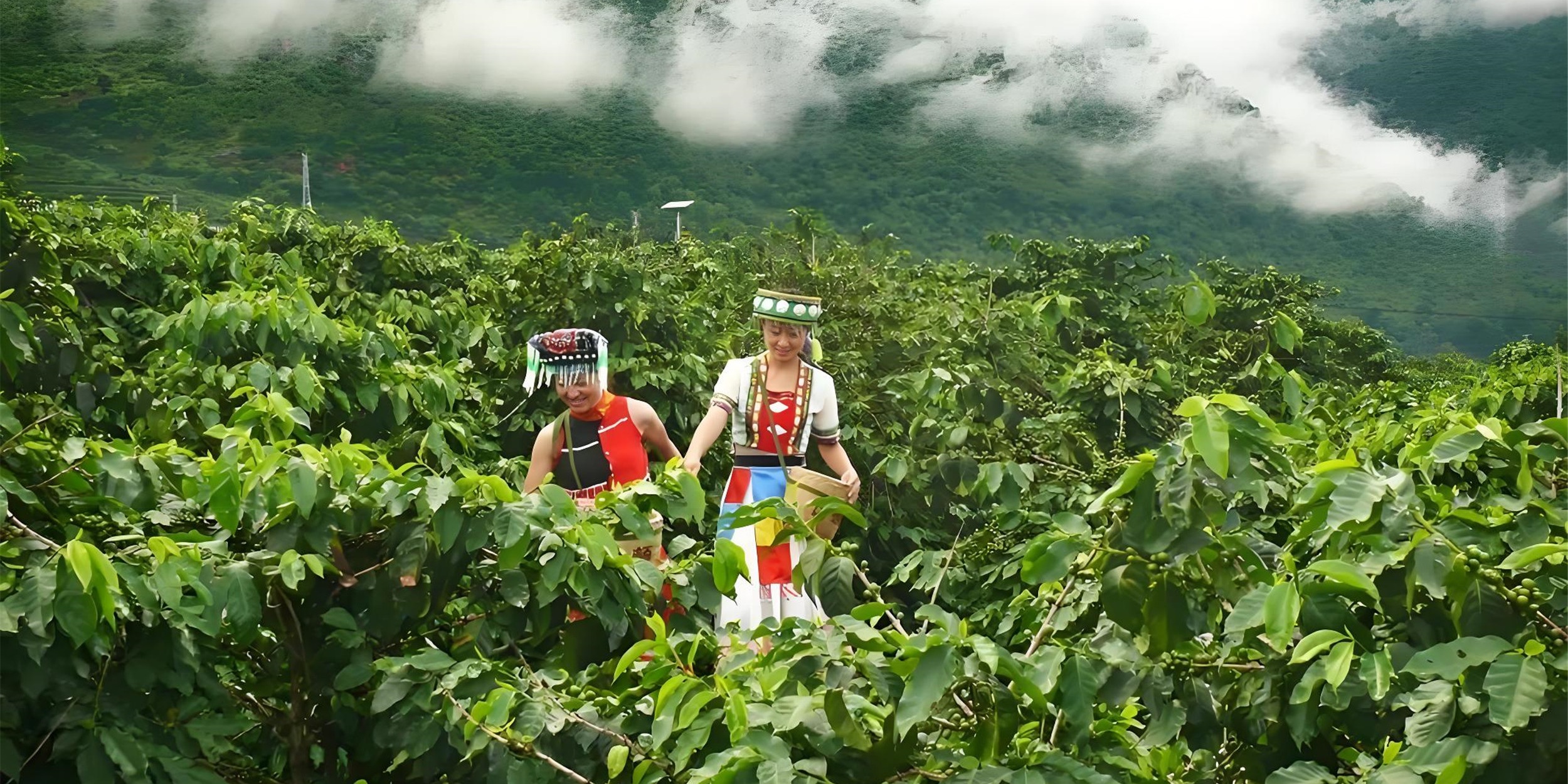
Reporters have learned that nowadays, from consumers, coffee shop operators to producers, the recognition of Yunnan coffee beans is constantly increasing, and the related procurement volume is also steadily growing.
Liang Jianyu, founder of a coffee college in Foshan, Guangdong: We purchase over 1 ton of beans from Yunnan every year, with an approximate increase of 200 to 300 kilograms each year.
Pan Weiyang, General Manager of a coffee roasting factory in Foshan, Guangdong: In 2025, our main increase will be Yunnan beans. Currently, 40% of our coffee beans are sourced from Yunnan.
Behind the rising popularity of coffee beans lies the vibrant vitality of the consumer market. Nowadays, coffee consumption has evolved from a competition of taste to one encompassing the comparison of environment, creativity, and emotional value. The "coffee+" model continues to innovate, with diverse business formats and robust demand attracting more participants to enter this field.
Chen Zhuoqian, Honorary President of the Shunde District Coffee Industry Association in Foshan, Guangdong: According to official statistics, there were over 1,300 coffee shops registered with the industrial and commercial department in Shunde two years ago, and now the number has reached over 1,800.
Data shows that in 2025, China's consumption of green coffee beans will be around 350,000 tons, an increase of about 25% compared to 2024. China has entered the top ten coffee-consuming countries in the world.