《雀巢咖啡2030计划》落地十五周年,全价值链低碳转型持续推进Nestl é Coffee 2030 Plan celebrates its 15th anniversary and continues to promote low-carbon transformation across the entire value chain
雀巢集团最新发布的雀巢咖啡计划进展报告显示,2025年雀巢从采用再生农业模式的农户手中采购的生咖啡豆占比达53%,取得阶段性重要成果,较2024年的32%实现大幅提升,这一增长得益于合作农户供货量增长以及田间帮扶项目的持续扩容。
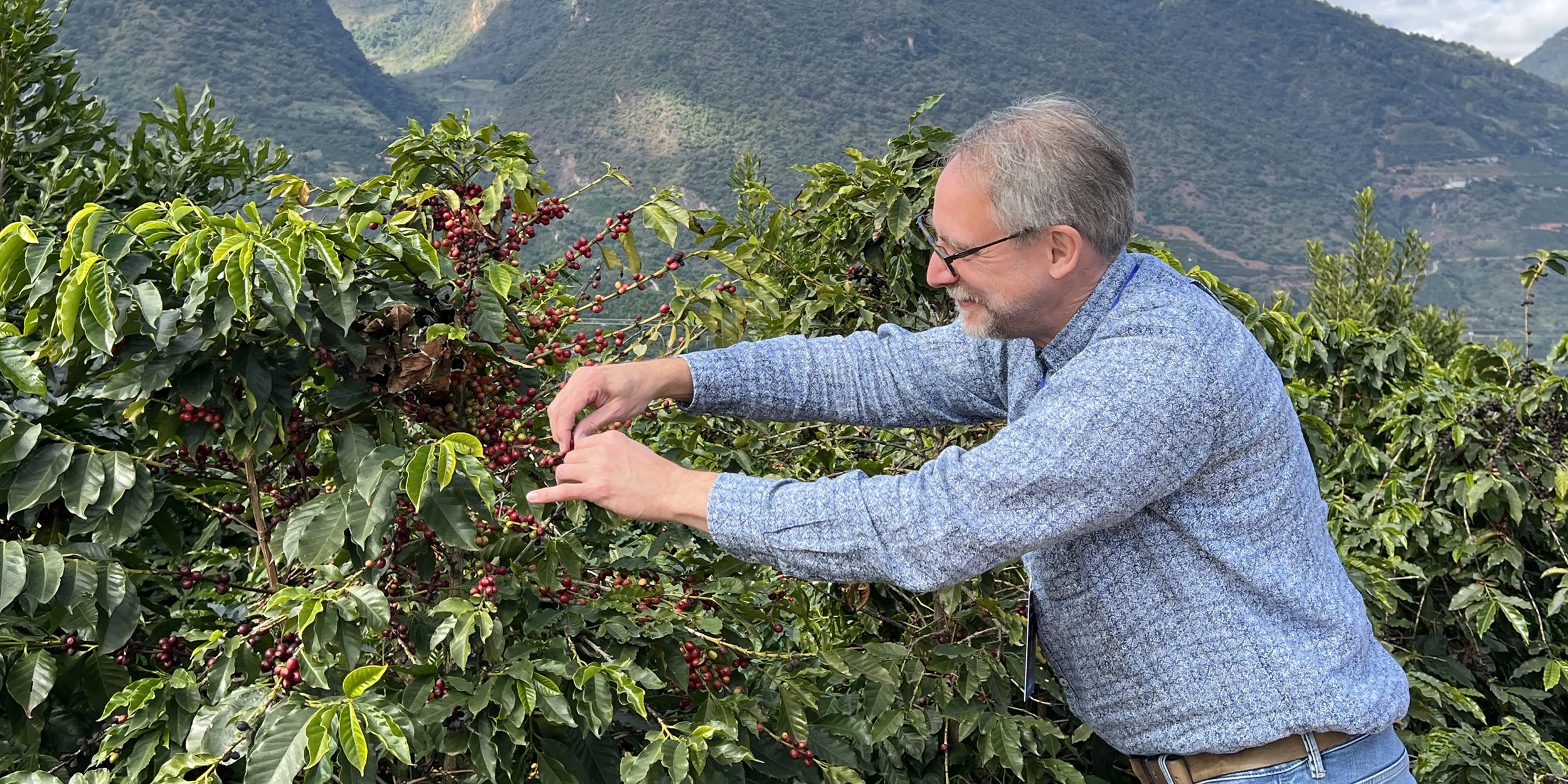
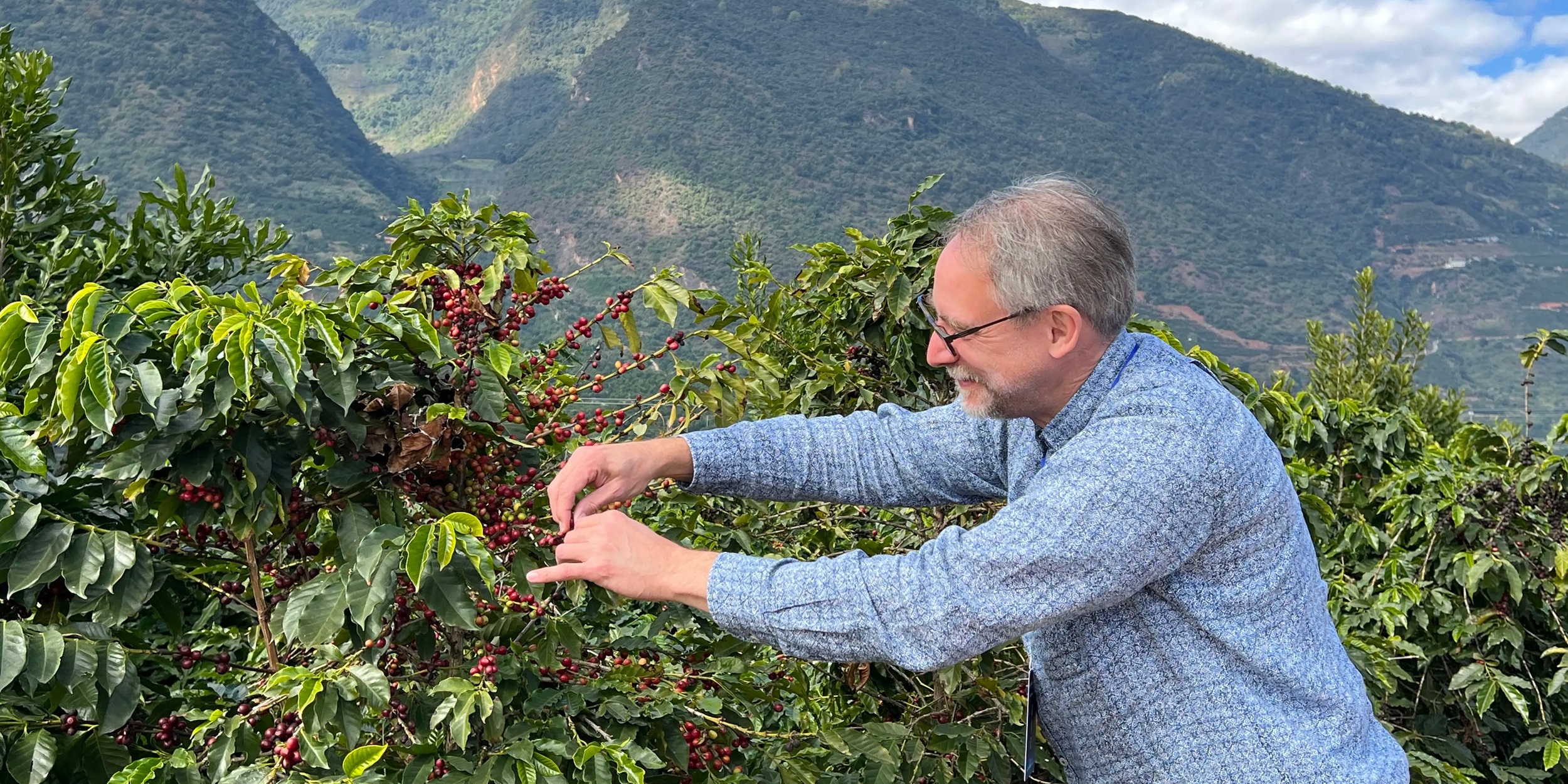
2025年,雀巢1600余名农艺师与一线工作人员,在15个国家为当地咖农提供再生农业相关培训与技术支持。品牌同时优化采购策略,进一步加大对践行再生农业农户的采购倾斜。
本次报告同时将评估范围拓展至整条咖啡价值链。2025年也是《雀巢咖啡计划》落地15周年。该计划依托长期投入,致力于提升咖啡价值链应对气候变化的能力,创造实实在在的环境与社会价值。
《雀巢咖啡2030计划》将再生农业列为核心举措。该模式能够优化种植方式、增强咖啡供应链韧性,同时惠及广大咖农与农田生态。农林复合种植、覆盖作物、科学施肥等举措,可有效改善土壤状况、保障长期稳产;间作模式也能帮助农户开辟收入新渠道,实现多元增收。以2018年为基准,2025年雀巢生咖啡豆相关温室气体排放量累计下降18.3%。
雀巢咖啡可持续发展负责人Antje Shaw表示:“2025年我们超半数咖啡豆来自践行再生农业的农户,这是一项重要里程碑。这也印证了我们正携手广大咖农,推动再生农业在整条咖啡供应链规模化落地。我们将持续助力农户完成种植模式转型,提升行业气候适应能力,保障雀巢长期稳定的咖啡豆供应——这也是公司重要的增长动力。”
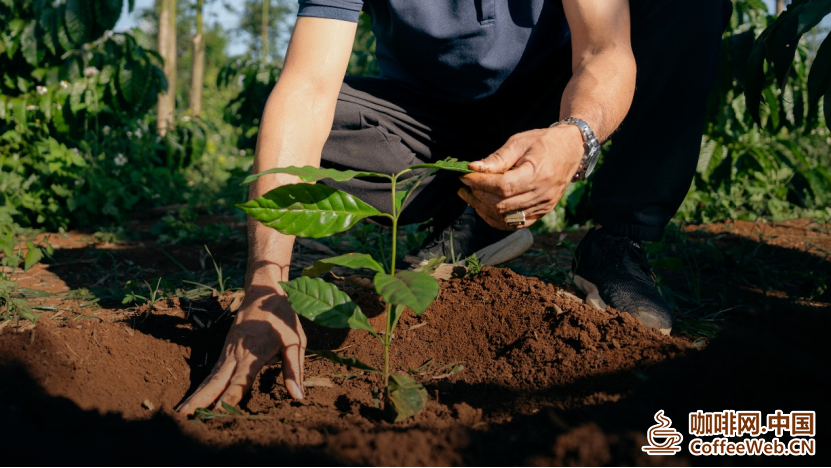
咖啡树树龄增长后,产量会自然下降,抵御气候变化的能力也随之变弱。为此,雀巢向农户推广具备更强抗病性与气候适应性的全新咖啡品种,助力农场更新迭代。2025年,雀巢累计向农户发放2030万株咖啡幼苗。
同年,雀巢咖啡94.3%的原料均实现负责任采购。所有生咖啡豆均可追溯至具体农户群体,并通过独立机构认证或核验,符合雀巢负责任采购标准。
本次报告除种植环节外,还涵盖咖啡生产、物流、包装等全价值链板块。生产、物流与包装是雀巢咖啡业务碳排放的三大主要来源。2025年,雀巢咖啡生产基地98.6%的电力均来自可再生能源,为整体减排目标达成提供有力支撑。
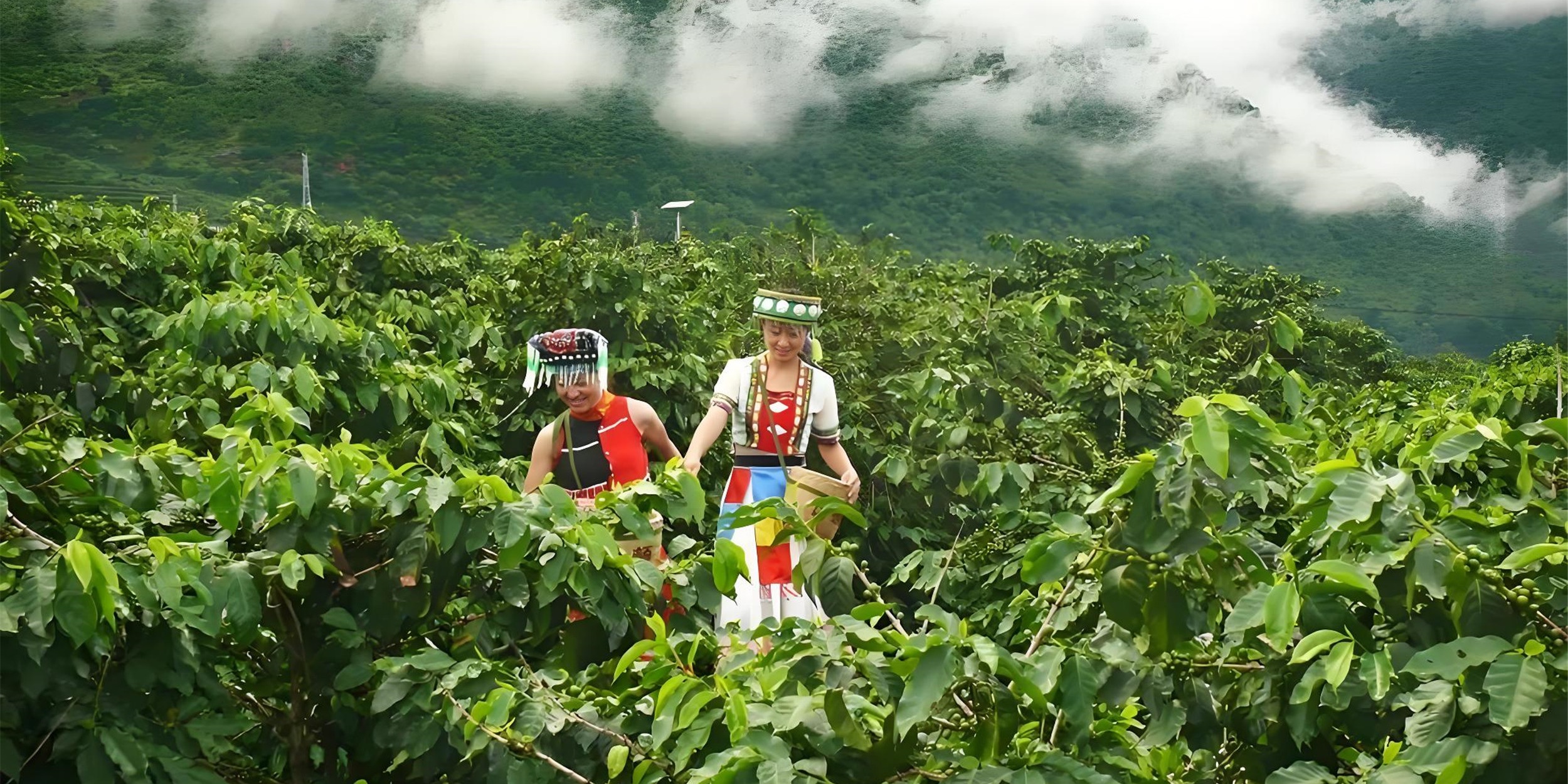
立足雀巢大中华区市场,雀巢中国秉持创造共享价值理念,三十余年间持续助力云南咖啡产业与地方社区发展,推动雀巢咖啡2030计划在本土落地实施。雀巢中国累计为近3万名咖农免费提供专业培训,当地采购的咖啡豆全部通过4C认证。自2022年起,雀巢中国系统化落地再生农业三大举措:每年采集约200份土壤样本开展测土配方、实现精准施肥;依托全球造林项目,至2025年累计植树超90万株;以微水加工设备替代传统水洗工艺处理咖啡豆,节水效率可达80% 以上。
依托这套系统化综合方案,《雀巢咖啡2030计划》将持续打造更具韧性、面向未来的咖啡供应链。
The latest progress report on Nestl é Coffee's plan released by Nestl é Group shows that by 2025, Nestl é will purchase 53% of its raw coffee beans from farmers who adopt a regenerative agriculture model, achieving significant progress compared to 32% in 2024. This growth is due to the increase in supply from cooperative farmers and the continuous expansion of field assistance projects.
By 2025, Nestle's more than 1600 agronomists and frontline staff will provide training and technical support related to regenerative agriculture to local coffee farmers in 15 countries. At the same time, the brand optimizes its procurement strategy and further increases its procurement bias towards farmers practicing regenerative agriculture.
This report also expands the scope of evaluation to the entire coffee value chain. 2025 is also the 15th anniversary of the implementation of the Nestle Coffee Plan. This plan relies on long-term investment and is committed to enhancing the coffee value chain's ability to respond to climate change, creating tangible environmental and social value.
The Nestle Coffee 2030 Plan lists regenerative agriculture as a core initiative. This model can optimize planting methods, enhance the resilience of the coffee supply chain, and benefit coffee farmers and agricultural ecosystems. Measures such as agroforestry planting, crop coverage, and scientific fertilization can effectively improve soil conditions and ensure long-term stable production; The intercropping model can also help farmers open up new income channels and achieve diversified income growth. Based on 2018, the cumulative greenhouse gas emissions related to Nestle's raw coffee beans will decrease by 18.3% by 2025.
Antje Shaw, Head of Sustainable Development at Nestle Coffee, said, "By 2025, over half of our coffee beans will come from farmers practicing regenerative agriculture, which is an important milestone. This also confirms that we are working together with coffee farmers to promote the scaling up of regenerative agriculture throughout the entire coffee supply chain. We will continue to assist farmers in completing the transformation of planting models, enhancing the industry's climate adaptation capabilities, and ensuring Nestle's long-term stable coffee bean supply - this is also an important growth driver for the company
As coffee trees age, their yield naturally decreases, and their ability to resist climate change also weakens. To this end, Nestle promotes new coffee varieties with stronger disease resistance and climate adaptability to farmers, helping to update and iterate farms. By 2025, Nestle will distribute a total of 20.3 million coffee seedlings to farmers.
In the same year, 94.3% of Nestle Coffee's raw materials were responsibly sourced. All raw coffee beans can be traced back to specific farmer groups and certified or verified by independent organizations, meeting Nestle's responsible procurement standards.
In addition to the planting process, this report also covers the entire value chain sectors such as coffee production, logistics, and packaging. Production, logistics, and packaging are the three main sources of carbon emissions for Nestle's coffee business. By 2025, 98.6% of Nestle's coffee production base's electricity will come from renewable energy sources, providing strong support for achieving the overall emission reduction target.
Based on the Nestl é Greater China market, Nestl é China adheres to the concept of creating shared value and has been continuously supporting the development of Yunnan's coffee industry and local communities for more than 30 years, promoting the implementation of Nestl é Coffee 2030 plan locally. Nestle China has provided free professional training to nearly 30000 coffee farmers, and all locally purchased coffee beans have passed the 4C certification. Starting from 2022, Nestle China will implement three major measures for the systematic implementation of regenerative agriculture: collecting about 200 soil samples annually for soil testing and formulation, and achieving precise fertilization; By relying on global afforestation projects, we aim to plant over 900000 trees by 2025; Replacing traditional water washing processes with micro water processing equipment for coffee beans can achieve a water-saving efficiency of over 80%.
Based on this systematic and comprehensive plan, the Nestle Coffee 2030 Plan will continue to build a more resilient and future oriented coffee supply chain.