上新占比35%,咖啡品牌“反攻”茶饮的决心更大New accounts for 35%, and coffee brands have a greater determination to launch a counterattack on tea drinks



The drinks are still surging
Sour and refreshing with a sweet aftertaste has become an important flavor type during this year's peak season. Reducing sugar and fat is not enough, and adding healthy ingredients has become mainstream.
At the just concluded KAMEN 2026 Super Beautiful Product Conference, KAMEN Chief Operating Officer Li Xiaofan shared her insights on beverage trends in the second half of the year, focusing on three directions. Let's take a look together. (The following is a compilation of the speech transcript, with some deletions.)
New Product Launch: From "Volume Quantity" to "Stable Rhythm"
Over the past decade, we have continuously tracked the updates of mainstream brands and produced annual product reports.
In 2025, we sorted out 2550 products; In the first half of 2026, we will continue to observe 55 new brands, including 41 tea beverage brands and 14 coffee brands.
In these data, I found an interesting phenomenon: the frequency of new tea drinks has been consistently stable, and the industry is jumping out of the "roll quantity".
In the first half of the year, an average of 22.5 new tea beverage brands were launched, with a total of 924 new products included. Compared to the annual average of 44.3 new models in 2025, the pace is basically the same.
Looking back at the past decade, 2022 is the peak of new product launches, with an average of 53 new releases per brand per year, equivalent to launching more than one product per week. In 2024, this number experienced a cliff like decline, dropping directly to 11.5 models. But from 2025 until now, the number of new listings has remained in a stable range.
What does this mean? It seems that everyone has reached a tacit understanding regarding the quantity of rolls and pressed the pause button together.
The monthly update data also confirms this point: comparing the update pace between January to June 2025 and the same period in 2026, although the statistical brand range has been slightly adjusted, the pace is highly consistent, with some months only showing single digit differences.
This is a tacit understanding among peers and a sign of the overall maturity of the tea beverage market.
Perhaps it is difficult to repeat the myth of creating wealth in a frenzy like manner, but micro iteration, micro innovation, and localized personalized development will become the mainstream in the coming period.
Industry Trends: Three Signals Worth Paying Attention to
In the first half of the year, many tea drinking friends asked me the same question: What is the trend? I will focus on sharing three directions: flavor transformation, health enhancement, and integration of tea and coffee.
1. Taste type change: rise of niche fruits, sour and refreshing return to sweet season anchor point
We collect statistics on the use of fruits by tea beverage brands every year. In the first half of the year, perfume lemon, strawberry, coconut, watermelon and mango were still the mainstream, but small categories such as rosa roxburghii, barbaca, cranberry and lotus fog also began to appear frequently.
There are several types of fruits that are particularly worth paying attention to.
Firstly, there are apples. In the past few years, apples have been used less in tea drinks, but this year they have risen to prominence with their cost friendly and adaptable advantages, and their frequency of use has surged, directly entering the top five fruit usage frequency rankings by 2025.
Next is guava, a fruit from southern China that many northern friends have never tasted before. Now, following the footsteps of new tea drinks, it has spread throughout the country and its popularity continues to this day.
In addition, the berry series rich in anthocyanins has also attracted much attention. In addition to common blueberries and strawberries, niche berries such as mackey, ageless berry, and Brazilian berry will frequently appear on new tea drink menus between 2025 and 2026.
Another important change in taste profile is that the demand for sweetness has been largely satisfied, with sour and refreshing aftertaste becoming the anchor point for this year's peak season taste profile.
Last year at the R&D conference, I mentioned that sour and sweet aftertaste is a prominent flavor type, which has been featured on various brand menus with the trend of "mountain and wild wind". At that time, we were still thinking, how long can this flavor last?
Until this year, we found that it had become a standard feature during peak seasons. Ingredients such as starfruit, green awns, oil tangerines, sour papaya, olives, and hibiscus have been widely used in spring and summer this year.
2. Health Enhancement: From Subtraction to Addition
We have found that the era of adding health has arrived.
In 2025, out of 1859 new products, 181 will use vegetable elements, accounting for 10%. In the first half of this year, the popularity of fruits and vegetables slightly declined, but kale remains the "first vegetable" of new tea drinks.
Another unexpected discovery is that Tomato, which was not used frequently last year, stood out among multiple brands in the first half of this year and launched related popular products, which were highly discussed on social media platforms.
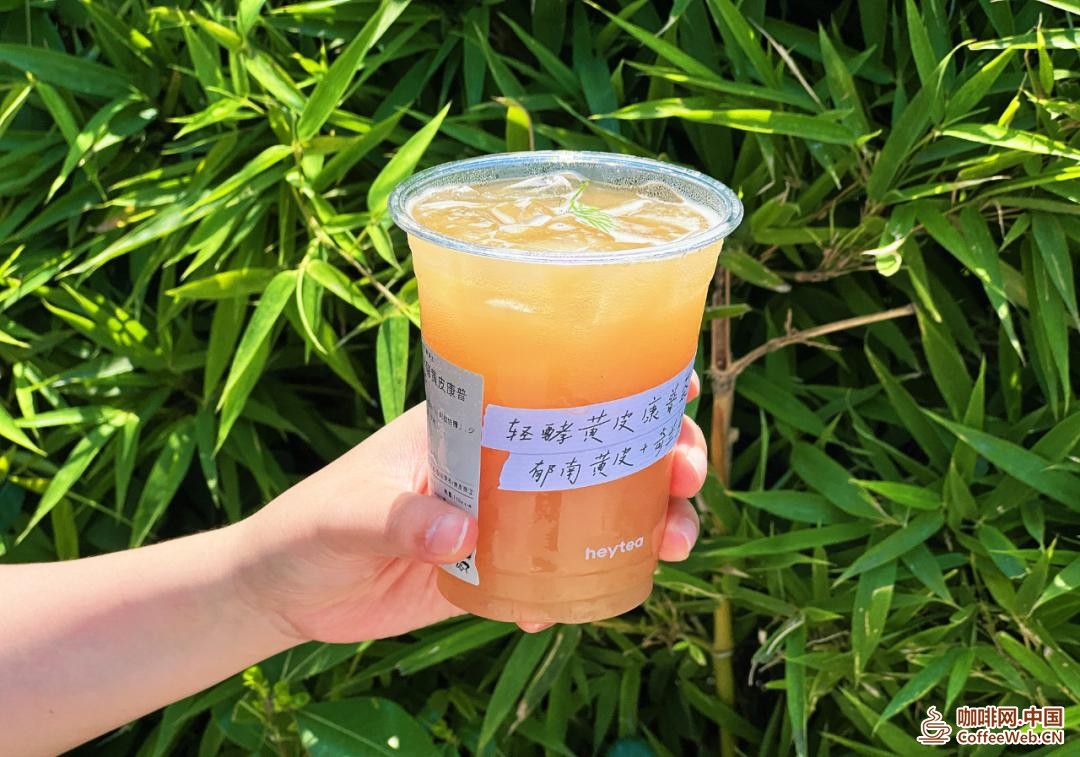
The concept of health is constantly expanding. For example, Kangpu tea, in the past, people thought the taste was a bit curious, but this year Heytea has launched related products, which have also sparked widespread discussion.
Coffee brands are also paying attention to nutritional value. In the first half of the year, Starbucks launched a new high protein latte, which contains 20 grams of protein per cup. Working people can refresh themselves while supplementing their nutrition, with a distinctive selling point.
Consumers nowadays understand formulas better than ever before, and even read ingredient lists better than us practitioners. Reducing sugar and fat is no longer sufficient. This year, it is evident that products that add to health have become mainstream.
3. Tea and coffee blending: coffee brands have greater determination to launch a counterattack on tea drinks
We have been discussing coffee products on tea drink brands, but data shows that coffee brands seem to have a greater emphasis on tea drinks.
In the first half of 2026, coffee products will account for 7.5% of tea beverage brands; And among the 14 coffee brands we counted, a total of 325 products were launched in the first half of the year, of which 114 contained tea elements, including matcha, roasted tea, etc., accounting for as much as 35%.
It can be seen that coffee brands are very determined to expand into tea beverages. With the deepening of category exploration, multi category operation of chain brands has become a common practice.
The format of this year's National Finals of the New Tea Beverage Competition also echoes this trend: one core idea plus two creative products.
Conclusion
After experiencing the golden decade, every year when I look at products, I have a feeling that even after the golden decade, beverages are still surging. This is an industry driven by innovation, an industry that will not disappoint good products, and an industry that can use super products to convey super beauty.
This article is from the WeChat official account "Kamen Club" (ID: Kamen Club). The author: Kamen, 36 Kr, is authorized to release.
The viewpoint of this article only represents the author himself, and the 36Kr platform only provides information storage space services.